Make-up
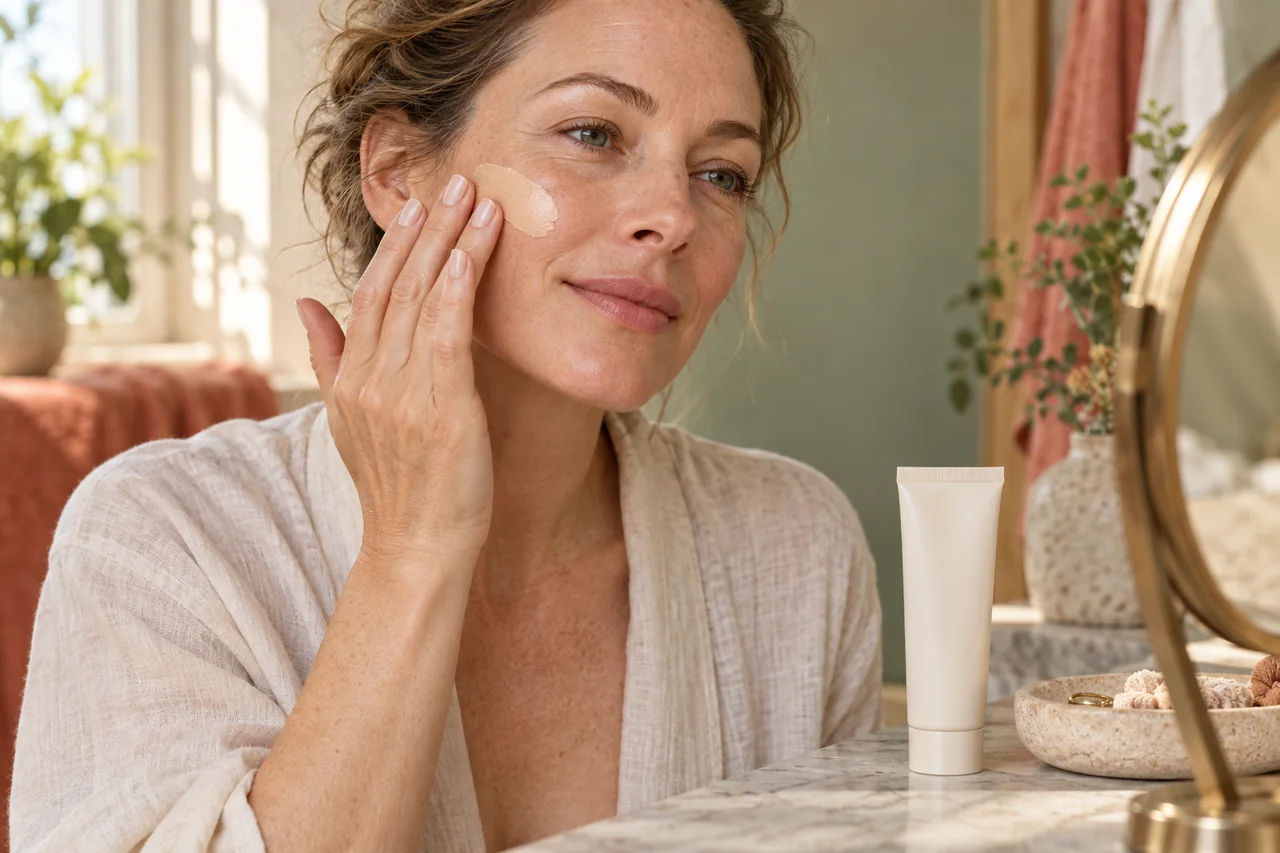
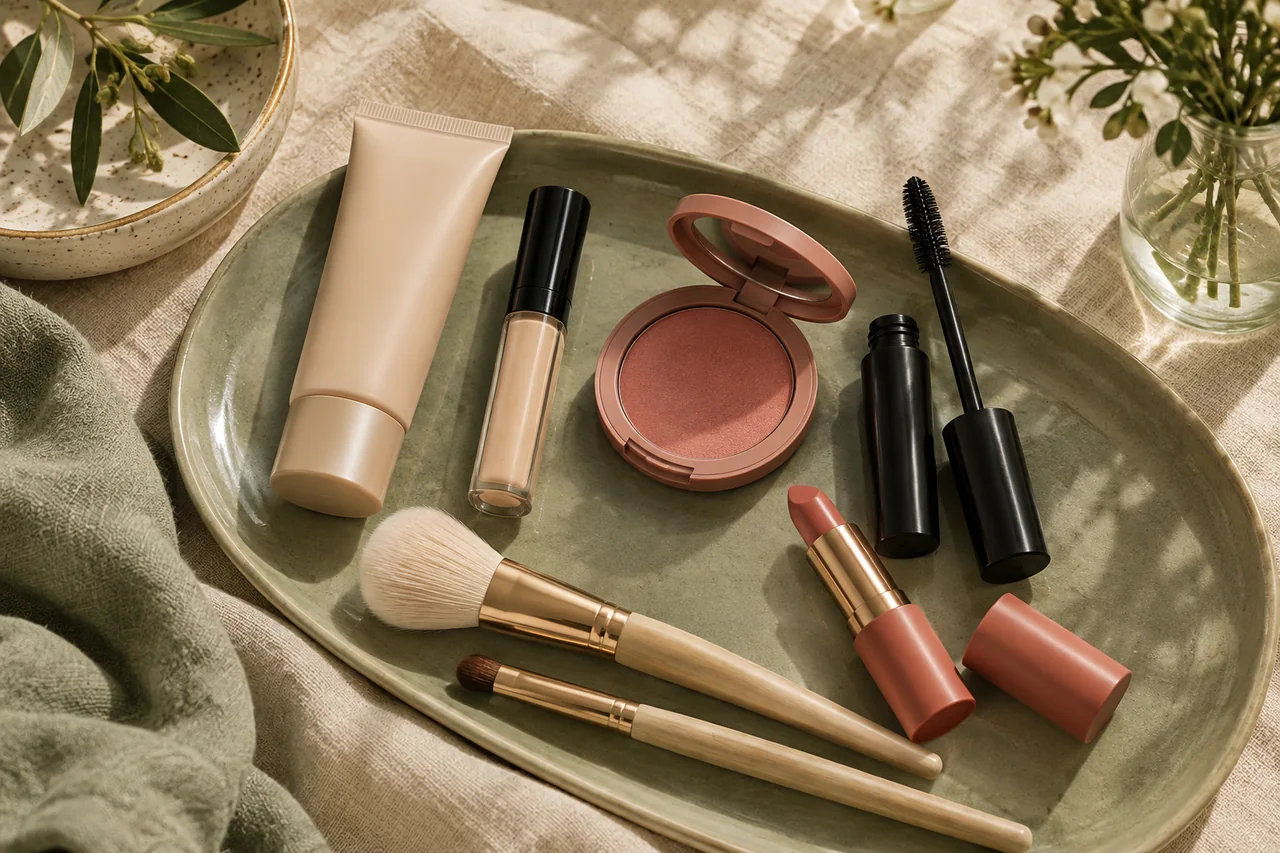
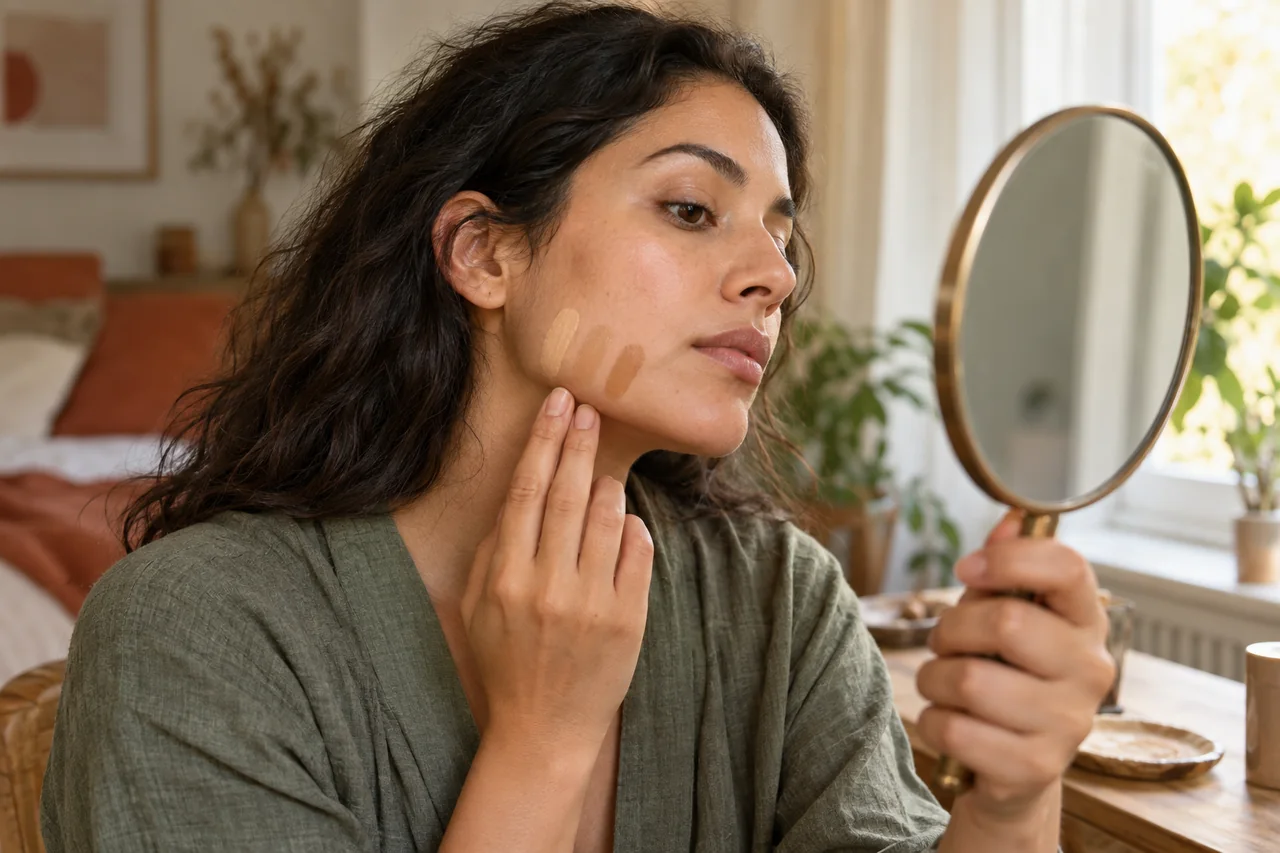
Find a foundation shade with a daylight comparison
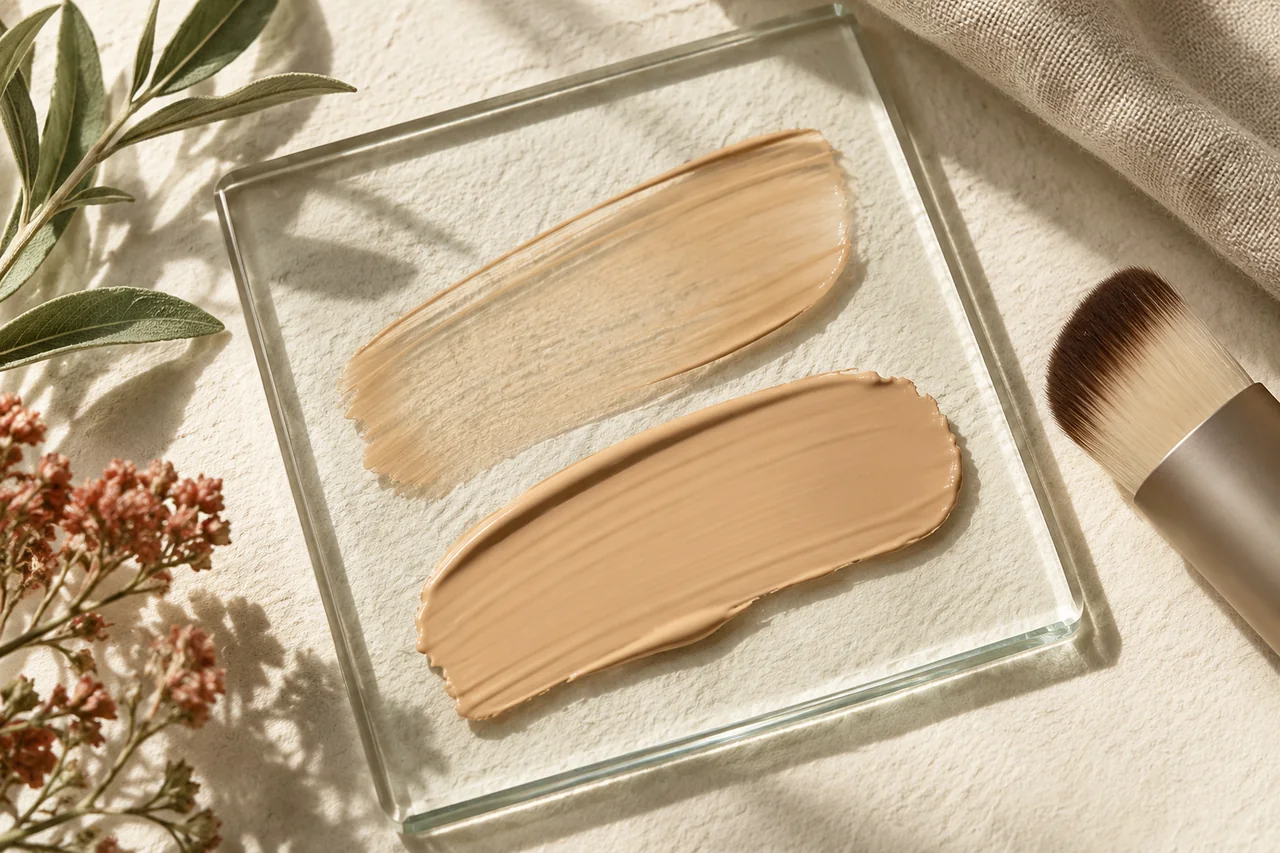
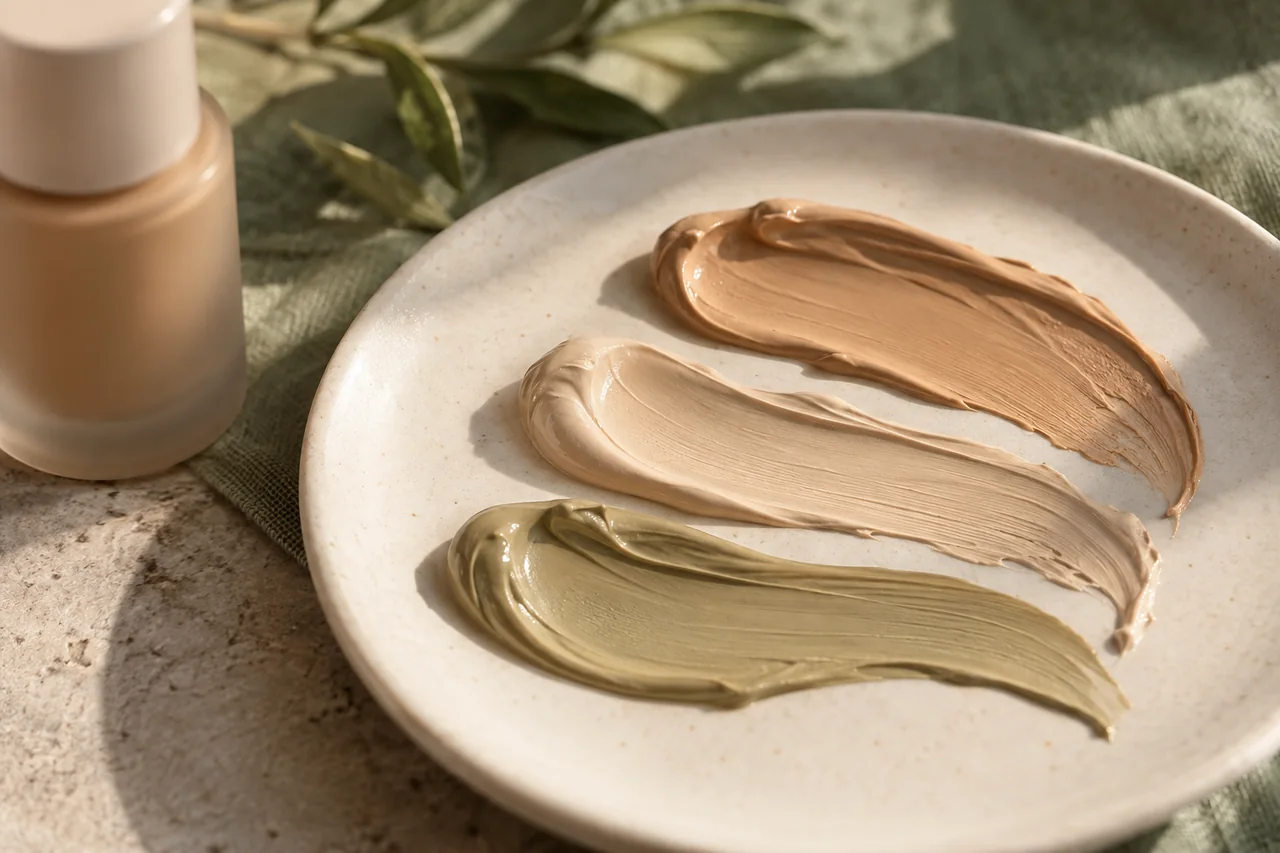
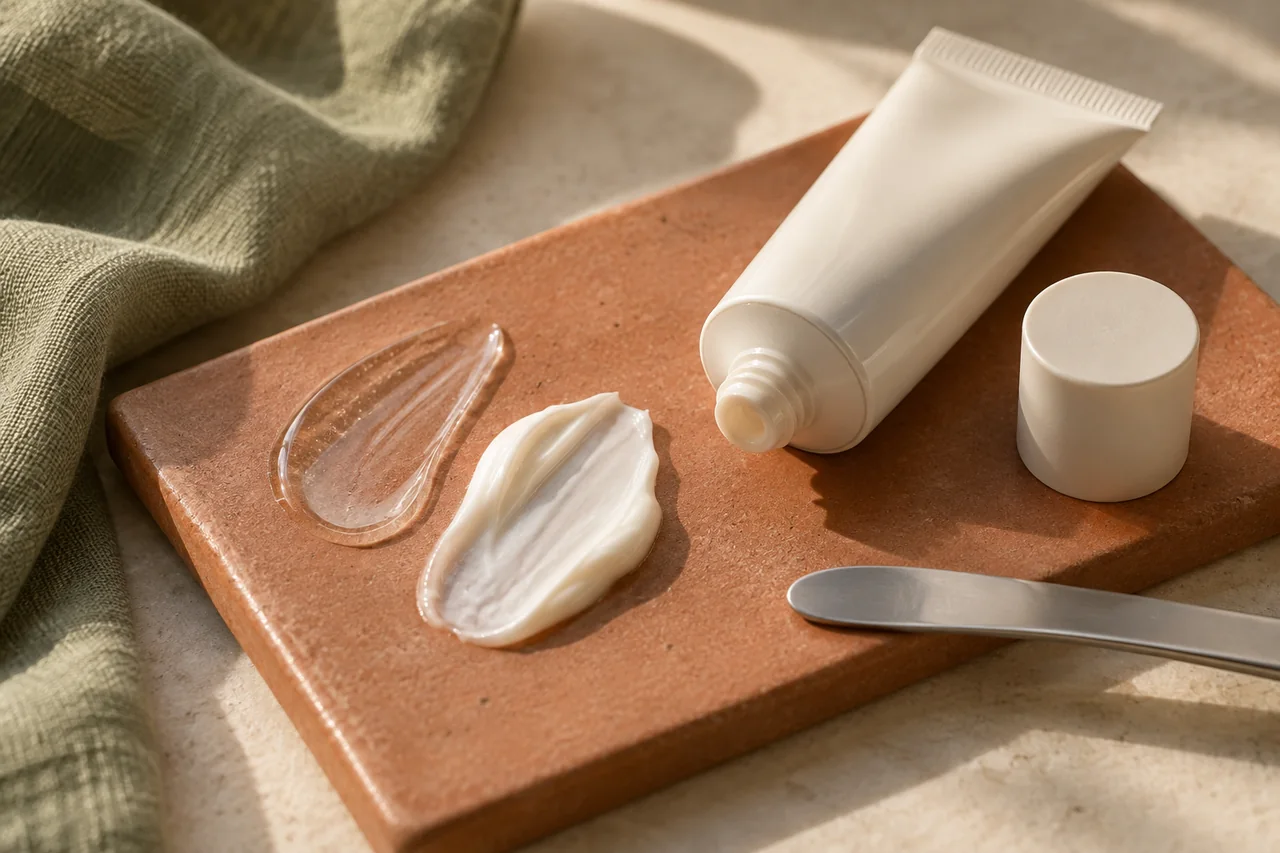
Compare small foundation samples at the jawline, check them after drying and keep useful notes before deciding what to buy.
This language edition contains the complete articles listed below. Language links appear only where a complete corresponding translation is available.
Compare small foundation samples at the jawline, check them after drying and keep useful notes before deciding what to buy.
Compare sheer, medium and fuller coverage, then add product only where it improves your chosen look.
Separate depth from undertone, compare shades under consistent light and describe the difference you can actually see.
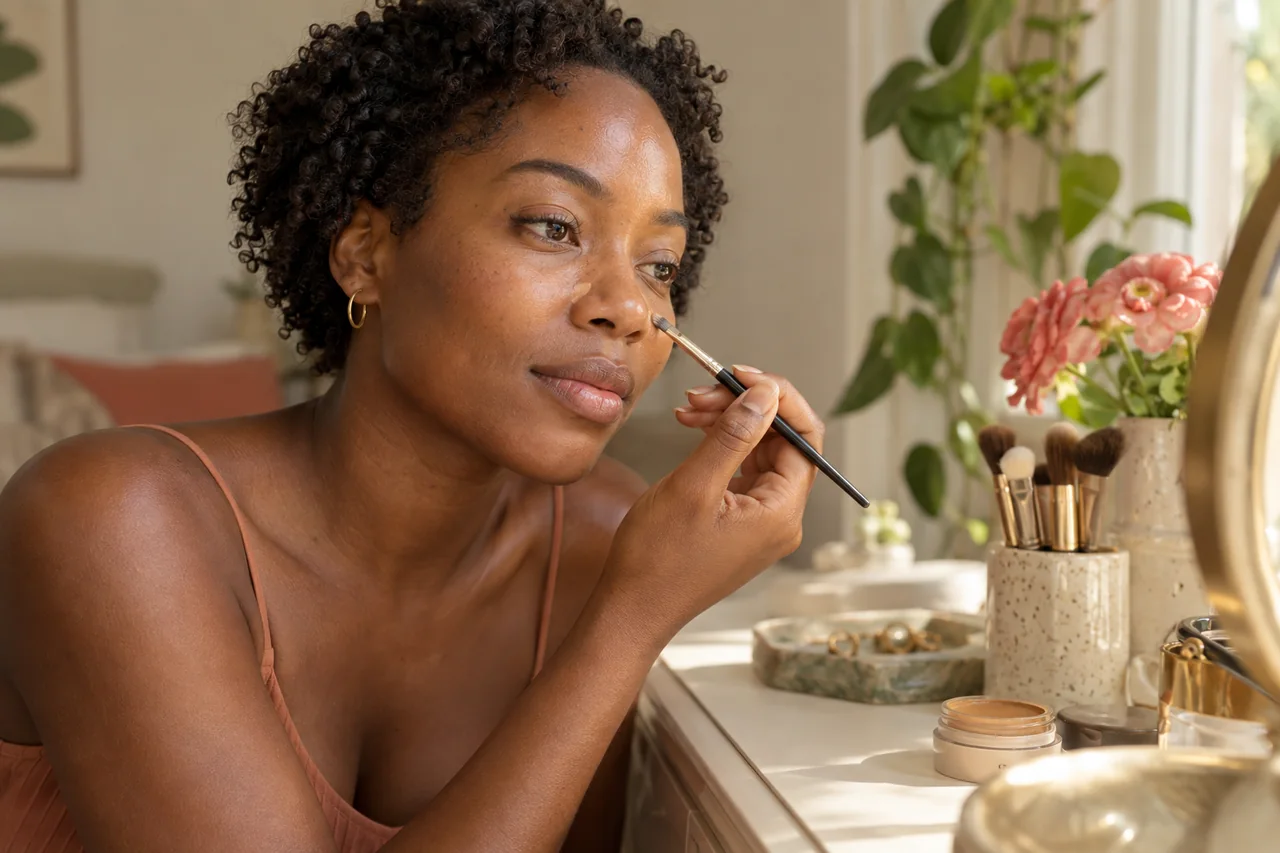
Separate targeted colour evening from intentional brightening, then control concealer shade, quantity and edges.
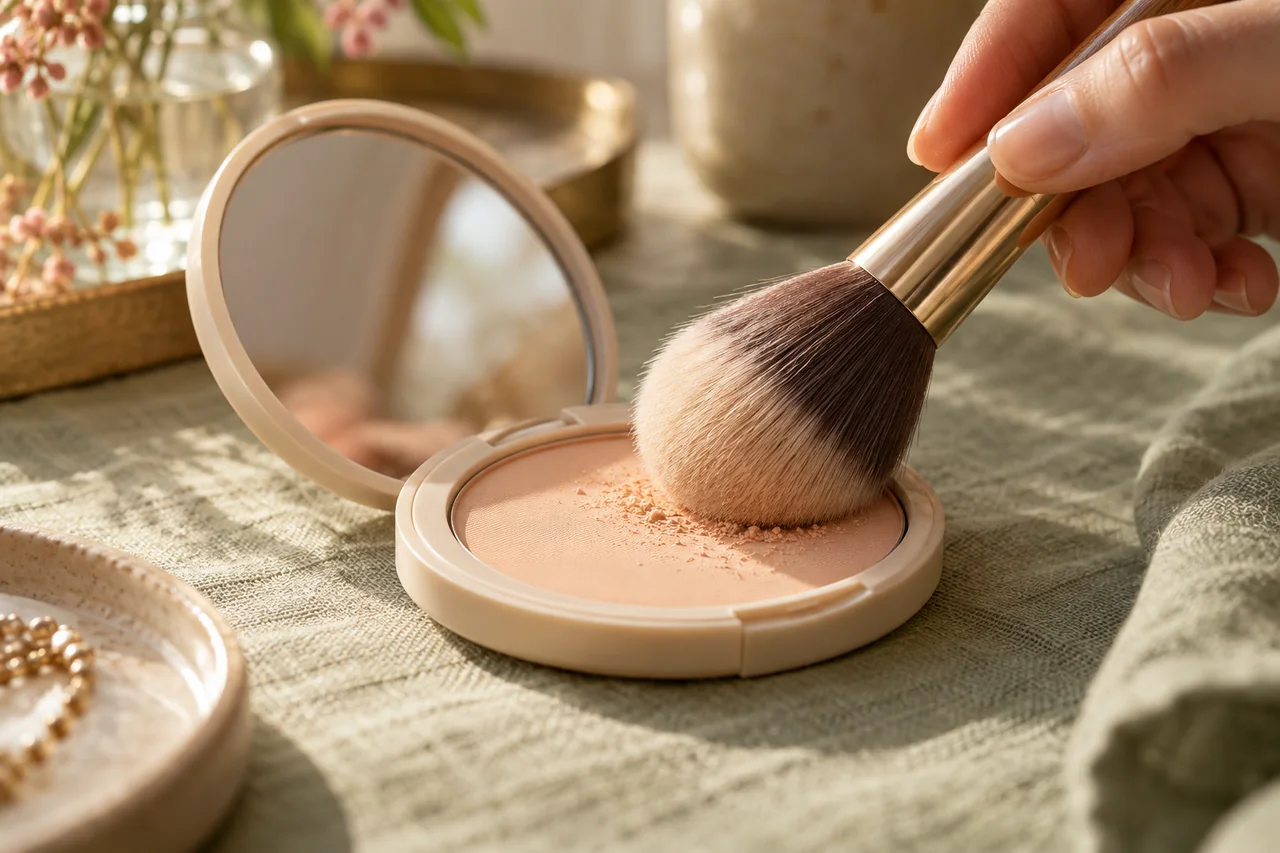
Distinguish unwanted shine from intentional glow, choose a manageable powder texture and refresh without building heavy layers.
Give primer a specific task and compare two ordinary days before adding another product to your routine.
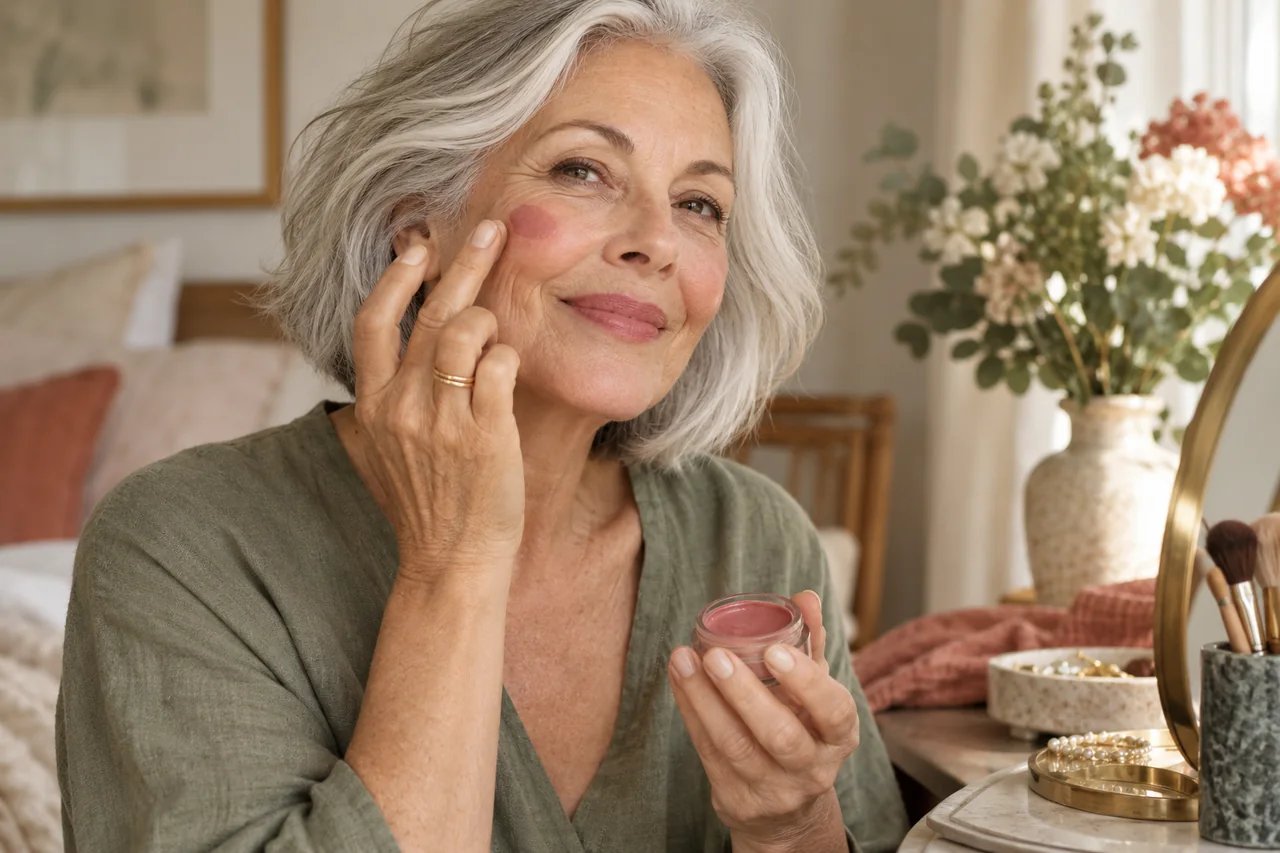
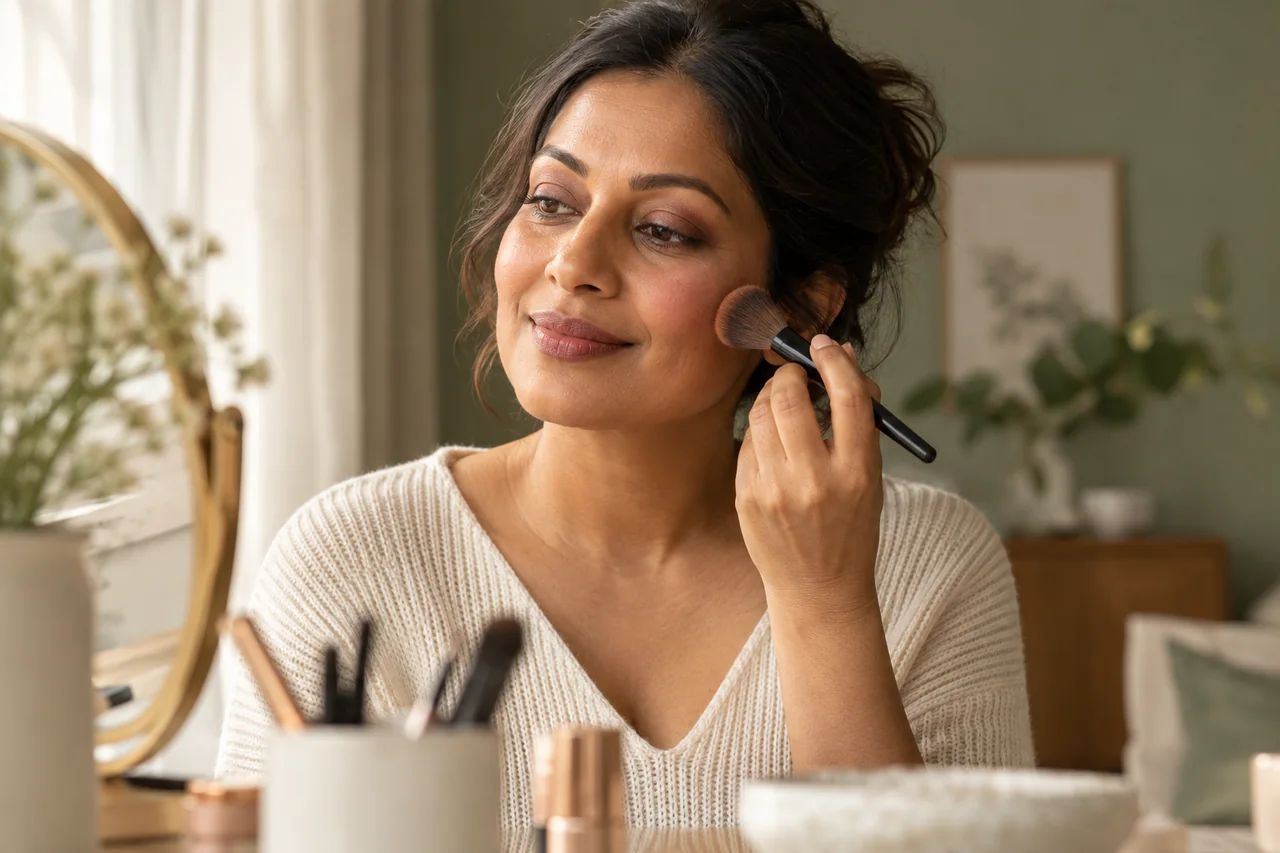
Try central, side and higher cheek placement while keeping colour and amount consistent, then choose the expression you prefer.
Identify whether you want warmer colour or a shadow-like accent, then compare subtle shades and small placements.
Choose one area, compare its reflection in movement and check whether your blush or foundation already provides enough glow.
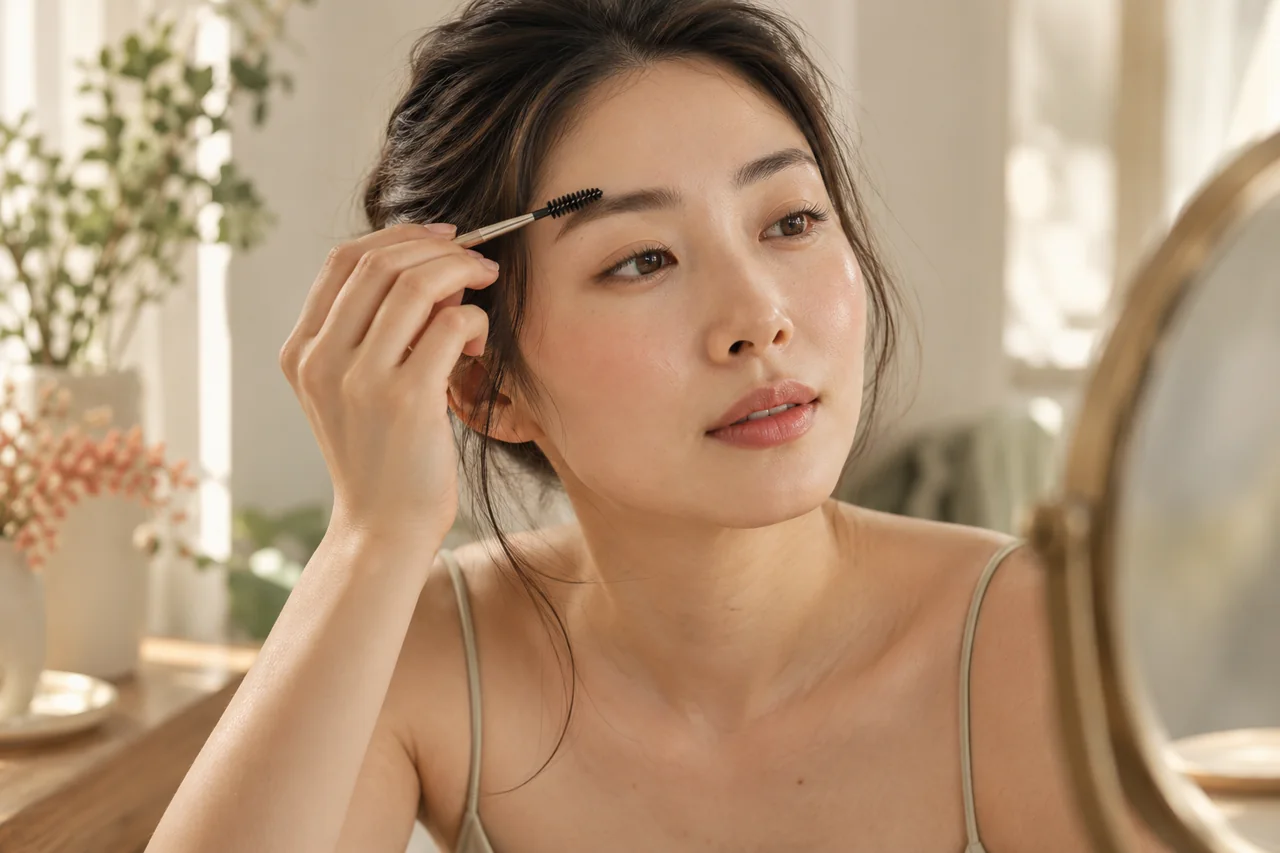
Brush the hairs, identify a small visible gap and choose a controlled amount of pencil, powder or brow gel.
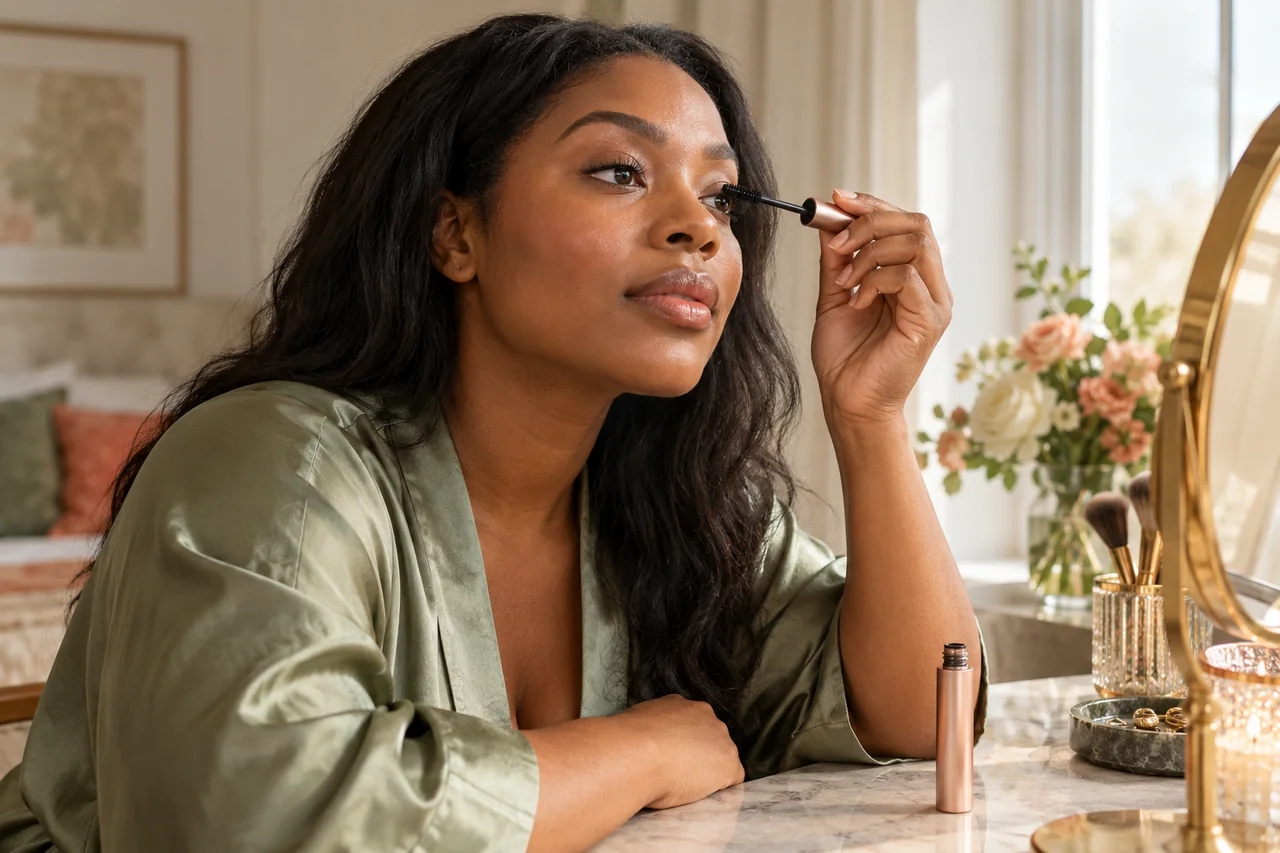
Prepare a stable mirror, control the brush load and assess one thin coat before adding more emphasis.
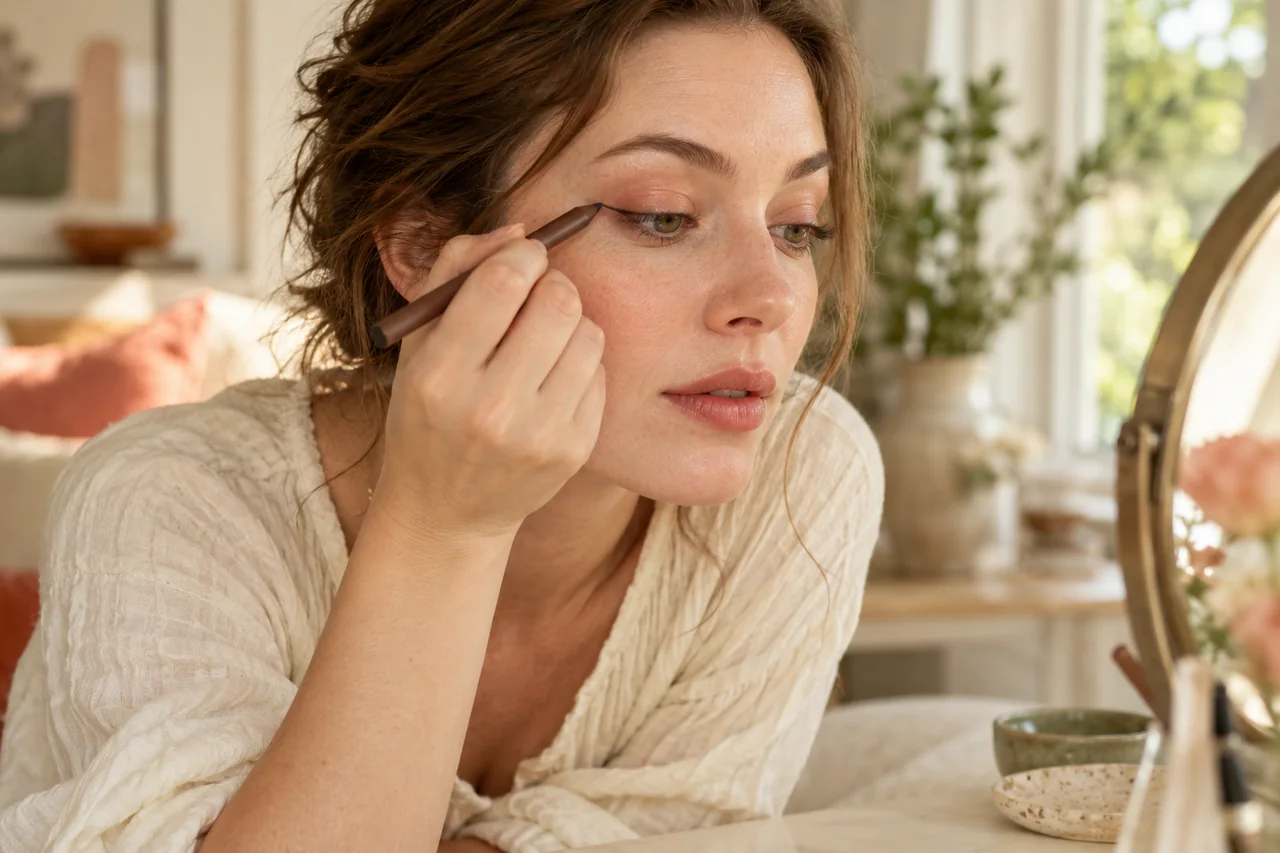
Practise a small upper-lash-line accent with a stable mirror and an eye-area product, then add a wing only if you want one.
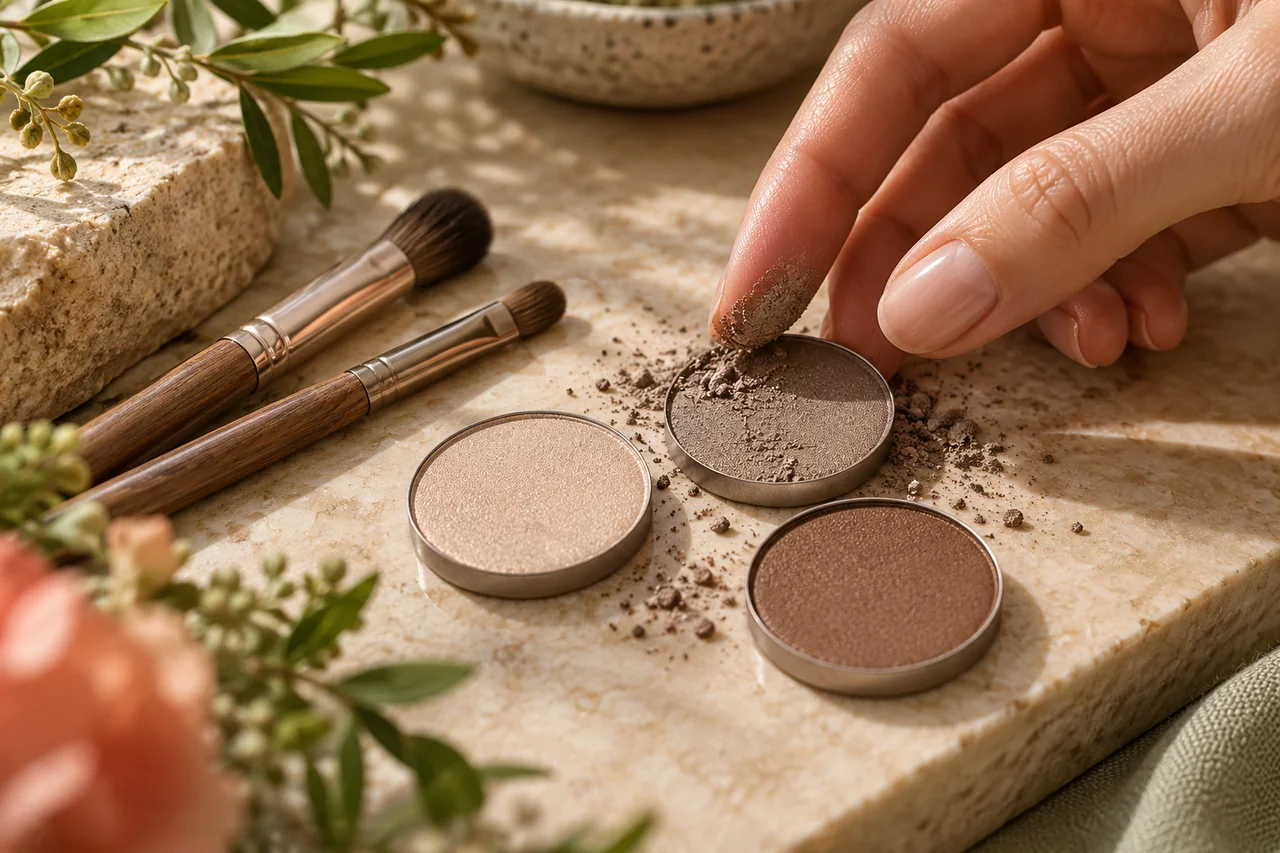
Build a light base area, a small darker accent and a soft edge with two shades and controlled amounts.
Choose a soft or defined outline, apply from the centre and check movement before deciding whether more colour is needed.
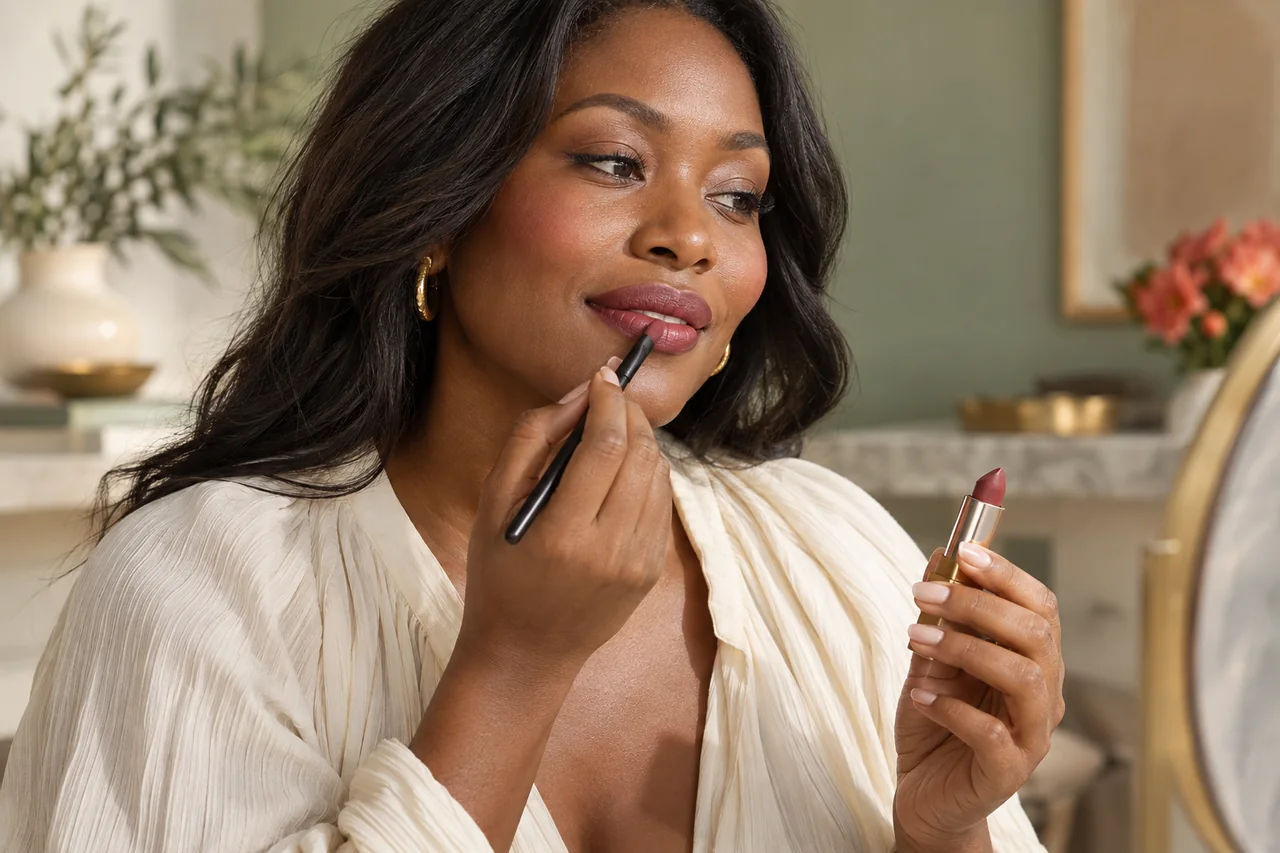
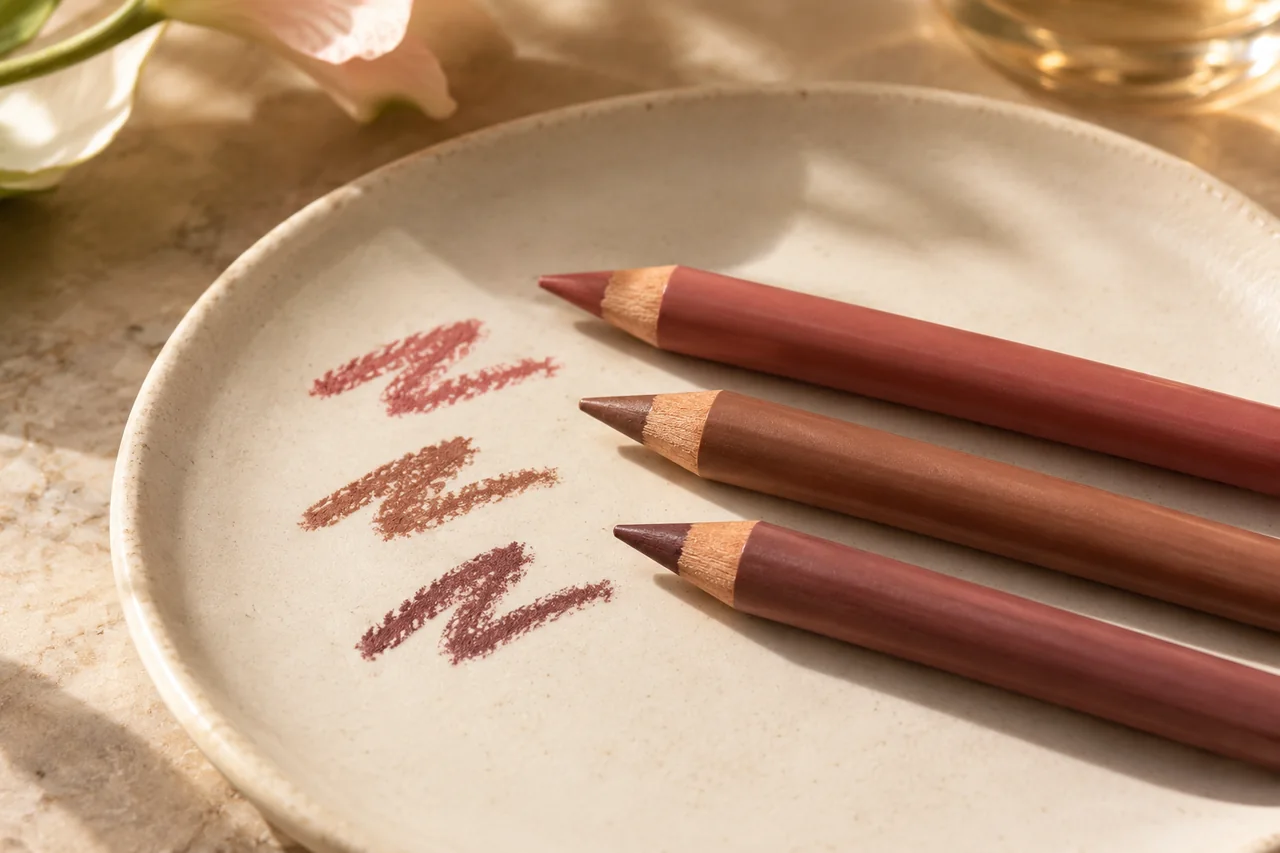
Match liner and lipstick side by side, consider texture and define whether the outline should blend in or remain visible.
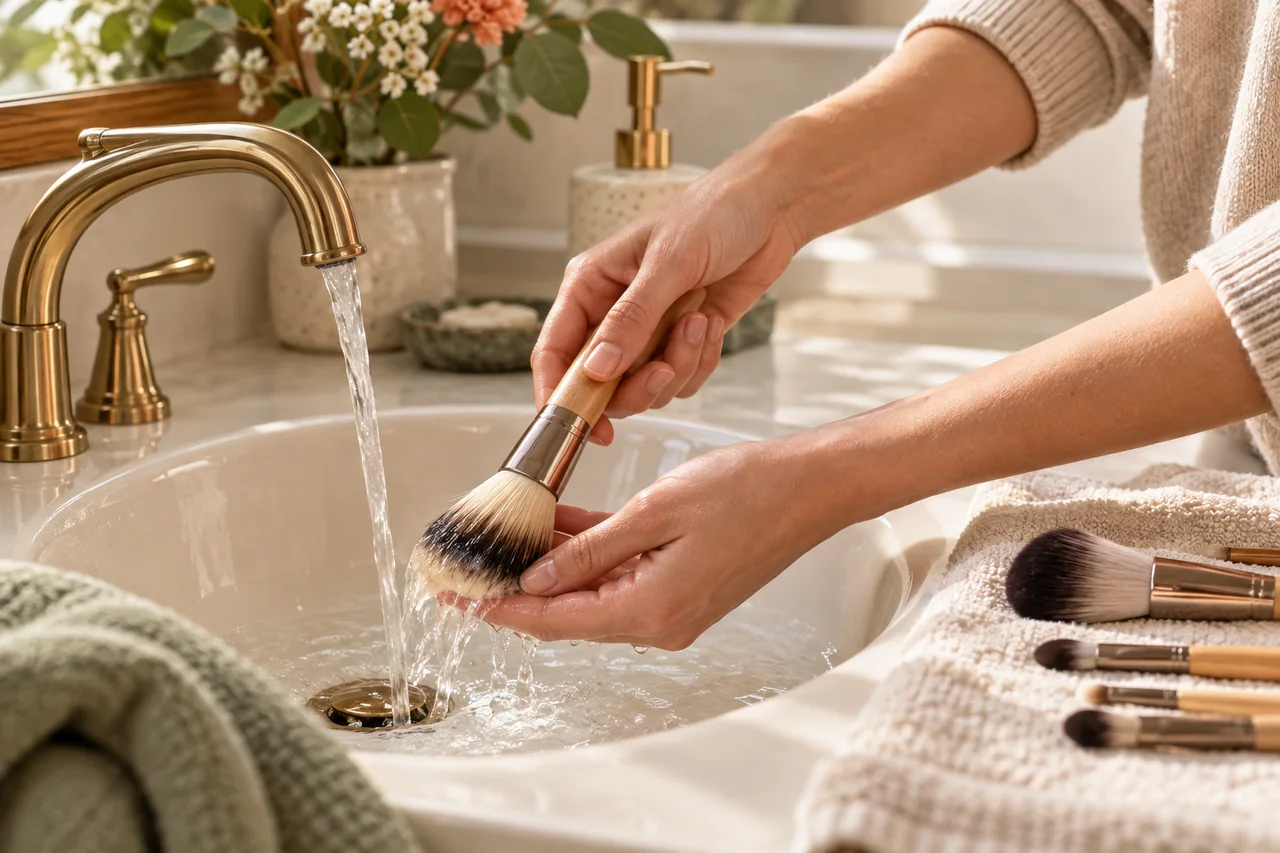
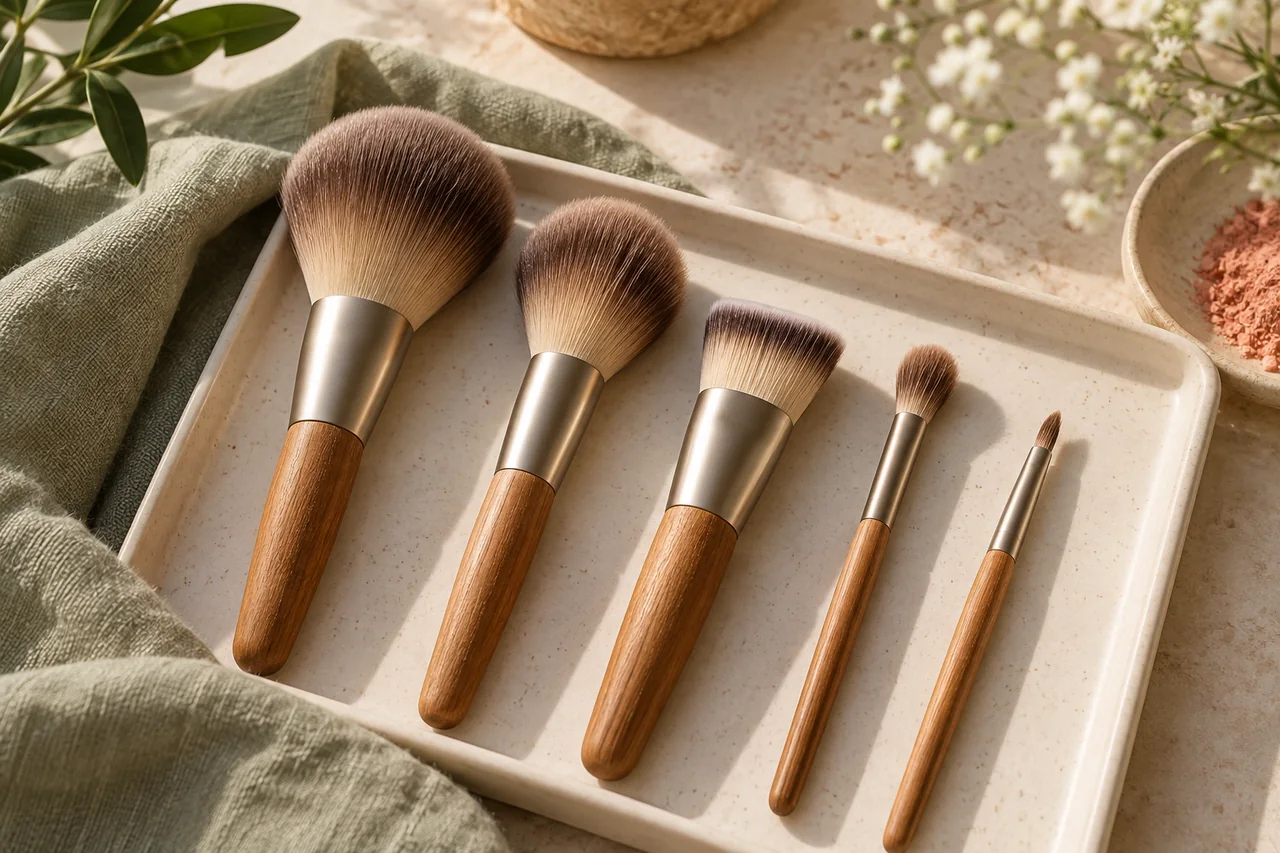
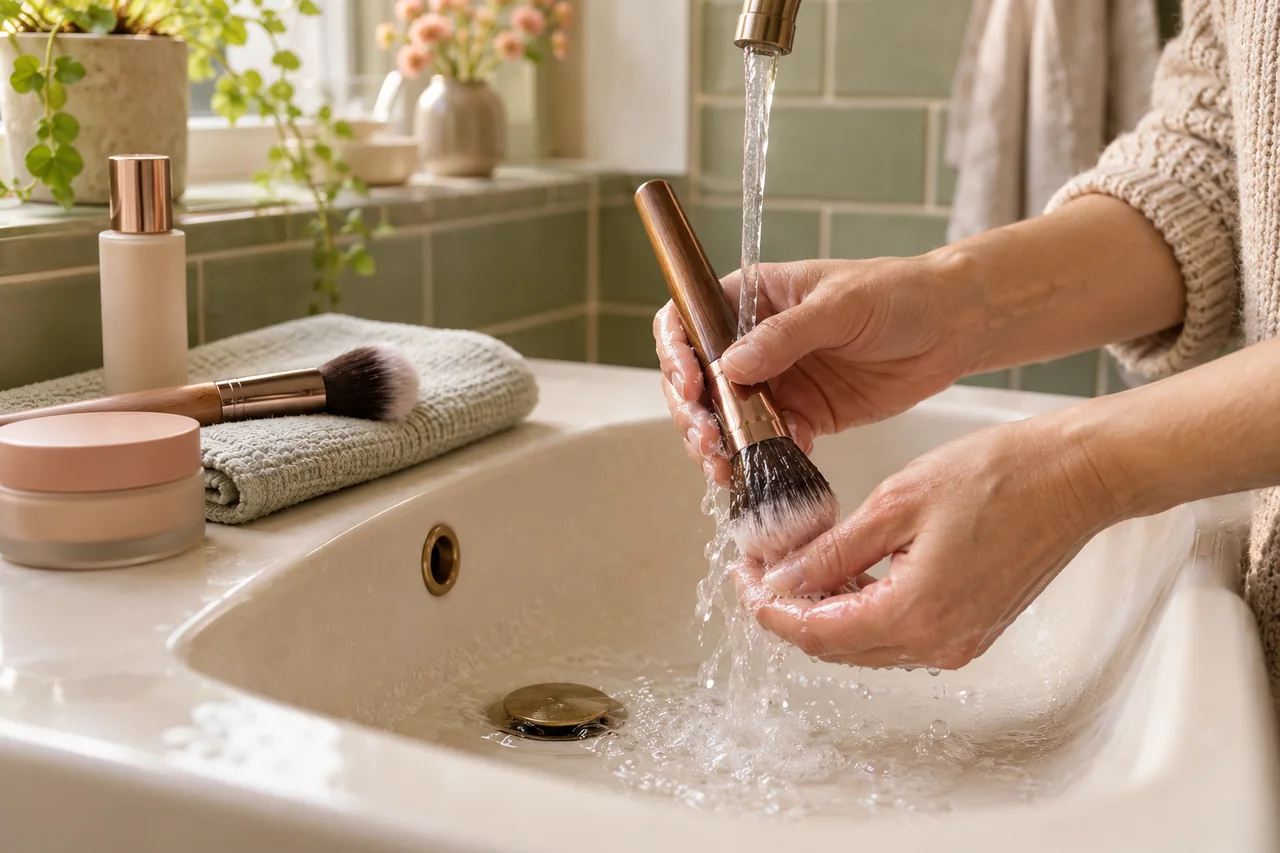
Sort brushes and applicators, follow their material instructions and finish cleaning with proper drying and storage.
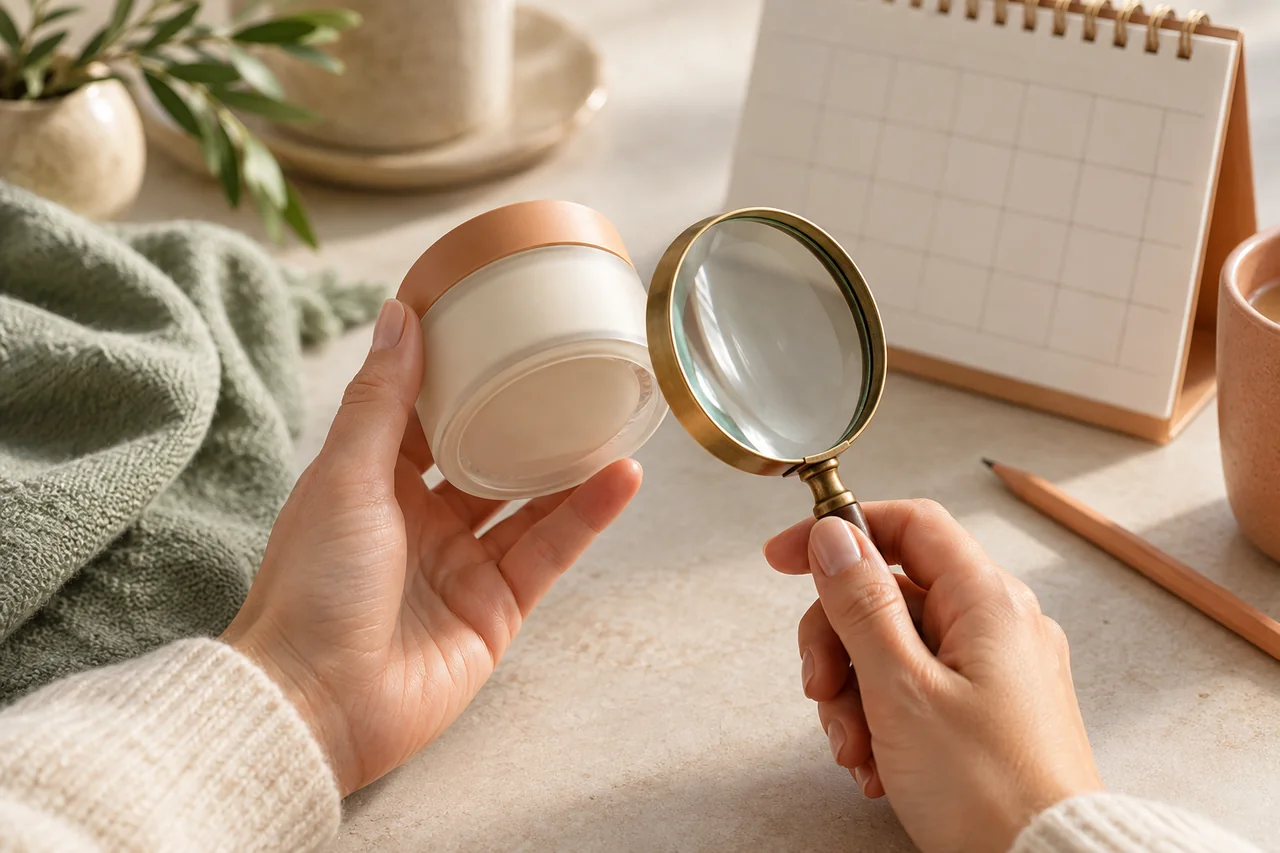
Read EU cosmetic durability information, record opening dates and avoid treating a calendar reminder as a safety guarantee.
Match brush area, density and handle to your real routine, then add a tool only for a problem you can name.
Follow the sponge’s instructions, start with little foundation and compare whether tapping improves your chosen transition.
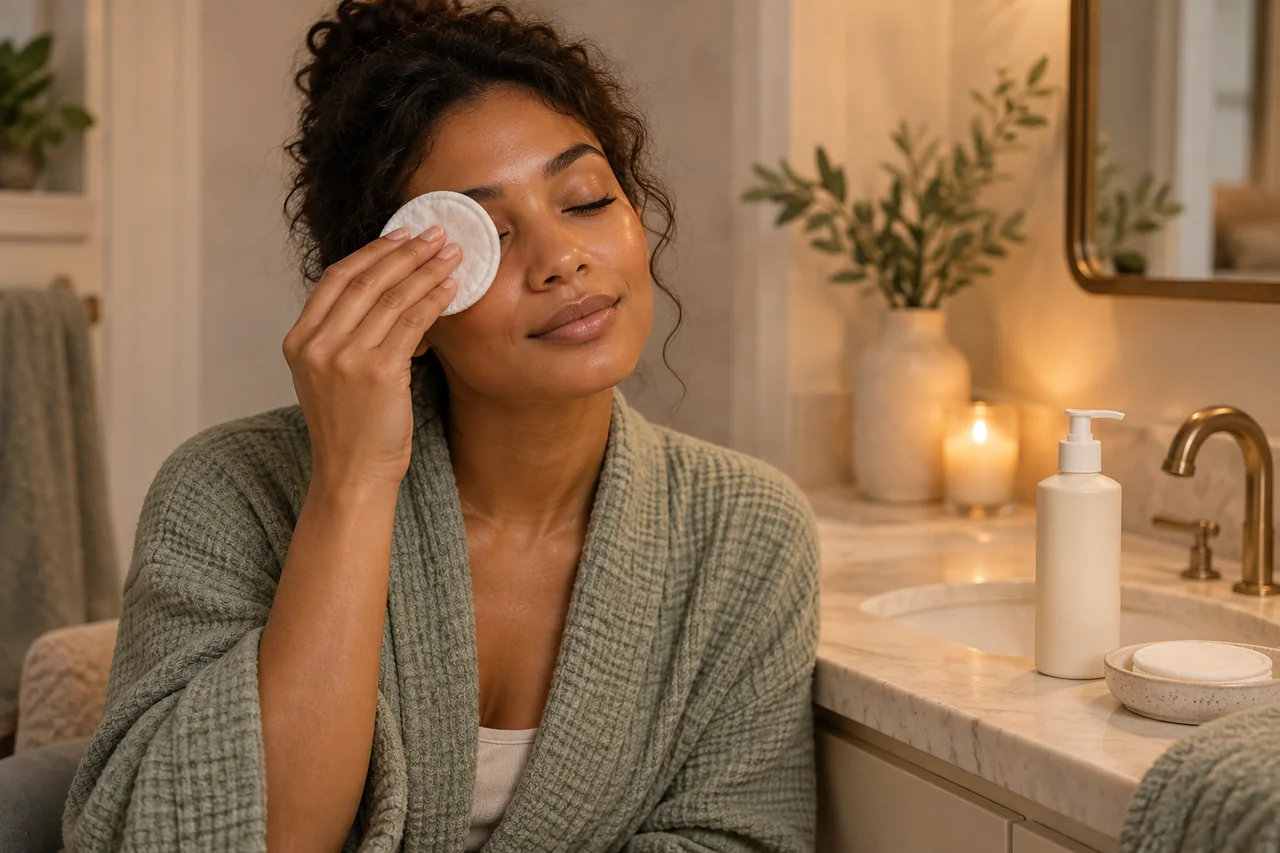
Match the remover to the product and application area, prepare clean tools and reduce friction rather than adding force.
Describe the discomfort, simplify cosmetic extras and compare foundation amount and technique one change at a time.
Identify one area, blot gently if useful and add powder only where the finish needs changing.
Choose the emphasis you enjoy and compare product quantity, movement and practical handling without age-based bans.
Assess your actual look with glasses on, keep contact areas light and separate make-up adjustments from frame fitting.
Start from two or three effects, inspect what you own and budget for removal and tool care before buying extras.
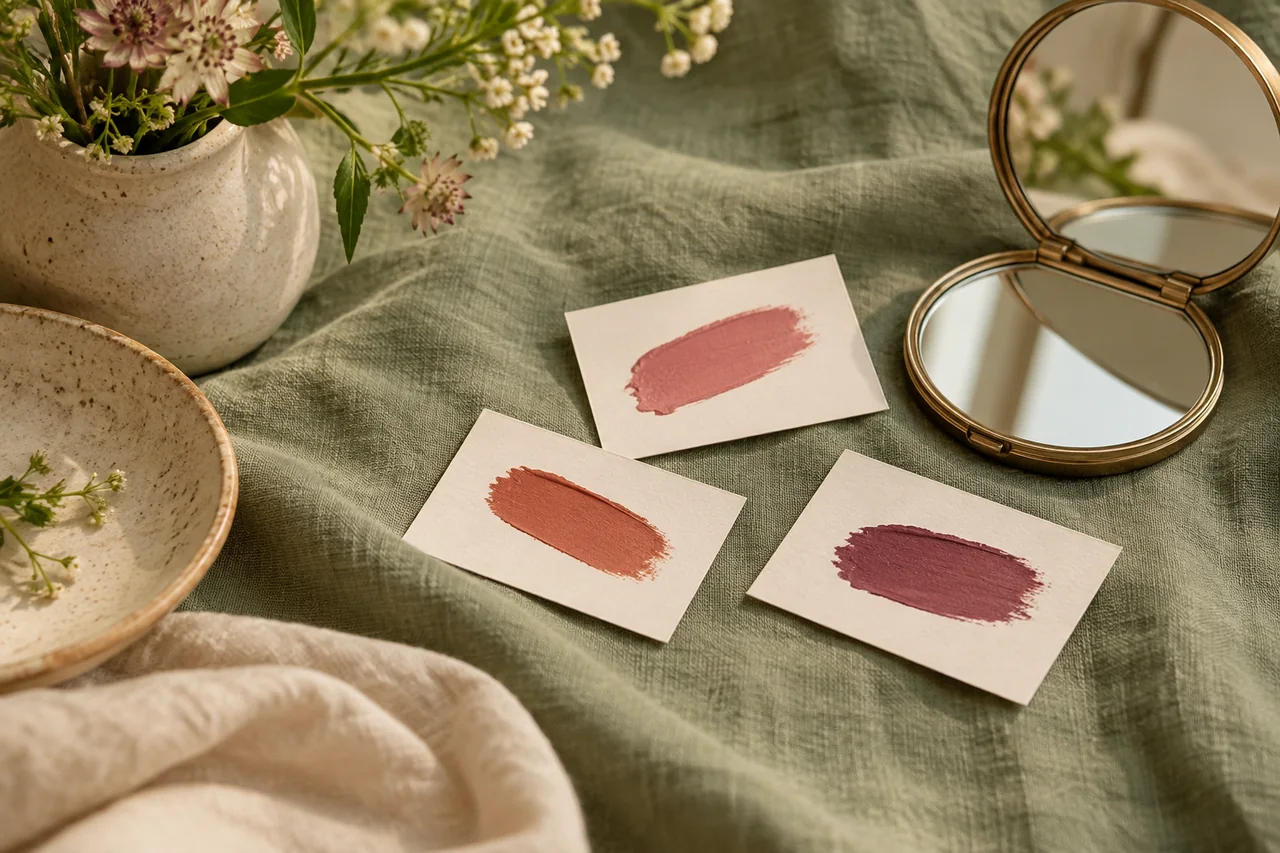
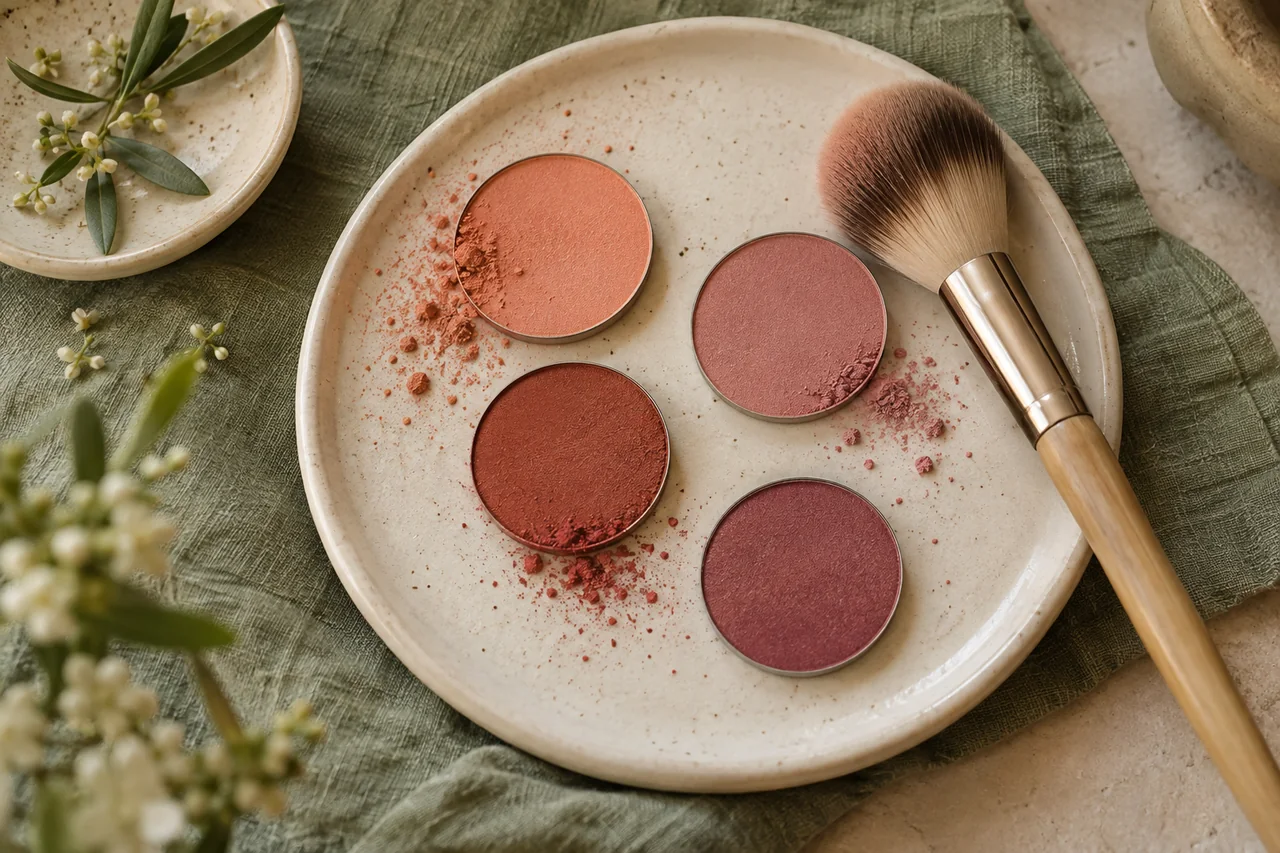
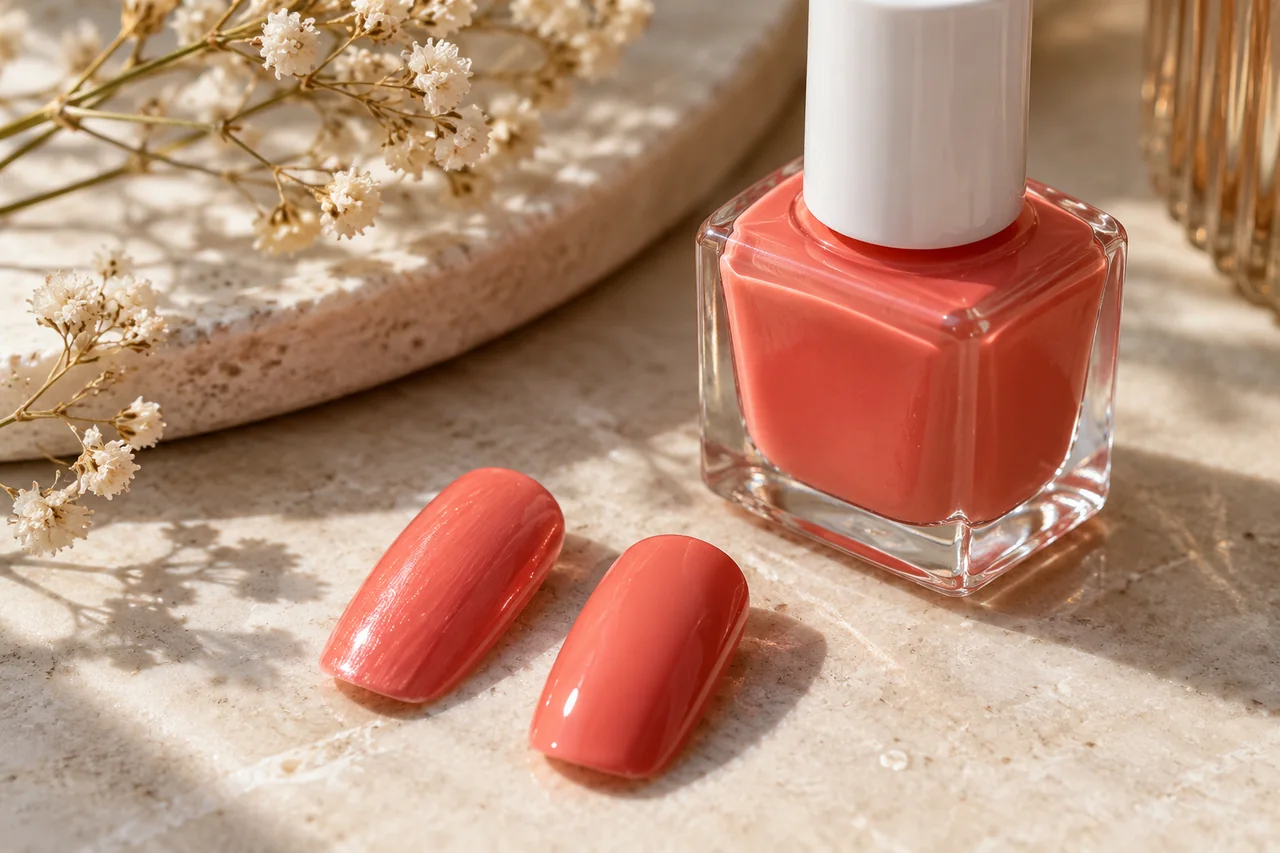
Compare peach, apricot and coral at similar coverage, then adjust depth and intensity to the look you want.
Build a softer colour combination by comparing depth, transparency and everyday handling rather than selecting only pale shades.
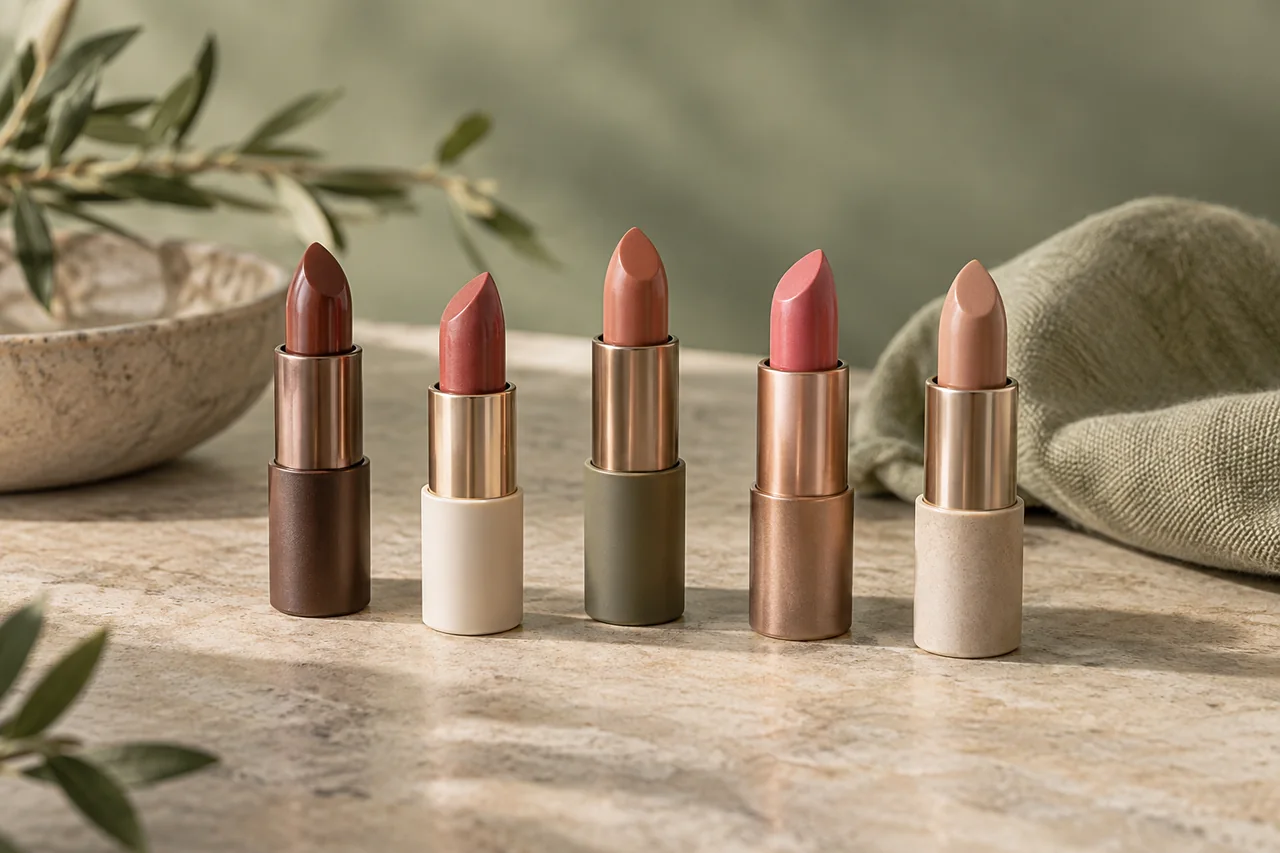
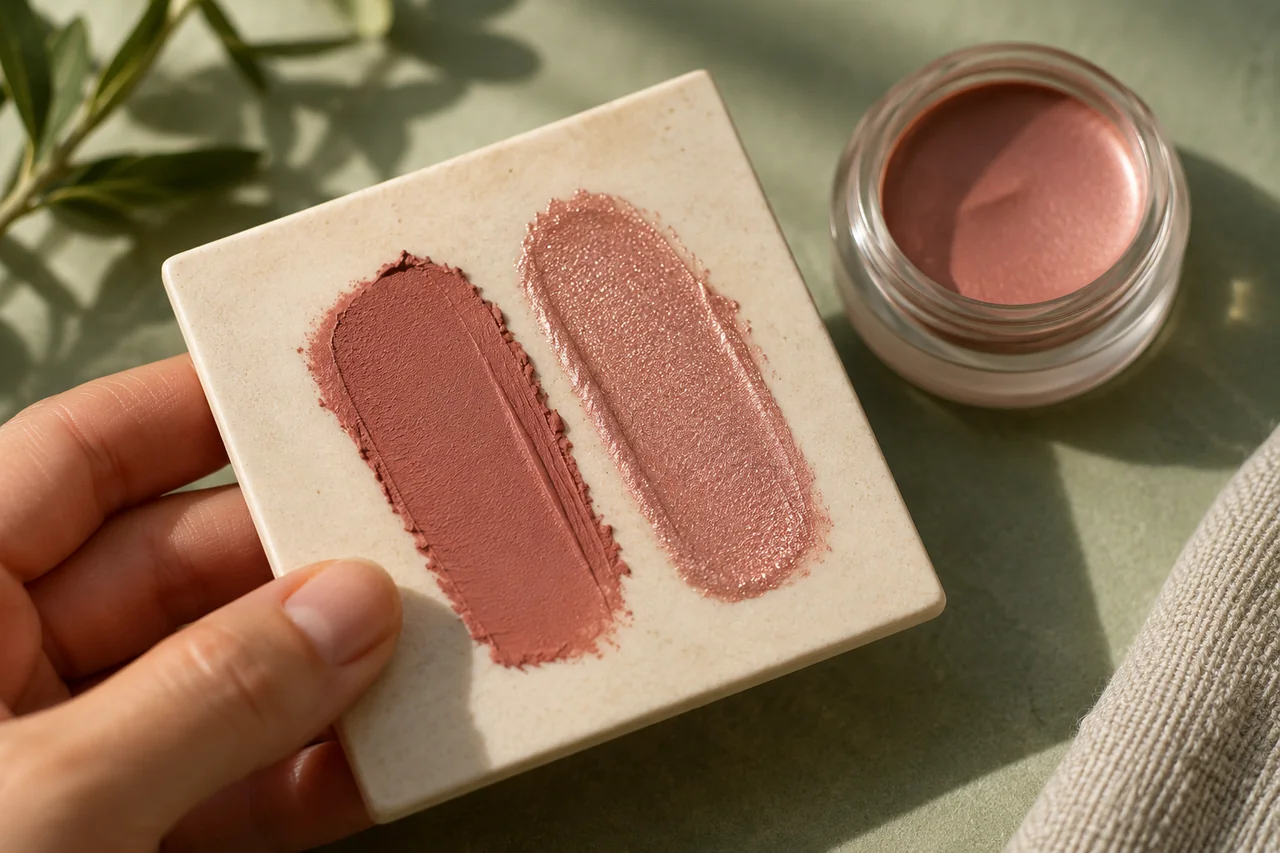
Explore warm muted shades with light or stronger application, separating colour depth from metallic finish.
Compare lip intensity, eye-line width and clothing one at a time instead of treating strong contrast as a requirement.
Build a personal palette by comparing depth, warmth, intensity, surface and everyday effort in a clear sequence.
Compare colour depth, opacity and the frame of clothing or glasses without assigning your skin a fixed set of permitted shades.
Keep depth and coverage similar, account for natural lip colour and test a familiar clothing combination first.
Choose the depth, colour direction and finish that create your preferred quiet look, without treating pale beige as the standard.
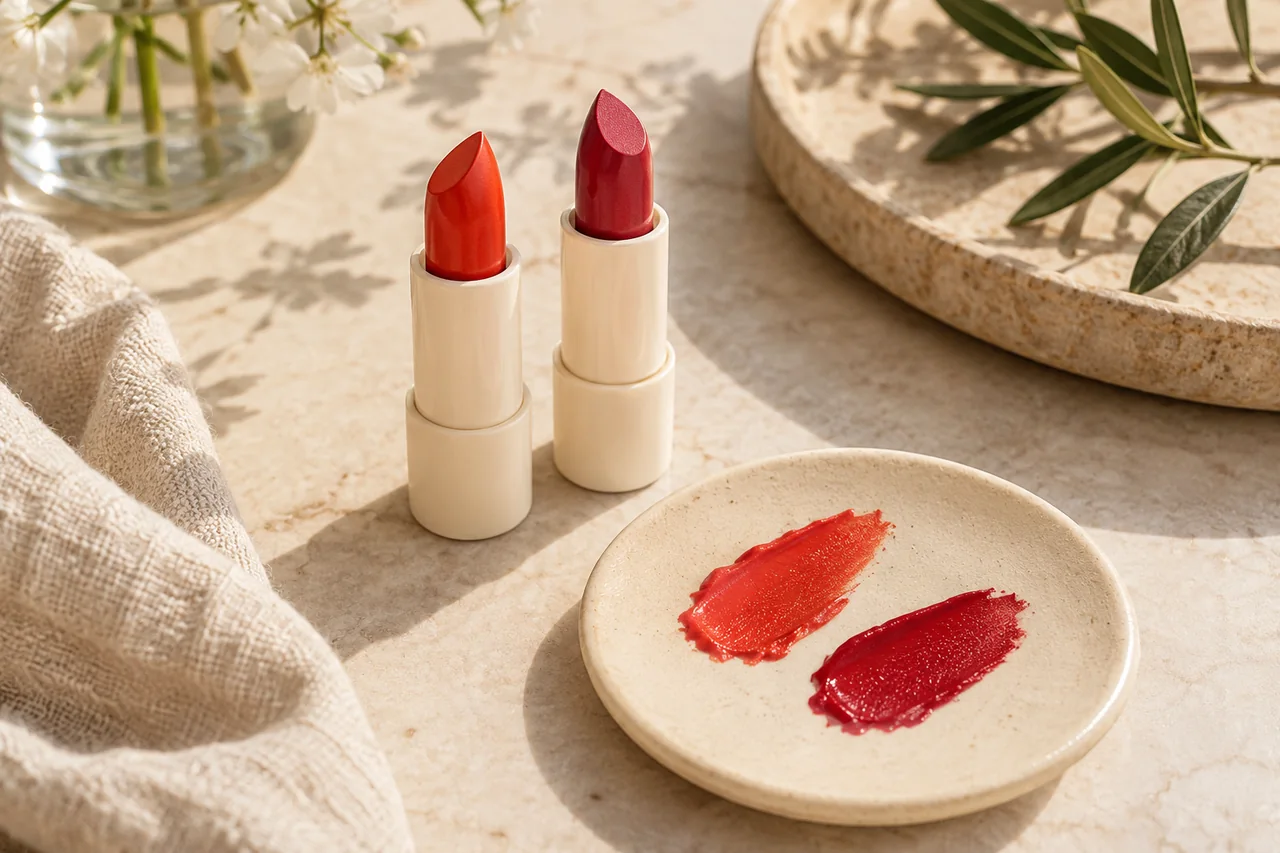
Compare red families fairly, select a manageable outline and test a normal day before buying another similar shade.
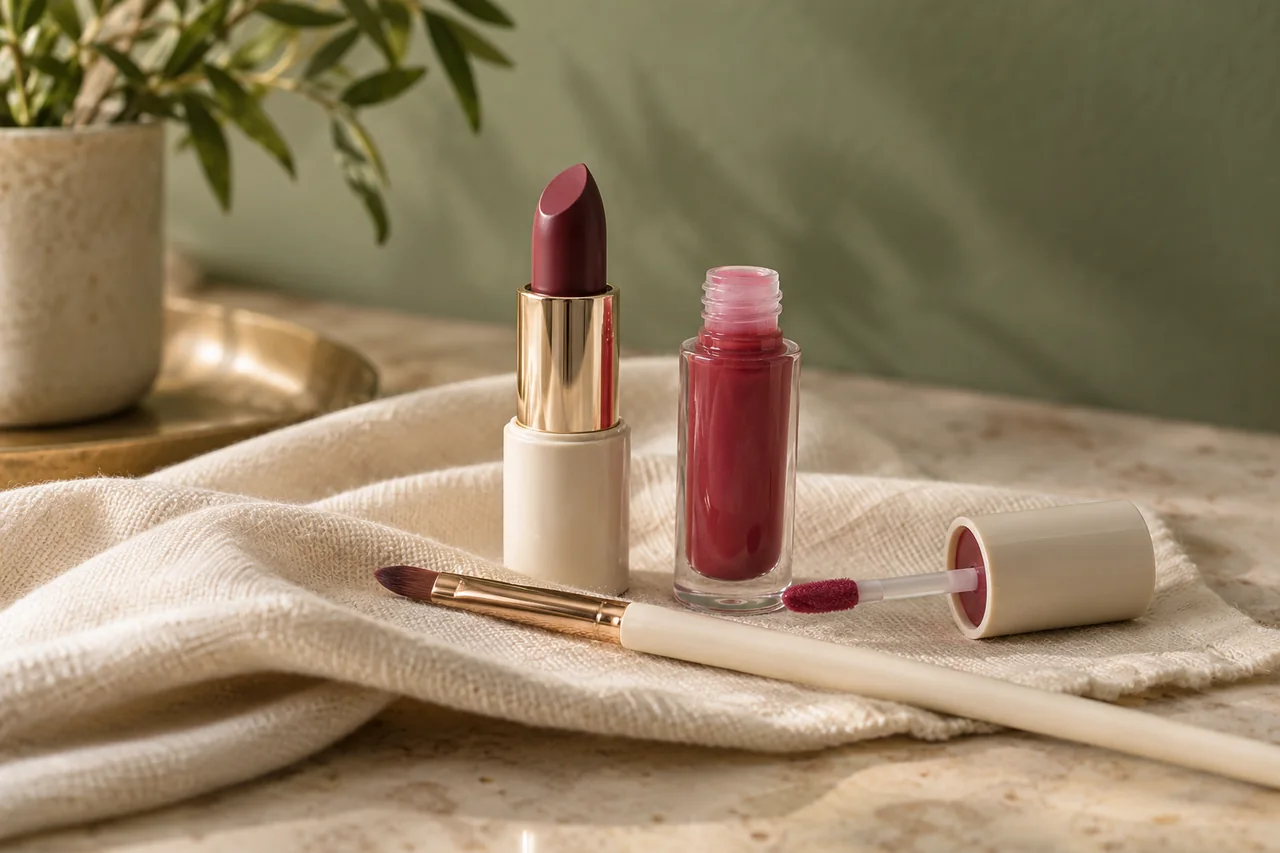
Compare rosy, violet and brown berry directions, then choose coverage, edge and upkeep for your daily life.
Find a coral lip or cheek colour by comparing depth, coverage and pink-orange balance, then try it with clothes you already own.
Compare peach, rose and berry blush by changing one feature at a time: colour, depth, finish or quantity, with your usual lips and clothes.
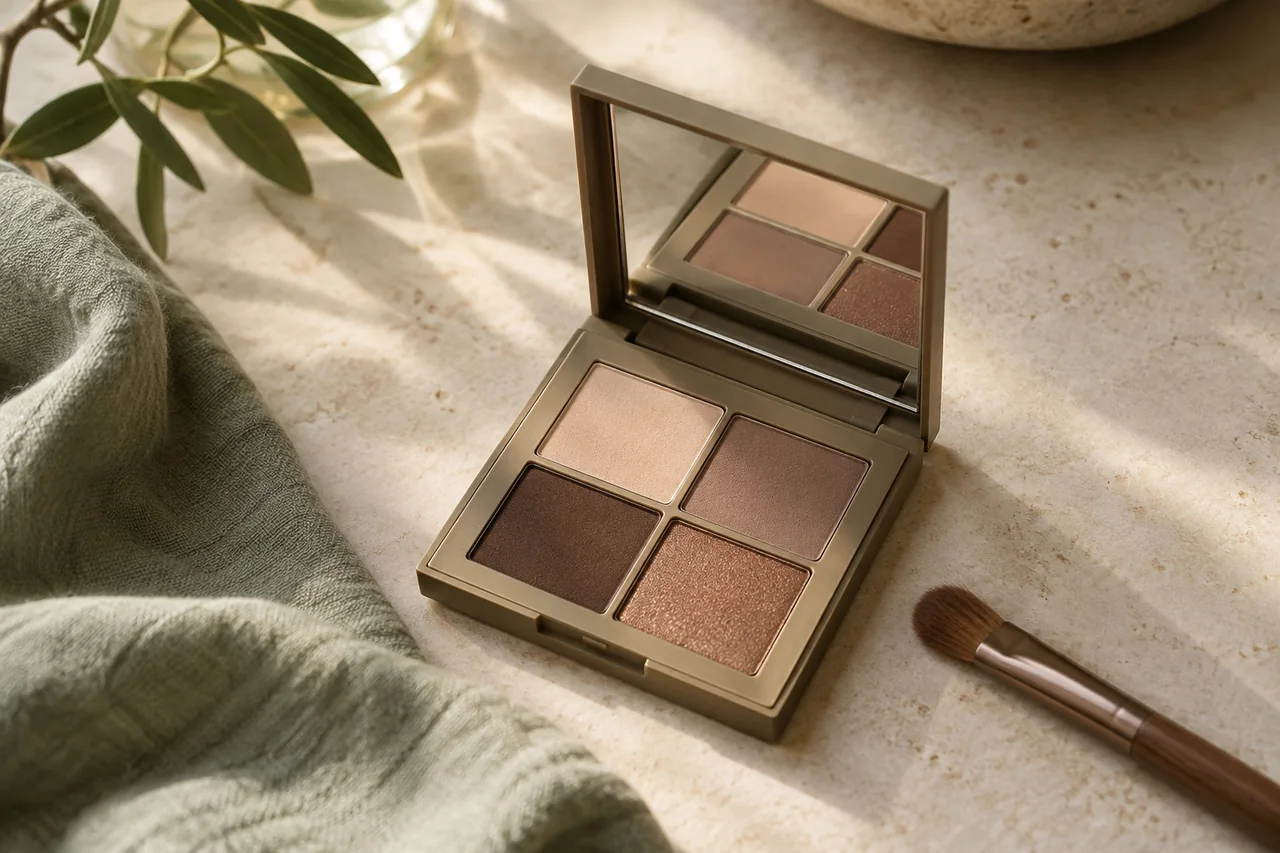
Compare brown, plum and bronze eyeshadow through colour, depth and finish, without promises to change how your eye colour appears.
Explore taupe, copper and blue eyeshadow with fair comparisons of colour, finish and placement, including practical eye-cosmetic safety.
Try muted berry, green or taupe eyeshadow while keeping depth, finish and placement easy to compare. No rigid eye-colour rules required.
Plan a small eyeshadow selection around the looks you wear, comparing depth, warmth and finish before adding another palette.
Compare make-up finishes through similar colours, placement and everyday light, without age rules or pressure to hide skin texture.
Build a connected lip, cheek and eye look using related colours, varied intensity and products approved for each application area.
Choose your priorities, remove daily bottlenecks and keep a two-step backup routine. Five minutes is a planning guide, not a test.
Build a comfortable workday make-up routine around your priorities, workplace light, video calls and realistic opportunities to refresh it.
Plan an evening look with one clear accent, a realistic trial and simple touch-ups instead of adding products just because it is evening.
Prepare a photo look with controlled test shots, small adjustments and realistic expectations about light, cameras and natural skin texture.
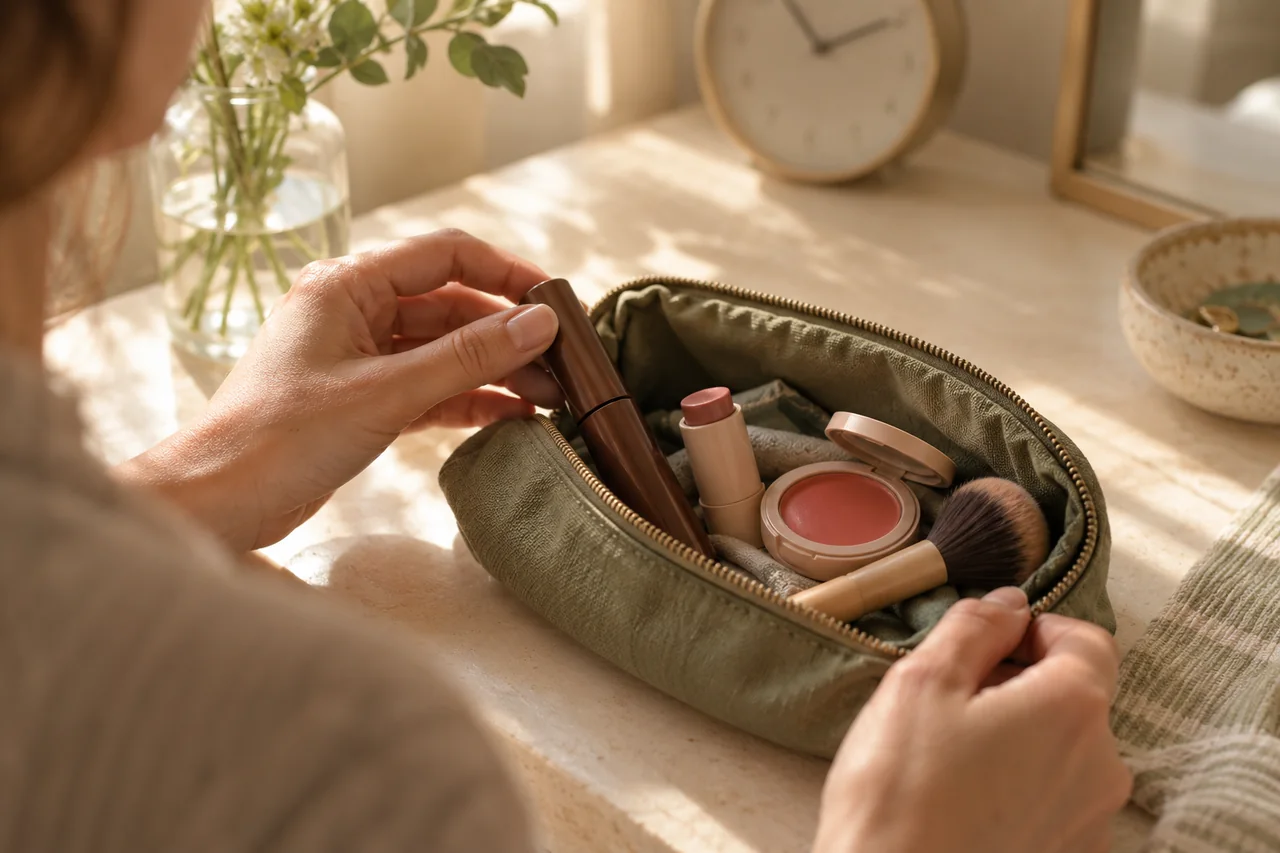
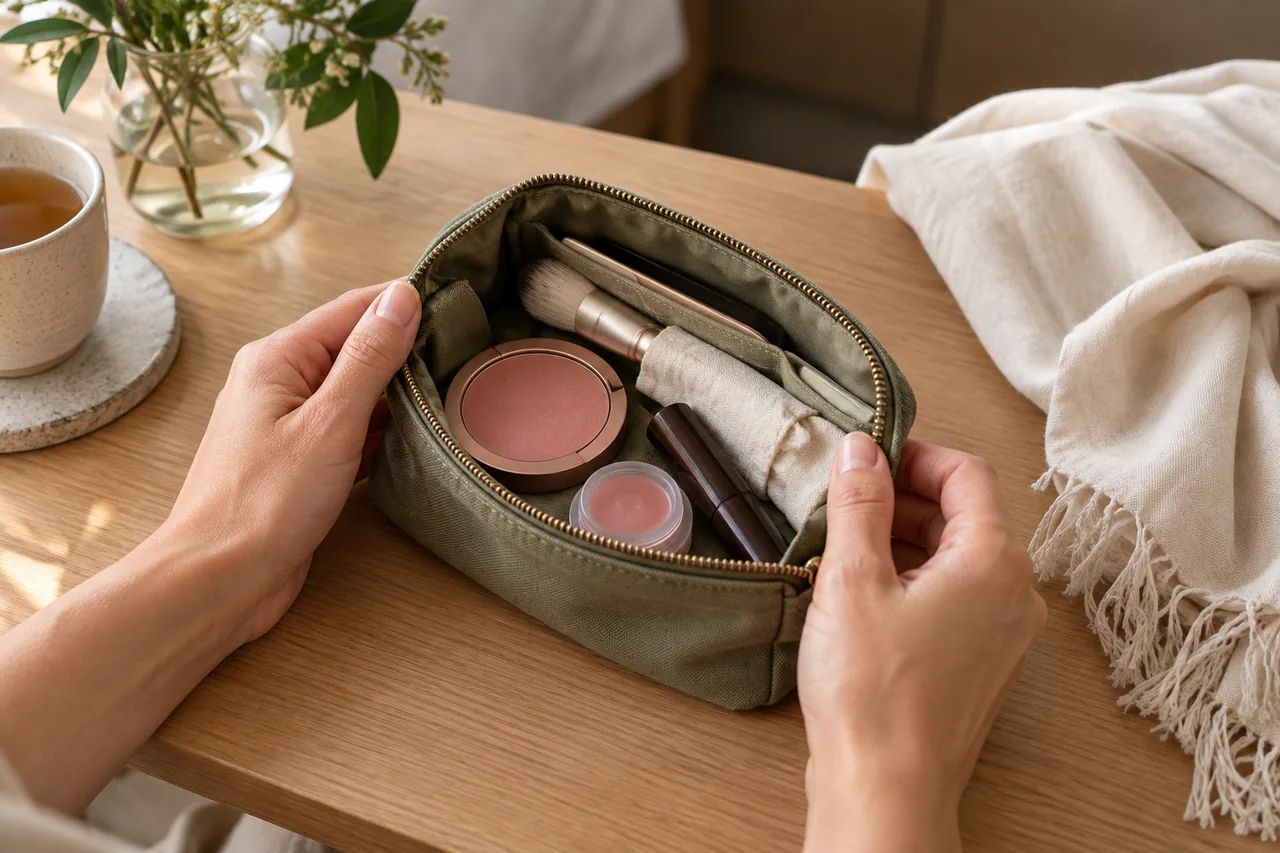
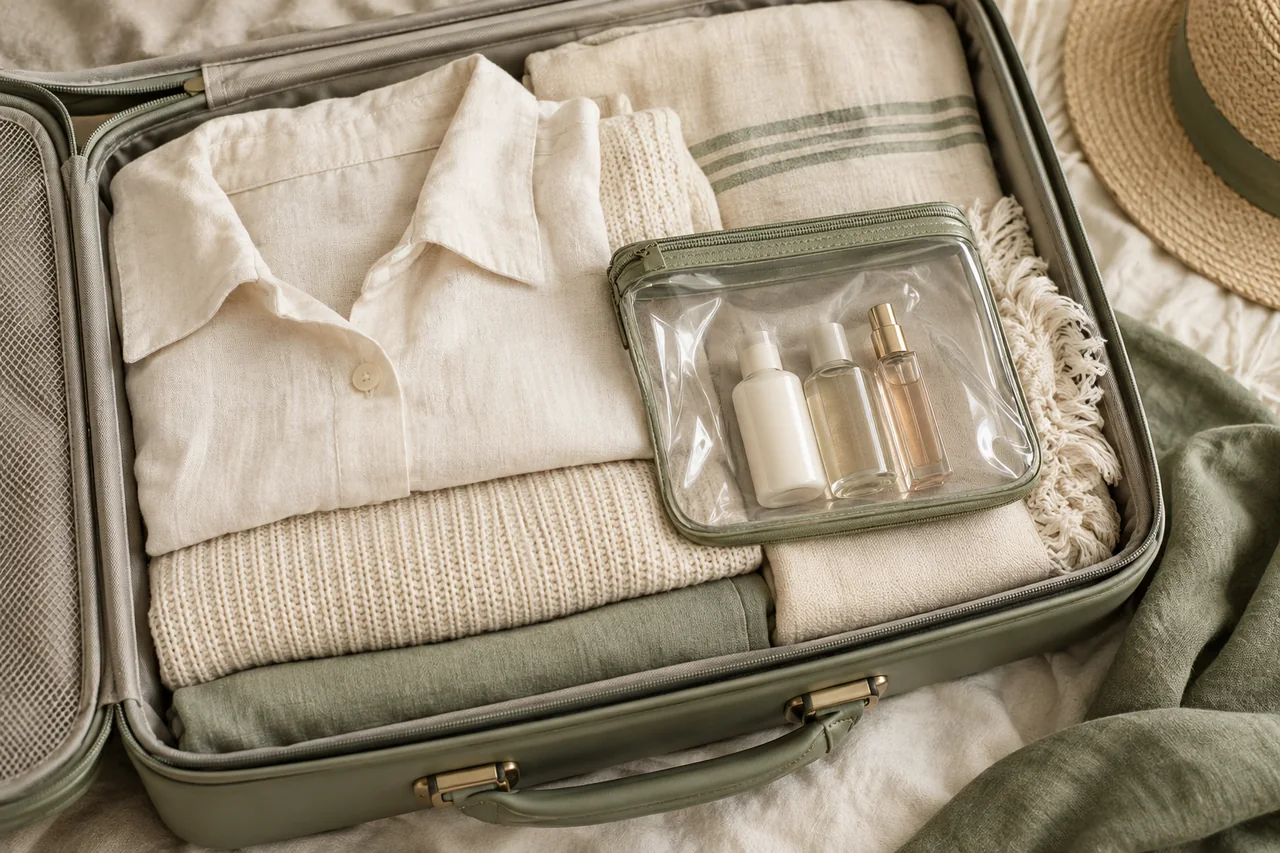
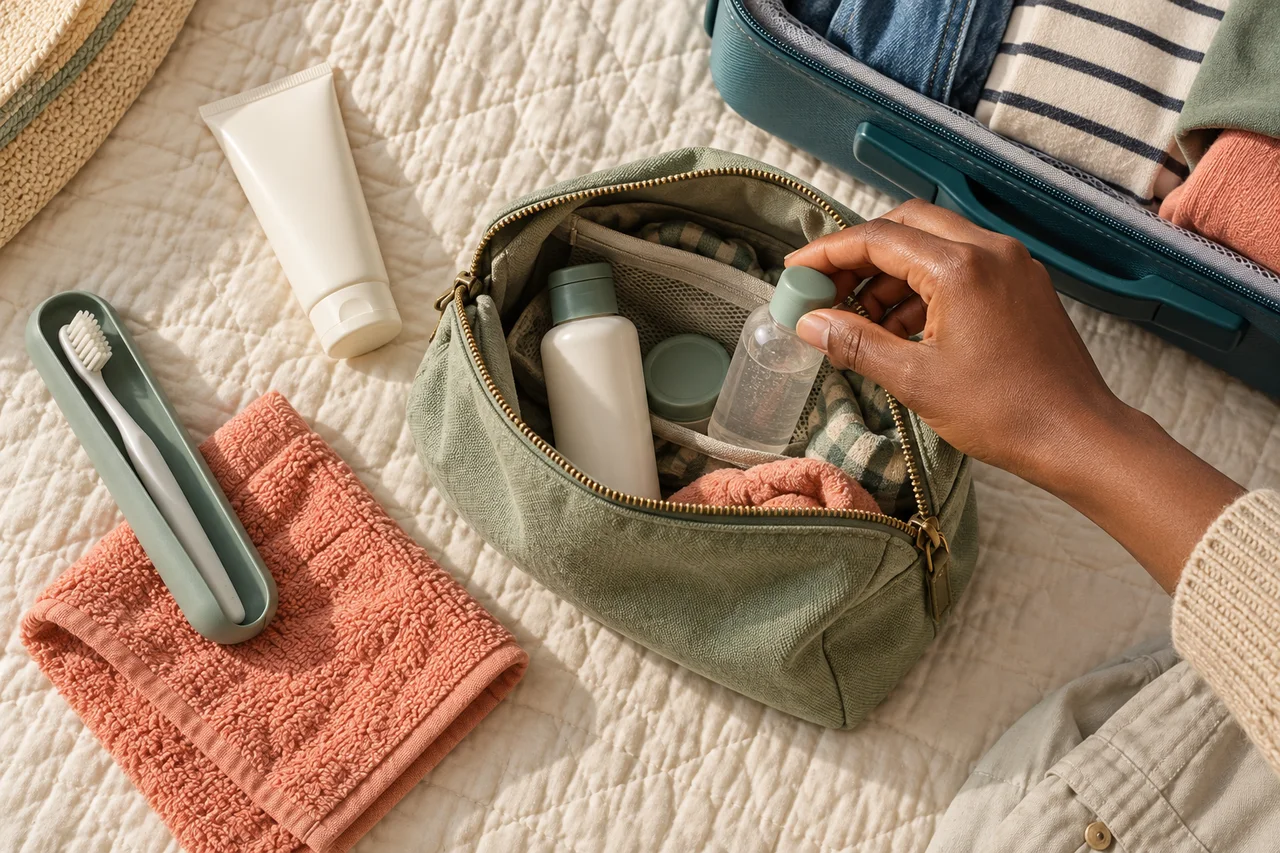
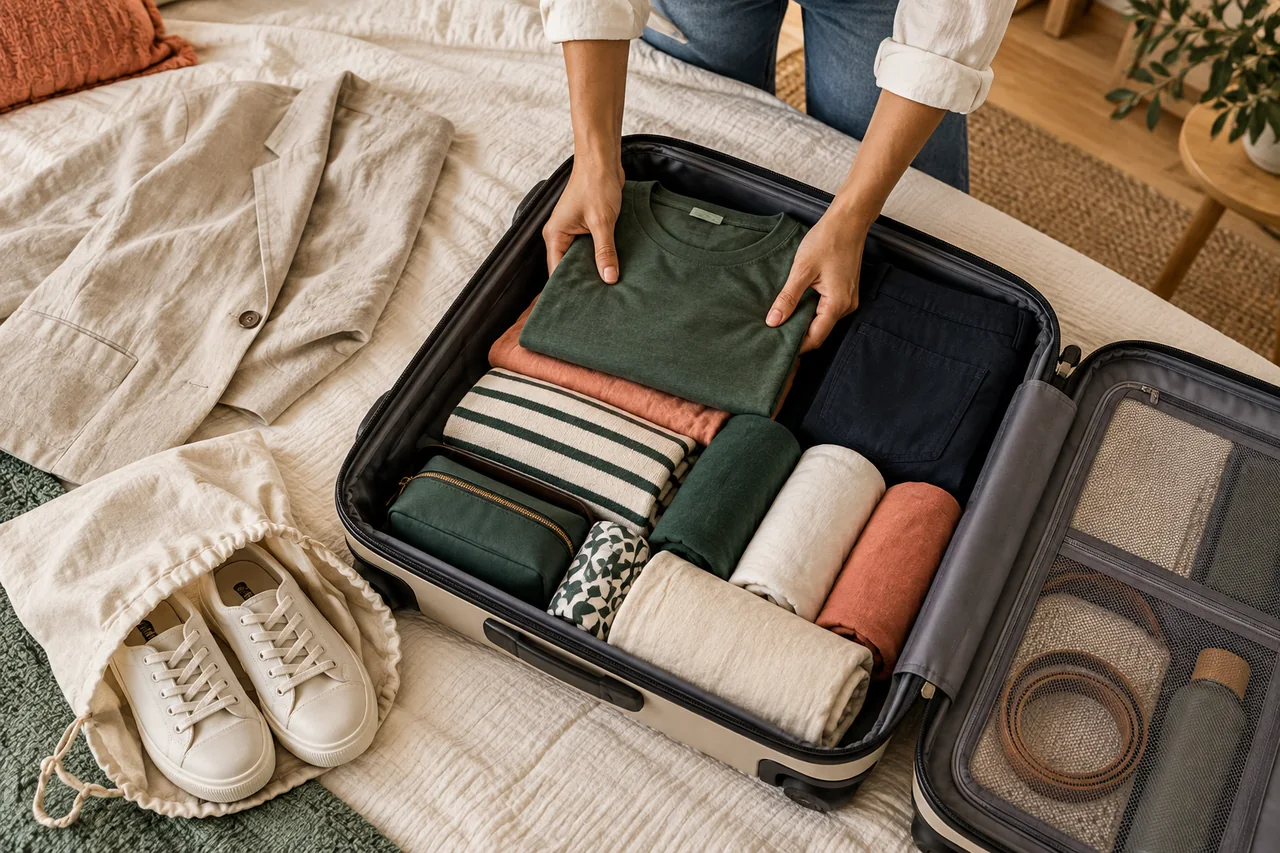
Pack familiar make-up for your actual travel plans, protect clean tools and keep product information accessible without buying unnecessary minis.
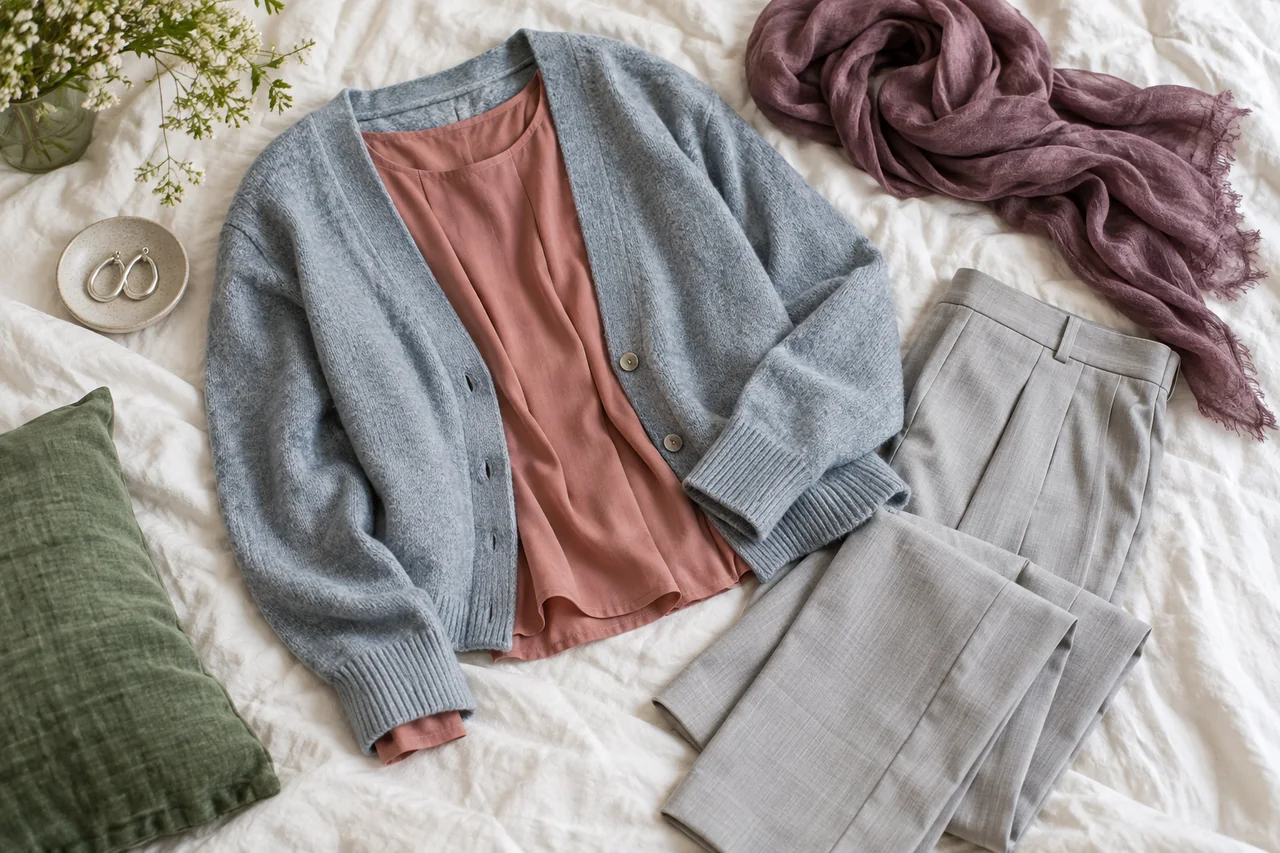
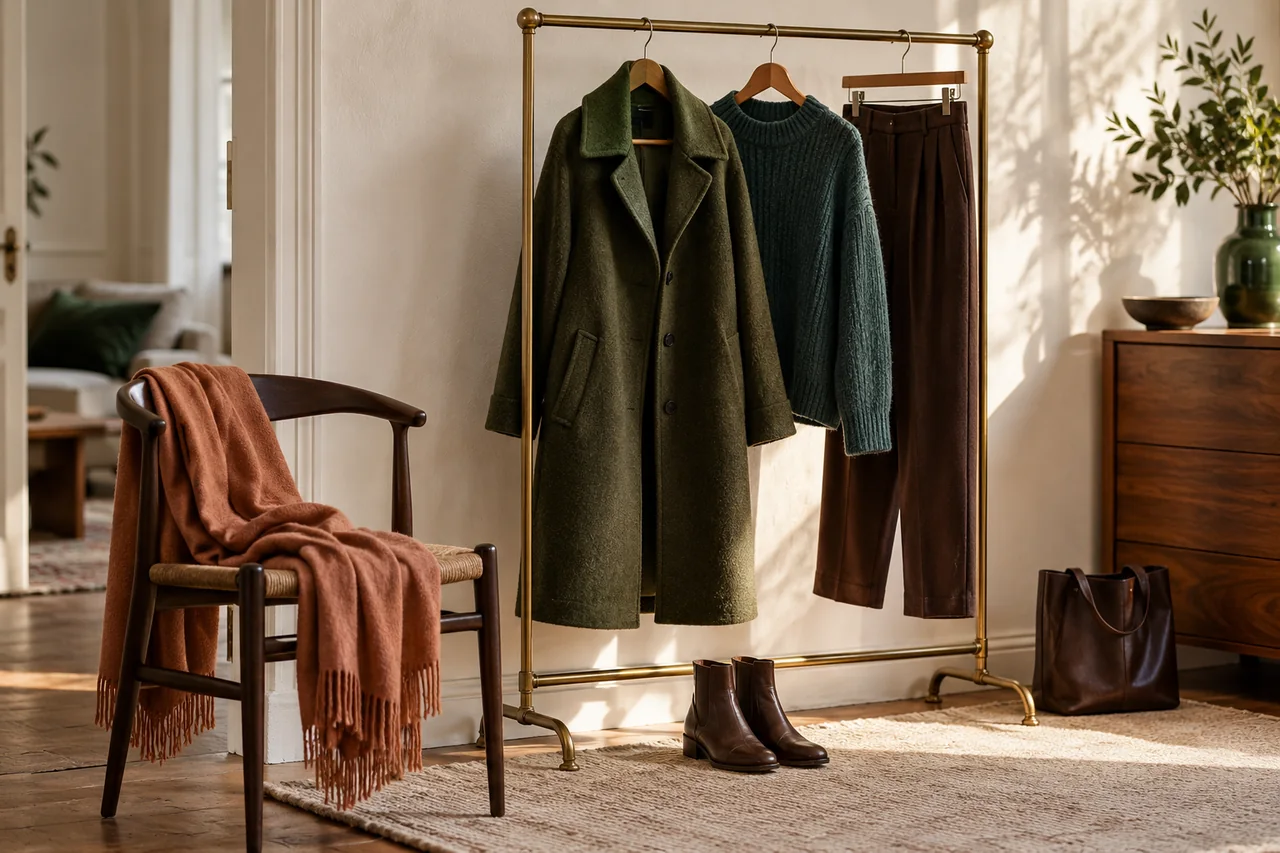
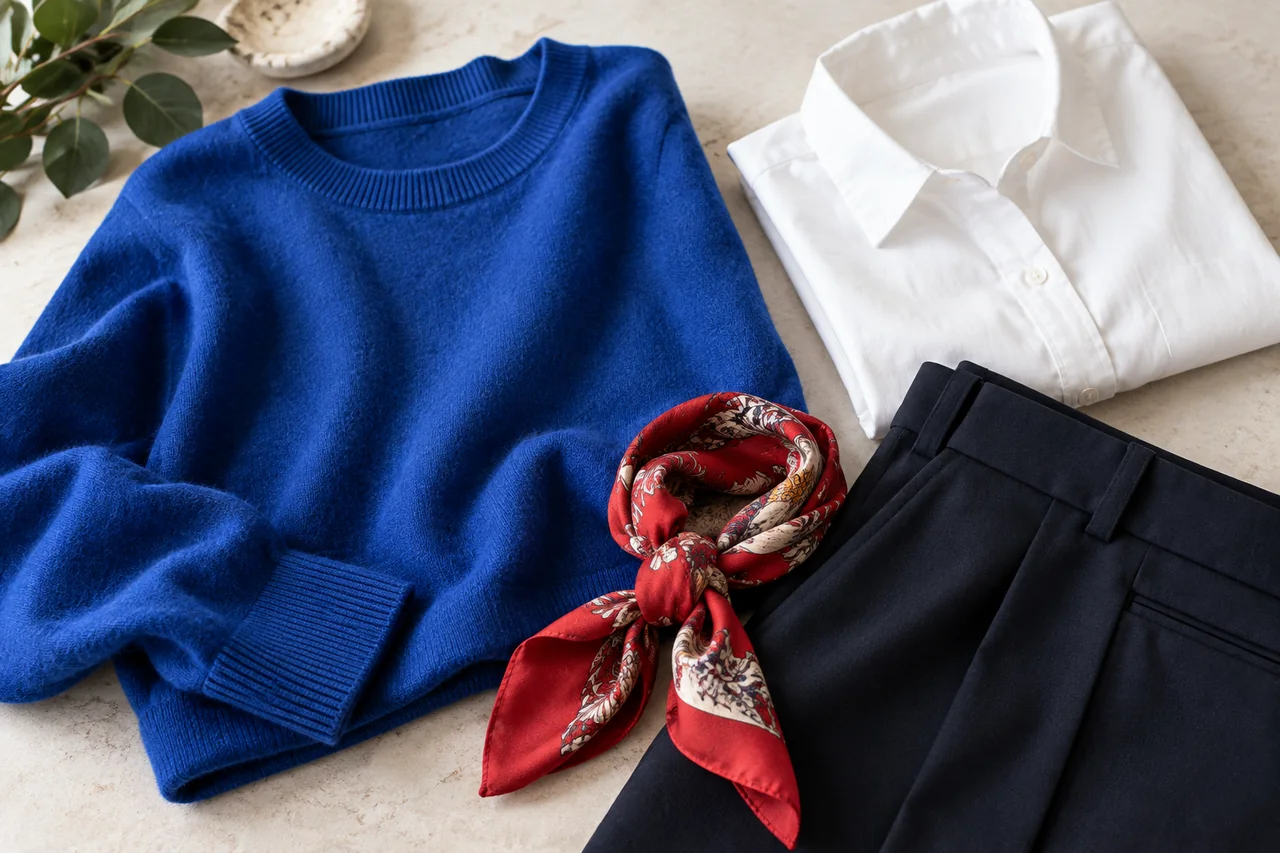
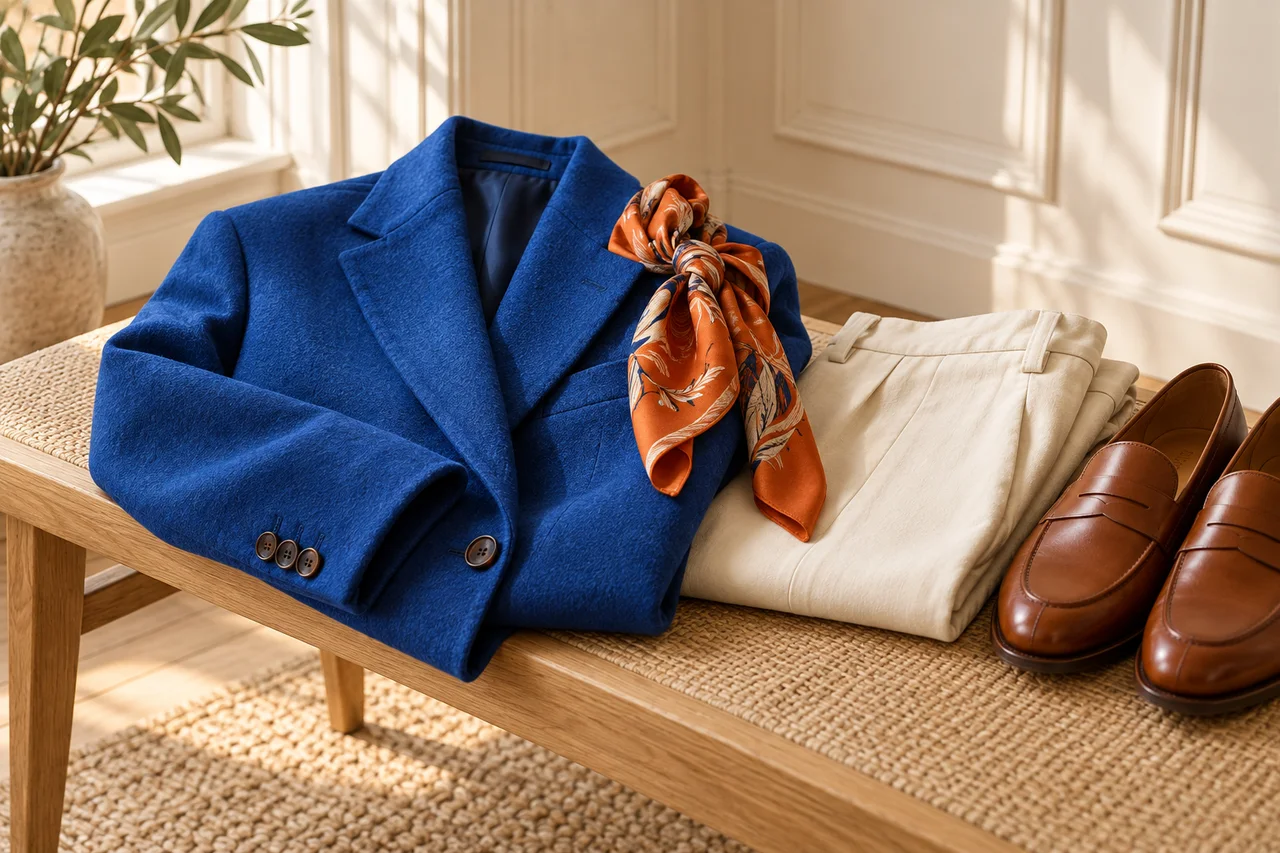
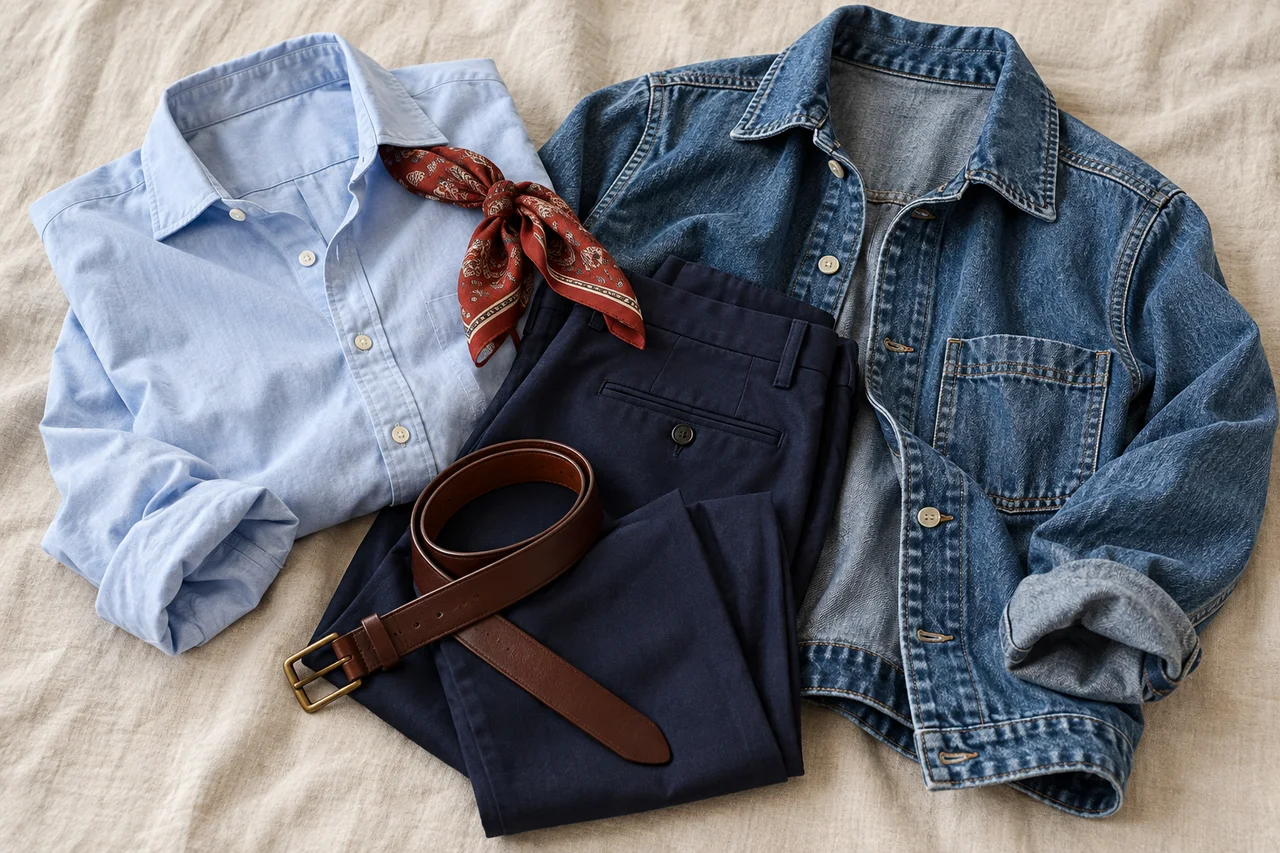
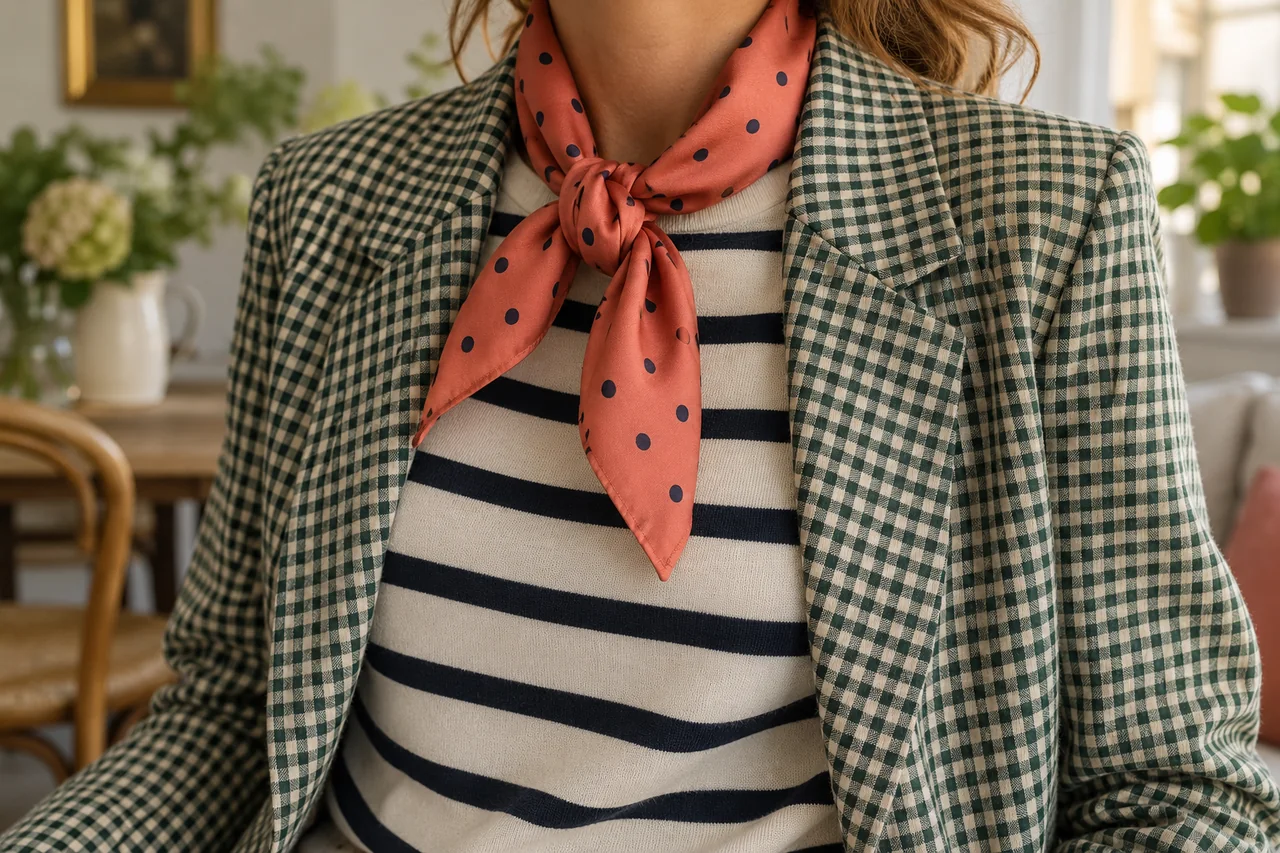
Build useful outfit and make-up combinations with existing colours, paying attention to collars, scarves, glasses and the look you want.
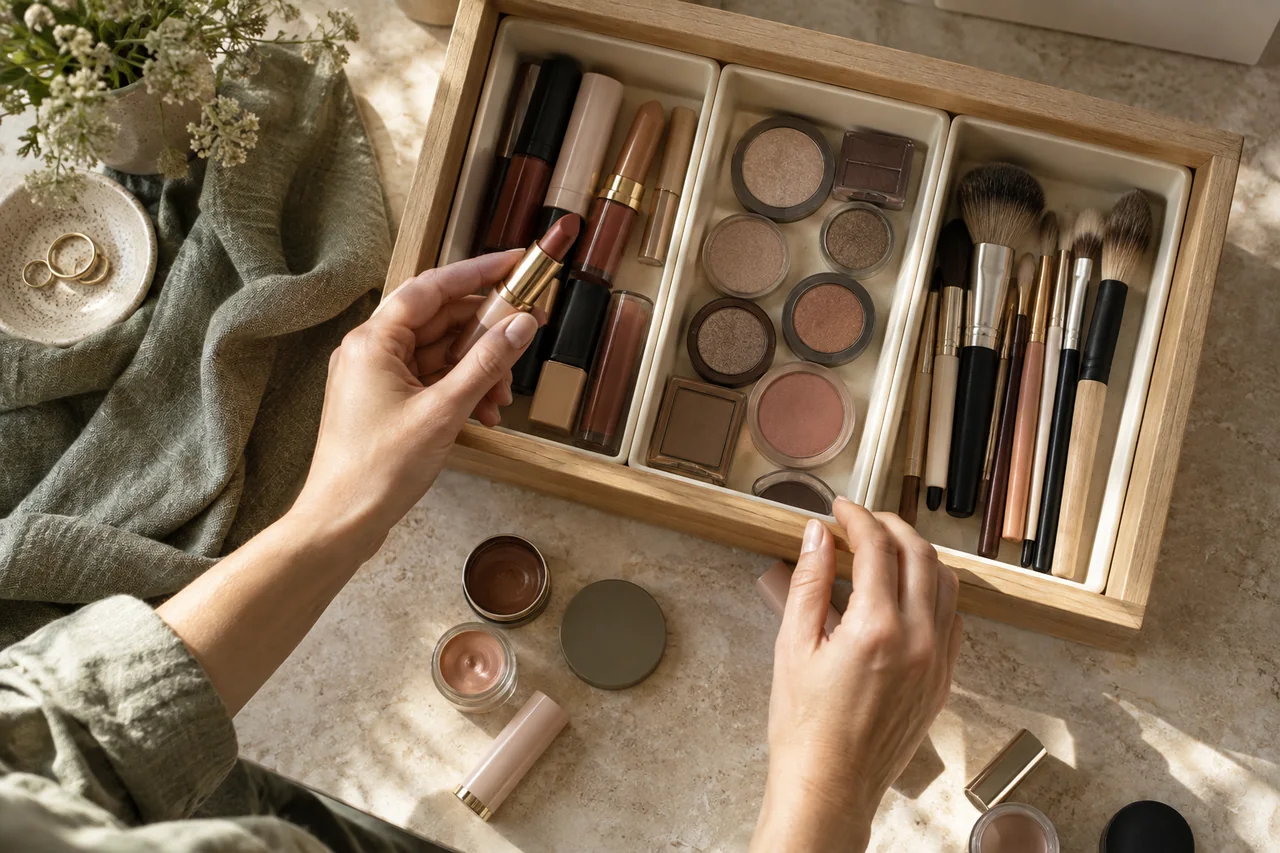
Review product information and condition, identify duplicates and separate everyday favourites from a clear reserve before buying organisers or replacements.
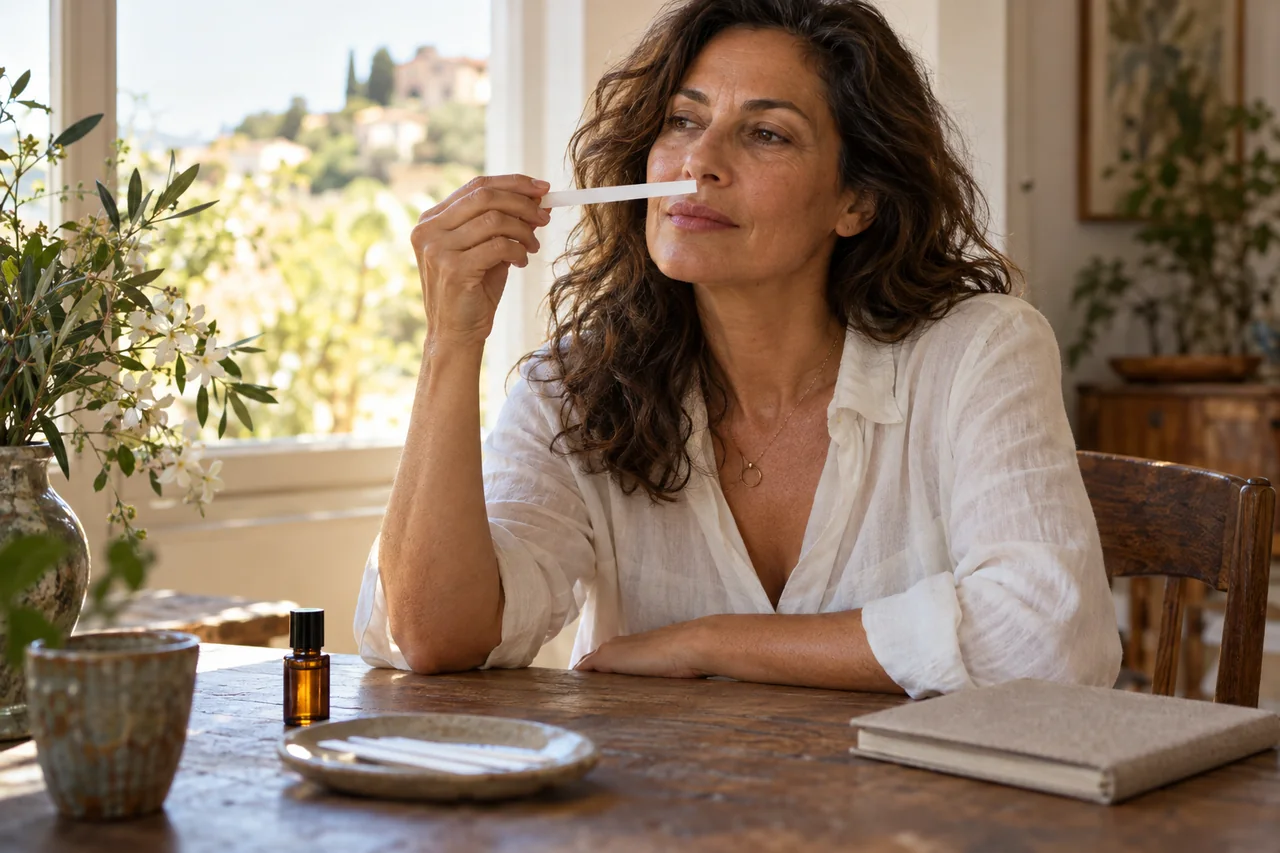
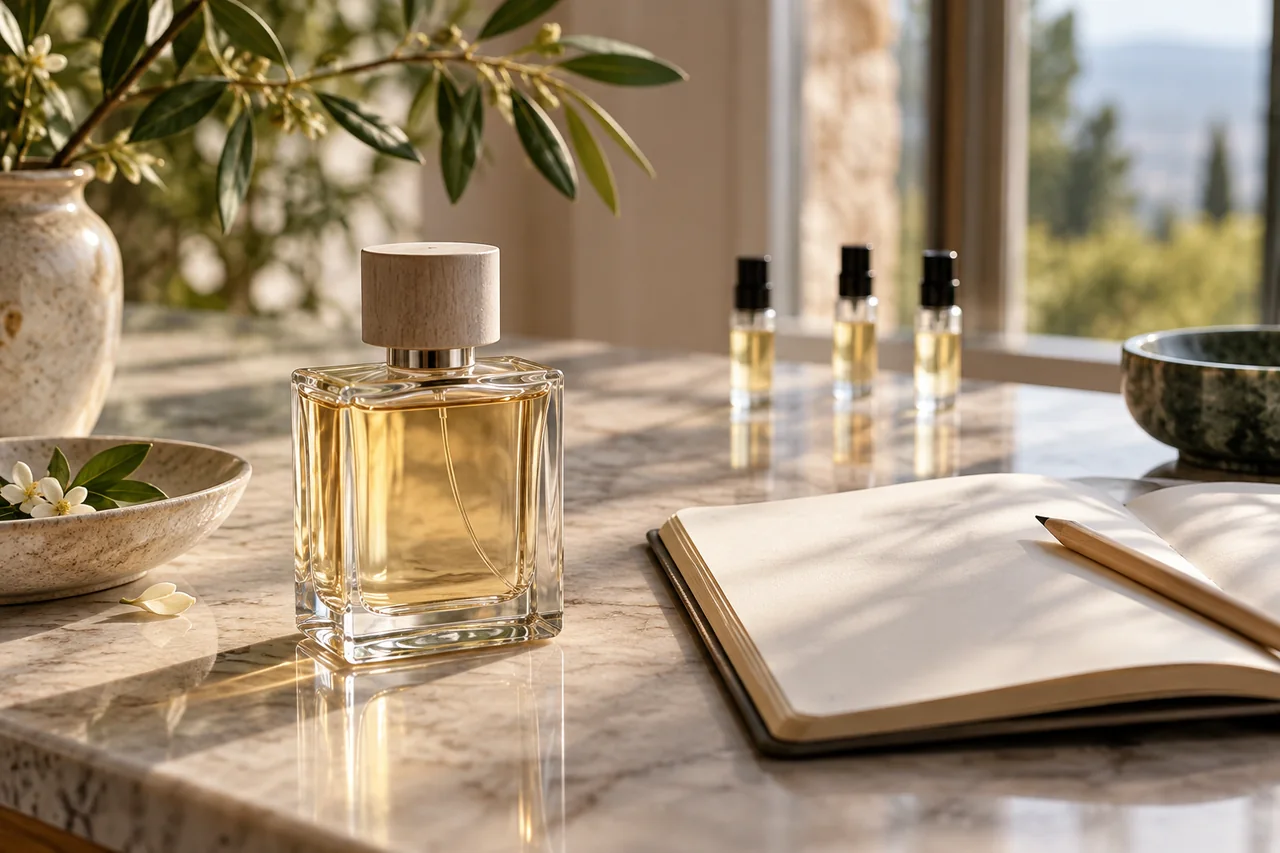
Build a personal scent brief, compare a few clearly labelled samples and decide by real wear rather than personality labels or sales pressure.
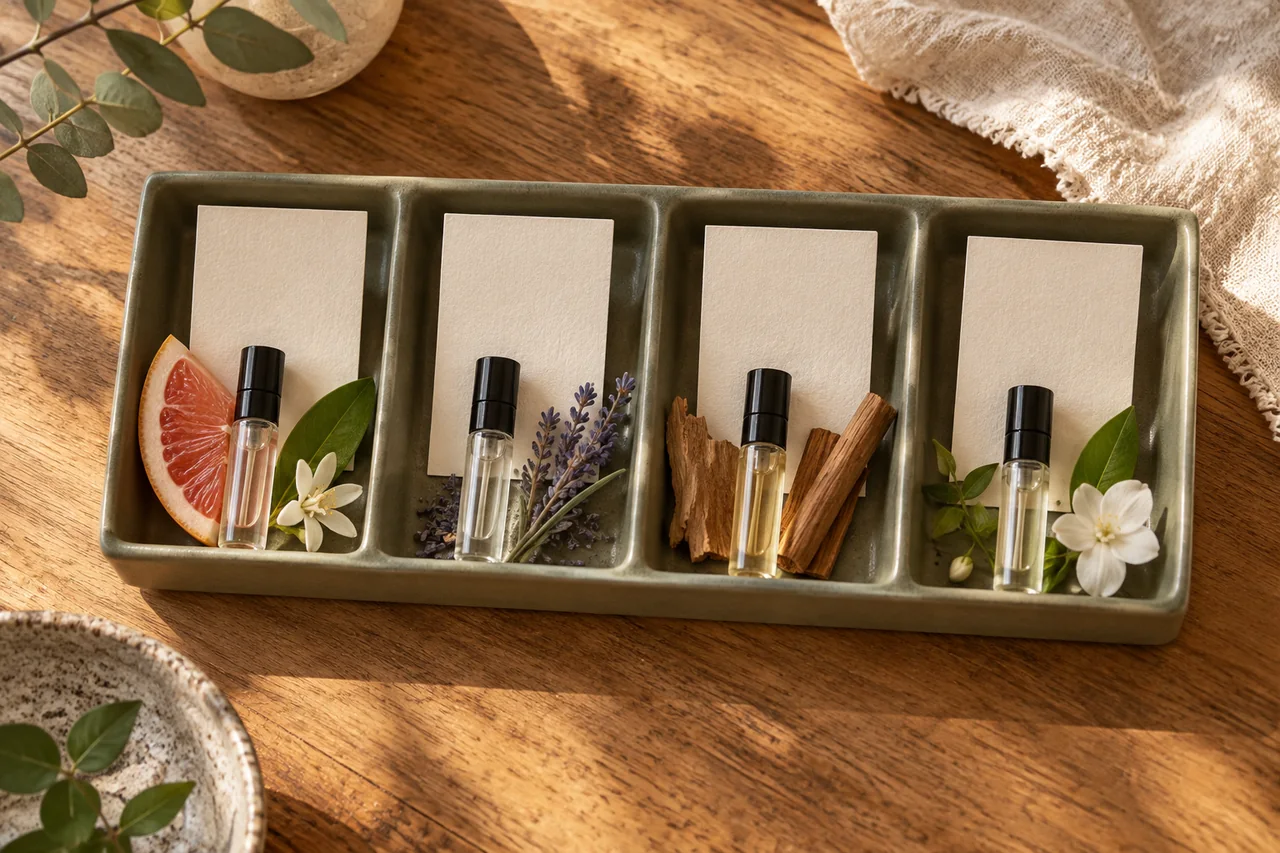
Use fresh, floral, woody and warm directions to refine a scent search, while separating fragrance descriptions from ingredient information.
Understand fragrance development by recording an early, later and final impression, rather than treating a note pyramid as a timed ingredient list.
Compare exact fragrance versions through character, presence, everyday handling and useful bottle size rather than treating concentration names as rankings.
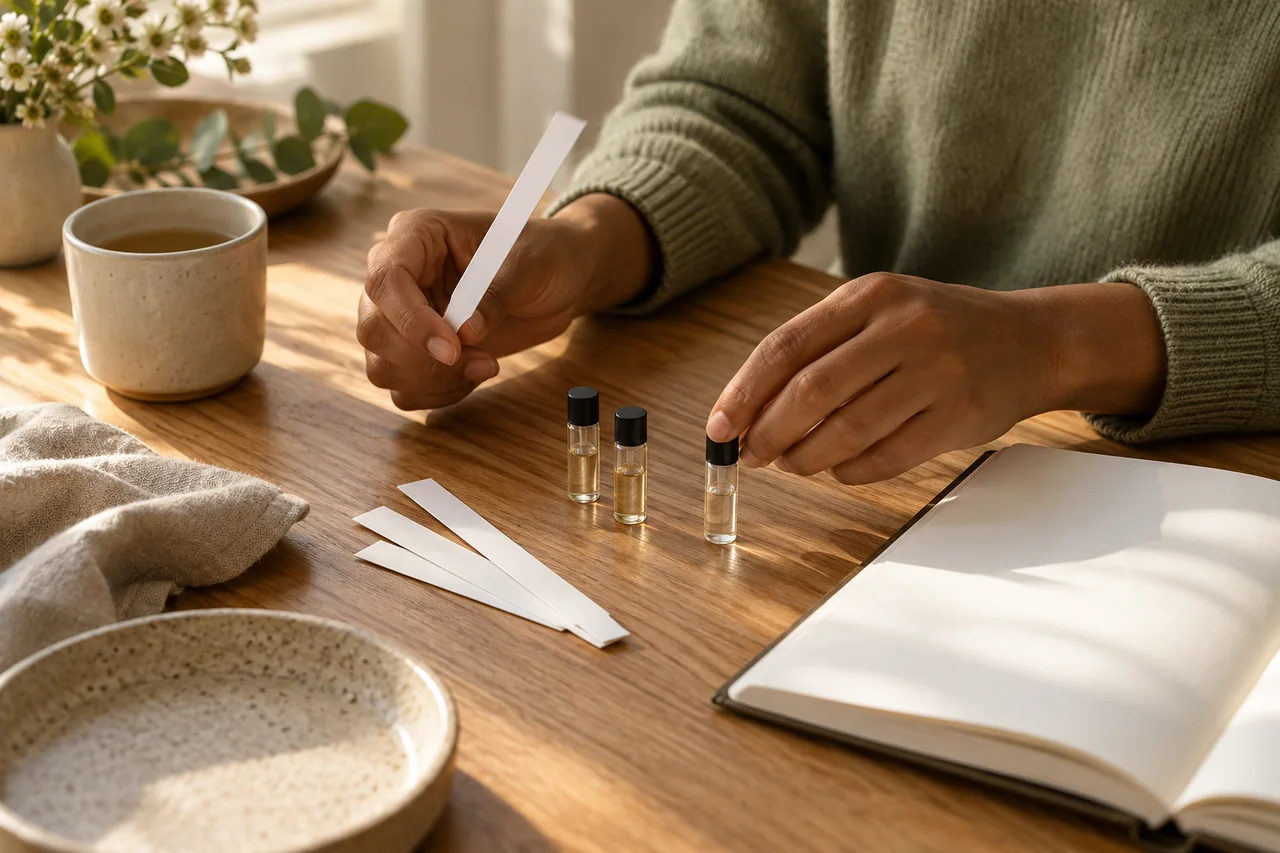
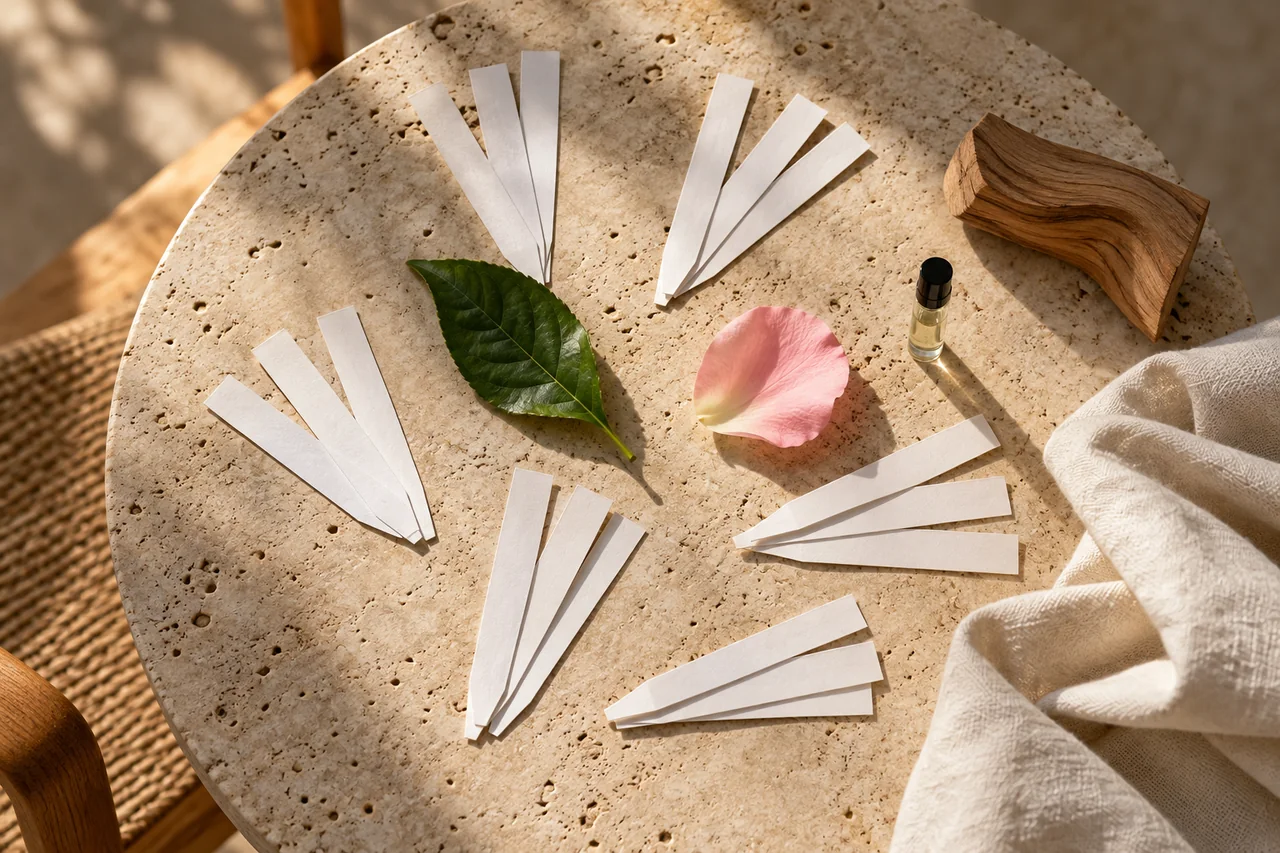
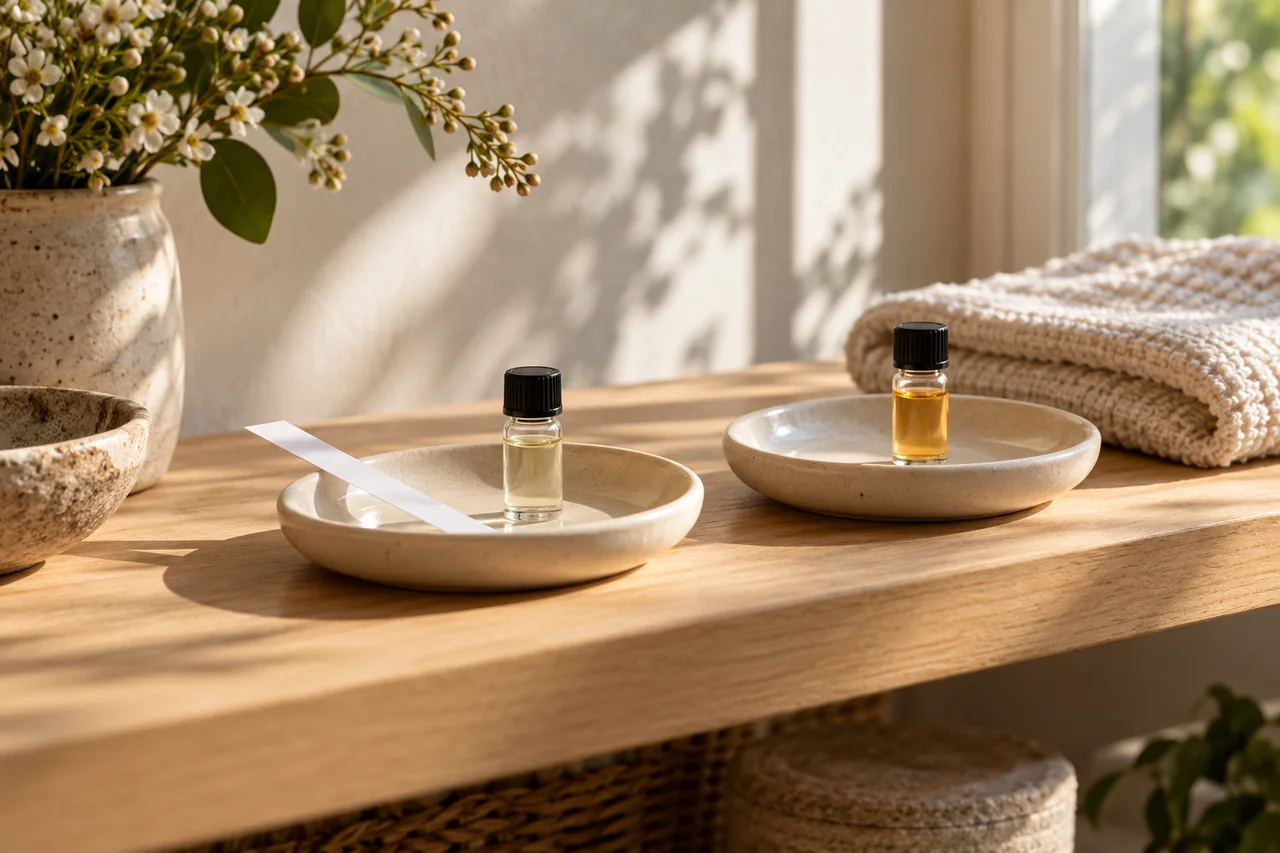
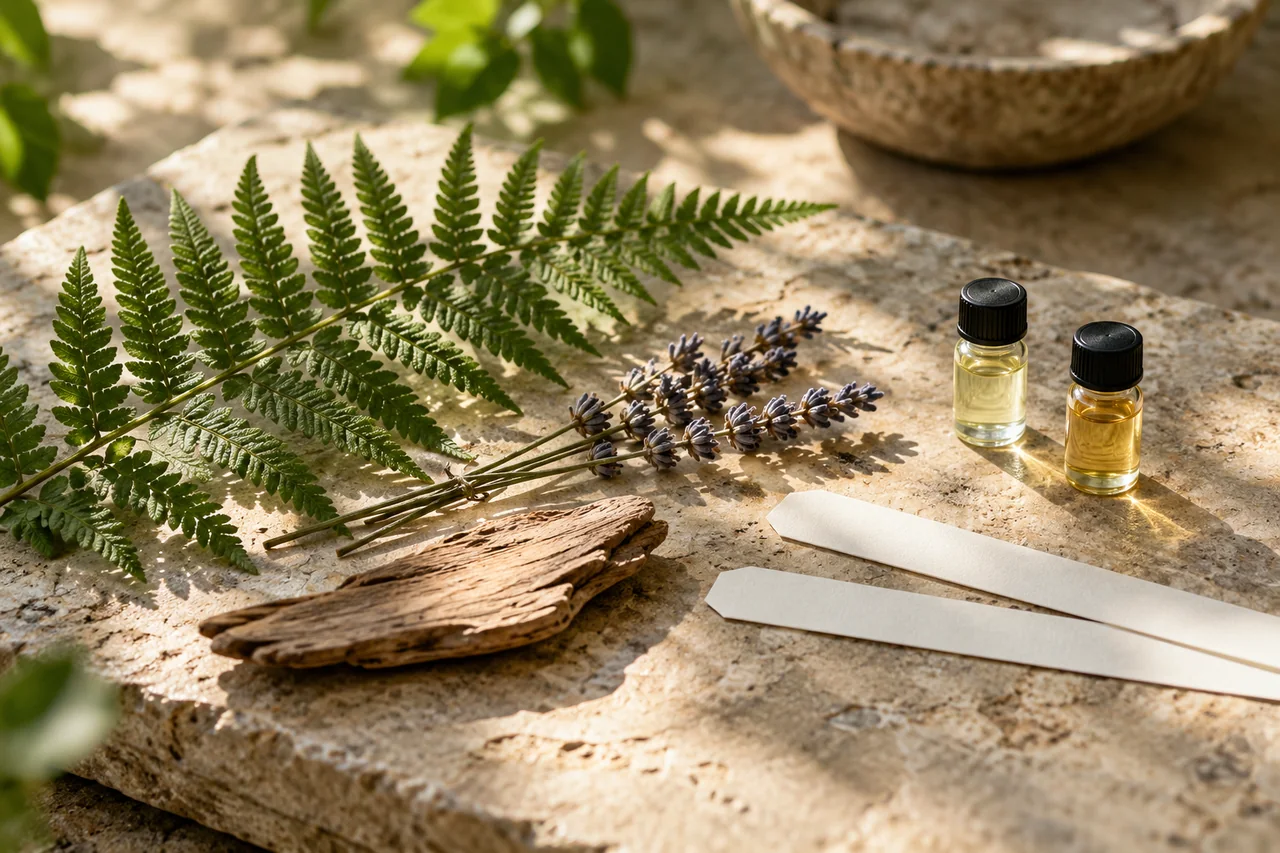
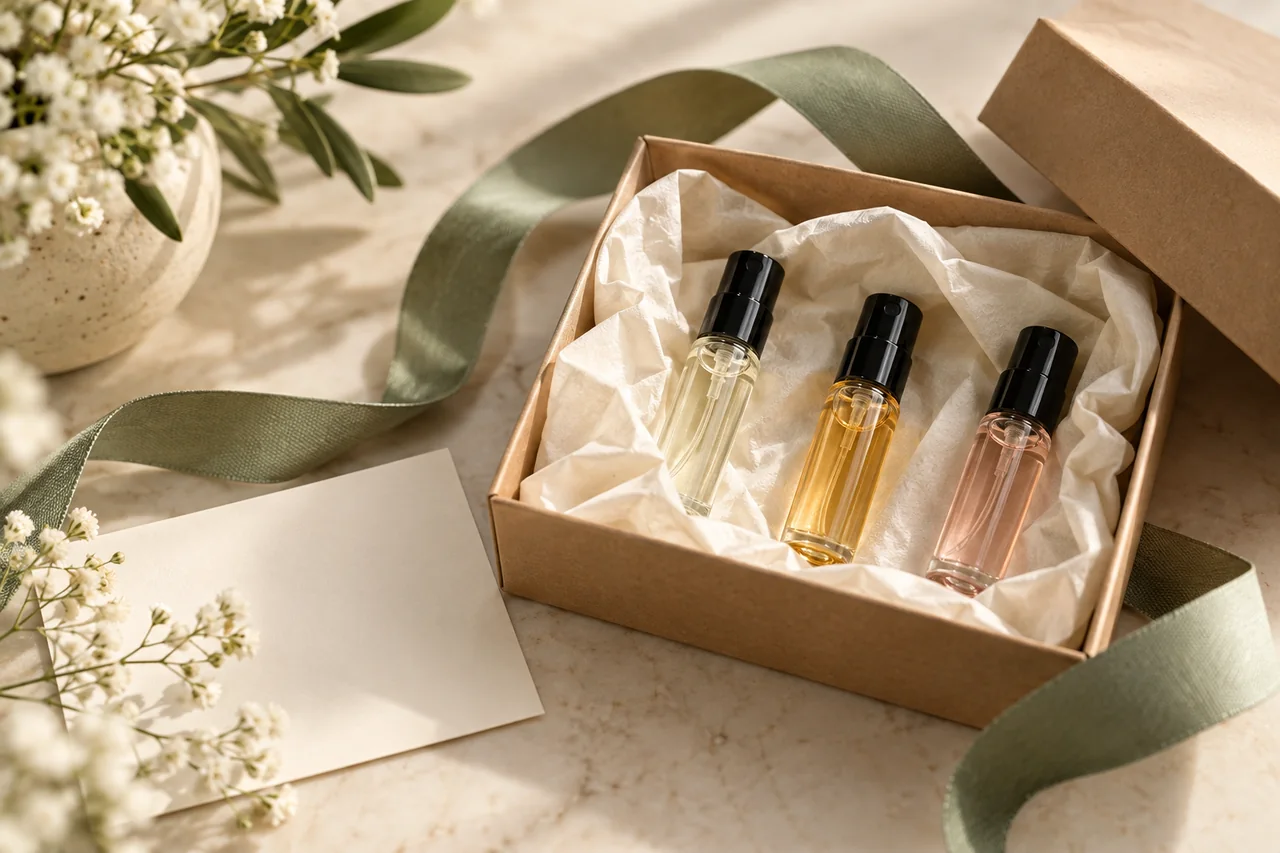
Label scent strips, narrow the choice and try one suitable favourite in daily life, with clear notes and realistic limits to personal tolerance checks.
Use paper to shortlist fragrance directions and a suitable wear trial to assess everyday use, without mistaking either for an allergy test.
Organise exact sample names, early and later impressions, intended uses and open questions to make a useful decision without endless sample buying.
Distinguish a quieter personal impression from proof that fragrance has vanished, and use pauses, restrained dosing and appropriate medical boundaries.
Assess spontaneous presence, close-up scent and enjoyment separately, keeping wear conditions visible instead of chasing universal hour claims.
Understand scent trail and nearby presence without invented distance claims, using context, modest application and freely given feedback.
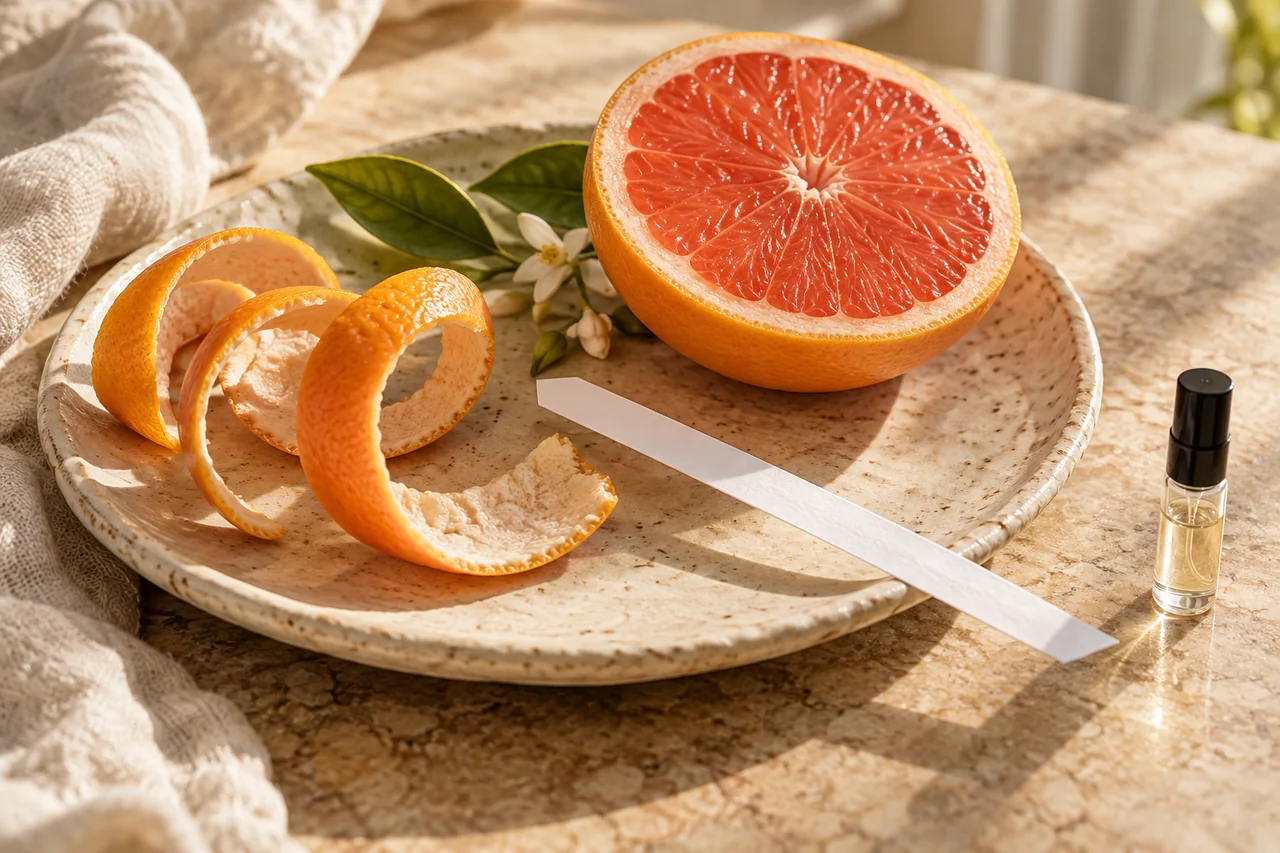
Refine a citrus scent search by comparing bitterness, sweetness, dryness and juiciness, then check whether you enjoy the later development.
Distinguish leafy, herbal and grassy scent ideas, compare their sweetness and development, and separate green imagery from environmental claims.
Compare airy, coastal and watery-fruity perfume ideas, keeping scent presence and actual ingredients separate from marine imagery.
Narrow a floral scent search through flower focus, airy or dense texture and later wear, without gender rules or ingredient assumptions.
Compare rose interpretations by sweetness and surrounding notes, while separating garden imagery and natural-origin claims from actual product information.
Compare white-floral perfume through brightness, sweetness and density instead of assuming pale flowers promise a delicate scent.
Separate powdery texture, sweetness, cosmetic memories and actual presence to choose a scent you enjoy wearing, rather than a label alone.
Refine a woody scent search by separating softness, sweetness and smoke, with realistic questions about raw-material stories and everyday use.
Compare amber perfume through dryness, sweetness, density and use, without treating amber, ambergris and fossil resin as interchangeable ingredients.
Compare dessert-like perfume through sweetness, texture and genuine wear enjoyment, keeping appetising imagery separate from ingredients and safe use.
Compare musk-centred scents without assuming one universal smell, guaranteed skin closeness or a particular ingredient origin.
Compare dry, aromatic and warmer spice impressions, distinguishing an interesting paper sample from something you enjoy wearing over time.
Explore leather-like scent ideas through texture, darkness and practical use, without clothing stereotypes or assumptions about animal ingredients.
Compare fruity perfumes by juiciness, sweetness and later development, without assuming fruit pictures reveal ingredients or age suitability.
Explore two historical fragrance terms through aromatic freshness and dry contrast, using samples rather than rigid recipes or gender stereotypes.
Use clothing colours as personal prompts for a fragrance search, without assuming skin, hair or a seasonal palette determines perfume preference.
Turn clothing preferences into a few practical scent questions, then compare real use, cost and enjoyment rather than a prescribed perfume persona.
Assess shared spaces, existing bottles, ordinary wear and useful packaging before choosing an everyday perfume or making a repeat purchase.
Choose practical workplace fragrance arrangements, avoid spraying in communal rooms and respond respectfully to requests without demanding medical details.
Choose perfume by the actual evening, proximity to others and familiar options, rather than assuming night-time demands stronger or costlier scent.
Plan fragrance around real summer settings, product warnings, storage and existing favourites, while keeping sun protection a separate decision.
Choose winter fragrance with indoor spaces, clothing care and actual usage in mind, rather than assuming cold weather requires stronger perfume.
Choose a small labelled fragrance, check current airport and airline rules, and prevent leaks without treating earlier travel experience as a guarantee.
Confirm exact favourites or offer a thoughtful sample choice, with clear budgets, current return conditions and no pressure to wear unwanted fragrance.
Explore fragrances through specific scent qualities and intended use, without assuming unisex means neutral, fresh or suitable for everyone.
Choose a familiar favourite through a small sample round, clear boundaries and repeated enjoyment, without requiring uniqueness or a perfect match to your personality.
Map existing bottles to actual occasions, identify overlap and choose useful sizes without treating every fragrance family as a shopping requirement.
Explore combinations of familiar fragrances without mixing bottle contents, overriding warnings or assuming more layers improve duration or tolerance.
Choose considerate perfume application through product instructions, atomiser handling and shared surroundings rather than a universal number of sprays.
Separate product application, skin concerns and textile care before choosing where to spray; clothing is not an automatic workaround for fragrance allergy.
Review sunlight, heat, closures and product directions, then organise perfume simply without unsupported refrigeration or rescue routines.
Distinguish bottle storage from wear duration, record opening and conditions, and ask precise questions when a perfume changes instead of applying a universal expiry rule.
Match the exact bottle and refill system, preserve product information and compare real usage and total cost without assuming every refill is suitable.
Compare unit prices, delivery and likely use with transparent fictional examples, keeping total budget ahead of an attractive volume discount.
Limit total sample spending and simultaneous choices, retain clear labels and end a trial round without feeling obliged to buy a full bottle.
Distinguish a known repeat purchase from a blind buy, compare total costs and check seller, delivery and return details before opening the parcel.
Identify the exact product, distinguish notes from INCI labelling and understand why fragrance-allergen lists may differ during the EU transition.
Organise product details and symptom observations for professional assessment without self-testing, online diagnosis or exposing private health information.
Reduce optional scent sources, distinguish preference from medically advised avoidance and select products for the care tasks you actually need.
Check repeat enjoyment, real occasions, useful quantity, total cost and urgency before a perfume offer becomes another unused bottle.
Combine shade, clothing and sunscreen for commuting, outdoor breaks and leisure. Choose adequate UVA and UVB protection and plan reapplication.
Read UV forecasts correctly and turn the index into practical sun protection decisions for your location and outdoor plans.
Use cosmetic ingredient lists for specific questions. Understand what names and ordering tell you, and why they cannot fully assess a formula.
Separate scent preference from product quality and skin tolerance. Learn what to check when you have a diagnosed fragrance allergy.
Make one clear change, read instructions and record reactions. A personal product trial is useful for comparison but does not rule out an allergy.
Keep opening dates, storage instructions and stock levels clear. Recognise changes and avoid buying more than you can use.
Separate clean and used tools, close packaging and allow accessories to dry. Build a manageable hygiene routine without unnecessary disinfection.
Match removal to what you wear, prepare clean accessories and decide whether a second cleansing step has a clear purpose.
Adjust specific steps for winter rather than replacing everything. Consider cleansing, hand care, storage and UV protection separately.
Prioritise sun protection, comfortable textures and suitable storage. Keep summer care easy to manage at home and outdoors.
Bring cleansing, suitable gloves and accessible moisturising into one practical hand-care routine, with professional help for persistent changes.
Choose lip products for a clear purpose, use them cleanly and include lips in your outdoor sun protection plan.
Reduce unnecessary purchases and check environmental claims. Make refills and reusable accessories work with your real consumption and cleaning habits.
Choose familiar products for the trip, keep labelling identifiable and check current transport rules with the relevant airport and airline.
Ask what was measured, how it was compared and whether a result applies to the finished product and your own use.
Look beyond natural, clean and free-from labels. Focus on intended use, personal tolerance and the difference between a hazard and actual risk.
Find realistic moments for breaks, choose a useful change of activity and agree when you can be unavailable.
Choose a manageable activity, reduce preparation and adapt your relaxation routine to ordinary, imperfect days.
Understand what autogenic training involves, choose appropriate instruction and practise without forcing sensations or results.
Explore a guided tension-and-release method, prepare a safe setting and adapt practice to your health and comfort.
Plan genuine changes from screen work, review your workstation and make break arrangements that fit the job.
Separate essentials from optional rituals and make the end of your day easier with a few realistic steps.
Choose a safe, accessible route and notice your surroundings without turning a walk into a test or performance goal.
Track what you use, distinguish replacements from experiments and compare prices with realistic consumption.
Arrange products by use, storage needs and access, with clear places for current supplies, reserves and damp items.
Choose small activities you enjoy, keep them flexible and avoid turning wellbeing into another purchasing or performance obligation.
Put cleansing, moisturising and sun protection in a practical order. Keep the steps you need and make changes you can understand.
Describe shine, tightness and rough areas clearly. Compare similar conditions and recognise when a skin change needs professional assessment.
Match cleansing to the products you wear. Follow the instructions, use accessories thoughtfully and avoid unnecessary rubbing.
Compare texture, packaging and practical comfort. Find suitable moisturising care without chasing ingredients or buying more than you need.
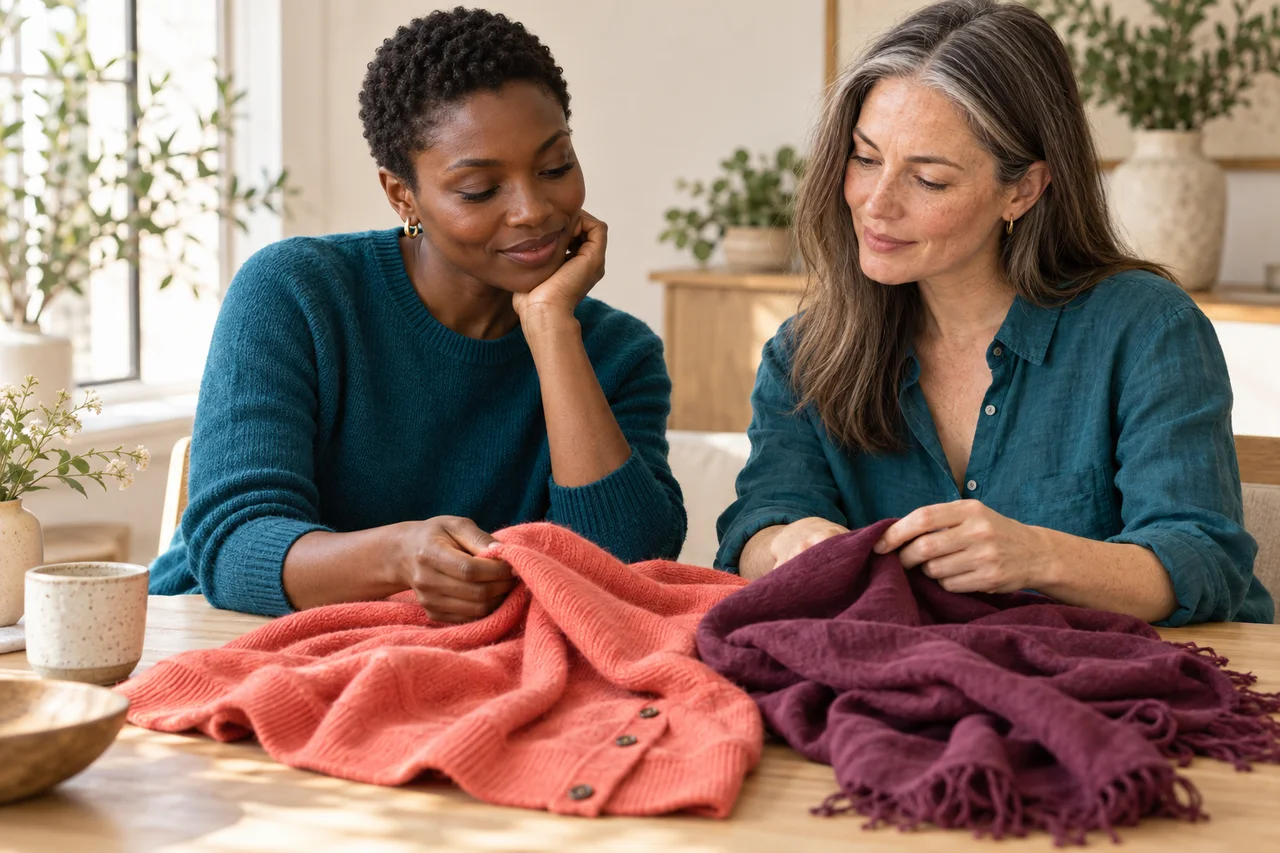
Explore colour, lightness and intensity to build a practical palette around clothes you own and combinations you enjoy.
Use comparable fabrics and consistent conditions to identify useful preferences without forcing a seasonal classification.
Combine warm, clear colours with dependable bases, simple shapes and the levels of brightness you actually enjoy.
Build expressive outfits from cool, muted shades using depth, texture and deliberate contrast.
Use warm, muted colours in modern outfits with purposeful depth, lighter contrasts and alternatives to shades you dislike.
Use clear colours, deep bases and controlled light-dark areas without assuming every outfit must be bright or dramatic.
Understand warmth as a relative styling description and compare related shades under consistent conditions.
Explore how the balance and placement of light and dark areas change an outfit, even when the colour family stays the same.
Compare colour intensity within a family and use area, texture and contrast to balance clear and muted shades.
Explore lightness, intensity and reliable combinations when a warm-cool comparison gives no clear preference.
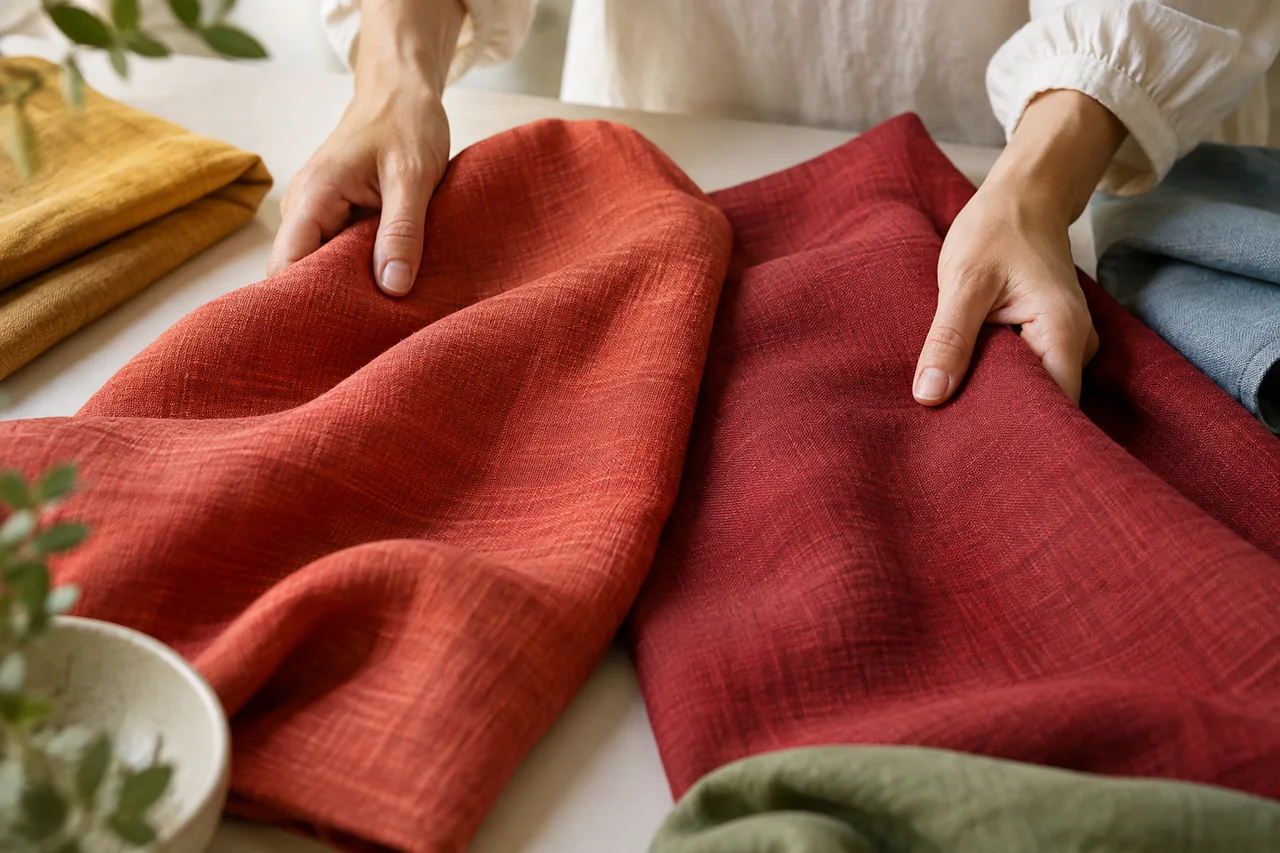
Create a fair fabric comparison, describe what changes and turn preferred colours into outfits you can actually wear.
Find steady, indirect light and check important garments in the conditions where you will wear them.
Take consistent comparison photographs and recognise where camera processing and screens limit colour judgements.
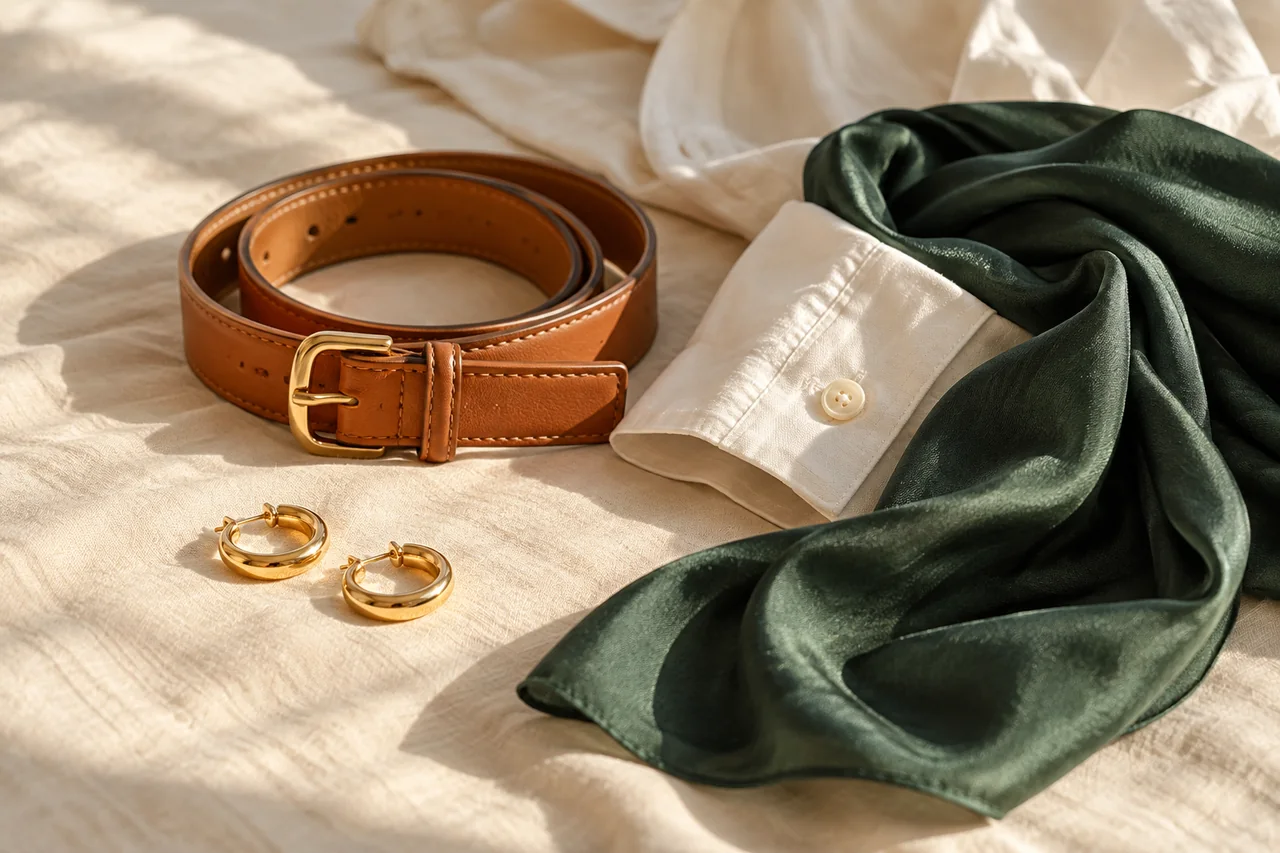
Compare jewellery fairly, consider finish and scale, and mix metal colours in ways that work with your clothes and meaningful pieces.
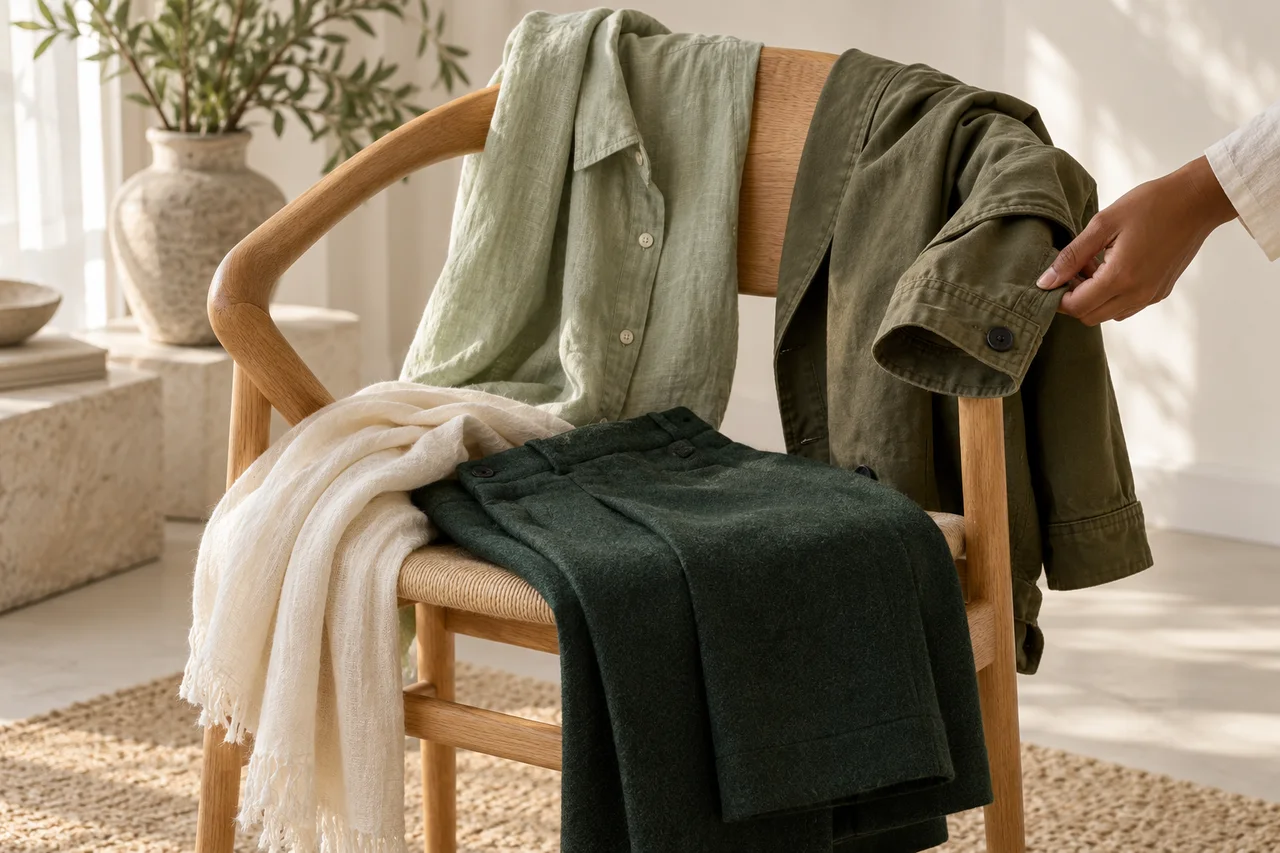
Give colours practical wardrobe roles, test complete outfits and add shades that connect pieces you already own.
Build an outfit from one starting piece, then adjust lightness, intensity, colour area and texture to create the effect you want.
Explore opposing colour directions with muted shades, small accents and deliberate proportions.
Use related shades, lightness changes and contrasting surfaces to create a coherent outfit without demanding exact matches.
Select base colours that connect your favourite pieces, suit your routine and work in complete outfits.
Control light-dark areas, compare real white and black fabrics, and soften or strengthen the contrast according to your preference.
Choose a red shade and role, compare neutral partners and use deliberate differences when combining several reds.
Use navy, denim and clear blue as different starting points, with deliberate depth and carefully chosen colour partners.
Identify the greens you own and choose partners that suit their lightness, intensity and role in the outfit.
Compare undertones, choose deliberate gradations and use texture or colour to give light outfits a clear structure.
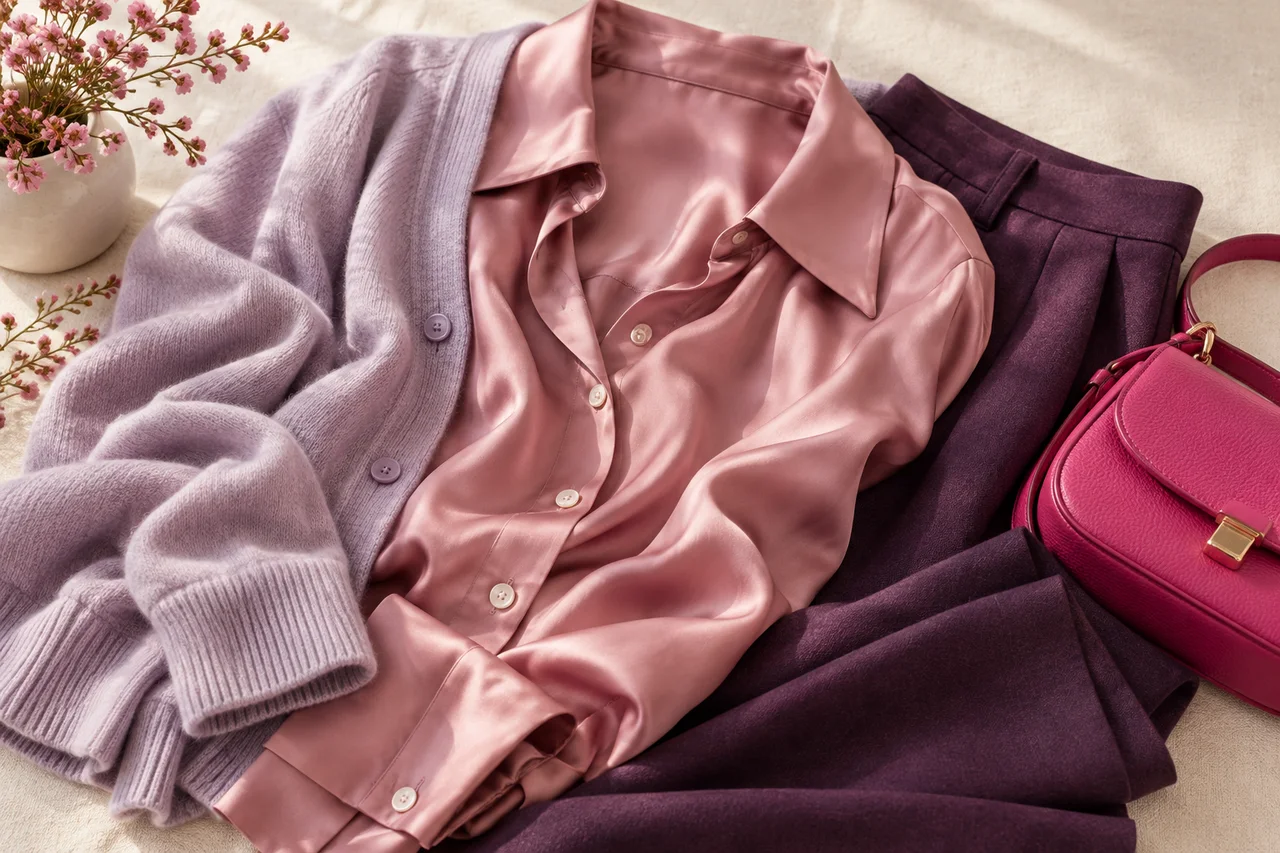
Choose distinct approaches for soft pink, lavender, berry and aubergine using shape, depth and controlled accents.
Plan repeatable work outfits around real requirements, useful base colours and accents you want visible throughout the day.
Use the invitation, venue and lighting to plan a complete occasion outfit with practical layers and future uses.
Compare familiar outfits, adjust the frame near your face and keep useful clothes while you explore a changed appearance.
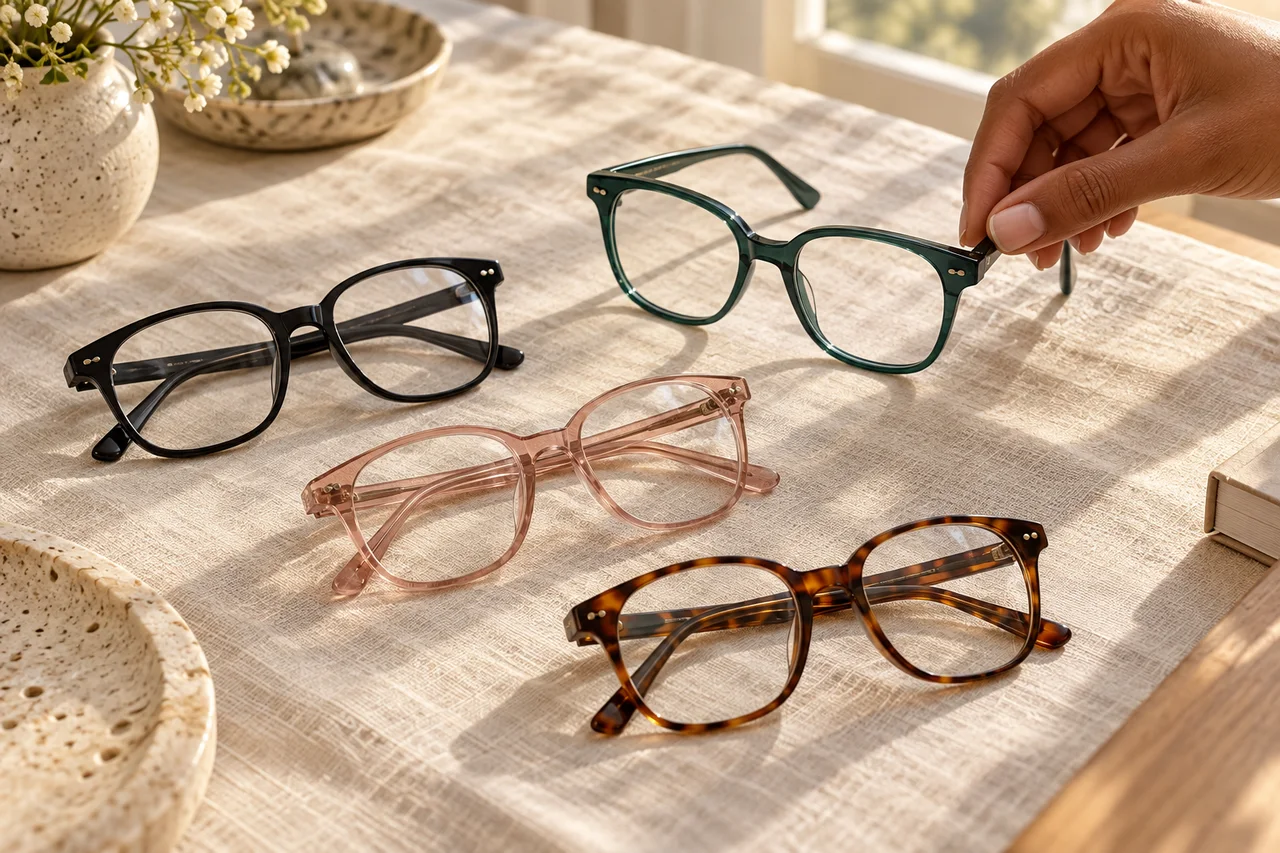
Compare similar frames, consider transparency and finish, and combine colour preferences with professional optical fitting.
Replace rigid seasonal rules with observable comparisons, practical outfit goals and room for personal preference.
Compare natural movement, minimum length, daily styling and salon upkeep to prepare two realistic haircut options.
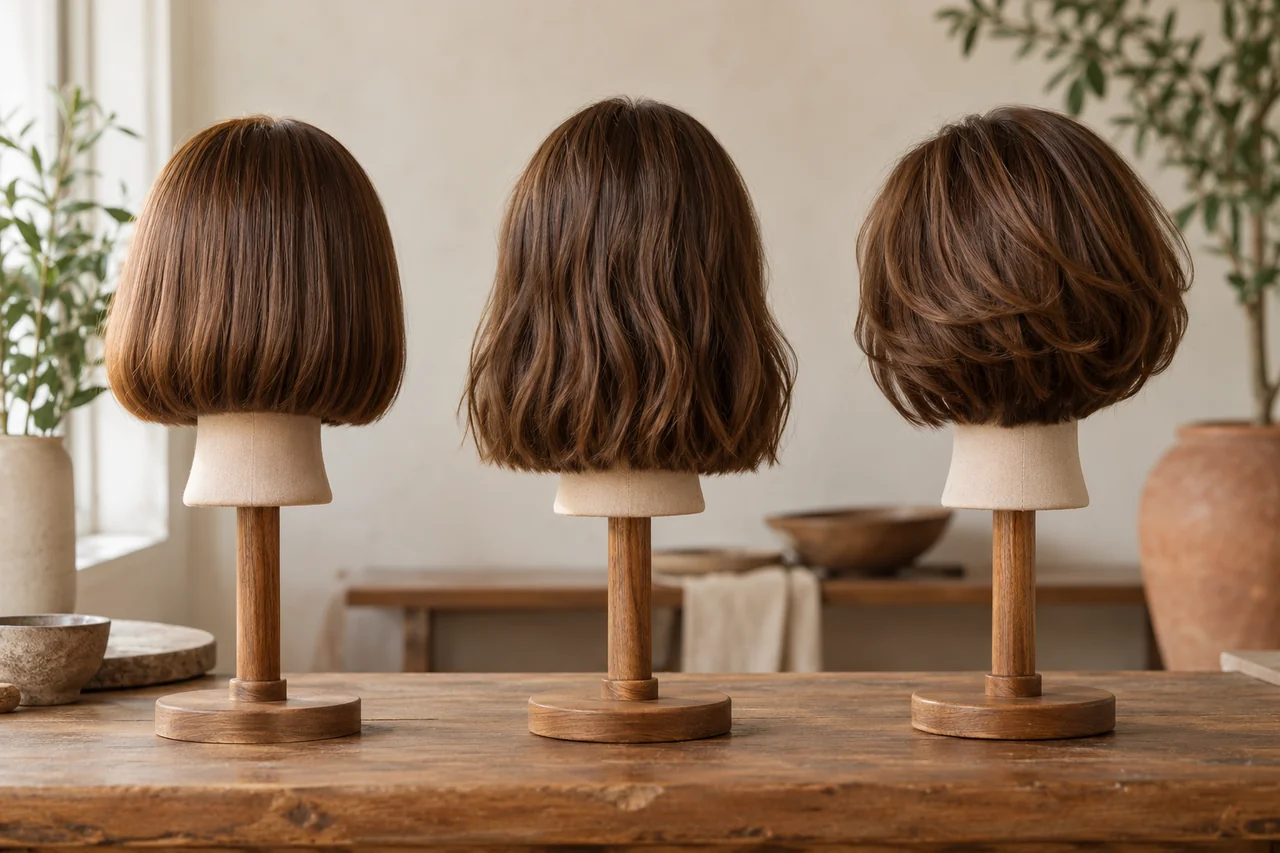
Separate length, outline, layers and fringe from the styling in reference photos to plan a bob that fits your routine.
Translate a full-looking outline, moving ends and parting preferences into a realistic haircut and styling brief.
Discuss nape, sides and top together, including glasses, minimum front length and a manageable growing-out plan.
Separate upper layers, front framing and the lower outline so movement fits your hair and practical needs.
Define fringe width, dry length and visible density, with practical checks for glasses, natural parting and maintenance.
Agree on the shortest dry point, preferred parting and everyday tied-back options before choosing front framing.
Discuss nape, ears and top length together, including everyday styling, contour appointments and possible longer stages.
Plan the outline around tying, ear clearance and shoulder contact, with separate decisions for front framing and internal movement.
Describe where you want visible fullness, compare outline and layers, and preserve the functions your everyday hairstyle needs.
Identify the specific source of unwanted bulk, preserve the outline you like and compare loose and tied-back styles.
Agree visible dry length, the shortest section and the overall silhouette using your ordinary curl pattern and routine.
Check fringe, temples and frame lines in real movements, and distinguish a hairstyle issue from an optical fitting problem.
Choose the next useful shape, protect target lengths and manage awkward sections with clear, reversible steps.
State your main goal, practical limits and real routine, then clarify the proposed work, price and upkeep before starting.
Separate depth from coolness, compare real swatches and discuss previous colour, realistic stages and ongoing care.
Decide when the accent should show, test its placement with everyday styles and plan treatment, care and later changes.
Describe roots, face-framing and lengths separately, then discuss placement, maintenance and the complete appointment scope.
Decide how visible grey should remain, assess the different colour zones and plan realistic stages with future regrowth in mind.
Balance length, visible contrast and maintenance while choosing manageable stages instead of a fixed completion date.
Compare muted and vivid copper directions, include your existing colour and agree on upkeep and possible later changes.
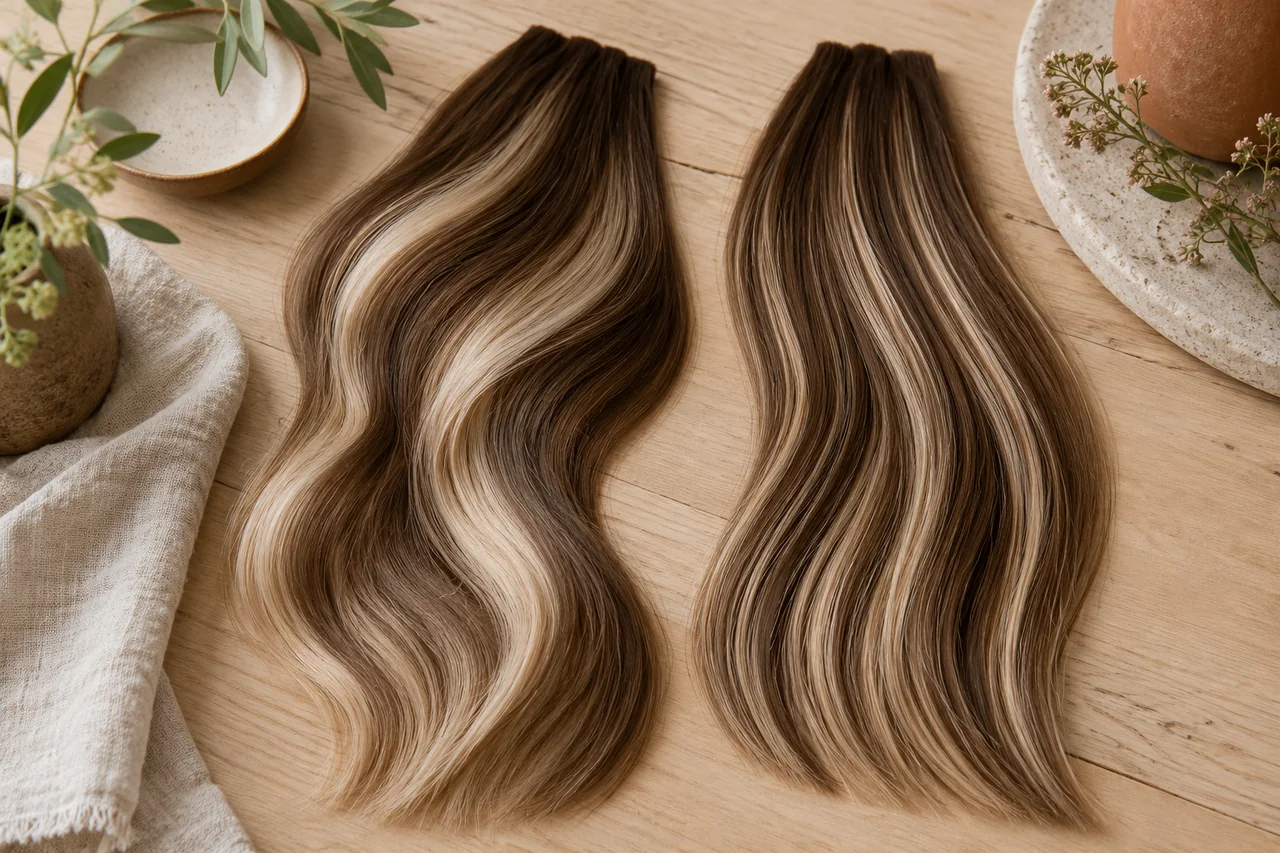
Plan bronde through the leading colour, highlight placement and contrast, with realistic treatment and regrowth expectations.
Define which visible changes would justify a visit and separate root work, length refreshes and cutting in your plan.
Give each image a clear purpose, distinguish cutting from styling and pair inspiration with your own ordinary-day hair.
Separate first-change costs from ongoing care, avoid counting combined services twice and include realistic time as well as money.
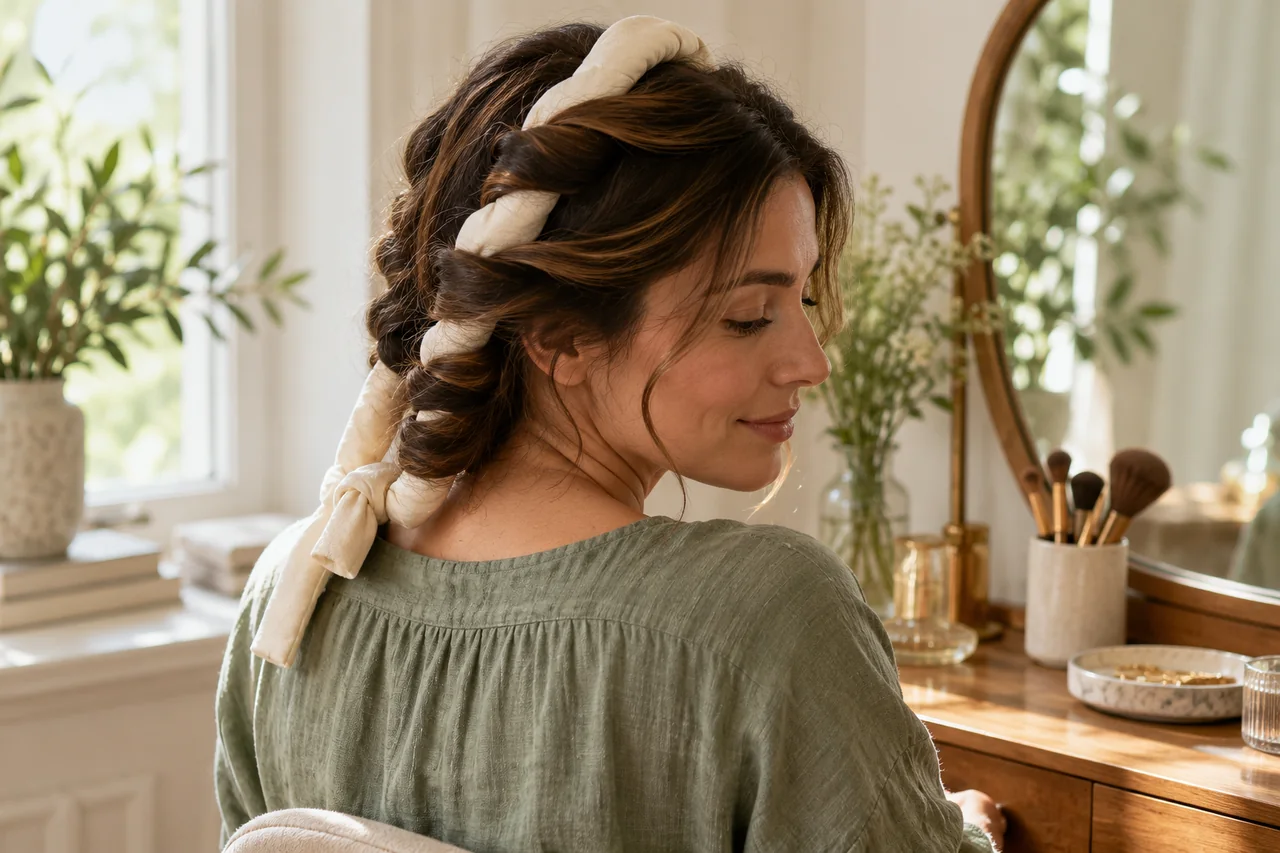
Plan curl size, wrapping direction and comfortable sections, then release only when fully dry and change one variable at a time.
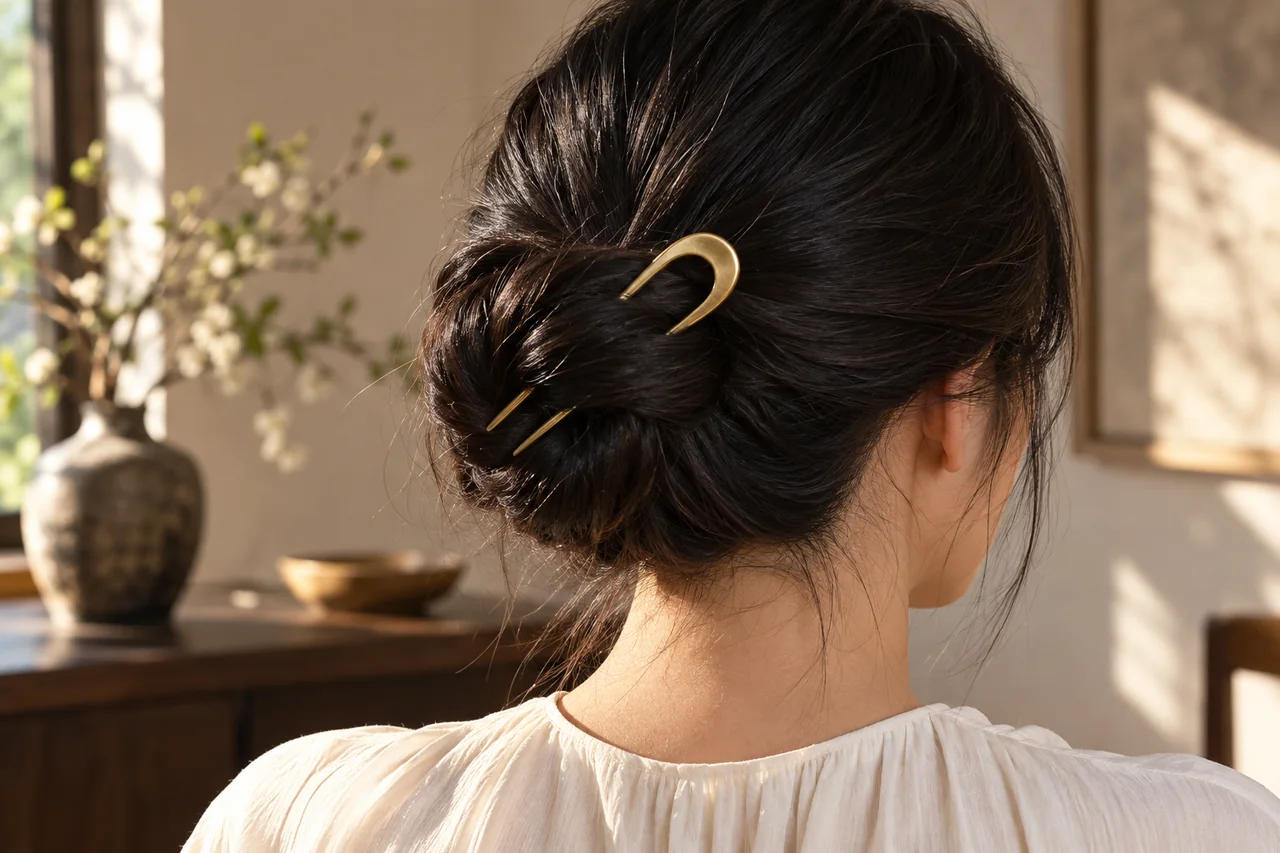
Learn a supported low-knot placement, practise the turning movement slowly and choose pin size and hair amount that work together.
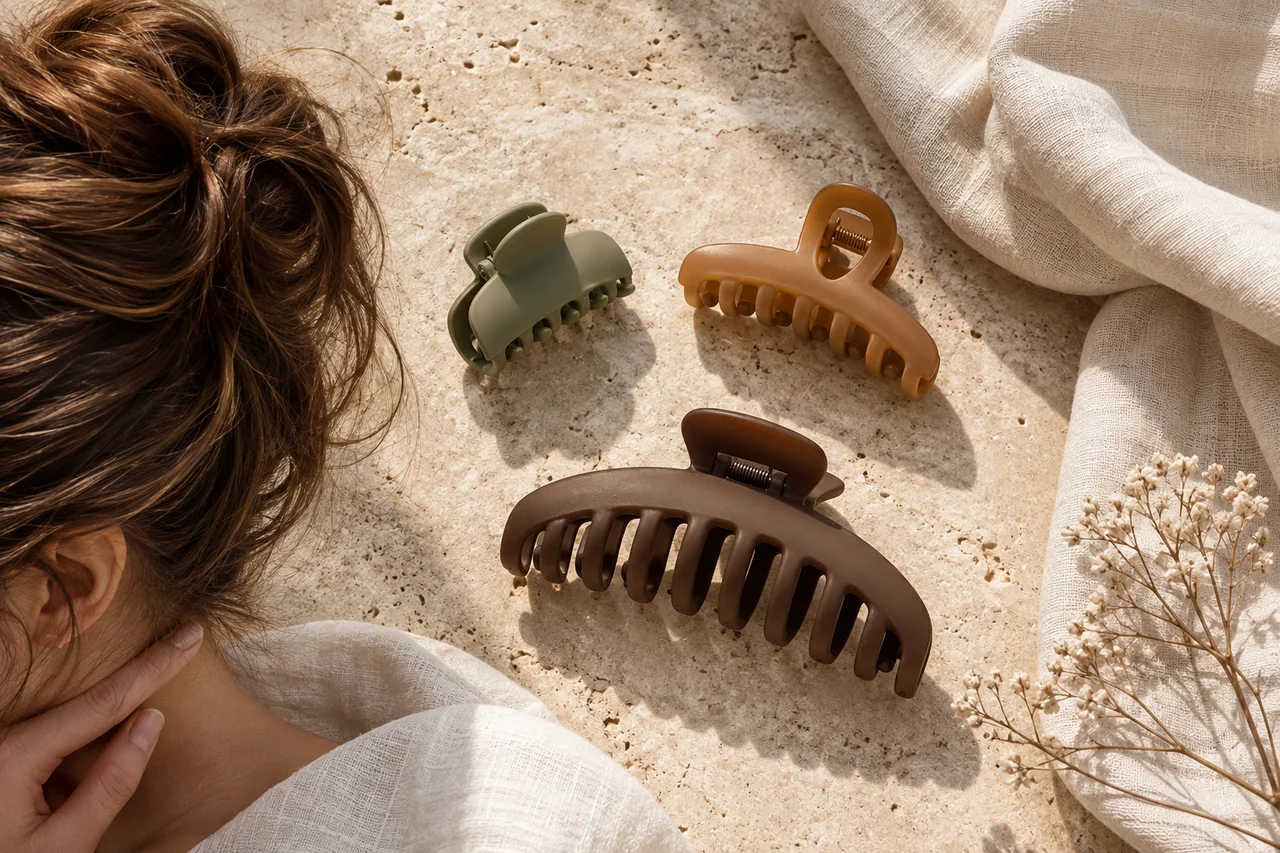
Match interior space and teeth to the hair amount, test loose twists and half-up styles, and check comfort against collars and headrests.
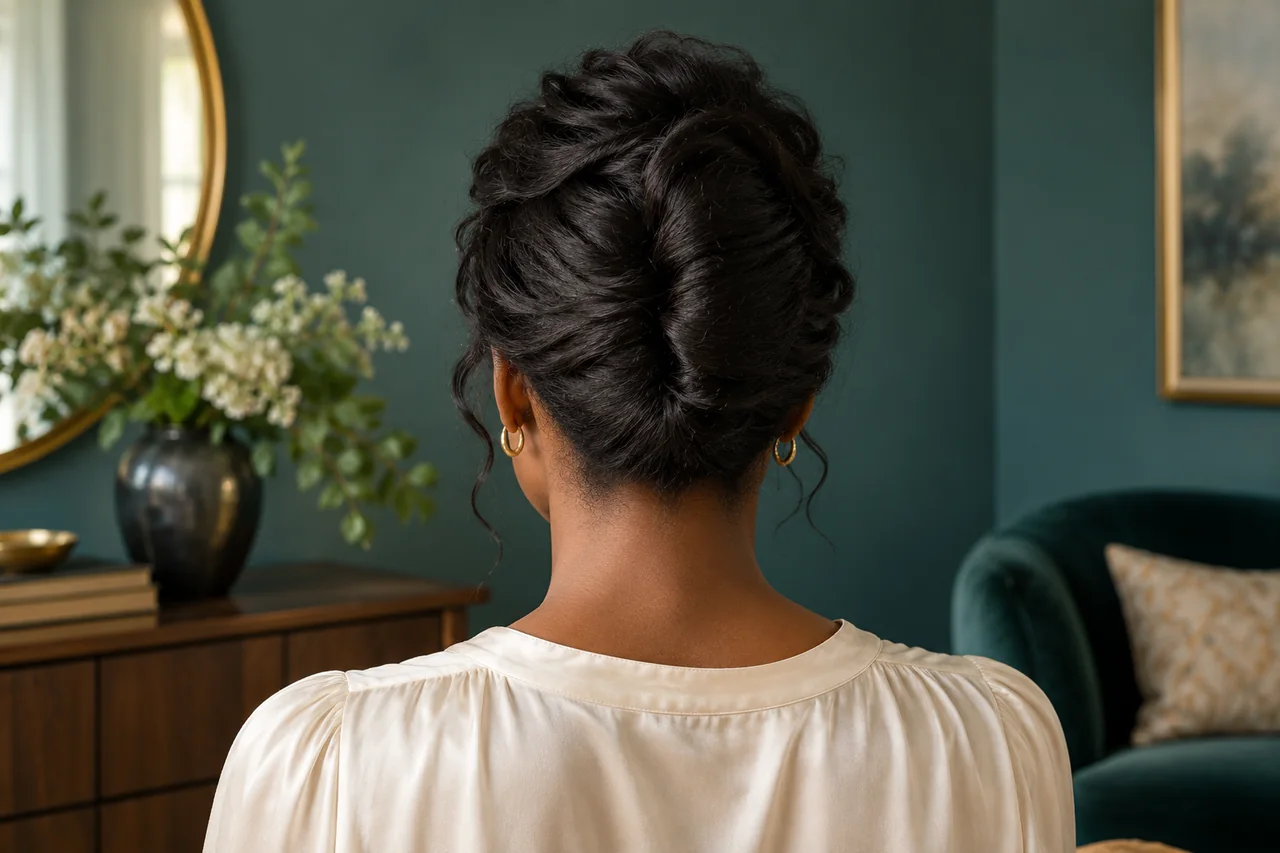
Choose the position before twisting, build a stable fastening and refine the outline without tightening the hairline.
Build a supported vertical roll, secure the open seam and adapt the amount of hair instead of relying on force.
Compare height, band size and everyday comfort, and release the style immediately if it hurts or pulls strongly.
Take back only the sections your goal requires, choose an appropriately sized fastening and test the front view and daily movements.
Practise the crossing sequence with ribbons, then a visible hair section, keeping strands separate without pulling tightly.
Use the length each section comfortably reaches, choose small fastenings and allow an open nape or loose ends when useful.
Match the style to the outfit, journey and event length, with a tested alternative and a small familiar repair kit.
Separate decorative and fastening roles, test scale on the head and choose comfortable pieces for their actual wearing time.
Use a comfortable headband, a scarf over an existing ponytail tie or a loose covering, with safe knots and manageable ends.
Find a manageable volume routine by comparing your parting, ends, product amount and time spent styling.
Observe your natural waves and compare shaping, product amounts and drying without adopting a long list of rules.
Make curl refreshing quicker: assess the shape, consider existing product and keep a comfortable partial hairstyle as a backup.
Try air-drying with gentle handling and a realistic schedule, then decide where it fits into your routine.
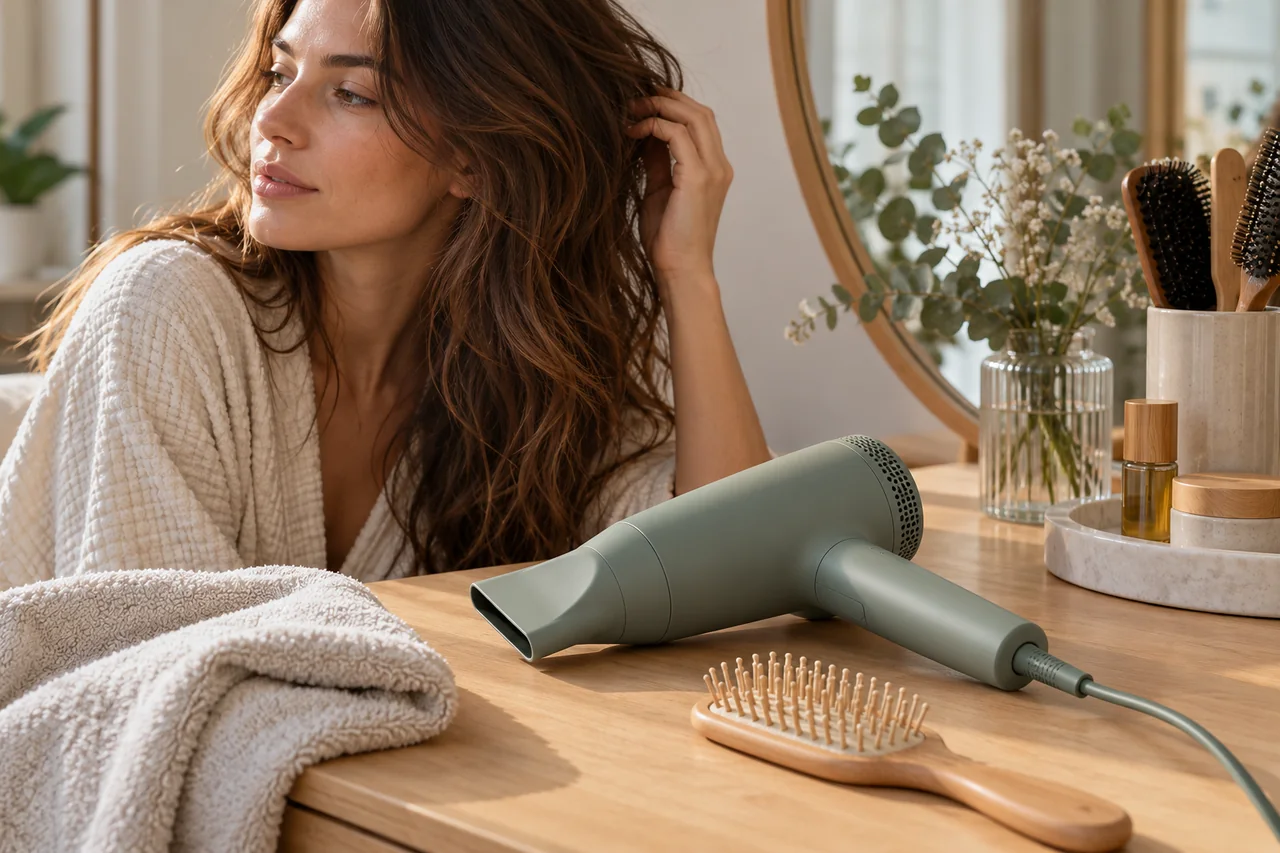
Prepare your hair and workspace, use manageable sections and reduce unnecessary repeated heat when blow-drying.
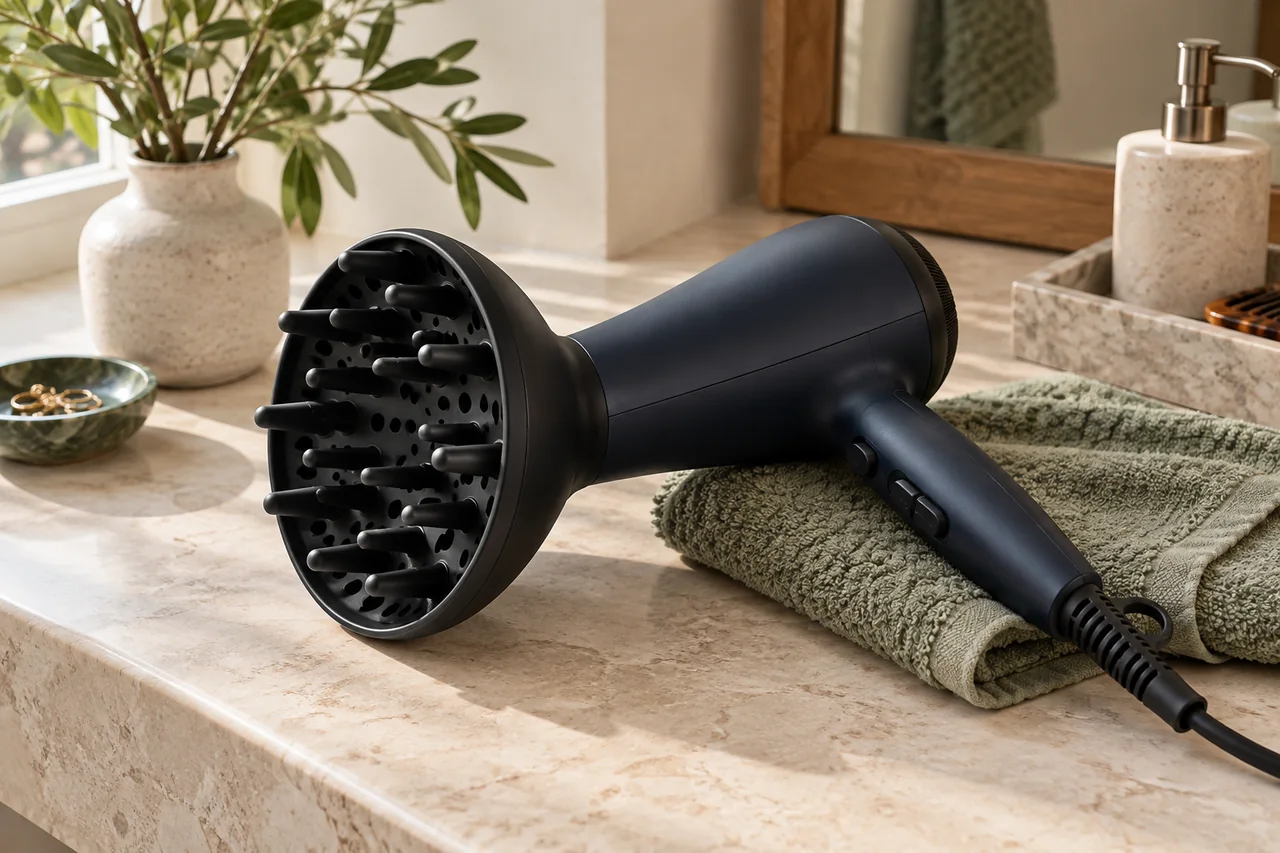
Check compatibility, prepare your shape and compare airflow, movement and handling when drying with a diffuser.
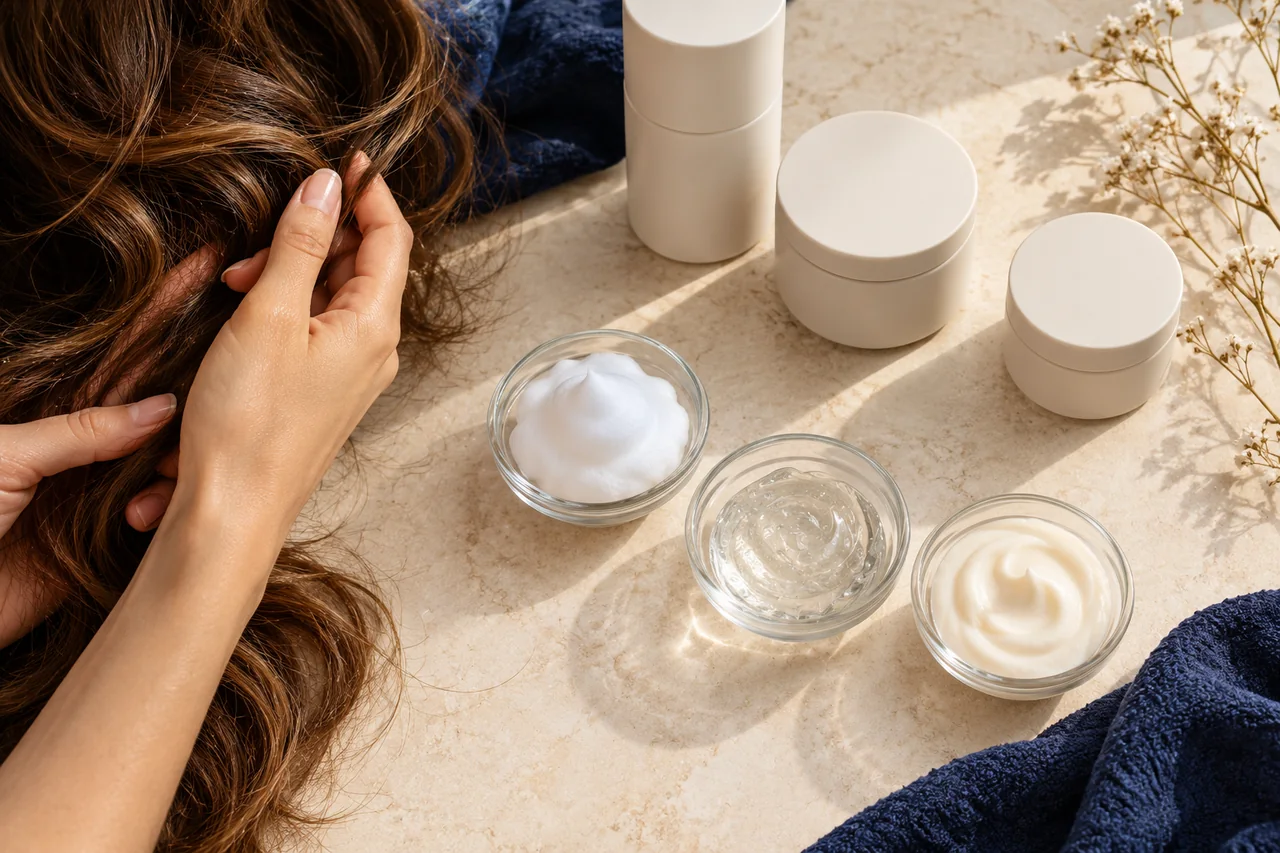
Match styling products to a clear purpose, application area and manageable comparison rather than collecting extra layers.
Check heat-protection claims and directions while keeping appliance settings, hair condition and repeated heat under control.
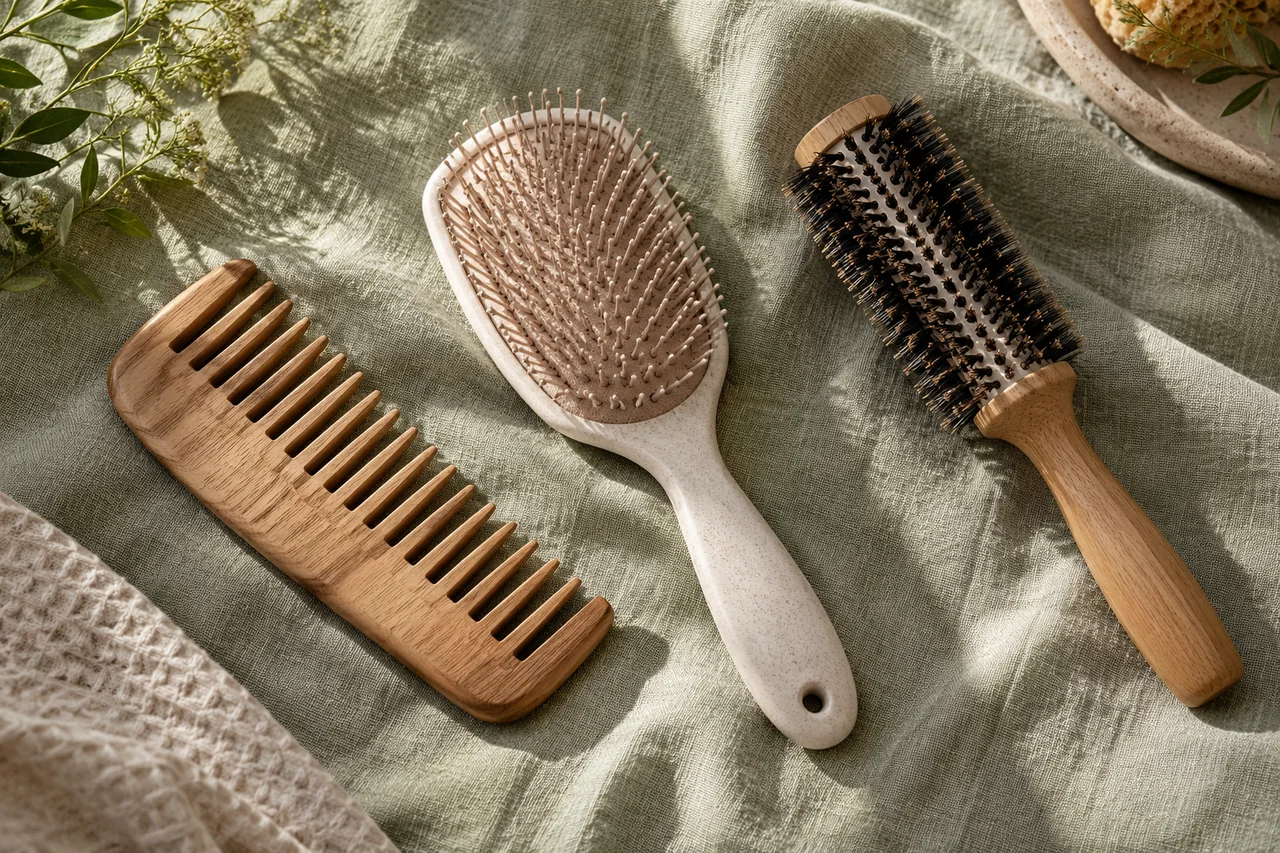
Compare combs and brushes by their actual job, condition, comfort and cleaning needs before buying another tool.
Find the knot, support the section and work upwards from the ends with a method suited to your hair.
Choose a hairstyle around your journey and weather protection, with a simple adjustment ready for arrival.
Check hat fit, scarf and accessories together, then plan a quick hairstyle adjustment for your destination.
Simplify haircare through one-at-a-time comparisons, realistic costs and a clear purpose for each product.
Understand changes in ovarian function, periods and hormones, recognise common symptoms and plan a useful first step.
Understand the different stages, why their boundaries are not always clear and when periods cannot reliably show where you are.
Learn what the main hormones do, why individual results need context and how to question vague promises of hormone balance.
Understand age ranges and changing symptoms without treating averages as a deadline for your own experience.
Feel comfortable with an easier transition while keeping contraception, appropriate screening and new symptoms in perspective.
Prepare for assessment of early menopause, including symptoms, longer-term health, treatment, fertility and contraception.
Understand POI, the purpose of investigations and a care plan covering health, fertility and emotional support.
Plan recovery, hormone-related changes, follow-up and practical support after an operation involving the ovaries.
Understand ovarian function after hysterectomy and prepare a useful discussion of symptoms, treatment and ongoing care.
Prepare a coordinated plan for symptoms, intimate health, sleep and emotional support after cancer treatment.
Sort symptoms by timing, impact and urgency without assuming every midlife change is caused by hormones.
Describe heavy bleeding clearly, recognise urgent warning signs and prepare to discuss causes and suitable treatment.
Understand why spotting after menopause needs assessment, how to prepare and which symptoms require urgent help.
Understand the limits of hormone measurements and ask what a test would change before paying for a menopause test package.
Use a short private record to describe timing and everyday effects, while acting immediately on warning signs.
Organise your symptoms and priorities so an appointment ends with an understandable assessment and a clear next step.
Keep other treatable explanations in view when tiredness, heat, palpitations or poor concentration develop.
Plan pregnancy prevention alongside symptom treatment, with advice suited to your method, age and health.
Distinguish screening from symptom investigation and organise appropriate health checks without an unnecessary testing package.
Use practical questions to distinguish experience, evidence, marketing and understandable risk information.
Combine practical comfort measures with appropriate treatment when hot flushes disrupt sleep, work or social life.
Make night-time changes easier while recognising when recurrent sweating needs medical assessment.
Create a manageable transition to bedtime and recognise when persistent insomnia needs more than general sleep tips.
Prepare a calm response to waking and seek appropriate help when repeated poor sleep affects daily life or safety.
Know the signs of disturbed night-time breathing, prioritise daytime safety and prepare for appropriate sleep investigations.
Prepare a discussion of symptom goals, medical history, individual benefits and risks, with a plan to review treatment.
Compare routes and practical use with your clinician rather than assuming all hormone products are interchangeable.
Understand the protective role of progestogen and clarify your regimen, coil suitability and bleeding plan.
Distinguish low-dose local care from systemic HRT and discuss symptoms, medical history and follow-up openly.
Compare purpose, approval, side effects, interactions and monitoring for alternatives to HRT.
Understand the European liver-monitoring plan, warning signs and practical questions before considering fezolinetant.
Discuss personal distress, contributing factors, appropriate indications and monitoring rather than treating a single blood result.
Separate molecular structure, licensed medicines and compounded preparations before accepting safety or superiority claims.
Track a few relevant observations and agree follow-up rather than continuing treatment without reviewing its purpose.
Address each main symptom with a suitable approach and review benefit, effort and costs together.
Build manageable meals around familiar foods, preferences and budget without an expensive specialist diet.
Consider health, strength and practical habits while recognising unexplained changes that deserve assessment.
Recognise ordinary protein sources and combine adequate food with suitable strength activity without automatic supplement purchases.
Review food, individual risks and all existing supplements before adding a high-dose bone-health product.
Assess personal risks, adapt activity and make practical changes that support safe independent movement.
Choose manageable exercises, reliable guidance and recovery around the everyday abilities you want to improve.
Use existing journeys and short opportunities to build a flexible routine with easier alternatives for demanding days.
Describe pain, recognise urgent inflammation or injury and adapt movement rather than assuming all symptoms are hormonal.
Review personal cardiovascular risks, choose supported practical changes and recognise urgent symptoms.
Separate general health risks from personal symptom triggers and seek safe support when dependence may be involved.
Separate comfort, evidence and safety before trying remedies or buying products for menopausal symptoms.
Prepare flexible layers and accessible cooling without extreme temperatures or unnecessary specialist purchases.
Understand traditional use, product differences and why concentrated oils are not substitutes for tea.
Assess ordinary foods separately from concentrated preparations and avoid promises of guaranteed symptom relief.
Consider the exact extract, evidence, interactions and liver warning signs rather than assuming plants are harmless.
Understand the differences between magnesium, melatonin and sleeping medicines, and prepare a safer discussion about persistent sleep problems.
Choose suitable yoga or Tai Chi, adapt movements safely and assess benefits for wellbeing without claims about reversing menopause.
Check the purpose, ingredients, evidence, interactions and real cost of a menopause supplement before making a purchase.
Understand vulval and vaginal care, avoid irritating home remedies and recognise symptoms that need medical assessment.
Try one low-risk everyday adjustment, record its usefulness and decide what to keep without turning self-care into another burden.
Build a manageable routine for dry skin, reduce irritation and know when persistent itching or skin changes need assessment.
Try new cosmetics cautiously, understand the limits of home application tests and respond appropriately to irritation or allergic symptoms.
Combine shade, clothing and broad-spectrum sunscreen with practical application and reapplication habits that suit your day.
Record hair changes without constant checking, recognise concerning scalp symptoms and choose care or treatment according to the cause.
Care for skin that is both dry and blemish-prone, avoid irritating combinations and seek help for persistent or scarring acne.
Adapt make-up with thin layers, targeted coverage and gentle removal, while keeping your own style through changing skin needs.
Protect hands and nails from everyday strain, simplify moisturising and recognise changes that need medical attention.
Understand possible causes of dry mouth, find simple relief and prepare for dental or medical assessment of persistent symptoms.
Adapt screen habits, check contact lenses and eye drops, and recognise eye pain or vision changes that need urgent care.
Find comfortable fits, useful layers and dependable outfits without replacing your entire wardrobe or giving up your style.
Understand menopause without stereotypes, listen to individual needs and share practical responsibilities while respecting autonomy and privacy.
Prepare a calm, specific conversation about symptoms, practical support and shared agreements without requiring a defence of your experience.
Discuss changing intimacy, address pain and explore welcome forms of closeness with clear boundaries and no performance target.
Make invisible household planning visible, transfer whole responsibilities and protect rest without making children responsible for adult wellbeing.
Prepare a focused workplace conversation about symptom effects, useful adjustments, confidentiality and safe working, with local advice where needed.
Review the whole shift-work routine, protect sleep opportunities and address fatigue-related safety problems with appropriate support.
Respond respectfully to individual needs, agree practical workplace support and protect confidentiality without making medical assumptions.
Prepare for care that considers anatomy, surgery, hormone treatment, contraception, privacy and your own goals without assuming one standard experience.
Put necessary care first, ask about costs and use simple everyday resources before buying menopause-specific products or subscriptions.
Bring medical follow-up, everyday support, rest and enjoyment into a small, flexible plan that adapts to your life.
Understand menopause-specific CBT and CBT-I, their goals and how to find suitable qualified support.
Describe fatigue clearly, make room for recovery and seek assessment for persistent or substantial changes.
Know when heart symptoms need emergency help and how to prepare useful information for medical assessment.
Recognise changed headache patterns, keep a useful record and coordinate migraine and hormone-related care.
Use small practical arrangements to stay involved without a bag full of specialist products or unrealistic control goals.
Describe changing emotions without self-blame and combine practical relief with appropriate professional assessment.
Find a calm next step, recognise physical warning signs and plan support when anxiety restricts your life.
Recognise when to seek help, make the first contact easier and prioritise immediate support when personal safety is at risk.
Use practical organisation while seeking assessment for persistent, progressive or sudden cognitive changes.
Recognise early signals, agree a pause with a return time and address underlying demands while maintaining clear boundaries.
Make visible the tasks and responsibilities using your energy, then agree changes that genuinely create room for rest.
Focus on comfort, personal values and support without making youthfulness or constant body positivity a requirement.
Separate medical questions from emotional needs and seek support without pressure to immediately create a positive new life plan.
Choose manageable repeated contact, protect your boundaries and assess groups without pressure to build a large network.
Try voluntary comfort-focused practices without expecting them to treat every menopausal symptom.
Describe dryness and irritation accurately, choose appropriate products and know when medical assessment matters.
Choose products by purpose, application site and compatibility rather than building a complicated intimate-care routine.
Keep control during intimacy and examination, and identify support matched to the actual cause of pain.
Clarify your own wishes and consider pain, sleep, medicines and relationships before assuming a hormone problem.
Distinguish urgent symptoms from prevention questions and avoid repeatedly treating unexplained burning yourself.
Recognise different bladder patterns, prepare a private diary and choose appropriate assessment rather than restricting fluids.
Understand why coordination and relaxation matter alongside strength, and prepare for individual pelvic-floor assessment.
Describe symptoms, understand conservative options and consider treatment according to daily impact and personal goals.
Simplify irritating routines and seek assessment for persistent symptoms instead of repeatedly assuming thrush.
Discuss protection, testing and personal boundaries separately while making space for comfort and changing needs.
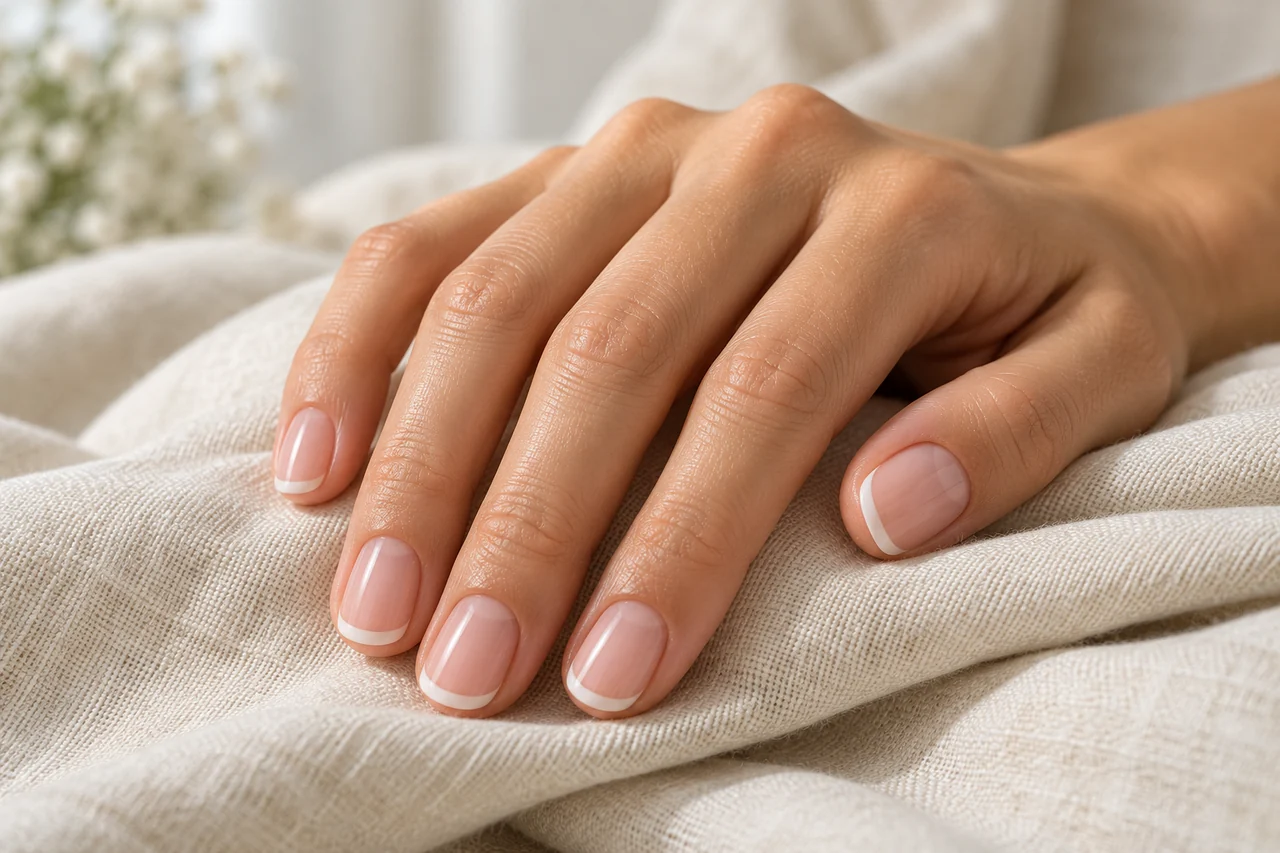
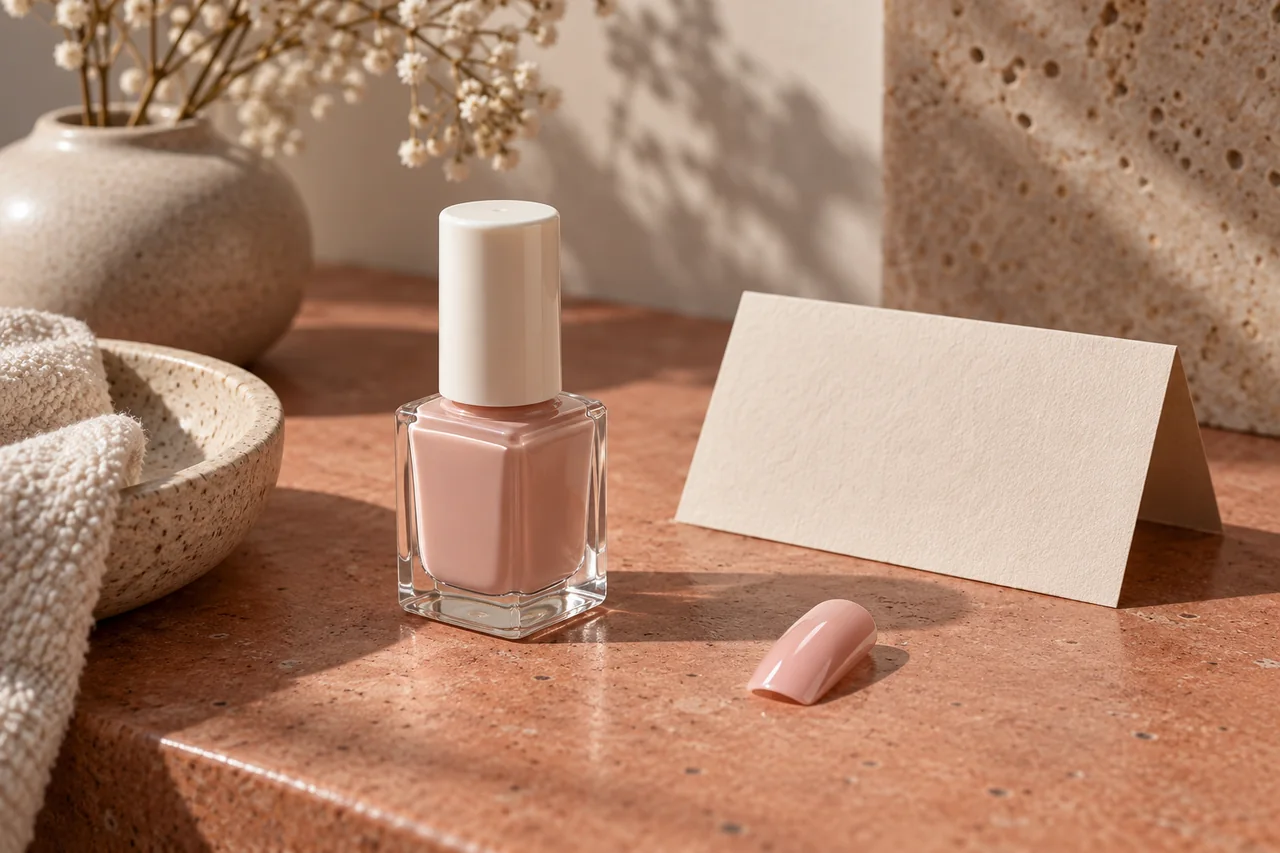
Compare tip width, white tones and base opacity while keeping your existing short nail length.
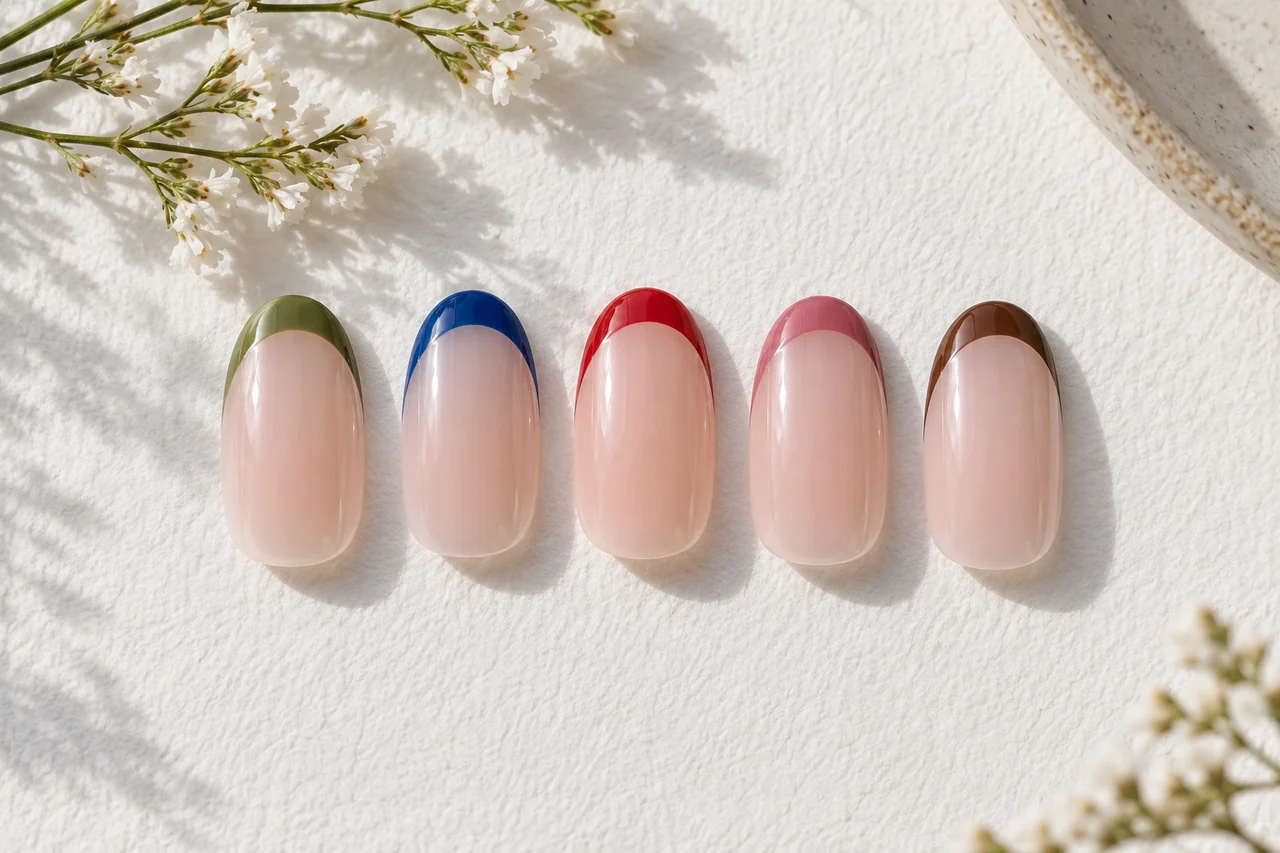
Plan one, two or five tip colours using a consistent base and clear proportions before buying more polish.
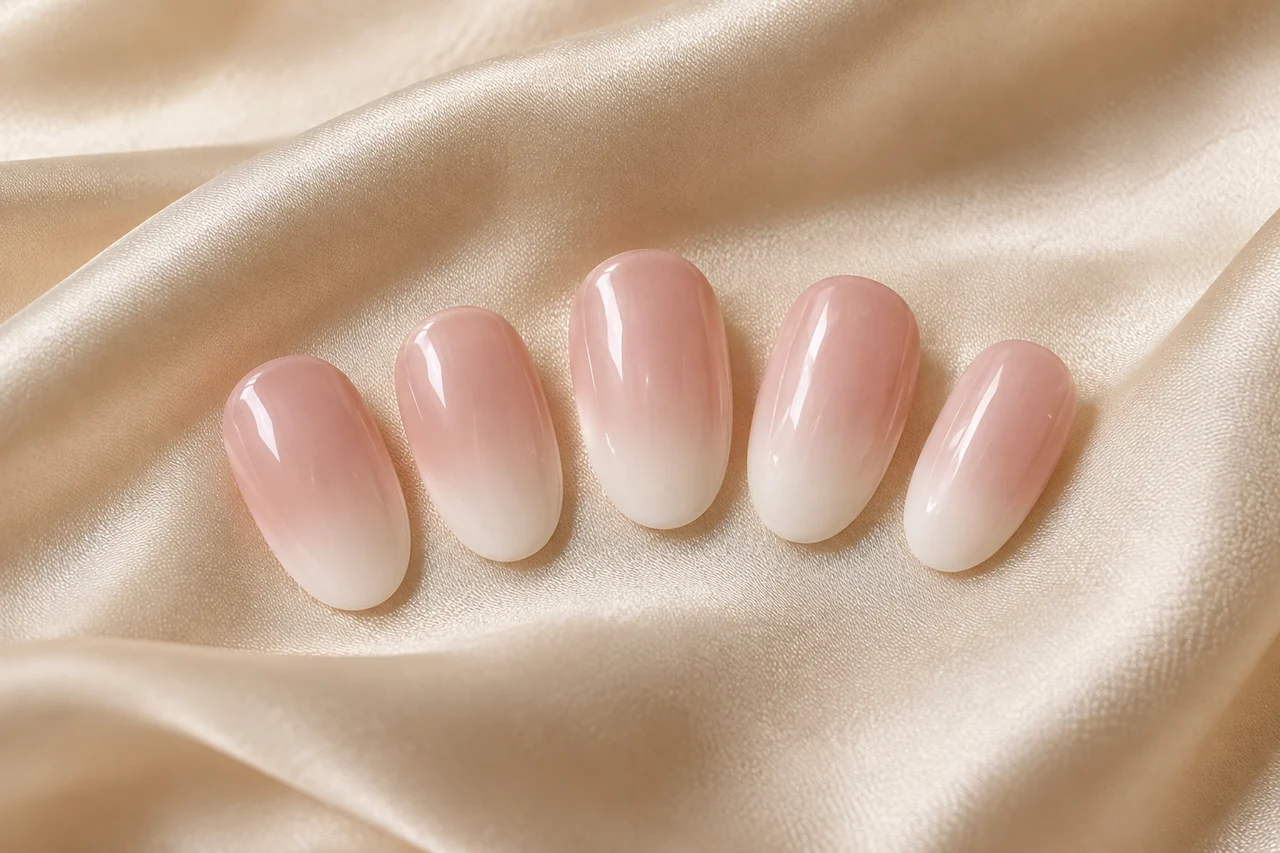
Plan colour direction, transition width and coverage before choosing a technique for a nail gradient.
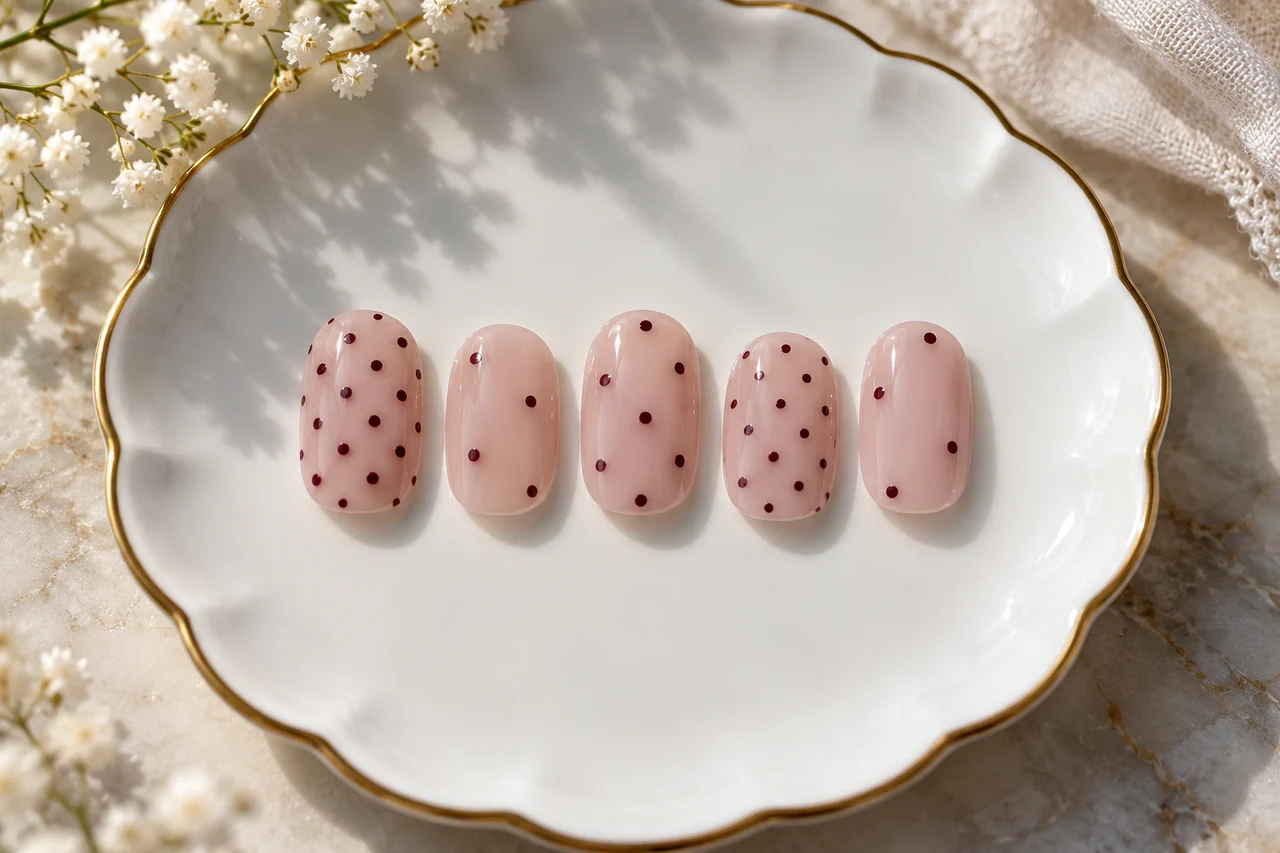
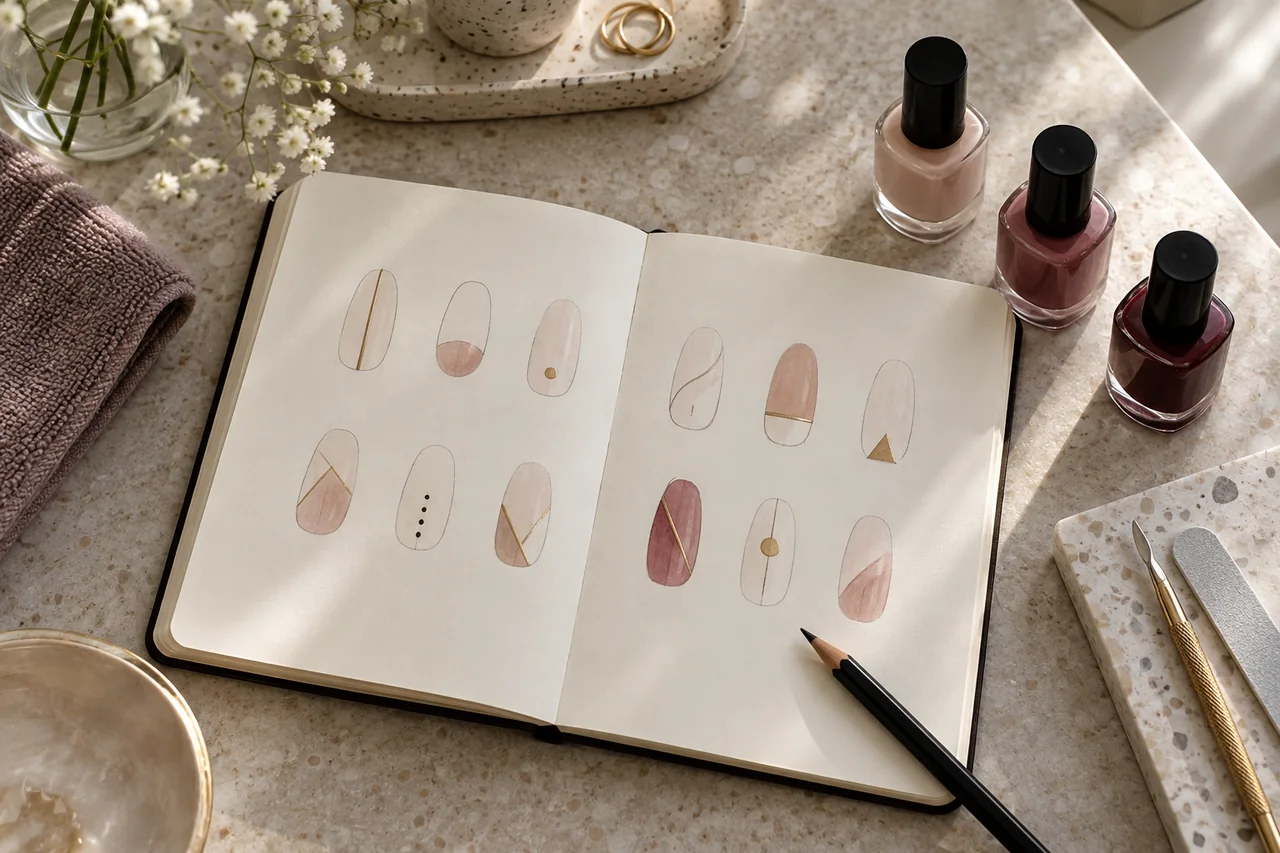
Sketch a dot pattern at realistic scale and compare density, contrast and accent placement before applying polish.
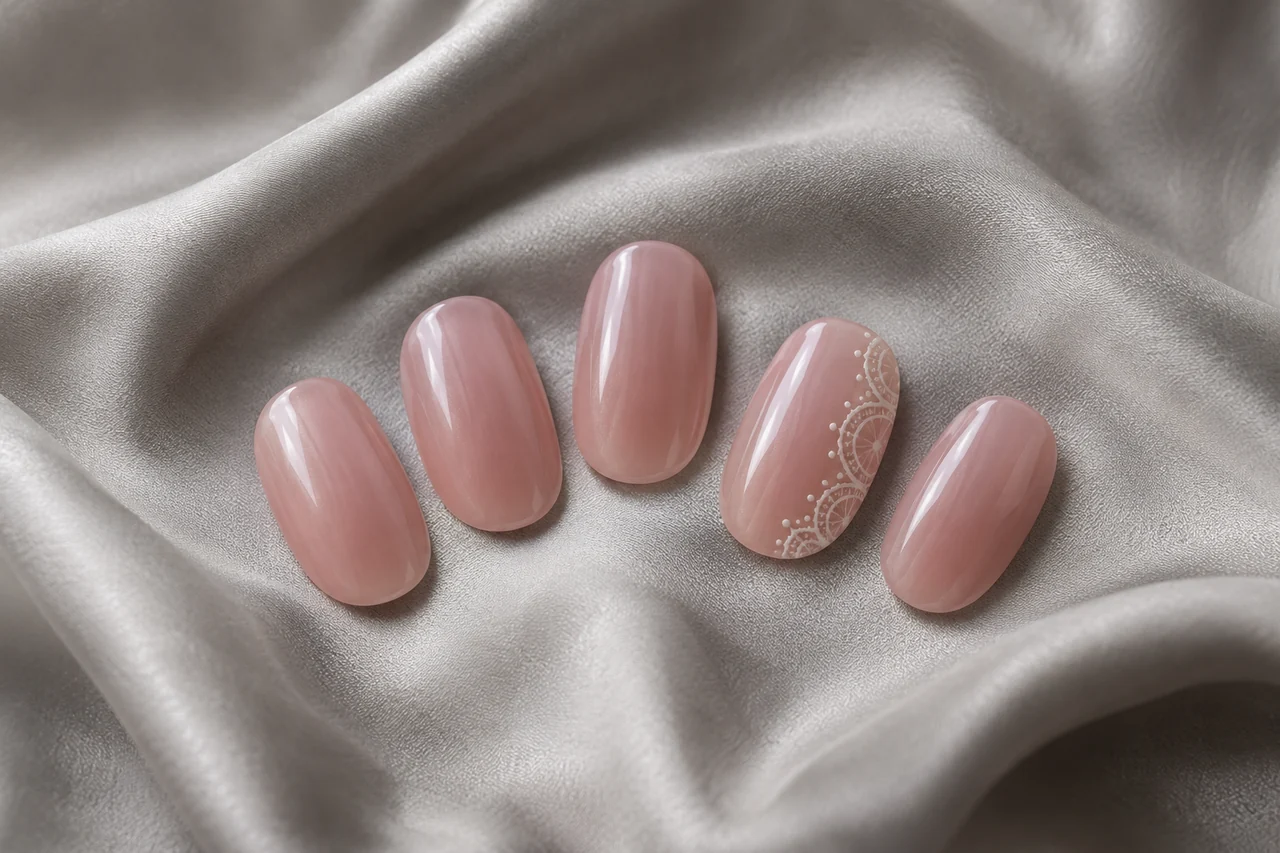
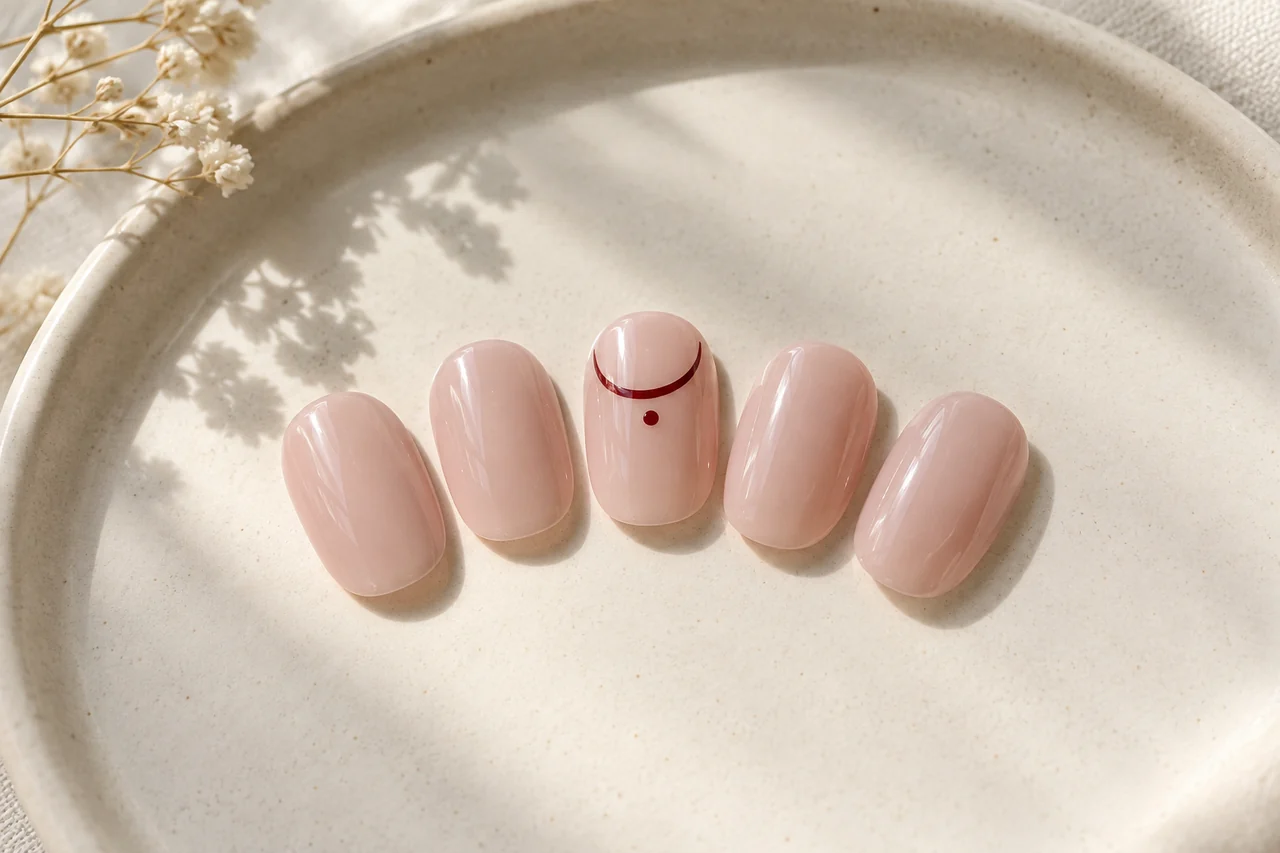
Translate a lace idea into simple arcs and dots, choosing position, contrast and the number of accent nails.
Use colour, shape or line width to connect different nail motifs and plan the distribution across both hands.
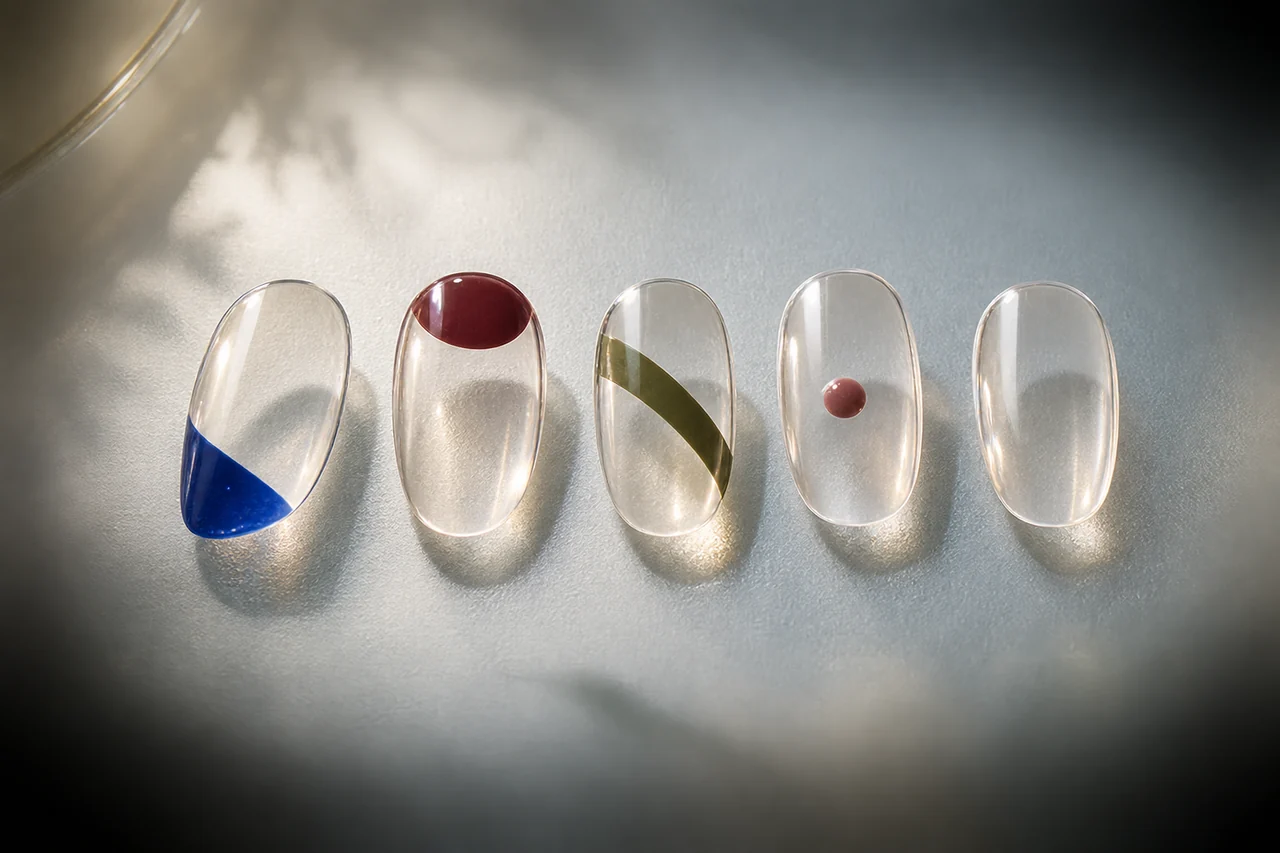
Decide what stays sheer or unpainted, then balance motif size, colour contrast and placement.
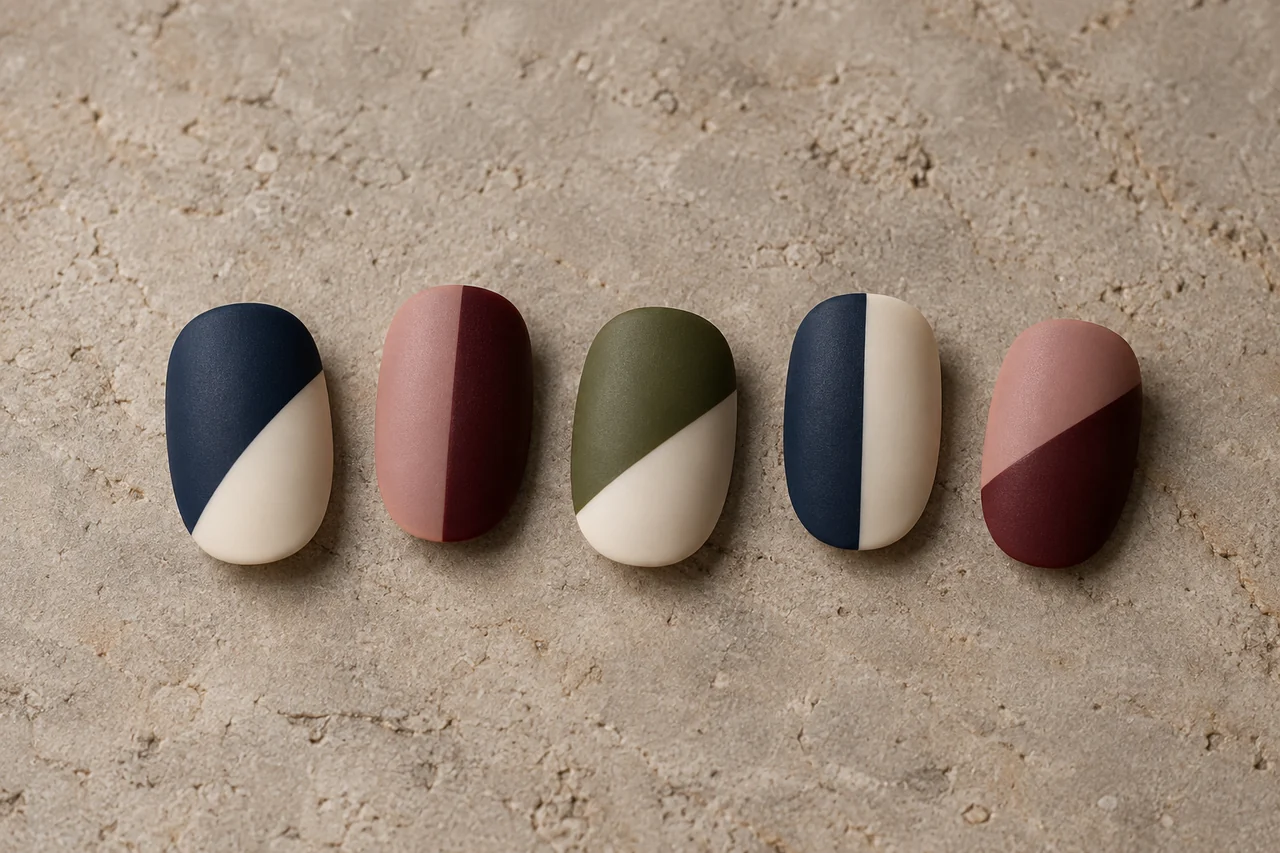
Compare the same colour pair with different boundaries and proportions before adding more design elements.
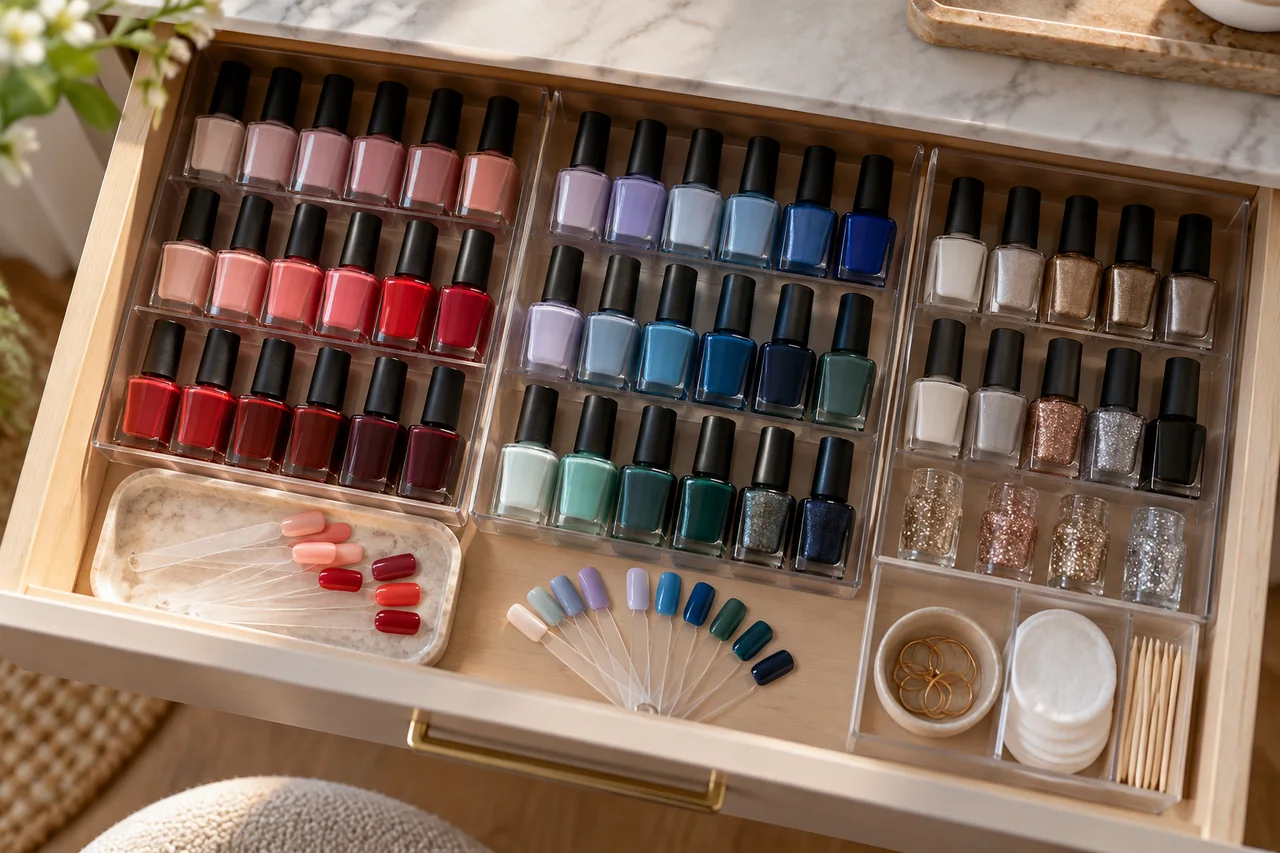
Sort existing polish samples by lightness, colour family or deliberate contrast before choosing their finger positions.
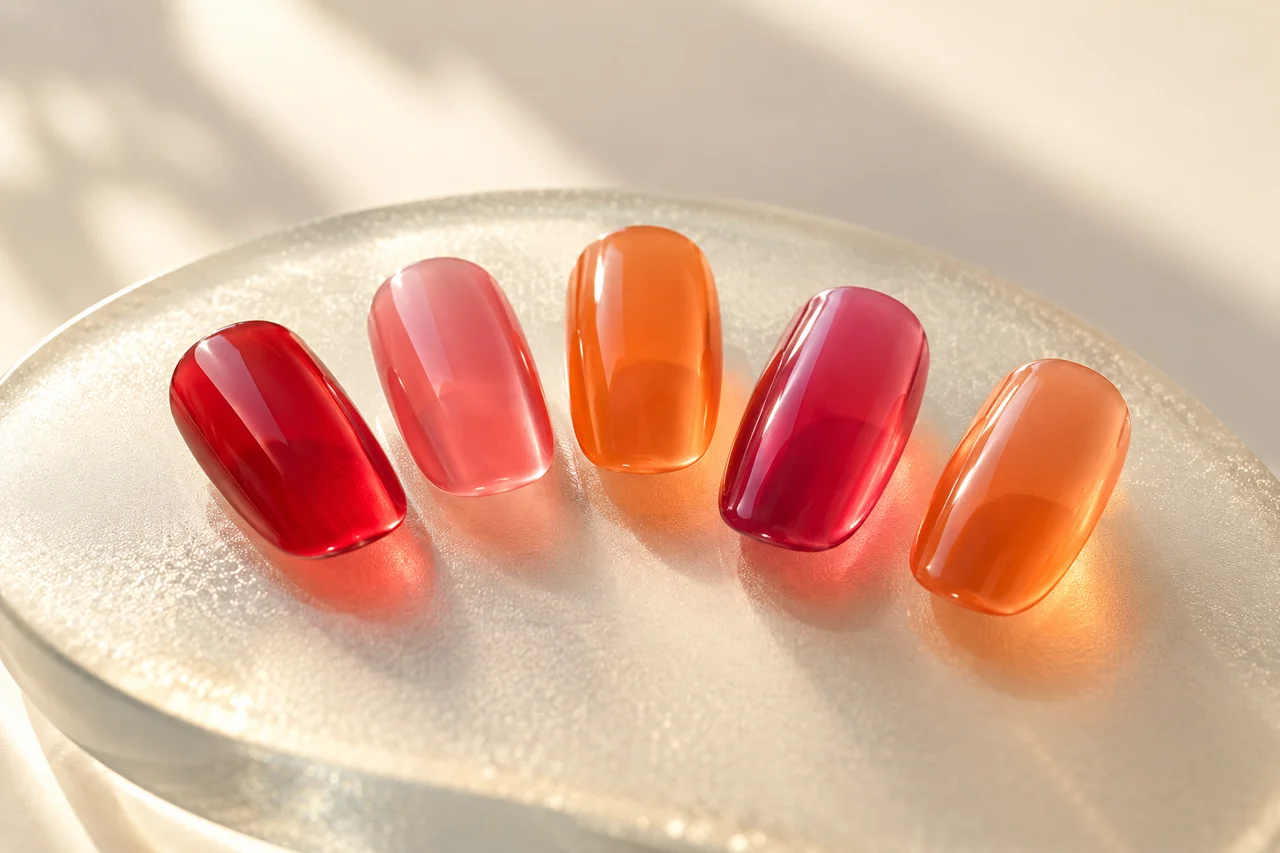
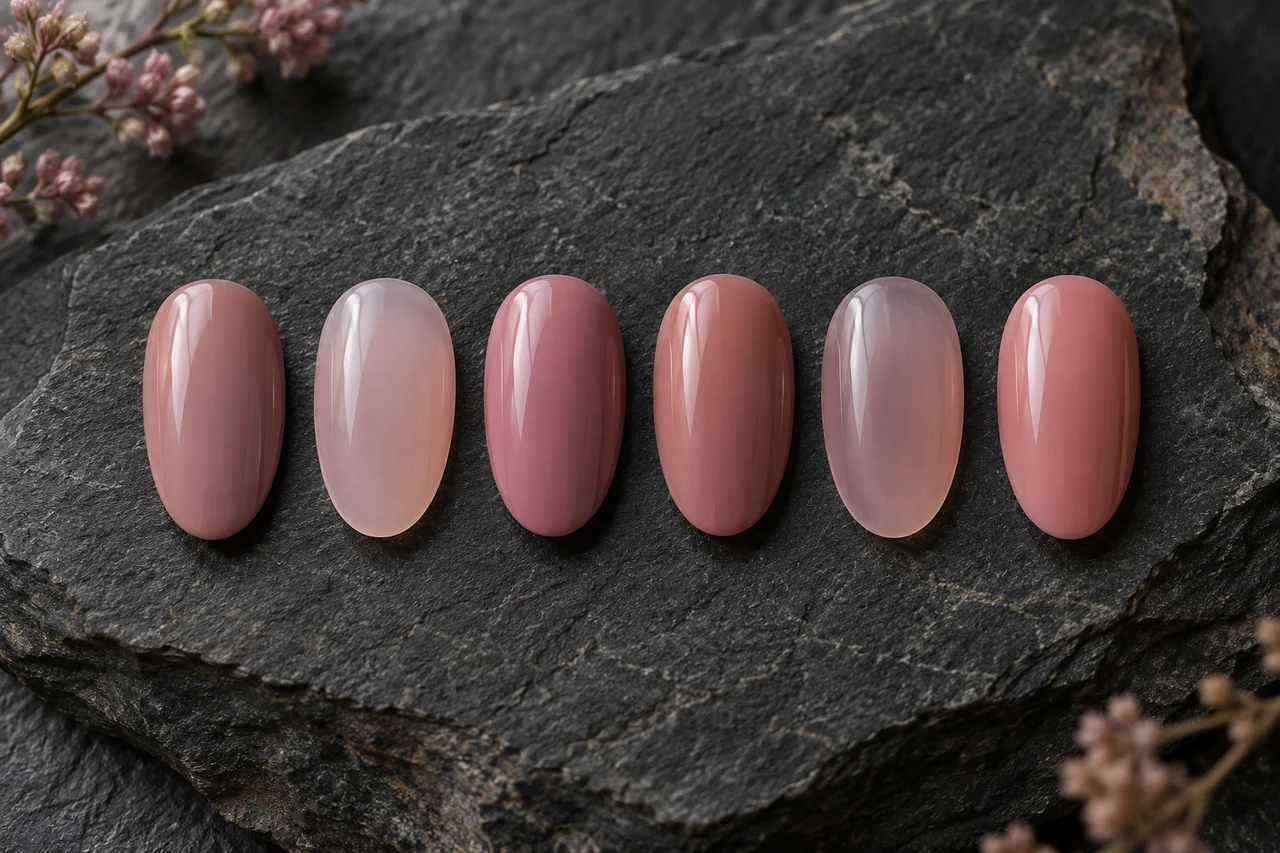
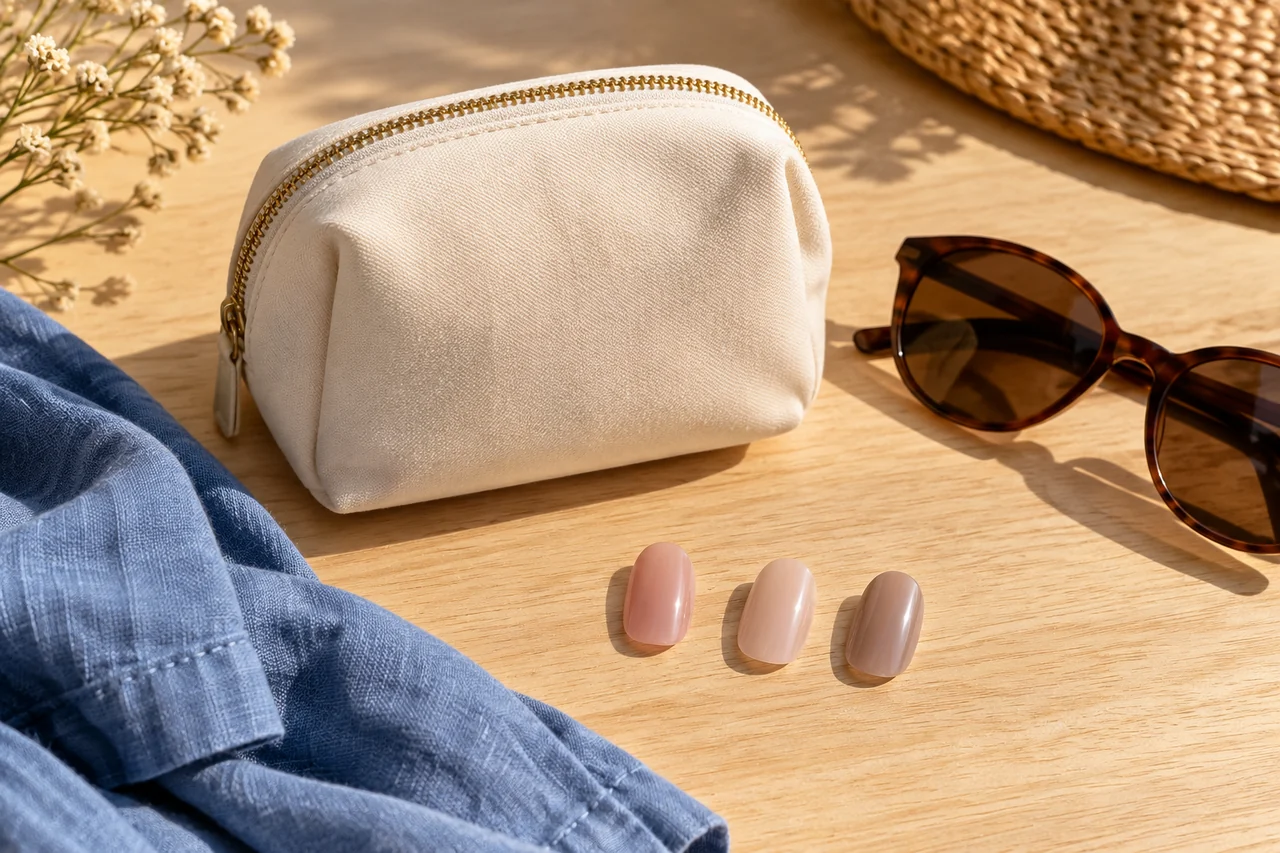
Choose how much natural nail should show and compare hue, opacity and gloss separately using suitable ready-made products.
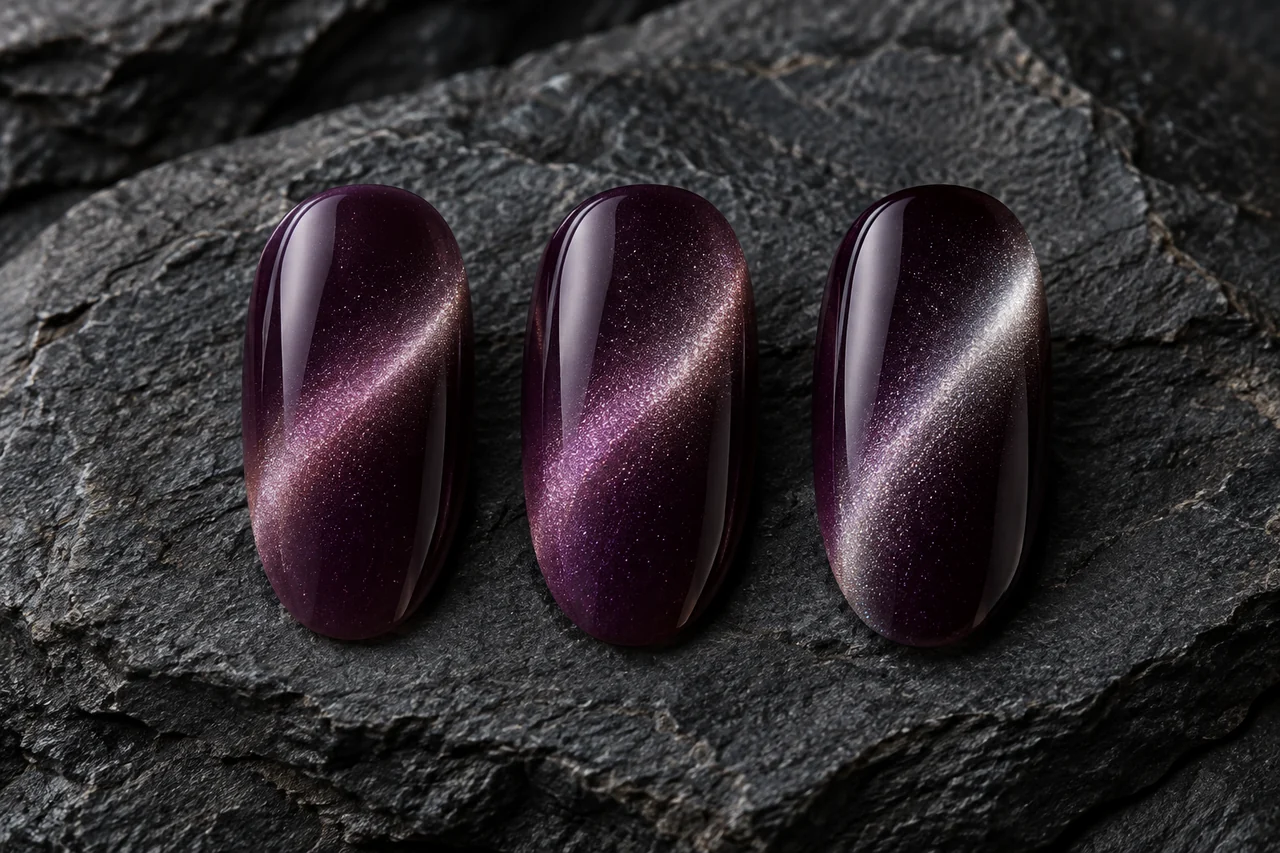
Compare base colour, effect width and direction on real samples before choosing the process for a cat-eye look.
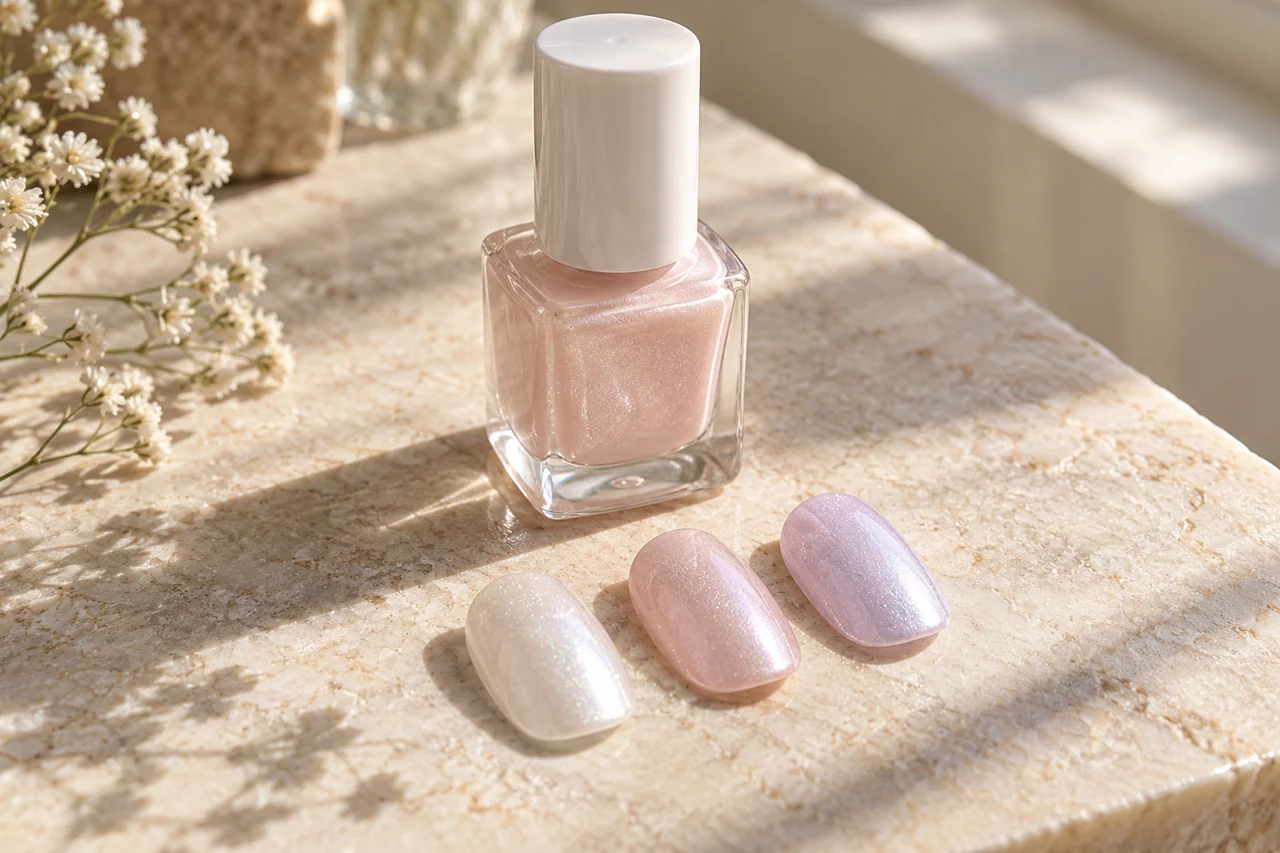
Distinguish mirror-like, satin and fine shimmer effects on the intended base before choosing a product system.
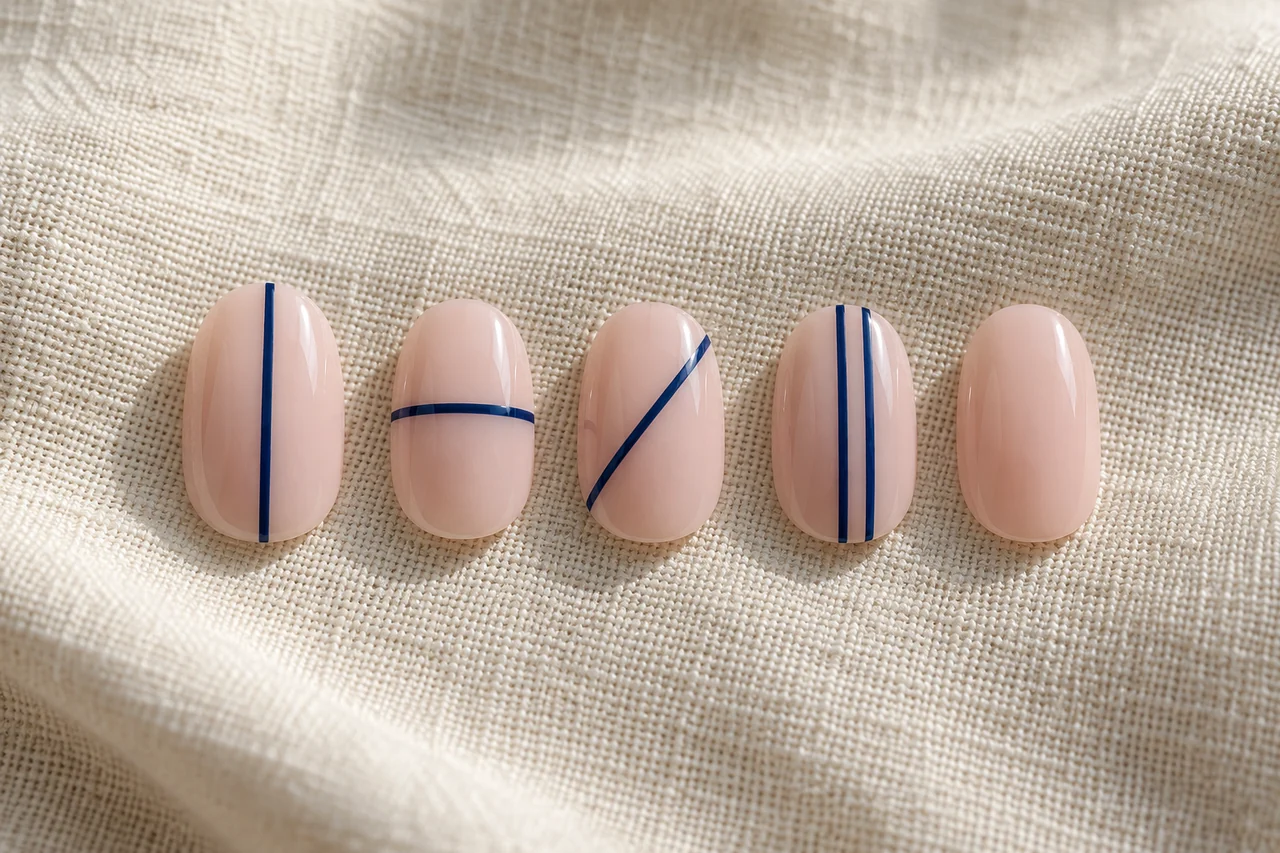
Compare simple stripe layouts on your actual nail proportions before adding more lines or products.
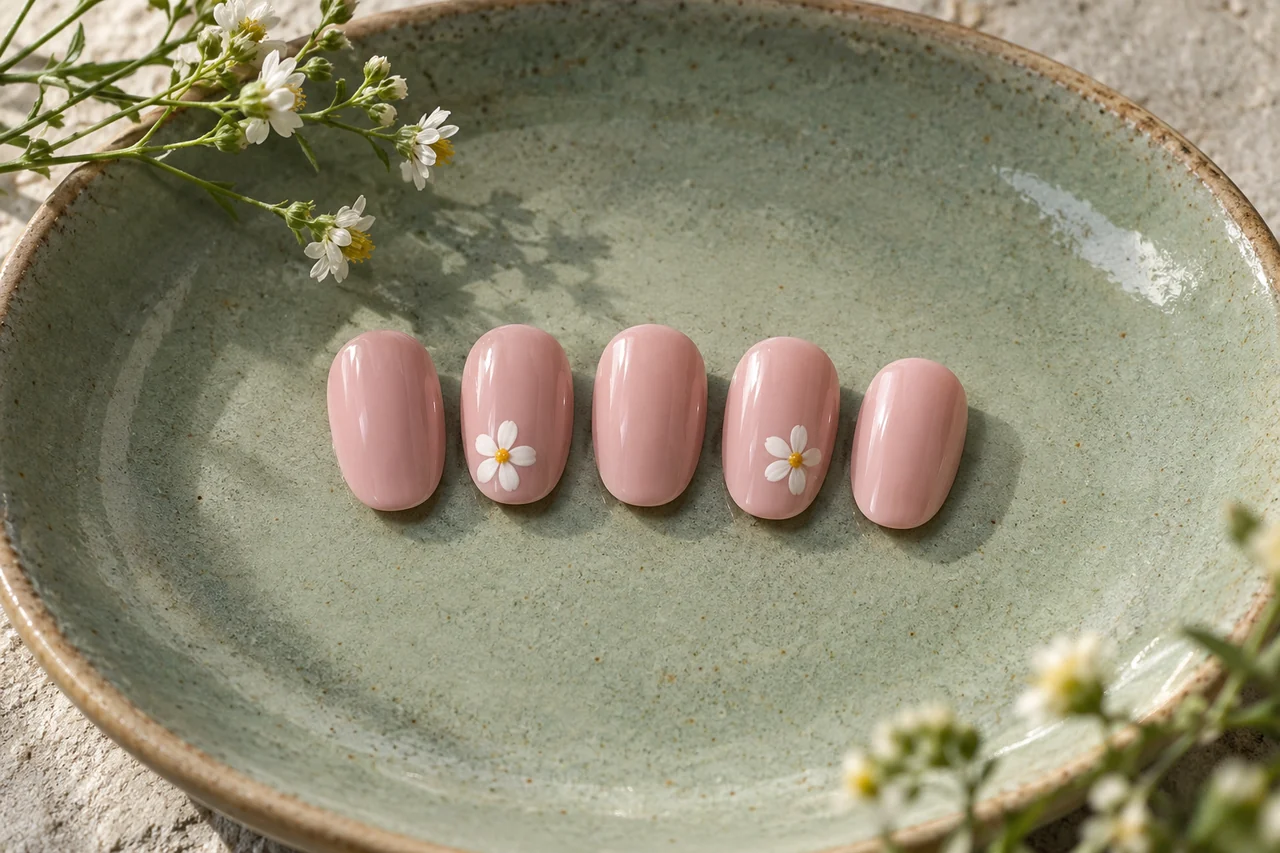
Compare flower size, position and repetition using a simple original design and a small colour palette.
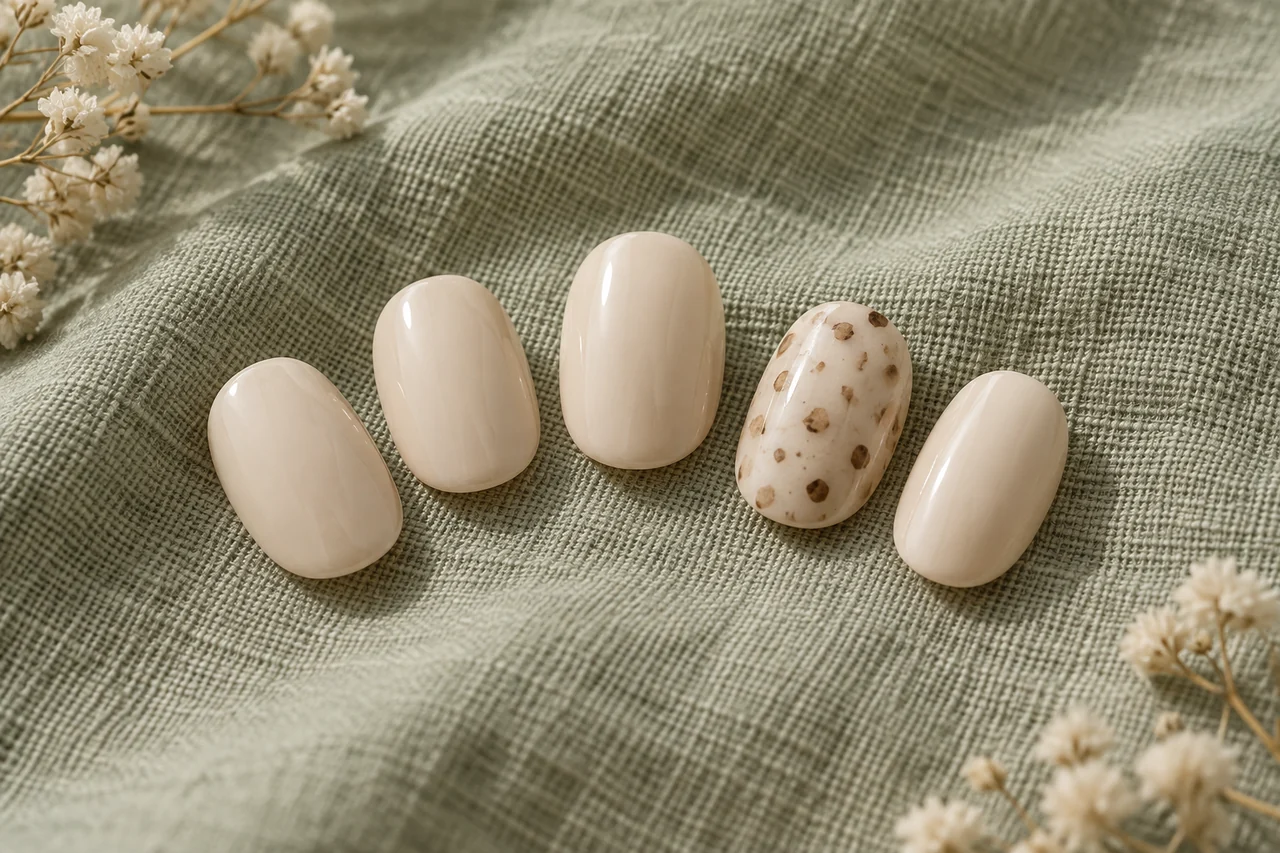
Develop your own spot or stripe motif, compare density and use plain nails as part of the design.
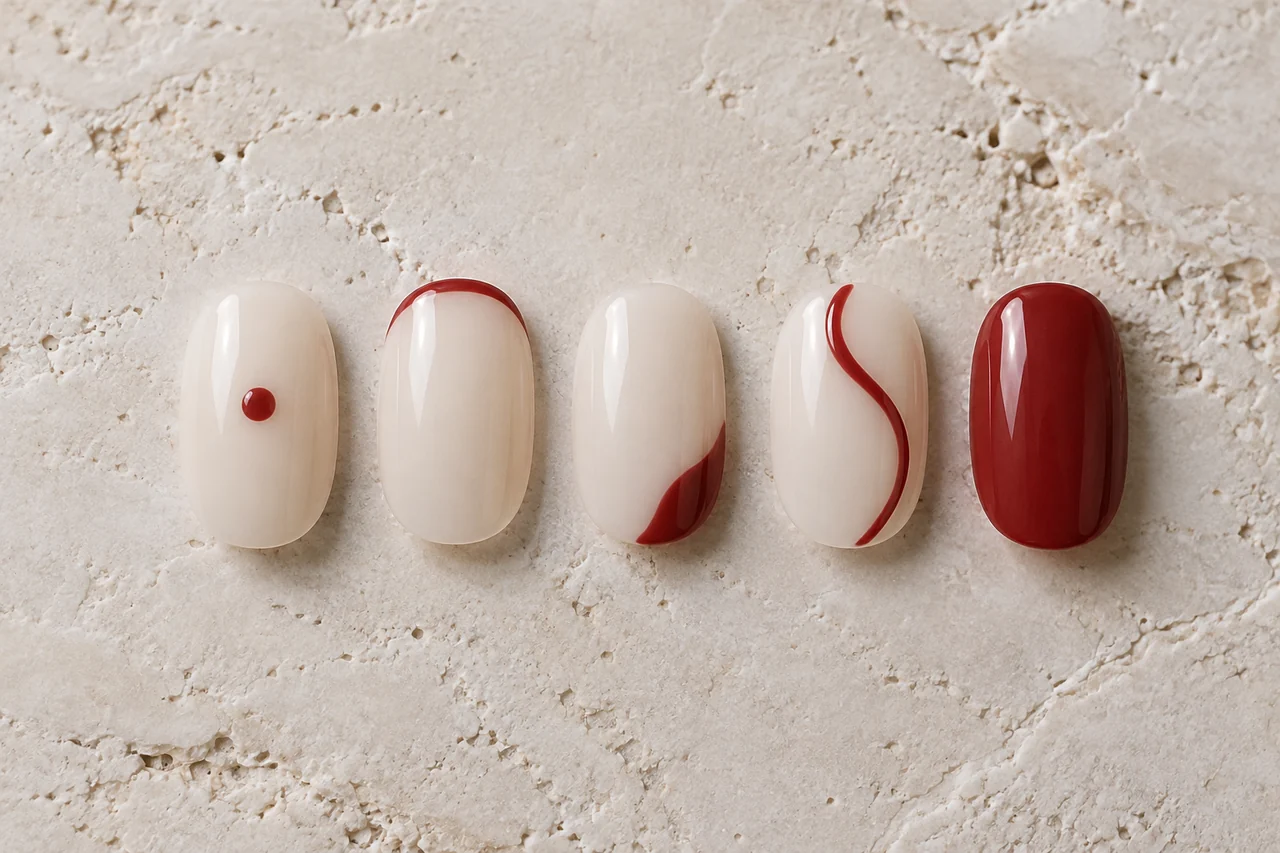
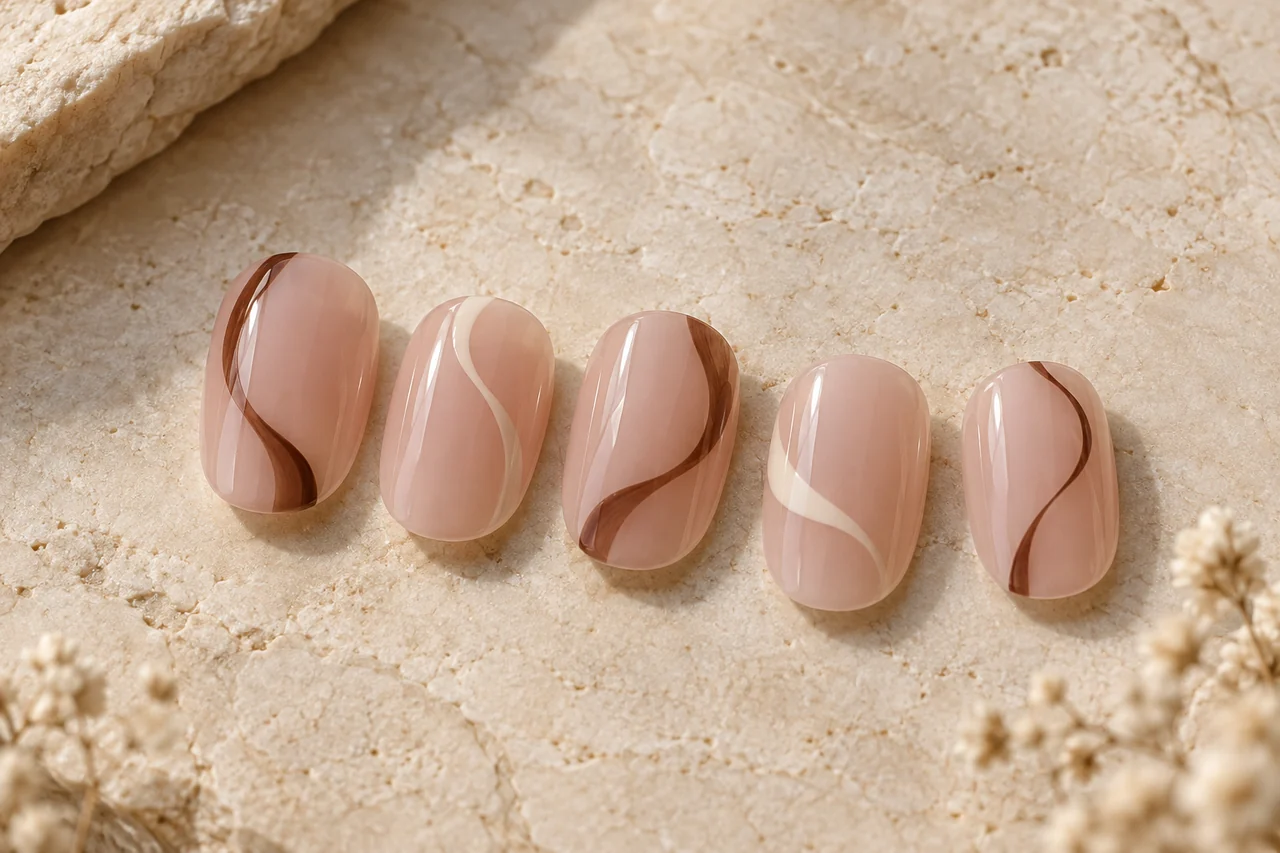
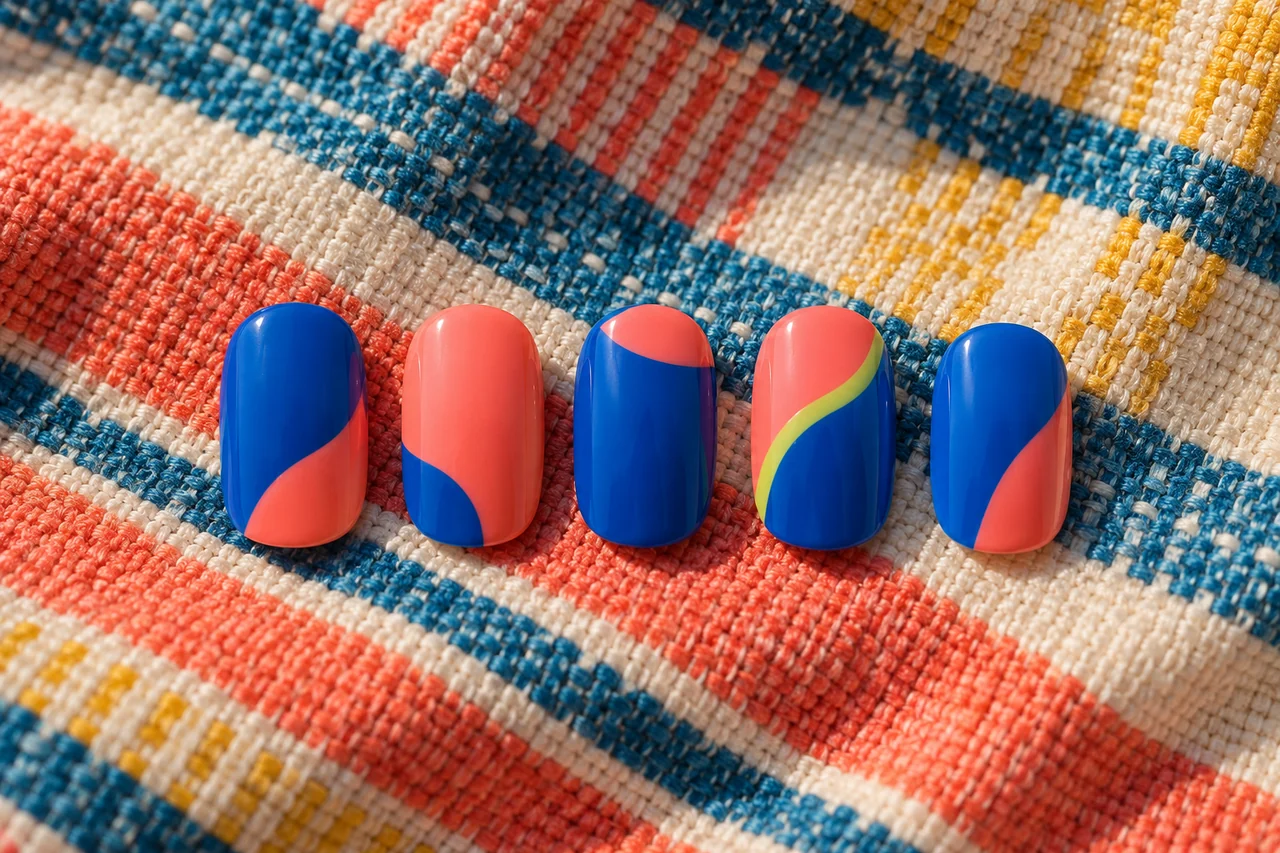
Plan a clear curve, its endpoints and the space around it before adding more lines or colours.
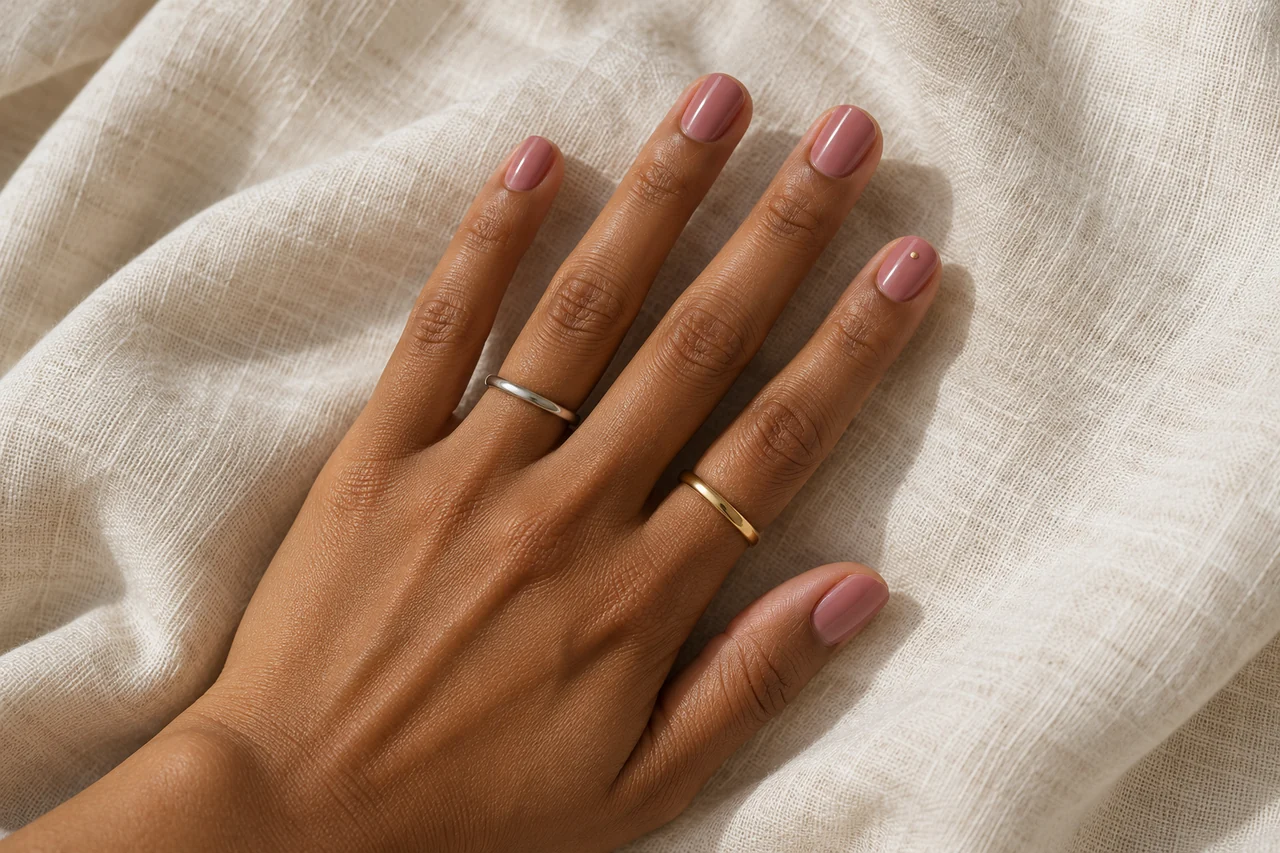
Compare your actual rings with colour, shine and nail accents without assuming that metals must match.
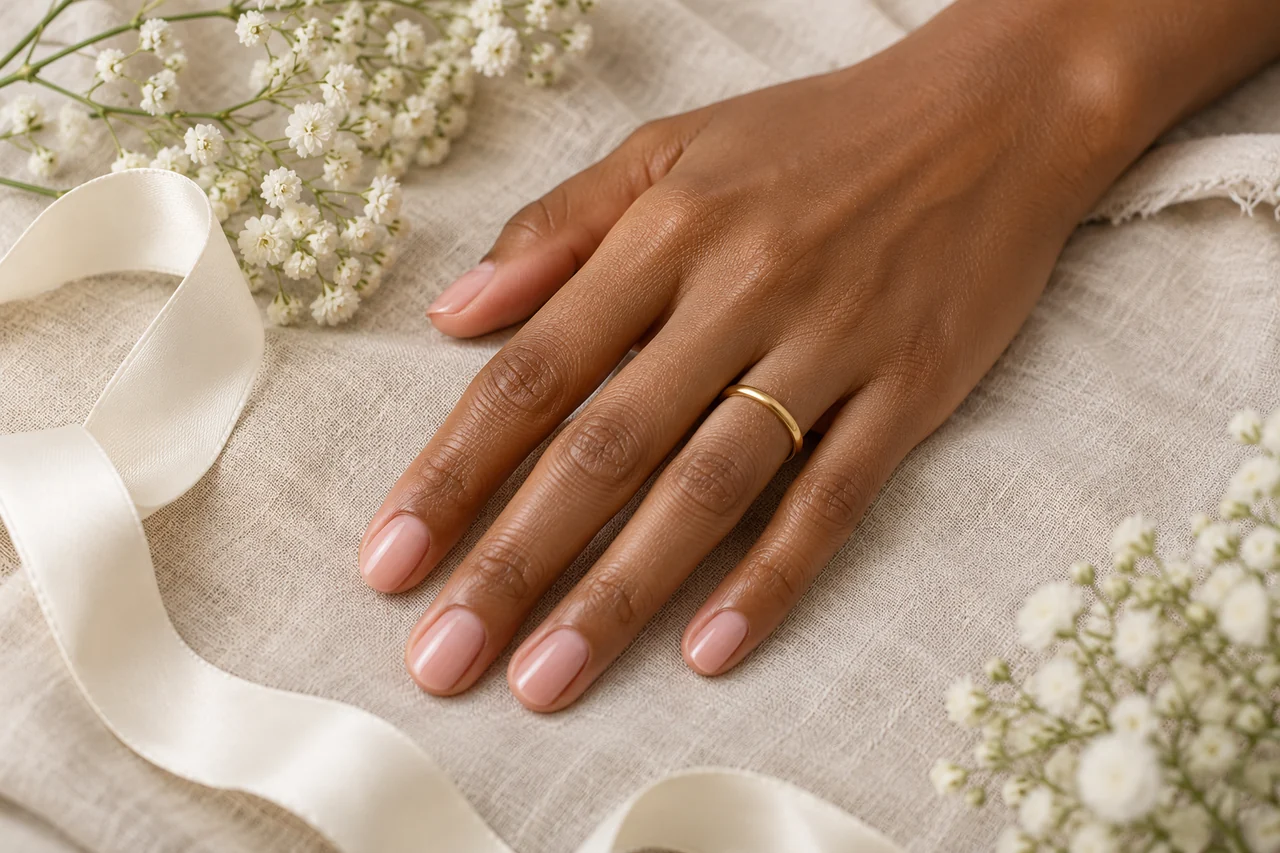
Compare sheer, opaque and deliberately contrasting neutral nail colours without a rigid skin-tone rule.
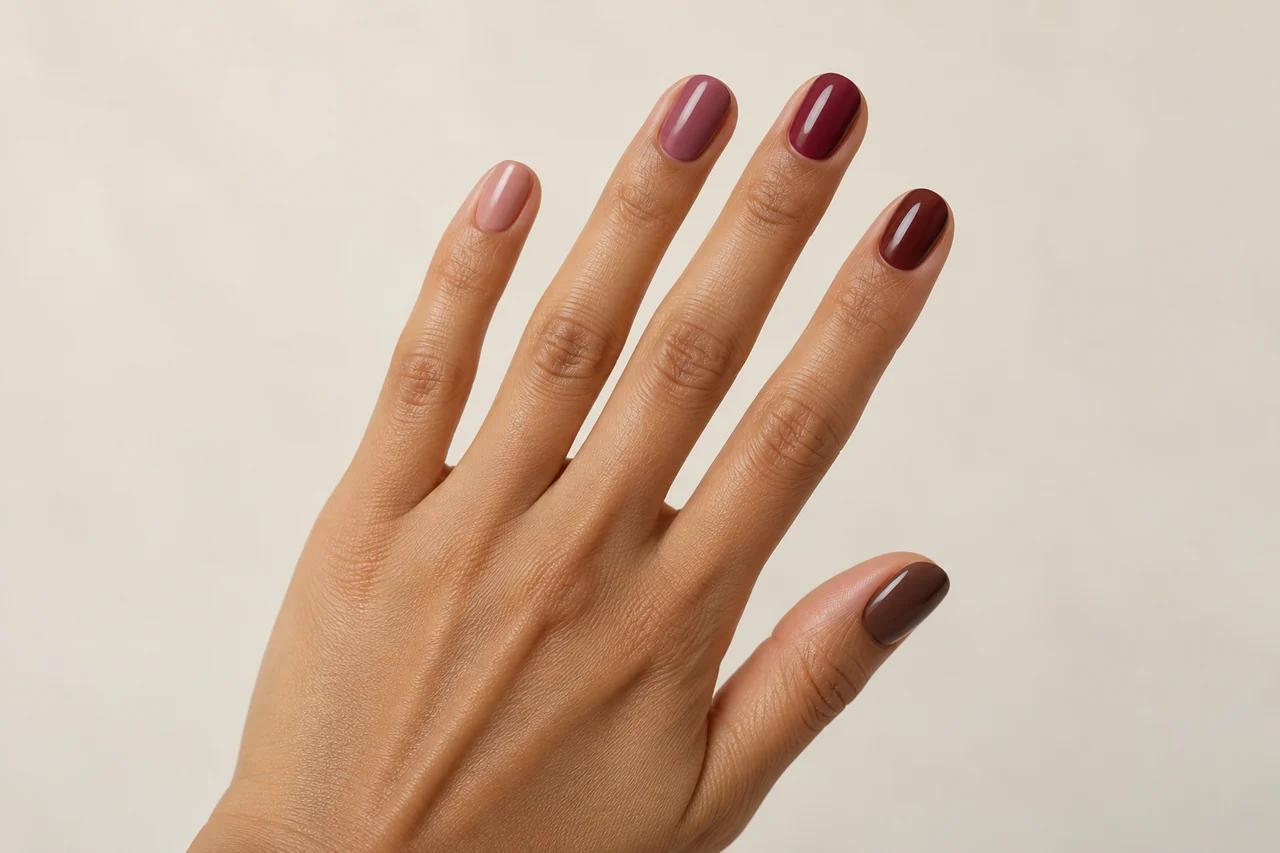
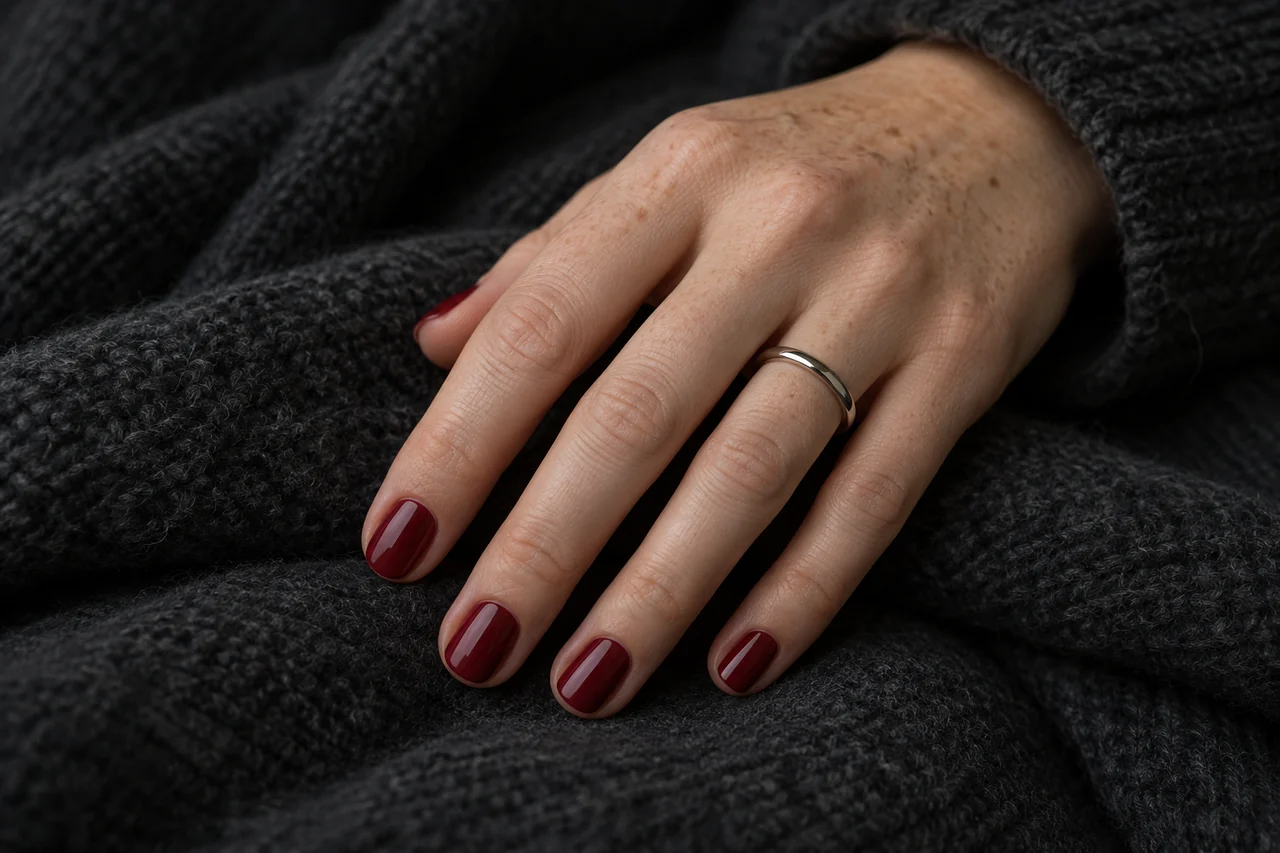
Choose the dark colour character you actually see and compare opacity, shine and accents on your existing nail shape.
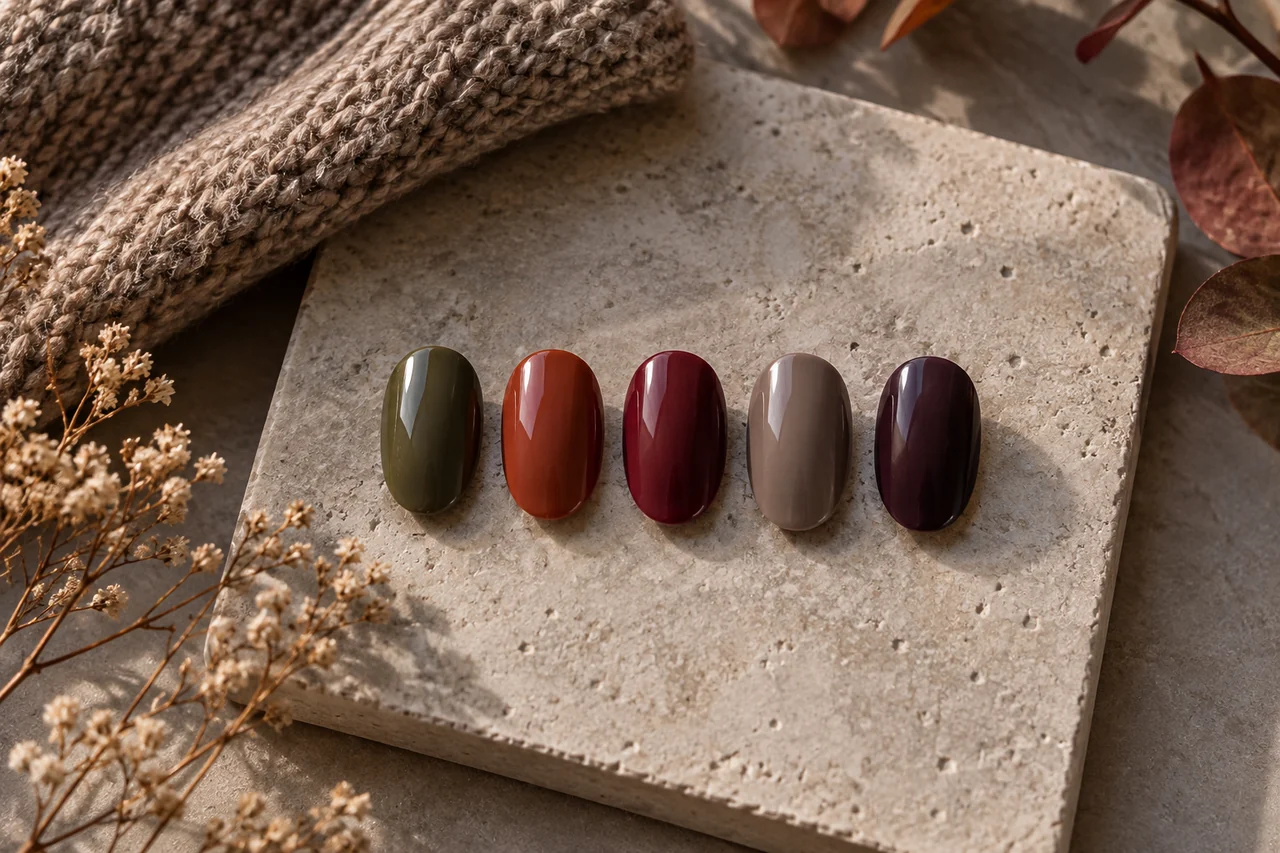
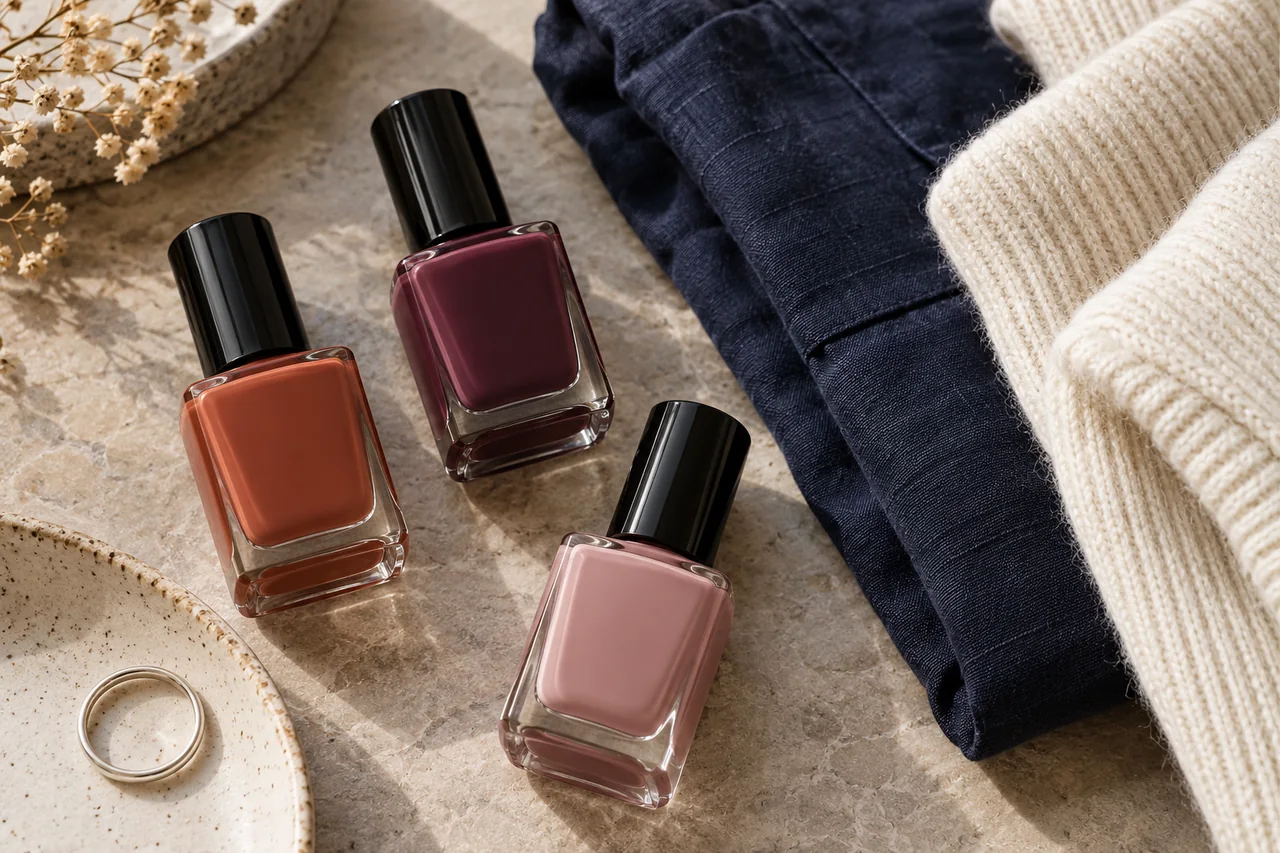
Reorganise existing colours around real clothes and occasions instead of treating seasonal ideas as a shopping list.
Coordinate a manicure with jewellery, clothes and your schedule using a practical trial and a familiar backup.
Check comfortable length through ordinary work tasks, then choose colour and design within actual workplace requirements.
Plan bright flat designs around travel, clothing and real hand tasks, with a sensible alternative for changes.
Choose familiar length and a realistic upkeep plan, including suitable removal and current transport checks.
Plan accent position, contrast and motif size while letting plain nails provide an intentional frame.
Compare round, oval, square and squoval nails through the shape you like and the tasks your hands need to do.
Plan short-nail designs at roughly actual size and compare colour, tips and accents without unnecessary complexity.
Build a useful small polish palette by comparing real outfits, jewellery and existing colours in similar light.
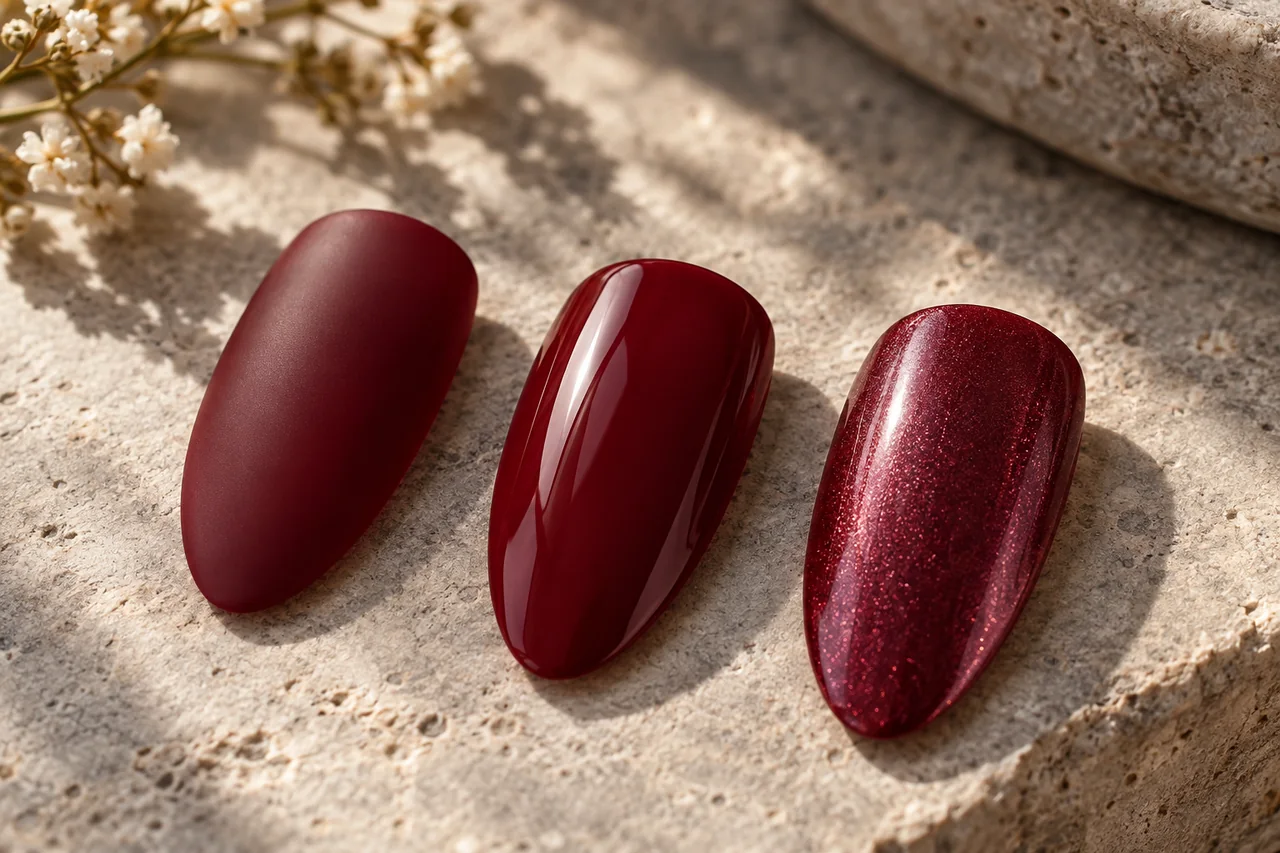
Compare similar nail colours in different finishes and check both appearance and the full application system before choosing.
Compare colour, length, application, removal, appointments and costs before choosing a nail system.
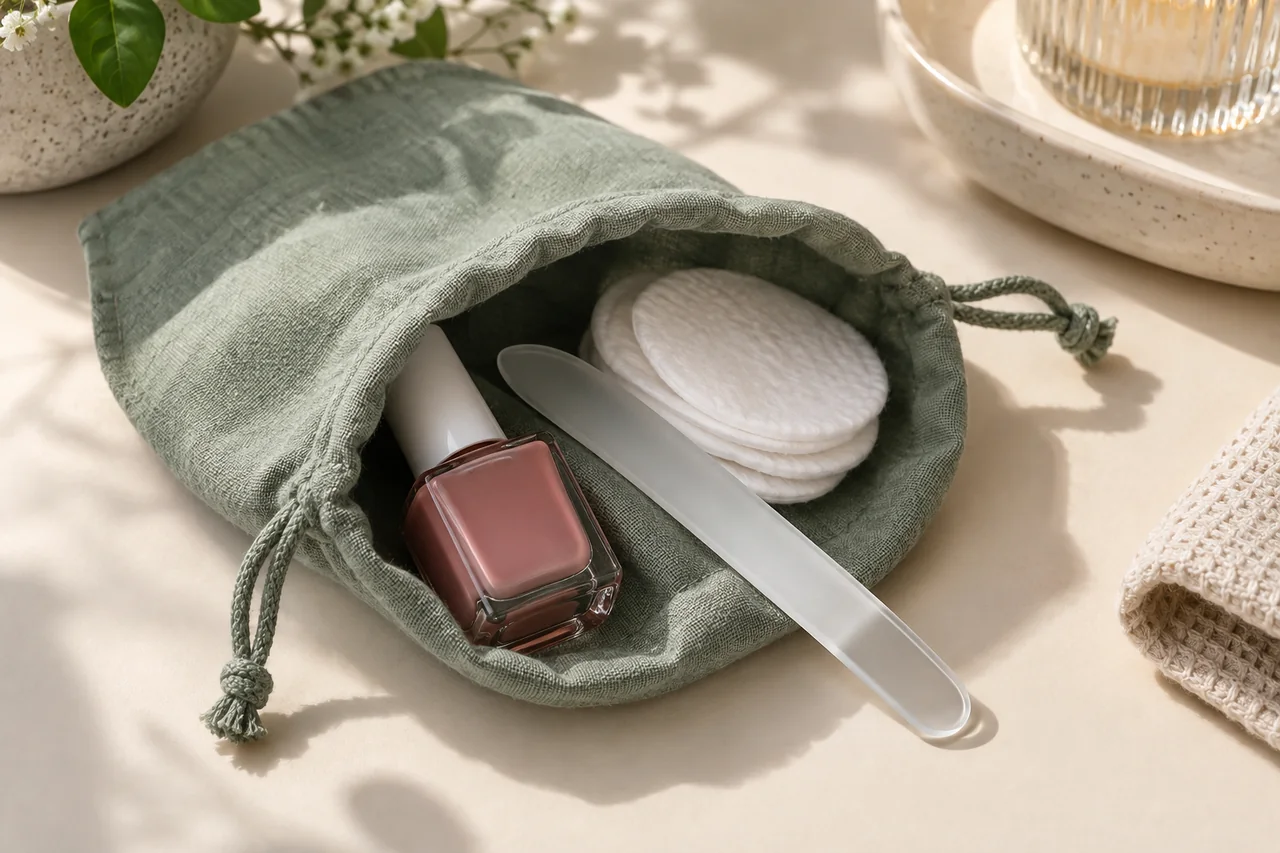
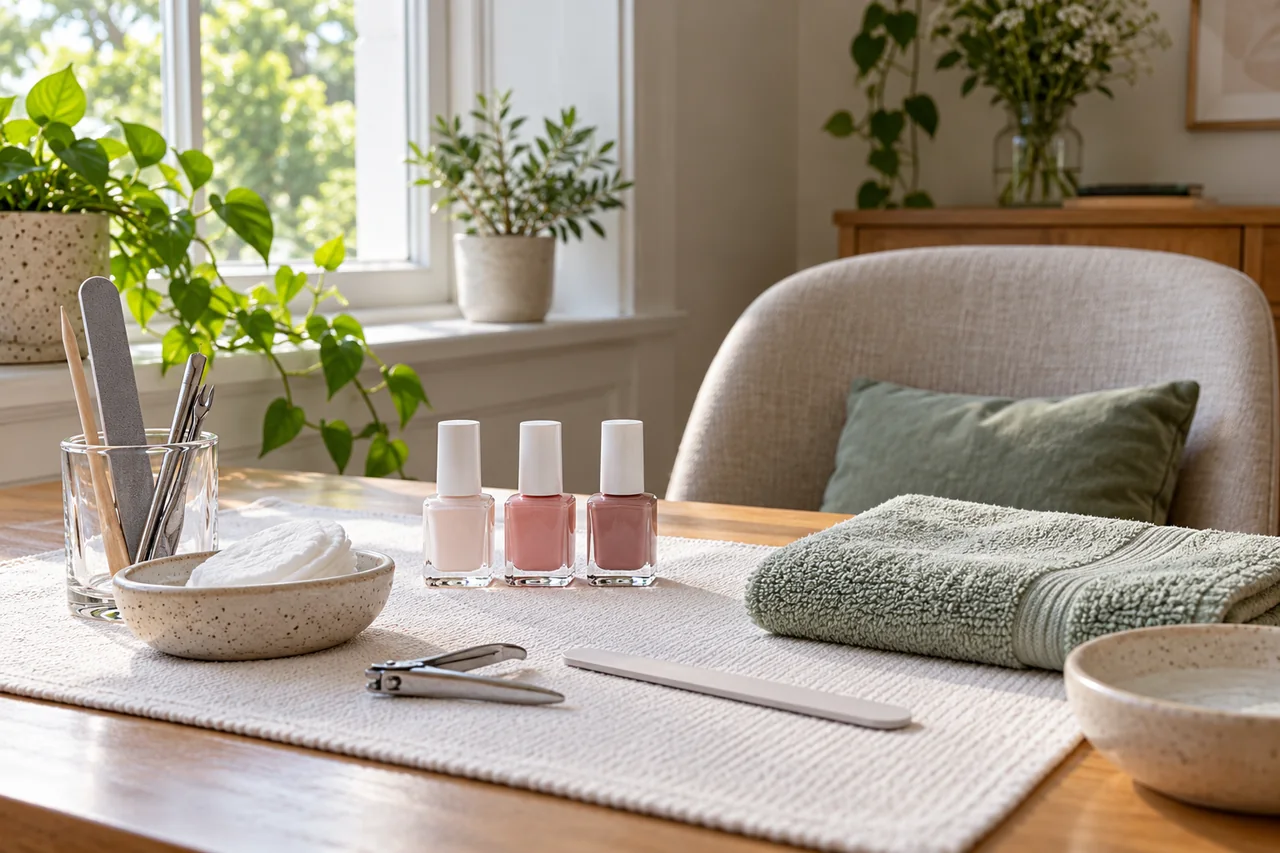
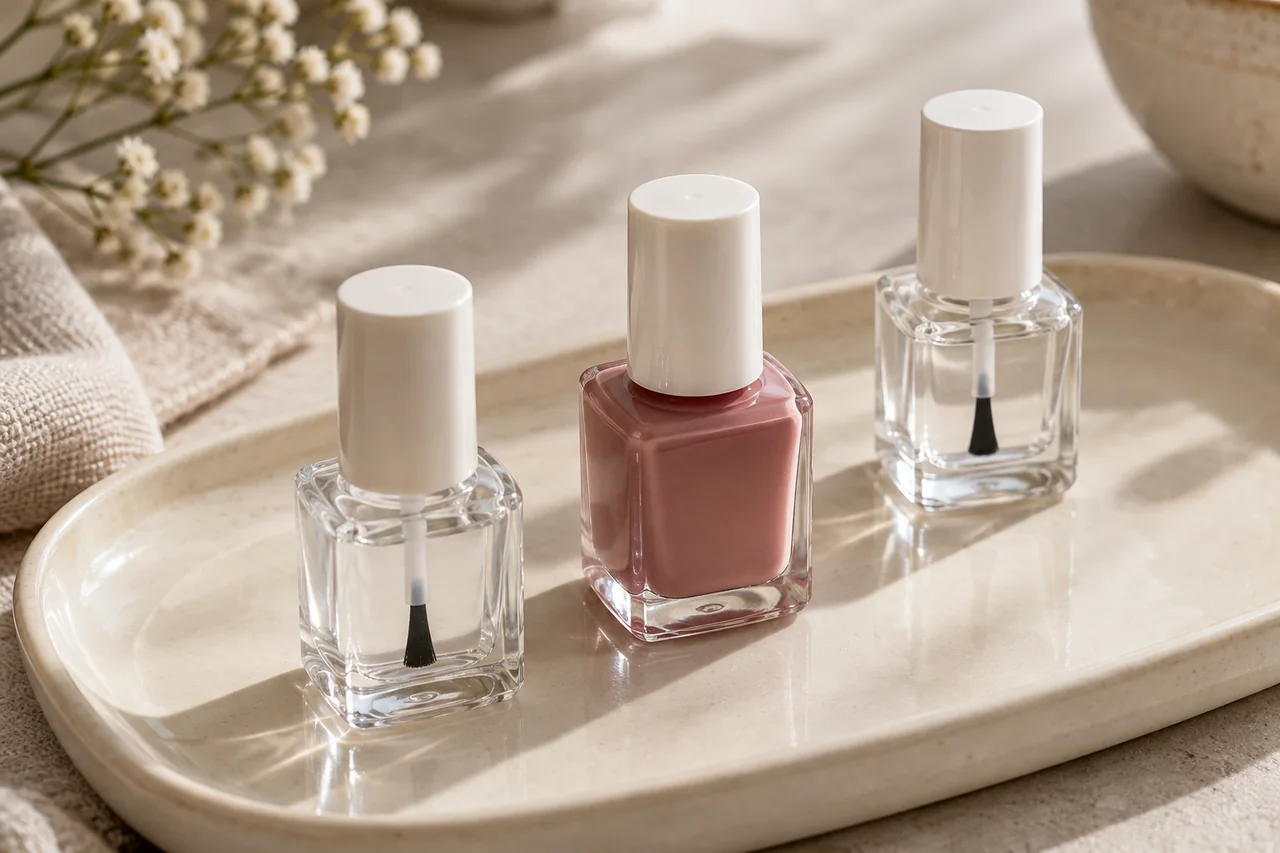
Choose a small understandable polish kit, including removal and storage, instead of buying tools without a clear purpose.
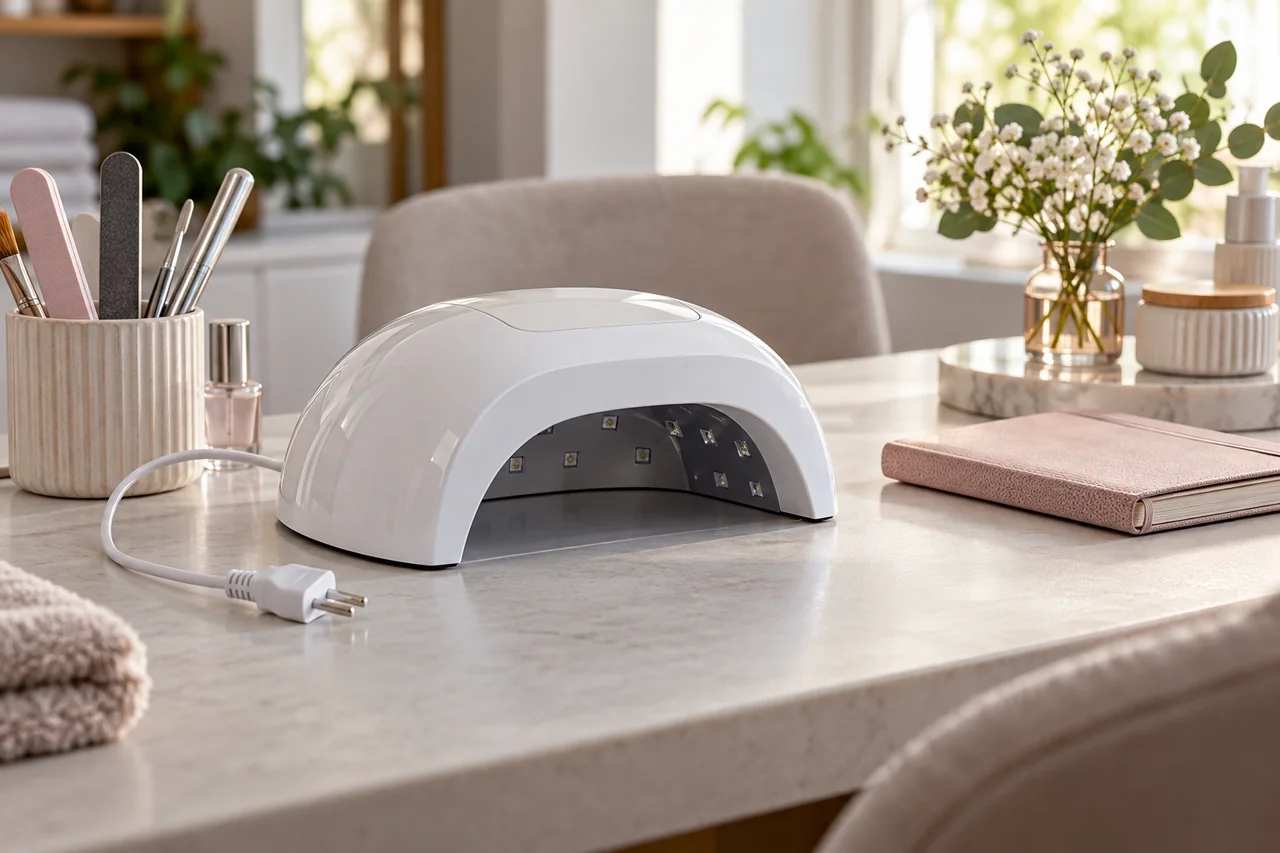
Prepare your workspace, follow the intended layer sequence and leave enough quiet time for a manageable home manicure.
Describe the polish-film problem, check instructions and compare a single application change without improvised fixes.
Match each nail product to its intended role and follow the actual system instead of adding unnecessary layers.
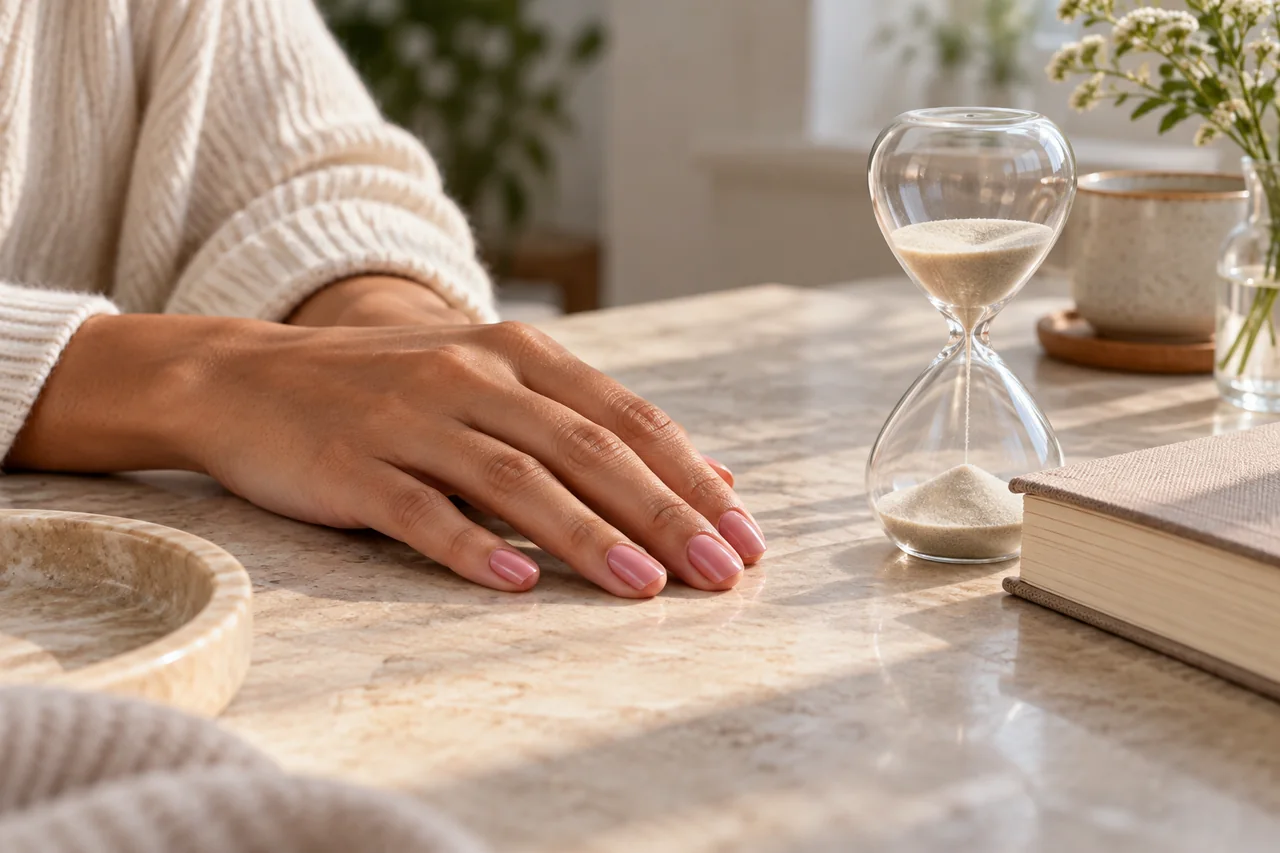
Work backwards from your next activity, follow the polish instructions and prepare a quiet drying period.
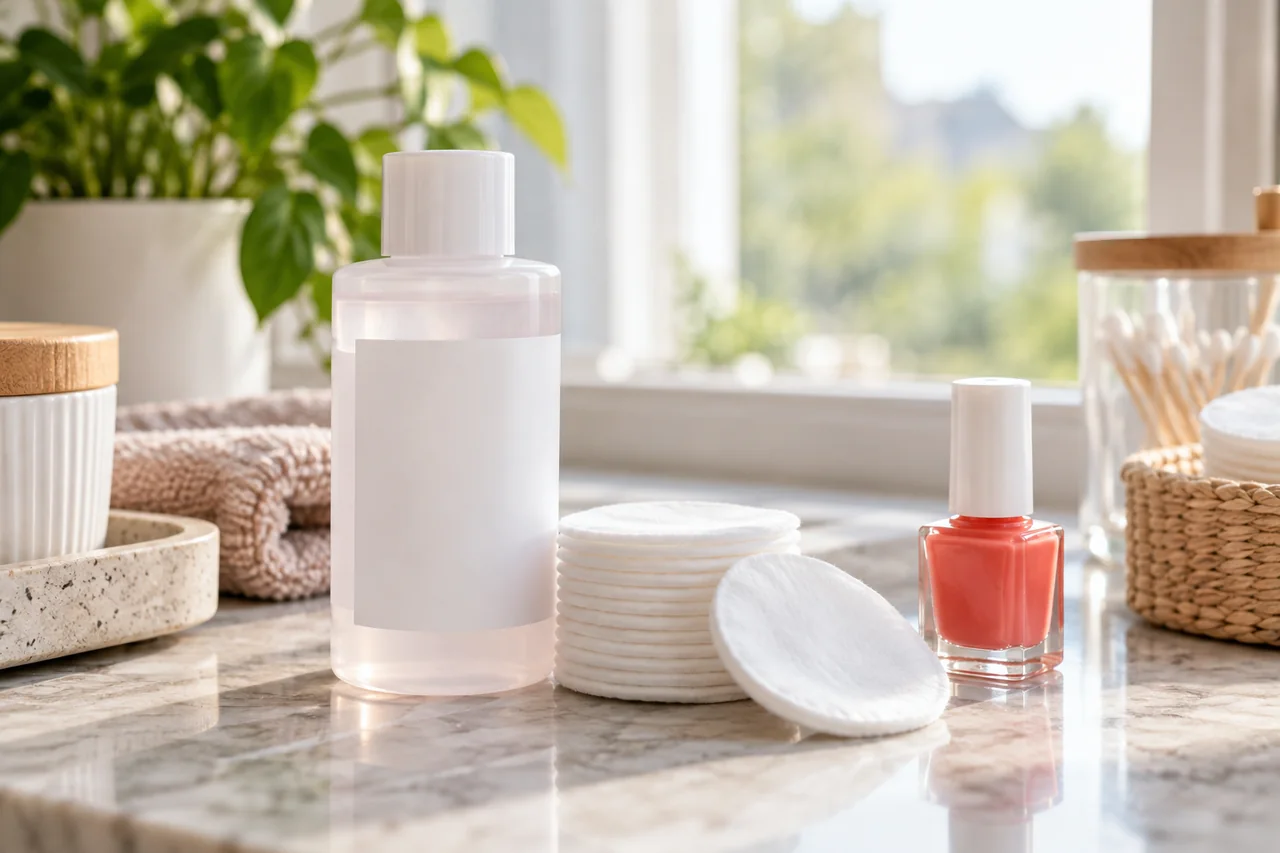
Choose a remover for the actual coating and plan professional help when the material or removal process is unclear.
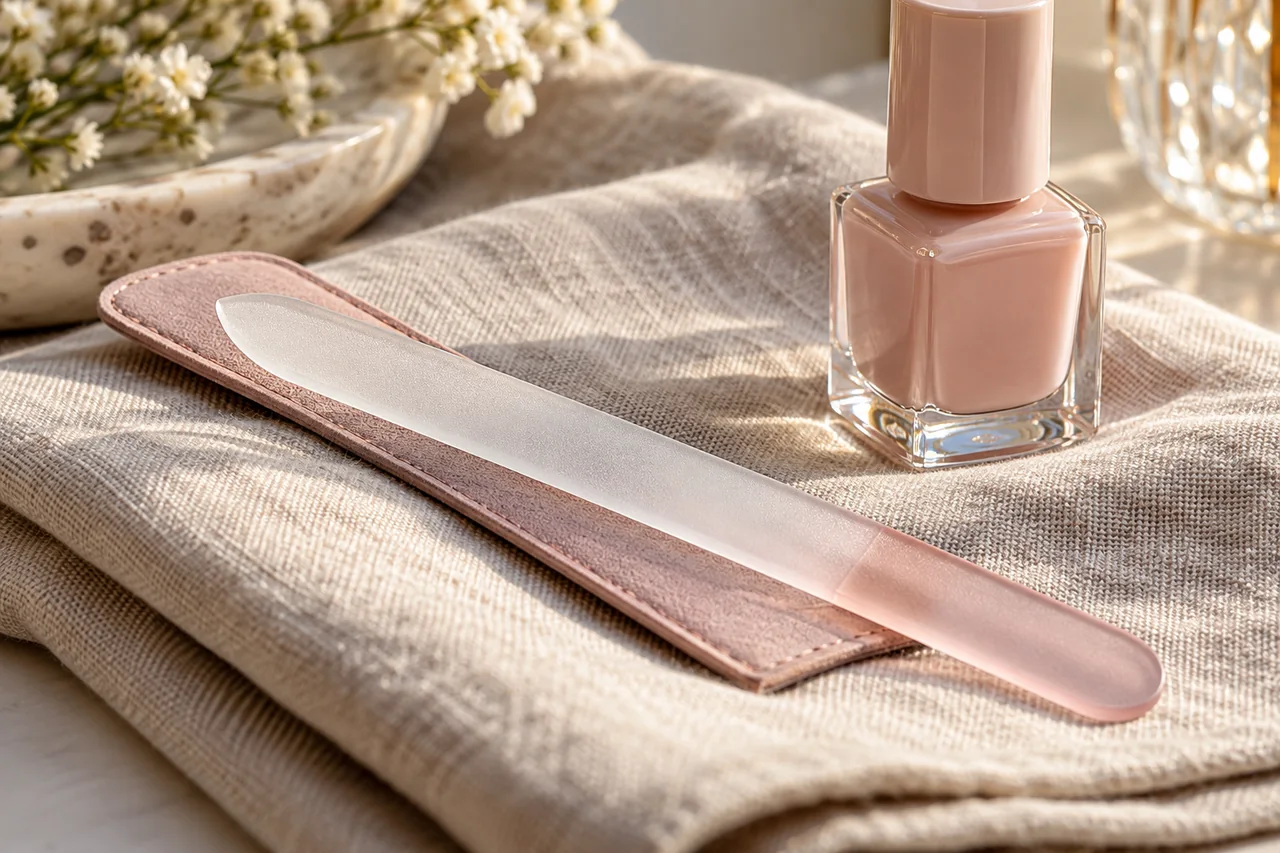
Choose a suitable file, work gently on the free edge and compare the shape without chasing perfect symmetry.
Keep natural cuticles out of the perfection contest and plan a simple routine with clear salon boundaries.
Choose an accessible care step, plan polish preparation separately and seek advice for persistent hand or nail symptoms.
Keep used and prepared tools separate and follow material-specific care instructions without confusing cleanliness with sterility.
Identify the product, intended user, warnings and expiry information, and keep a complete record for questions or reactions.
Understand the EU scope of the TPO ban and ask specific questions about products, old stock and treatment.
Stop further cosmetic experiments, record the products and timing, and seek medical advice according to the symptoms.
Discuss the matched product system, UV exposure, protection options and removal before choosing a gel manicure.
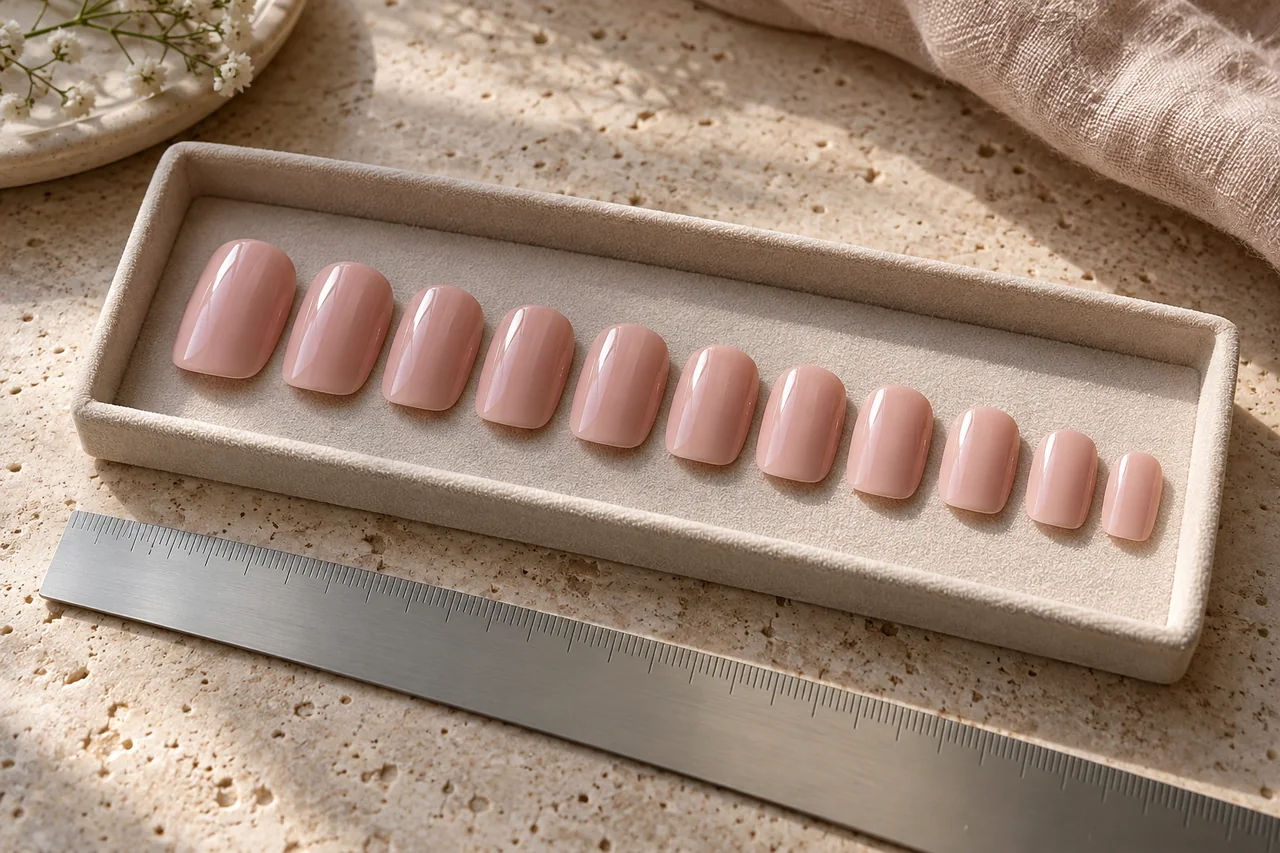
Compare widths, curves, length and the intended attachment and removal process before buying press-on nails.
Compare salons using the same brief and ask about products, tool handling, removal and the complete price.
Turn inspiration into a clear brief covering length, outline, colour, opacity, details and agreed limits.
Use actual appointment dates and complete prices, separating expected spending, reserve funds and time.
Create a small inventory, separate different systems and compare your own colour samples before buying more.
Use steady light, a simple background and repeatable views to document nail colour and design responsibly.
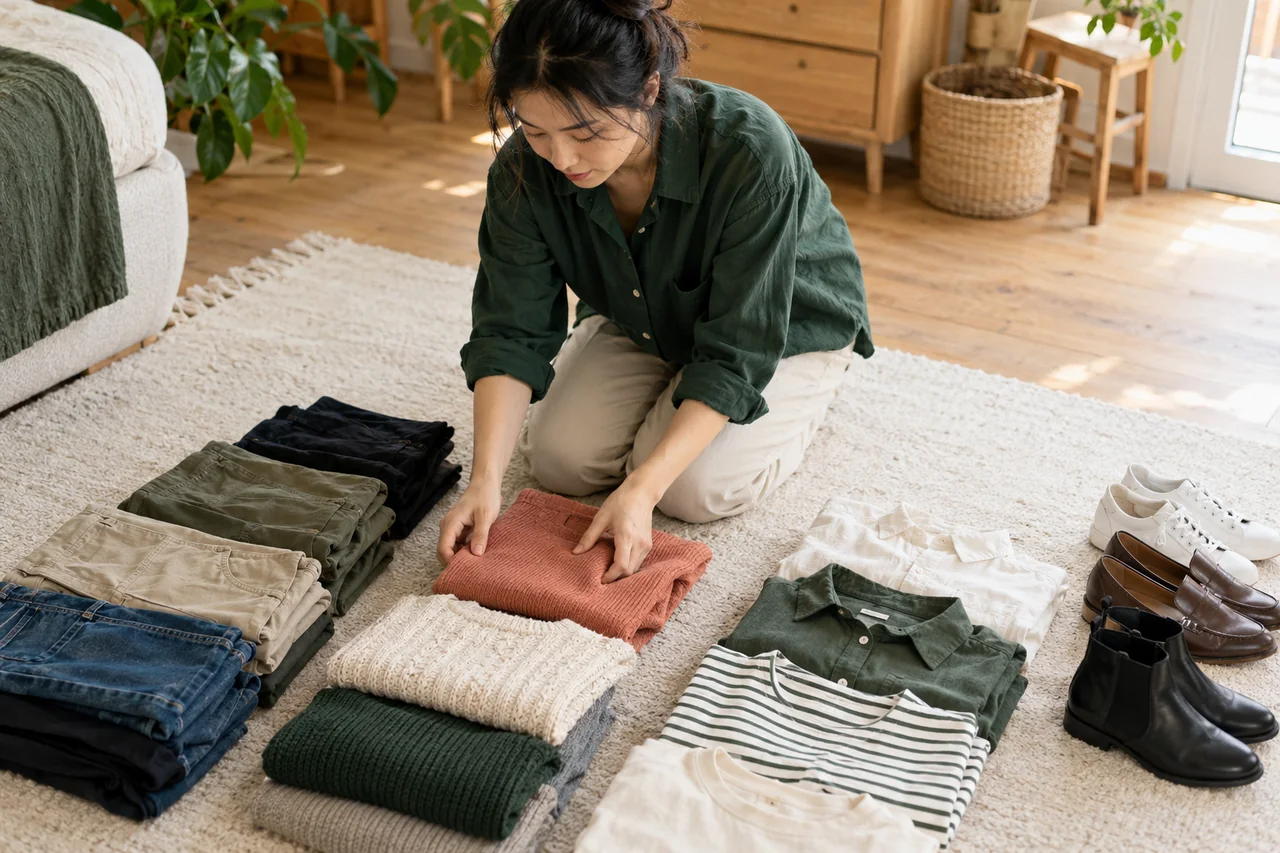
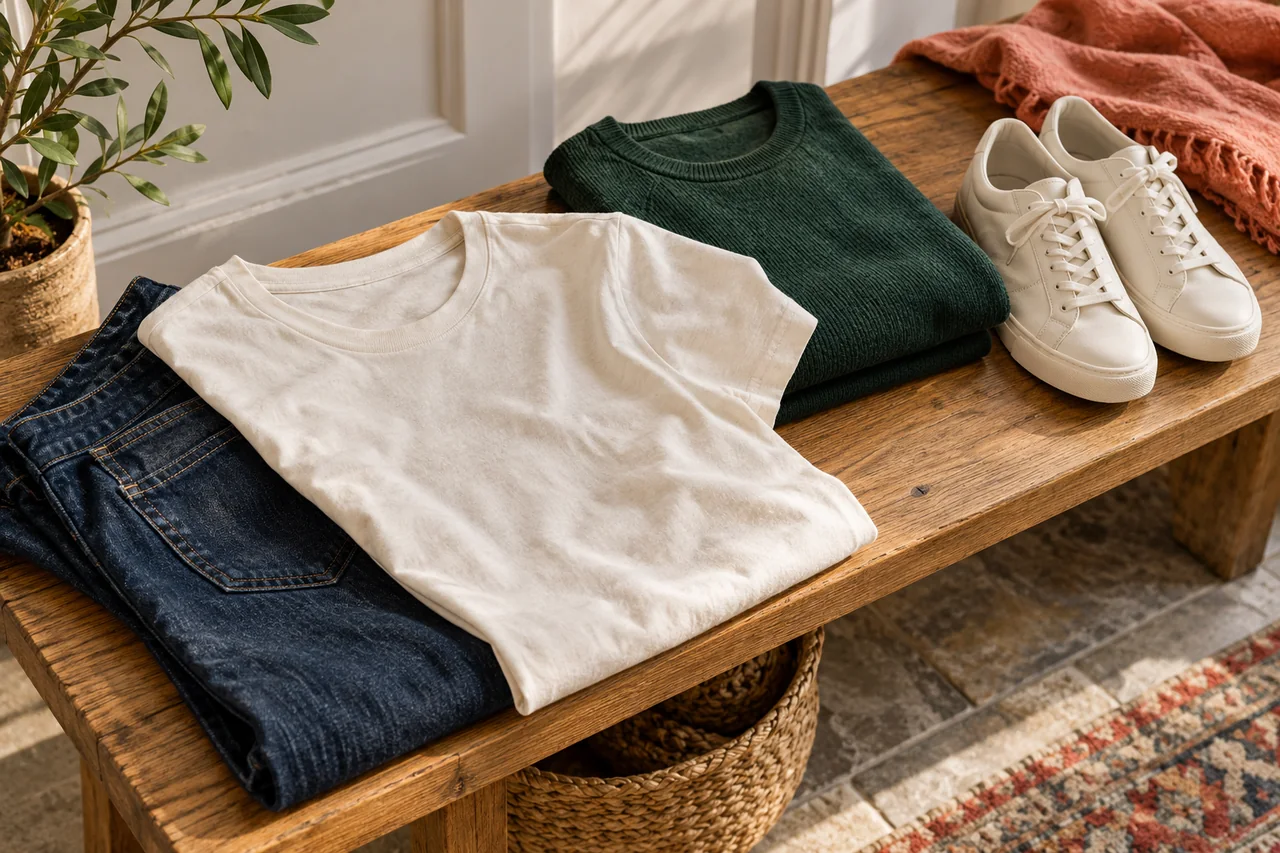
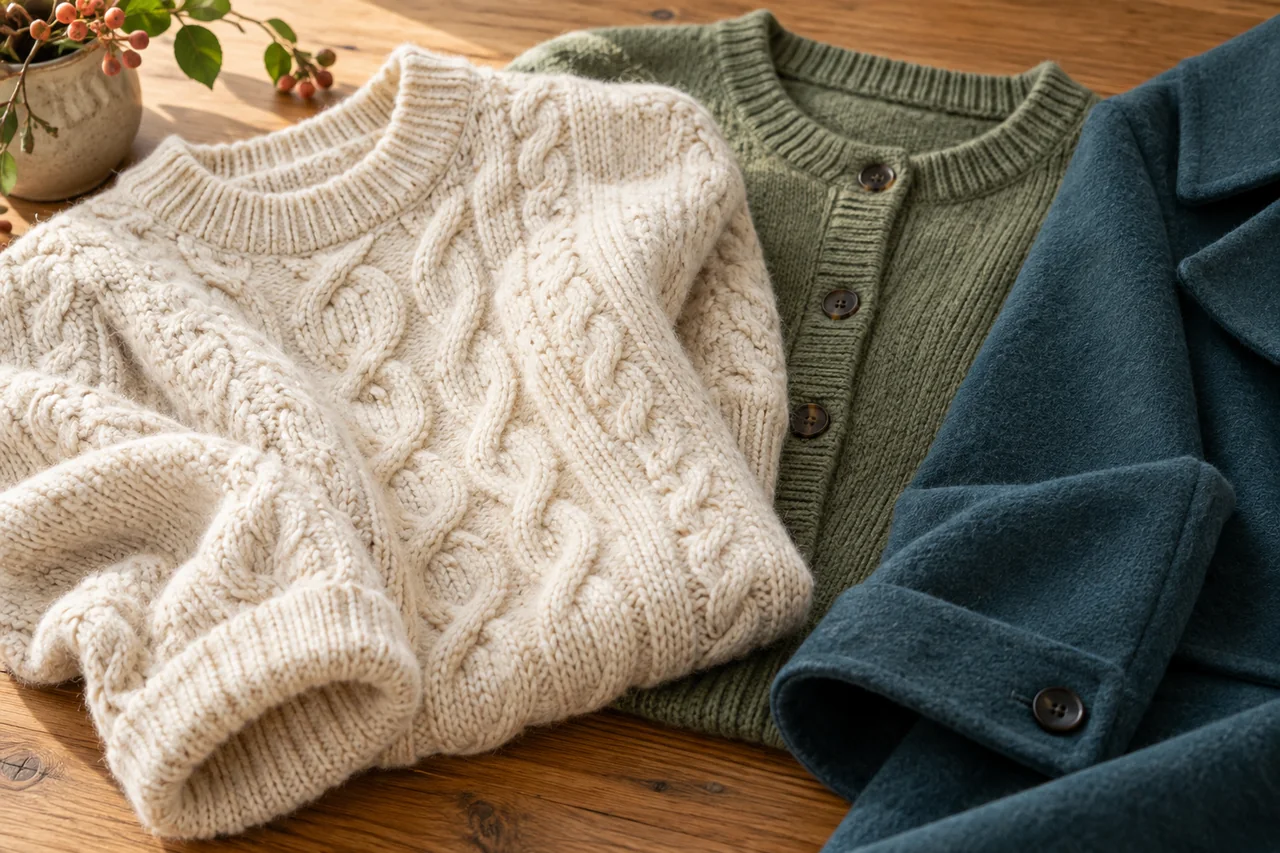
Choose a manageable selection from existing clothes, test it through ordinary weeks and add only clearly identified missing pieces.
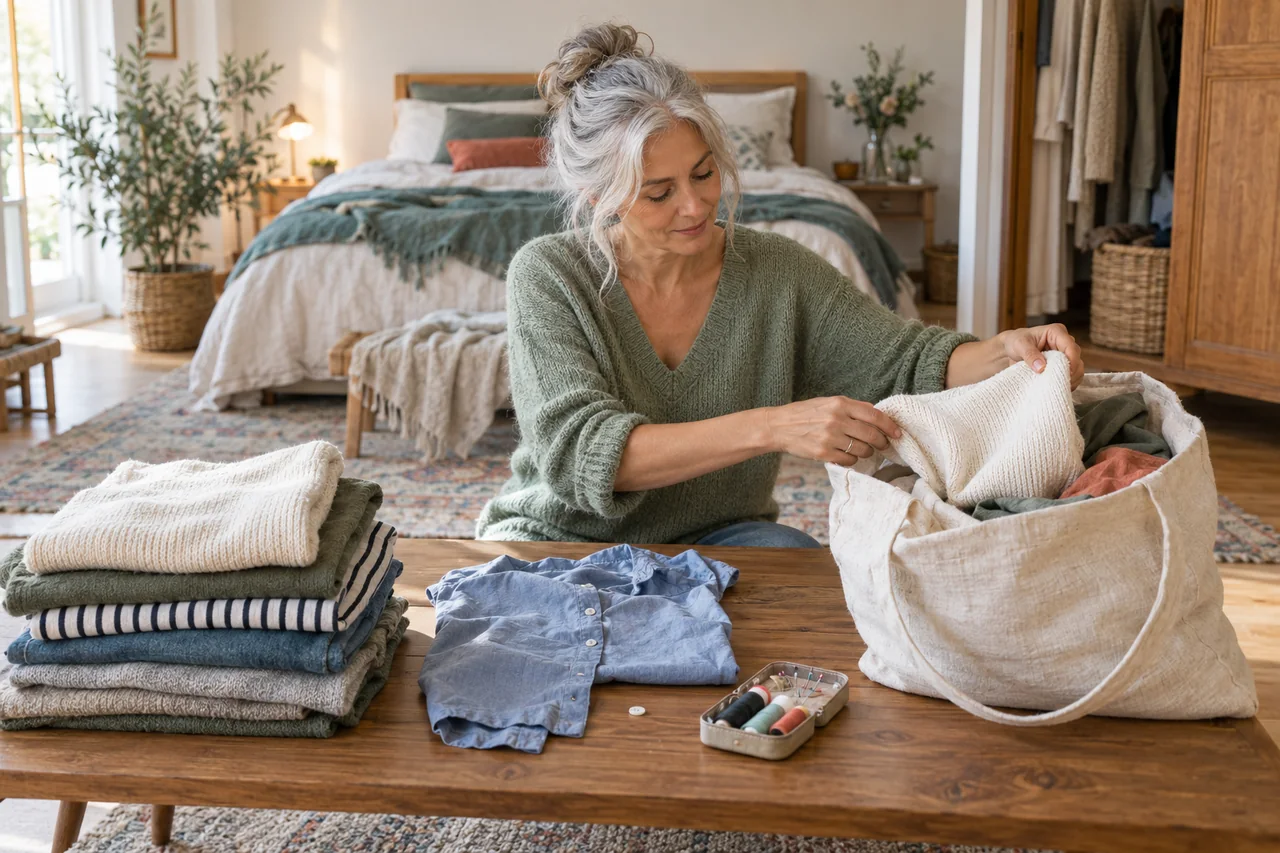
Work through one category, separate repairs from wearing decisions and finish each session with a usable space.
Turn observed preferences and selected inspiration into small experiments that suit your body and daily life.
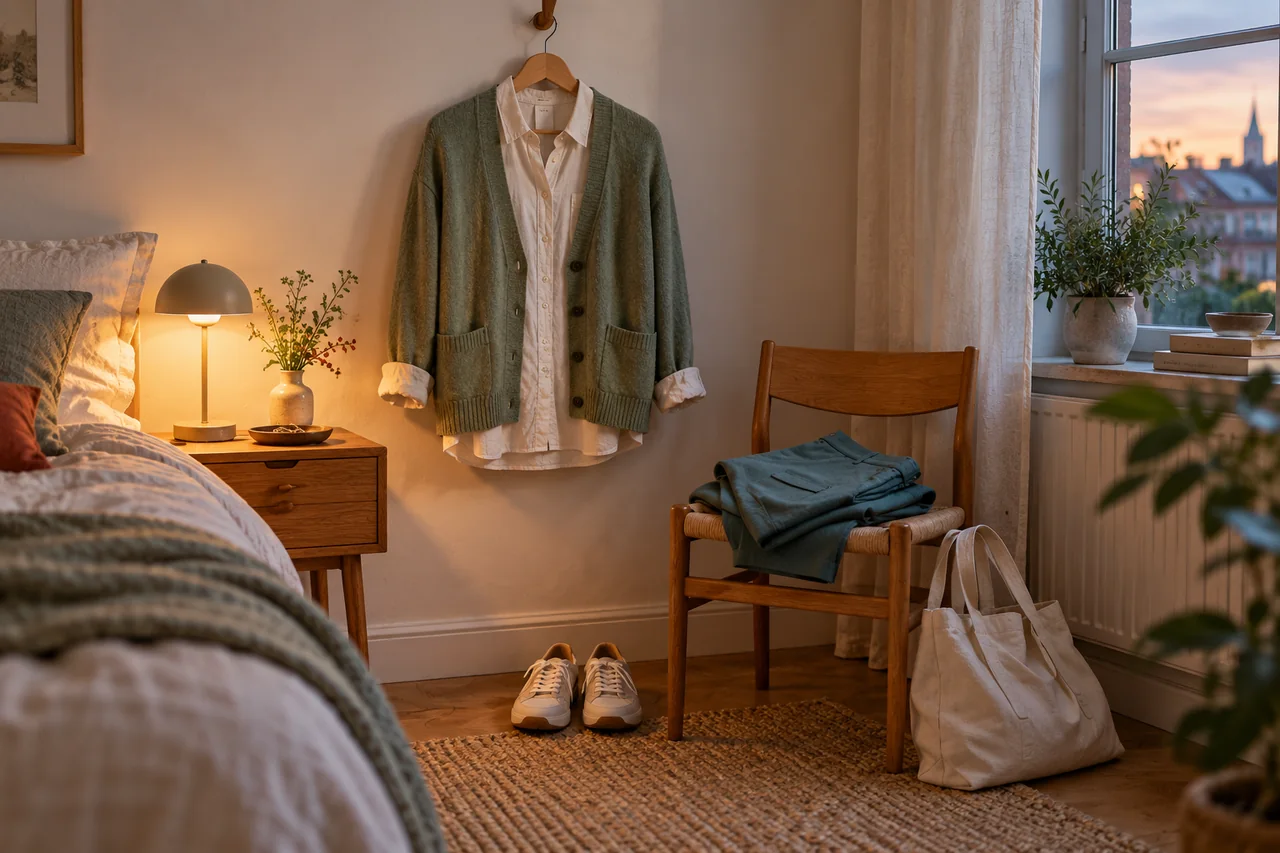
Use your calendar, movement needs and laundry schedule to prepare complete combinations with a comfortable reserve.
Record function, condition and availability to identify real outfit gaps, repairs and overlooked possibilities.
Use face-shape descriptions as optional styling ideas, with no ideal contour to achieve and no need to correct normal features.
Define a recurring clothing task, prove versatility with real outfits and include comfort and care in the decision.
Compare intended shape with real comfort while standing, sitting and moving, and check possible alterations before deciding.
Explore length, volume and fabric structure as design choices, with no body shape that needs correction.
Explore pattern scale, visible area and fabric surface to build combinations that feel intentional and comfortable.
Direct attention through scale, repetition and placement while keeping movement, sound and everyday comfort in mind.
Clarify local expectations, test comfortable complete outfits and prepare a more formal option before important appointments.
Read the invitation and activities, adapt familiar clothes and test the complete outfit before the event.
Test clothing with your actual camera, lighting, background and audio equipment while keeping the whole working day comfortable.
Pack tested combinations for real activities, available laundry and realistic delays rather than every imaginable possibility.
Assign each layer a purpose, test movement and closures, and plan where removed clothing will go during the day.
Bring transitional pieces forward gradually, connect lighter clothes with useful warm layers and check shoes and jackets before regular use.
Test clothes in daylight and movement, plan useful layers and keep washing and spare garments realistic.
Start with routes and outerwear, extend suitable lighter outfits through layers and handle repairs before frequent use.
Test complete layers, plan indoor comfort and keep dry, ready alternatives available for ordinary winter routines.
Look beyond fibre names to drape, construction, comfort, opacity and the care instructions of the finished garment.
Distinguish fibre from fabric construction and plan washing, drying and storage around the finished garment.
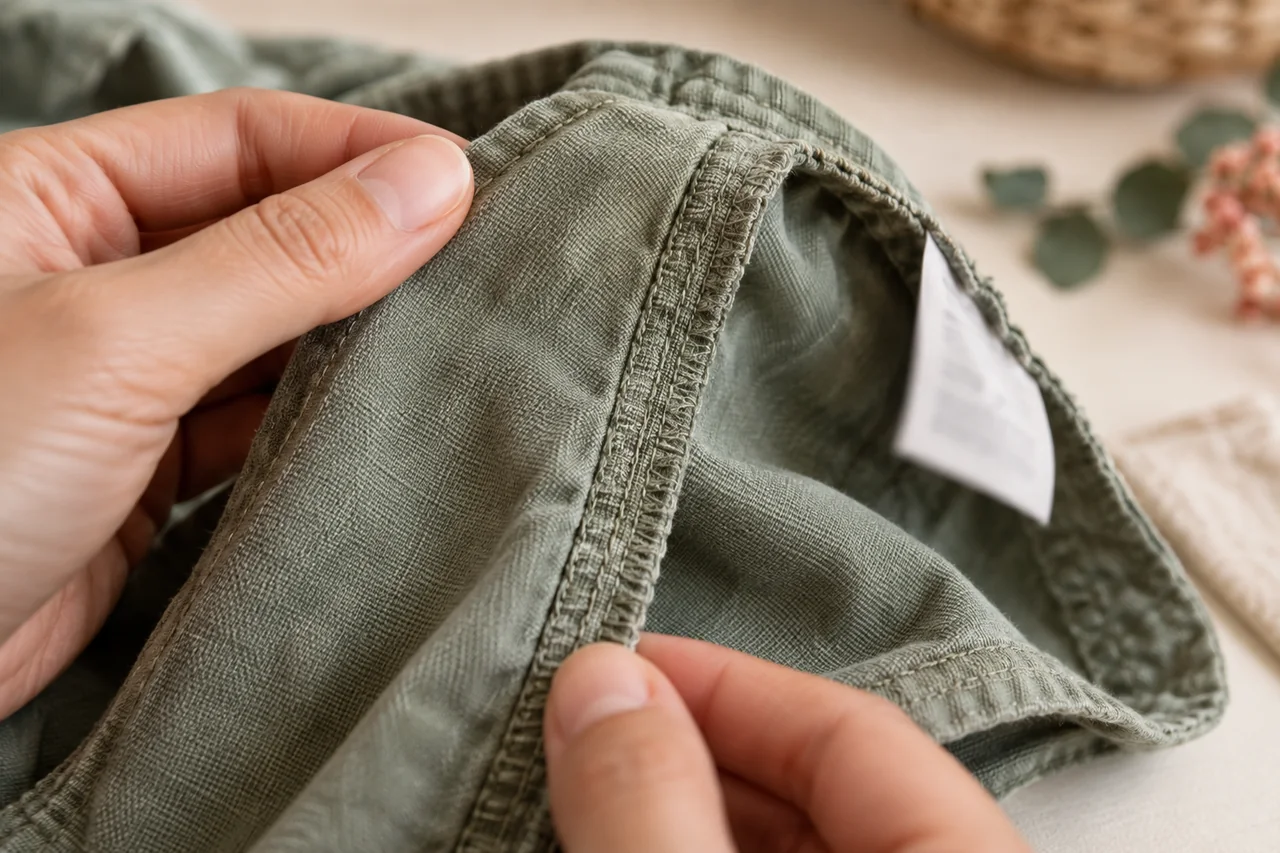
Recognise the main symbol groups, check their modifiers and turn the whole label into a workable care plan.
Sort by compatible treatment, dose detergent for the load and water hardness, and plan drying before starting.
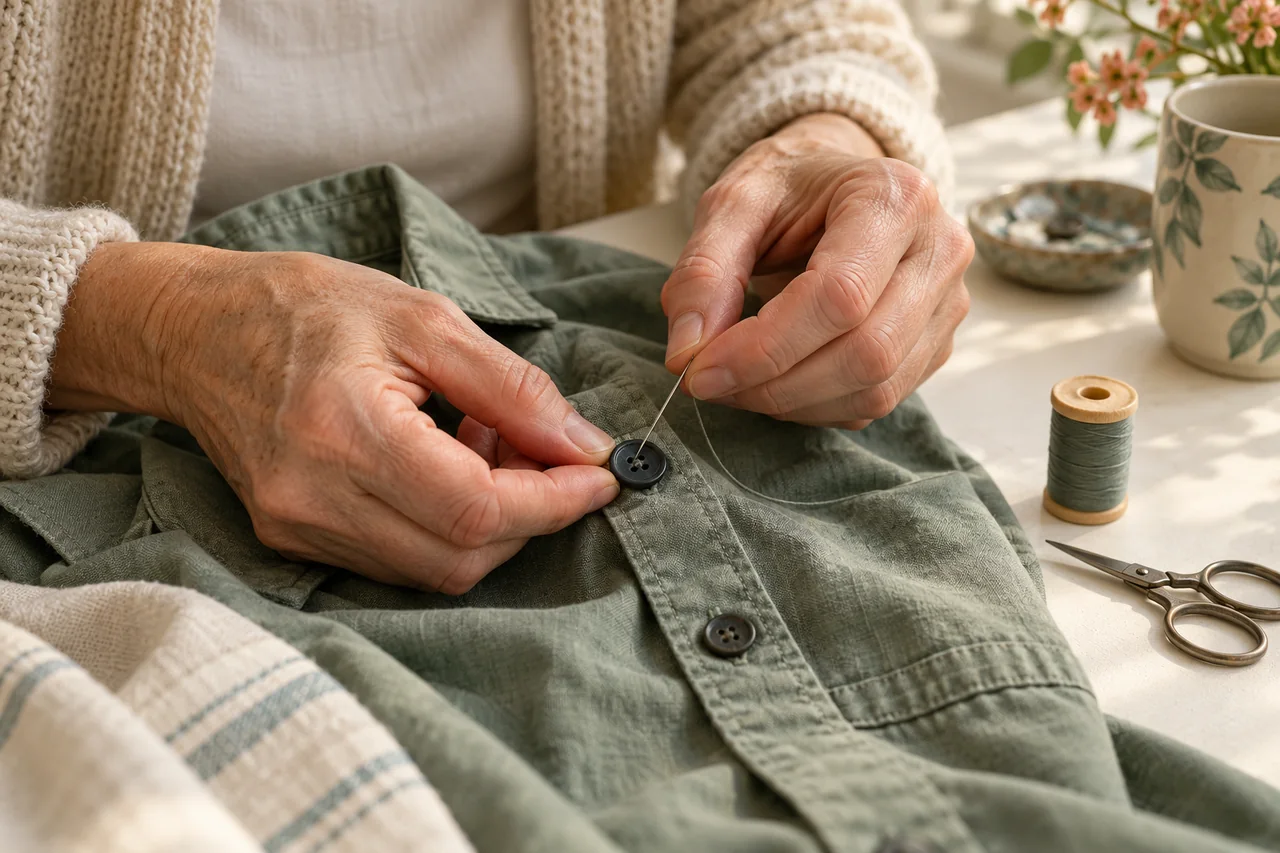
Identify the damage, choose manageable repairs and seek an informed estimate for complex construction or uncertain results.
Use clear measurements, inspect condition and include cleaning and alterations in the decision rather than buying on price alone.
Check the actual need, full outfit, movement and ongoing effort, and give uncertain purchases a clear pause.
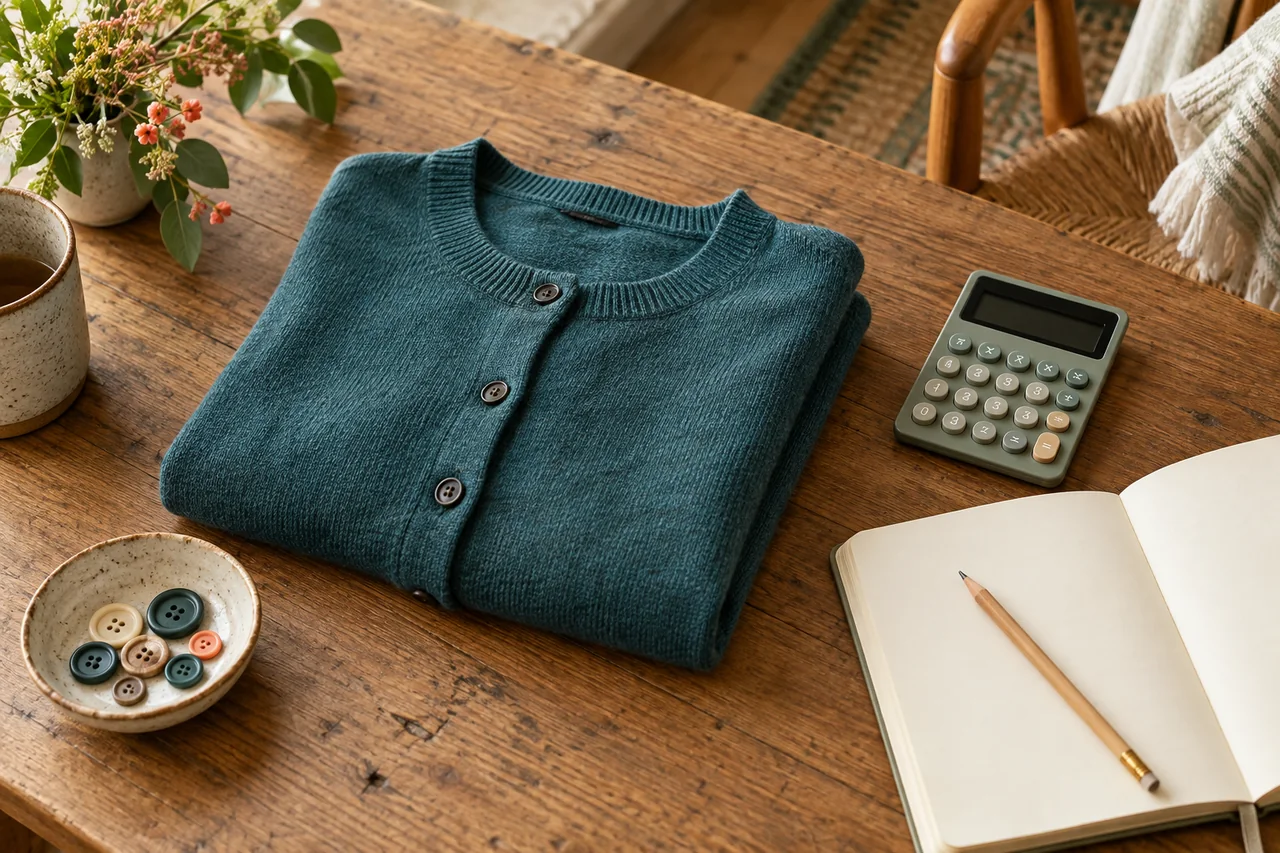
Make the calculation transparent, distinguish actual use from forecasts and consider comfort, budget and existing clothes alongside the number.
Keep frequent choices accessible, give in-between clothing a defined place and test storage before buying organisers.
Assess current use, consider realistic repairs and choose an appropriate route for passing on garments responsibly.
Solve one dressing bottleneck, save a few complete combinations and use a brief evening check with a ready reserve.