Nails and manicure
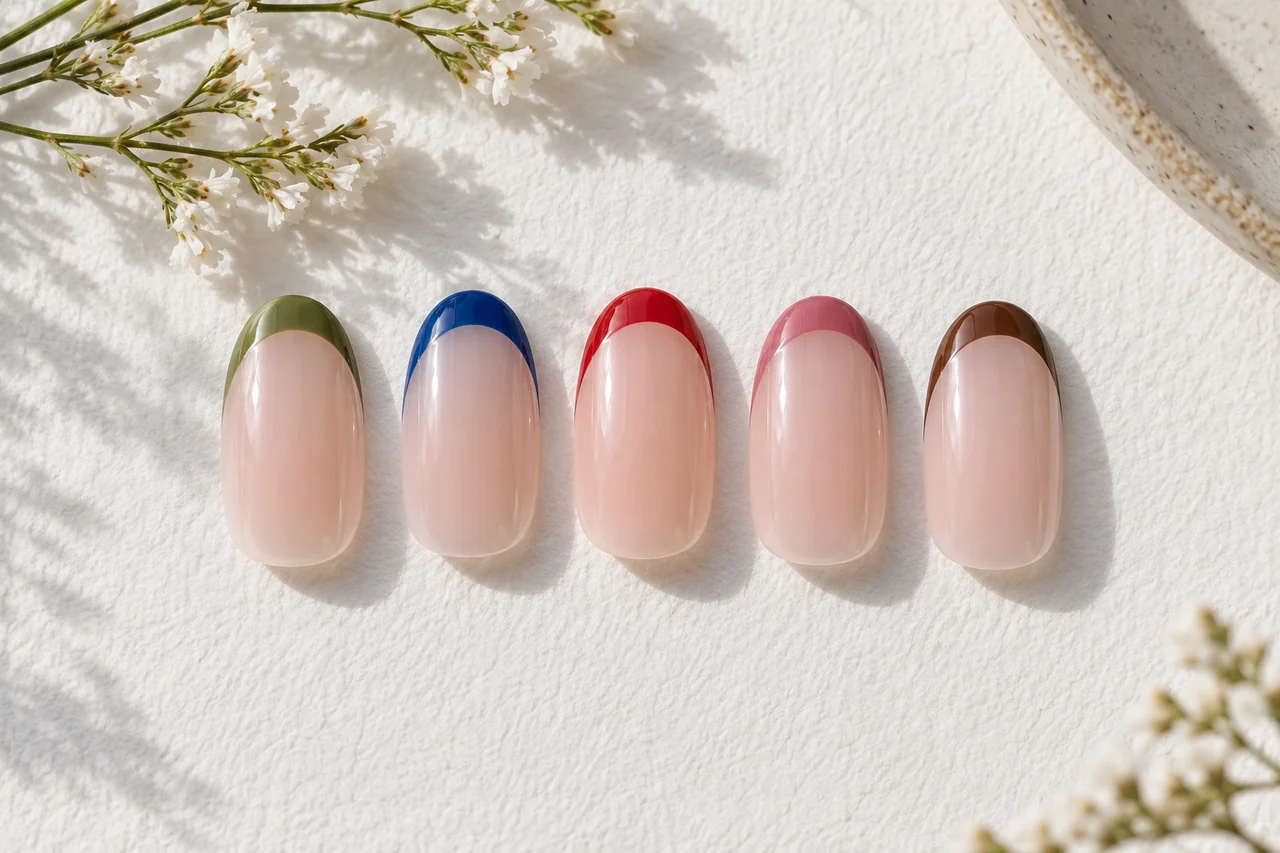
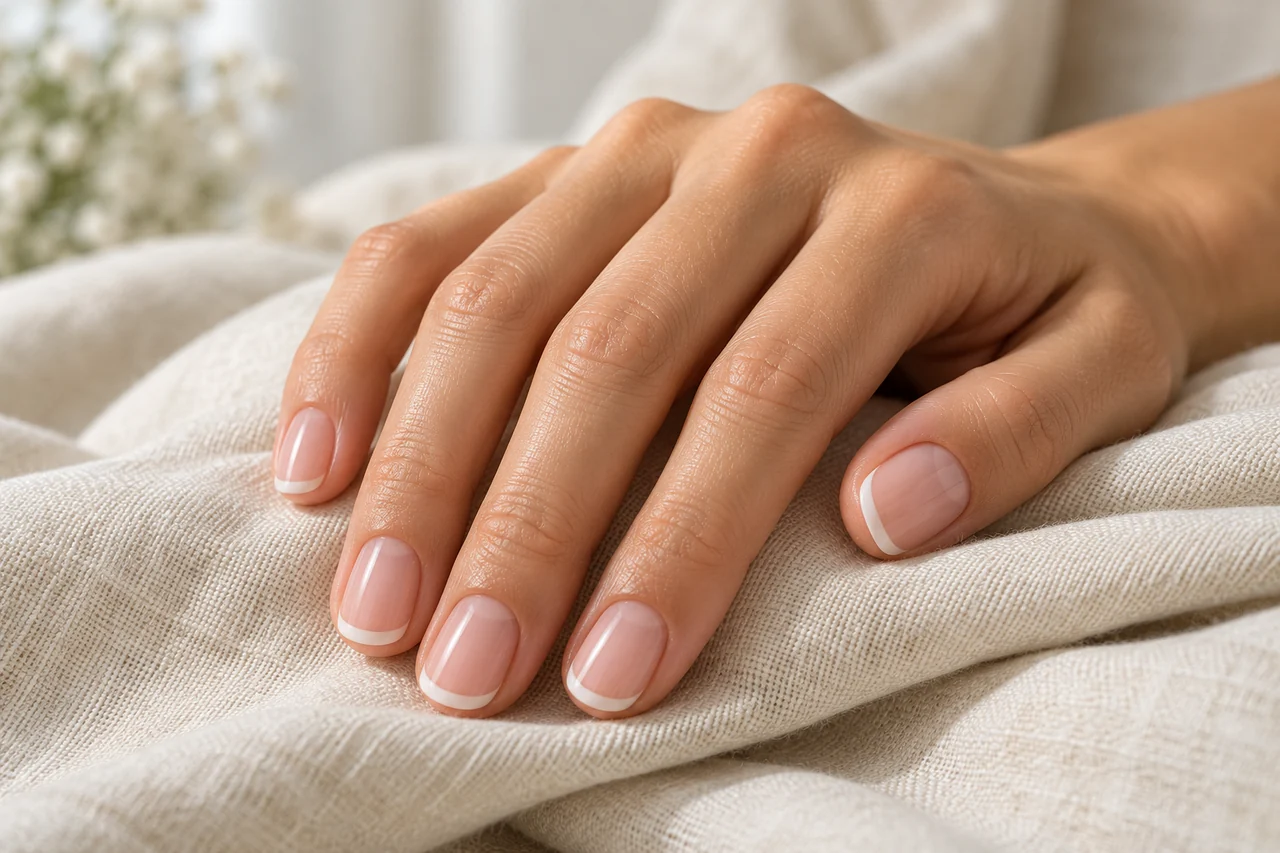
French tips on short nails: get the proportions right
Compare tip width, white tones and base opacity while keeping your existing short nail length.
eu. infopoint
Choose shapes, colours and routines that suit you.
Compare tip width, white tones and base opacity while keeping your existing short nail length.
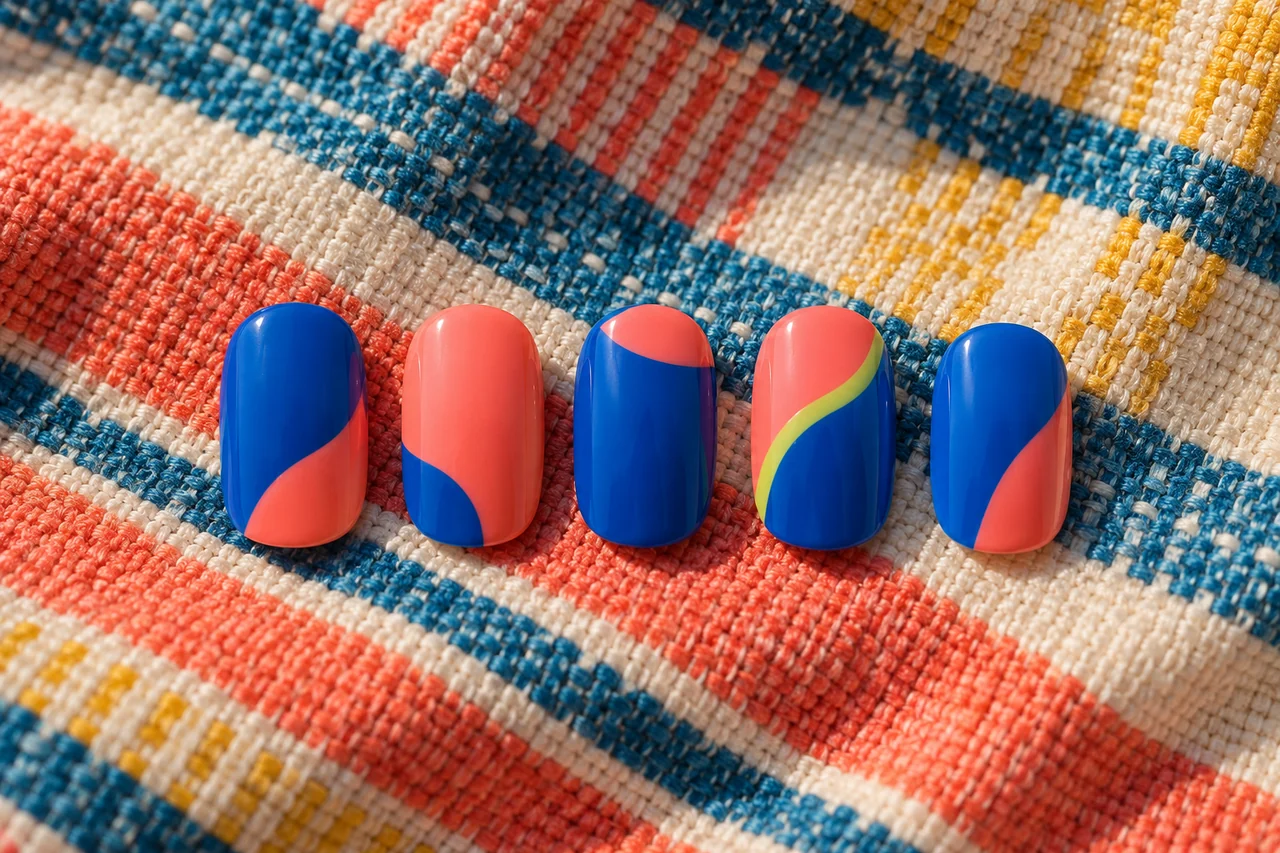
Plan one, two or five tip colours using a consistent base and clear proportions before buying more polish.
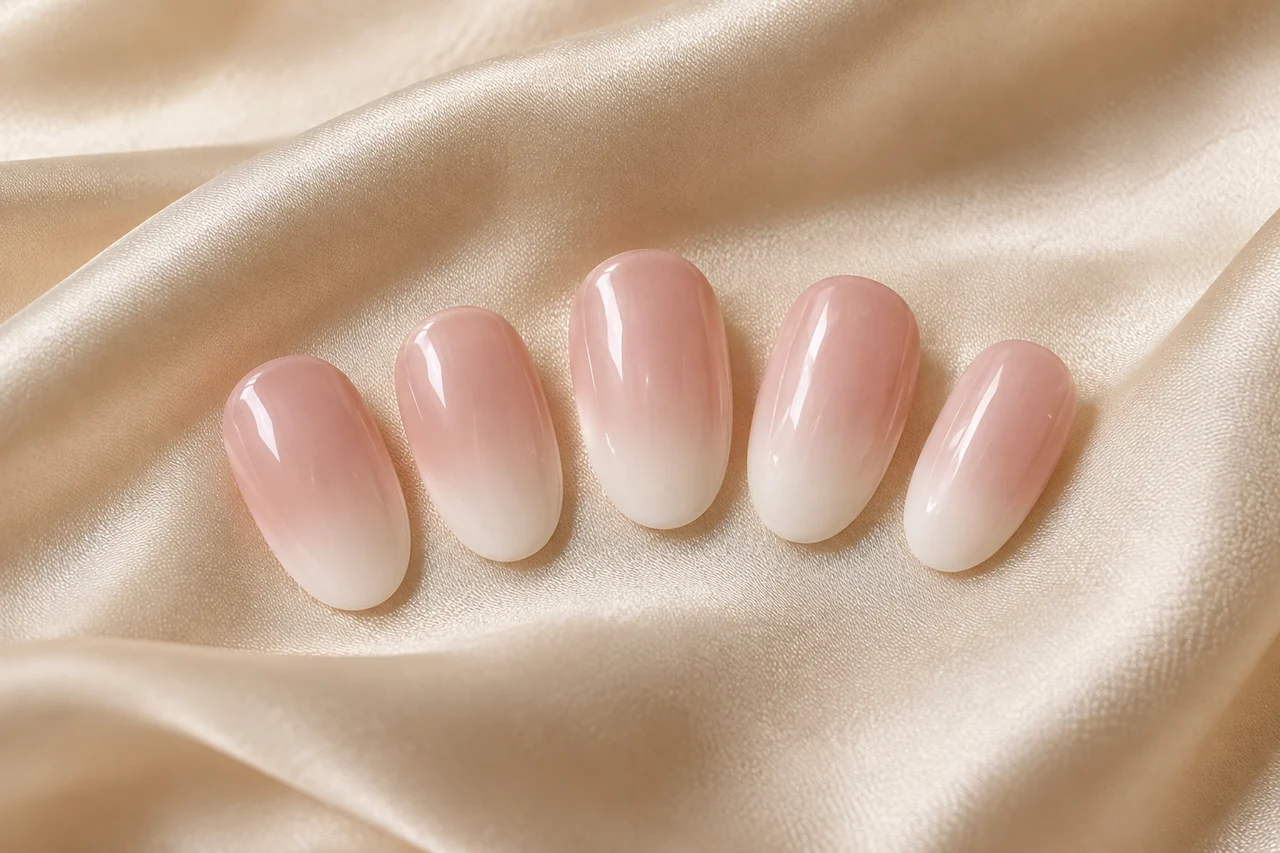
Plan colour direction, transition width and coverage before choosing a technique for a nail gradient.
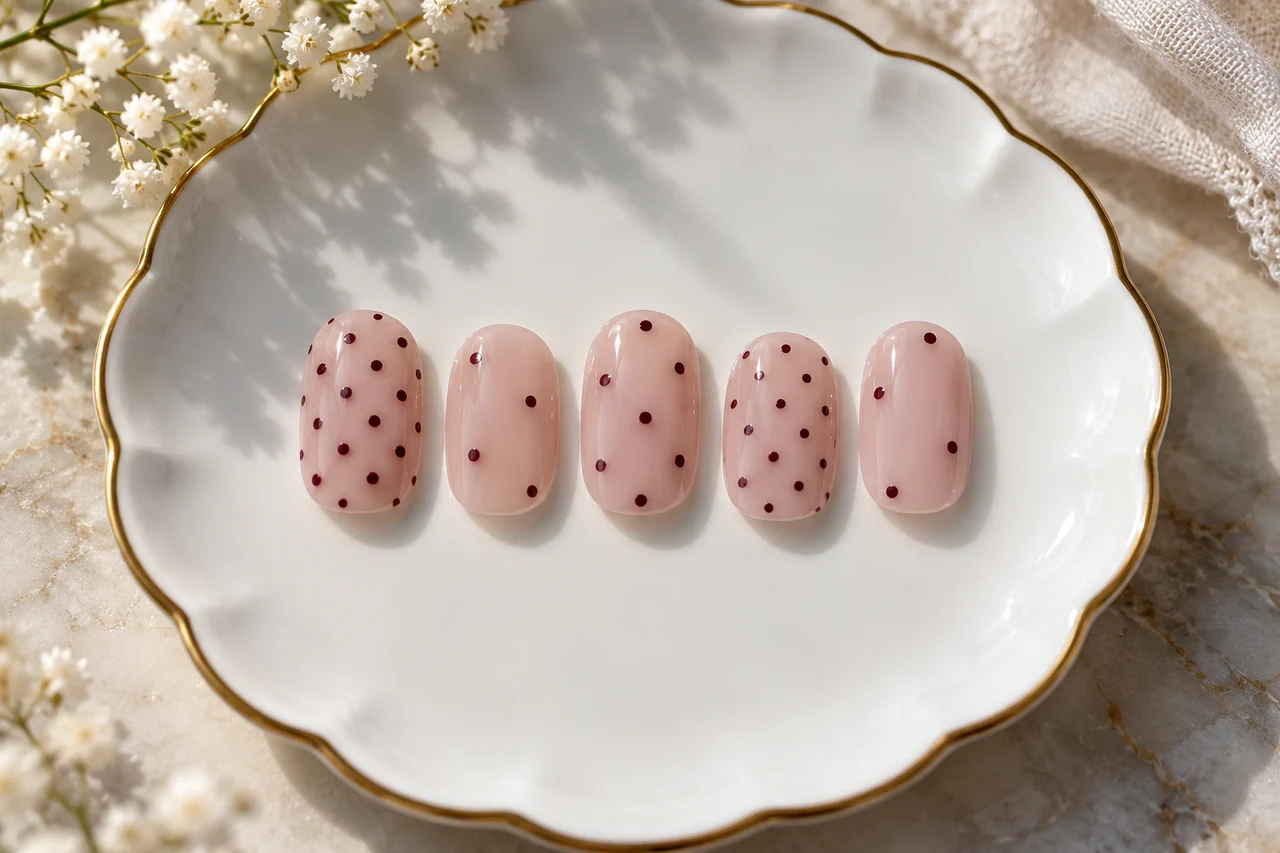
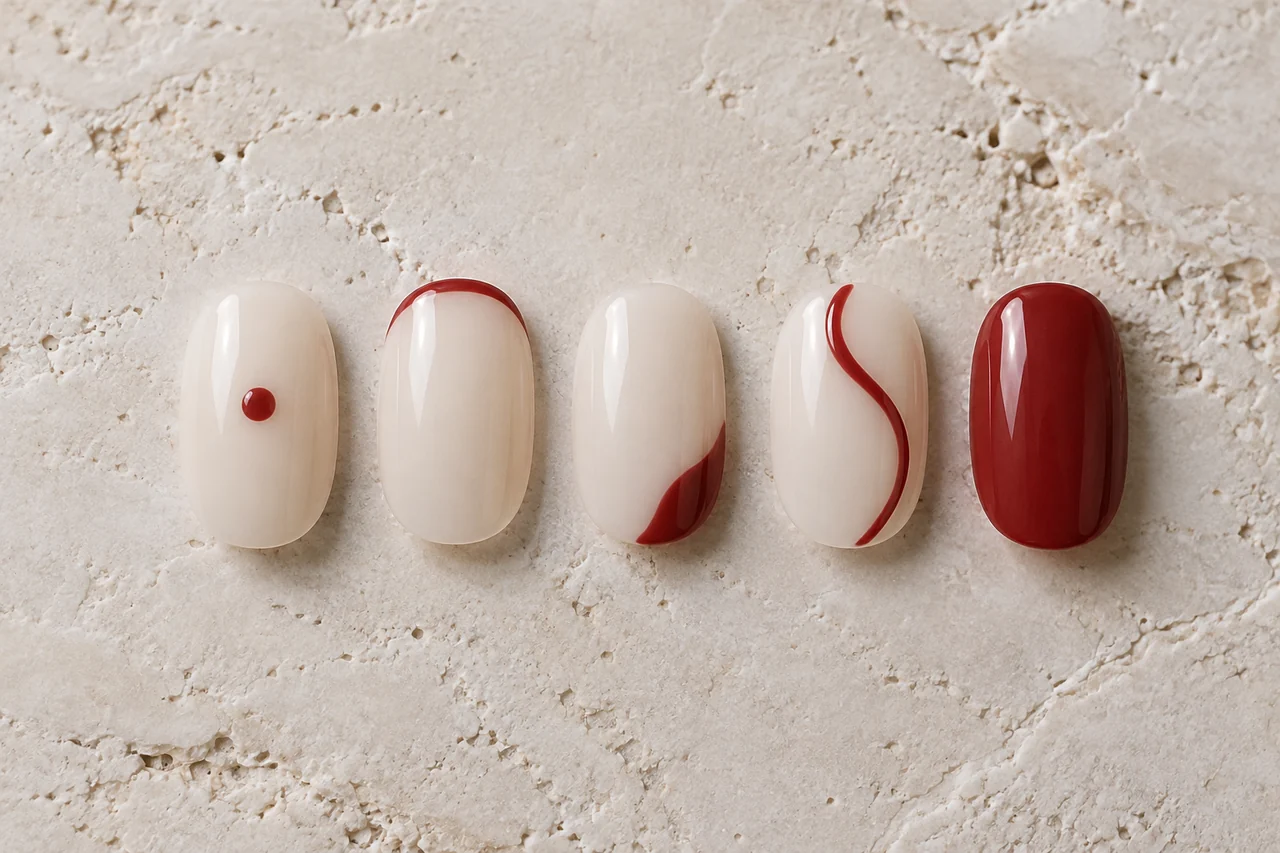
Sketch a dot pattern at realistic scale and compare density, contrast and accent placement before applying polish.
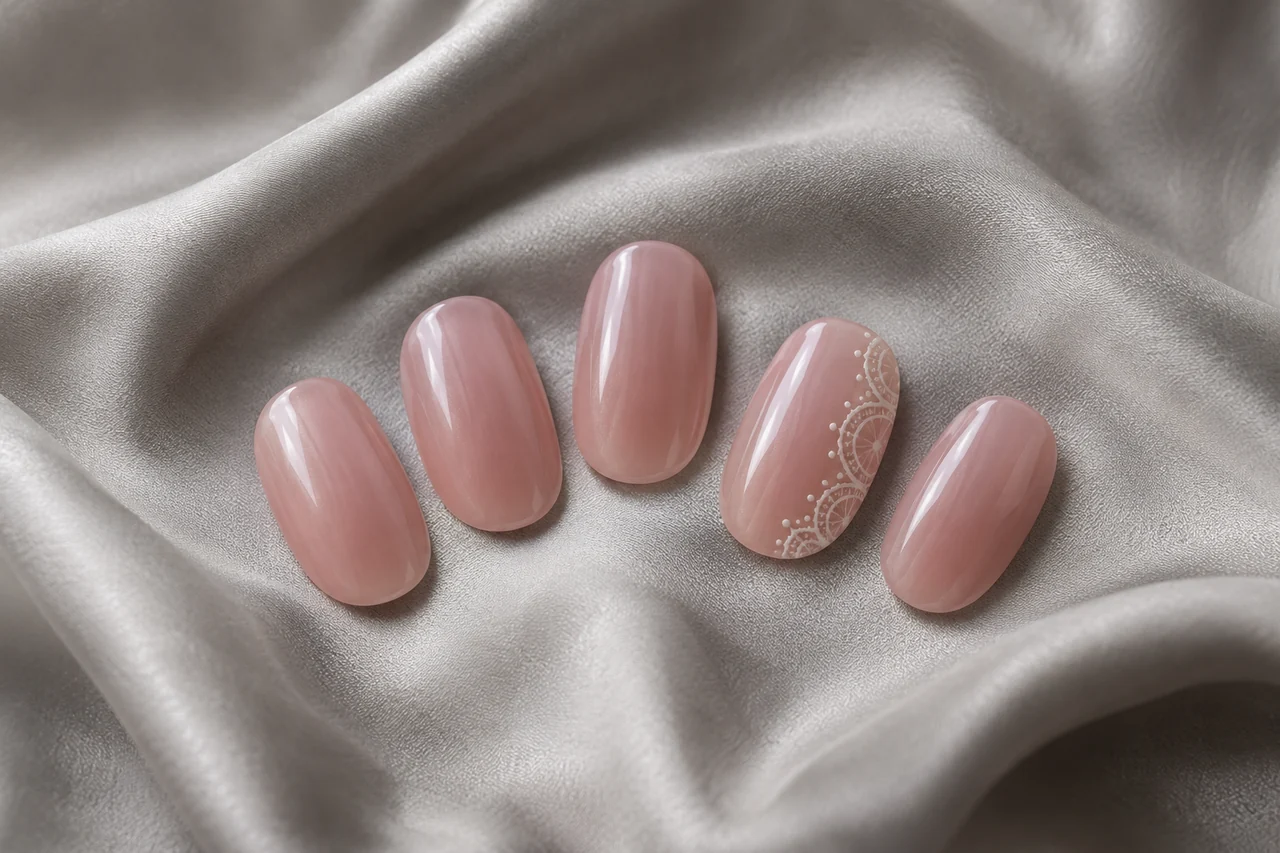
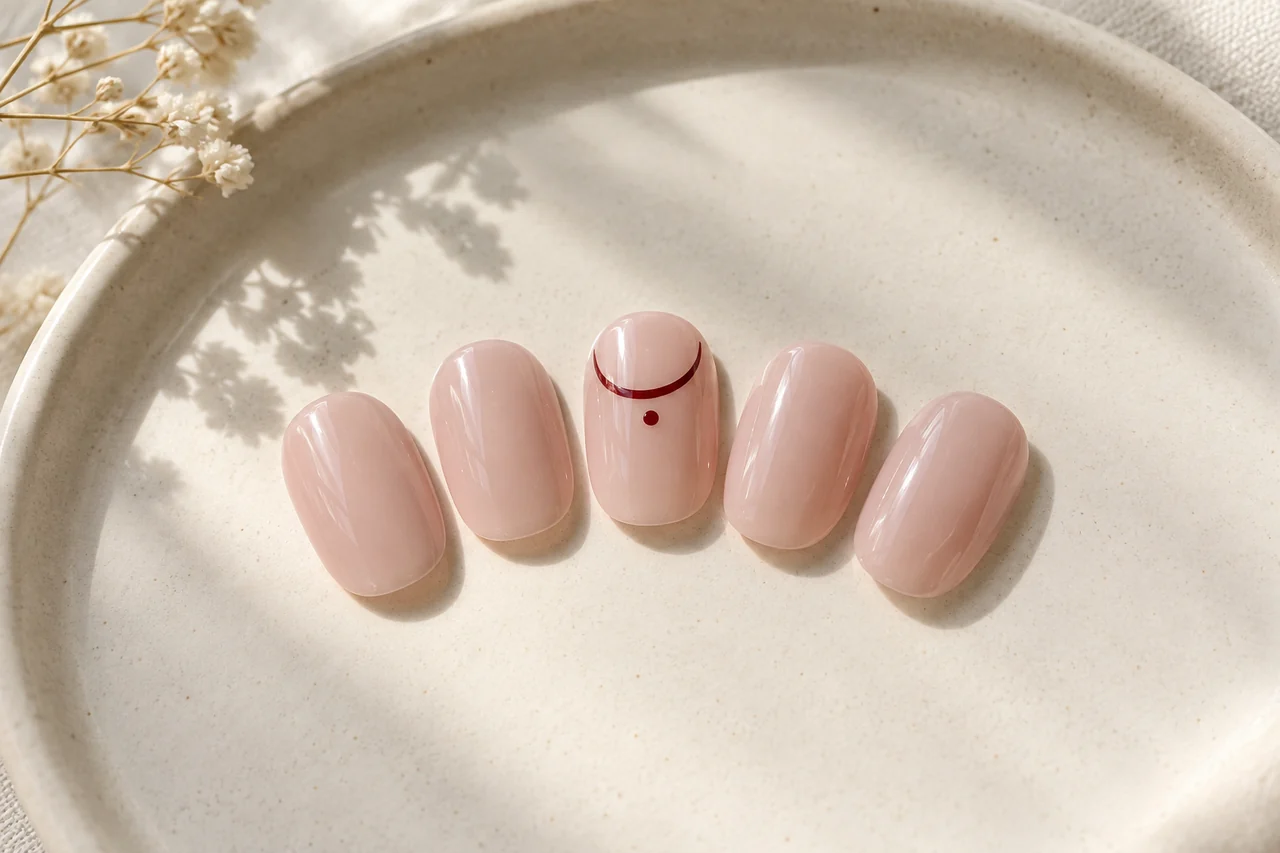
Translate a lace idea into simple arcs and dots, choosing position, contrast and the number of accent nails.
Use colour, shape or line width to connect different nail motifs and plan the distribution across both hands.
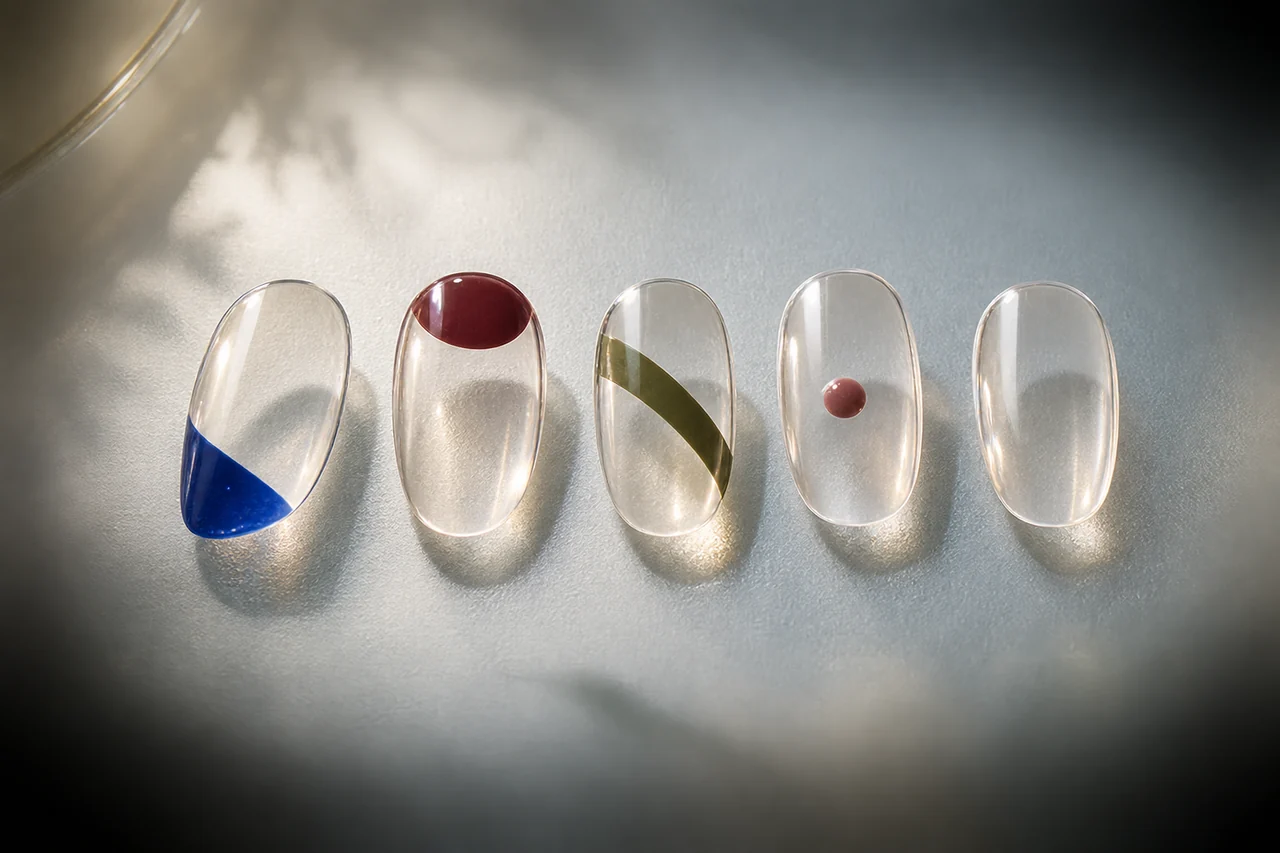
Decide what stays sheer or unpainted, then balance motif size, colour contrast and placement.
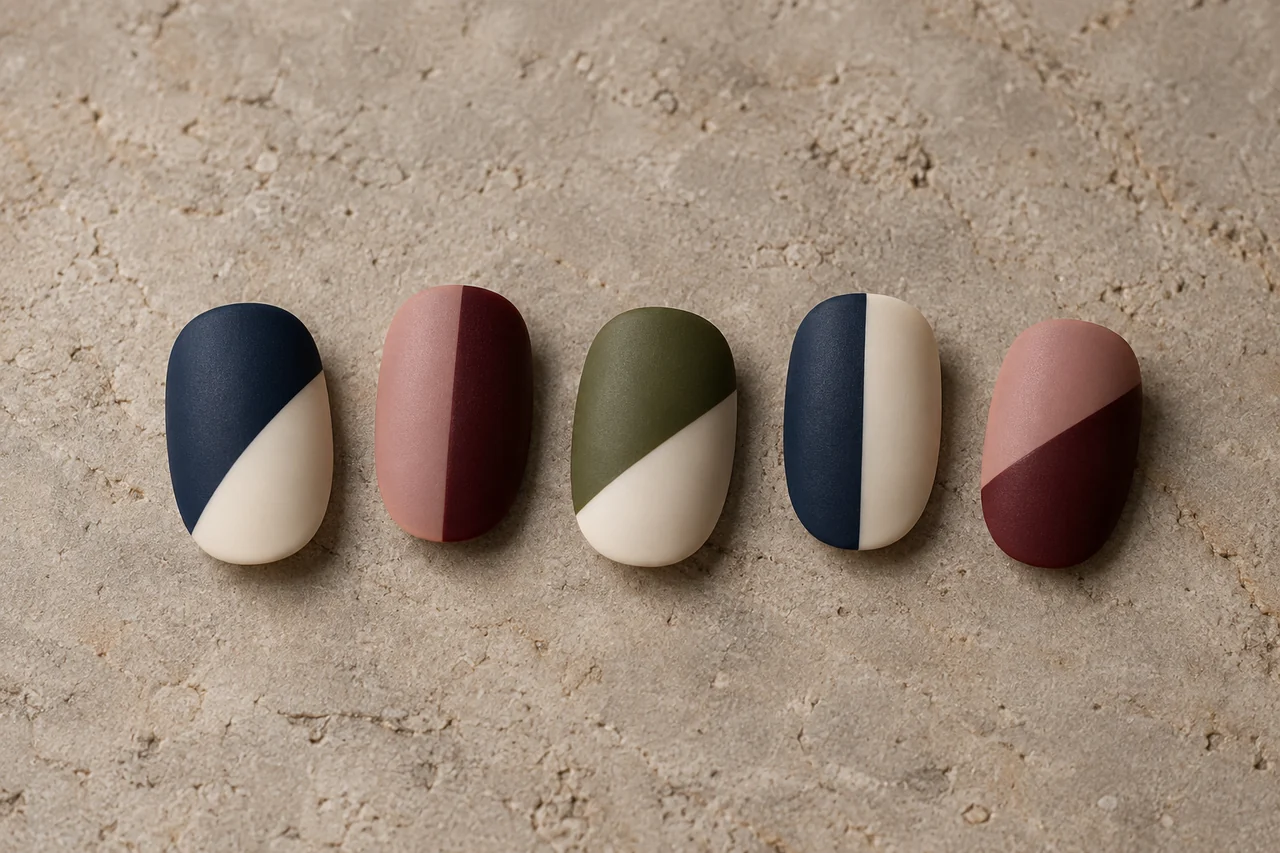
Compare the same colour pair with different boundaries and proportions before adding more design elements.
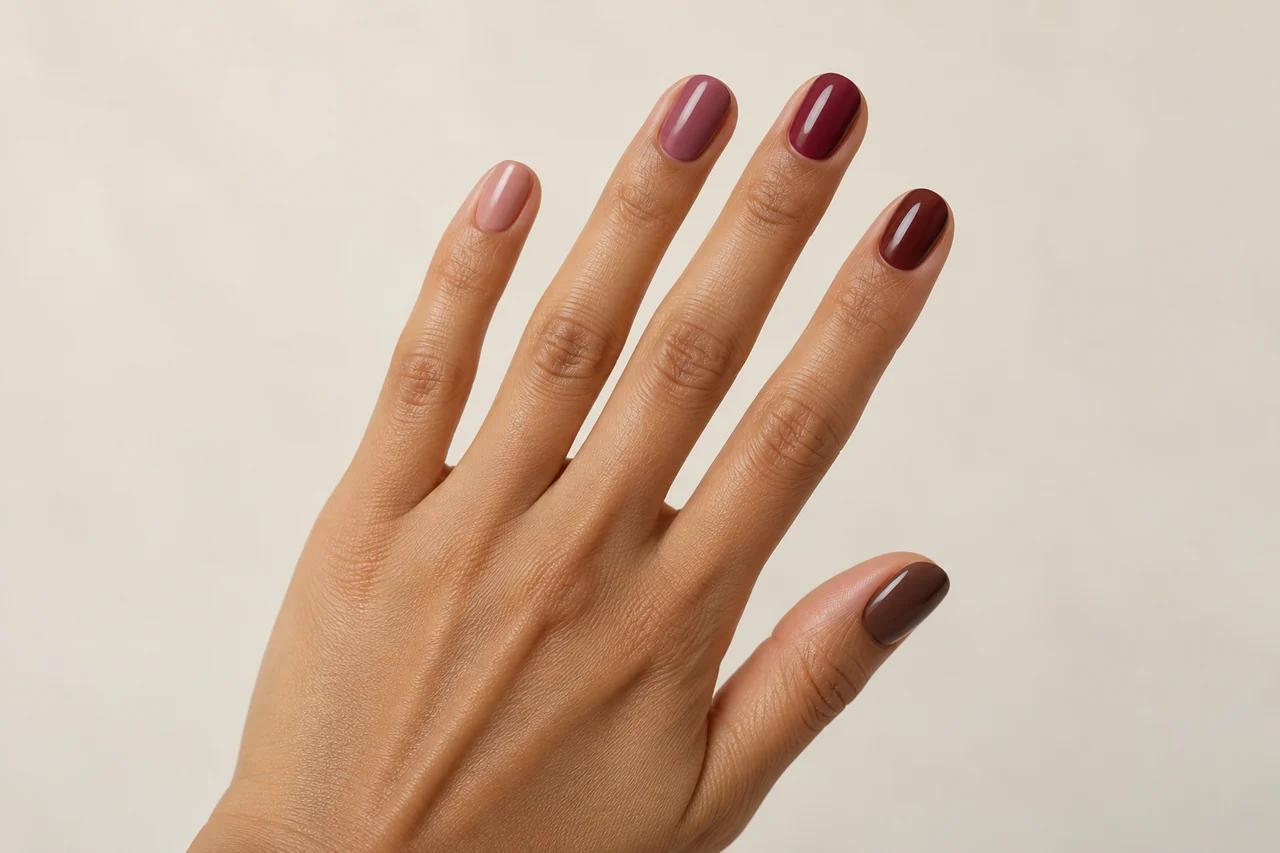
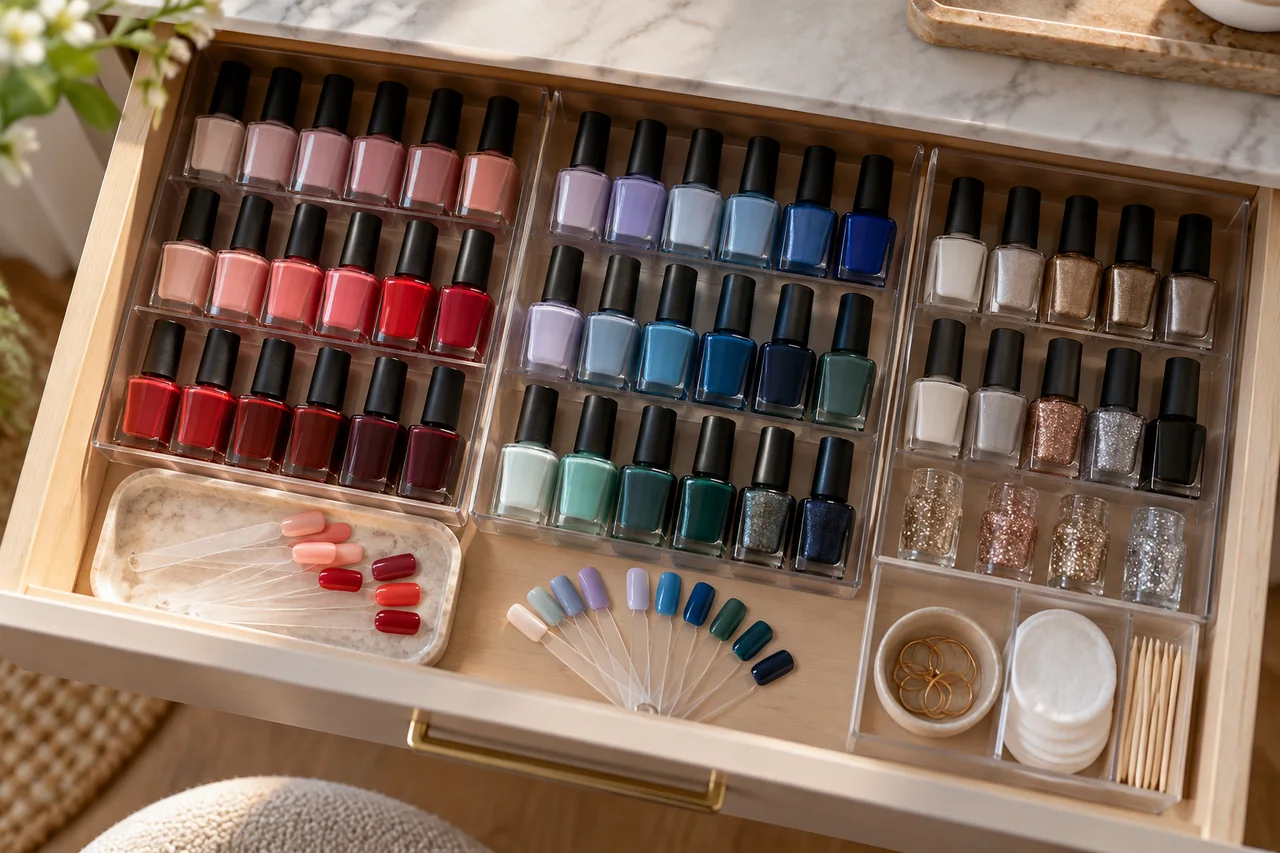
Sort existing polish samples by lightness, colour family or deliberate contrast before choosing their finger positions.
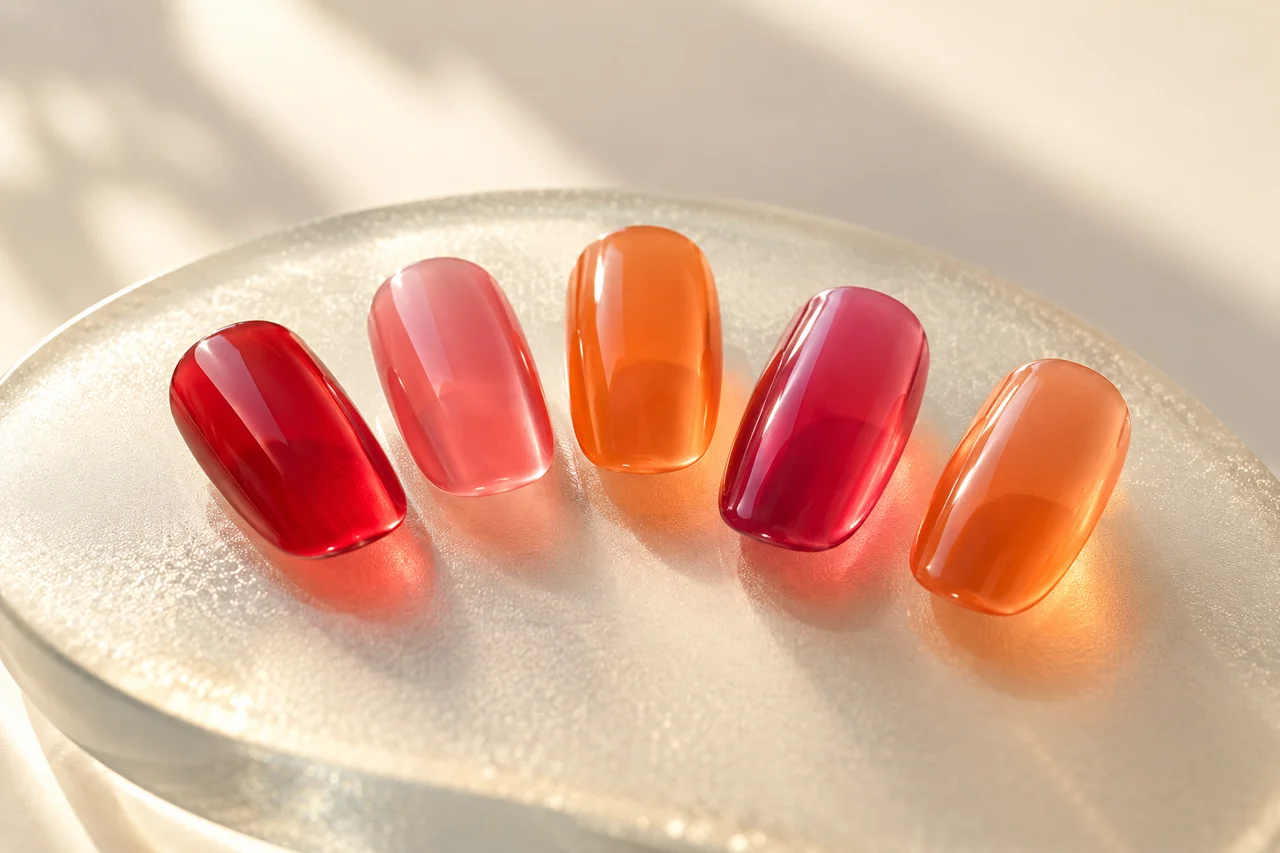
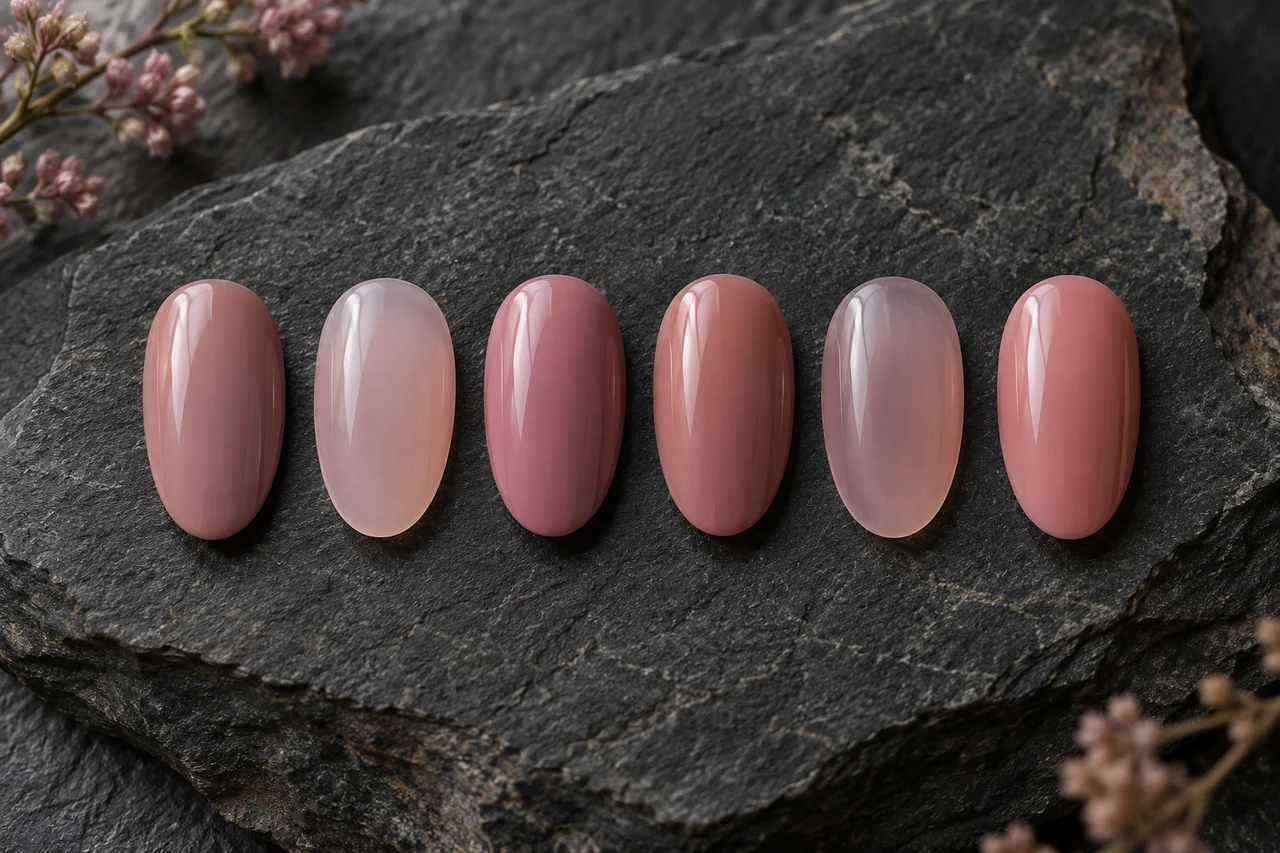
Choose how much natural nail should show and compare hue, opacity and gloss separately using suitable ready-made products.
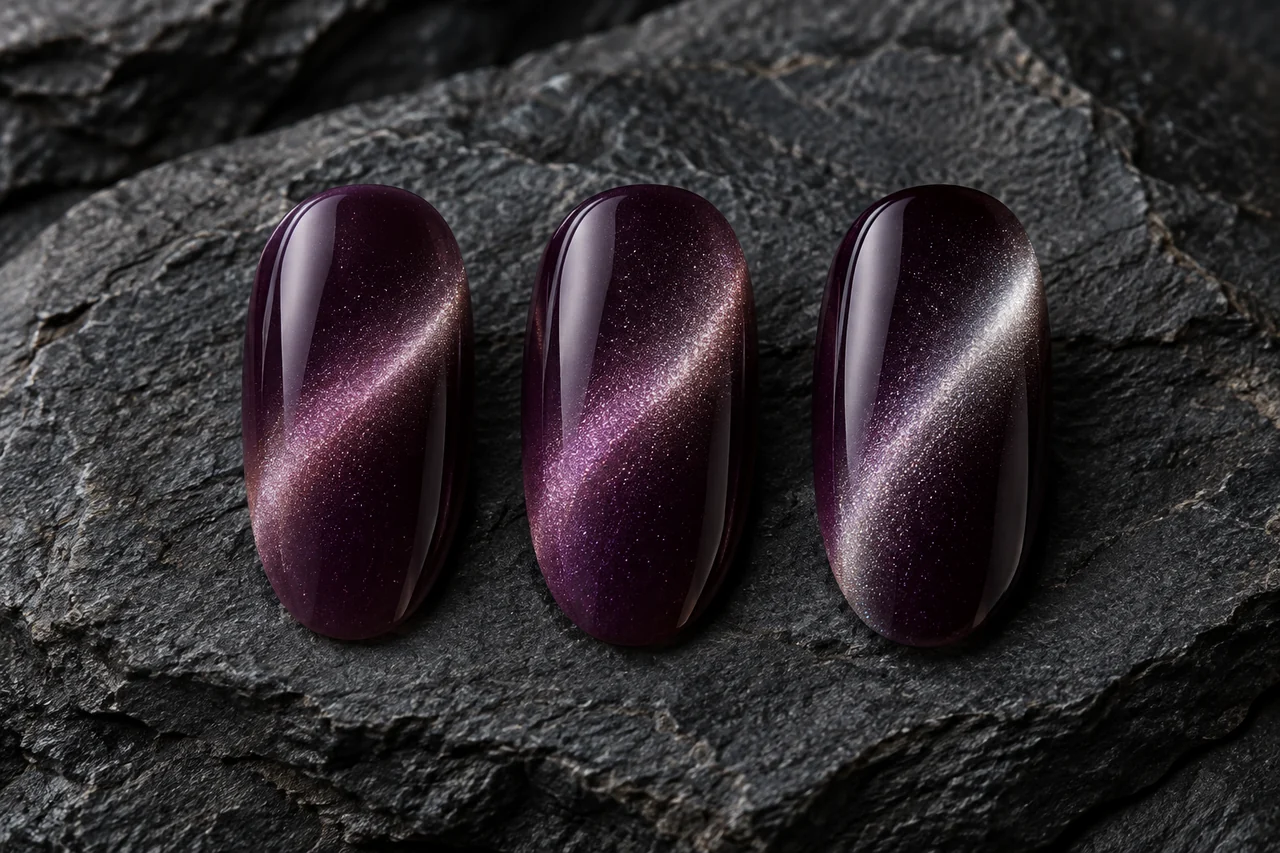
Compare base colour, effect width and direction on real samples before choosing the process for a cat-eye look.
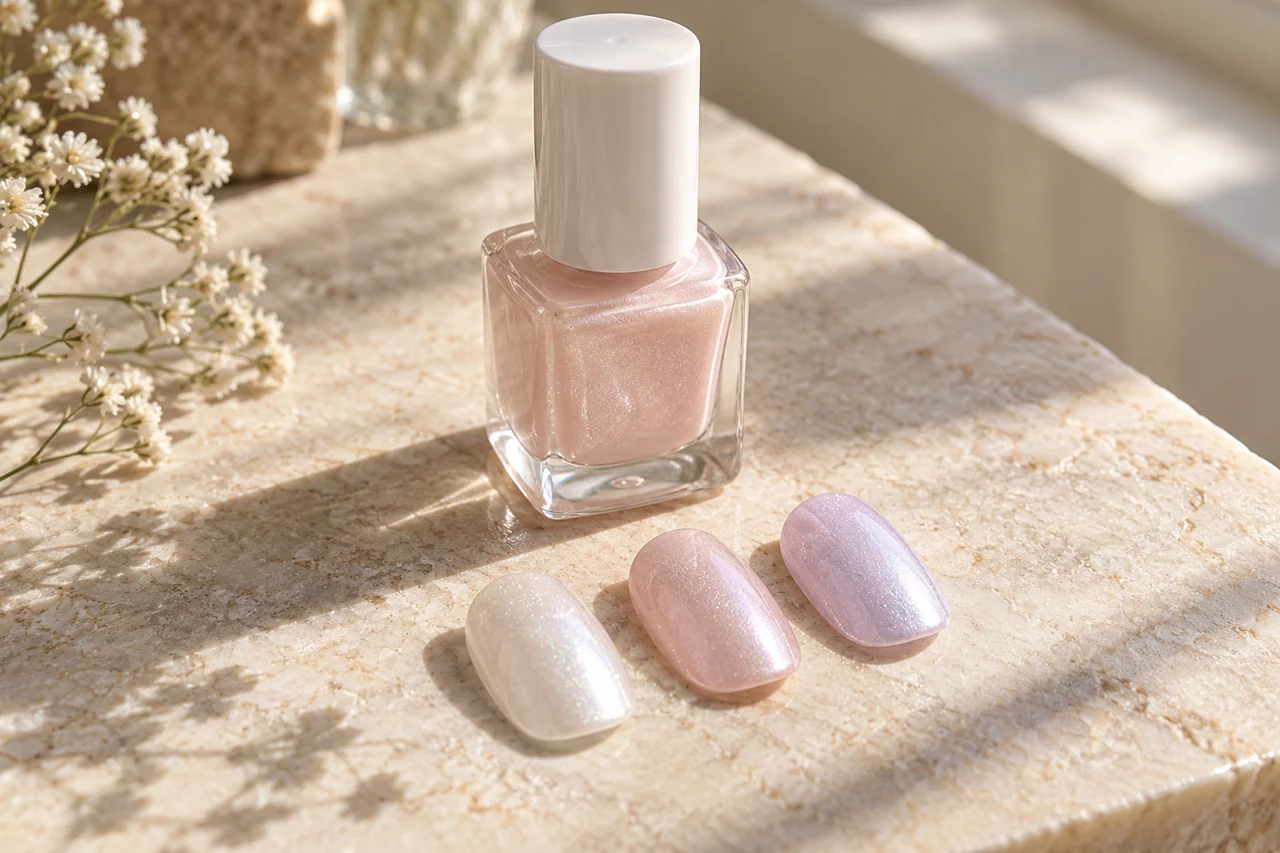
Distinguish mirror-like, satin and fine shimmer effects on the intended base before choosing a product system.
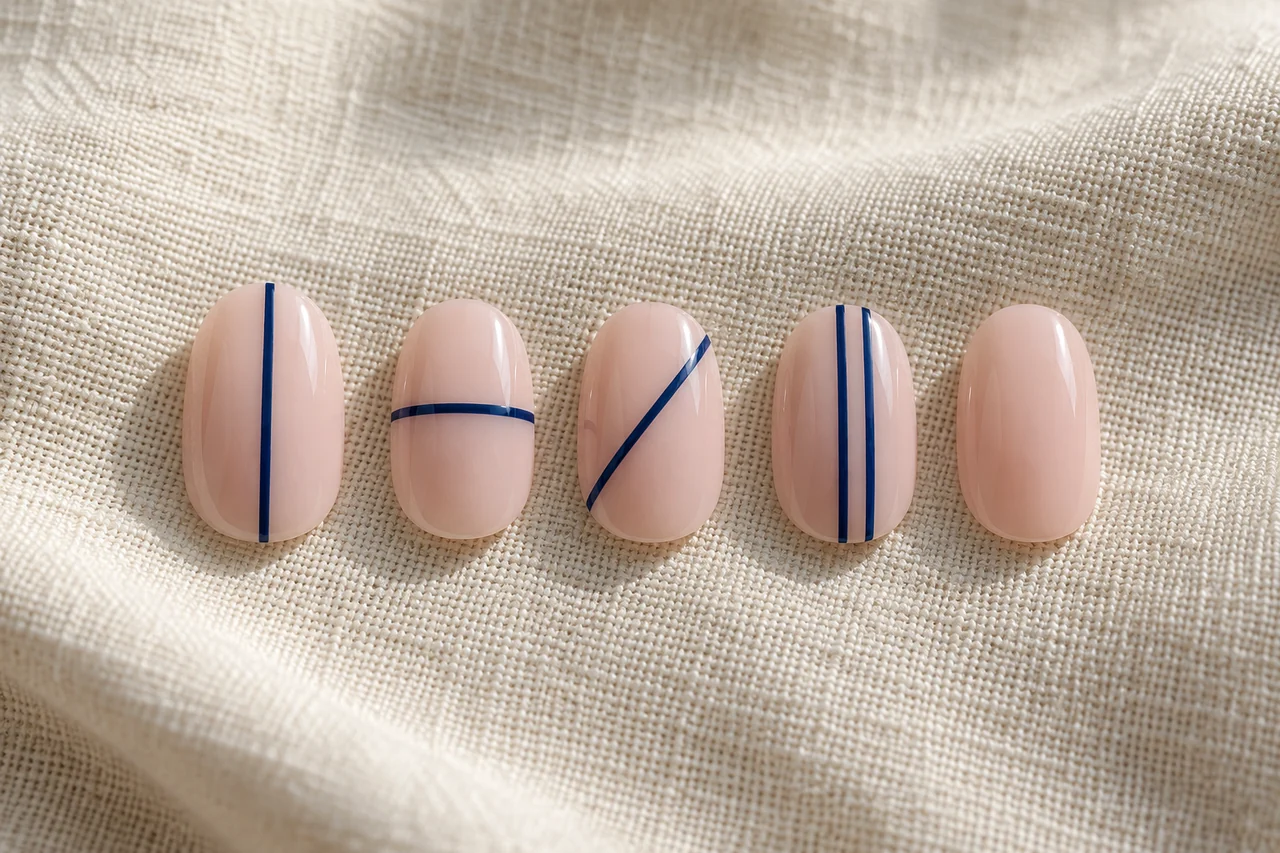
Compare simple stripe layouts on your actual nail proportions before adding more lines or products.
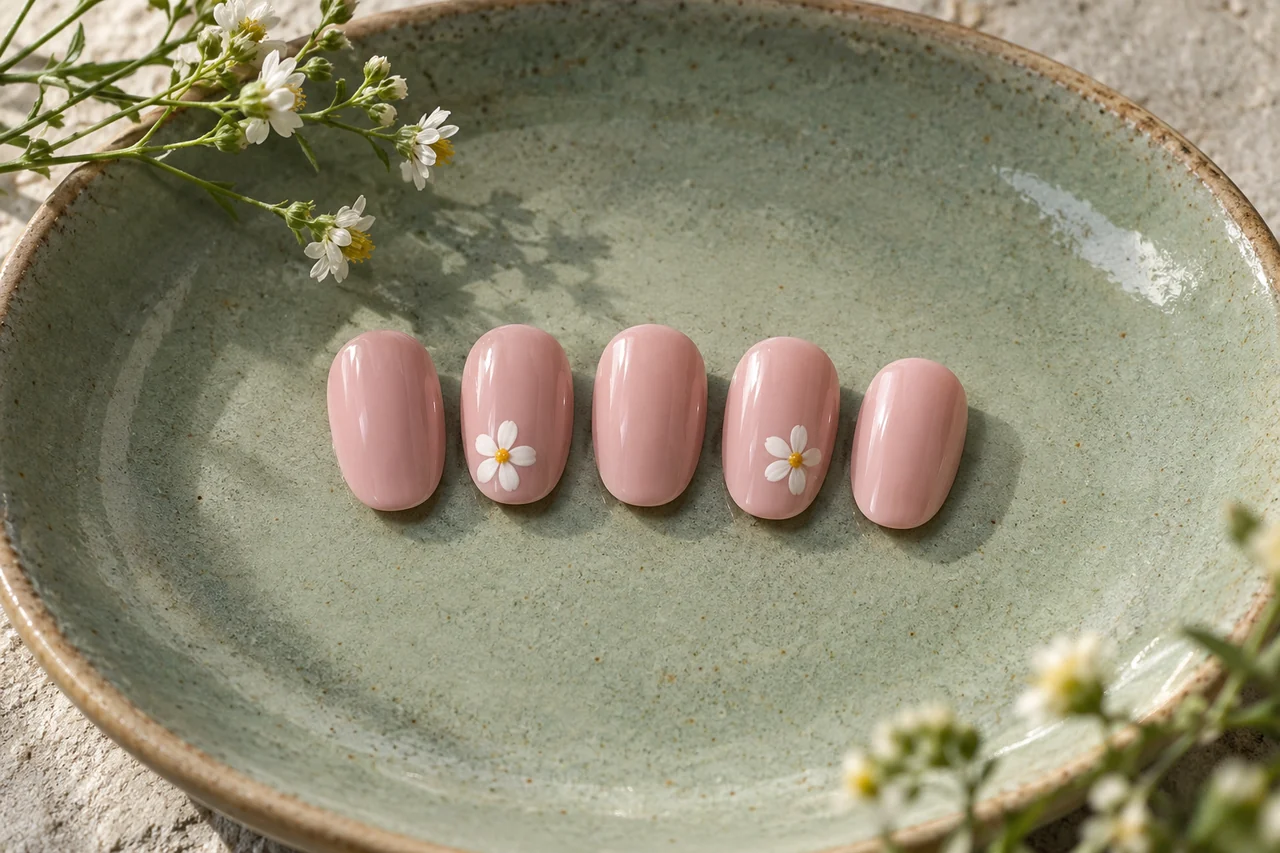
Compare flower size, position and repetition using a simple original design and a small colour palette.
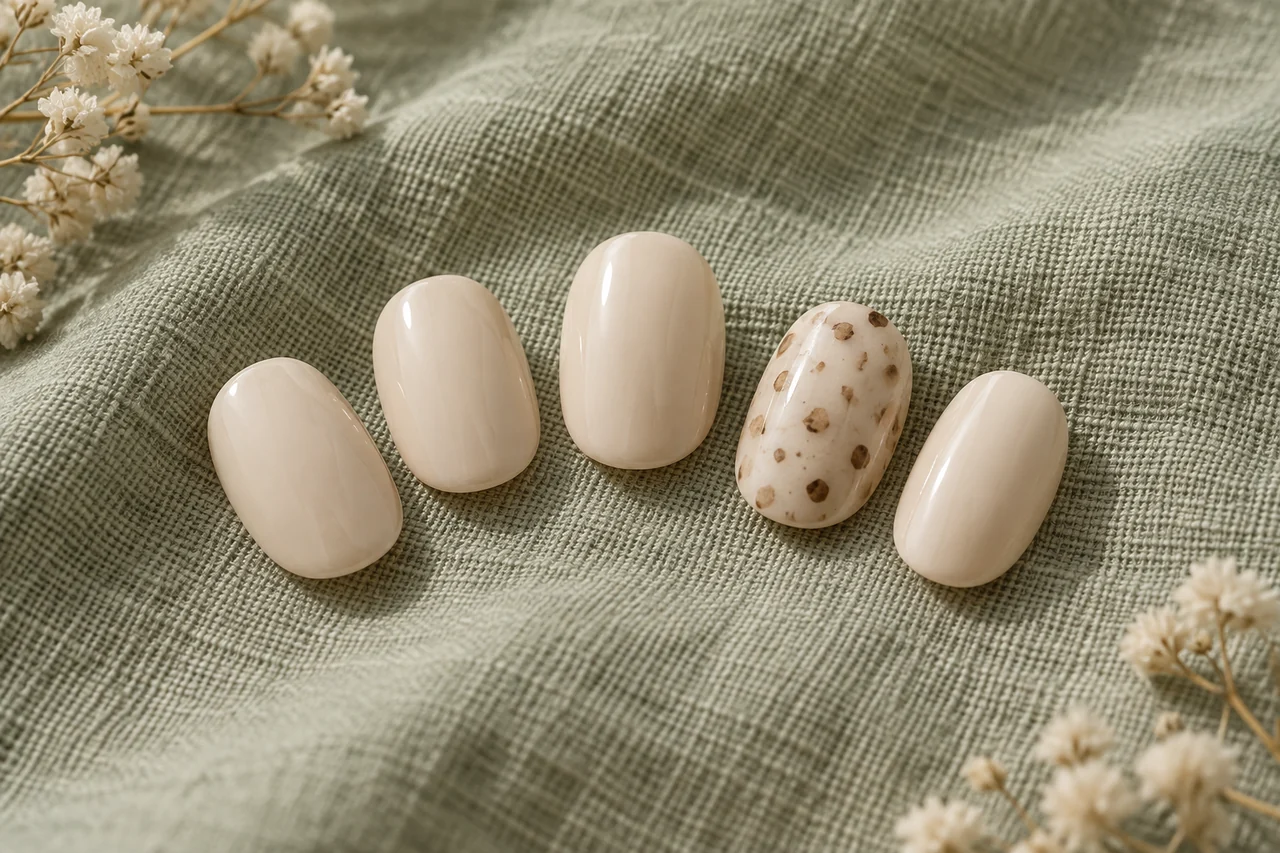
Develop your own spot or stripe motif, compare density and use plain nails as part of the design.
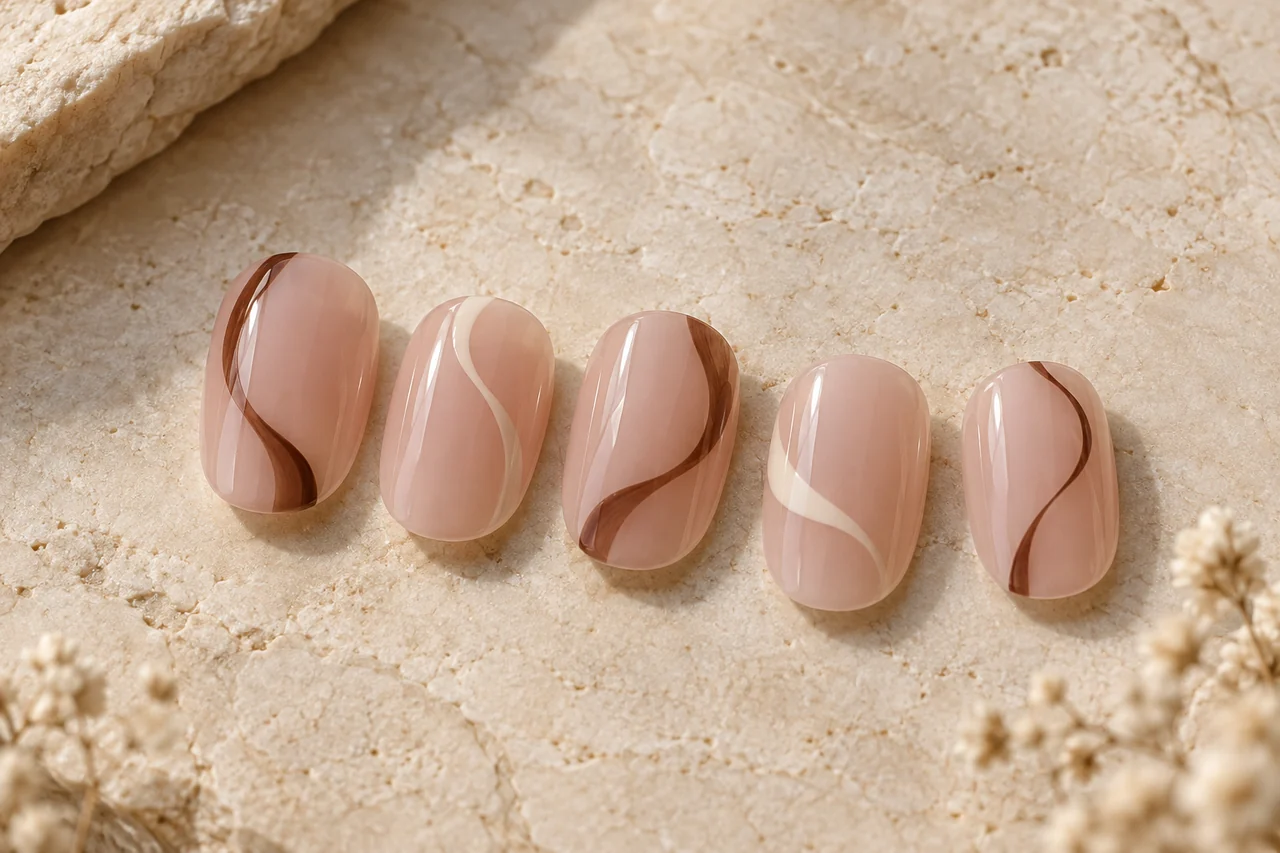
Plan a clear curve, its endpoints and the space around it before adding more lines or colours.
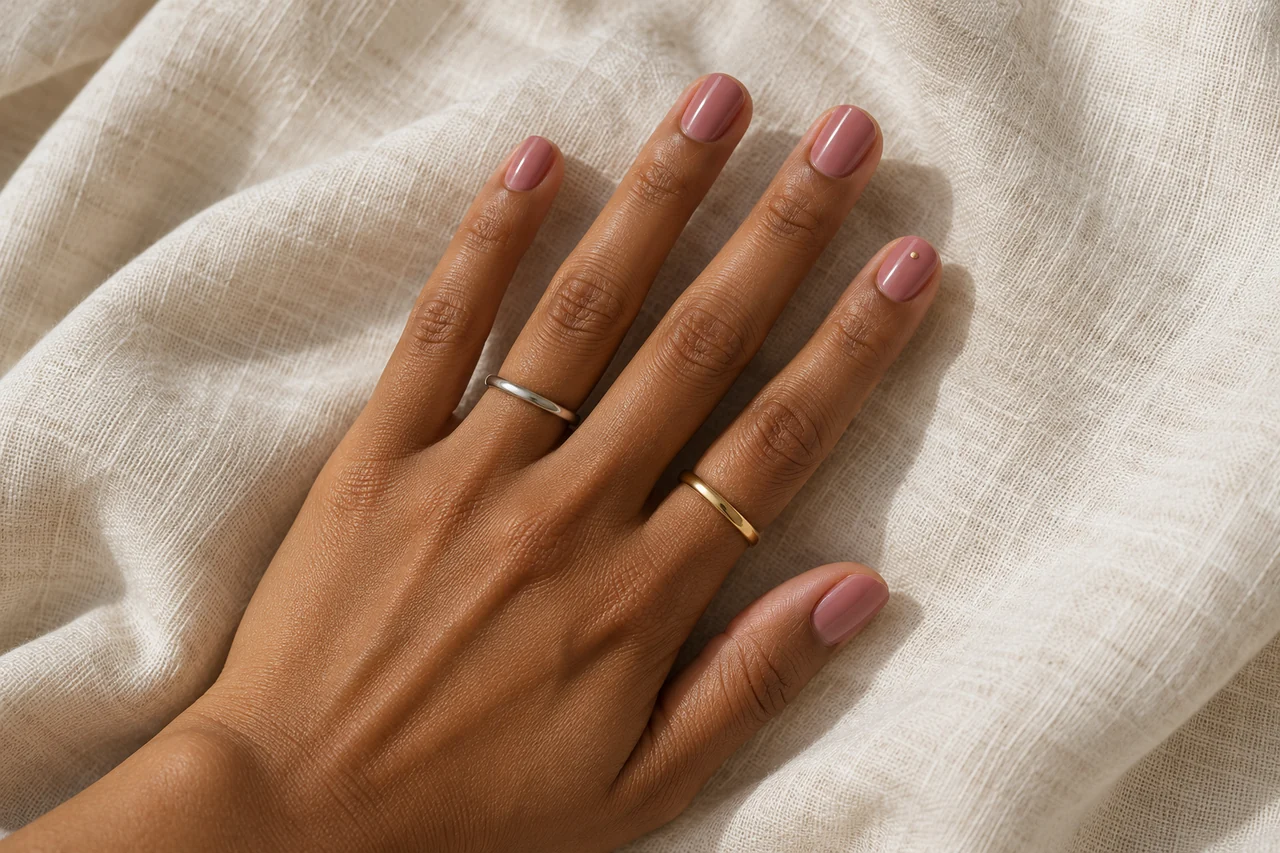
Compare your actual rings with colour, shine and nail accents without assuming that metals must match.
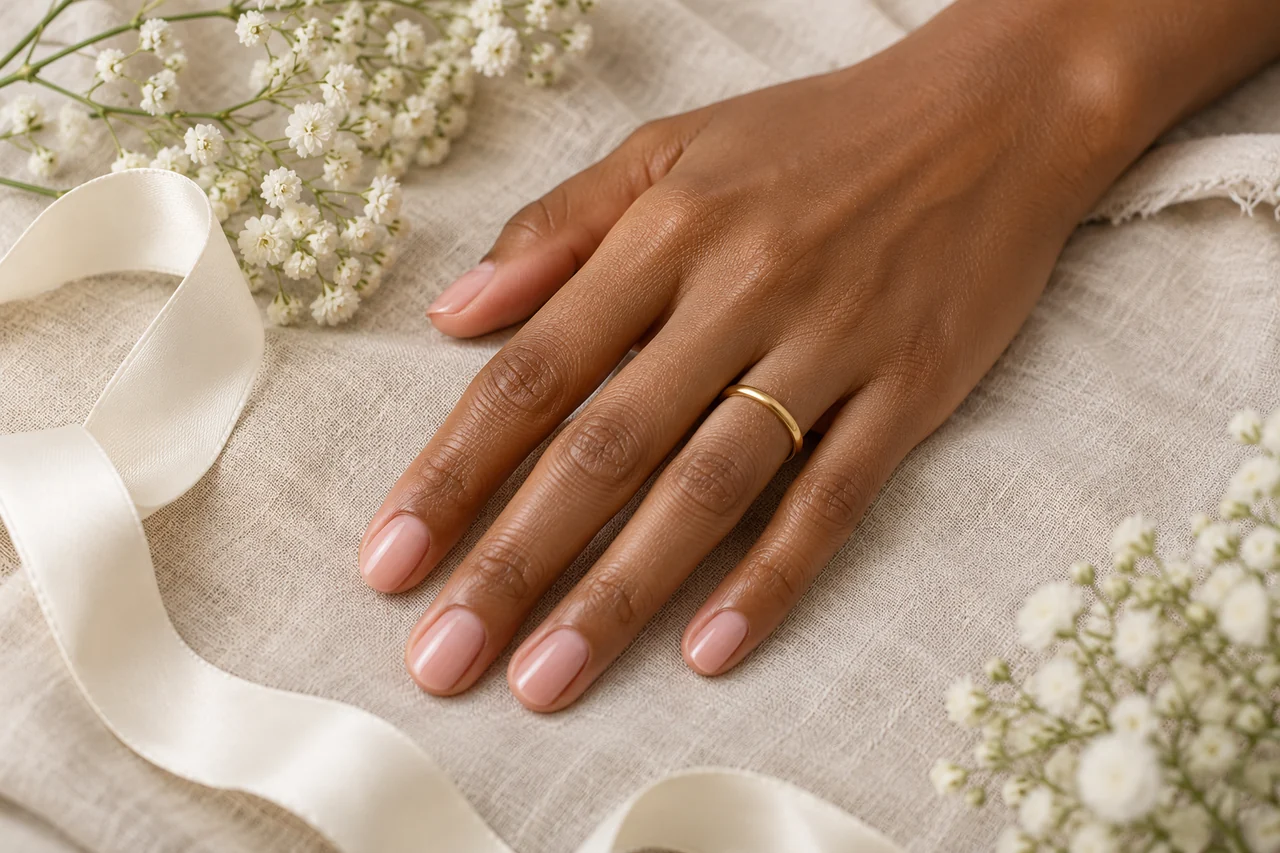
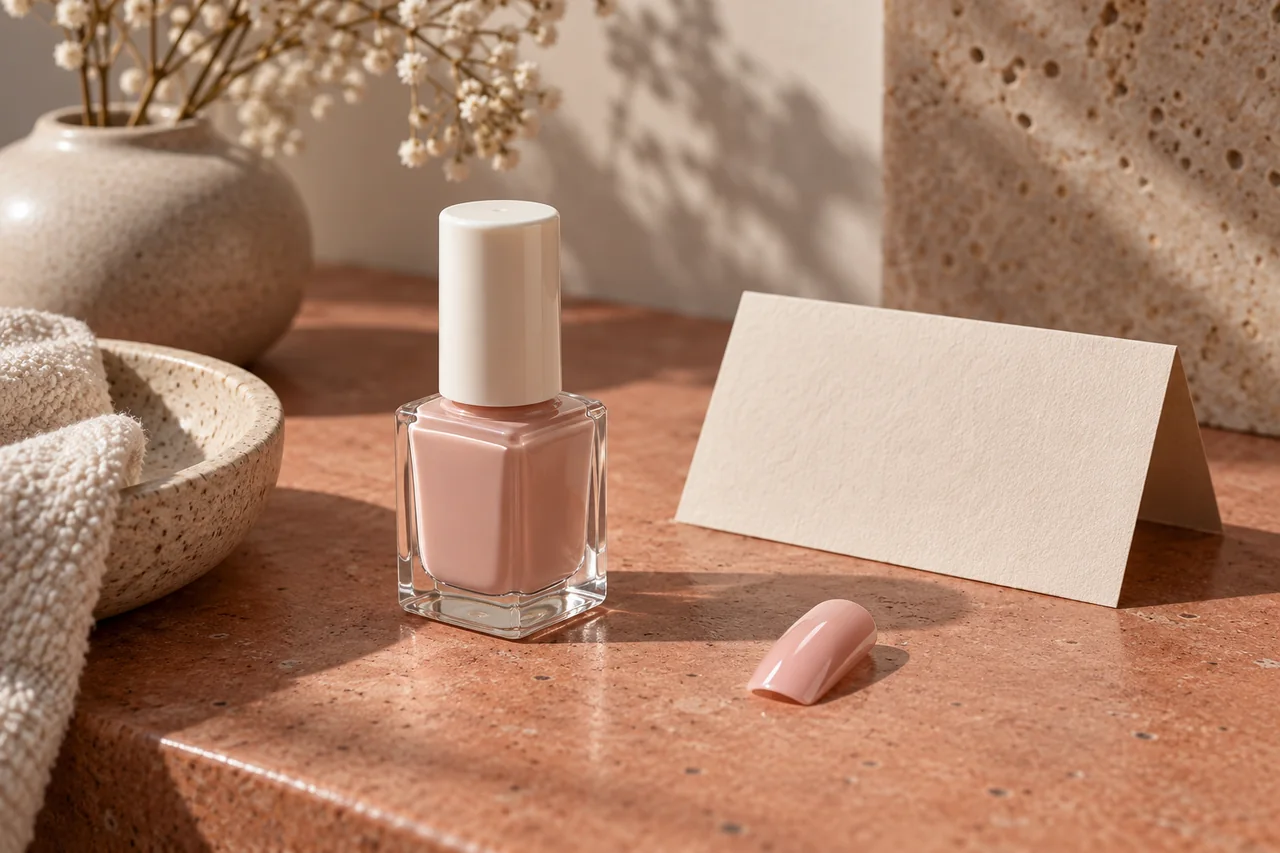
Compare sheer, opaque and deliberately contrasting neutral nail colours without a rigid skin-tone rule.
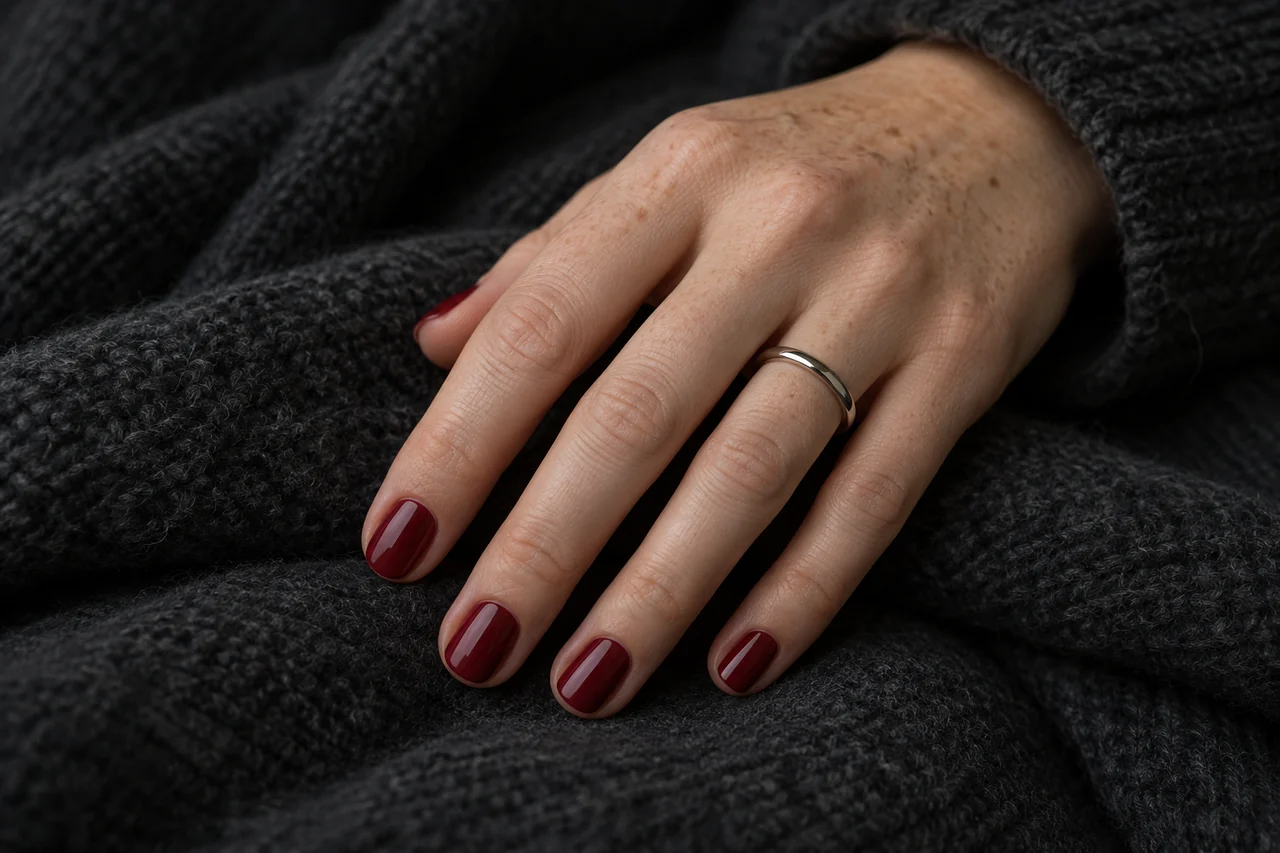
Choose the dark colour character you actually see and compare opacity, shine and accents on your existing nail shape.
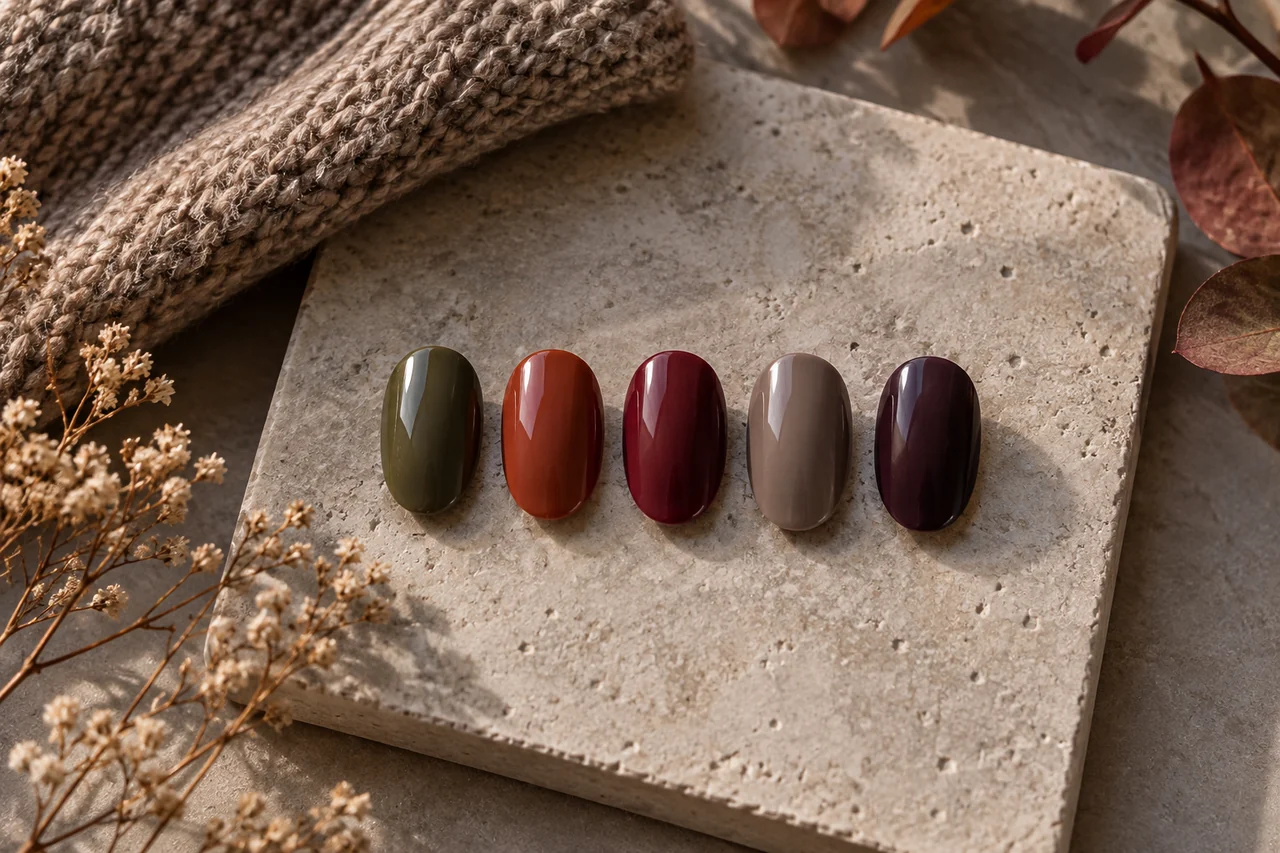
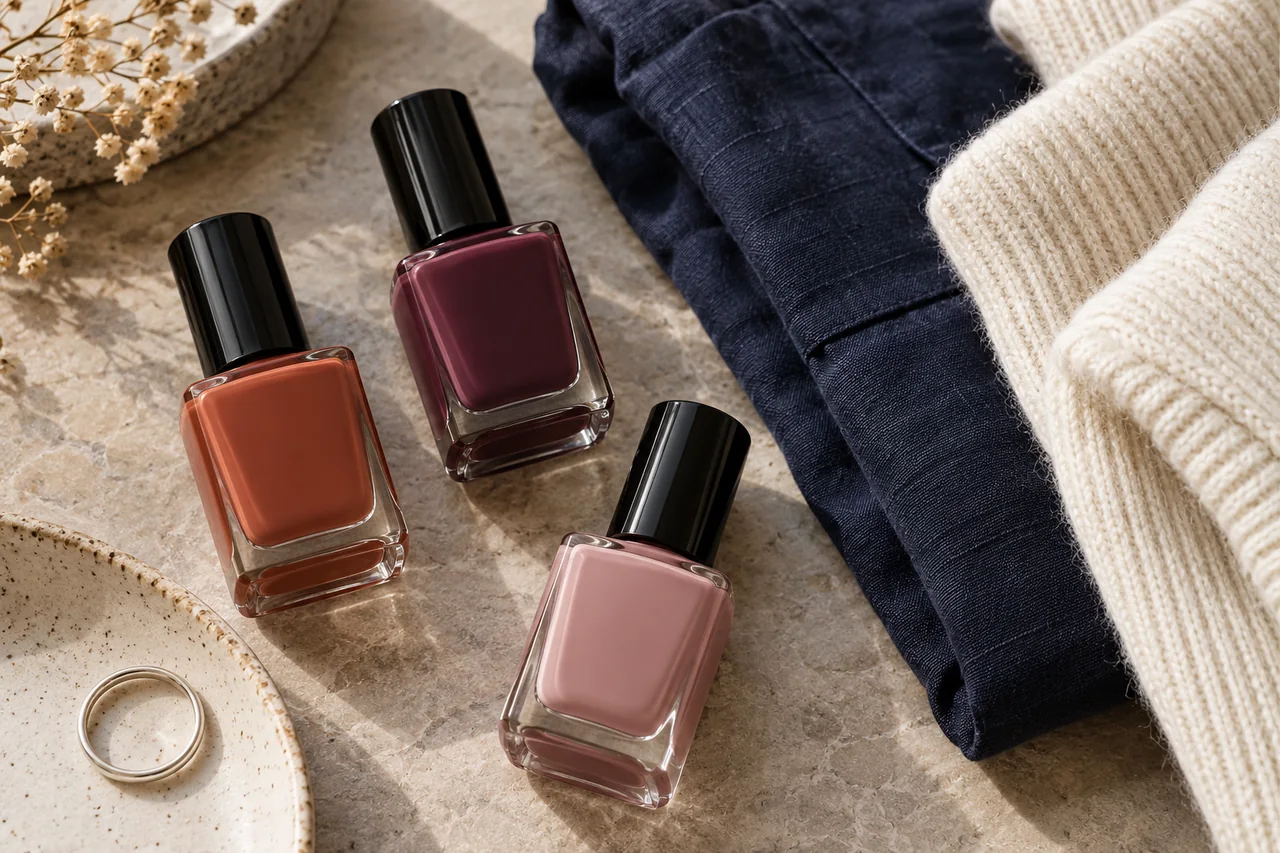
Reorganise existing colours around real clothes and occasions instead of treating seasonal ideas as a shopping list.
Coordinate a manicure with jewellery, clothes and your schedule using a practical trial and a familiar backup.
Check comfortable length through ordinary work tasks, then choose colour and design within actual workplace requirements.
Plan bright flat designs around travel, clothing and real hand tasks, with a sensible alternative for changes.
Choose familiar length and a realistic upkeep plan, including suitable removal and current transport checks.
Plan accent position, contrast and motif size while letting plain nails provide an intentional frame.
Compare round, oval, square and squoval nails through the shape you like and the tasks your hands need to do.
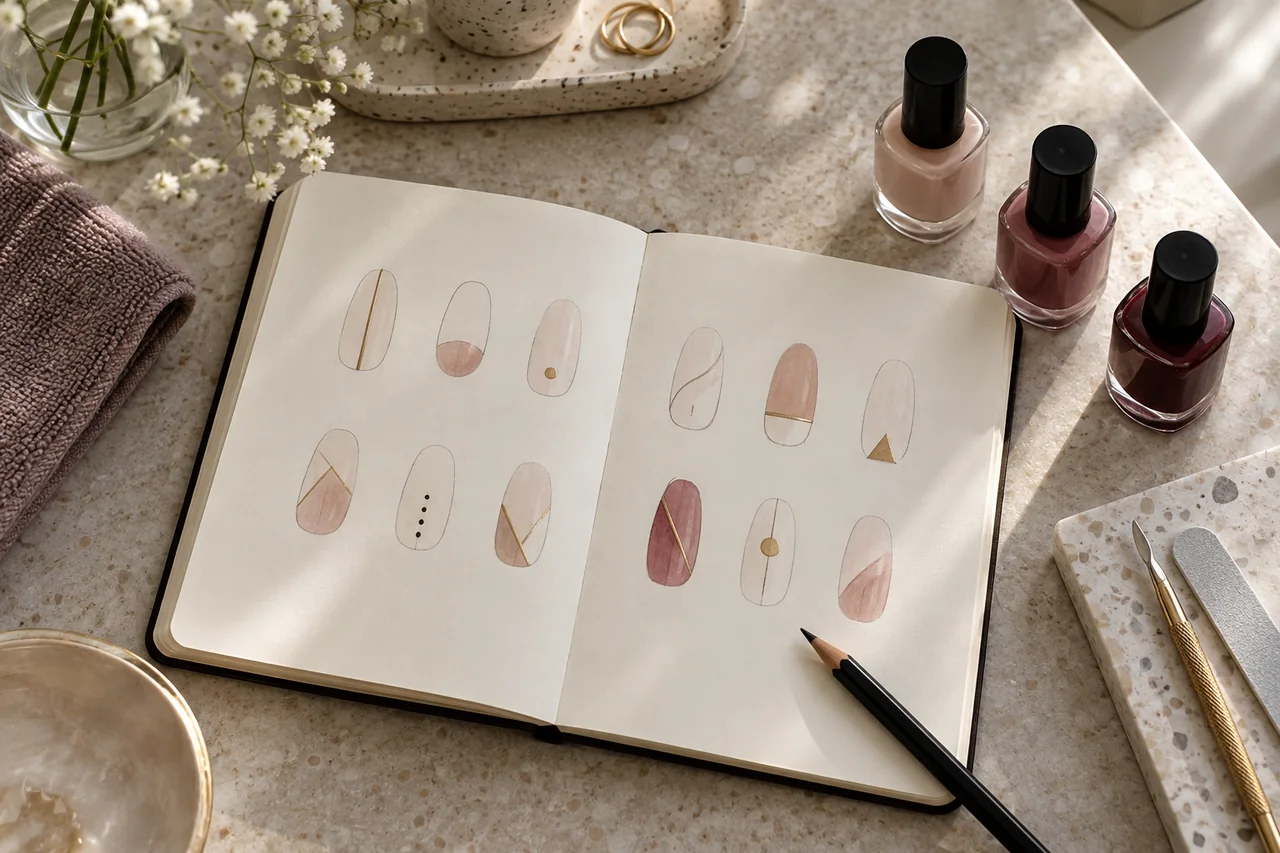
Plan short-nail designs at roughly actual size and compare colour, tips and accents without unnecessary complexity.
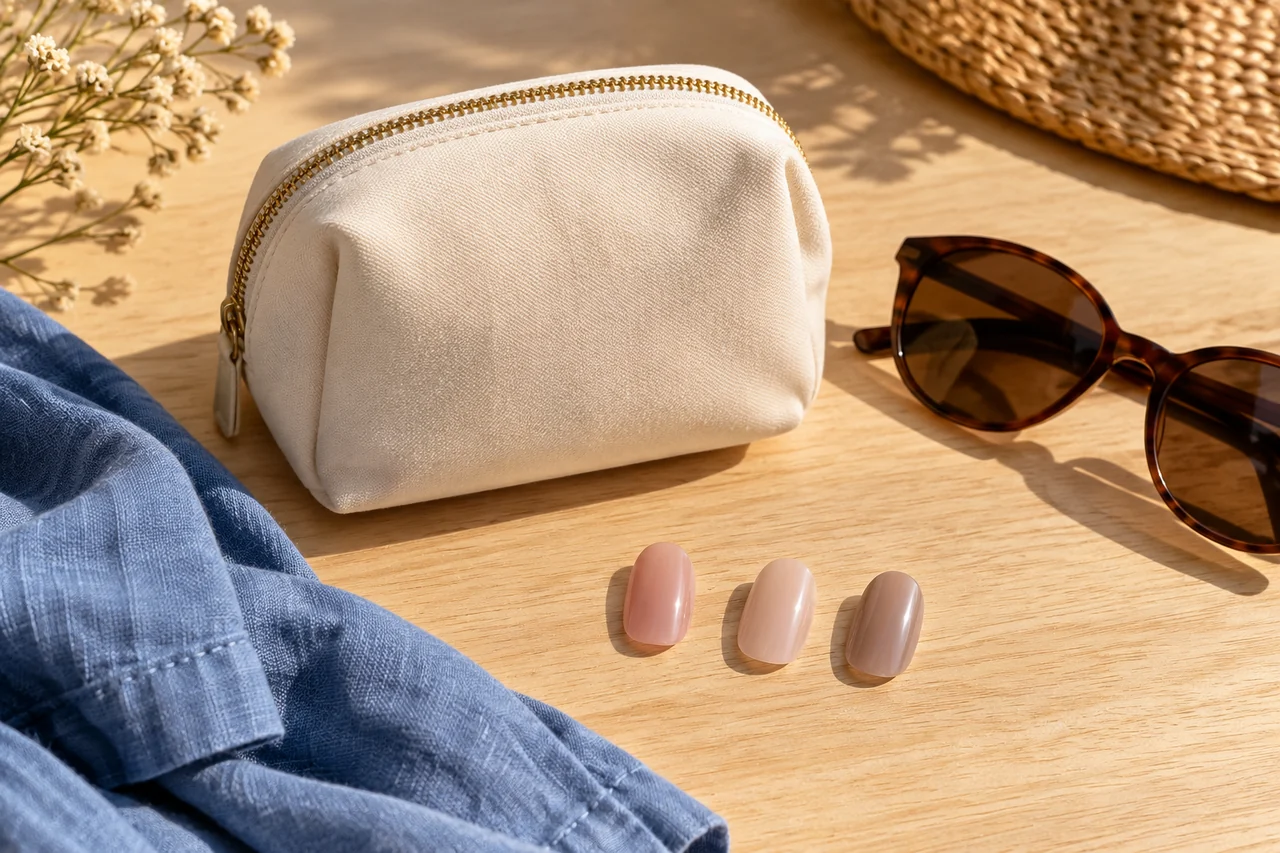
Build a useful small polish palette by comparing real outfits, jewellery and existing colours in similar light.
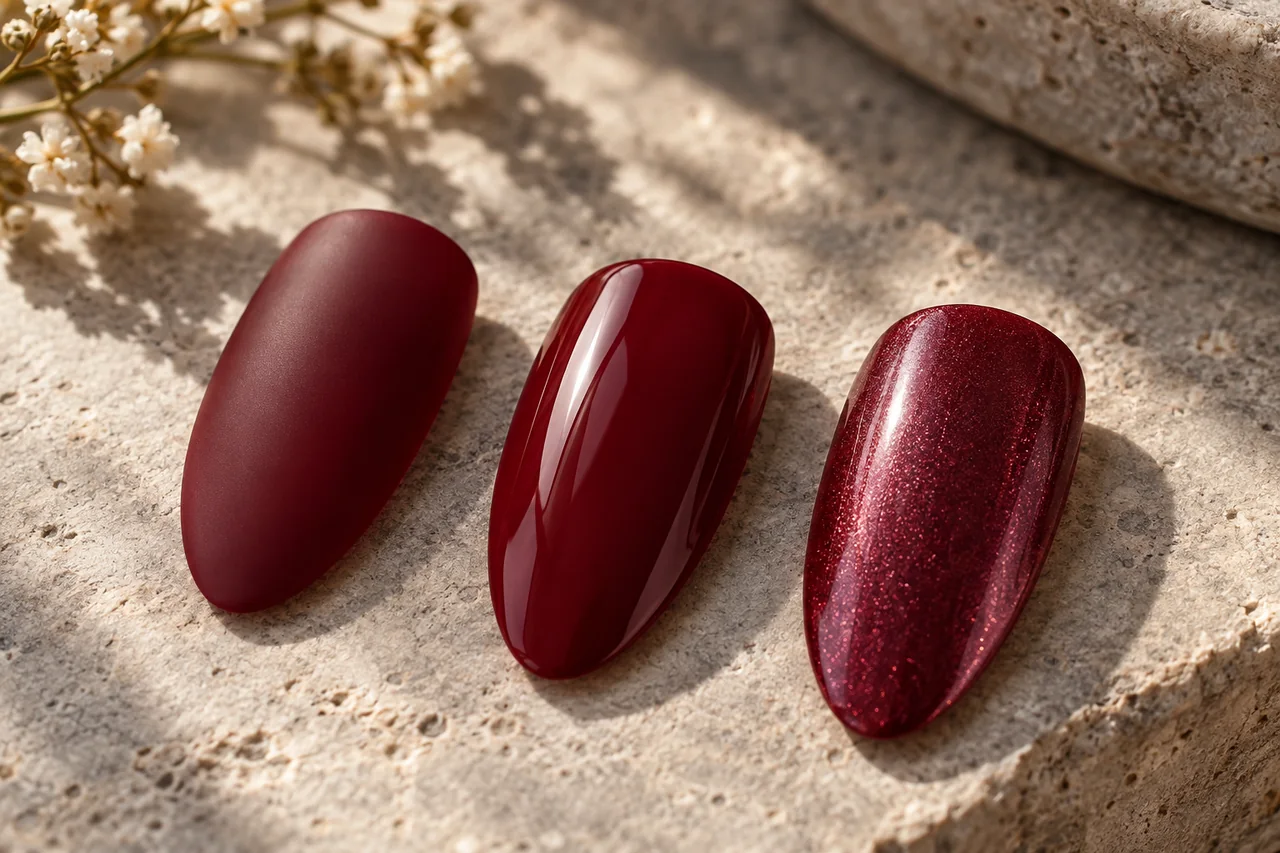
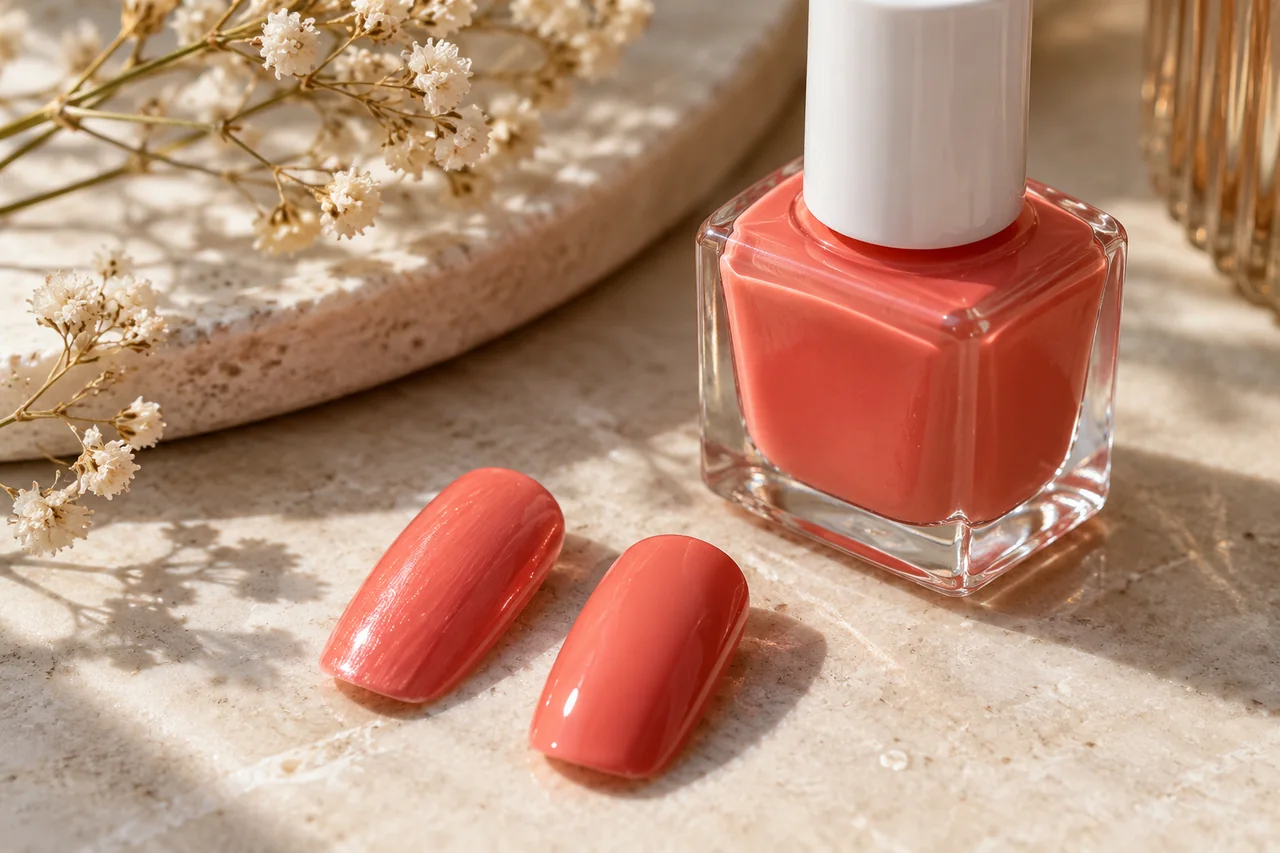
Compare similar nail colours in different finishes and check both appearance and the full application system before choosing.
Compare colour, length, application, removal, appointments and costs before choosing a nail system.
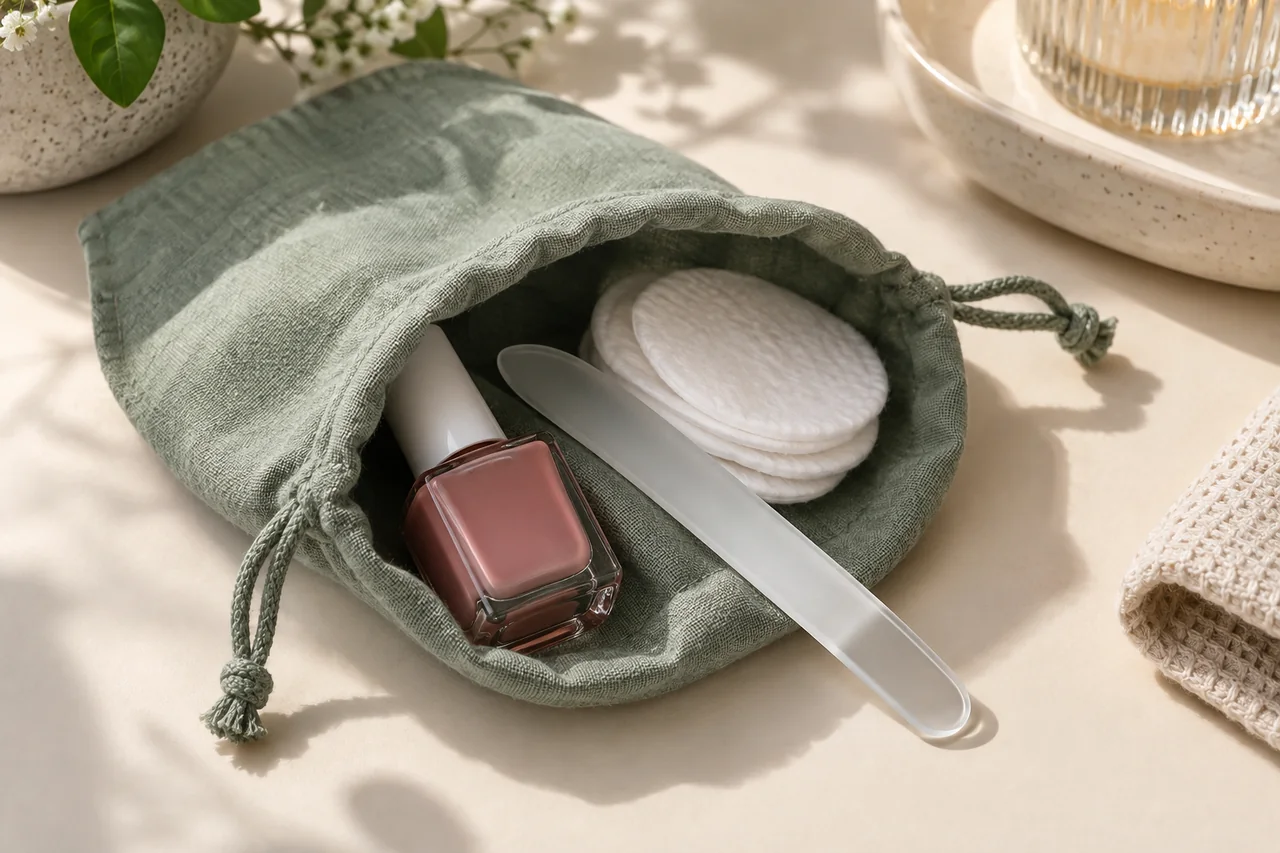
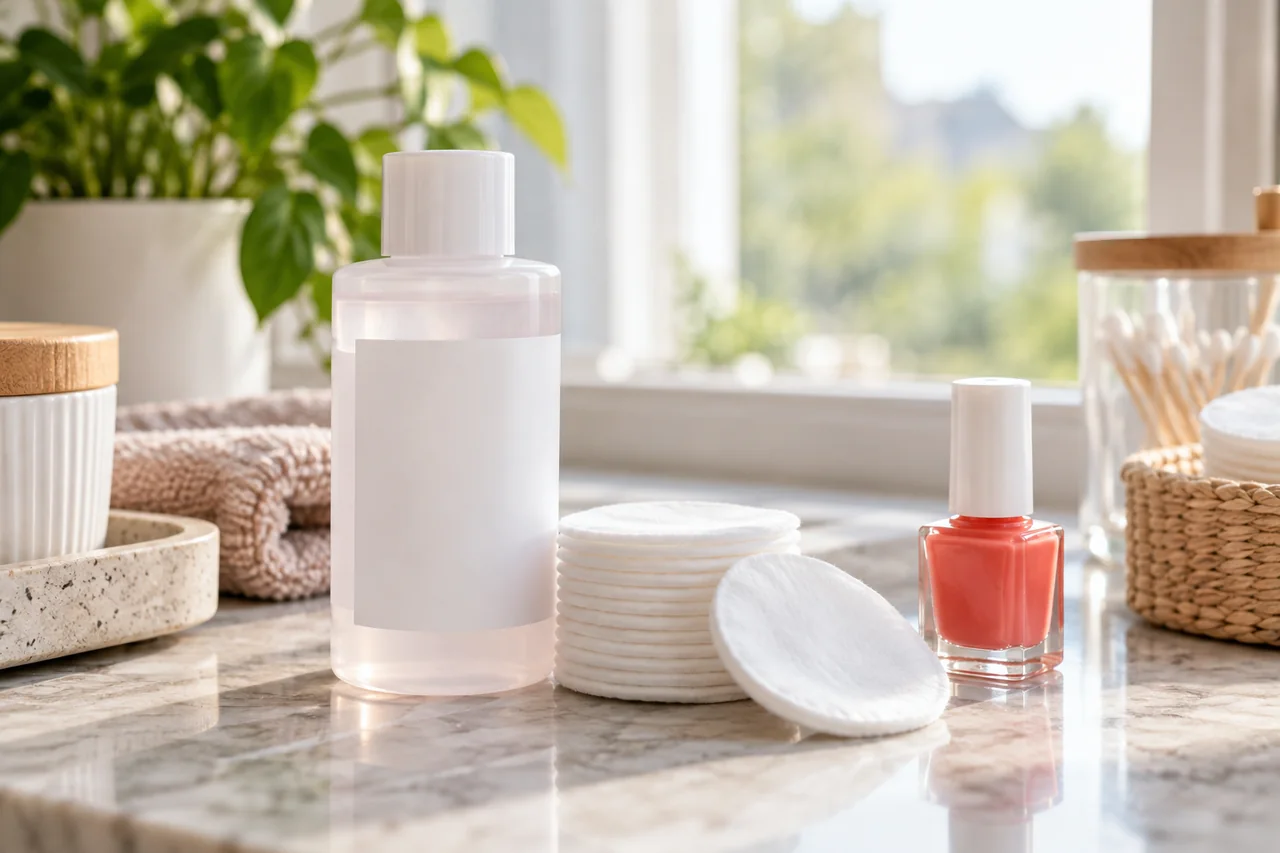
Choose a small understandable polish kit, including removal and storage, instead of buying tools without a clear purpose.
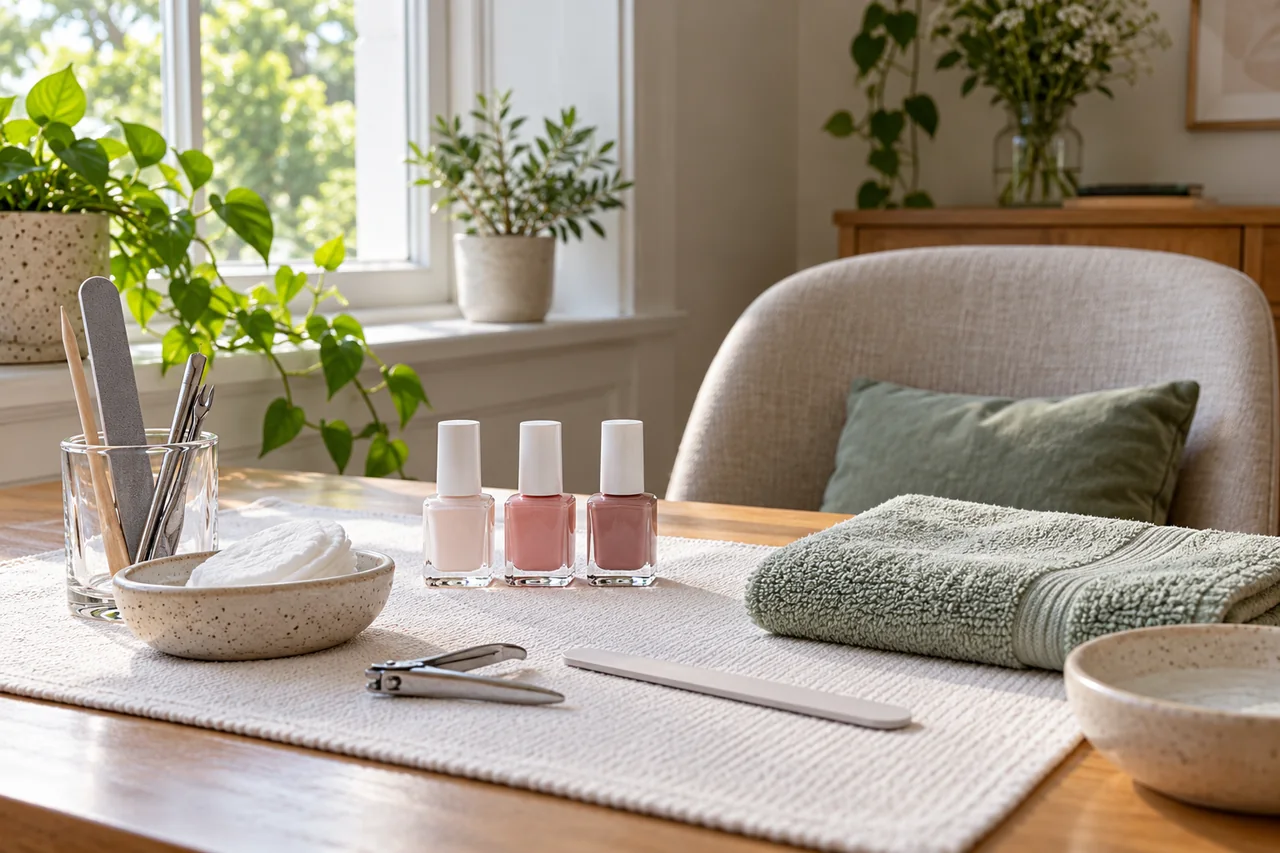
Prepare your workspace, follow the intended layer sequence and leave enough quiet time for a manageable home manicure.
Describe the polish-film problem, check instructions and compare a single application change without improvised fixes.
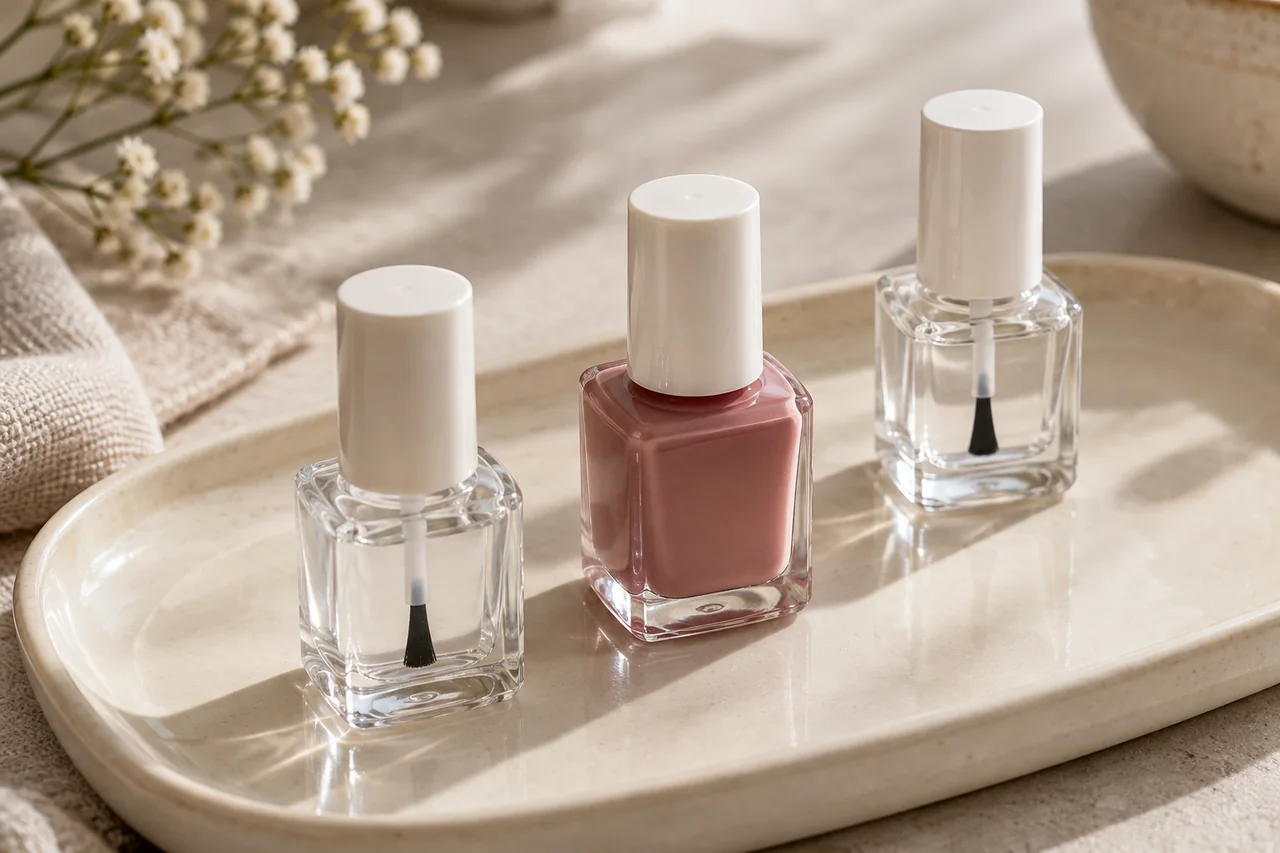
Match each nail product to its intended role and follow the actual system instead of adding unnecessary layers.
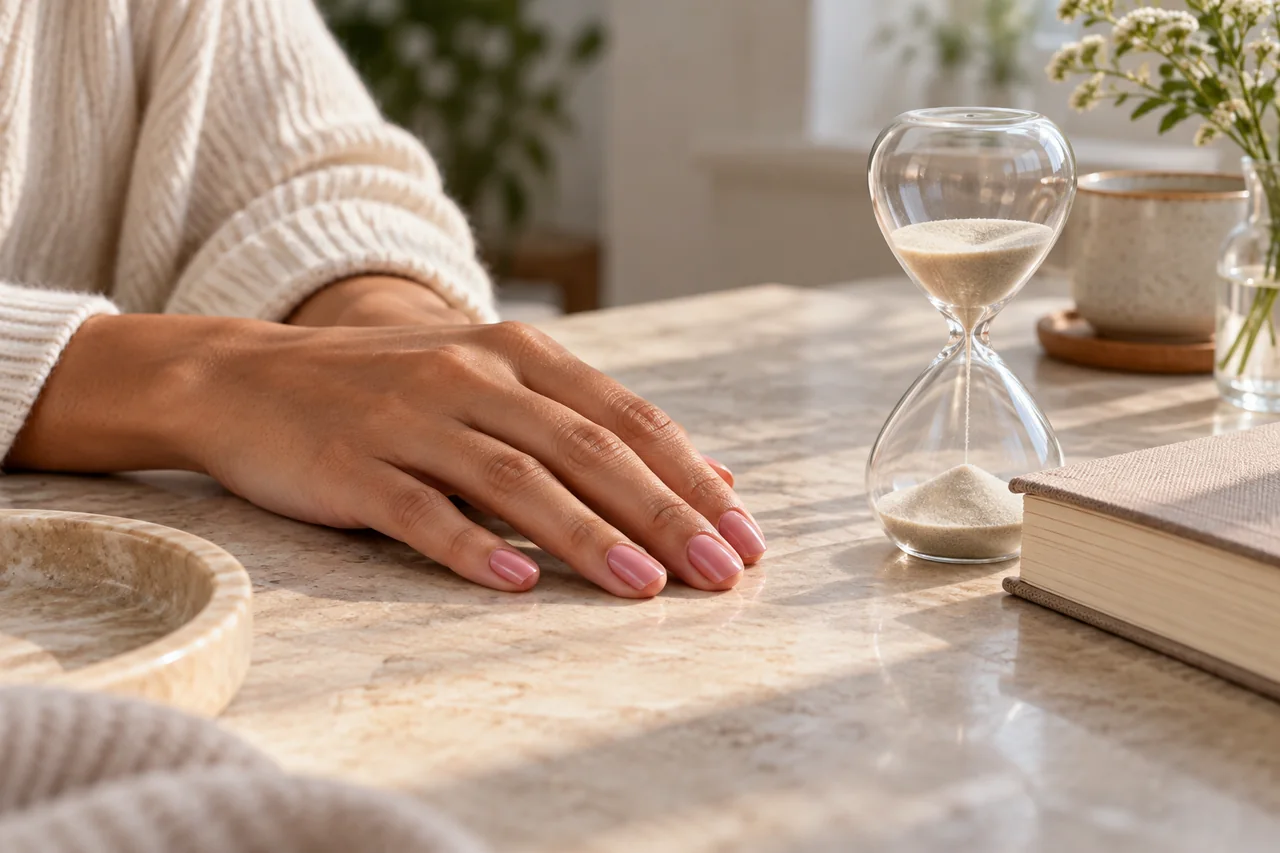
Work backwards from your next activity, follow the polish instructions and prepare a quiet drying period.
Choose a remover for the actual coating and plan professional help when the material or removal process is unclear.
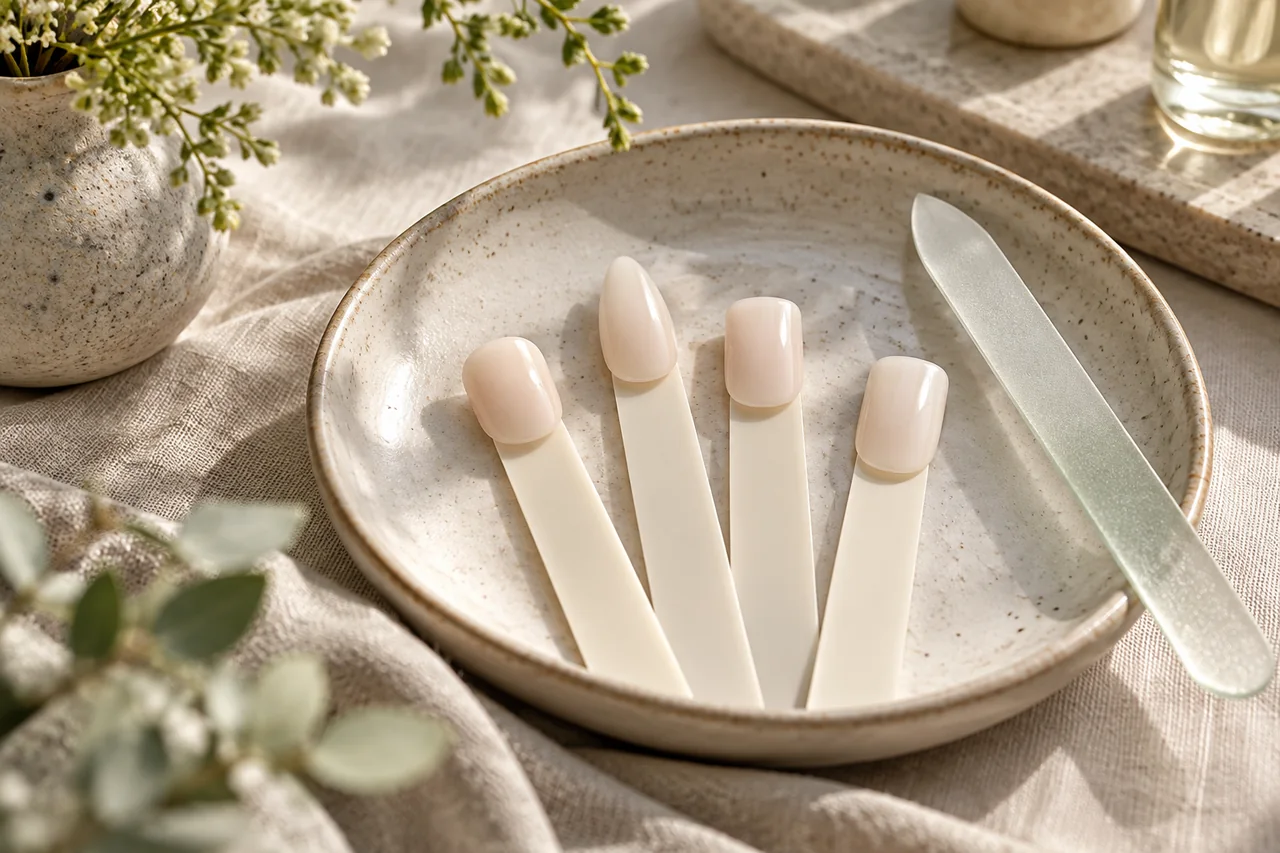
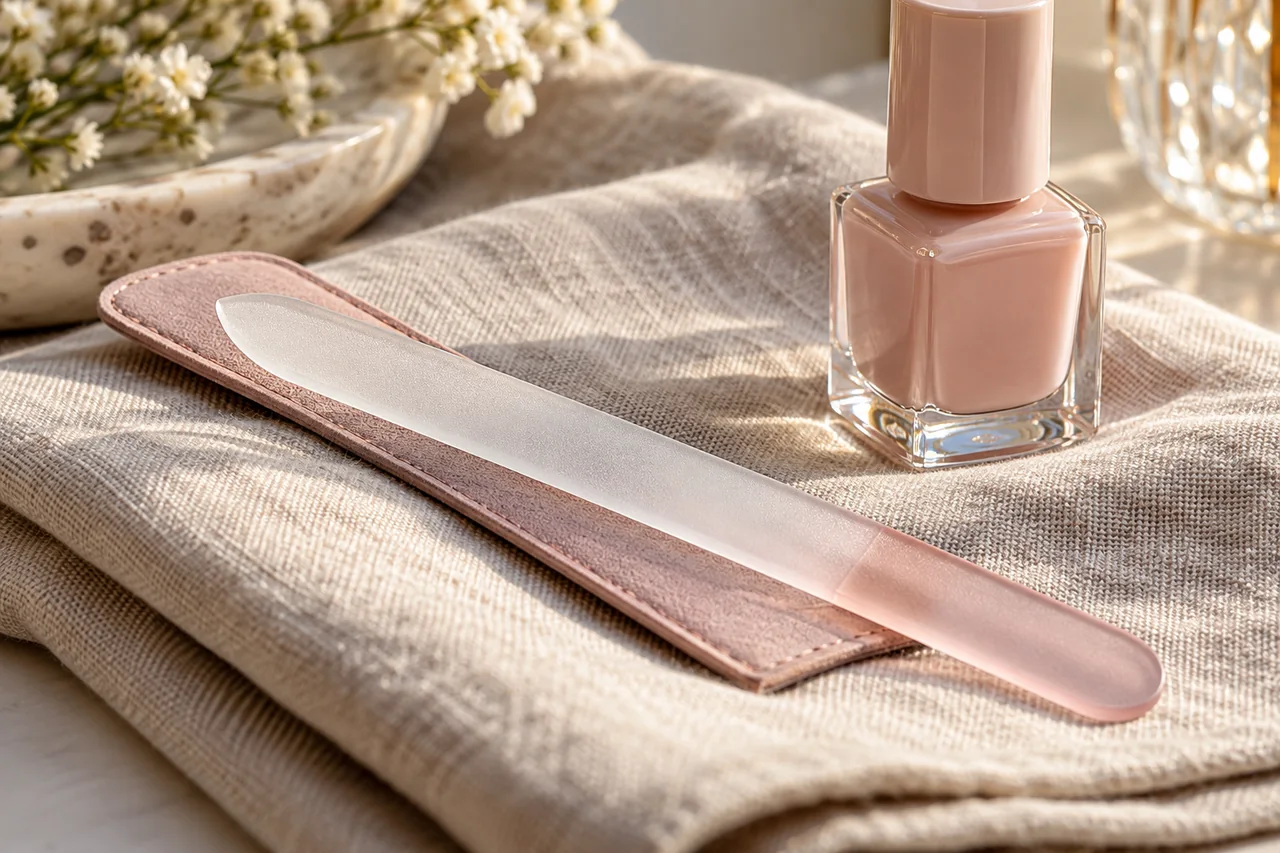
Choose a suitable file, work gently on the free edge and compare the shape without chasing perfect symmetry.
Keep natural cuticles out of the perfection contest and plan a simple routine with clear salon boundaries.
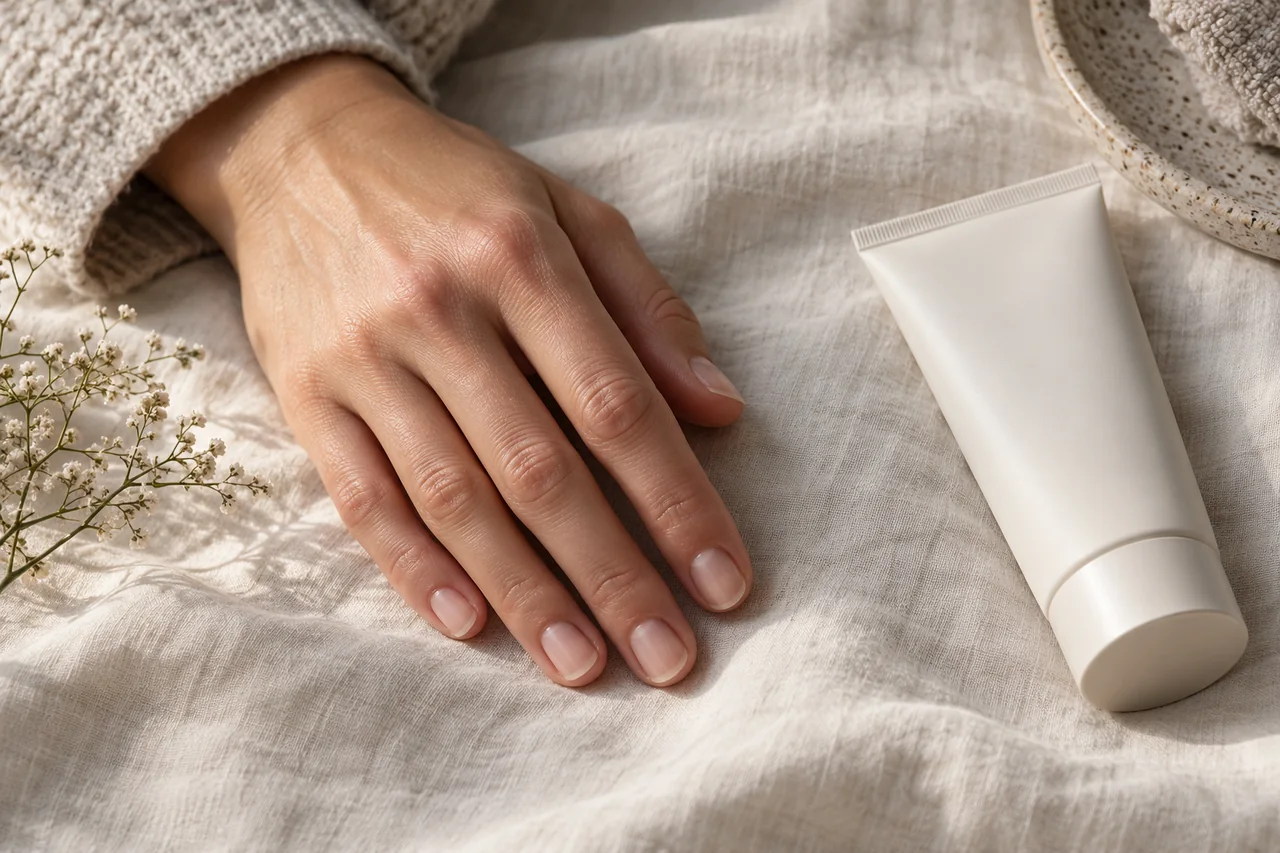
Choose an accessible care step, plan polish preparation separately and seek advice for persistent hand or nail symptoms.
Keep used and prepared tools separate and follow material-specific care instructions without confusing cleanliness with sterility.
Identify the product, intended user, warnings and expiry information, and keep a complete record for questions or reactions.
Understand the EU scope of the TPO ban and ask specific questions about products, old stock and treatment.
Stop further cosmetic experiments, record the products and timing, and seek medical advice according to the symptoms.
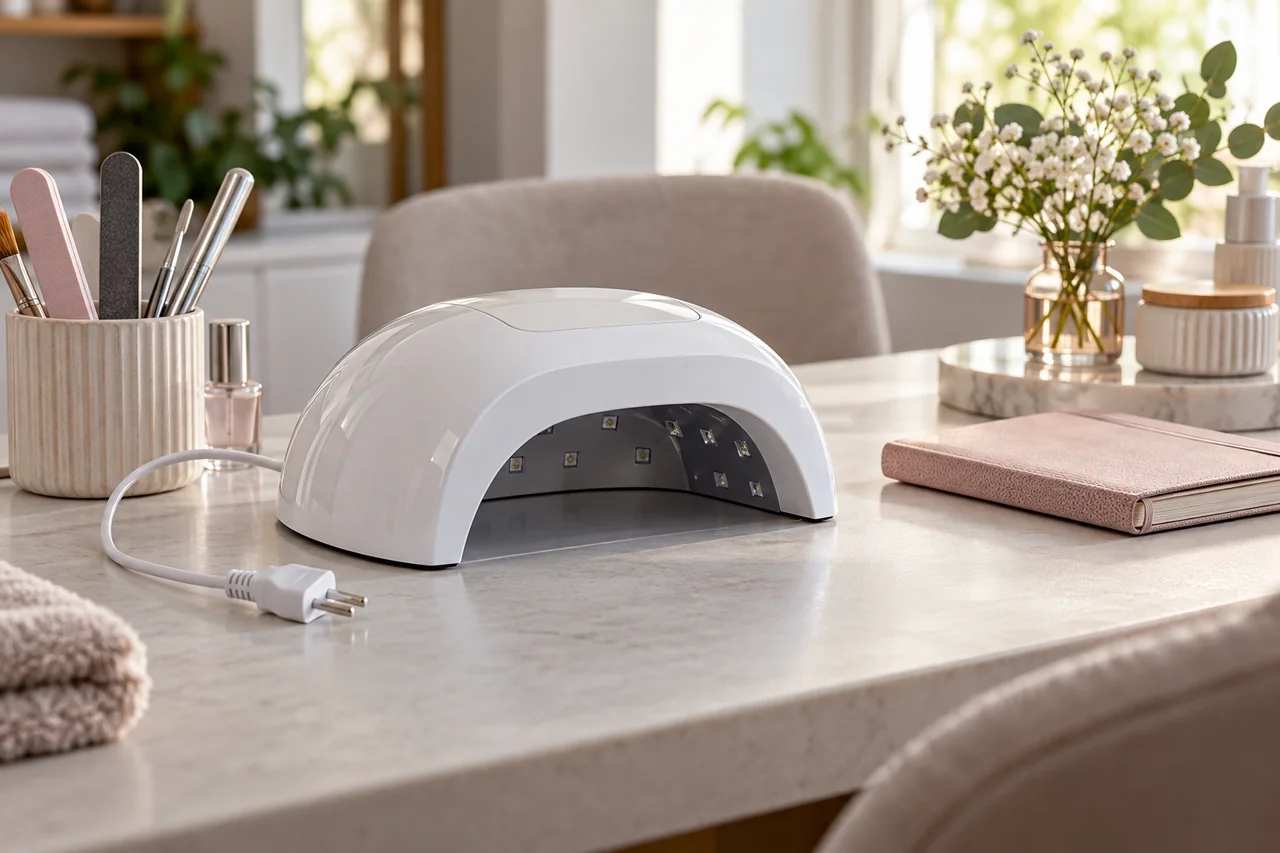
Discuss the matched product system, UV exposure, protection options and removal before choosing a gel manicure.
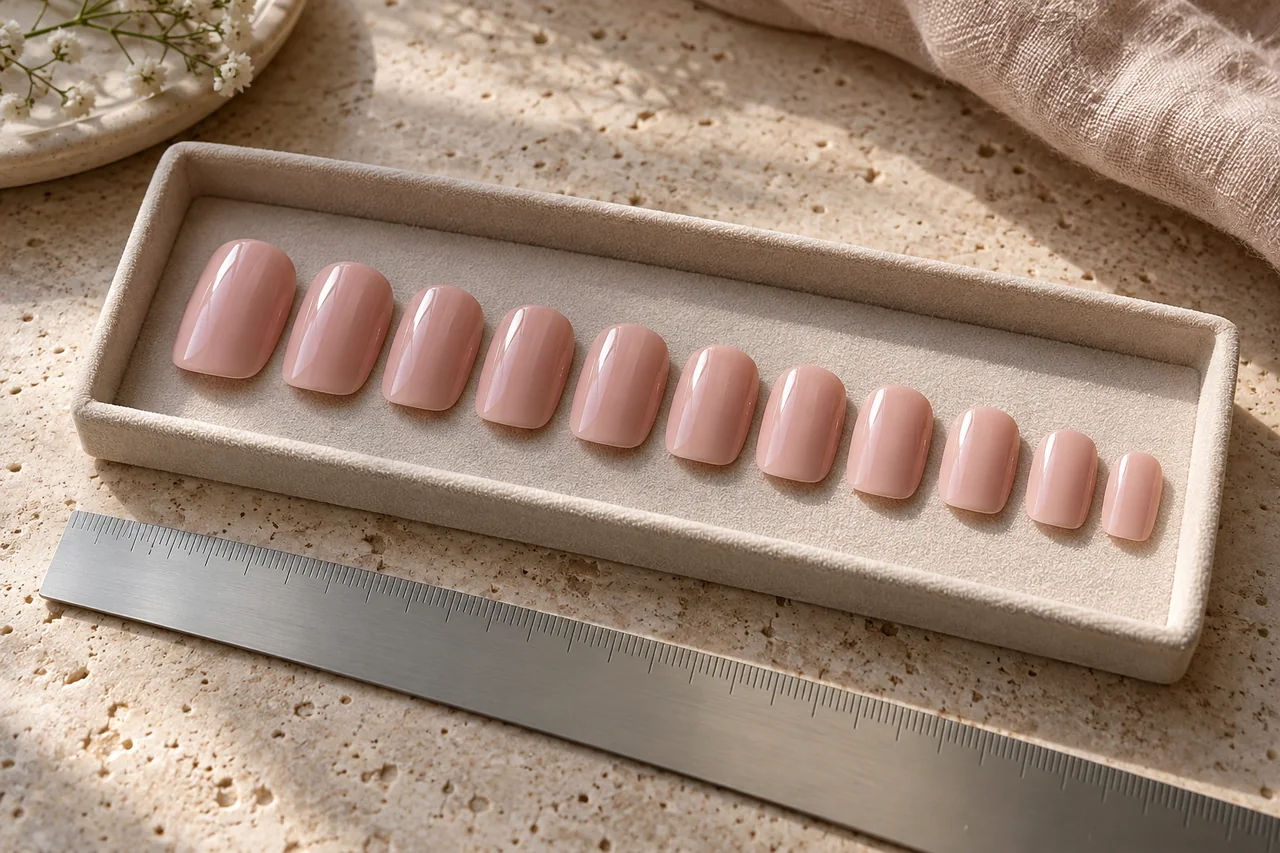
Compare widths, curves, length and the intended attachment and removal process before buying press-on nails.
Compare salons using the same brief and ask about products, tool handling, removal and the complete price.
Turn inspiration into a clear brief covering length, outline, colour, opacity, details and agreed limits.
Use actual appointment dates and complete prices, separating expected spending, reserve funds and time.
Create a small inventory, separate different systems and compare your own colour samples before buying more.
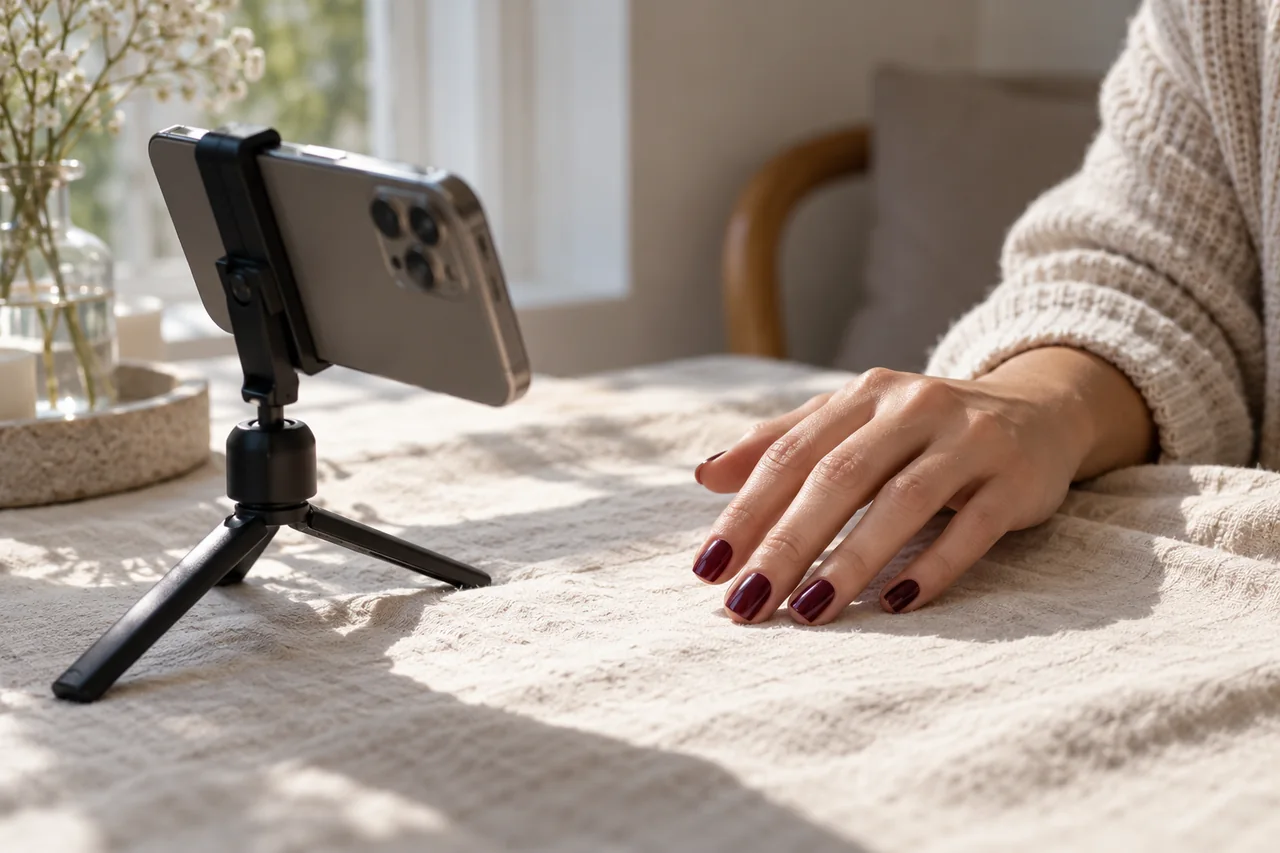
Use steady light, a simple background and repeatable views to document nail colour and design responsibly.