Colour
Make colour analysis useful for your wardrobe
Explore colour, lightness and intensity to build a practical palette around clothes you own and combinations you enjoy.
eu. infopoint
Explore colour relationships and palettes without rigid rules.
Explore colour, lightness and intensity to build a practical palette around clothes you own and combinations you enjoy.
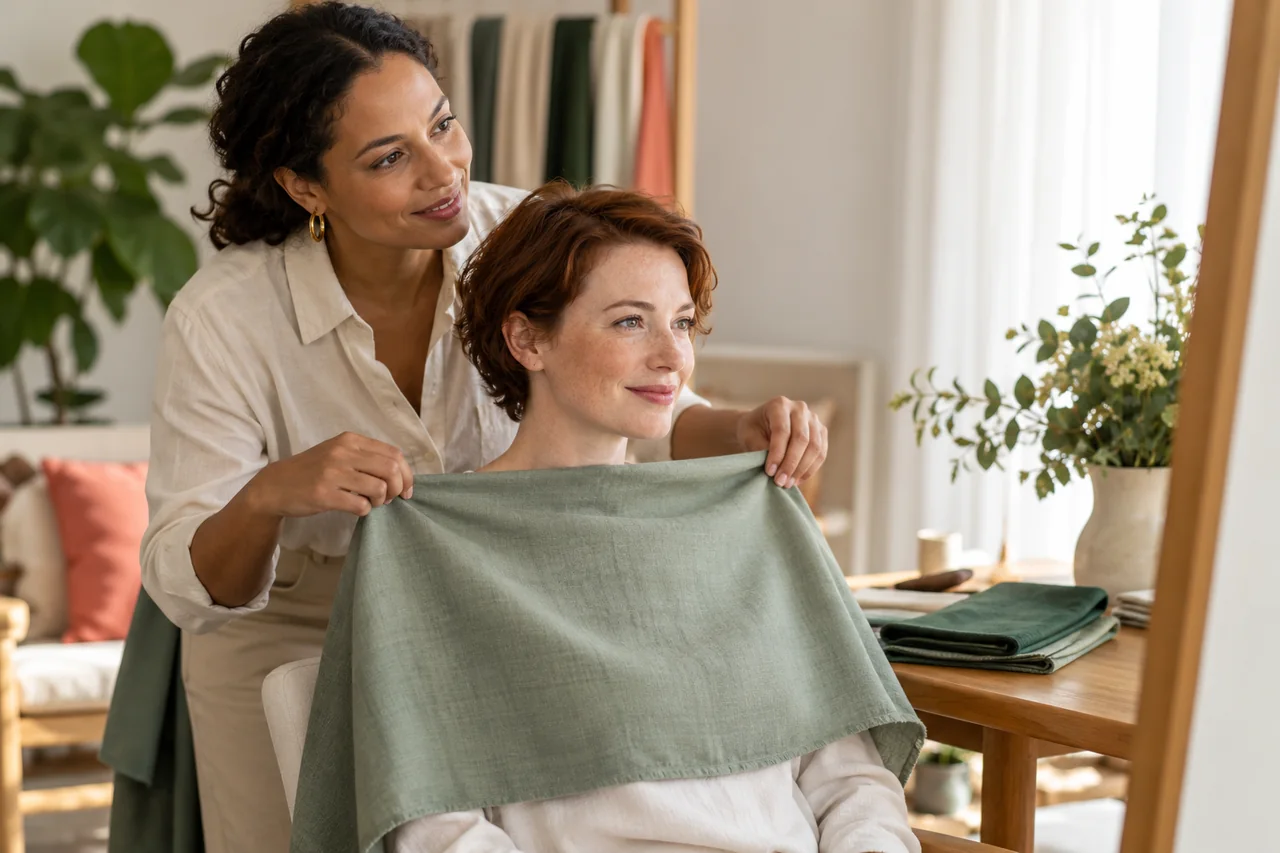
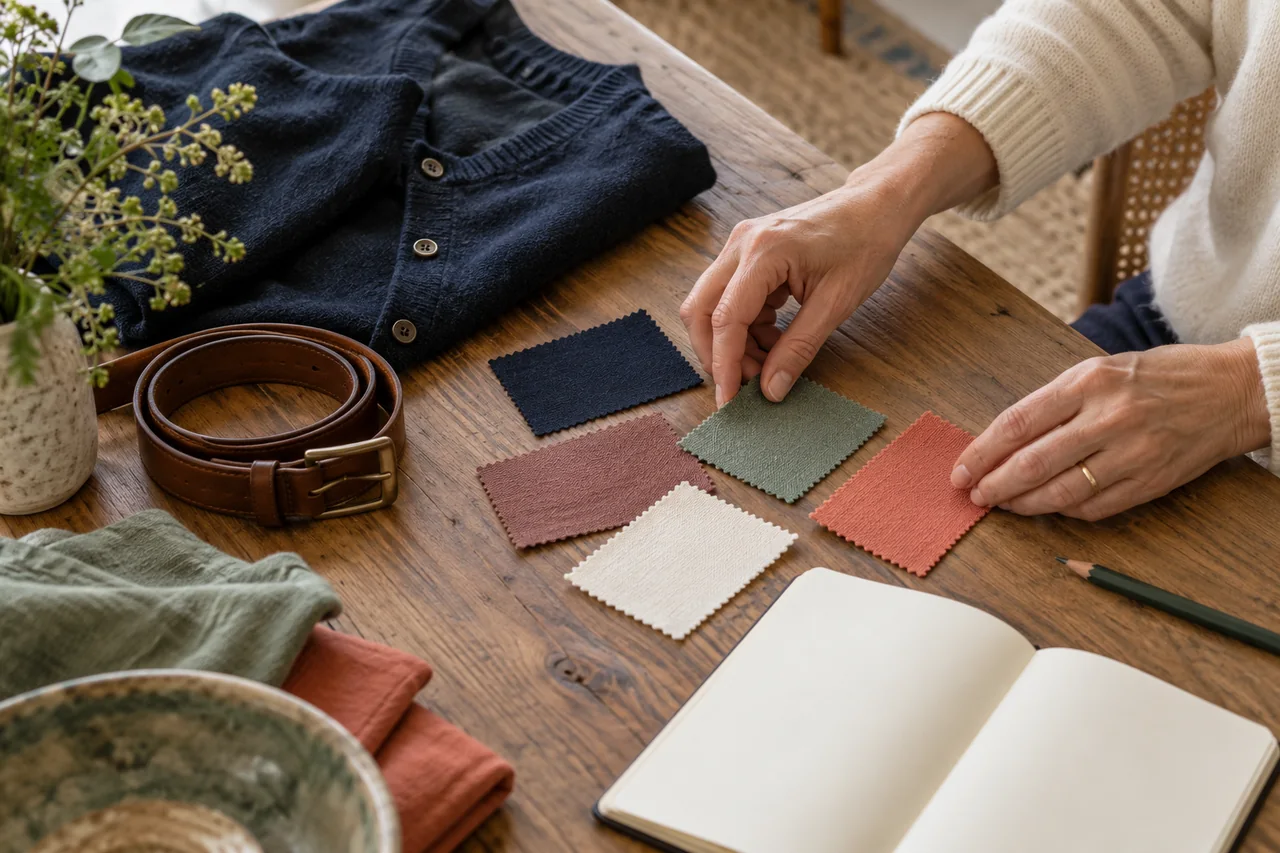
Use comparable fabrics and consistent conditions to identify useful preferences without forcing a seasonal classification.
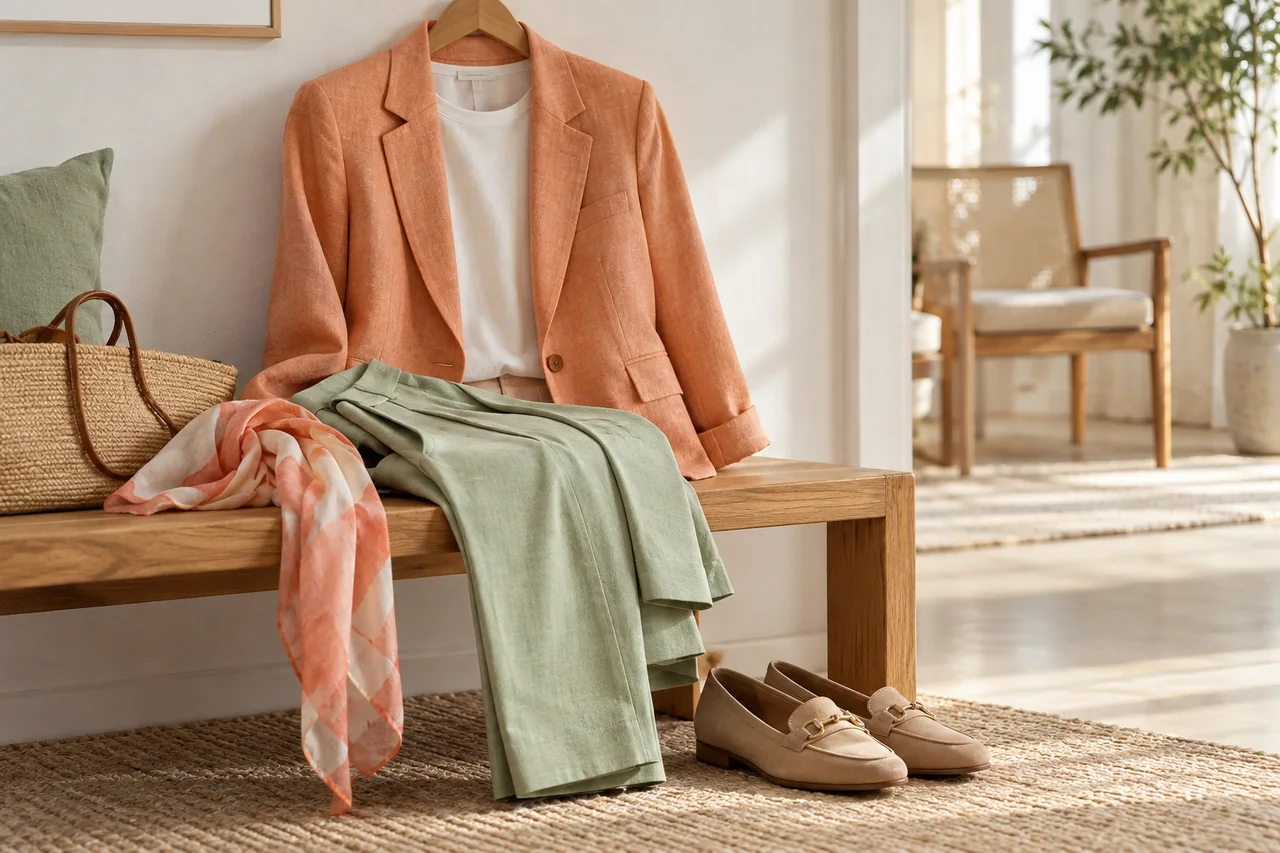
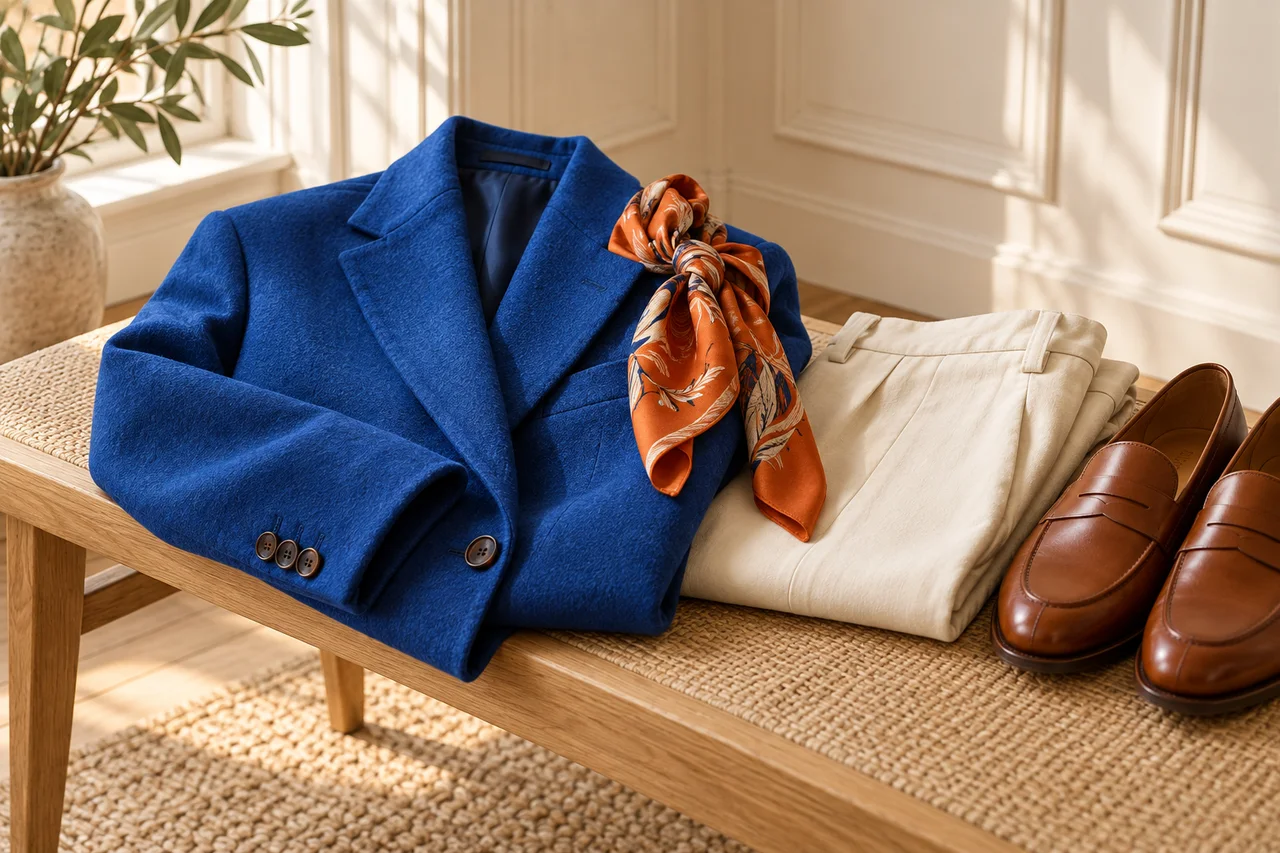
Combine warm, clear colours with dependable bases, simple shapes and the levels of brightness you actually enjoy.
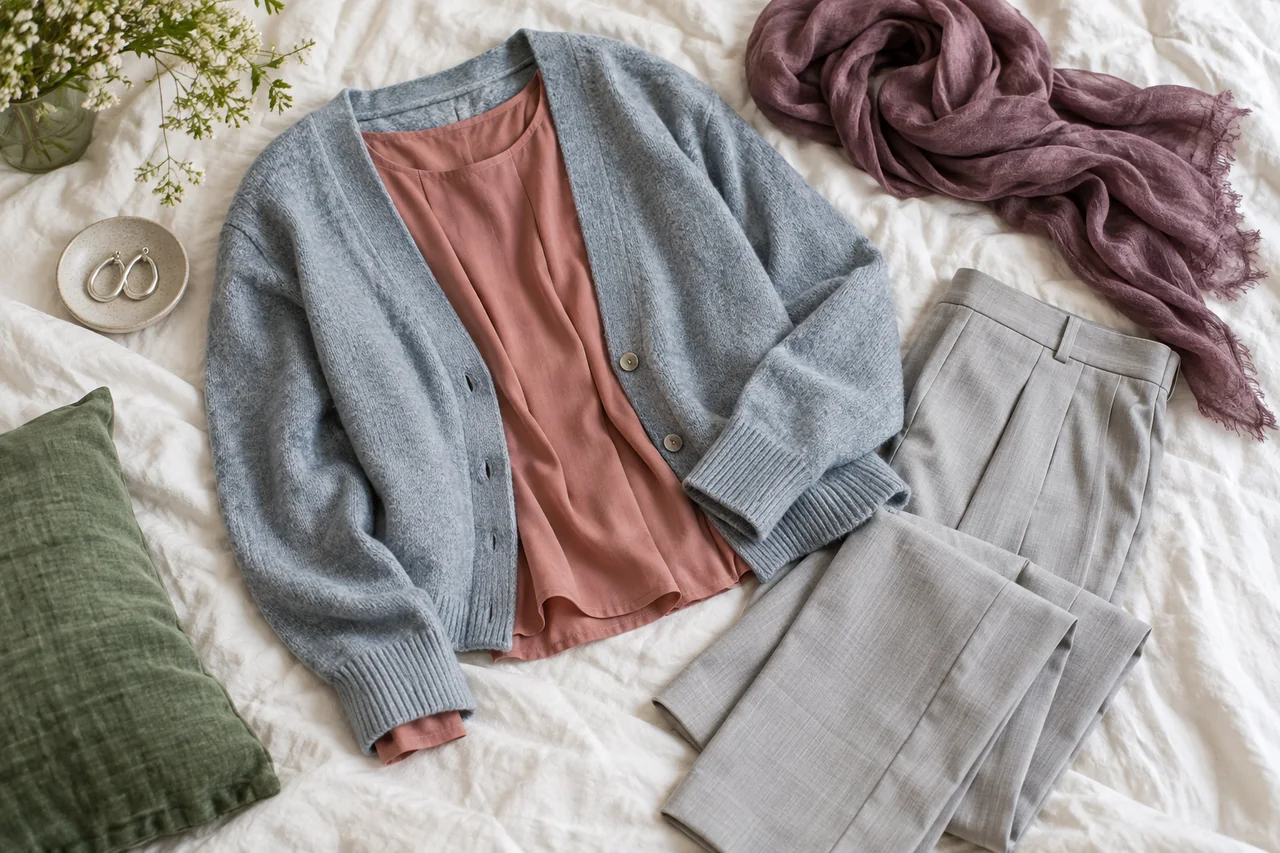
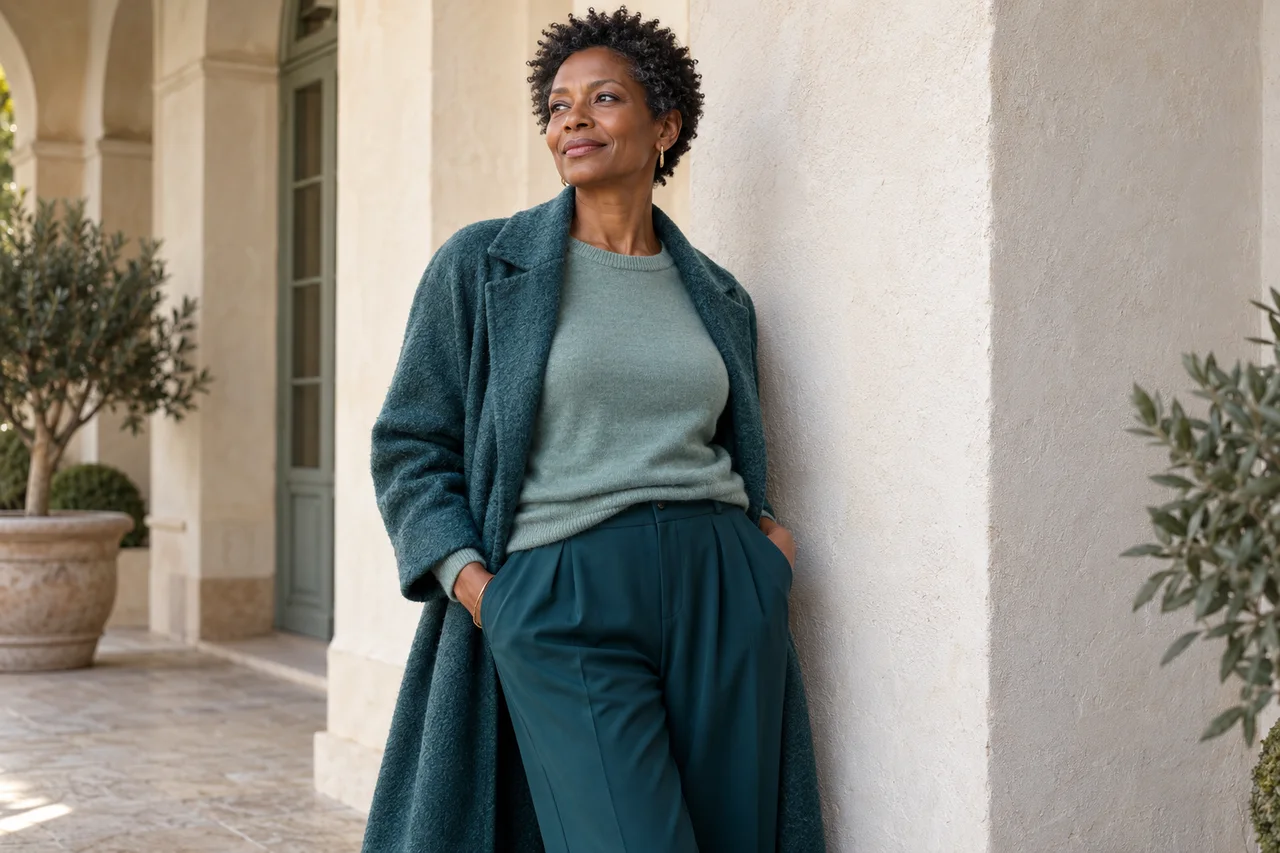
Build expressive outfits from cool, muted shades using depth, texture and deliberate contrast.
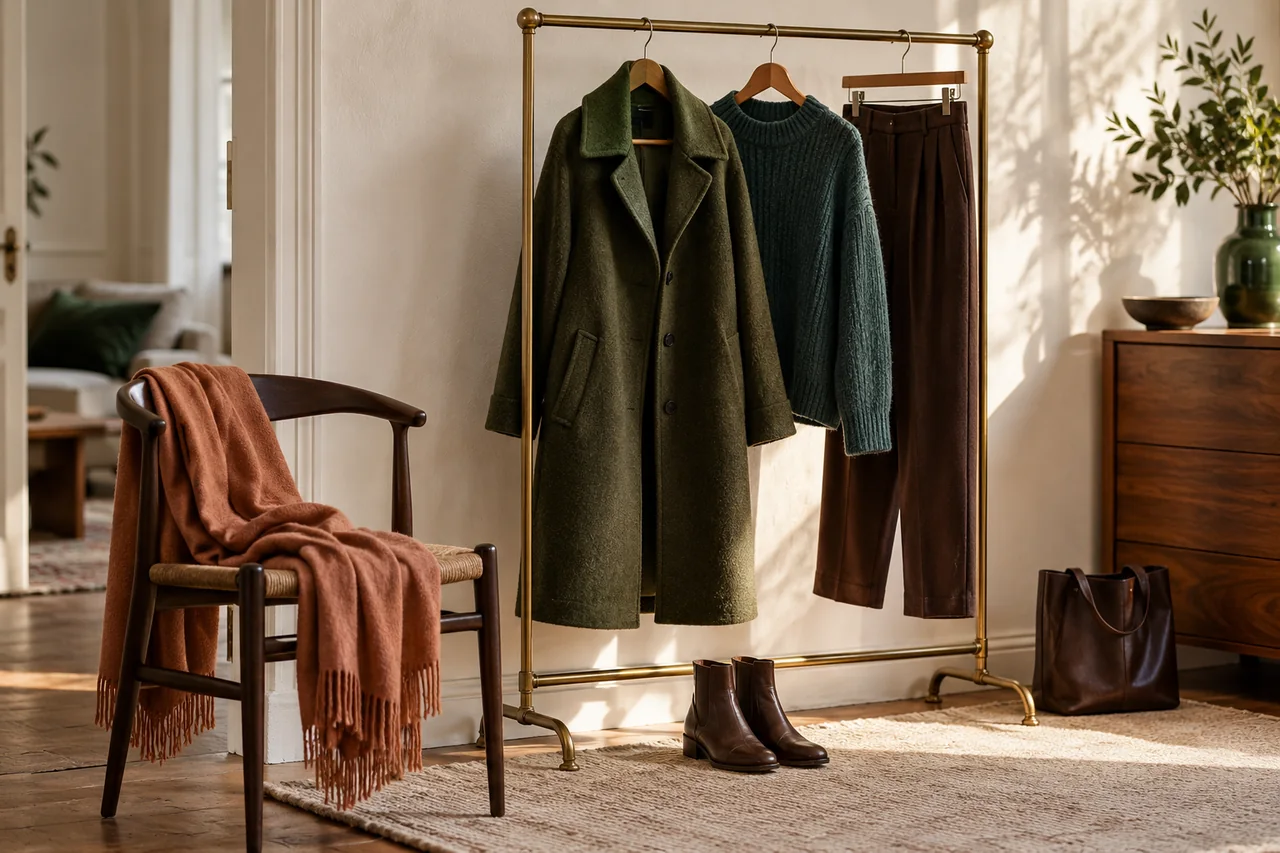
Use warm, muted colours in modern outfits with purposeful depth, lighter contrasts and alternatives to shades you dislike.
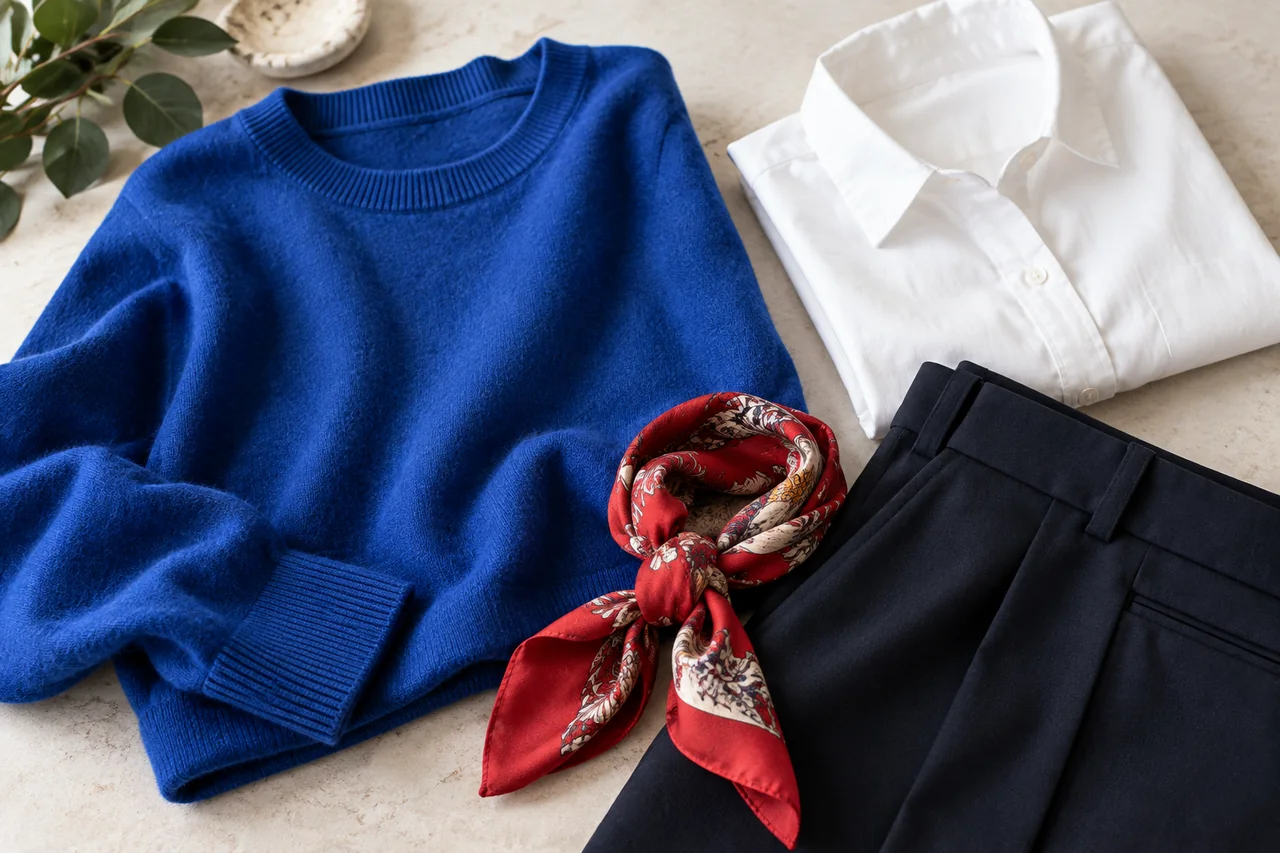
Use clear colours, deep bases and controlled light-dark areas without assuming every outfit must be bright or dramatic.
Understand warmth as a relative styling description and compare related shades under consistent conditions.
Explore how the balance and placement of light and dark areas change an outfit, even when the colour family stays the same.
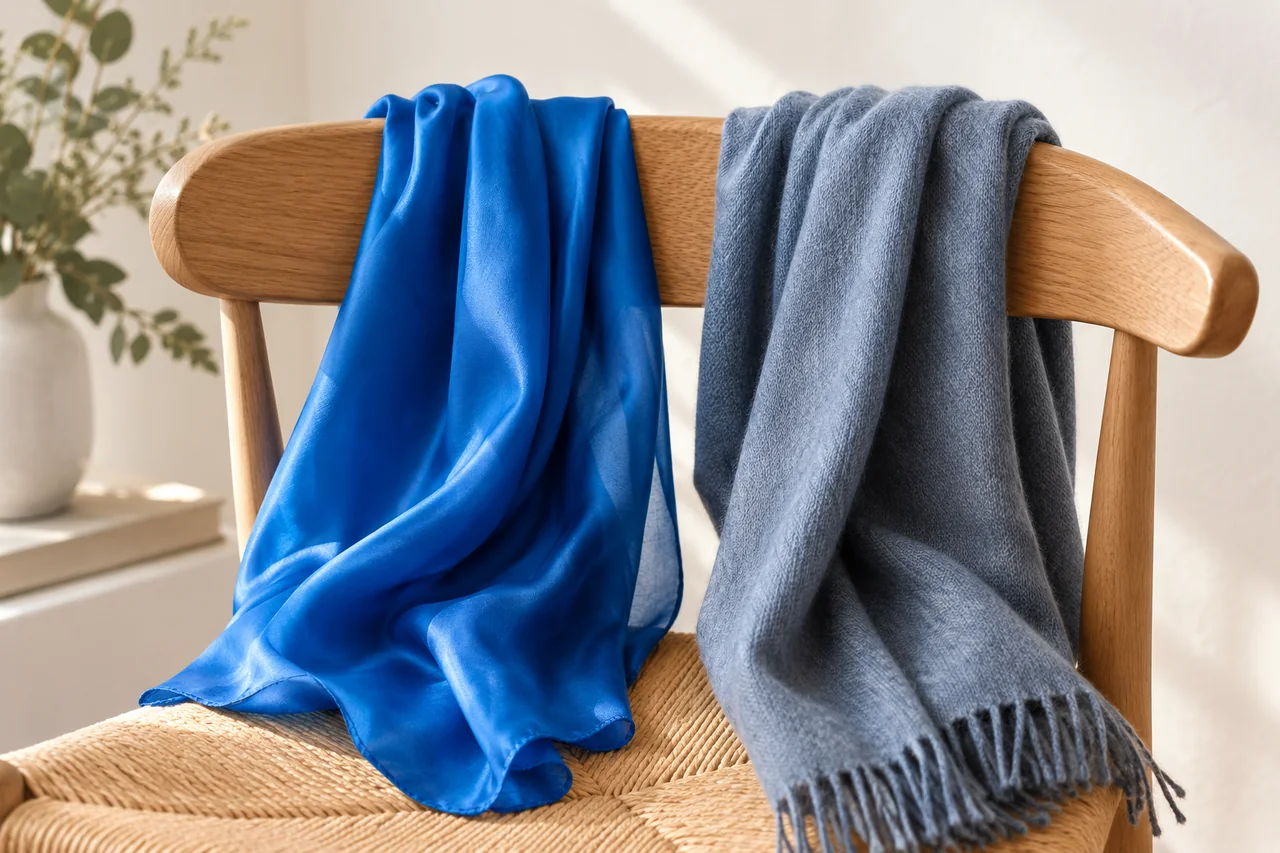
Compare colour intensity within a family and use area, texture and contrast to balance clear and muted shades.
Explore lightness, intensity and reliable combinations when a warm-cool comparison gives no clear preference.
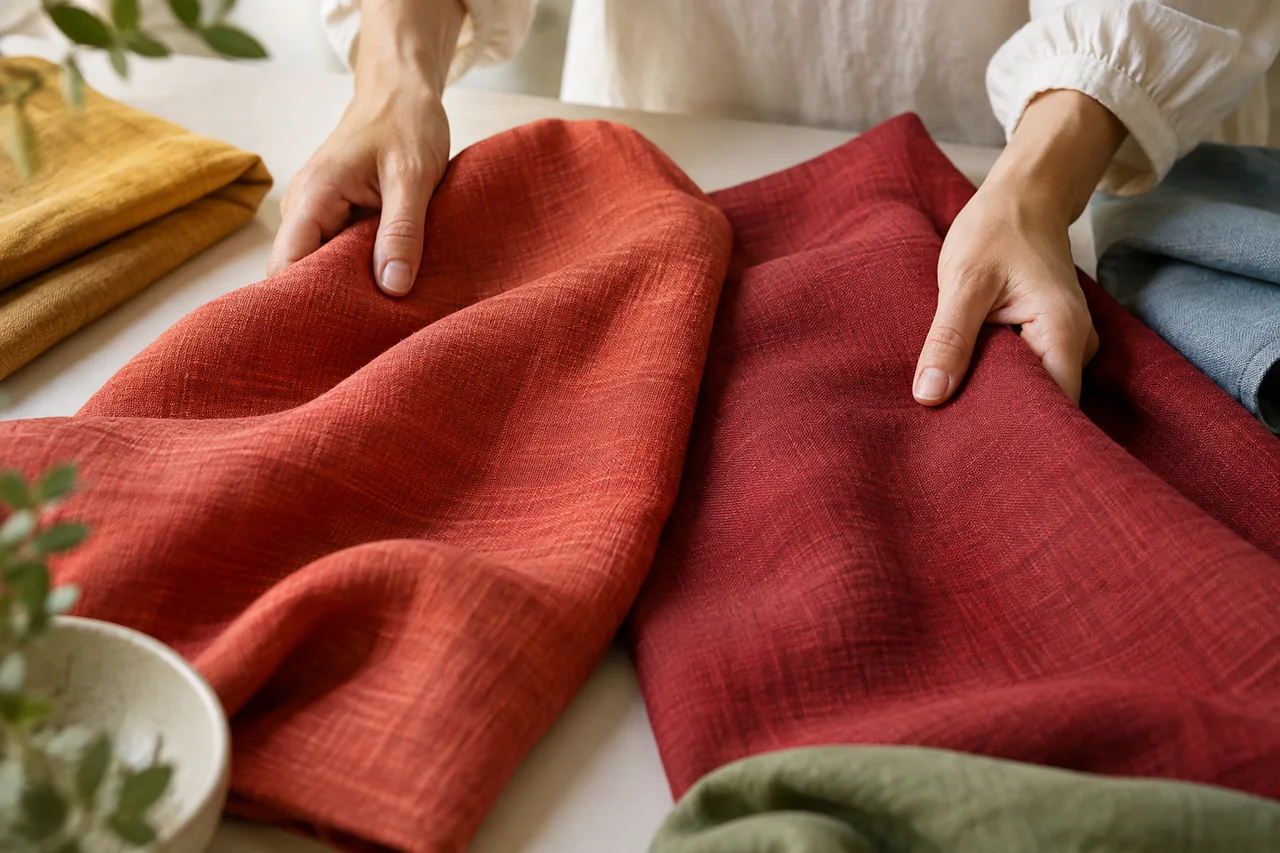
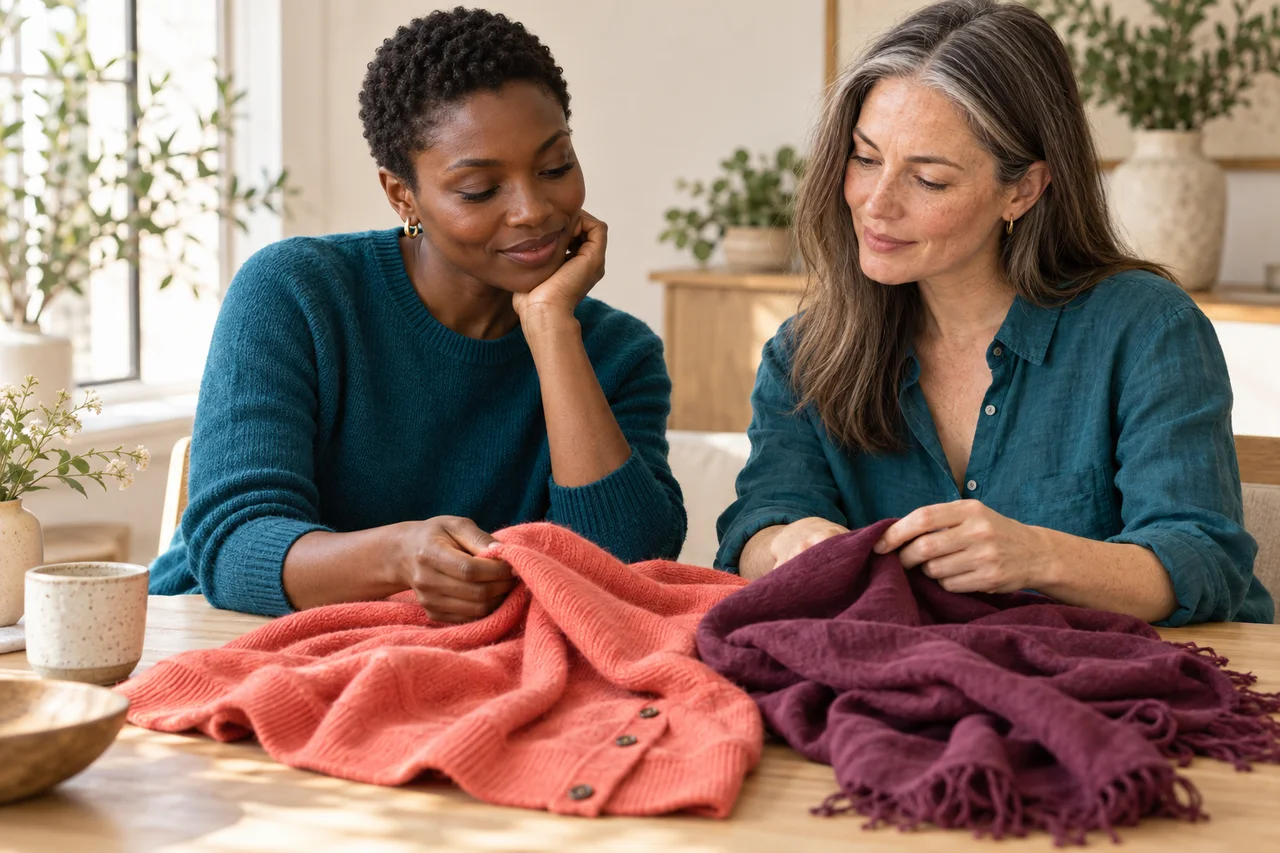
Create a fair fabric comparison, describe what changes and turn preferred colours into outfits you can actually wear.
Find steady, indirect light and check important garments in the conditions where you will wear them.
Take consistent comparison photographs and recognise where camera processing and screens limit colour judgements.
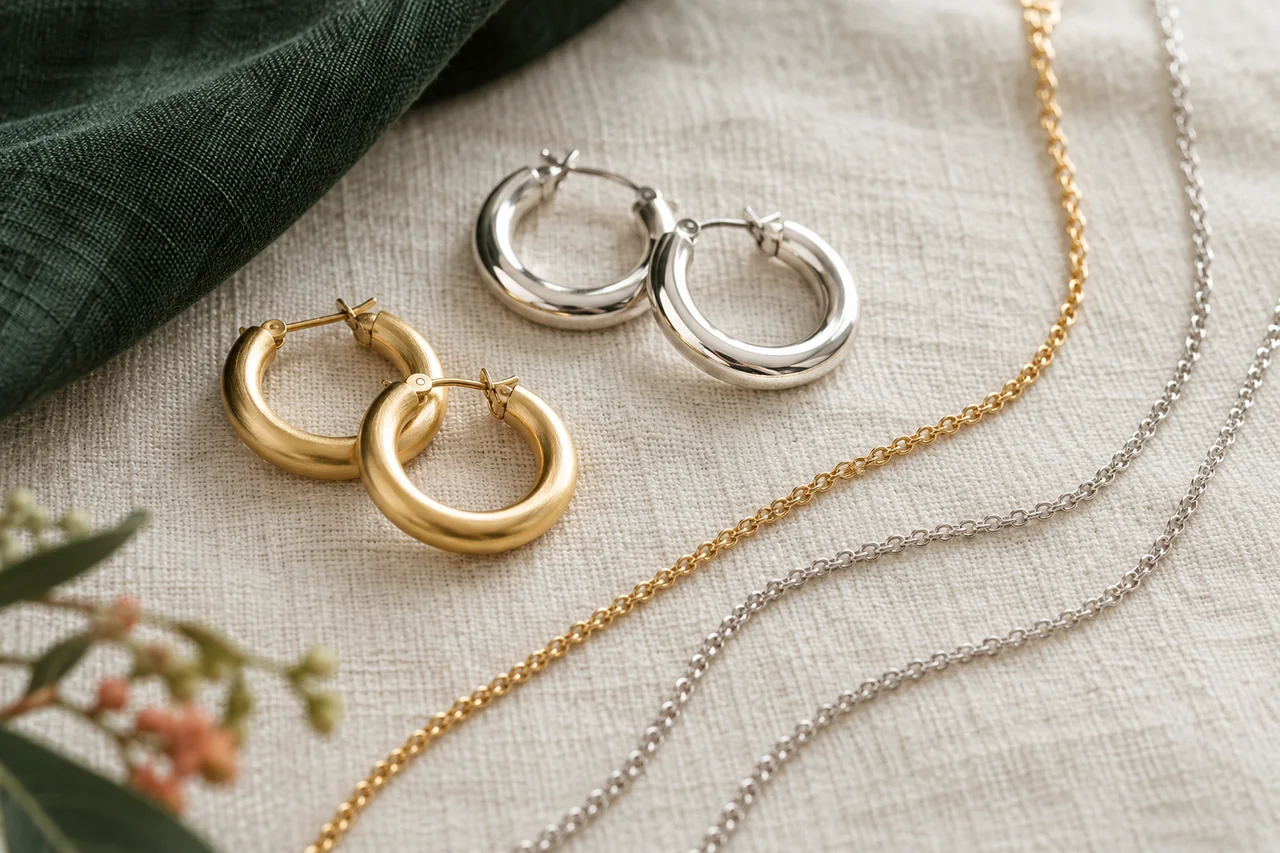
Compare jewellery fairly, consider finish and scale, and mix metal colours in ways that work with your clothes and meaningful pieces.
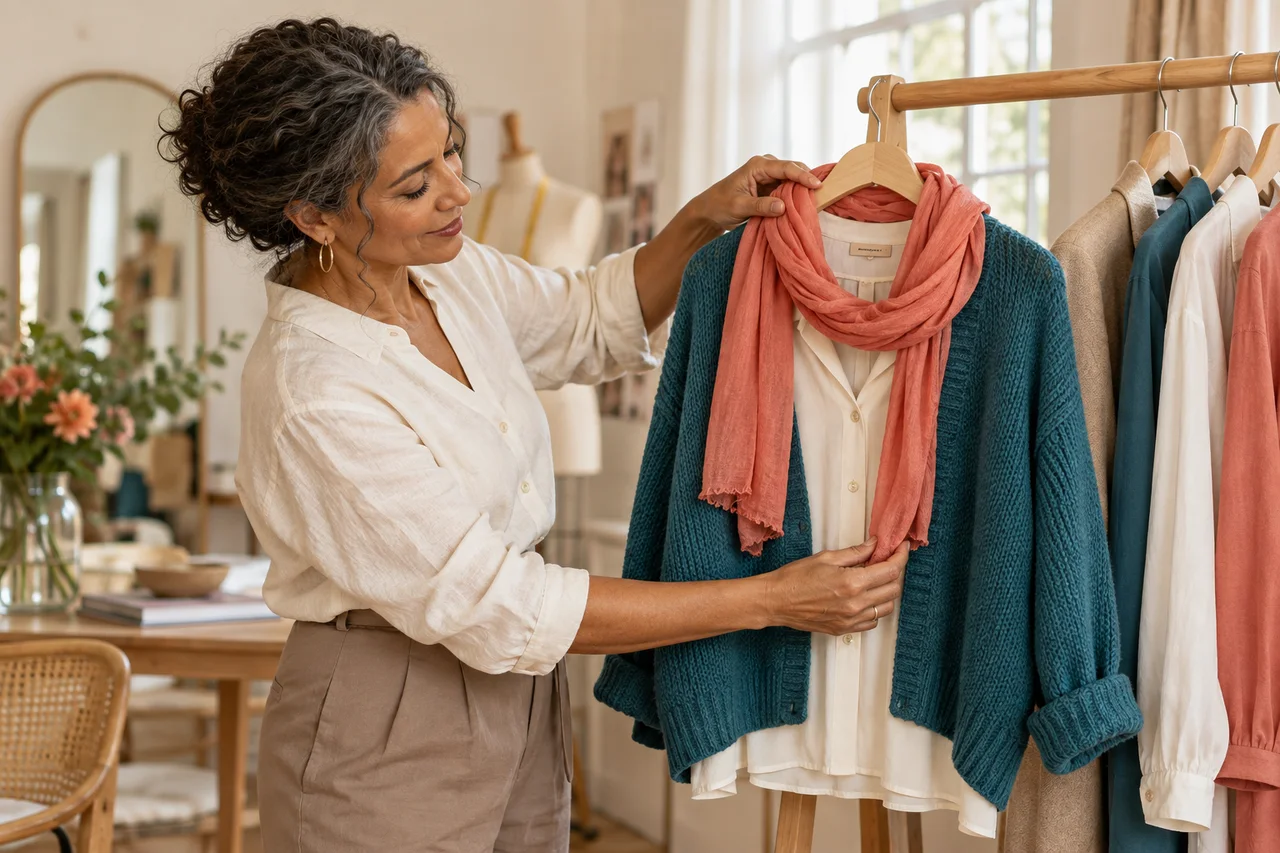
Give colours practical wardrobe roles, test complete outfits and add shades that connect pieces you already own.
Build an outfit from one starting piece, then adjust lightness, intensity, colour area and texture to create the effect you want.
Explore opposing colour directions with muted shades, small accents and deliberate proportions.
Use related shades, lightness changes and contrasting surfaces to create a coherent outfit without demanding exact matches.
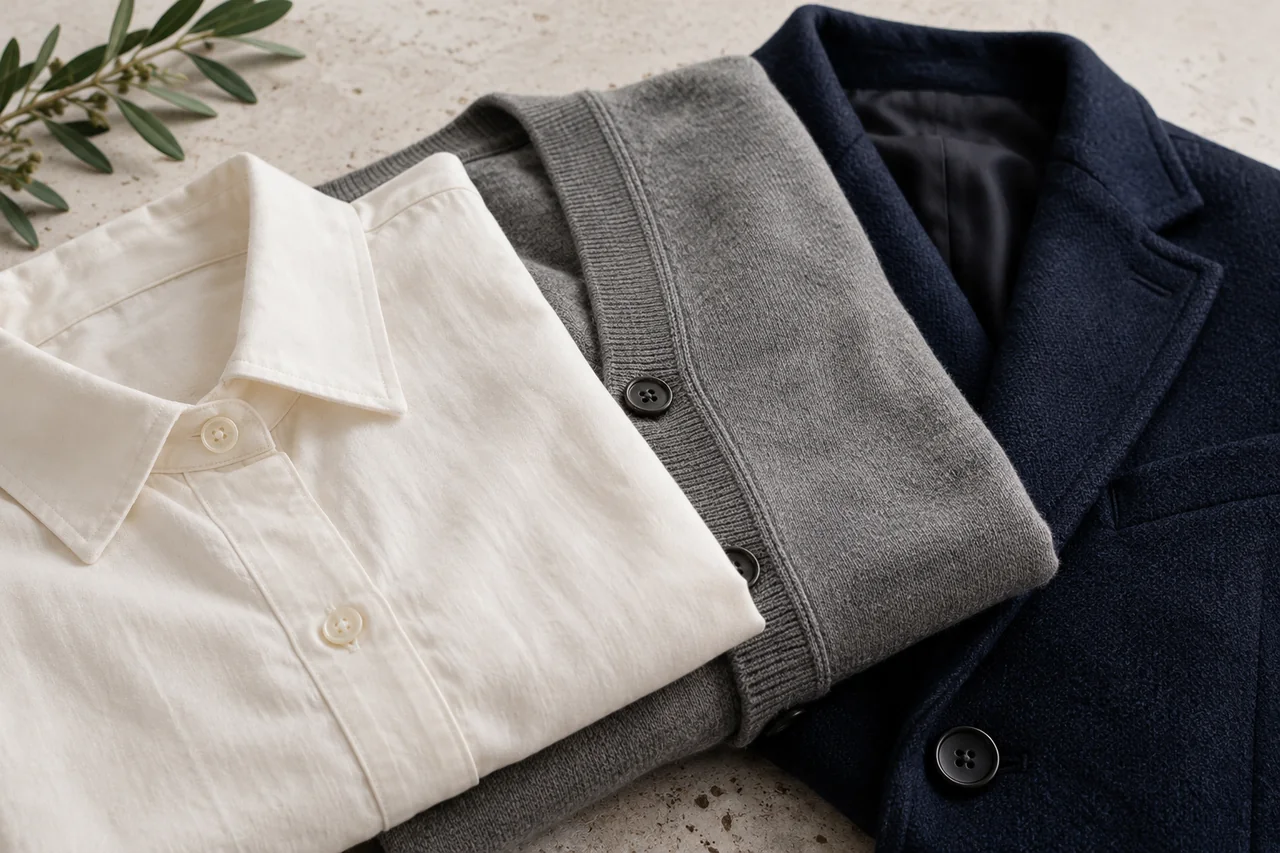
Select base colours that connect your favourite pieces, suit your routine and work in complete outfits.
Control light-dark areas, compare real white and black fabrics, and soften or strengthen the contrast according to your preference.
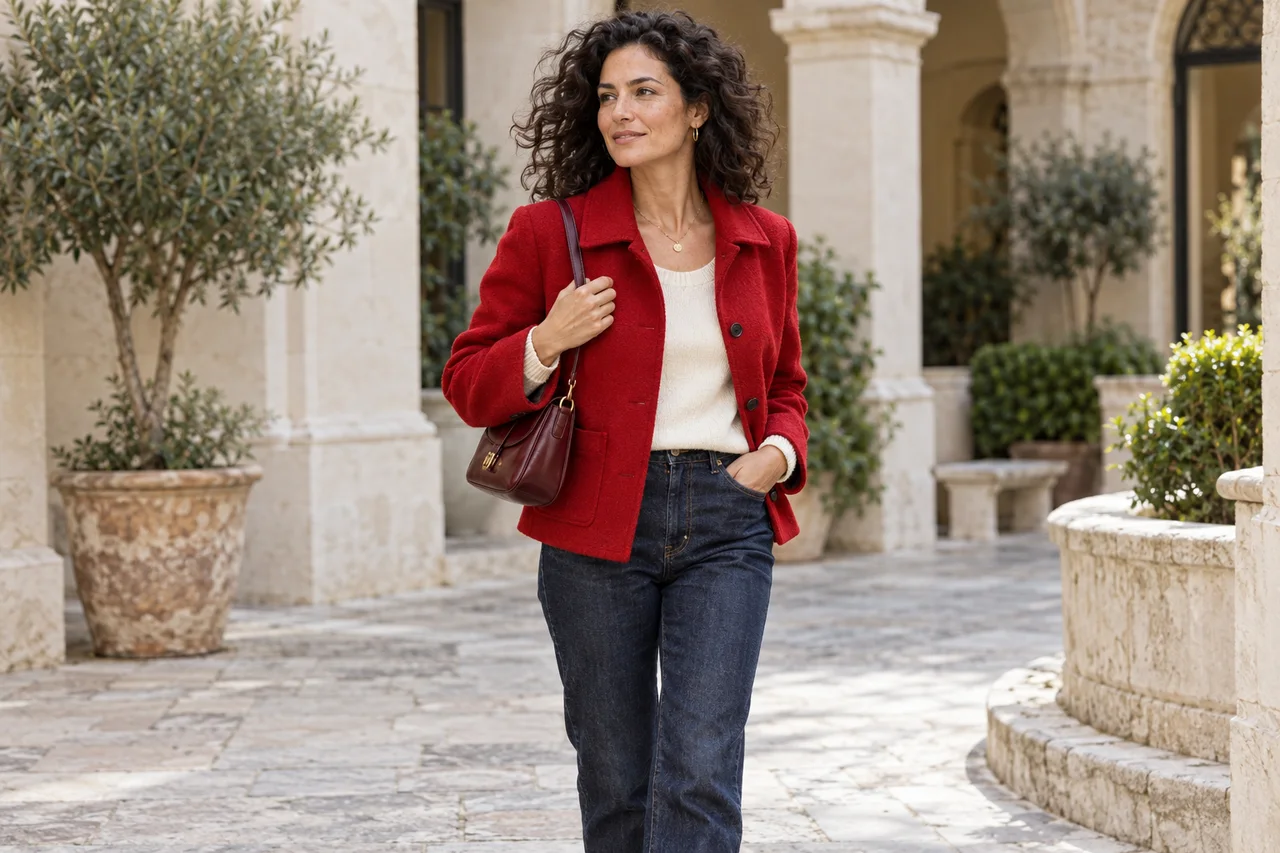
Choose a red shade and role, compare neutral partners and use deliberate differences when combining several reds.
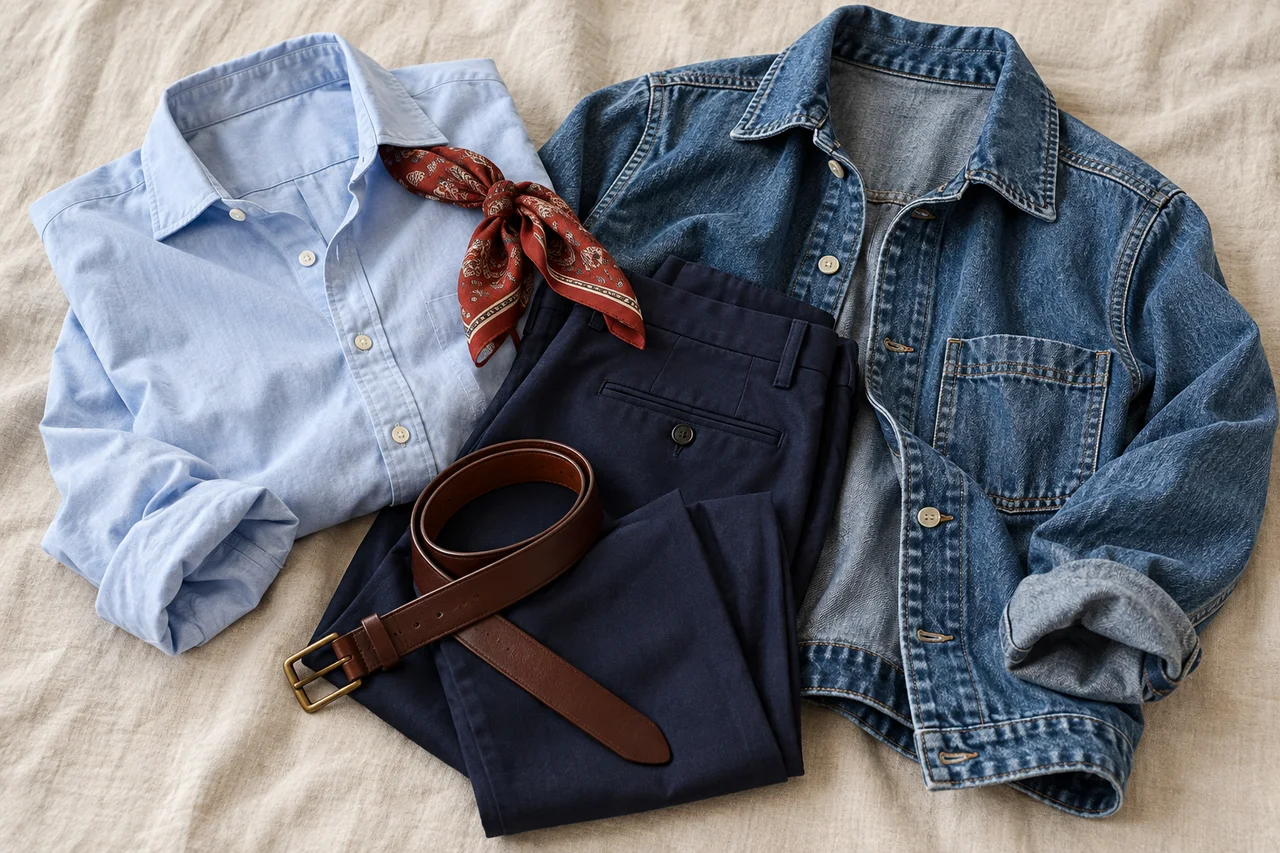
Use navy, denim and clear blue as different starting points, with deliberate depth and carefully chosen colour partners.
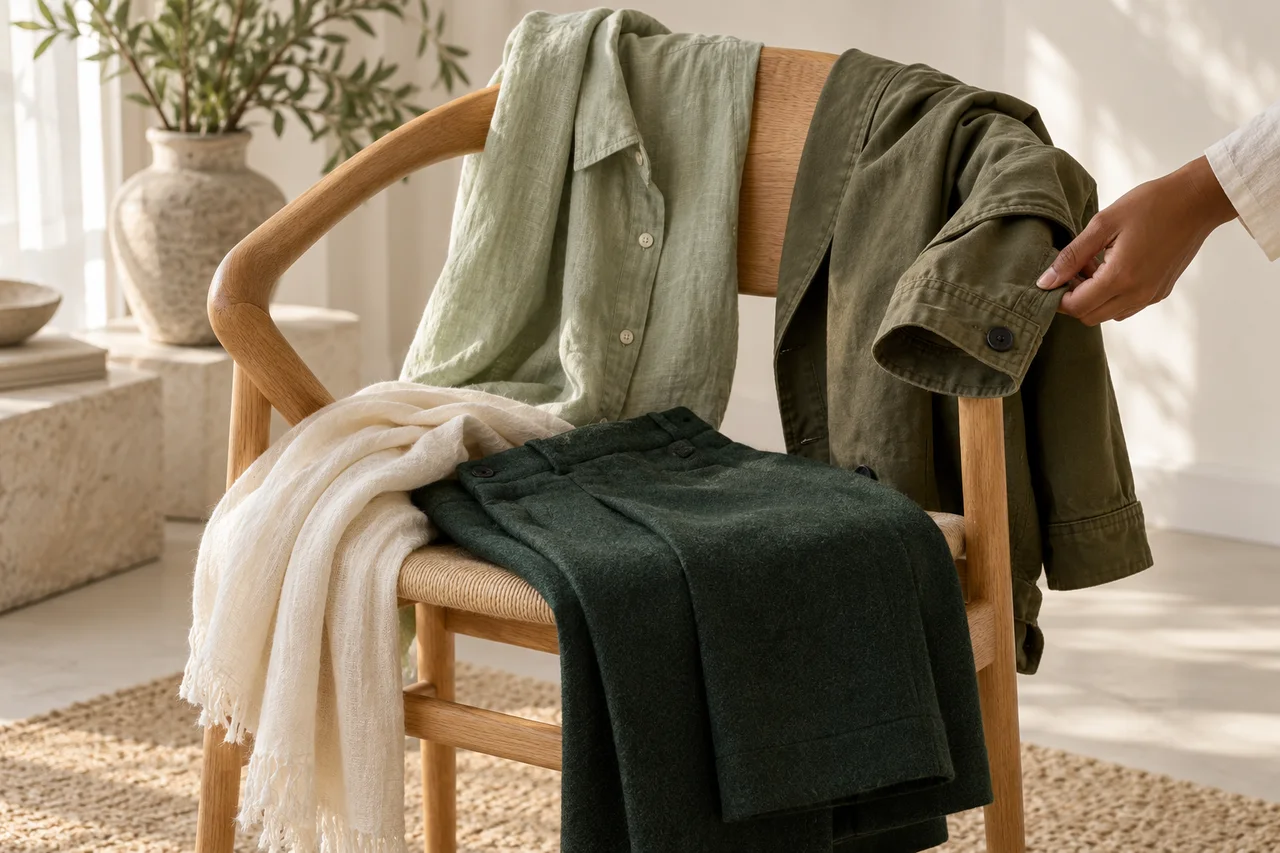
Identify the greens you own and choose partners that suit their lightness, intensity and role in the outfit.
Compare undertones, choose deliberate gradations and use texture or colour to give light outfits a clear structure.
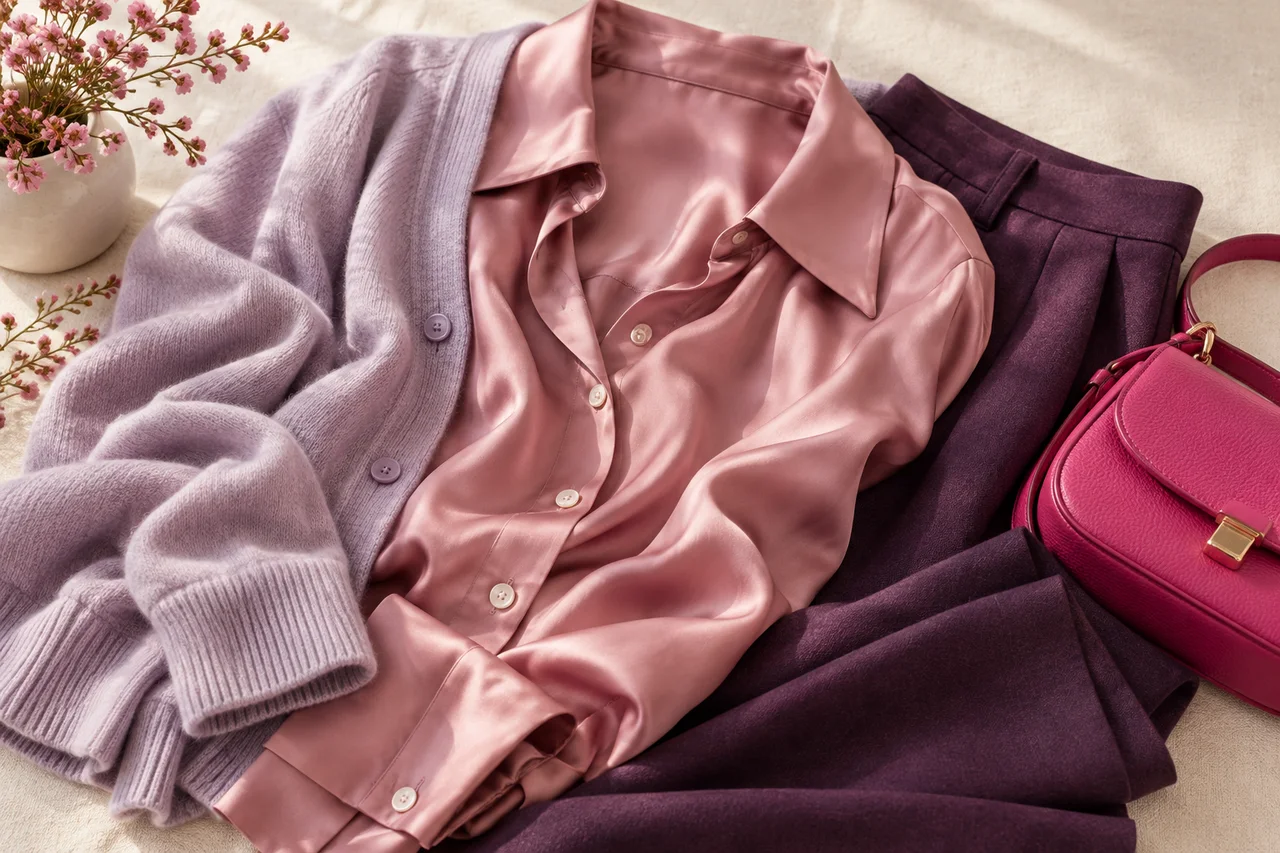
Choose distinct approaches for soft pink, lavender, berry and aubergine using shape, depth and controlled accents.
Plan repeatable work outfits around real requirements, useful base colours and accents you want visible throughout the day.
Use the invitation, venue and lighting to plan a complete occasion outfit with practical layers and future uses.
Compare familiar outfits, adjust the frame near your face and keep useful clothes while you explore a changed appearance.
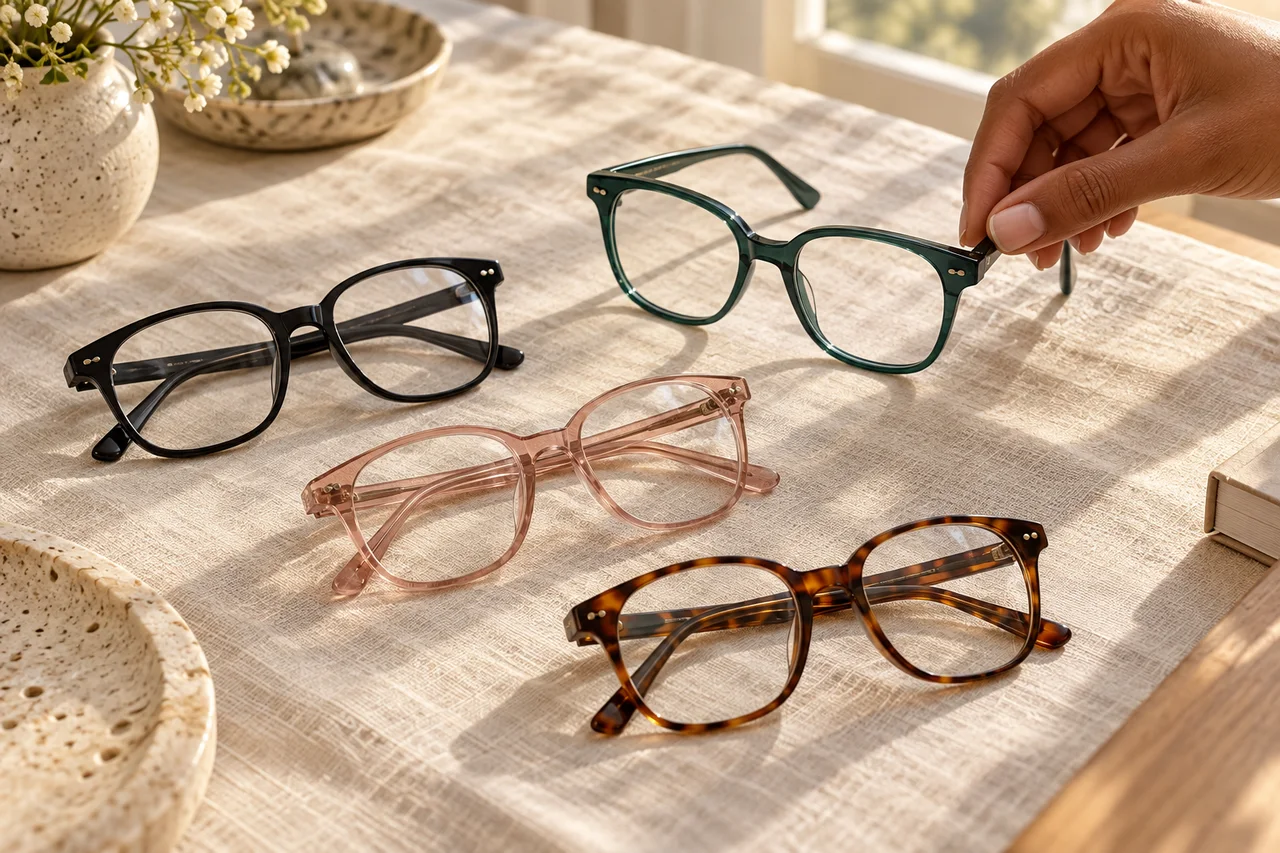
Compare similar frames, consider transparency and finish, and combine colour preferences with professional optical fitting.
Replace rigid seasonal rules with observable comparisons, practical outfit goals and room for personal preference.