Care and wellbeing
Plan sun protection for everyday life
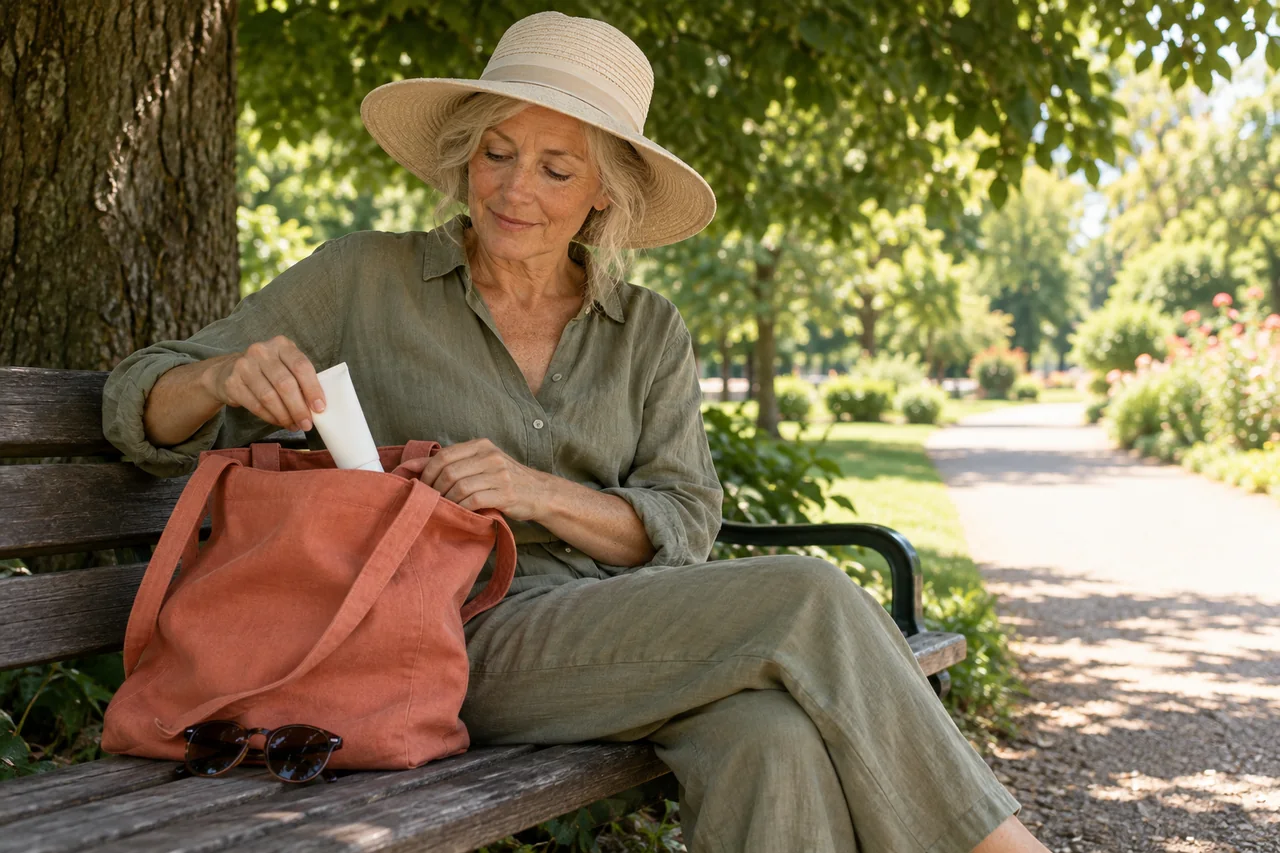
Combine shade, clothing and sunscreen for commuting, outdoor breaks and leisure. Choose adequate UVA and UVB protection and plan reapplication.
eu. infopoint
Understand products and build manageable daily routines.
Combine shade, clothing and sunscreen for commuting, outdoor breaks and leisure. Choose adequate UVA and UVB protection and plan reapplication.
Read UV forecasts correctly and turn the index into practical sun protection decisions for your location and outdoor plans.
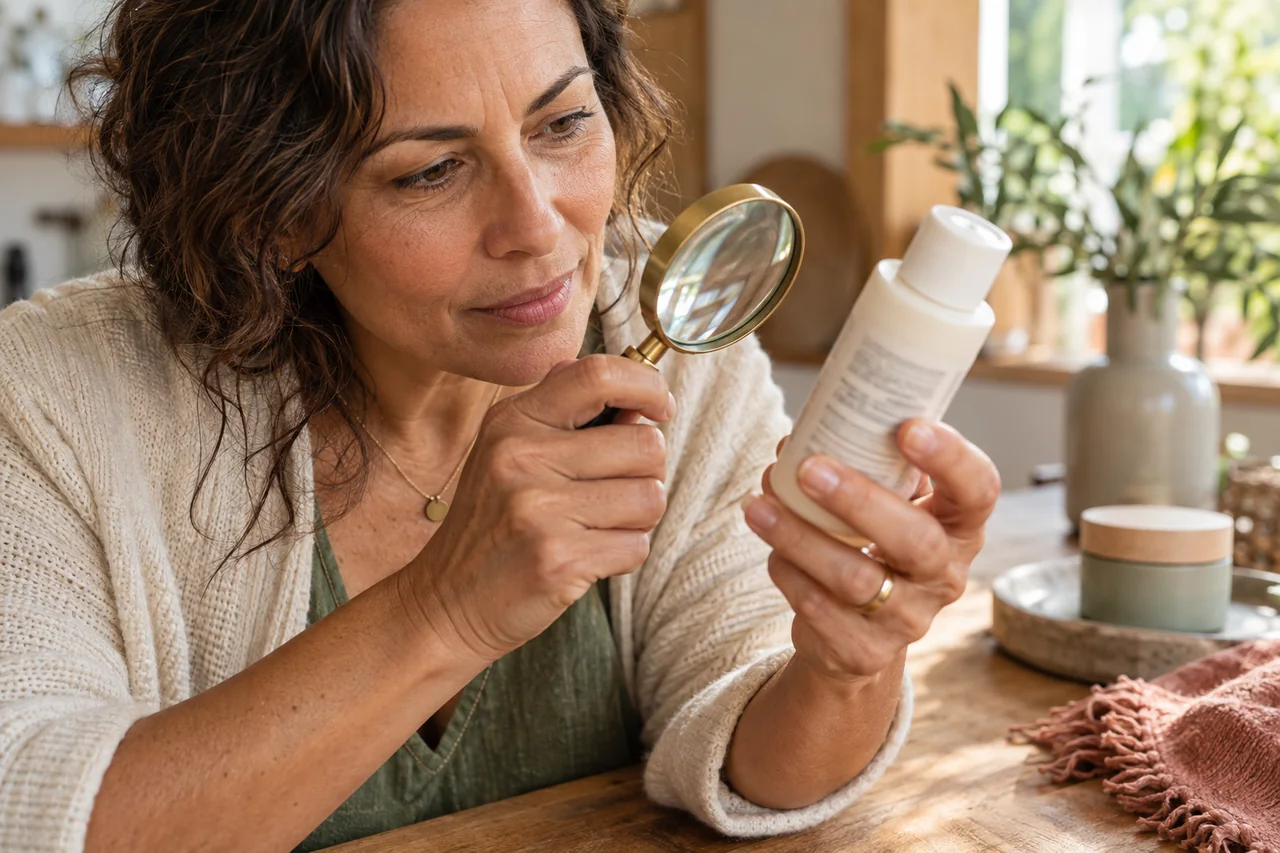
Use cosmetic ingredient lists for specific questions. Understand what names and ordering tell you, and why they cannot fully assess a formula.
Separate scent preference from product quality and skin tolerance. Learn what to check when you have a diagnosed fragrance allergy.
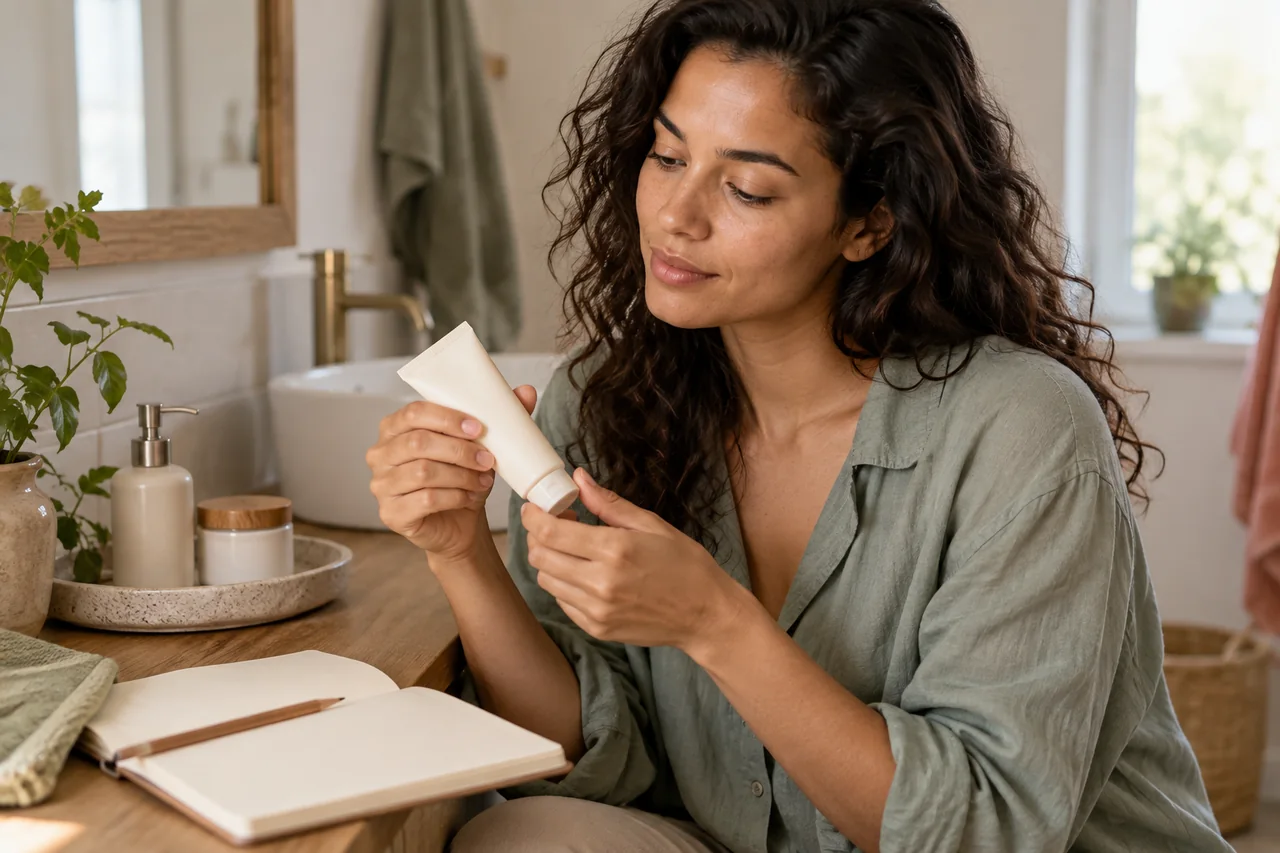
Make one clear change, read instructions and record reactions. A personal product trial is useful for comparison but does not rule out an allergy.
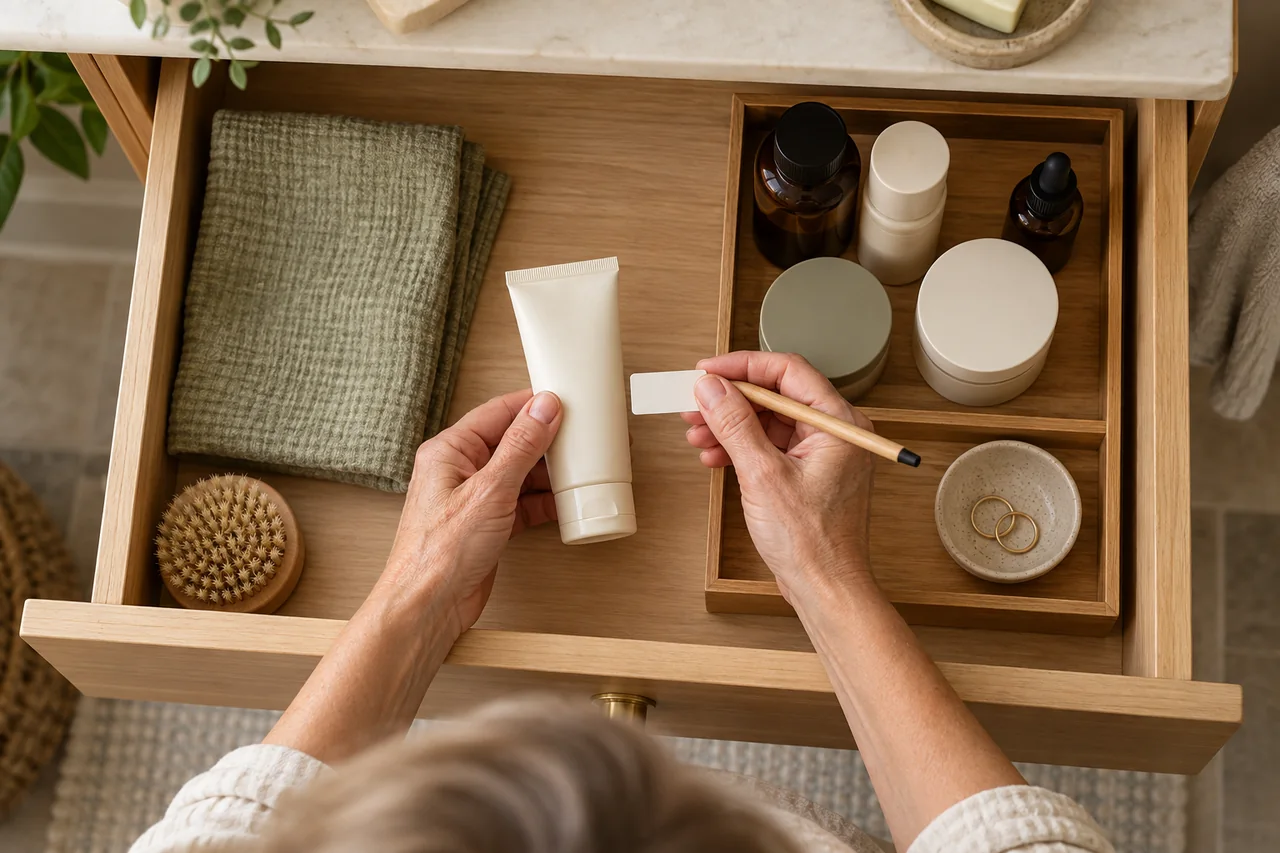
Keep opening dates, storage instructions and stock levels clear. Recognise changes and avoid buying more than you can use.
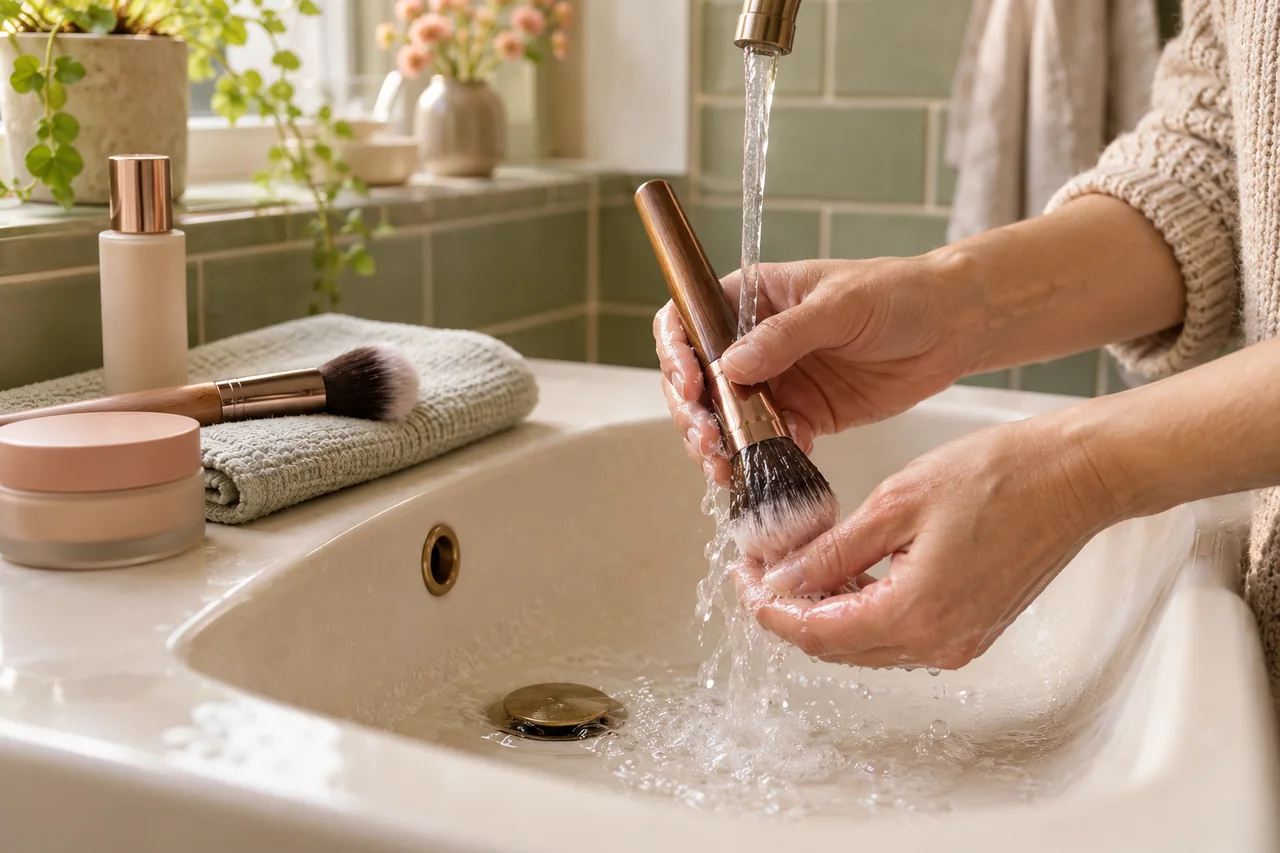
Separate clean and used tools, close packaging and allow accessories to dry. Build a manageable hygiene routine without unnecessary disinfection.
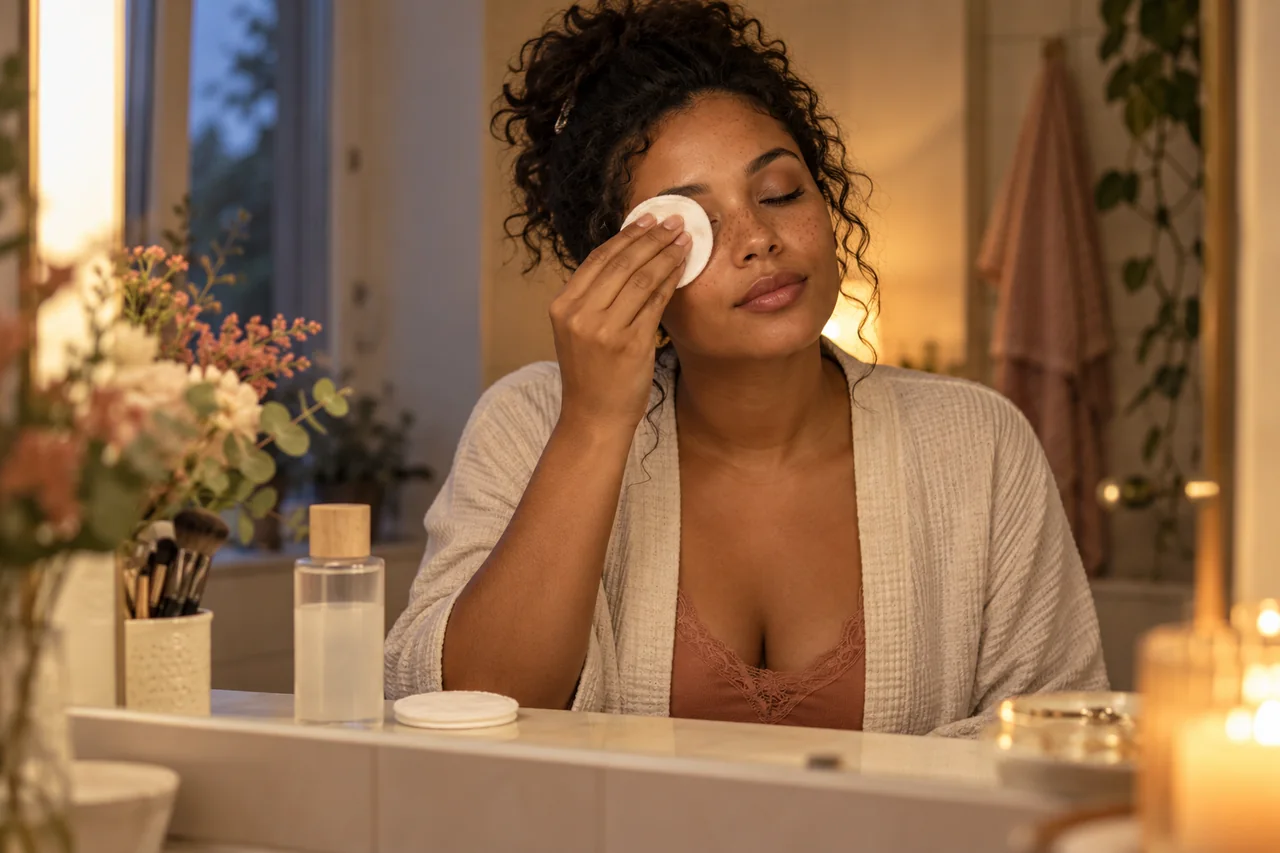
Match removal to what you wear, prepare clean accessories and decide whether a second cleansing step has a clear purpose.
Adjust specific steps for winter rather than replacing everything. Consider cleansing, hand care, storage and UV protection separately.
Prioritise sun protection, comfortable textures and suitable storage. Keep summer care easy to manage at home and outdoors.
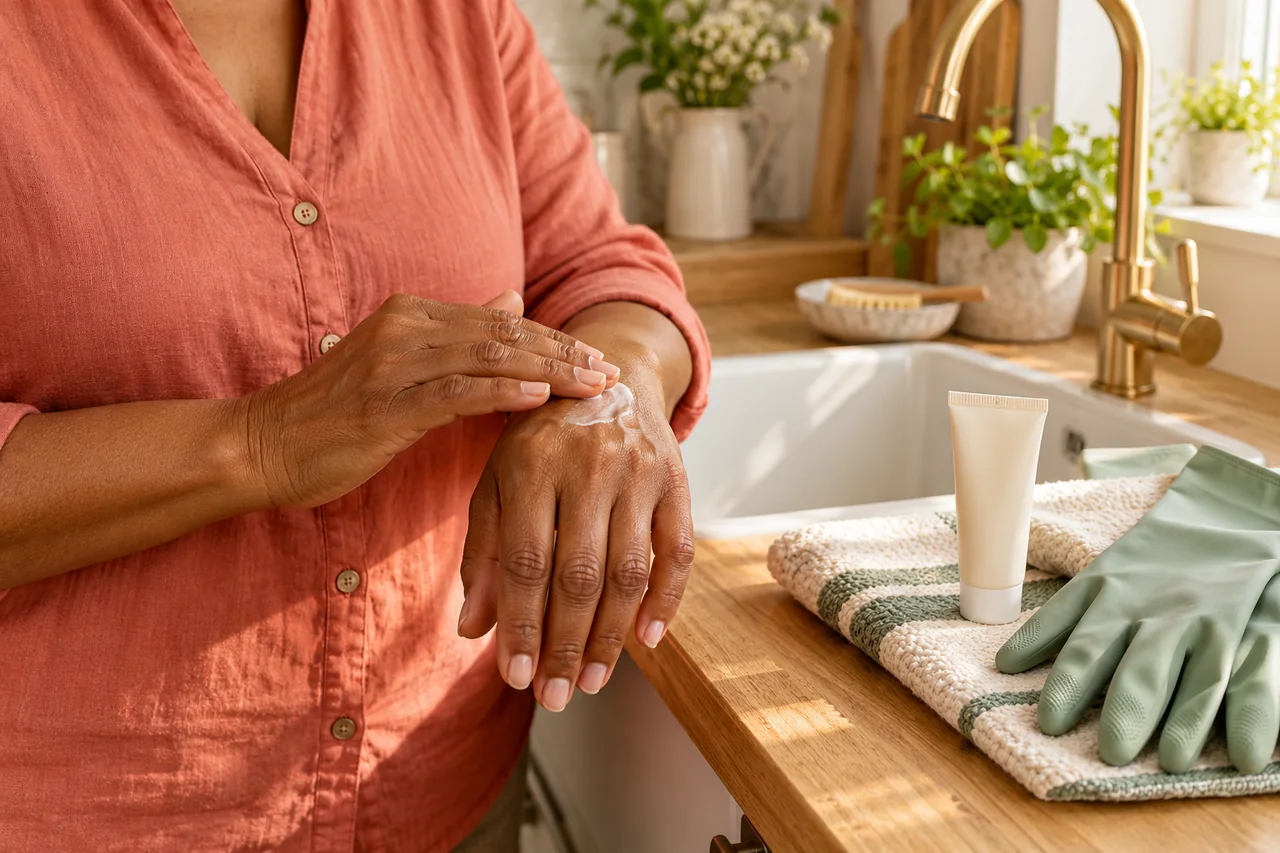
Bring cleansing, suitable gloves and accessible moisturising into one practical hand-care routine, with professional help for persistent changes.
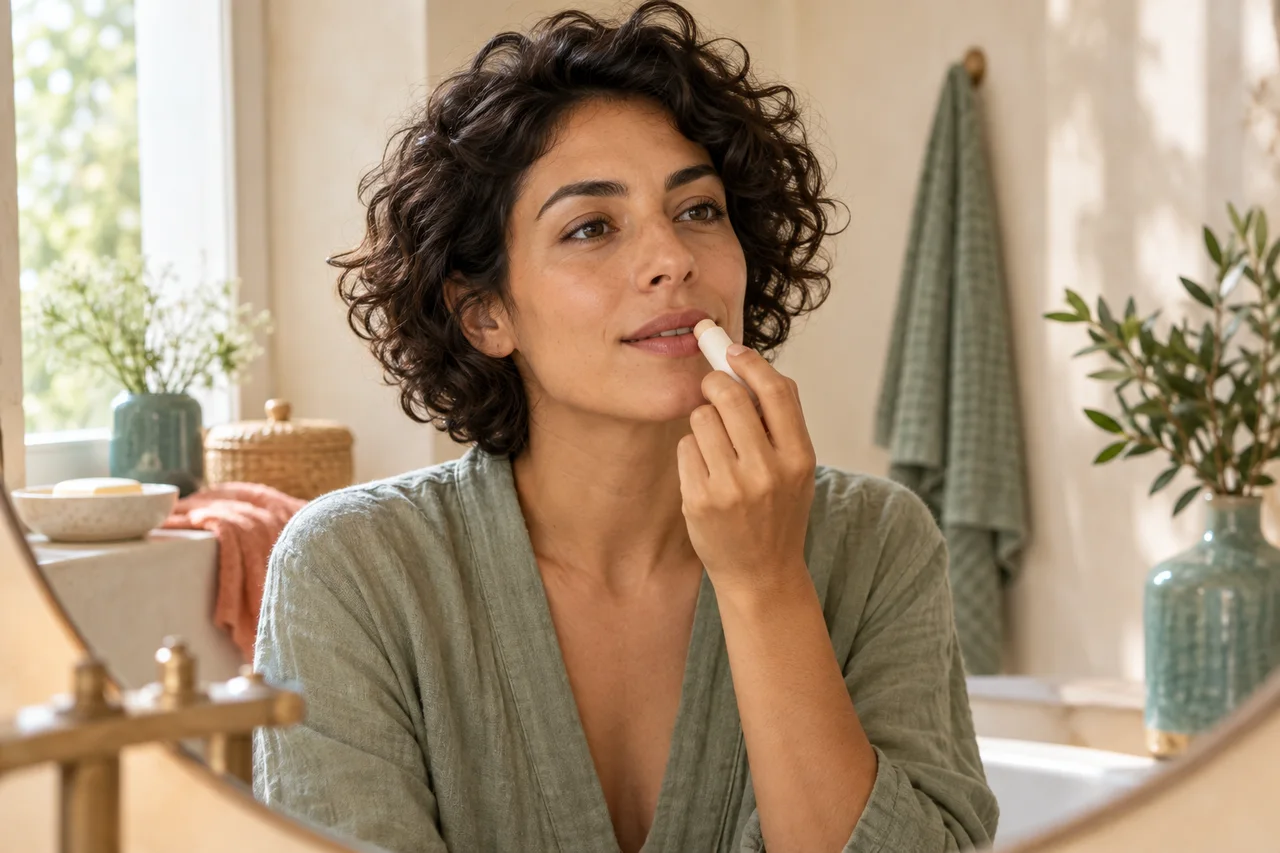
Choose lip products for a clear purpose, use them cleanly and include lips in your outdoor sun protection plan.
Reduce unnecessary purchases and check environmental claims. Make refills and reusable accessories work with your real consumption and cleaning habits.
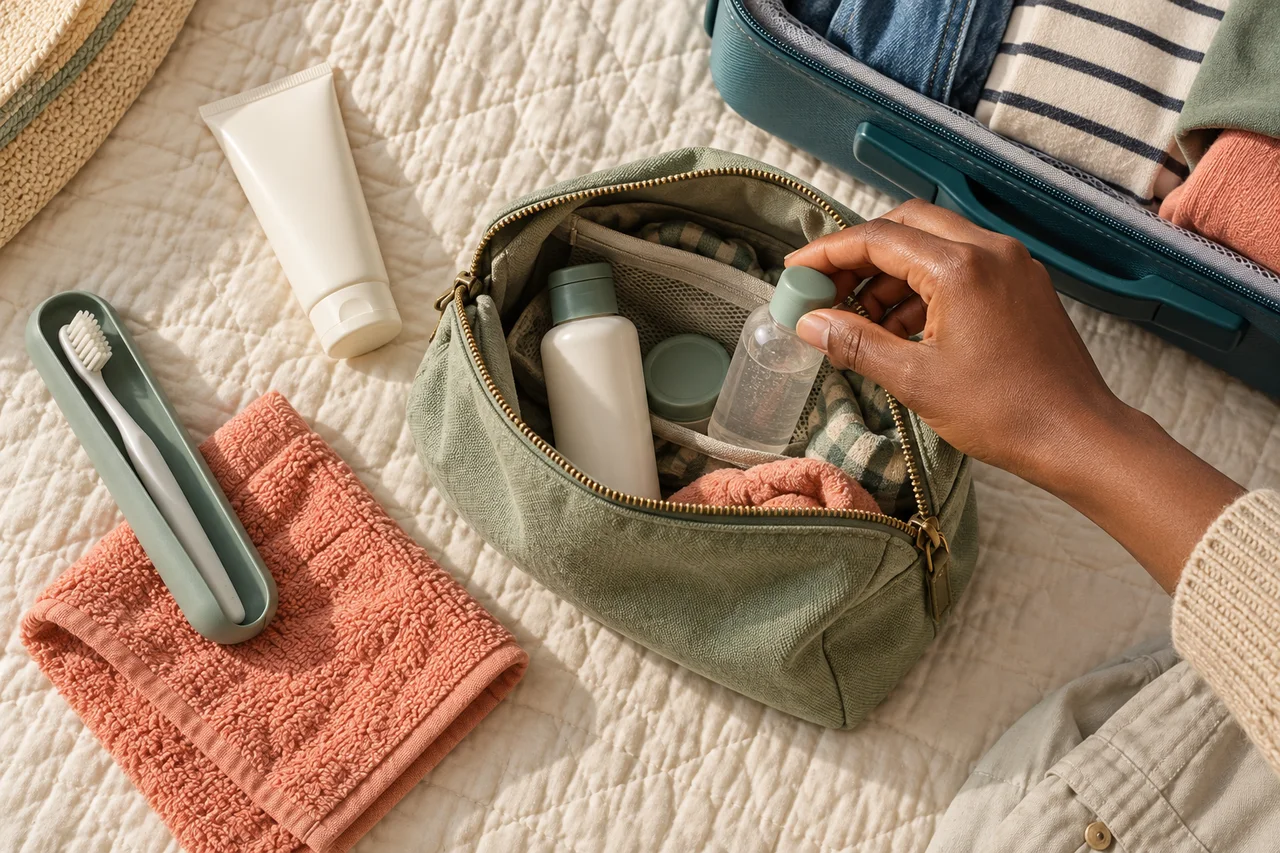
Choose familiar products for the trip, keep labelling identifiable and check current transport rules with the relevant airport and airline.
Ask what was measured, how it was compared and whether a result applies to the finished product and your own use.
Look beyond natural, clean and free-from labels. Focus on intended use, personal tolerance and the difference between a hazard and actual risk.
Find realistic moments for breaks, choose a useful change of activity and agree when you can be unavailable.
Choose a manageable activity, reduce preparation and adapt your relaxation routine to ordinary, imperfect days.
Understand what autogenic training involves, choose appropriate instruction and practise without forcing sensations or results.
Explore a guided tension-and-release method, prepare a safe setting and adapt practice to your health and comfort.
Plan genuine changes from screen work, review your workstation and make break arrangements that fit the job.
Separate essentials from optional rituals and make the end of your day easier with a few realistic steps.
Choose a safe, accessible route and notice your surroundings without turning a walk into a test or performance goal.
Track what you use, distinguish replacements from experiments and compare prices with realistic consumption.
Arrange products by use, storage needs and access, with clear places for current supplies, reserves and damp items.
Choose small activities you enjoy, keep them flexible and avoid turning wellbeing into another purchasing or performance obligation.
Put cleansing, moisturising and sun protection in a practical order. Keep the steps you need and make changes you can understand.
Describe shine, tightness and rough areas clearly. Compare similar conditions and recognise when a skin change needs professional assessment.
Match cleansing to the products you wear. Follow the instructions, use accessories thoughtfully and avoid unnecessary rubbing.
Compare texture, packaging and practical comfort. Find suitable moisturising care without chasing ingredients or buying more than you need.