Make-up
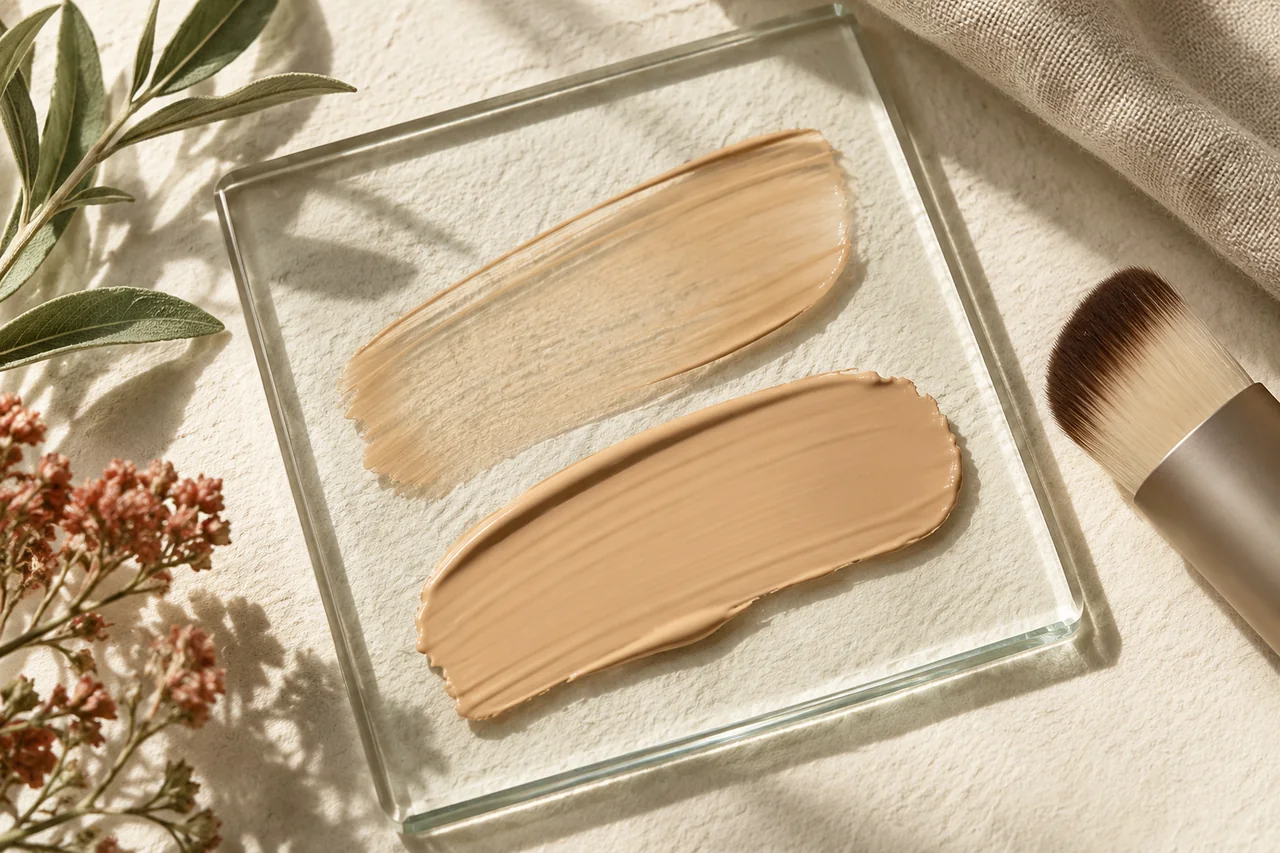
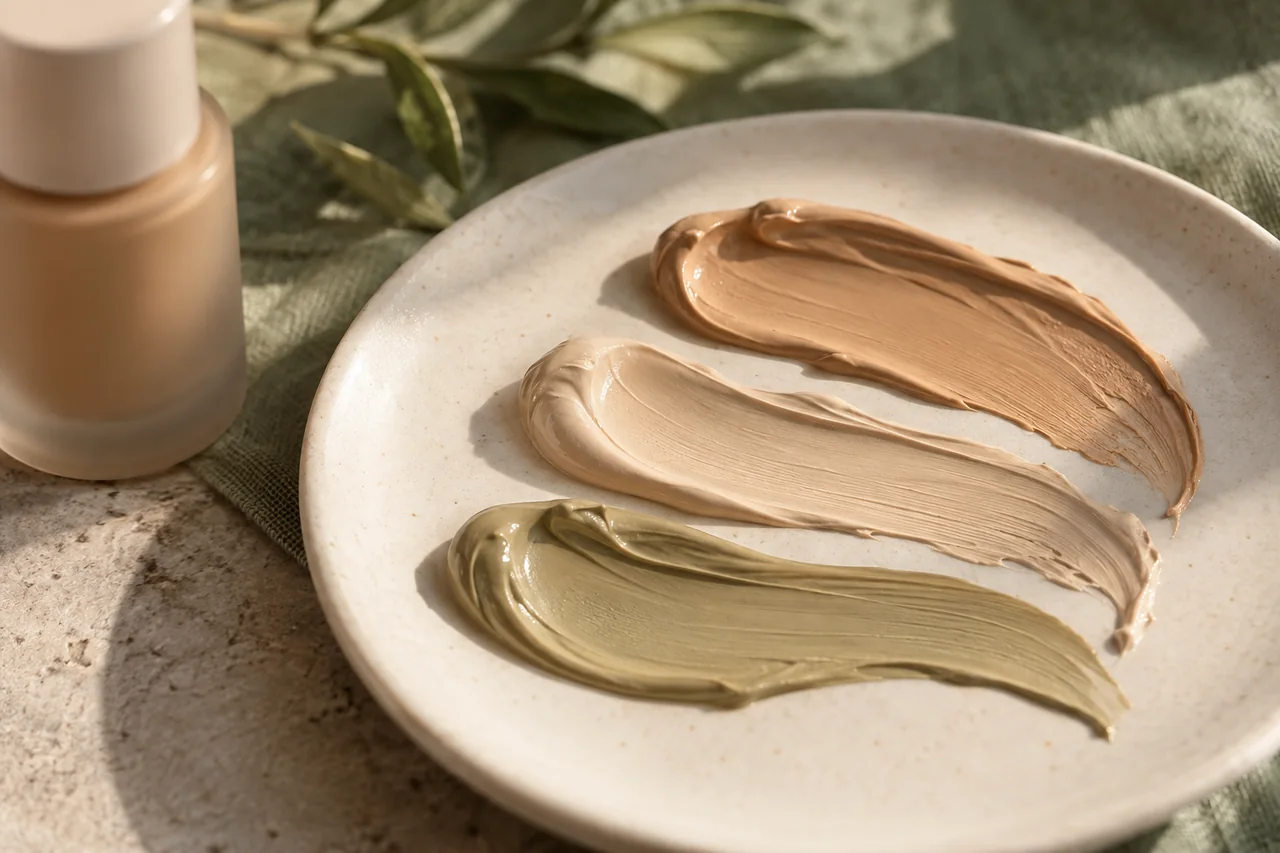
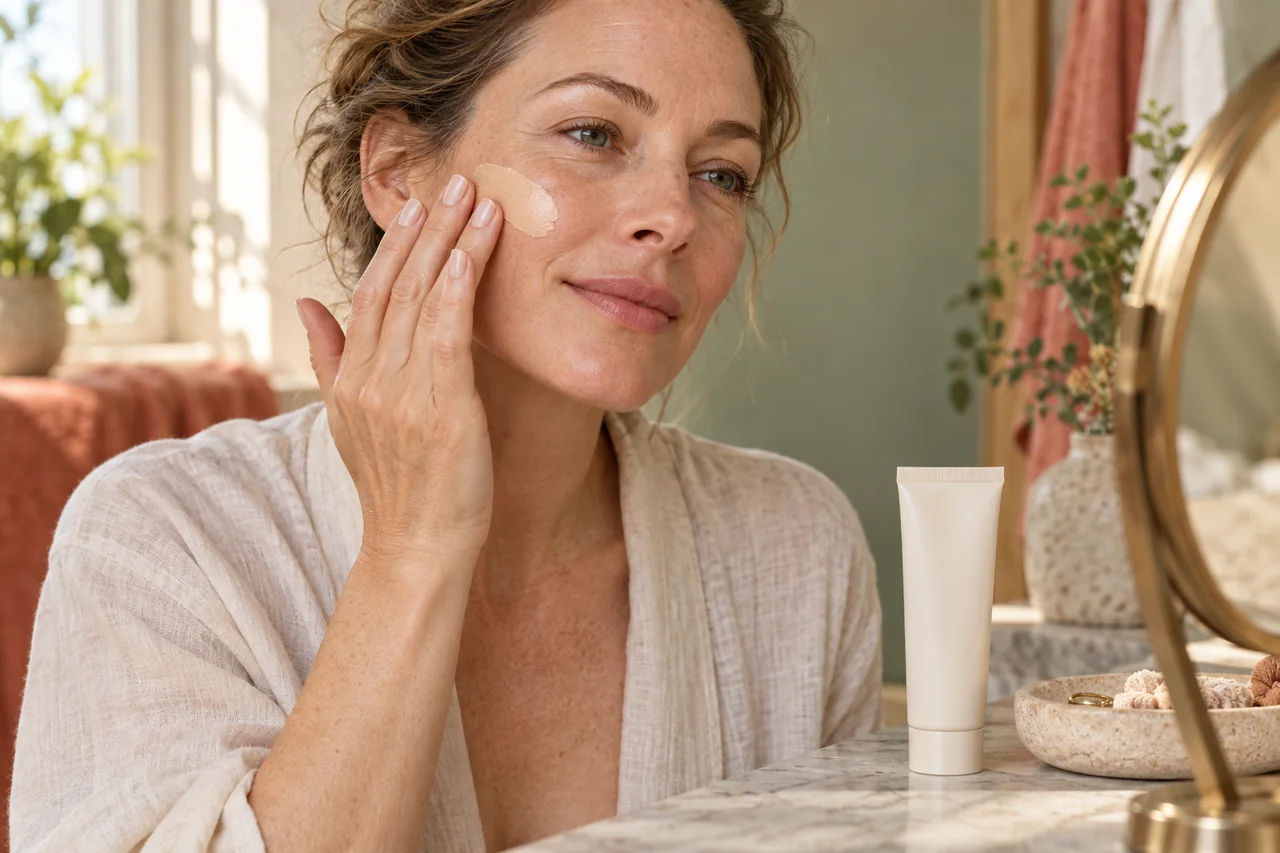
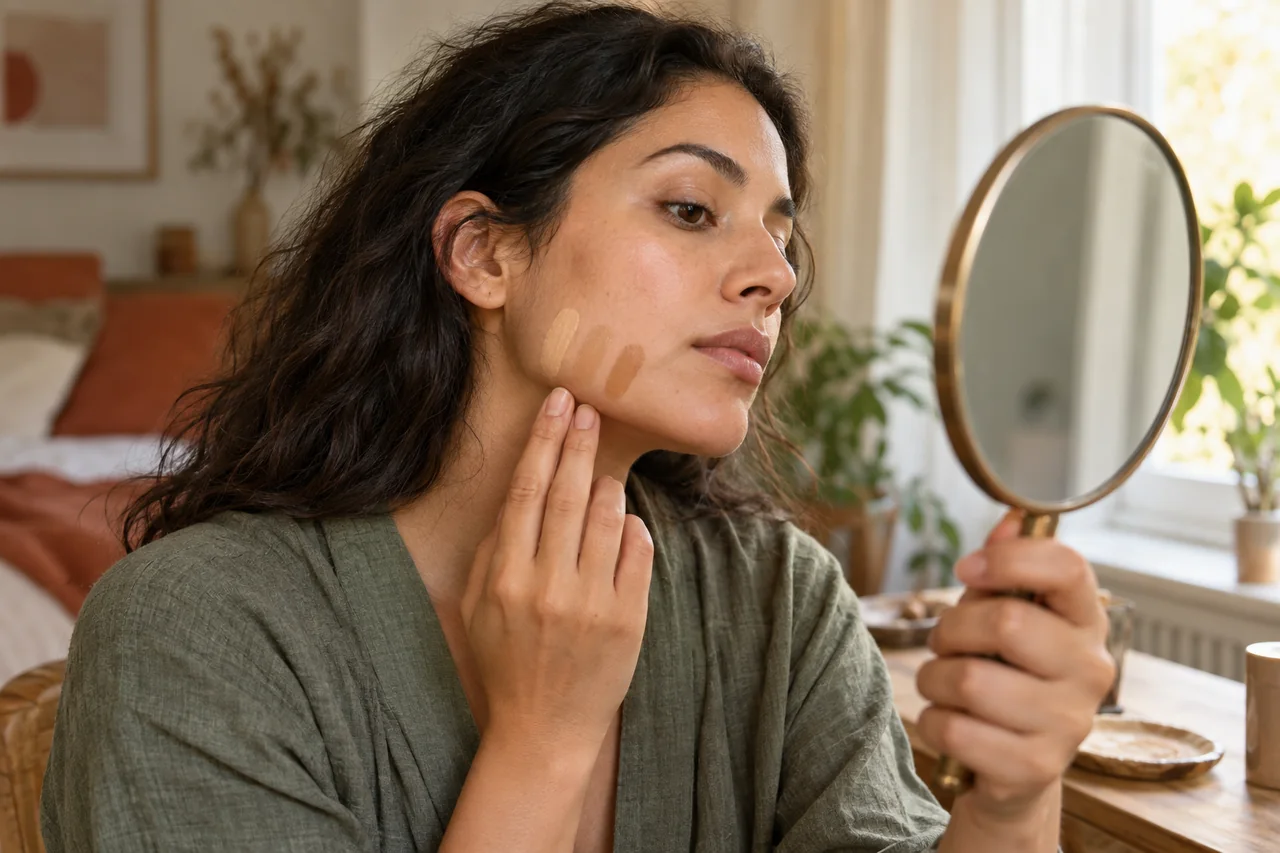
Find a foundation shade with a daylight comparison
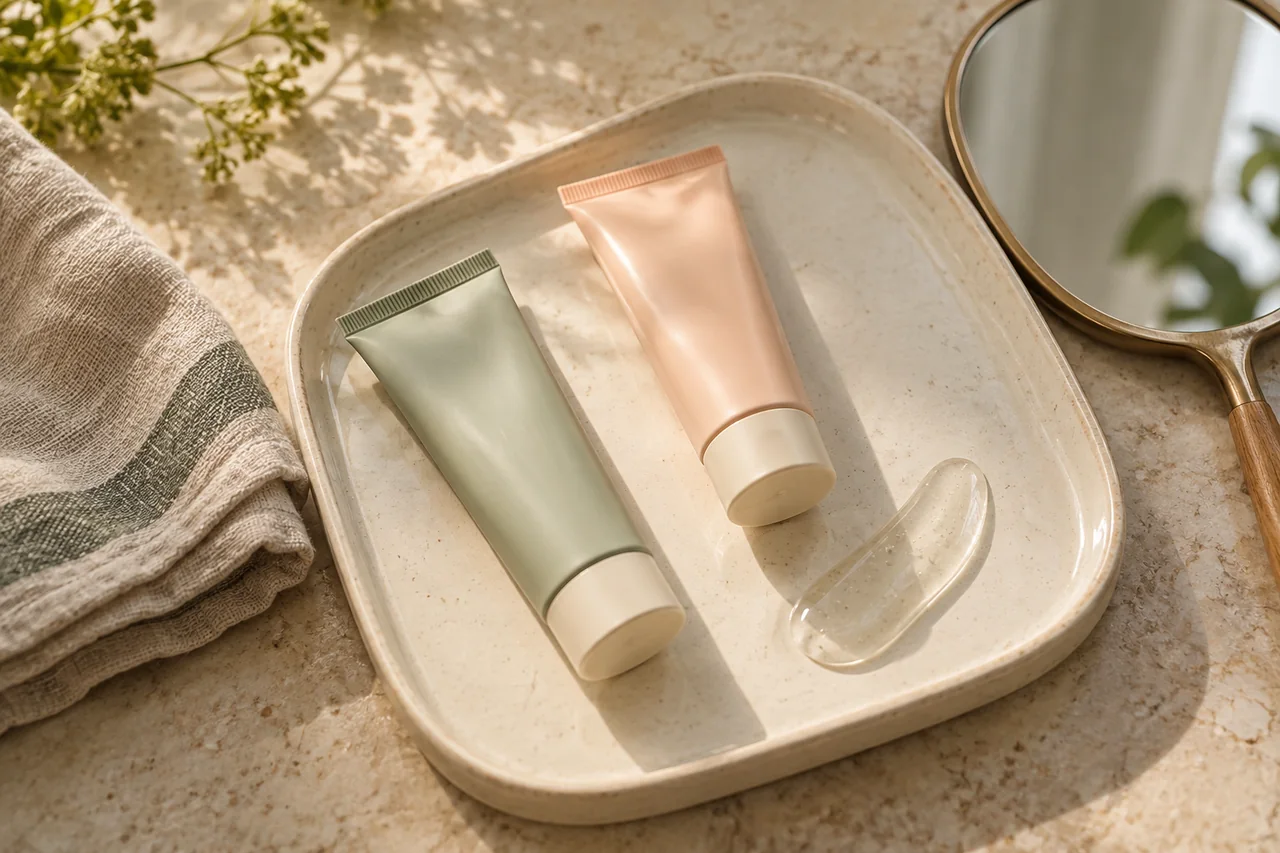
Compare small foundation samples at the jawline, check them after drying and keep useful notes before deciding what to buy.
With your permission, we measure page views, visit sources, reading depth and advertising spaces reached. Google receives usage data and cookie identifiers; processing in the USA is possible. Statistics can be linked to AdSense revenue. Health articles and personal inputs are excluded from our Analytics integration.
eu. infopoint
Compare shades and practise techniques at your own pace.
Compare small foundation samples at the jawline, check them after drying and keep useful notes before deciding what to buy.
Compare sheer, medium and fuller coverage, then add product only where it improves your chosen look.
Separate depth from undertone, compare shades under consistent light and describe the difference you can actually see.
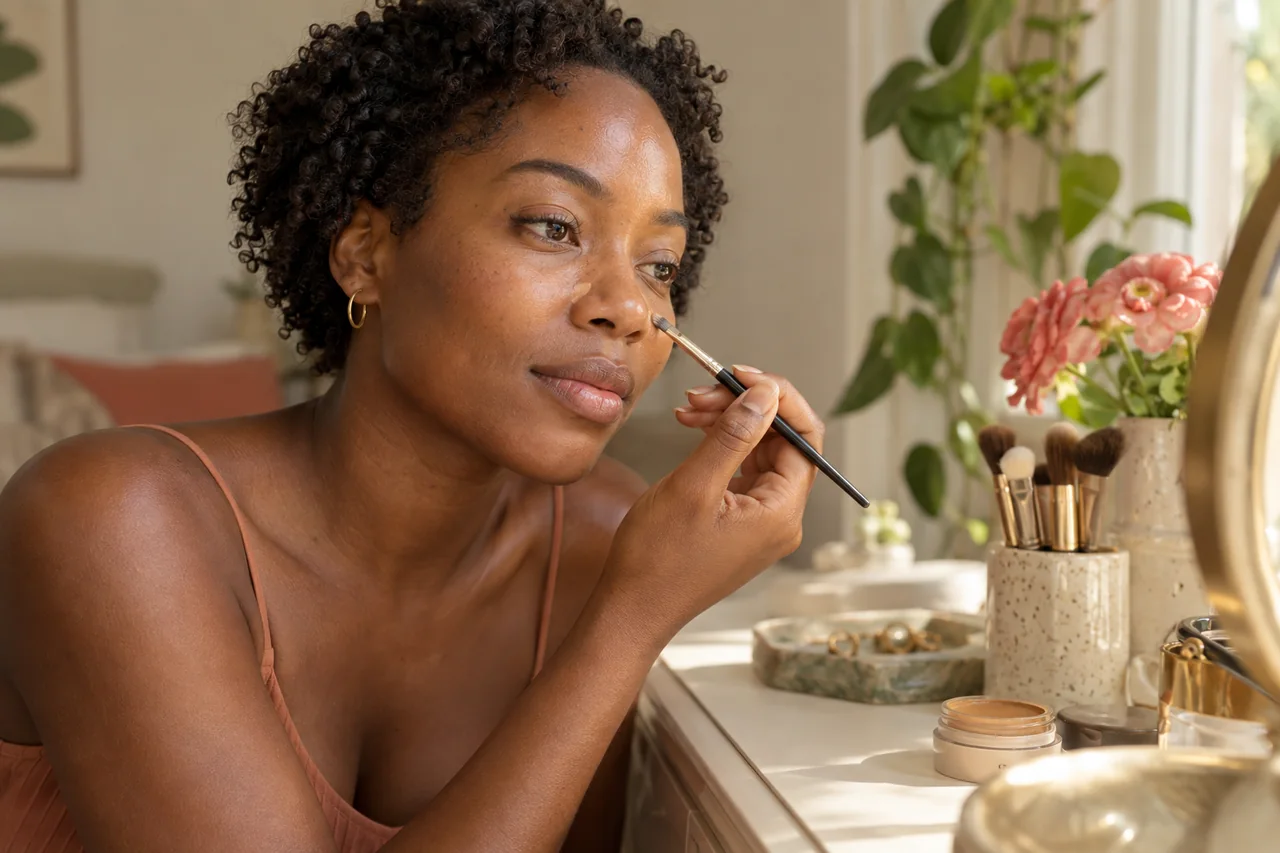
Separate targeted colour evening from intentional brightening, then control concealer shade, quantity and edges.
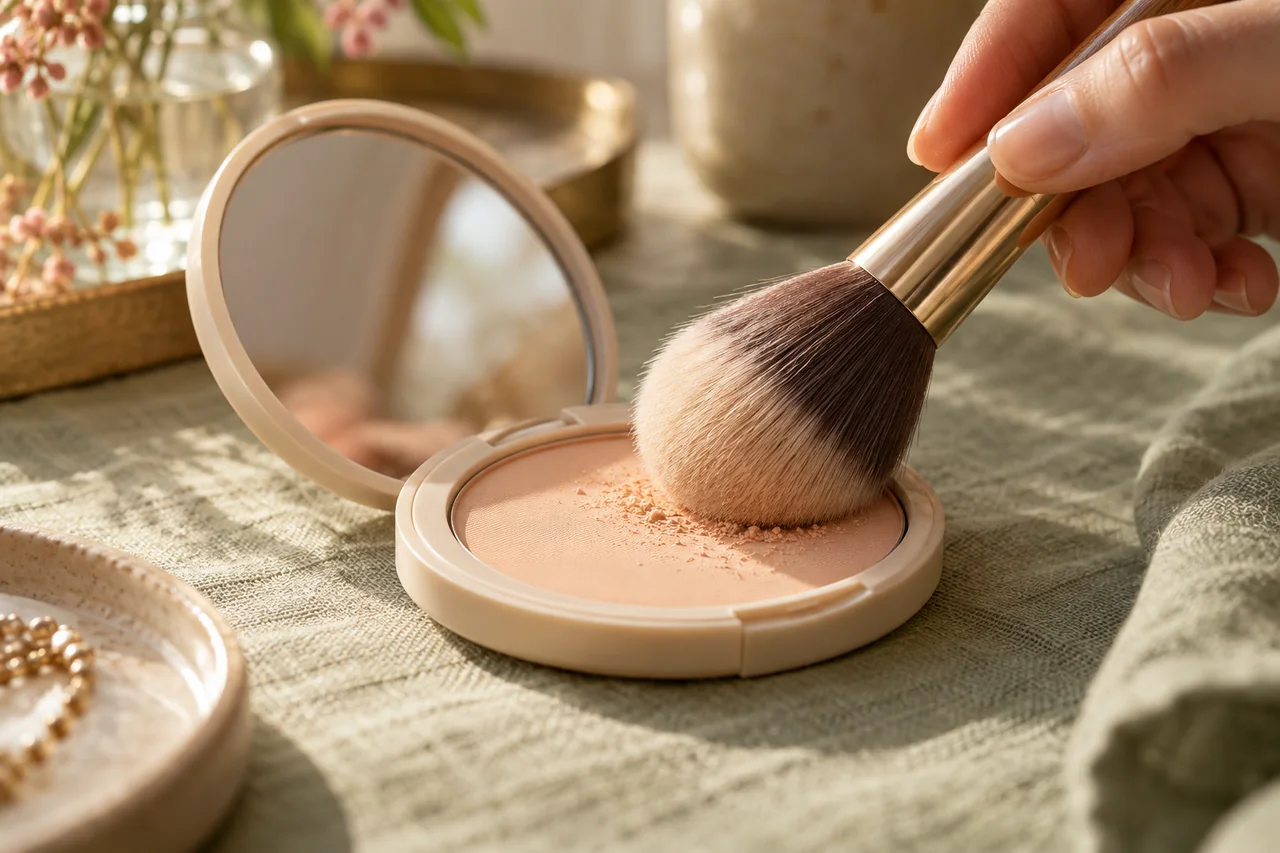
Distinguish unwanted shine from intentional glow, choose a manageable powder texture and refresh without building heavy layers.
Give primer a specific task and compare two ordinary days before adding another product to your routine.
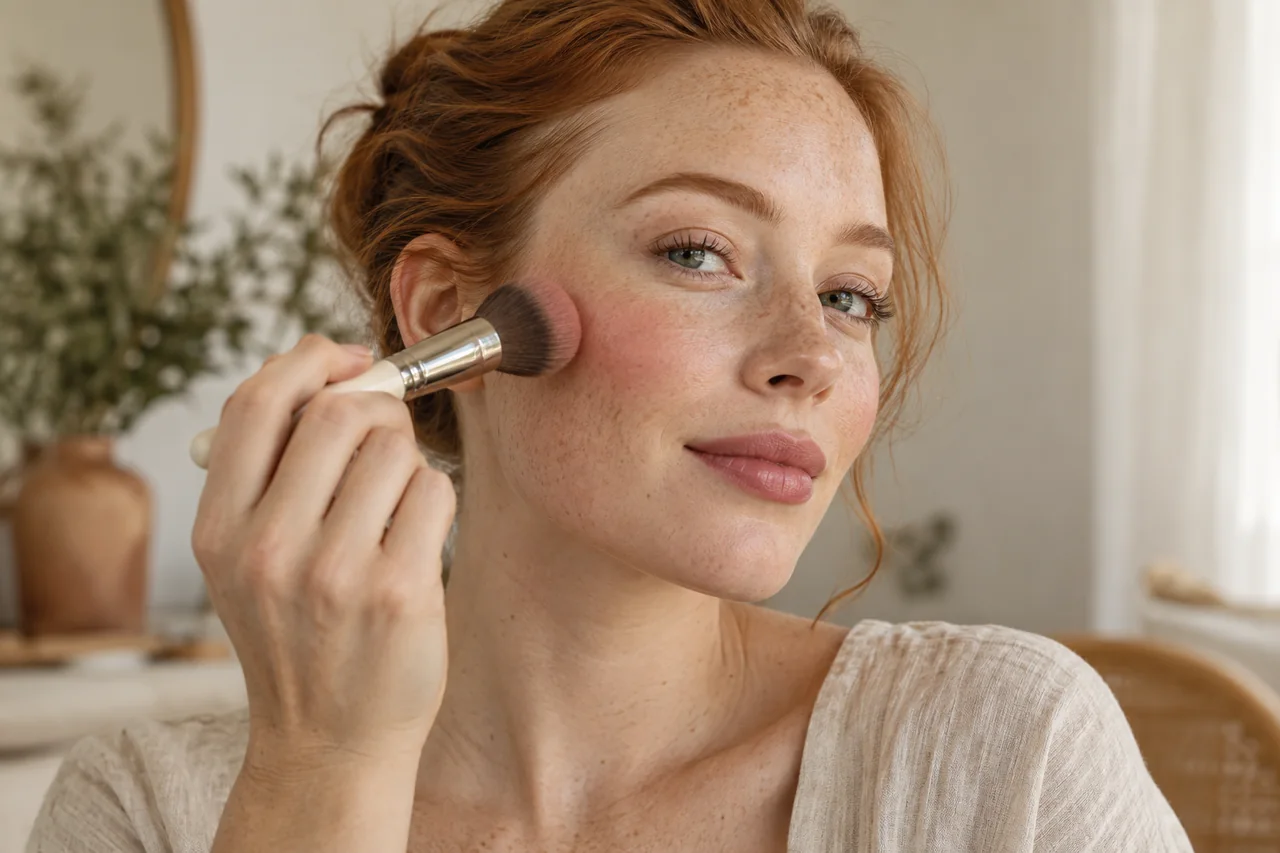
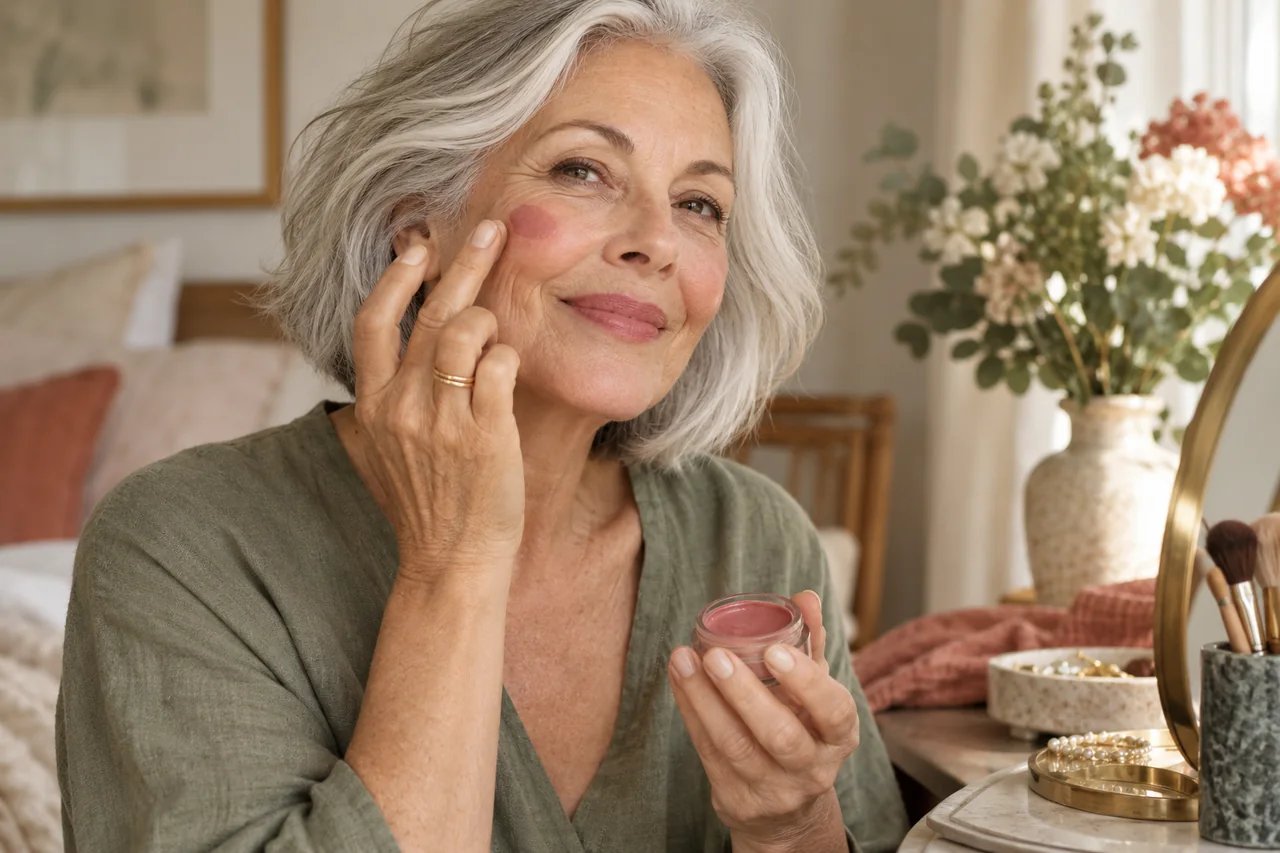
Try central, side and higher cheek placement while keeping colour and amount consistent, then choose the expression you prefer.
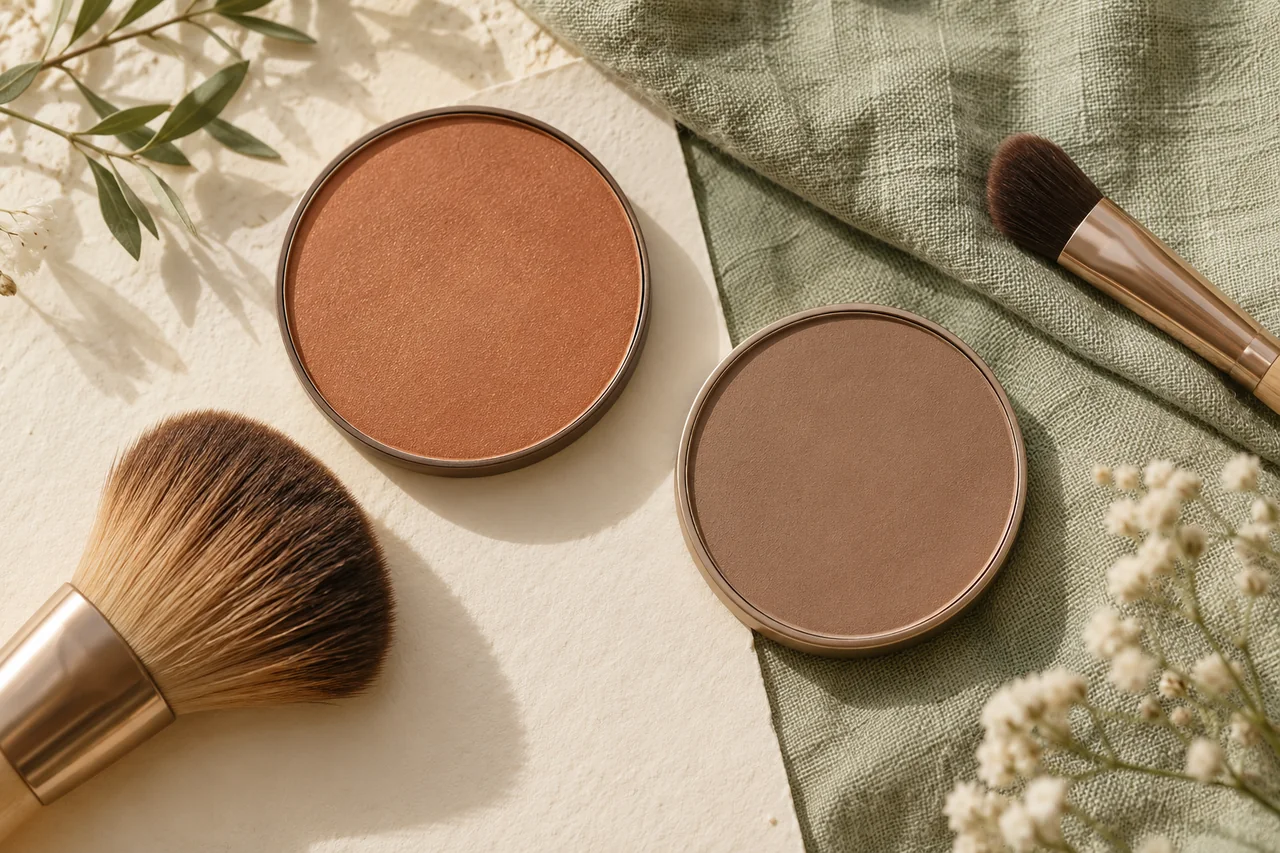
Identify whether you want warmer colour or a shadow-like accent, then compare subtle shades and small placements.
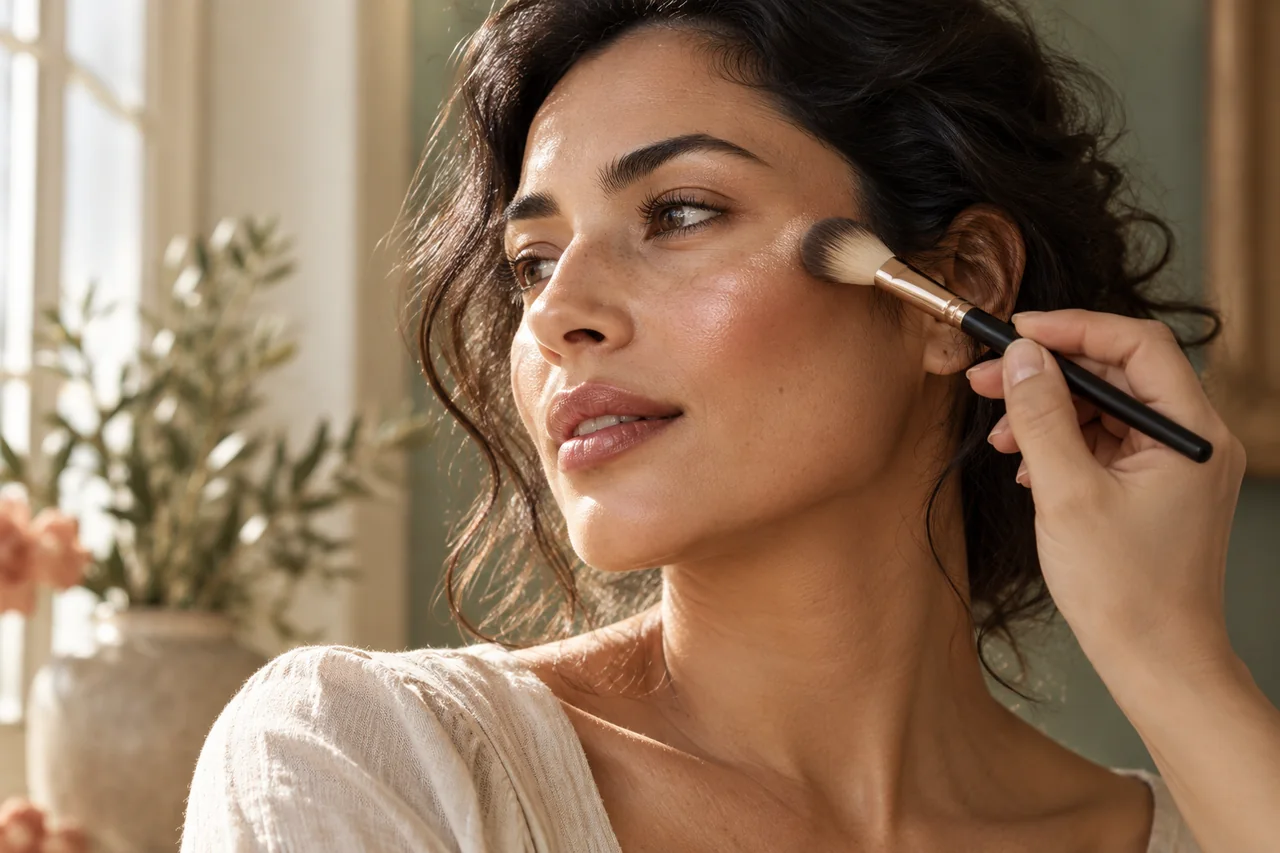
Choose one area, compare its reflection in movement and check whether your blush or foundation already provides enough glow.
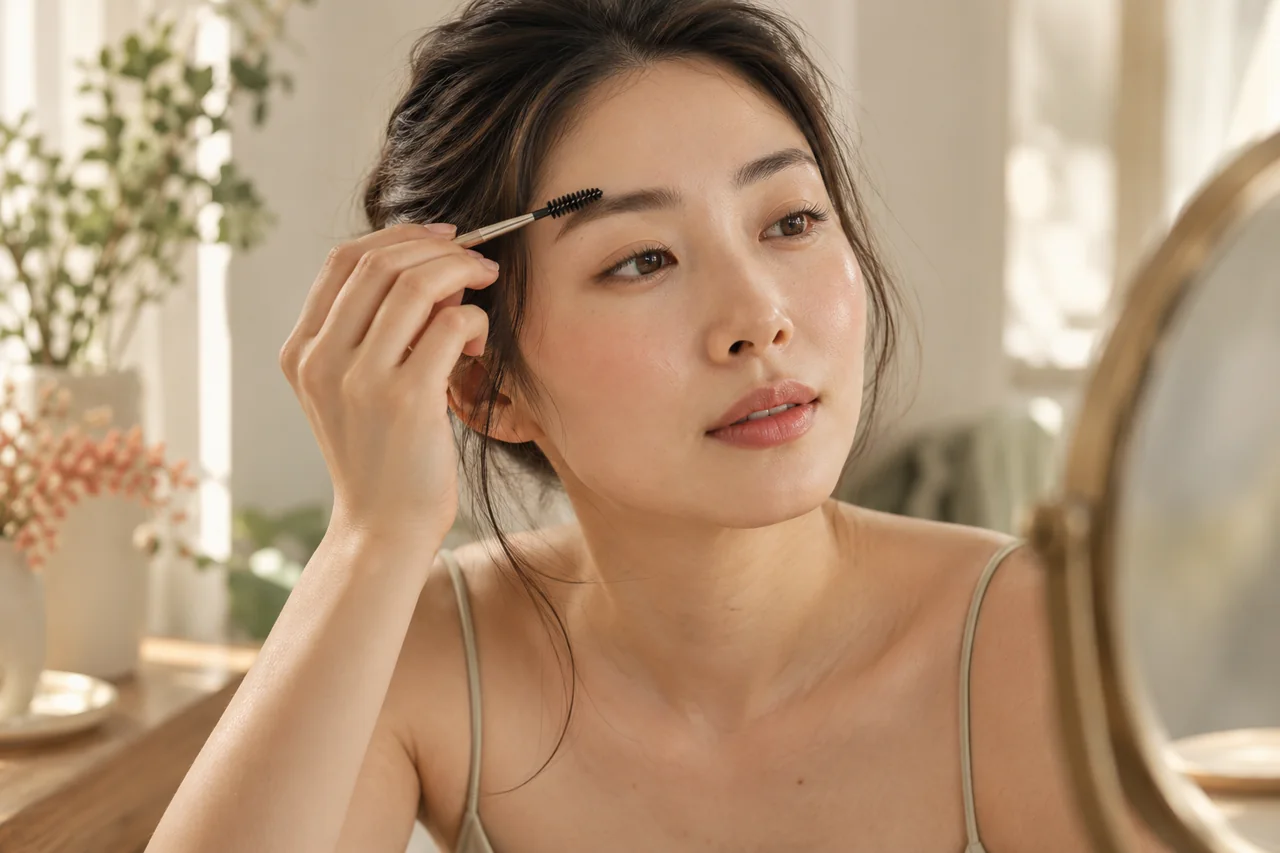
Brush the hairs, identify a small visible gap and choose a controlled amount of pencil, powder or brow gel.
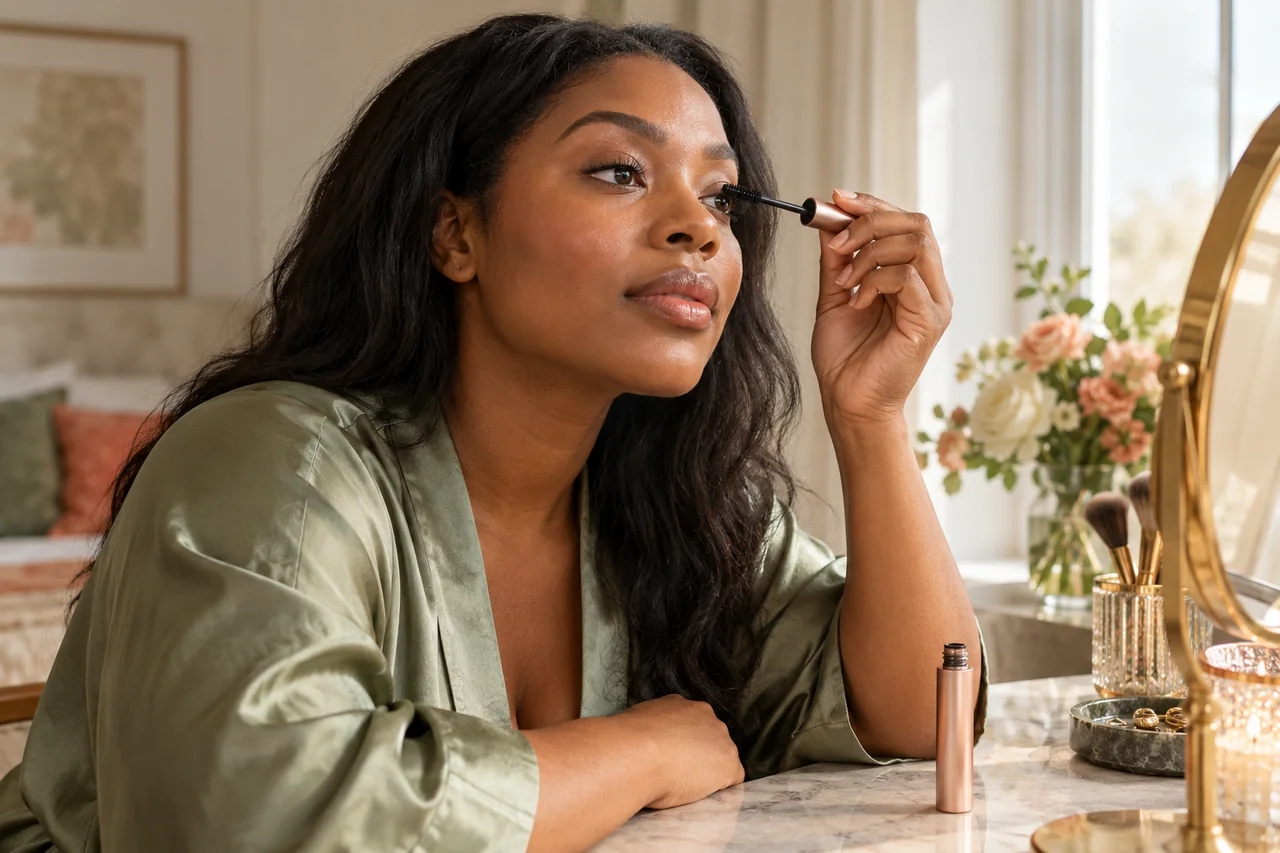
Prepare a stable mirror, control the brush load and assess one thin coat before adding more emphasis.
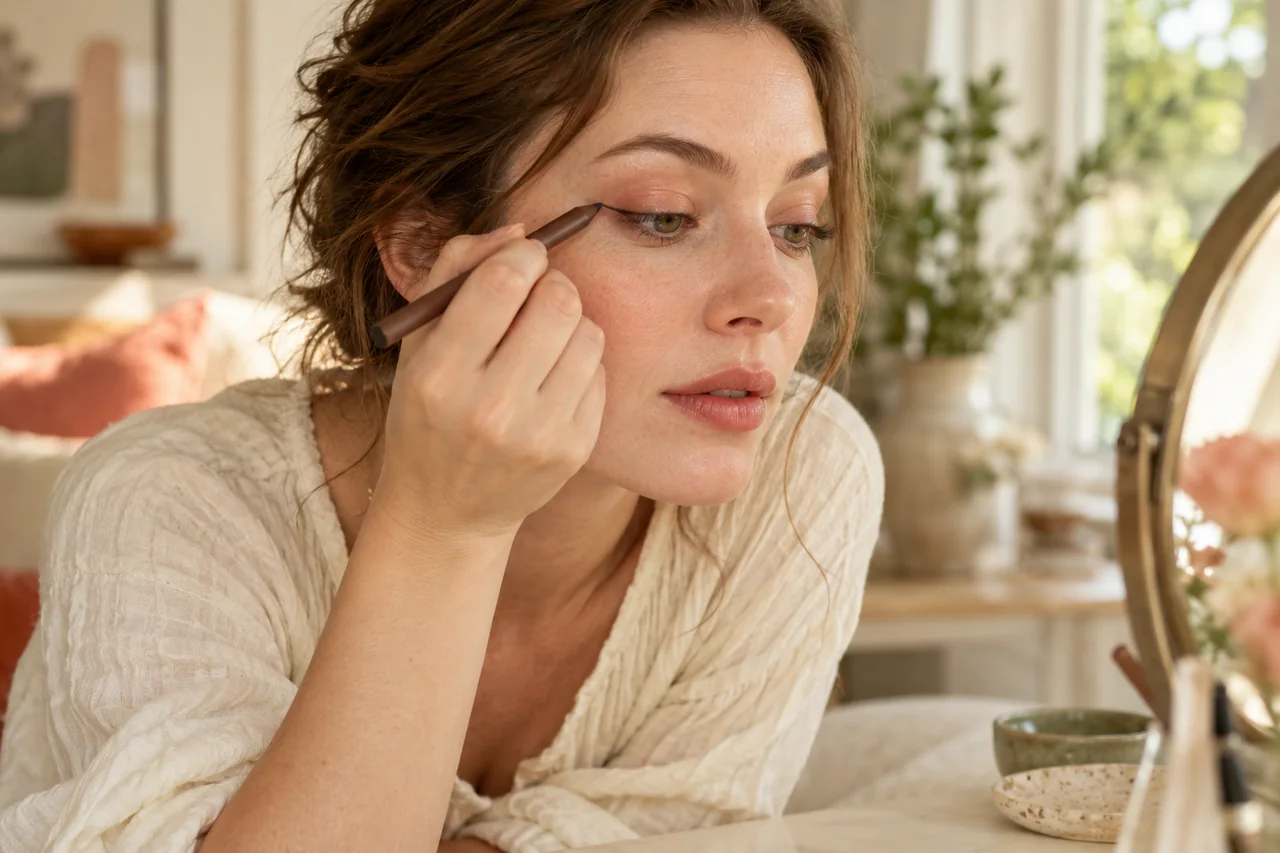
Practise a small upper-lash-line accent with a stable mirror and an eye-area product, then add a wing only if you want one.
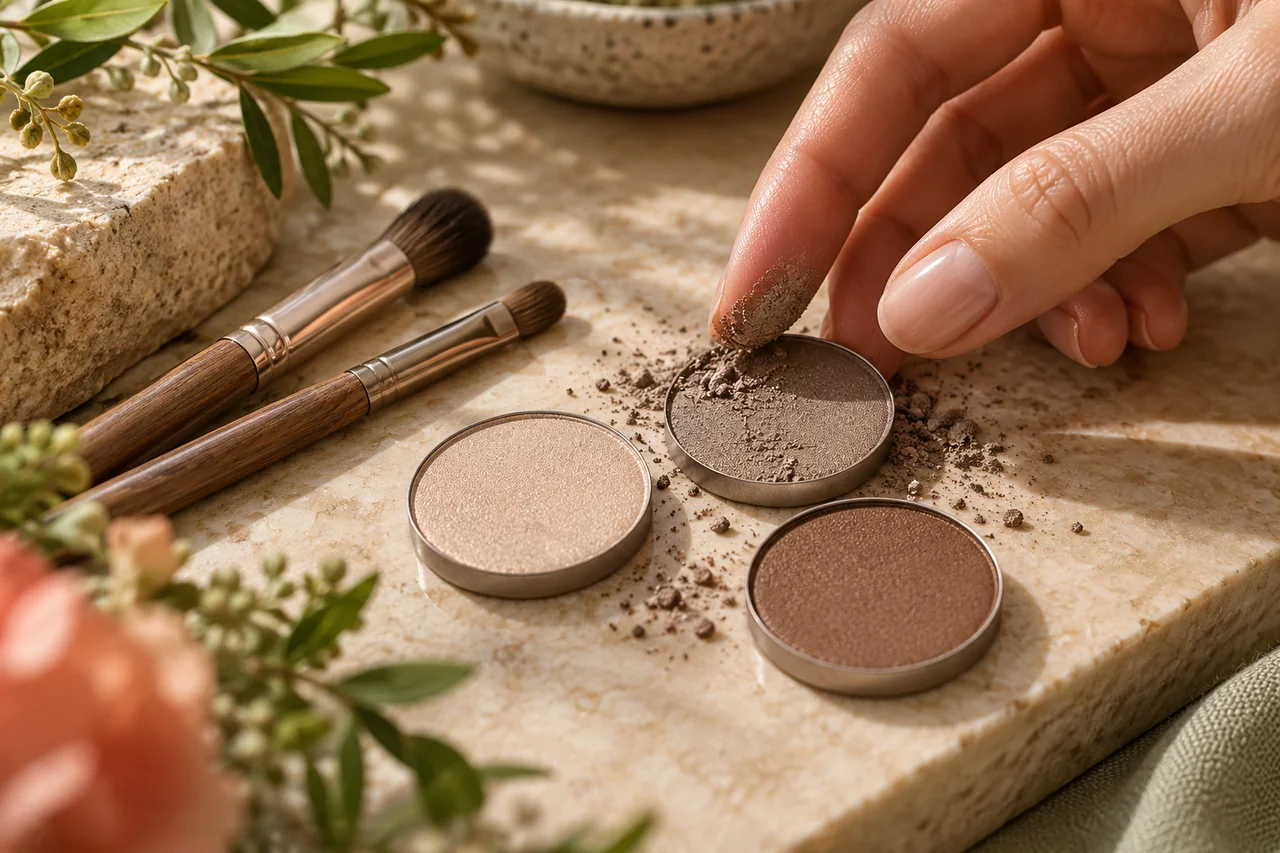
Build a light base area, a small darker accent and a soft edge with two shades and controlled amounts.
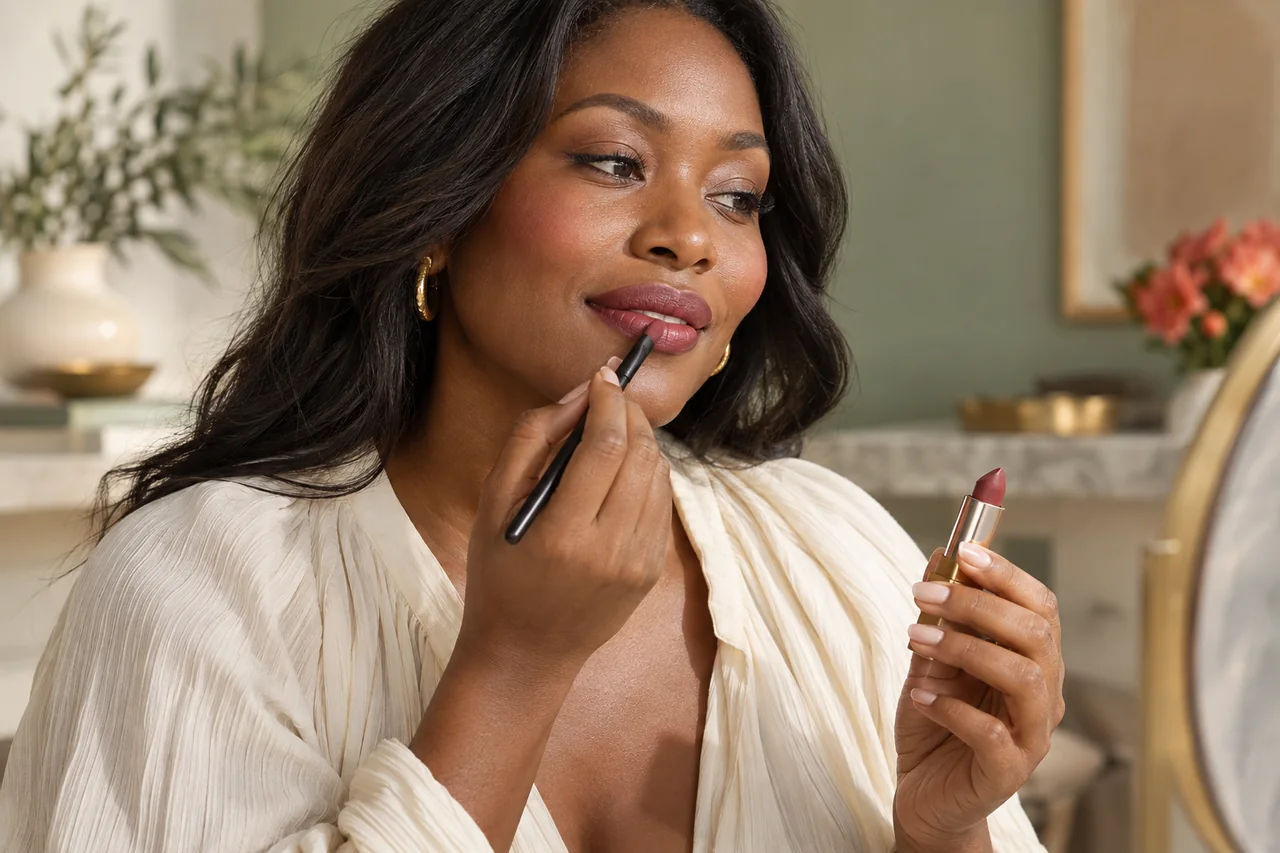
Choose a soft or defined outline, apply from the centre and check movement before deciding whether more colour is needed.
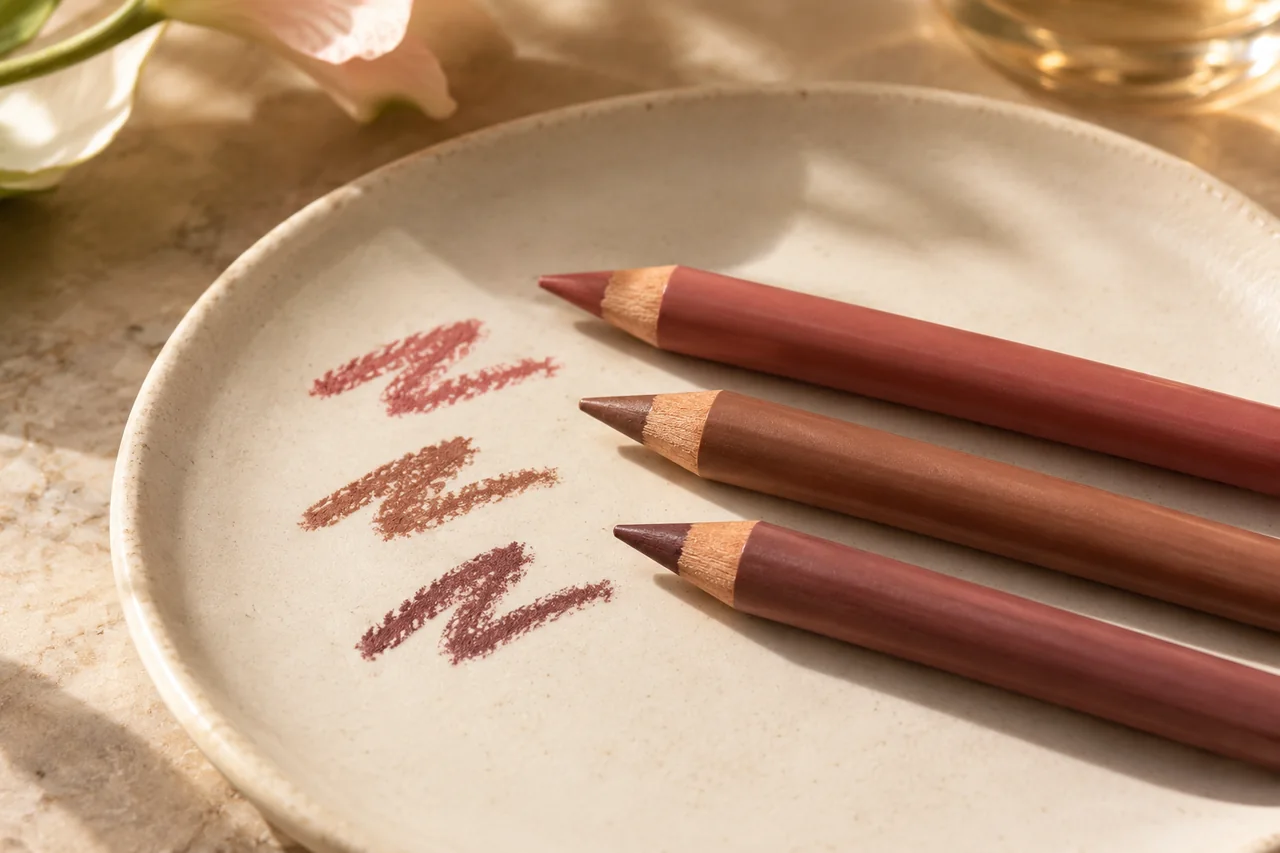
Match liner and lipstick side by side, consider texture and define whether the outline should blend in or remain visible.
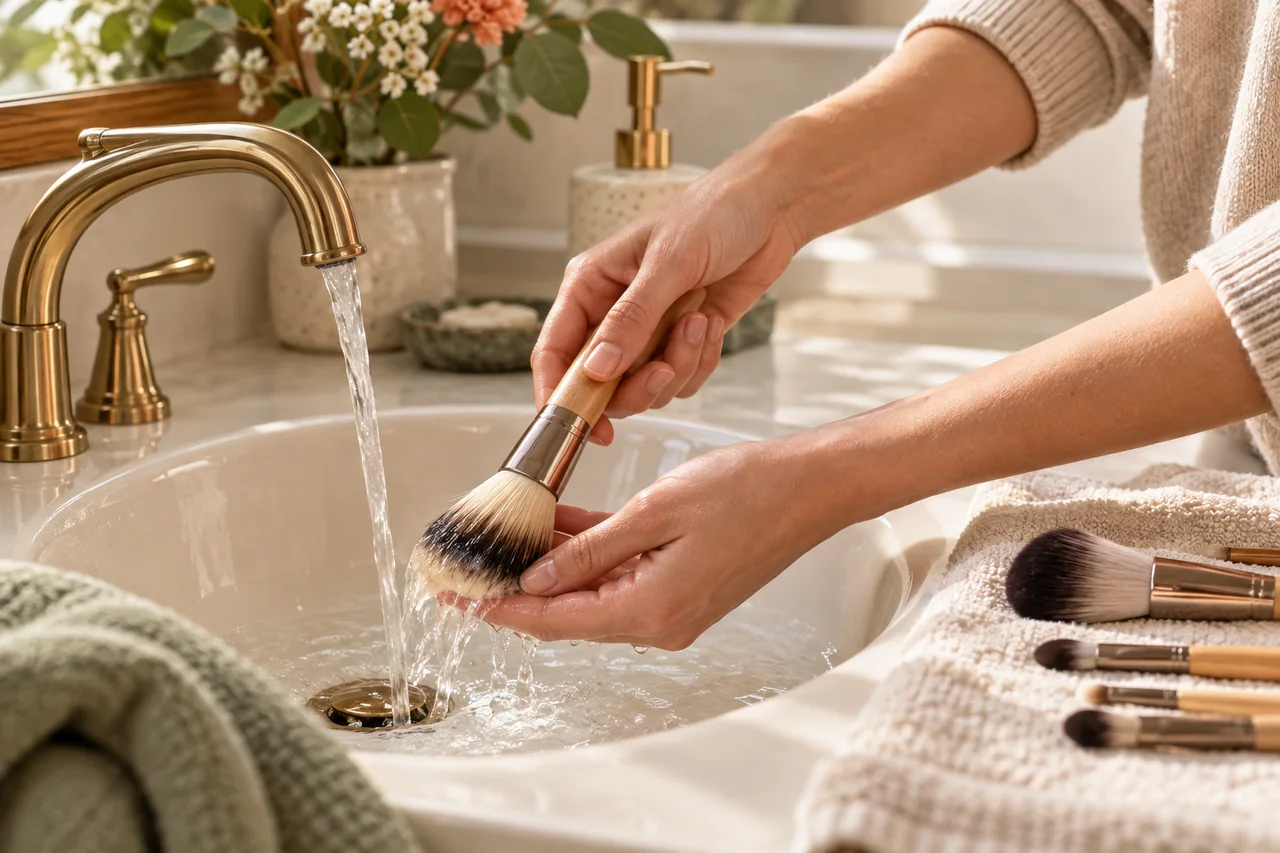
Sort brushes and applicators, follow their material instructions and finish cleaning with proper drying and storage.
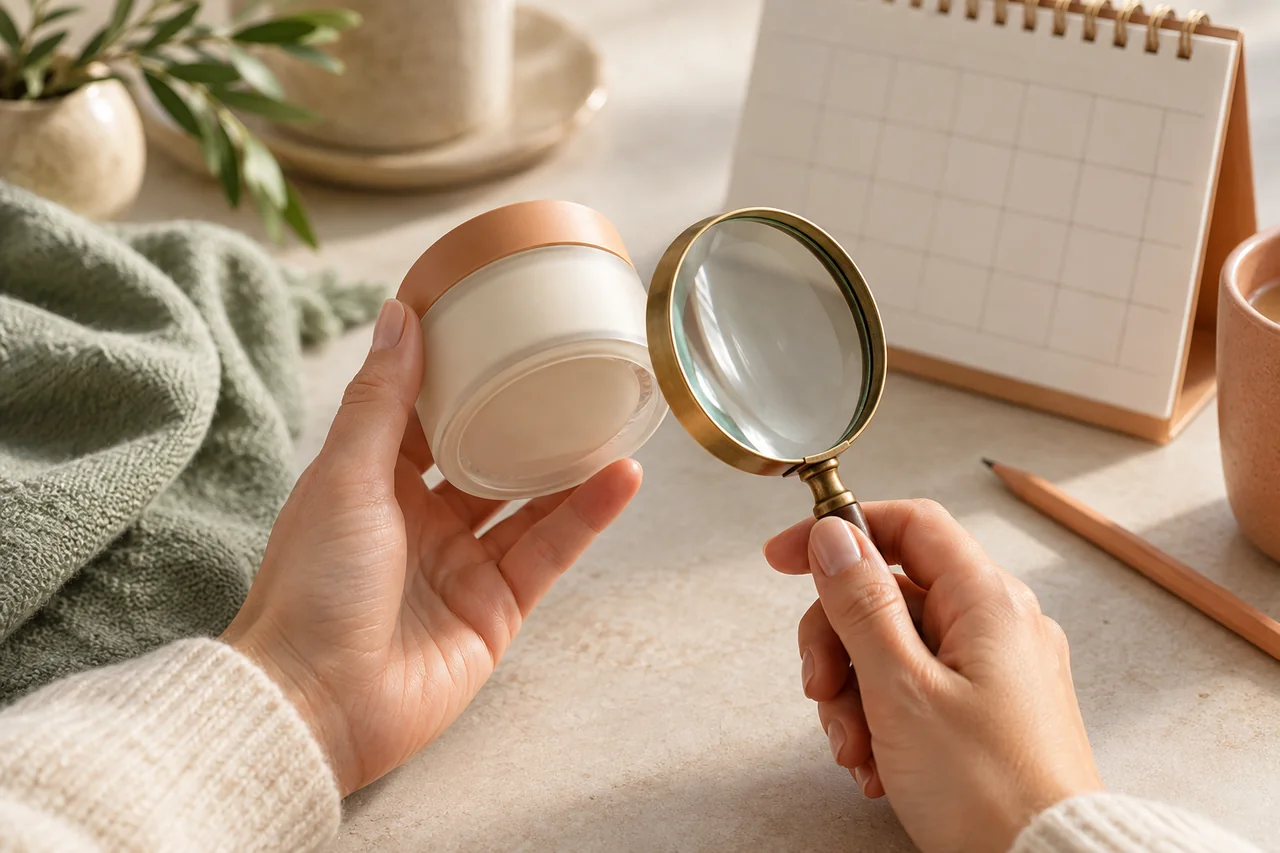
Read EU cosmetic durability information, record opening dates and avoid treating a calendar reminder as a safety guarantee.
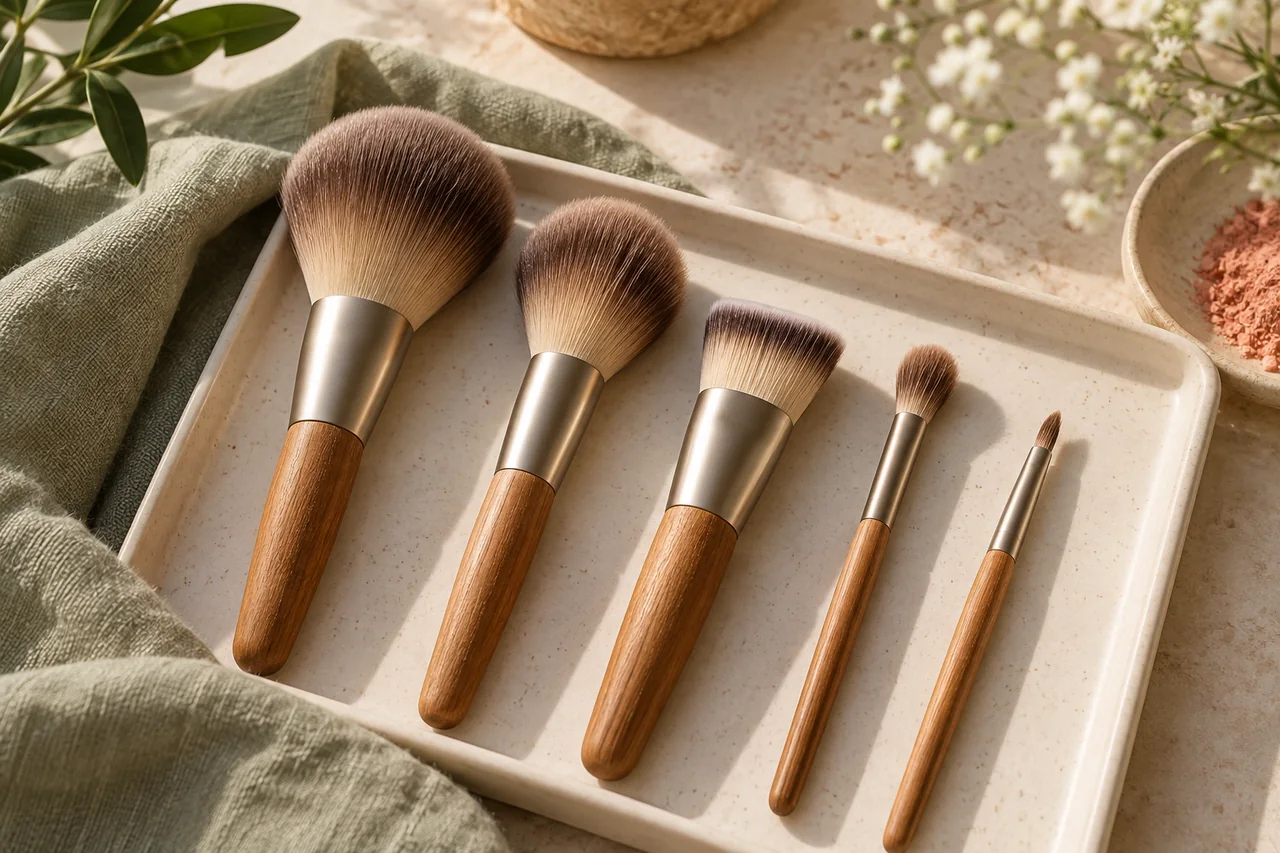
Match brush area, density and handle to your real routine, then add a tool only for a problem you can name.
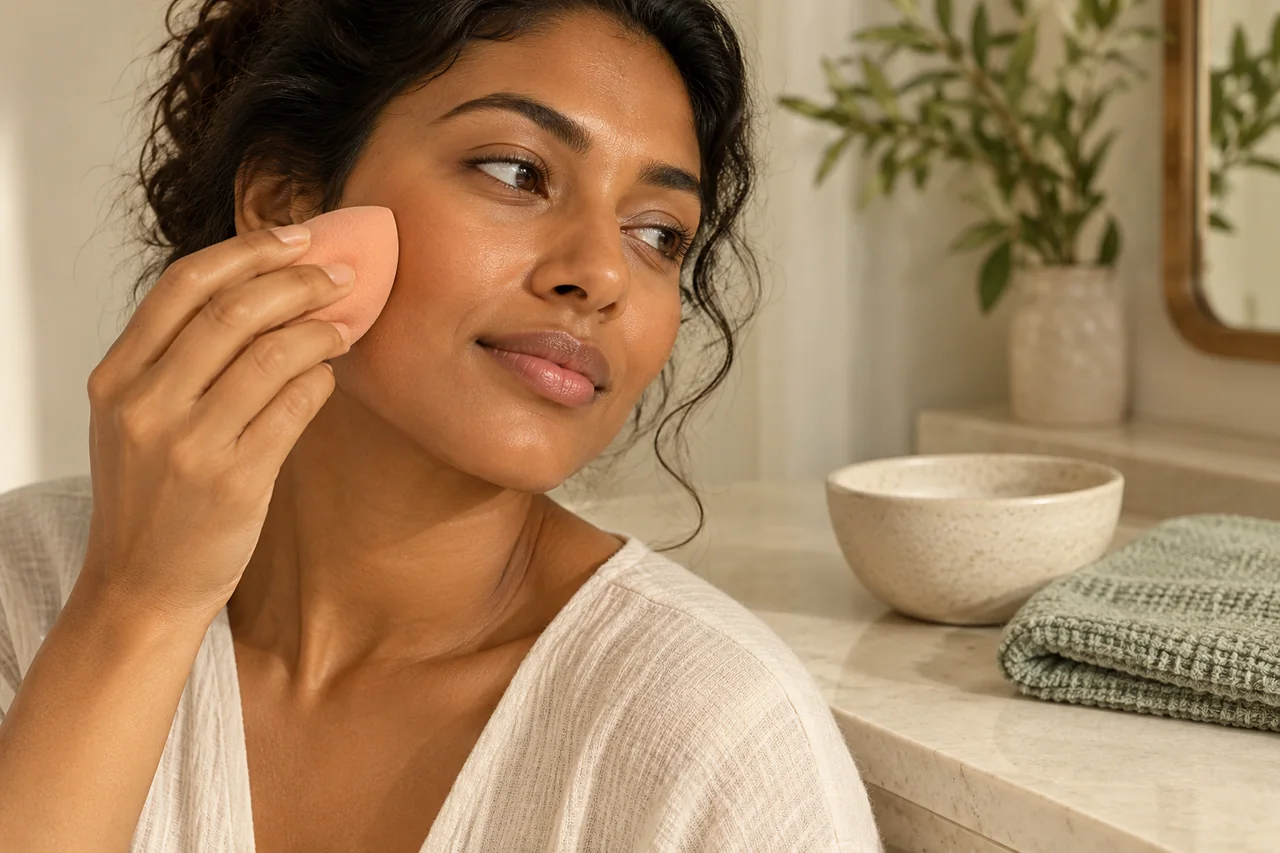
Follow the sponge’s instructions, start with little foundation and compare whether tapping improves your chosen transition.
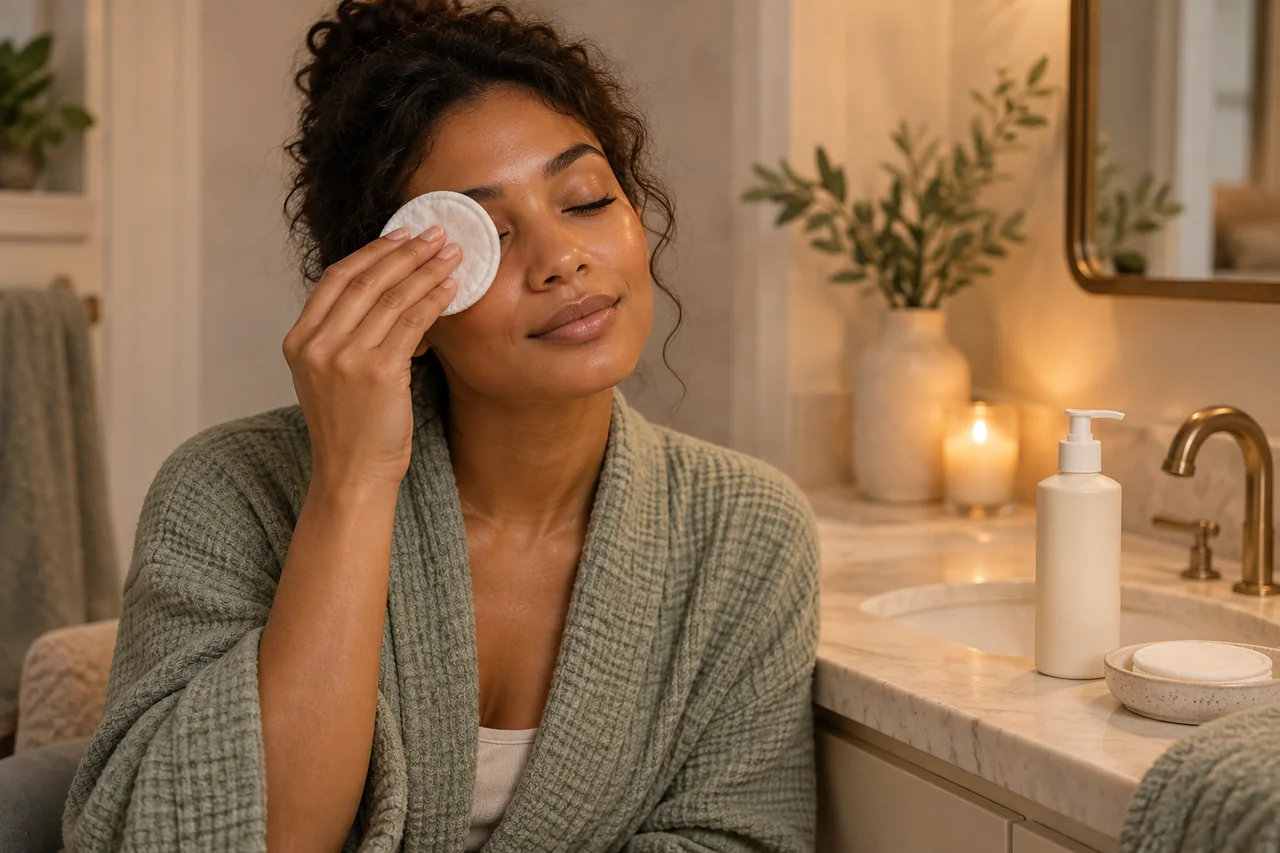
Match the remover to the product and application area, prepare clean tools and reduce friction rather than adding force.
Describe the discomfort, simplify cosmetic extras and compare foundation amount and technique one change at a time.
Identify one area, blot gently if useful and add powder only where the finish needs changing.
Choose the emphasis you enjoy and compare product quantity, movement and practical handling without age-based bans.
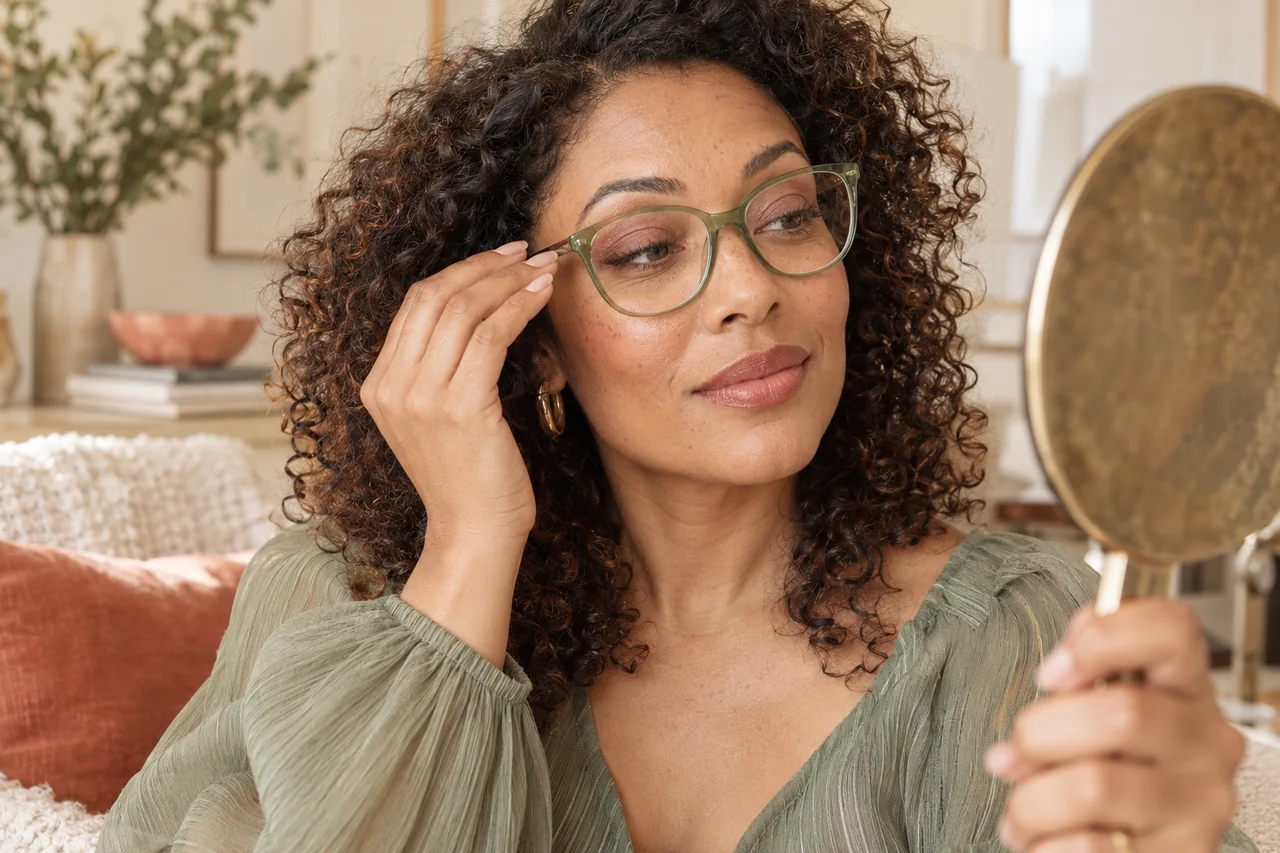
Assess your actual look with glasses on, keep contact areas light and separate make-up adjustments from frame fitting.
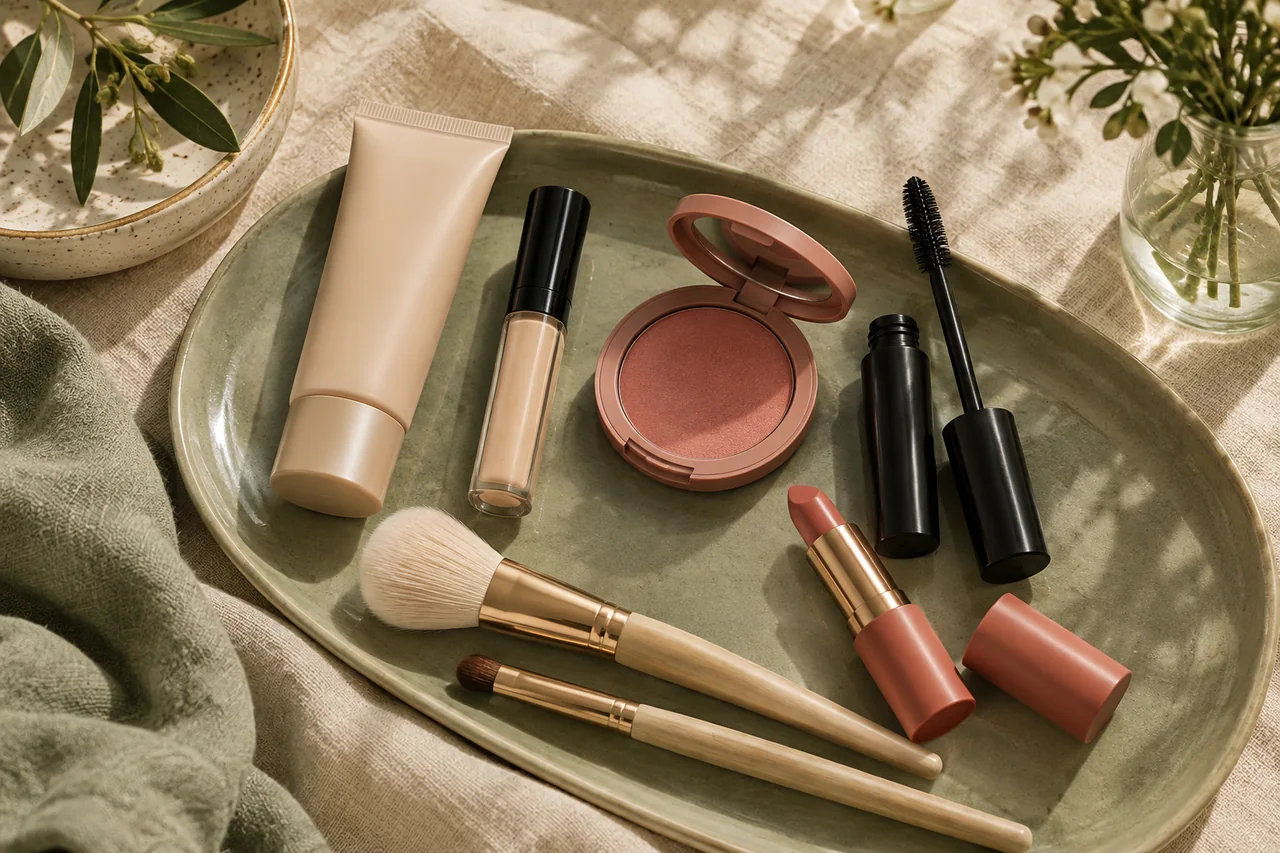
Start from two or three effects, inspect what you own and budget for removal and tool care before buying extras.
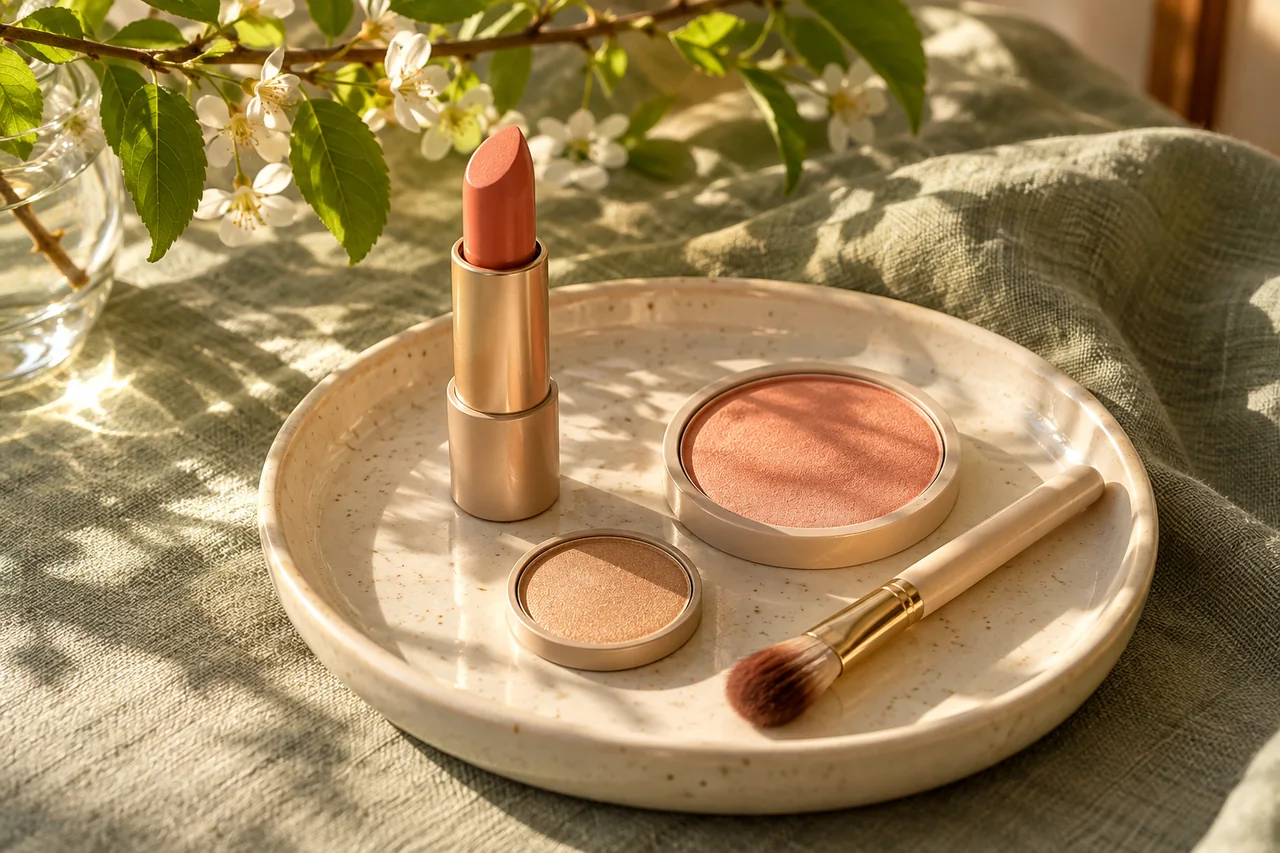
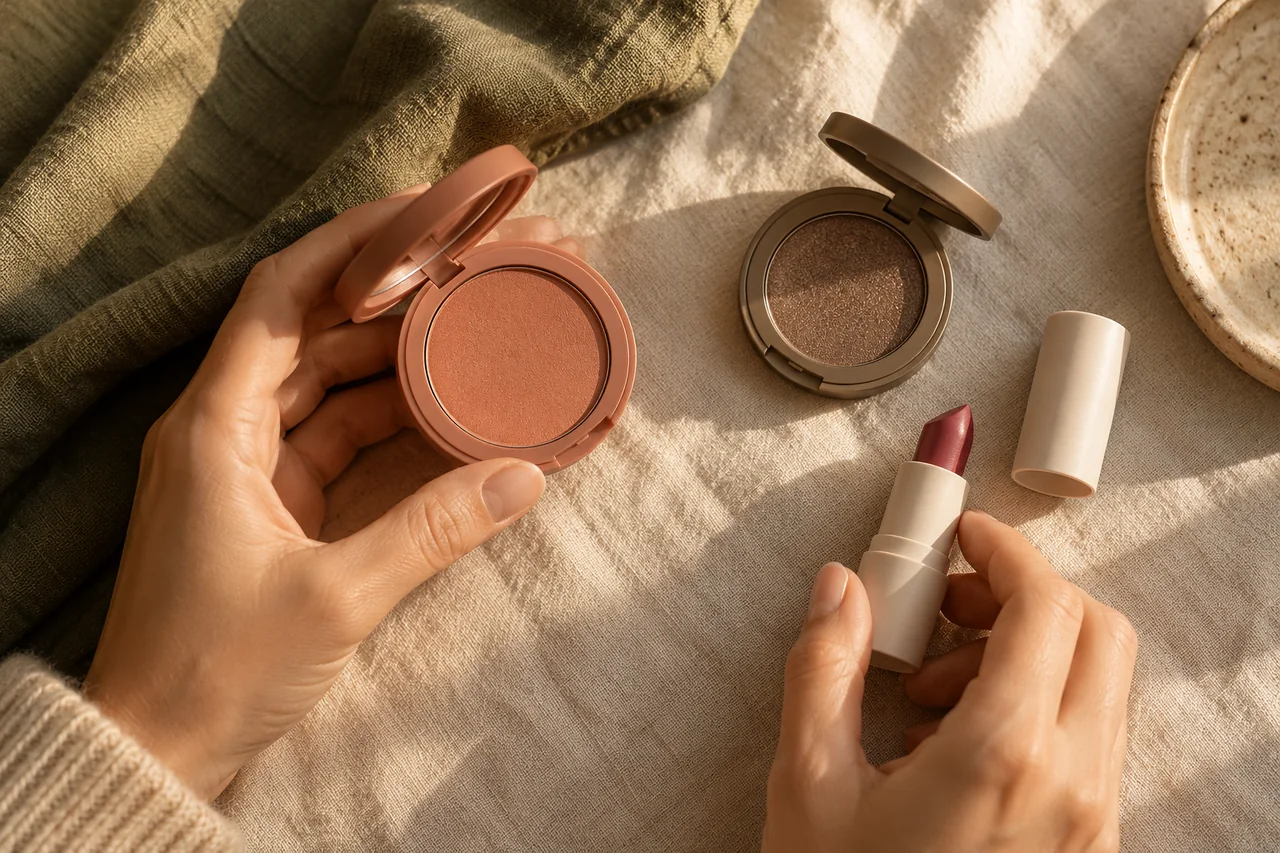
Compare peach, apricot and coral at similar coverage, then adjust depth and intensity to the look you want.
Build a softer colour combination by comparing depth, transparency and everyday handling rather than selecting only pale shades.
Explore warm muted shades with light or stronger application, separating colour depth from metallic finish.
Compare lip intensity, eye-line width and clothing one at a time instead of treating strong contrast as a requirement.
Build a personal palette by comparing depth, warmth, intensity, surface and everyday effort in a clear sequence.
Compare colour depth, opacity and the frame of clothing or glasses without assigning your skin a fixed set of permitted shades.
Keep depth and coverage similar, account for natural lip colour and test a familiar clothing combination first.
Choose the depth, colour direction and finish that create your preferred quiet look, without treating pale beige as the standard.
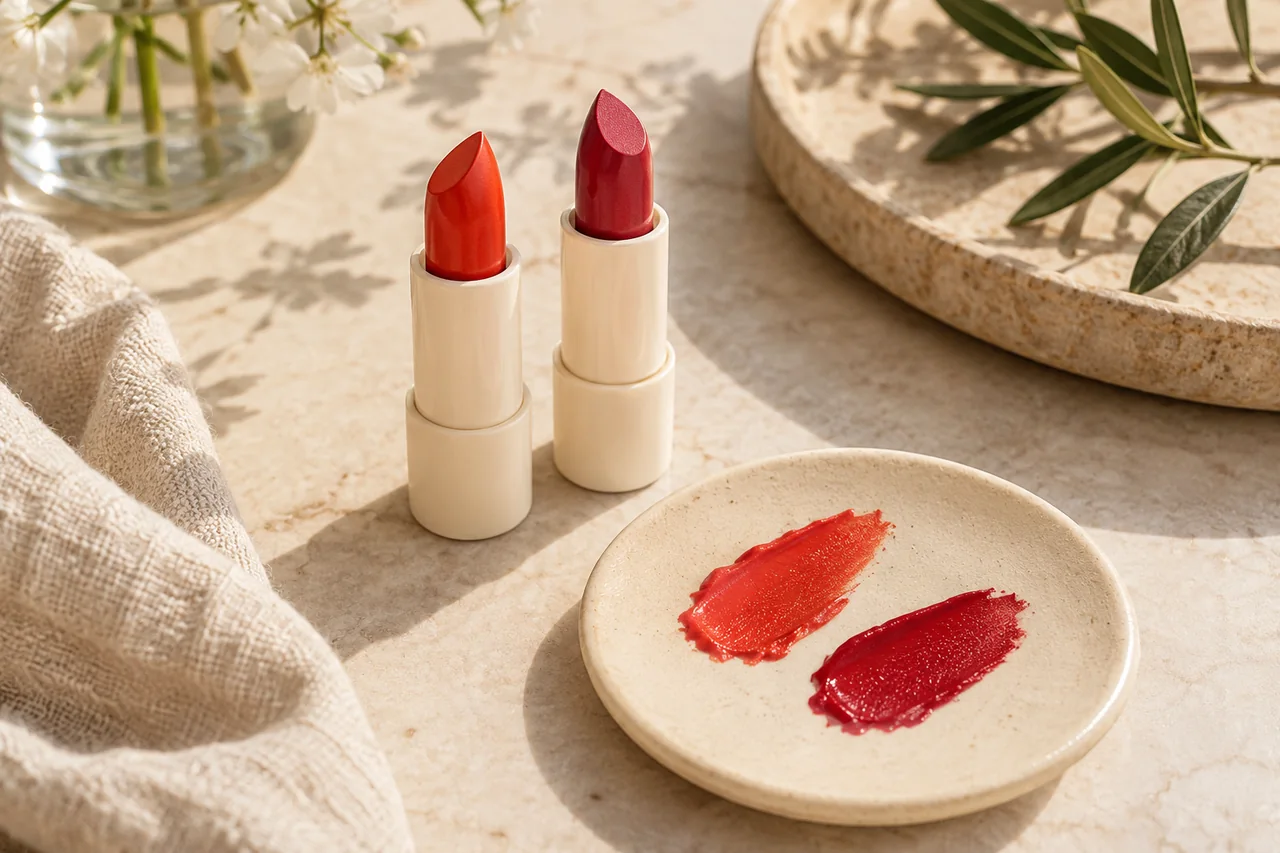
Compare red families fairly, select a manageable outline and test a normal day before buying another similar shade.
Compare rosy, violet and brown berry directions, then choose coverage, edge and upkeep for your daily life.
Find a coral lip or cheek colour by comparing depth, coverage and pink-orange balance, then try it with clothes you already own.
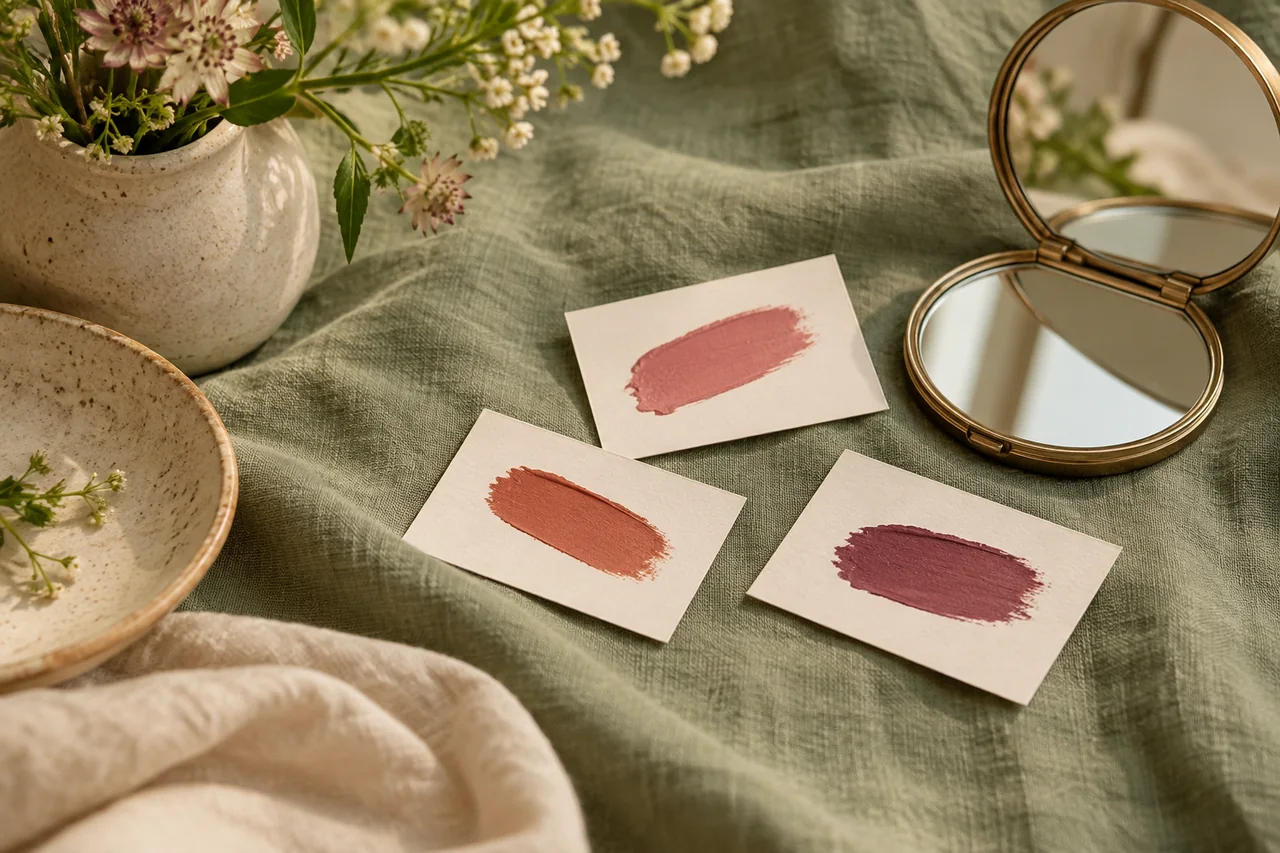
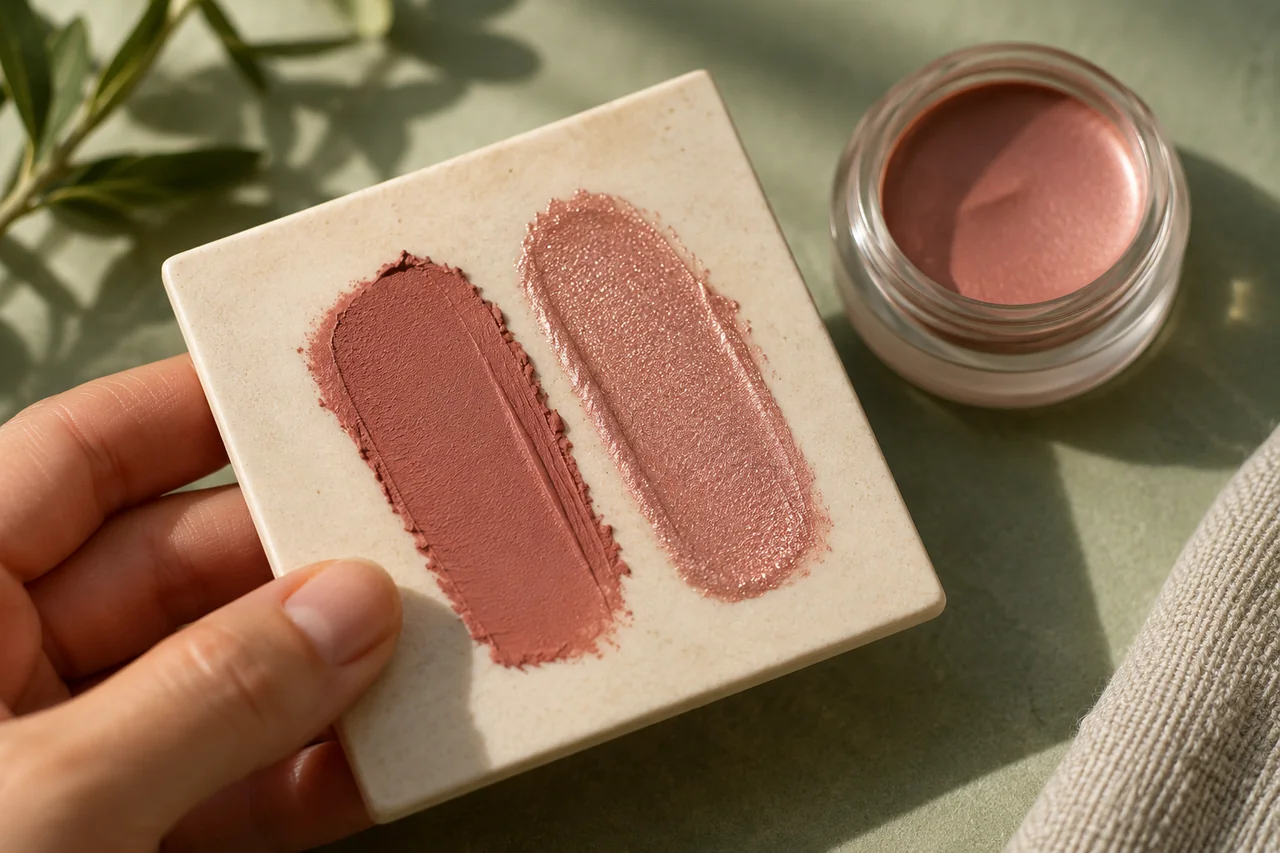
Compare peach, rose and berry blush by changing one feature at a time: colour, depth, finish or quantity, with your usual lips and clothes.
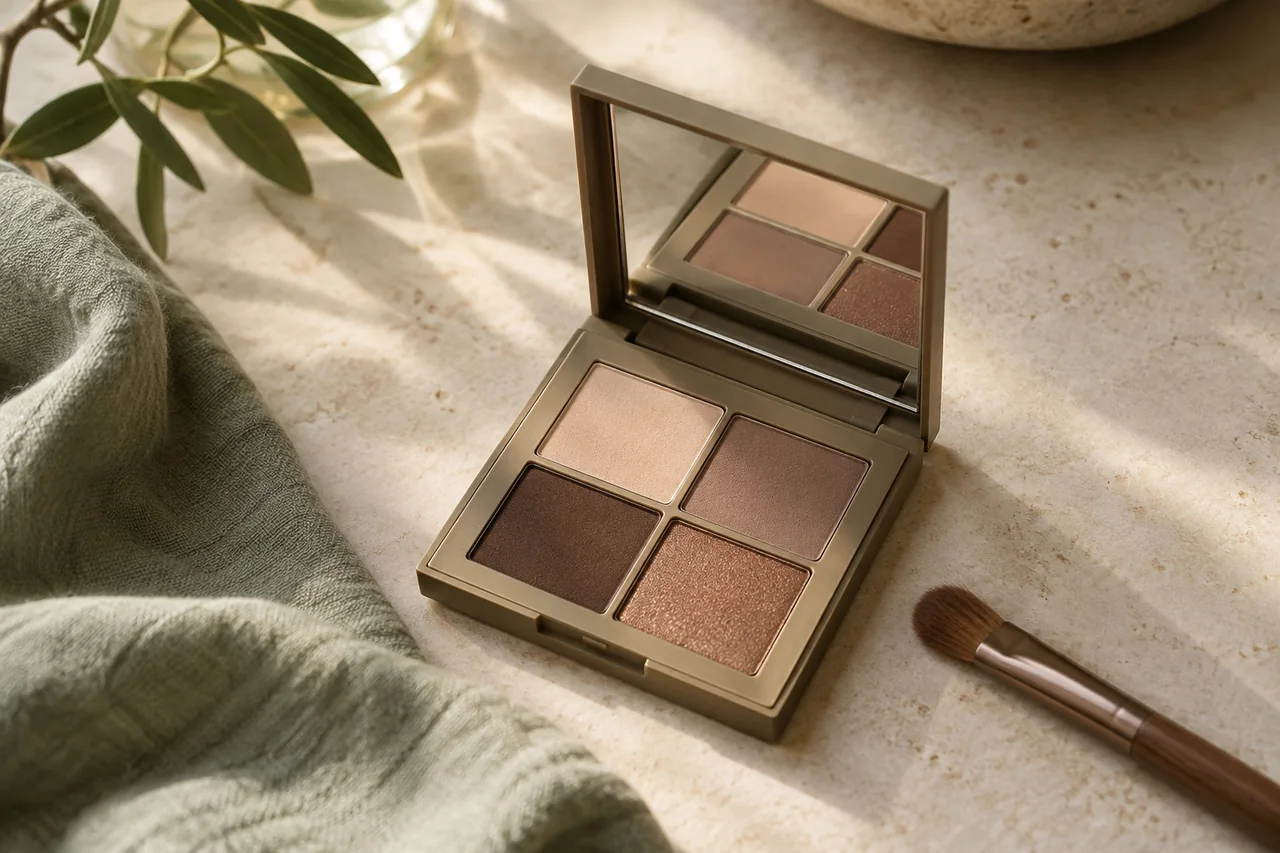
Compare brown, plum and bronze eyeshadow through colour, depth and finish, without promises to change how your eye colour appears.
Explore taupe, copper and blue eyeshadow with fair comparisons of colour, finish and placement, including practical eye-cosmetic safety.
Try muted berry, green or taupe eyeshadow while keeping depth, finish and placement easy to compare. No rigid eye-colour rules required.
Plan a small eyeshadow selection around the looks you wear, comparing depth, warmth and finish before adding another palette.
Compare make-up finishes through similar colours, placement and everyday light, without age rules or pressure to hide skin texture.
Build a connected lip, cheek and eye look using related colours, varied intensity and products approved for each application area.
Choose your priorities, remove daily bottlenecks and keep a two-step backup routine. Five minutes is a planning guide, not a test.
Build a comfortable workday make-up routine around your priorities, workplace light, video calls and realistic opportunities to refresh it.
Plan an evening look with one clear accent, a realistic trial and simple touch-ups instead of adding products just because it is evening.
Prepare a photo look with controlled test shots, small adjustments and realistic expectations about light, cameras and natural skin texture.
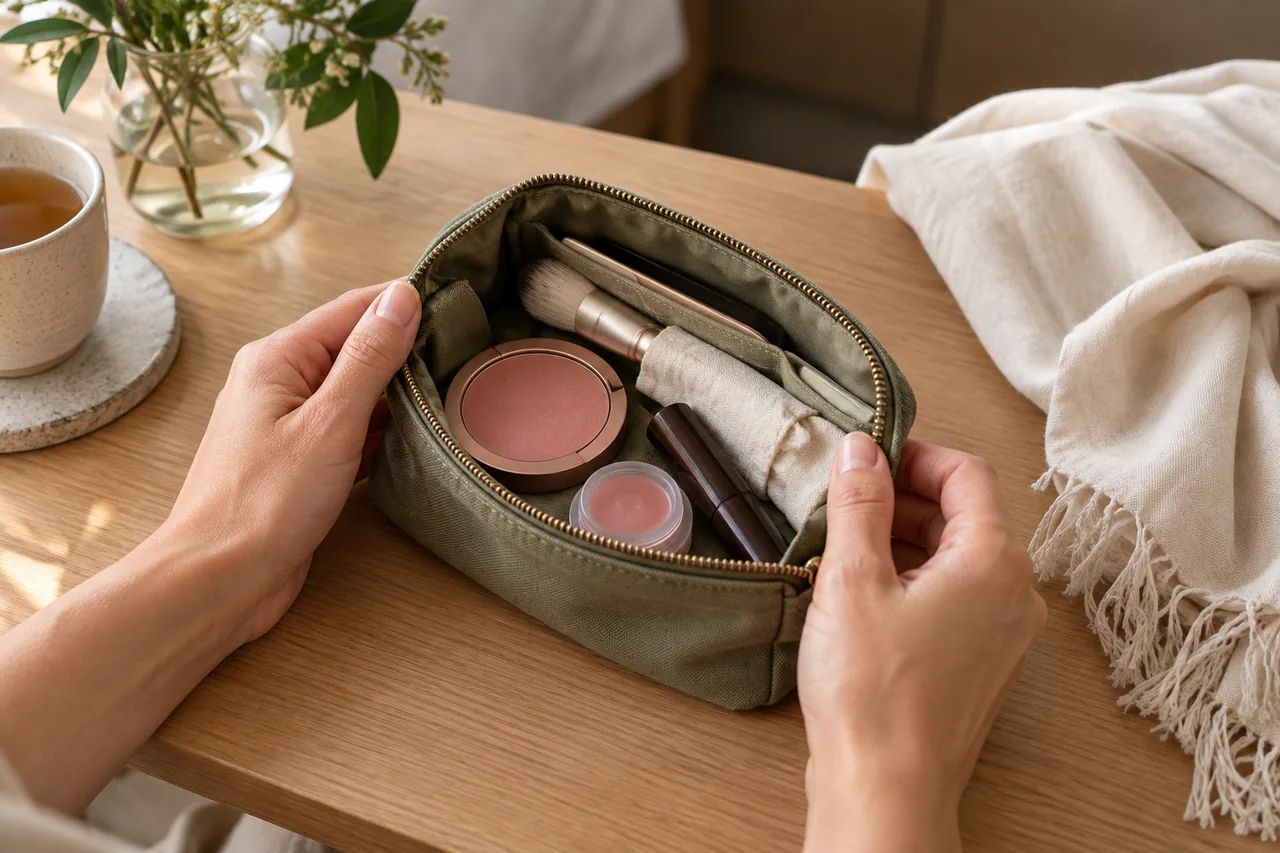
Pack familiar make-up for your actual travel plans, protect clean tools and keep product information accessible without buying unnecessary minis.
Build useful outfit and make-up combinations with existing colours, paying attention to collars, scarves, glasses and the look you want.
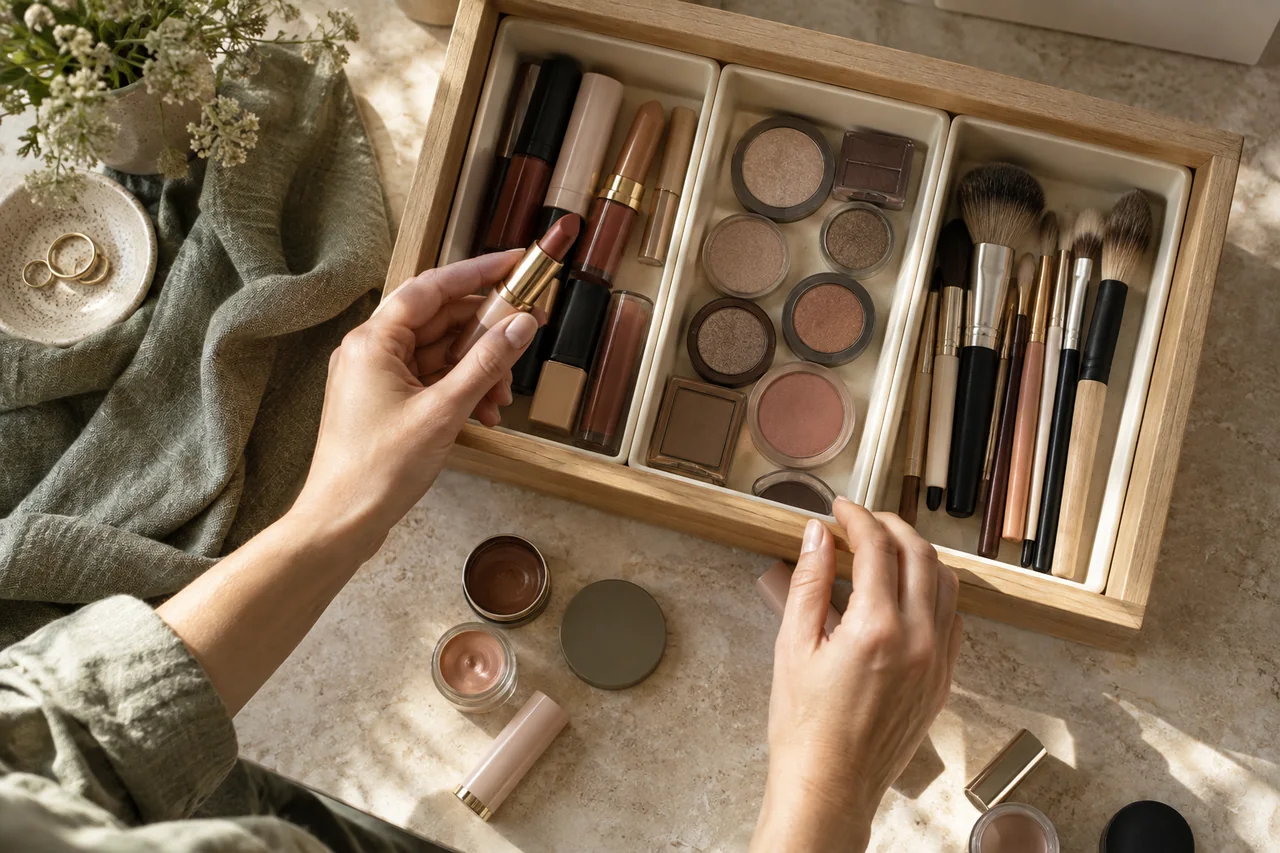
Review product information and condition, identify duplicates and separate everyday favourites from a clear reserve before buying organisers or replacements.