Hair and hairstyles
Choose a hairstyle for your real routine
Compare natural movement, minimum length, daily styling and salon upkeep to prepare two realistic haircut options.
eu. infopoint
Prepare realistic choices for your hair and daily life.
Compare natural movement, minimum length, daily styling and salon upkeep to prepare two realistic haircut options.
Separate length, outline, layers and fringe from the styling in reference photos to plan a bob that fits your routine.
Translate a full-looking outline, moving ends and parting preferences into a realistic haircut and styling brief.
Discuss nape, sides and top together, including glasses, minimum front length and a manageable growing-out plan.
Separate upper layers, front framing and the lower outline so movement fits your hair and practical needs.
Define fringe width, dry length and visible density, with practical checks for glasses, natural parting and maintenance.
Agree on the shortest dry point, preferred parting and everyday tied-back options before choosing front framing.
Discuss nape, ears and top length together, including everyday styling, contour appointments and possible longer stages.
Plan the outline around tying, ear clearance and shoulder contact, with separate decisions for front framing and internal movement.
Describe where you want visible fullness, compare outline and layers, and preserve the functions your everyday hairstyle needs.
Identify the specific source of unwanted bulk, preserve the outline you like and compare loose and tied-back styles.
Agree visible dry length, the shortest section and the overall silhouette using your ordinary curl pattern and routine.
Check fringe, temples and frame lines in real movements, and distinguish a hairstyle issue from an optical fitting problem.
Choose the next useful shape, protect target lengths and manage awkward sections with clear, reversible steps.
State your main goal, practical limits and real routine, then clarify the proposed work, price and upkeep before starting.
Separate depth from coolness, compare real swatches and discuss previous colour, realistic stages and ongoing care.
Decide when the accent should show, test its placement with everyday styles and plan treatment, care and later changes.
Describe roots, face-framing and lengths separately, then discuss placement, maintenance and the complete appointment scope.
Decide how visible grey should remain, assess the different colour zones and plan realistic stages with future regrowth in mind.
Balance length, visible contrast and maintenance while choosing manageable stages instead of a fixed completion date.
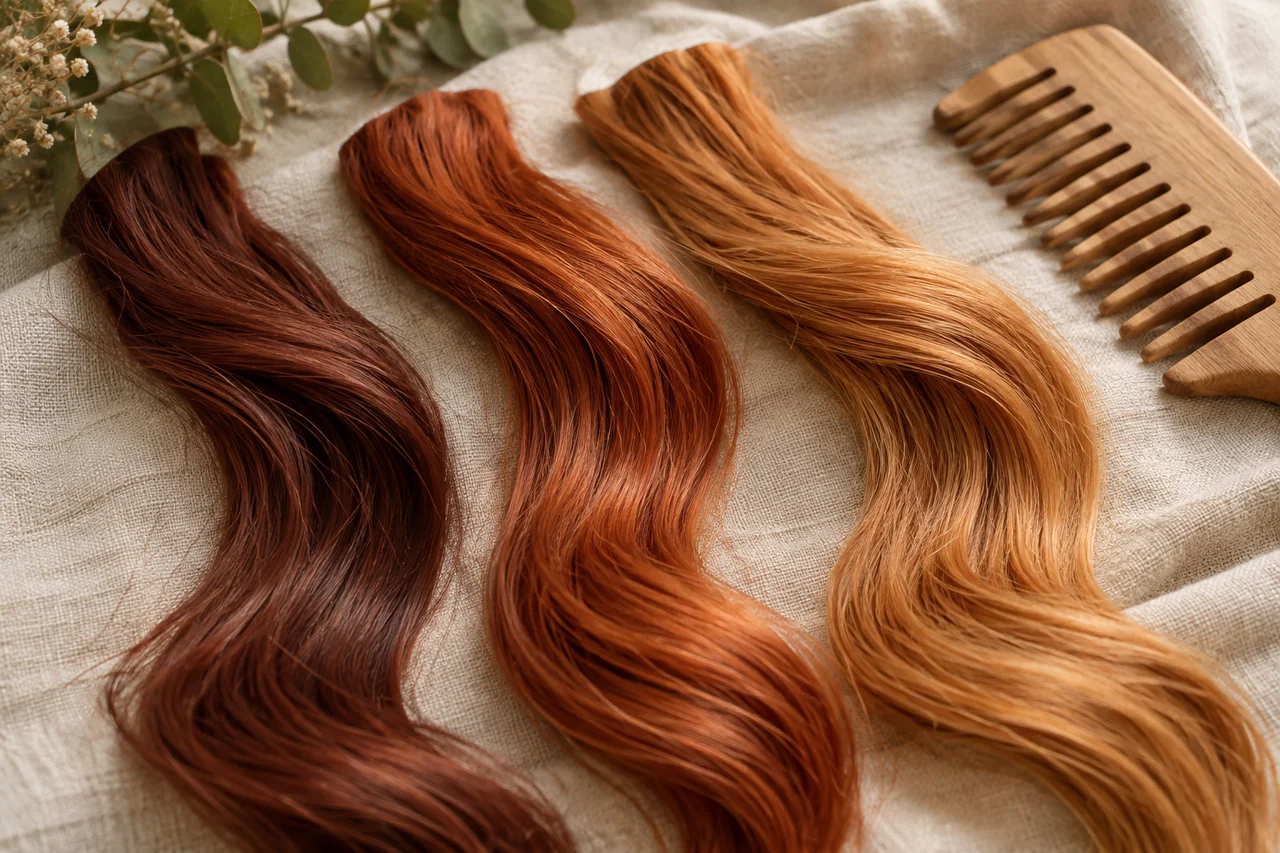
Compare muted and vivid copper directions, include your existing colour and agree on upkeep and possible later changes.
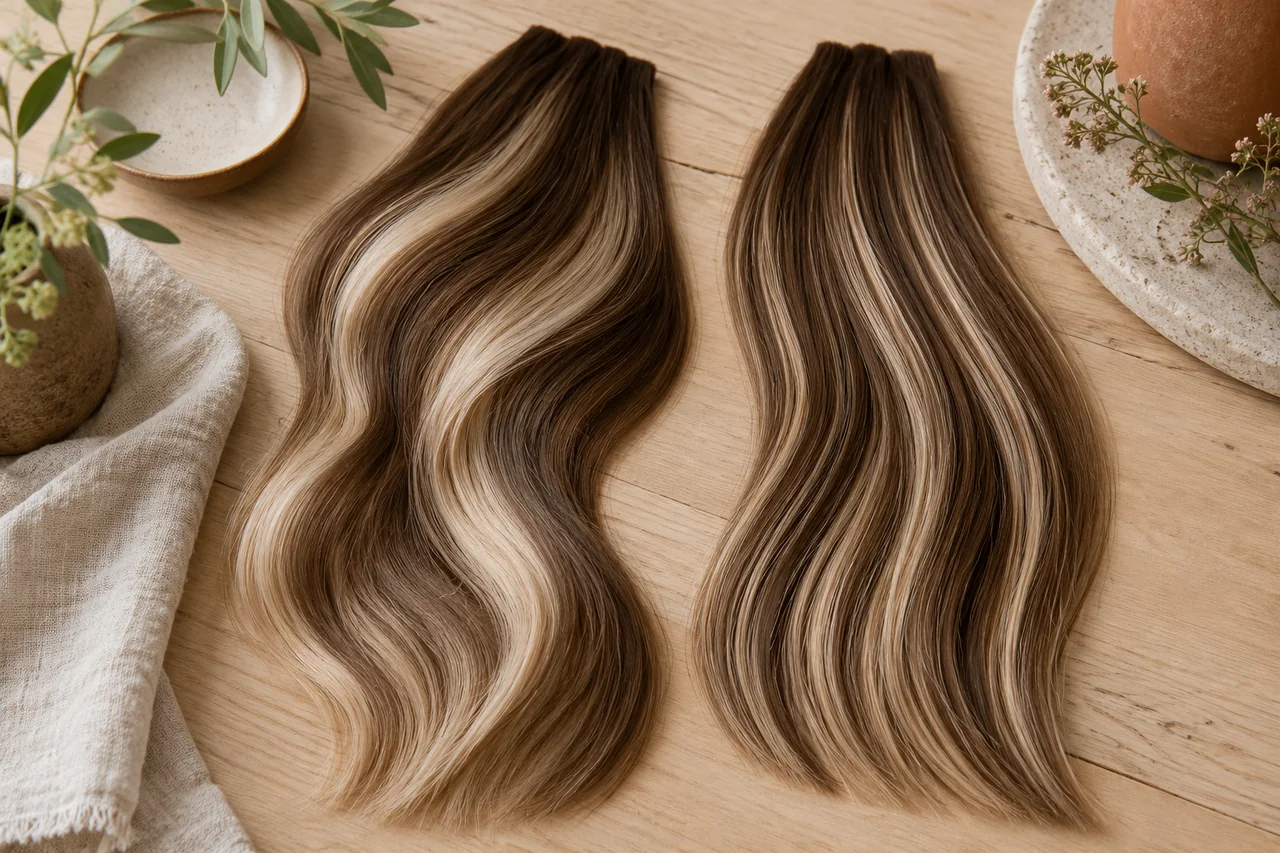
Plan bronde through the leading colour, highlight placement and contrast, with realistic treatment and regrowth expectations.
Define which visible changes would justify a visit and separate root work, length refreshes and cutting in your plan.
Give each image a clear purpose, distinguish cutting from styling and pair inspiration with your own ordinary-day hair.
Separate first-change costs from ongoing care, avoid counting combined services twice and include realistic time as well as money.
Plan curl size, wrapping direction and comfortable sections, then release only when fully dry and change one variable at a time.
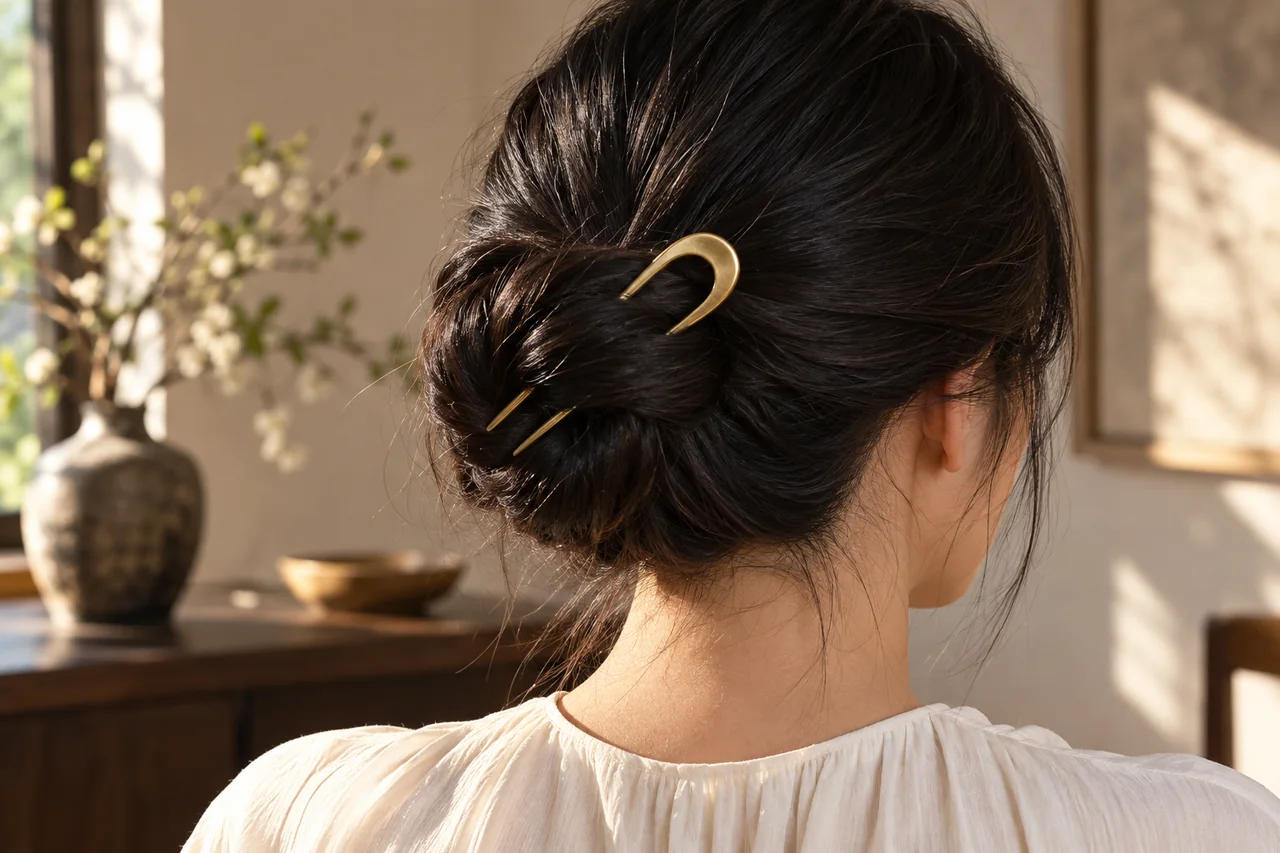
Learn a supported low-knot placement, practise the turning movement slowly and choose pin size and hair amount that work together.
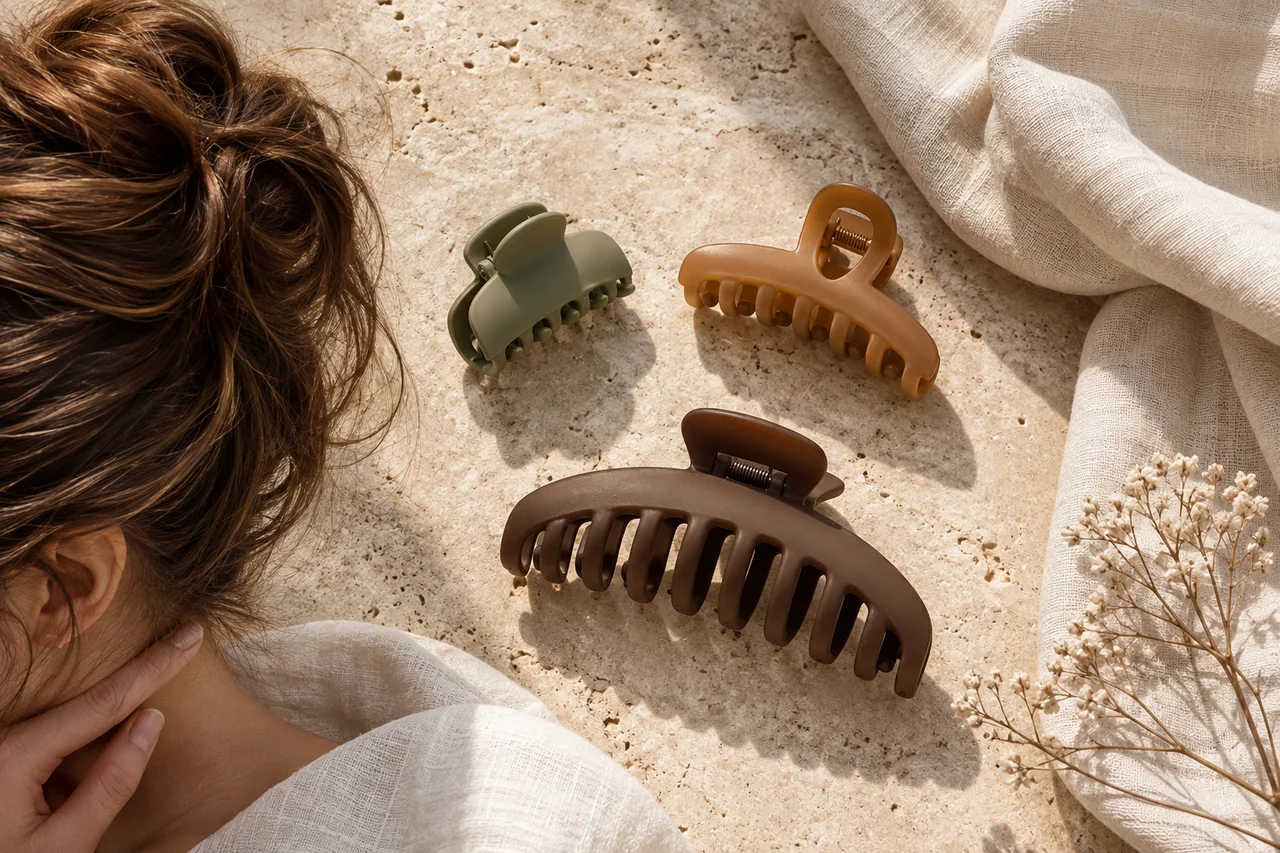
Match interior space and teeth to the hair amount, test loose twists and half-up styles, and check comfort against collars and headrests.
Choose the position before twisting, build a stable fastening and refine the outline without tightening the hairline.
Build a supported vertical roll, secure the open seam and adapt the amount of hair instead of relying on force.
Compare height, band size and everyday comfort, and release the style immediately if it hurts or pulls strongly.
Take back only the sections your goal requires, choose an appropriately sized fastening and test the front view and daily movements.
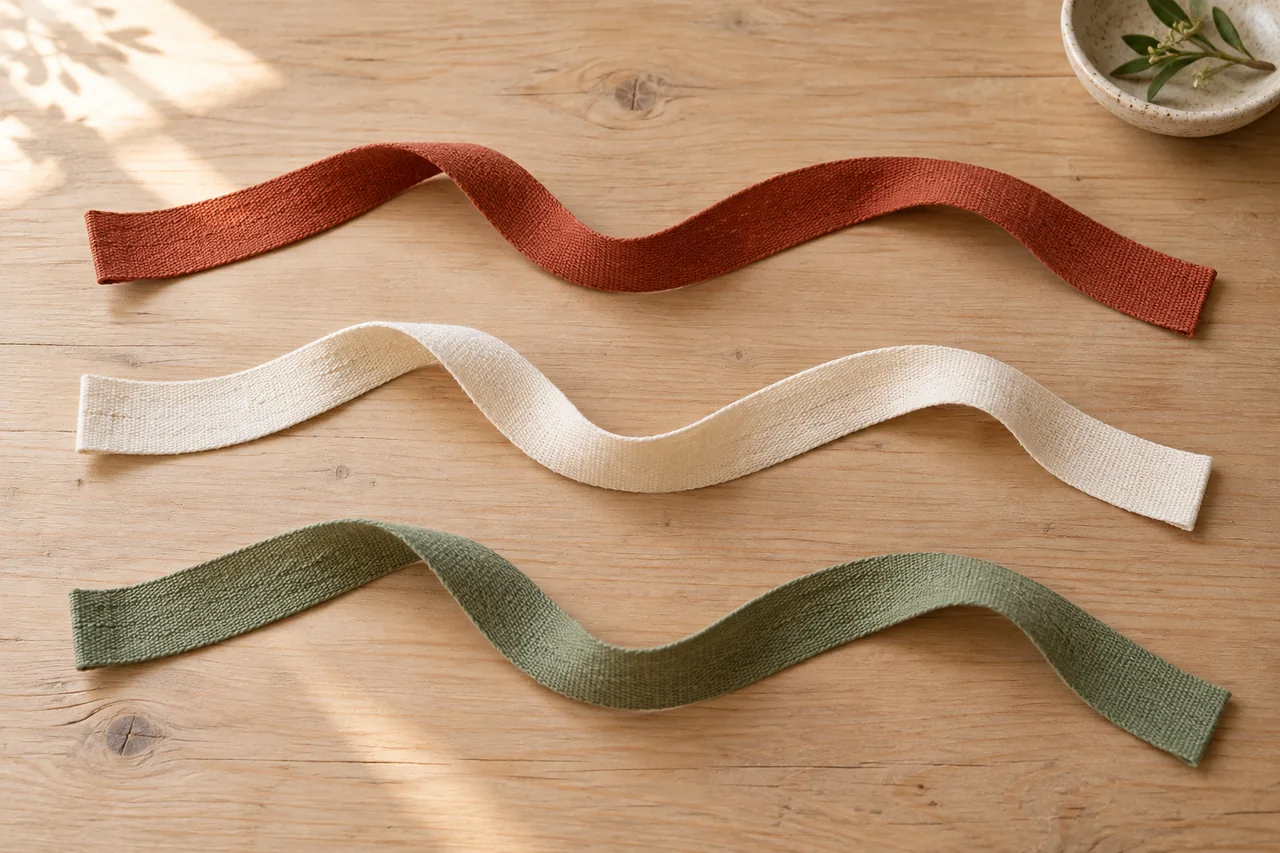
Practise the crossing sequence with ribbons, then a visible hair section, keeping strands separate without pulling tightly.
Use the length each section comfortably reaches, choose small fastenings and allow an open nape or loose ends when useful.
Match the style to the outfit, journey and event length, with a tested alternative and a small familiar repair kit.
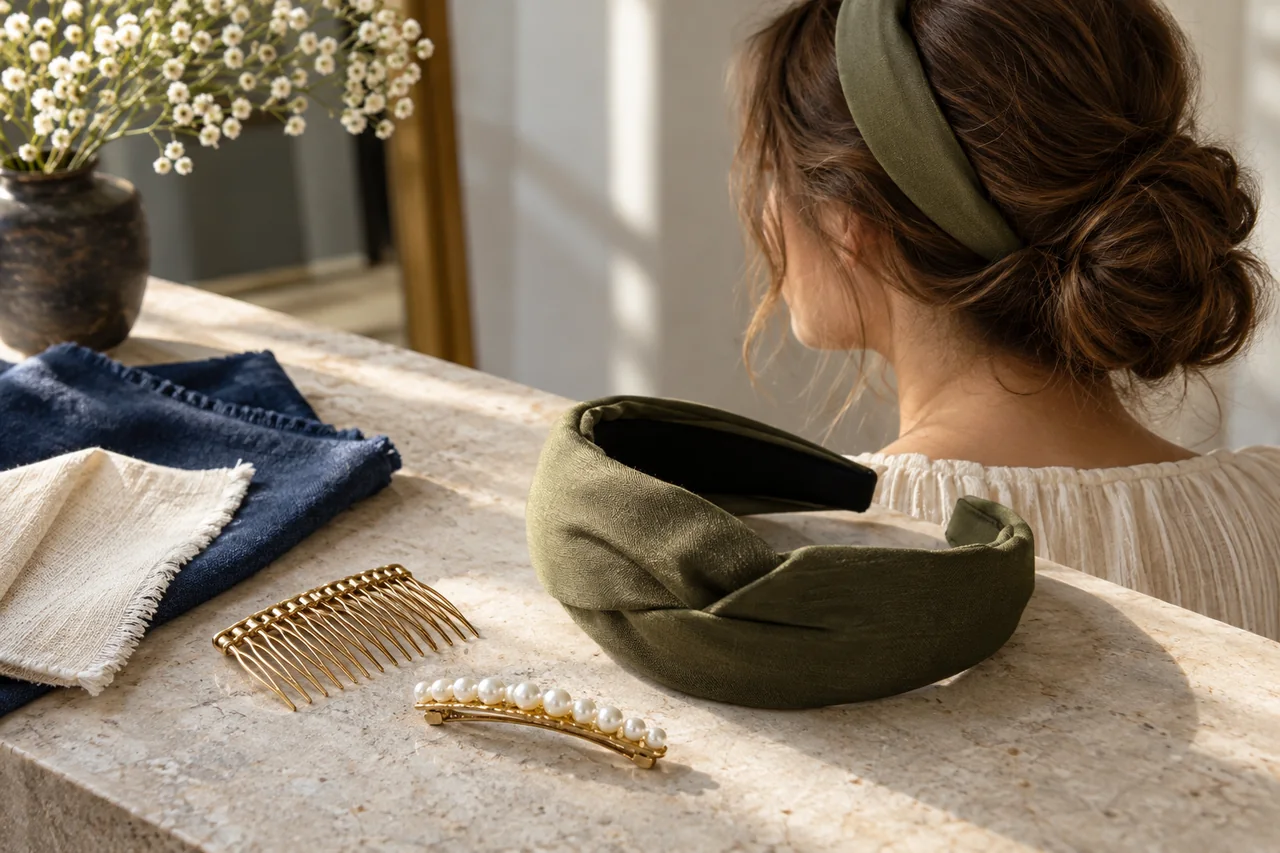
Separate decorative and fastening roles, test scale on the head and choose comfortable pieces for their actual wearing time.
Use a comfortable headband, a scarf over an existing ponytail tie or a loose covering, with safe knots and manageable ends.
Find a manageable volume routine by comparing your parting, ends, product amount and time spent styling.
Observe your natural waves and compare shaping, product amounts and drying without adopting a long list of rules.
Make curl refreshing quicker: assess the shape, consider existing product and keep a comfortable partial hairstyle as a backup.
Try air-drying with gentle handling and a realistic schedule, then decide where it fits into your routine.
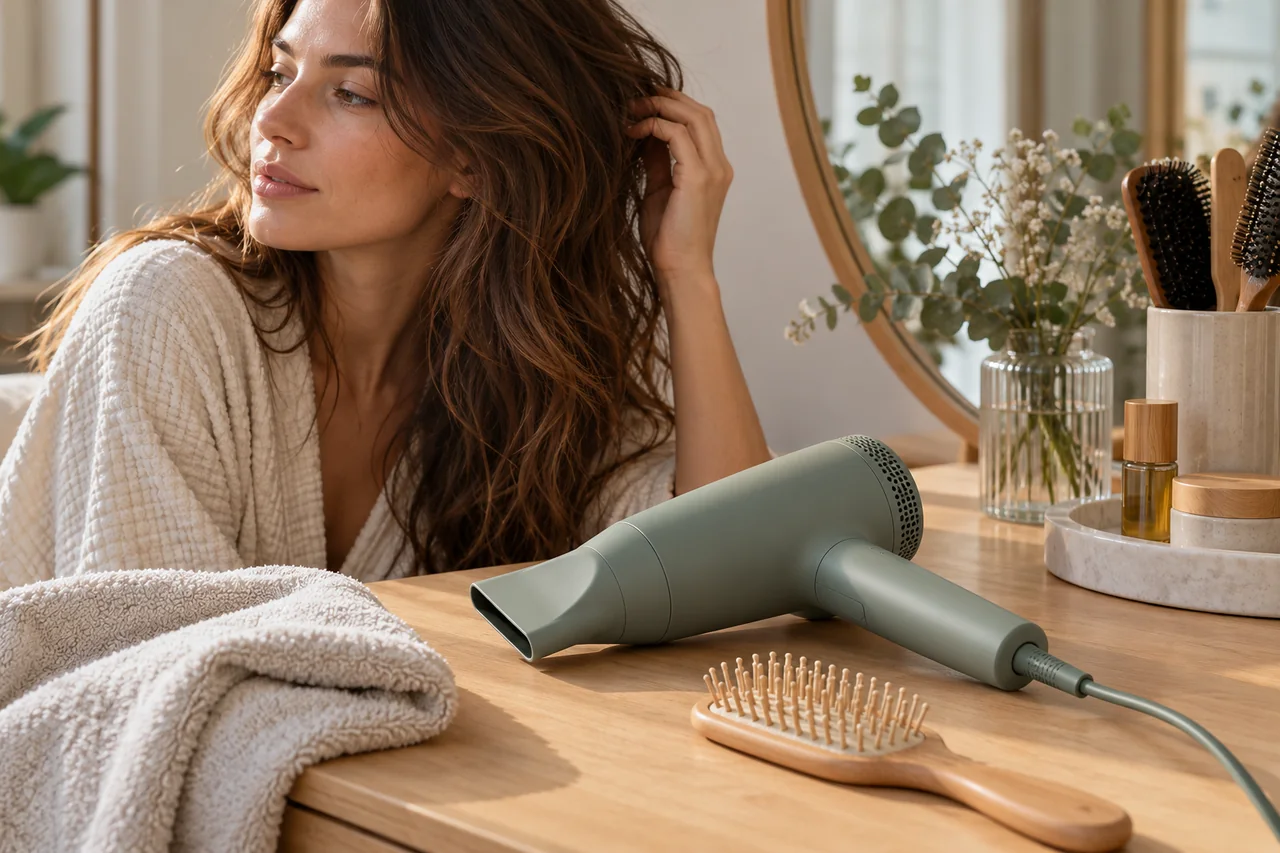
Prepare your hair and workspace, use manageable sections and reduce unnecessary repeated heat when blow-drying.
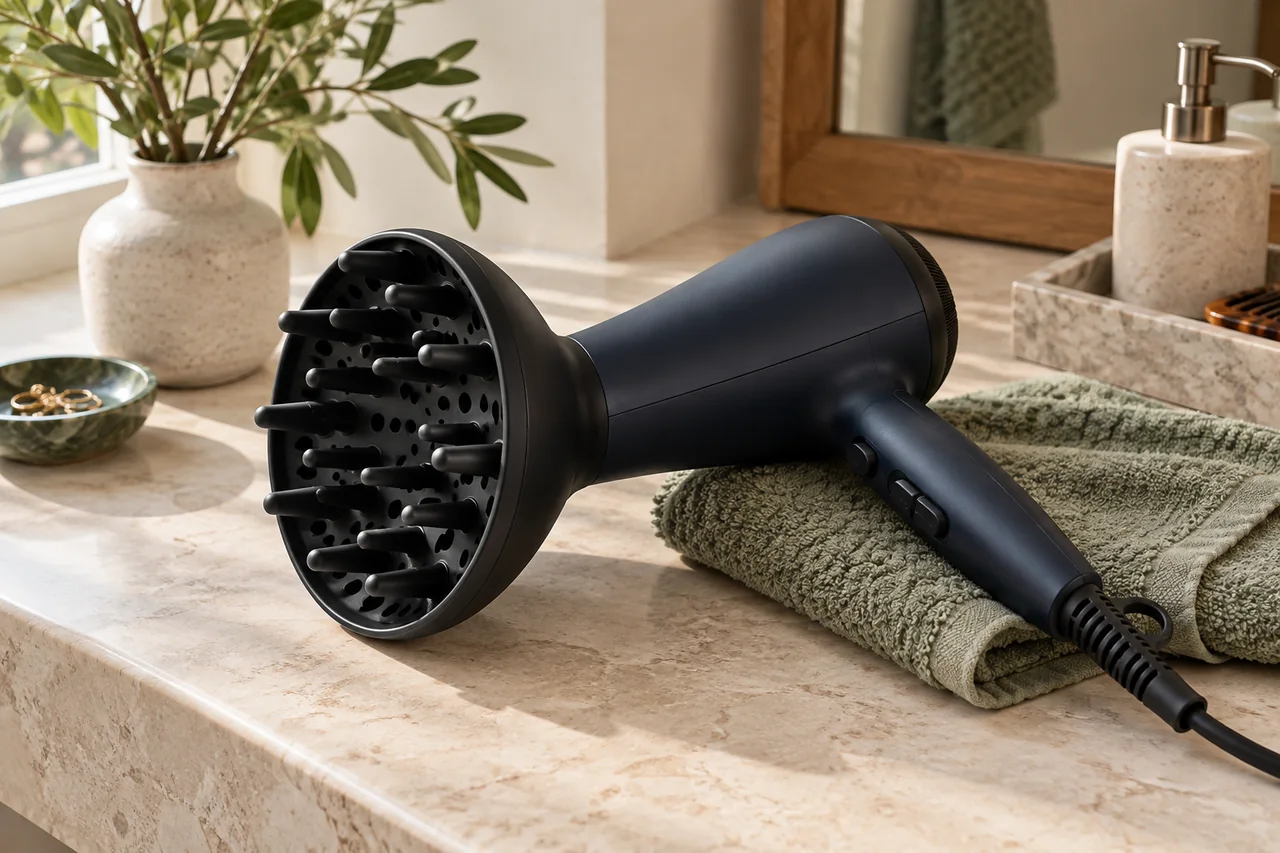
Check compatibility, prepare your shape and compare airflow, movement and handling when drying with a diffuser.
Match styling products to a clear purpose, application area and manageable comparison rather than collecting extra layers.
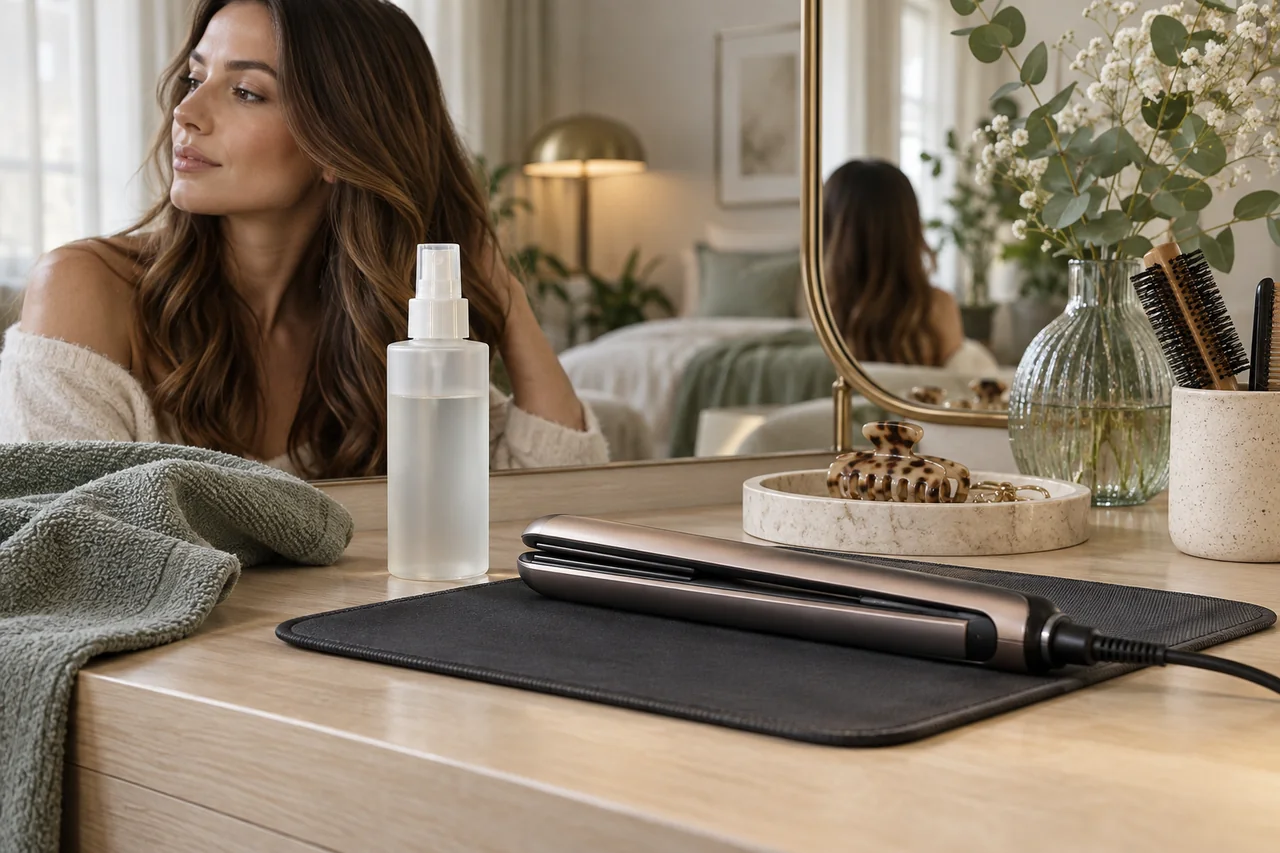
Check heat-protection claims and directions while keeping appliance settings, hair condition and repeated heat under control.
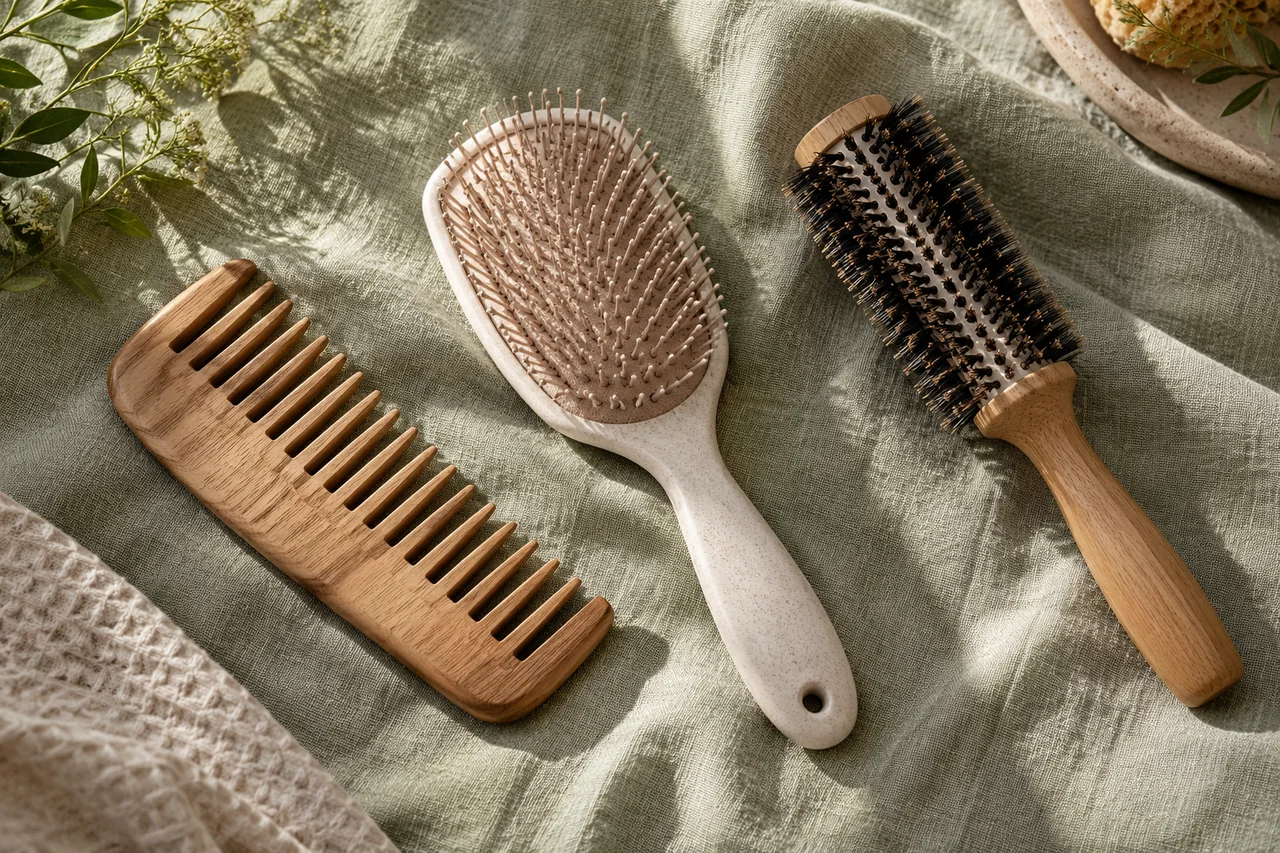
Compare combs and brushes by their actual job, condition, comfort and cleaning needs before buying another tool.
Find the knot, support the section and work upwards from the ends with a method suited to your hair.
Choose a hairstyle around your journey and weather protection, with a simple adjustment ready for arrival.
Check hat fit, scarf and accessories together, then plan a quick hairstyle adjustment for your destination.
Simplify haircare through one-at-a-time comparisons, realistic costs and a clear purpose for each product.