
Fine hair does not automatically need more products. Start with the particular change you want, then judge whether a small adjustment makes everyday styling easier.
Describe the hair you have
Individual strand thickness and the total amount of hair are different things. You may have many fine strands or fewer thicker ones. Rather than treating a self-assigned hair category as a diagnosis, describe what you notice: narrow-looking ends, a parting that settles in one place or a cream that leaves the lengths lying together. New, substantial hair loss needs an assessment, not an explanation from a styling guide.
Give the roots their own task
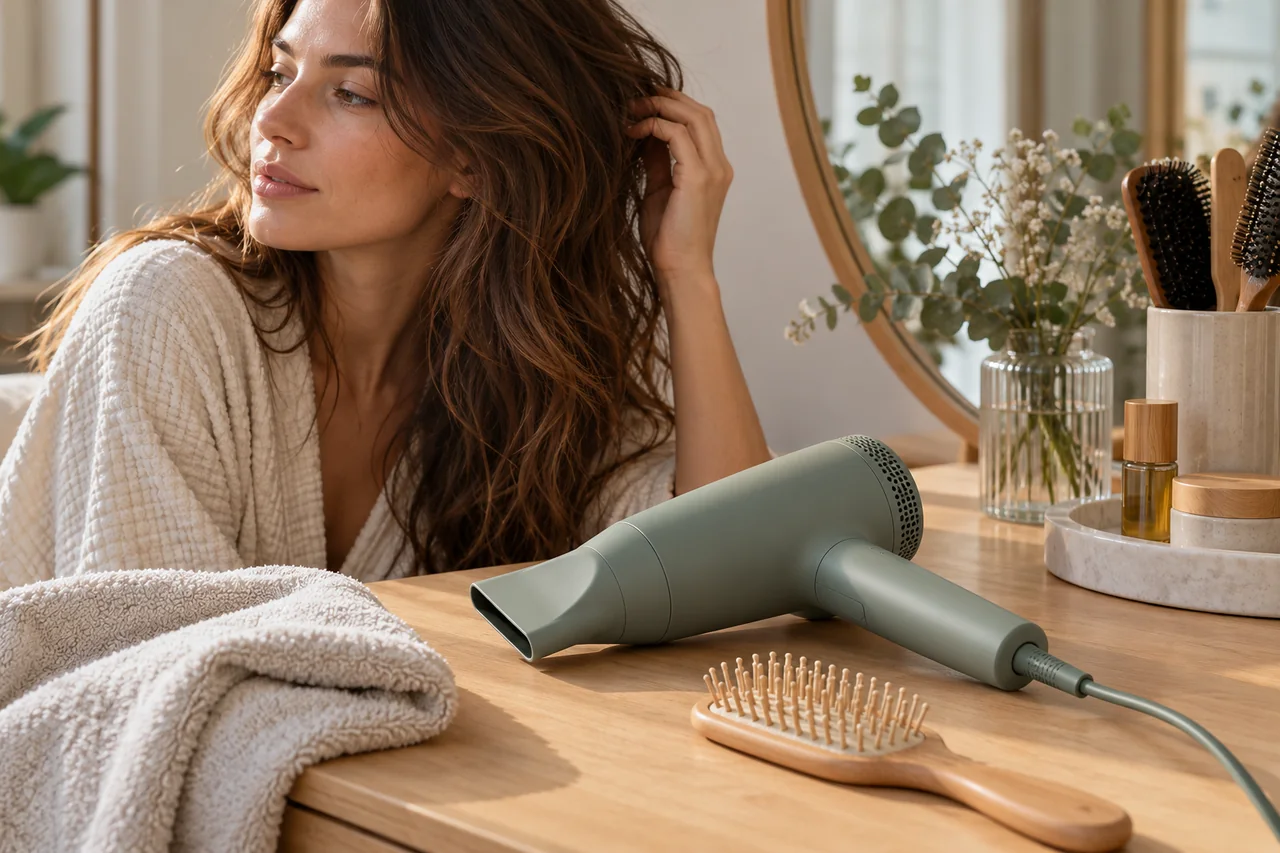
Try moving your parting slightly and arrange the top with your fingers. A small change is easier to repeat than a dramatic switch. If you blow-dry, follow the appliance instructions, use a comfortably low heat and guide the section gently rather than pulling it tightly over a brush. The American Academy of Dermatology recommends limiting heat styling. Look for an actual improvement in shape, rather than adding handling for its own sake.
Keep the lengths separate
Your ends may need a clearer outline rather than extra height. If so, discussing the cut and layers could help more than another root product. Apply an existing product only where you want its effect: a rich cream that suits your ends need not go on the roots. Use an amount you can reproduce, such as a small drop, so the next comparison means something.
Change one product variable
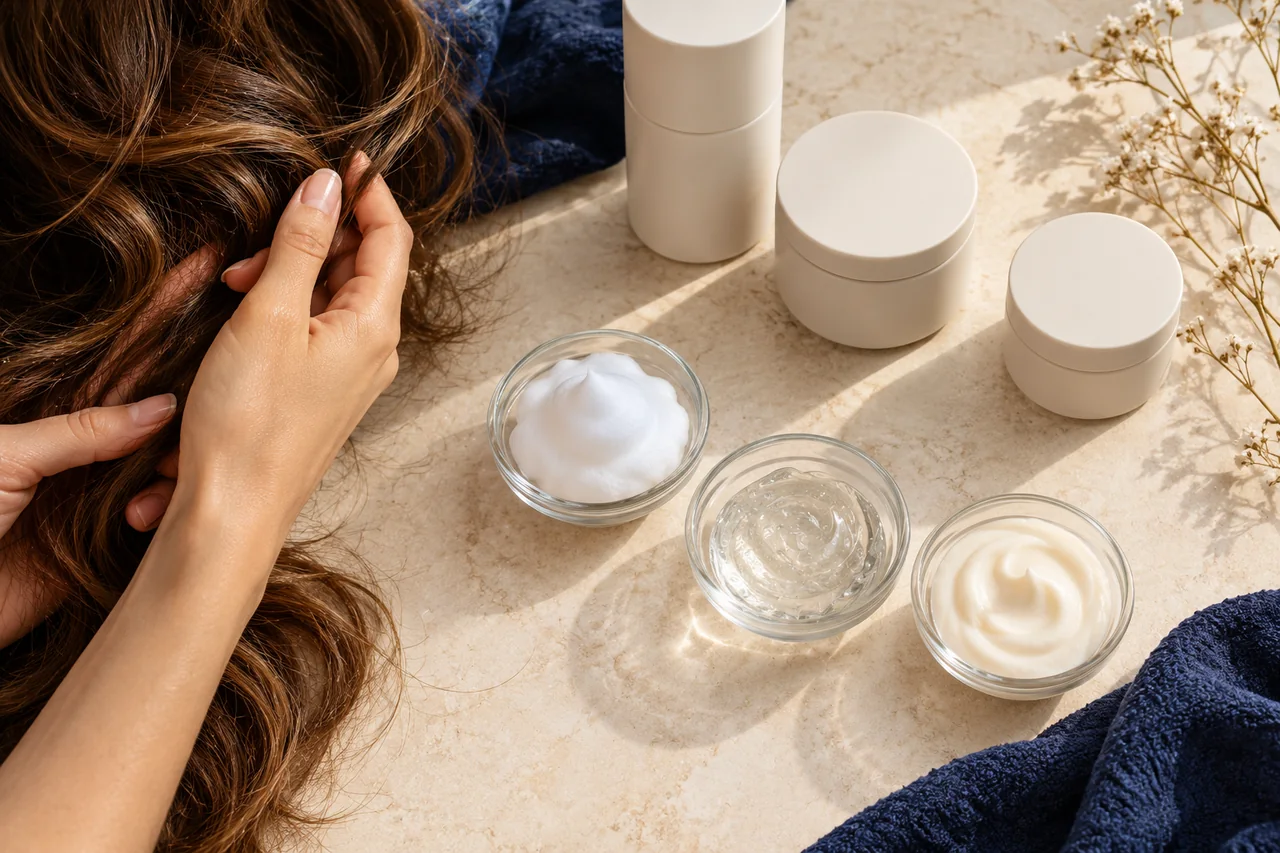
Choose one product for a defined purpose, such as light hold, and check whether it belongs on damp or dry hair. Keep the shampoo, brush and other steps the same. Record appearance, feel, extra time and the number of adjustments you make later. Volume that requires constant rearranging may not be a useful everyday trade-off.
Make a decision from what you observe
Use plain descriptions: “more height, ends unchanged, four extra minutes, comfortable”. Record when the shape changes; an occasion hairstyle can meet different needs from a working-day style. Similar lighting, camera angles and partings make photographs more useful, but still check the ordinary mirror view.
- For more height: move the parting slightly and judge the everyday result.
- For clearer ends: arrange the lengths sparingly and assess the outline.
- For less maintenance: simplify and count the corrections you actually make.
- For more hold: test a measured amount and consider both shape and feel.
Keep the smallest useful routine
Compare two ordinary days with slightly different partings but the same cleansing and no new styling product. Note which position settles comfortably and whether you need to correct it. A change that only works immediately after styling may be an occasion option. If it lasts well enough, keep it without buying anything. Work on the ends separately next time, or take your observations and realistic time budget to a hairdresser. More bottles or a higher price cannot guarantee a better shape.
Frequently asked questions
Do I need several volumising products?
Not automatically. Begin with one clear goal and one change. Only consider another product when you can identify a specific remaining job.
Is a short haircut always best for fine hair?
No. Discuss outline, length and styling effort using your actual hair. A universal length rule cannot tell you which shape you will enjoy wearing.

Questions and experiences
Share a question or a useful experience about this topic. Every contribution is checked before publication. Comments may be written in different languages.
Loading reader contributions…
Opening the form sets a necessary session cookie. No email address is required. Publication is subject to moderation and is not guaranteed. For deletion requests: Contact