Style and wardrobe
Build a capsule wardrobe for real life
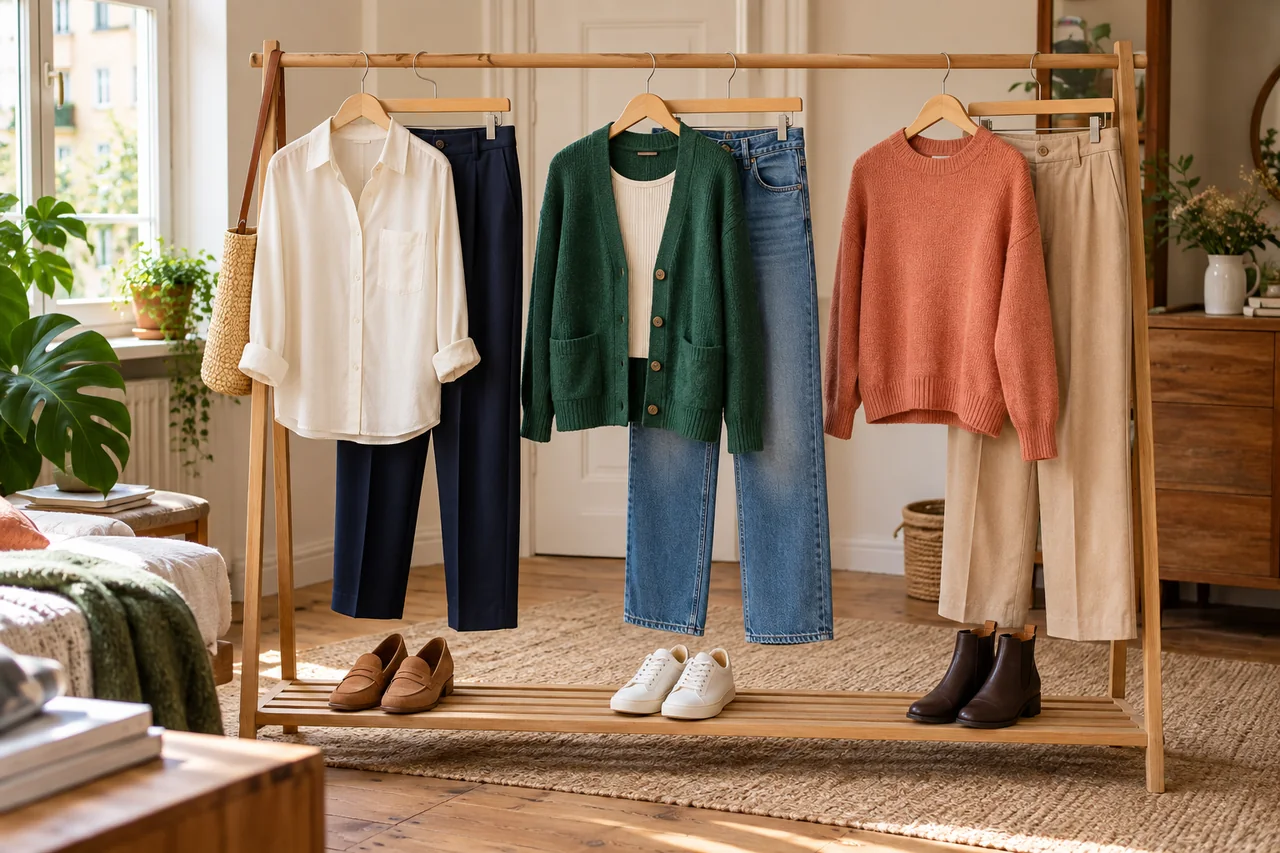
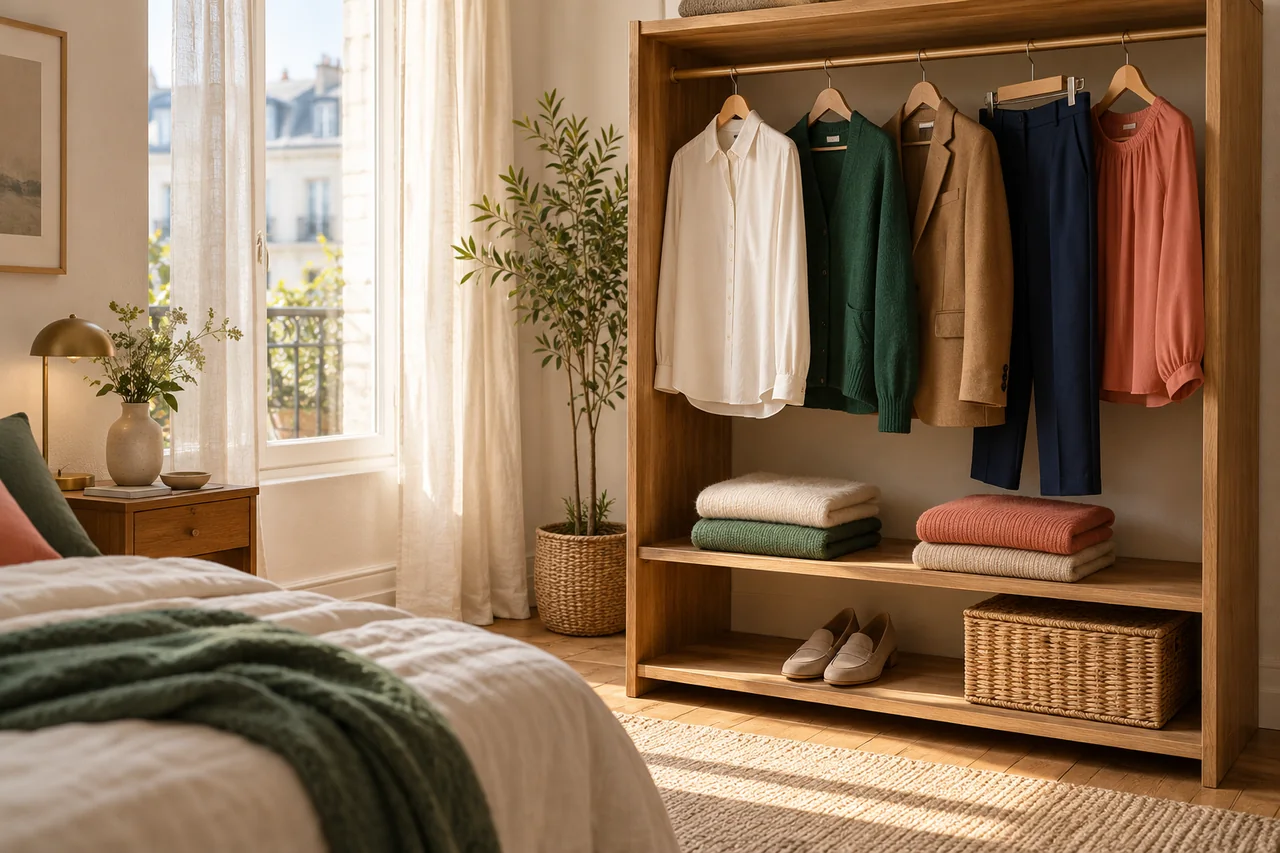
Choose a manageable selection from existing clothes, test it through ordinary weeks and add only clearly identified missing pieces.
eu. infopoint
Practical ideas to make the most of the clothes you have.
Choose a manageable selection from existing clothes, test it through ordinary weeks and add only clearly identified missing pieces.
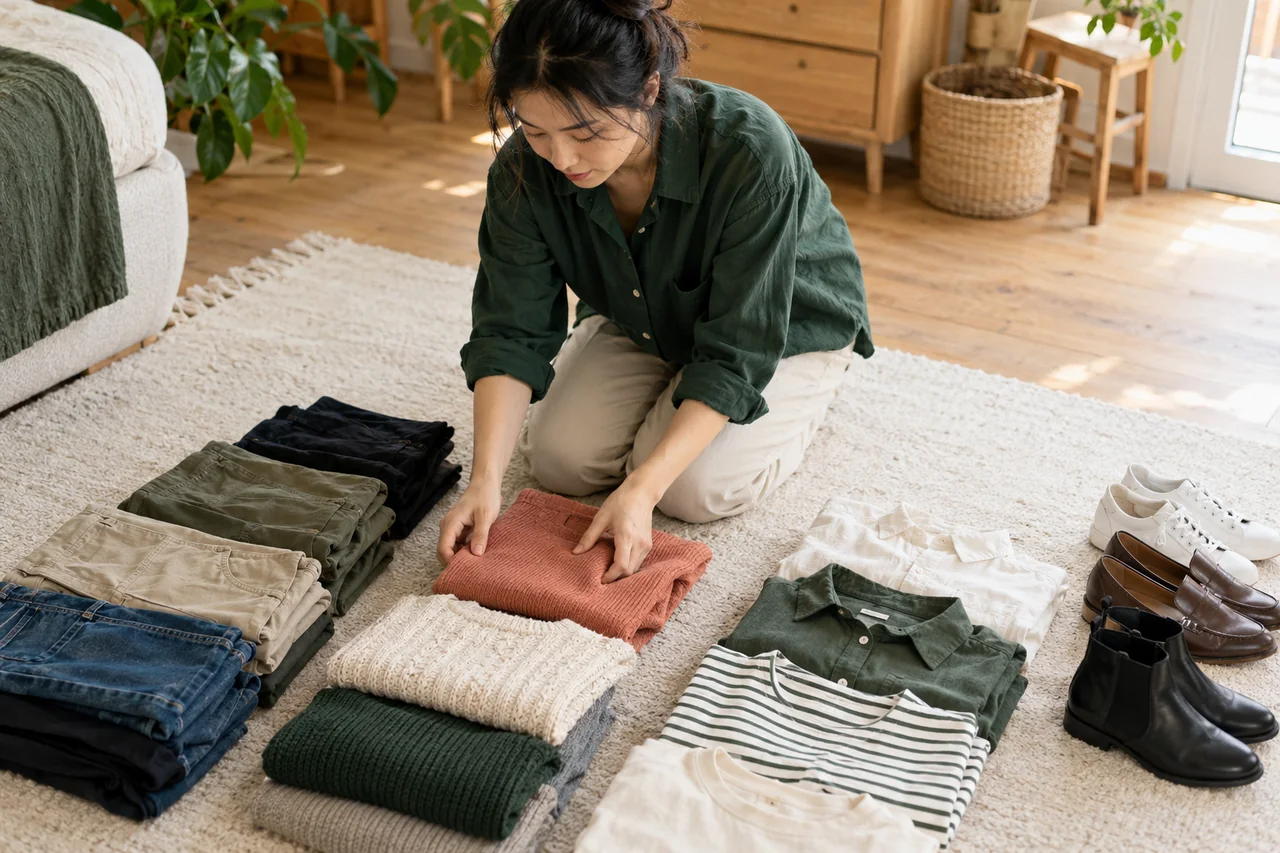
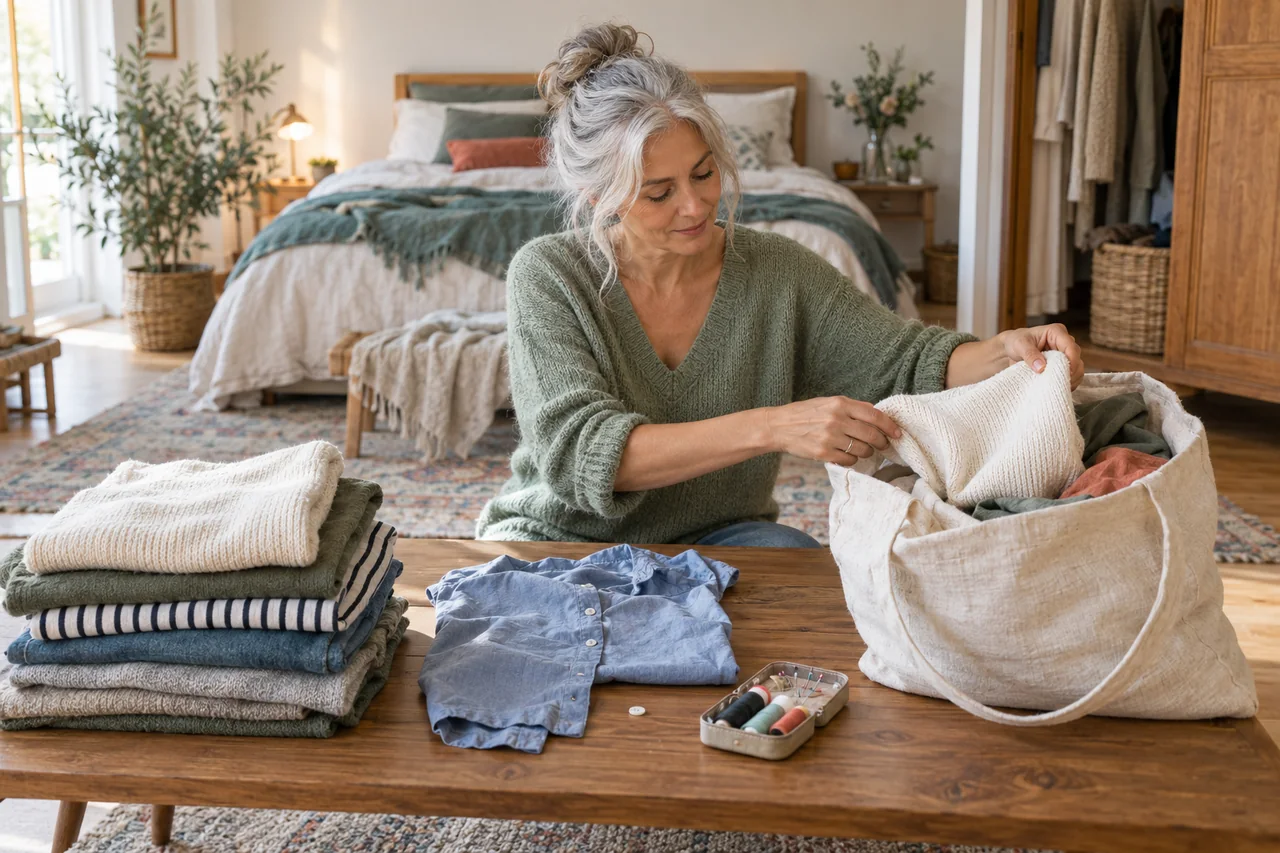
Work through one category, separate repairs from wearing decisions and finish each session with a usable space.
Turn observed preferences and selected inspiration into small experiments that suit your body and daily life.
Use your calendar, movement needs and laundry schedule to prepare complete combinations with a comfortable reserve.
Record function, condition and availability to identify real outfit gaps, repairs and overlooked possibilities.
Use face-shape descriptions as optional styling ideas, with no ideal contour to achieve and no need to correct normal features.
Define a recurring clothing task, prove versatility with real outfits and include comfort and care in the decision.
Compare intended shape with real comfort while standing, sitting and moving, and check possible alterations before deciding.
Explore length, volume and fabric structure as design choices, with no body shape that needs correction.
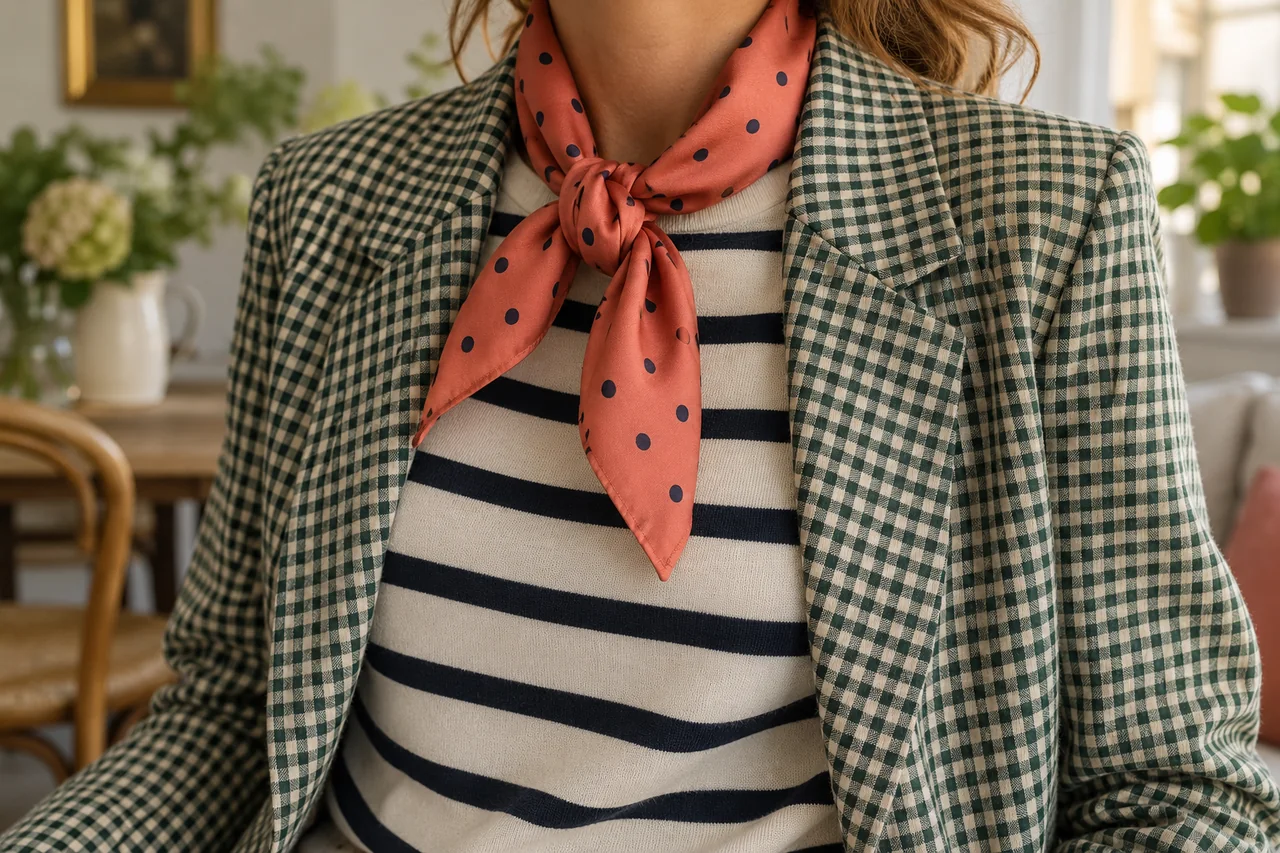
Explore pattern scale, visible area and fabric surface to build combinations that feel intentional and comfortable.
Direct attention through scale, repetition and placement while keeping movement, sound and everyday comfort in mind.
Clarify local expectations, test comfortable complete outfits and prepare a more formal option before important appointments.
Read the invitation and activities, adapt familiar clothes and test the complete outfit before the event.
Test clothing with your actual camera, lighting, background and audio equipment while keeping the whole working day comfortable.
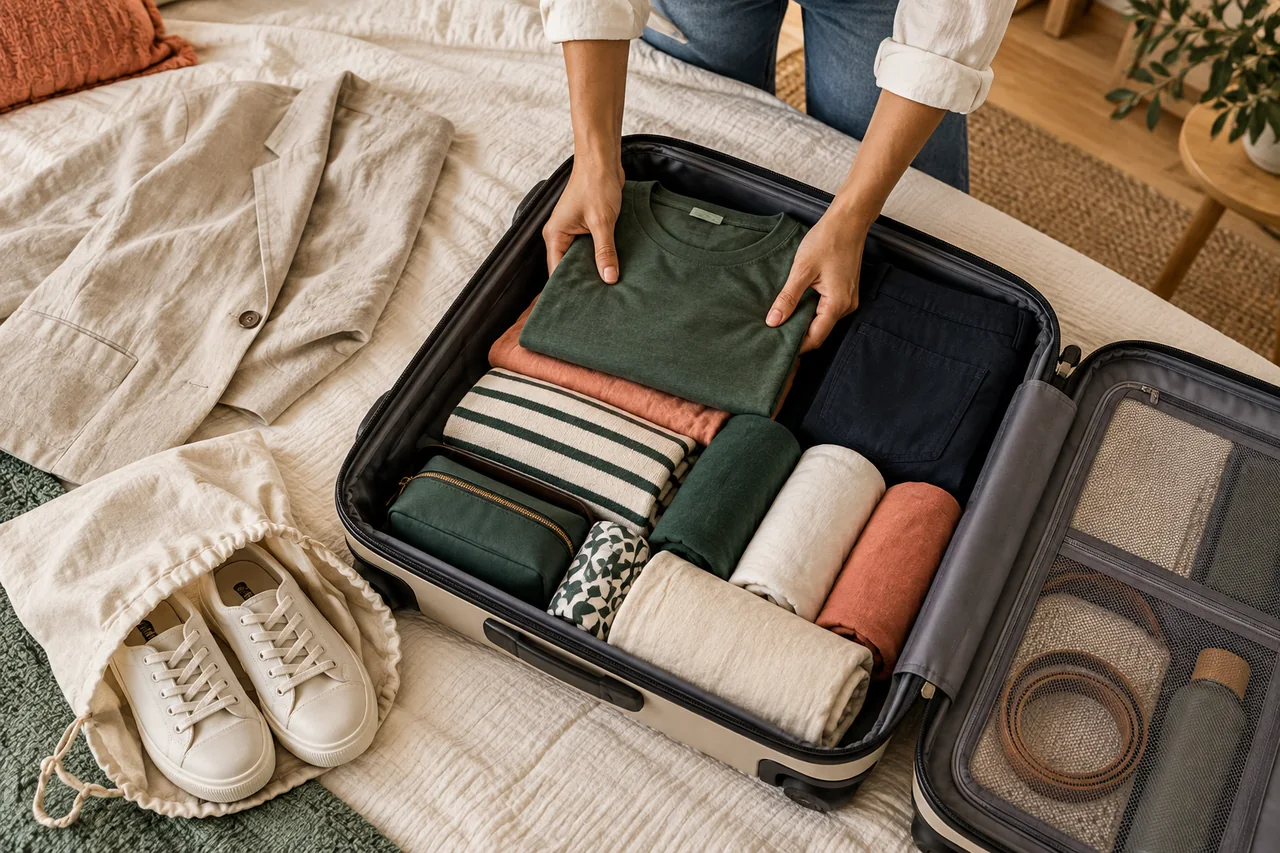
Pack tested combinations for real activities, available laundry and realistic delays rather than every imaginable possibility.
Assign each layer a purpose, test movement and closures, and plan where removed clothing will go during the day.
Bring transitional pieces forward gradually, connect lighter clothes with useful warm layers and check shoes and jackets before regular use.
Test clothes in daylight and movement, plan useful layers and keep washing and spare garments realistic.
Start with routes and outerwear, extend suitable lighter outfits through layers and handle repairs before frequent use.
Test complete layers, plan indoor comfort and keep dry, ready alternatives available for ordinary winter routines.
Look beyond fibre names to drape, construction, comfort, opacity and the care instructions of the finished garment.
Distinguish fibre from fabric construction and plan washing, drying and storage around the finished garment.
Recognise the main symbol groups, check their modifiers and turn the whole label into a workable care plan.
Sort by compatible treatment, dose detergent for the load and water hardness, and plan drying before starting.
Identify the damage, choose manageable repairs and seek an informed estimate for complex construction or uncertain results.
Use clear measurements, inspect condition and include cleaning and alterations in the decision rather than buying on price alone.
Check the actual need, full outfit, movement and ongoing effort, and give uncertain purchases a clear pause.
Make the calculation transparent, distinguish actual use from forecasts and consider comfort, budget and existing clothes alongside the number.
Keep frequent choices accessible, give in-between clothing a defined place and test storage before buying organisers.
Assess current use, consider realistic repairs and choose an appropriate route for passing on garments responsibly.
Solve one dressing bottleneck, save a few complete combinations and use a brief evening check with a ready reserve.