Fragrance
Find a fragrance through a small, useful search
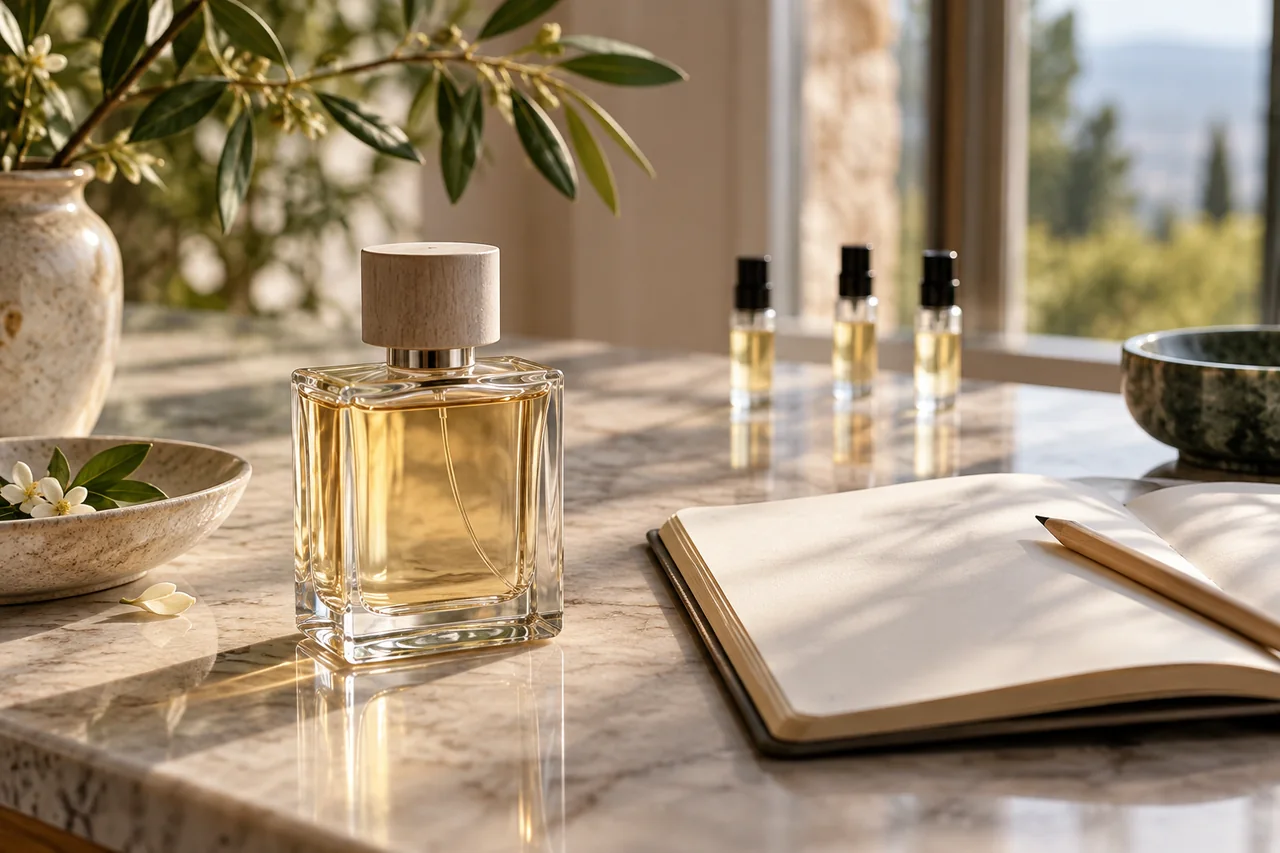
Build a personal scent brief, compare a few clearly labelled samples and decide by real wear rather than personality labels or sales pressure.
eu. infopoint
Explore scent families and compare samples without pressure to buy.
Build a personal scent brief, compare a few clearly labelled samples and decide by real wear rather than personality labels or sales pressure.
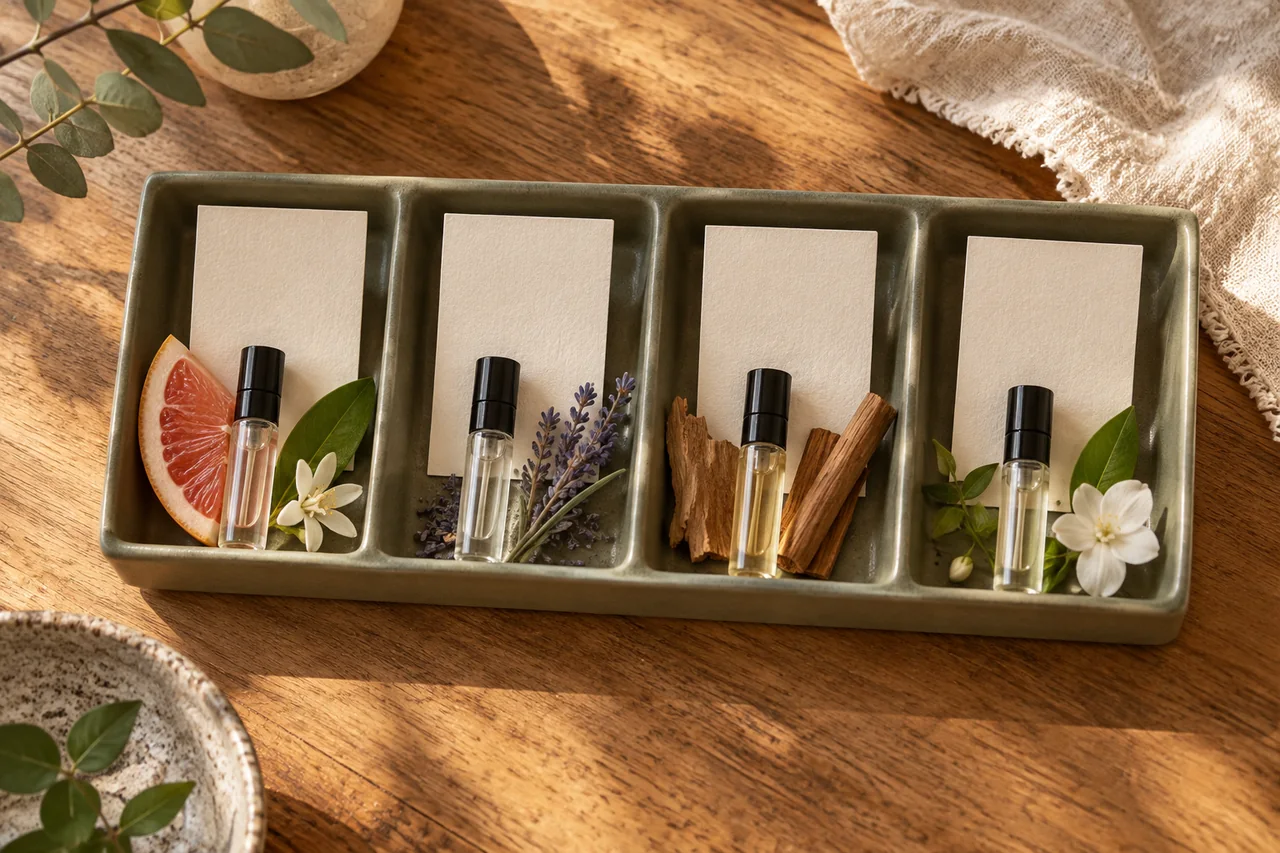
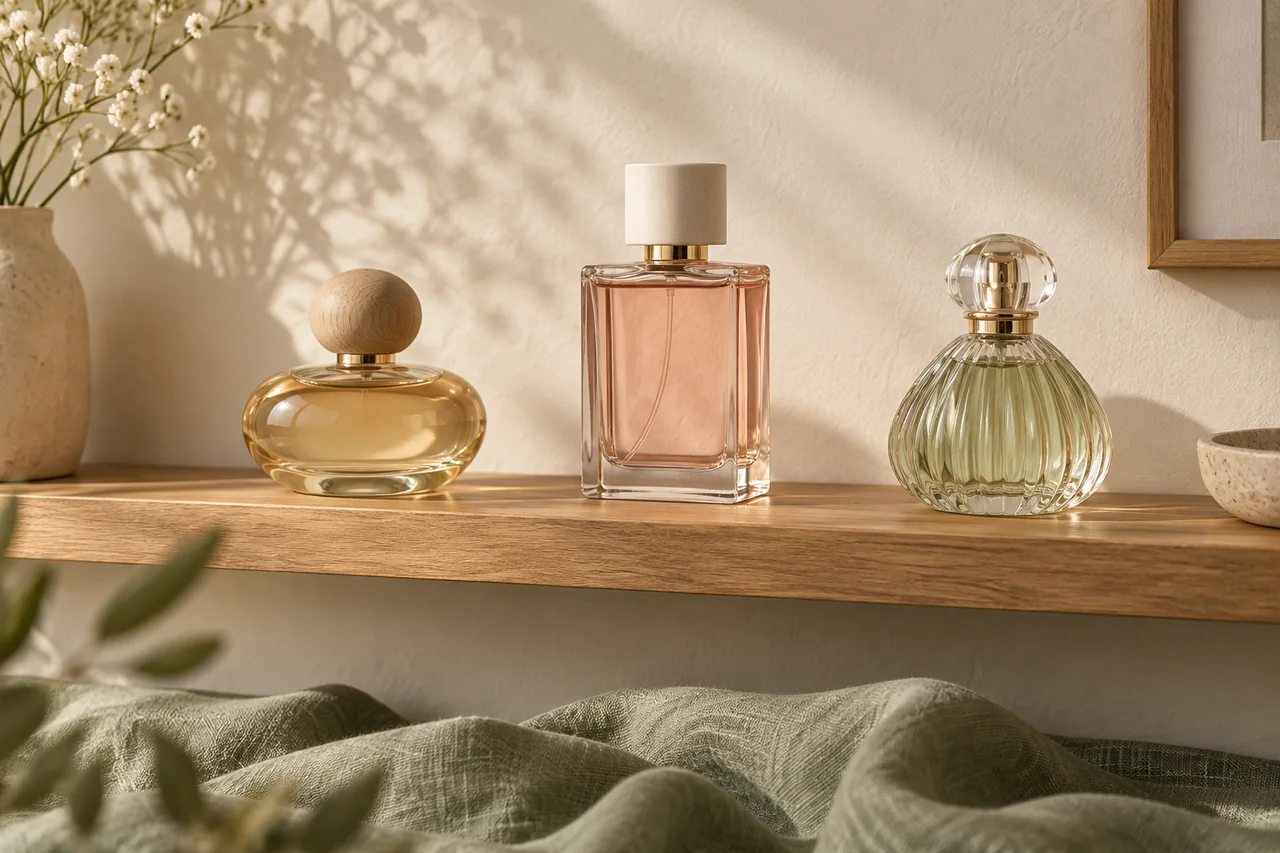
Use fresh, floral, woody and warm directions to refine a scent search, while separating fragrance descriptions from ingredient information.
Understand fragrance development by recording an early, later and final impression, rather than treating a note pyramid as a timed ingredient list.
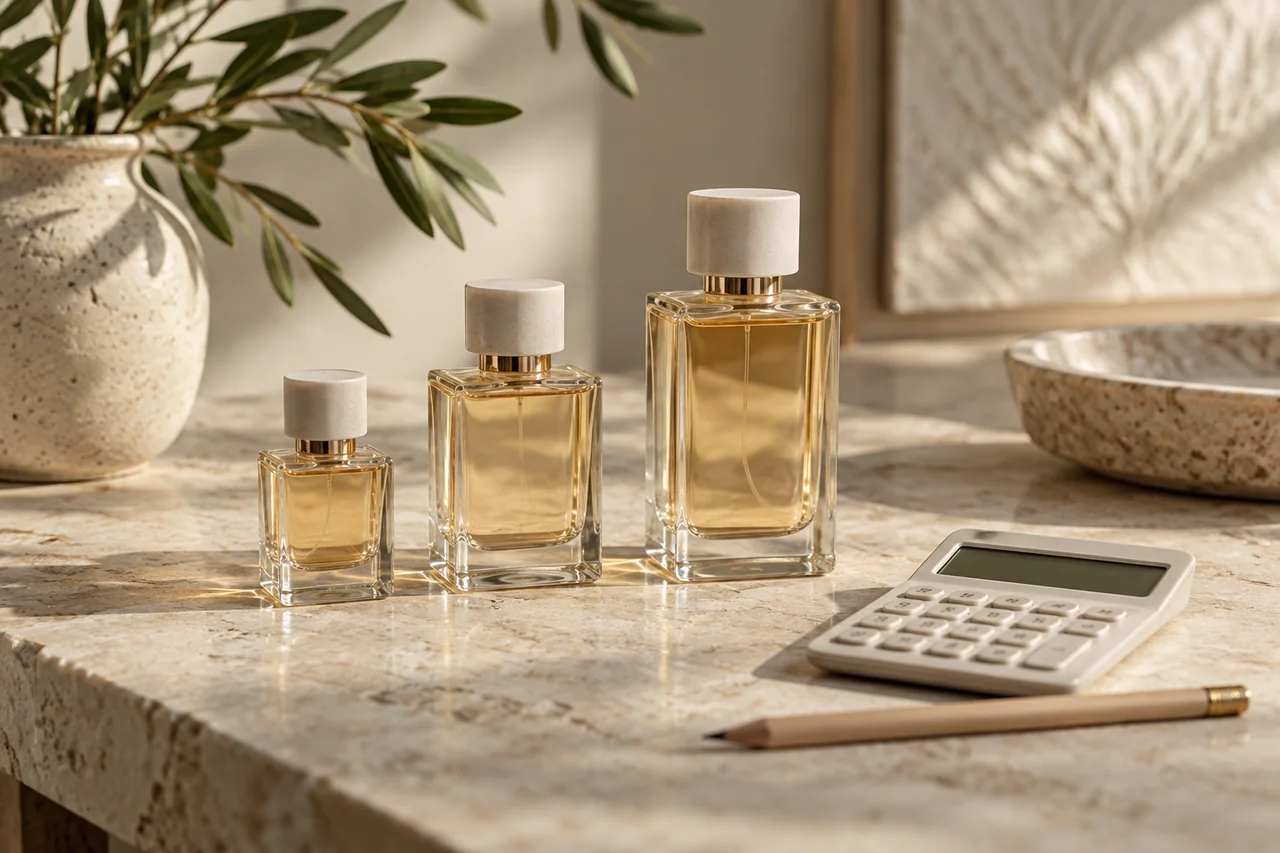
Compare exact fragrance versions through character, presence, everyday handling and useful bottle size rather than treating concentration names as rankings.
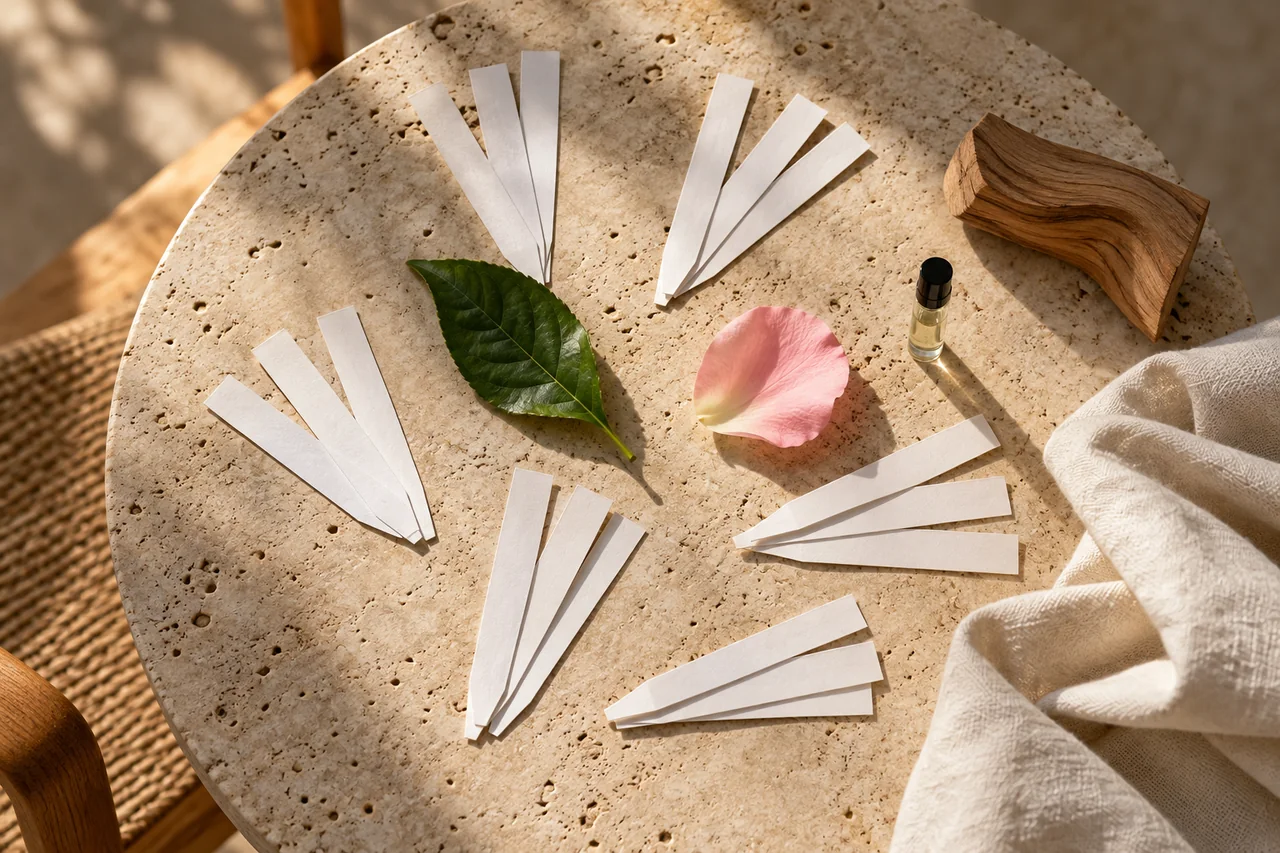
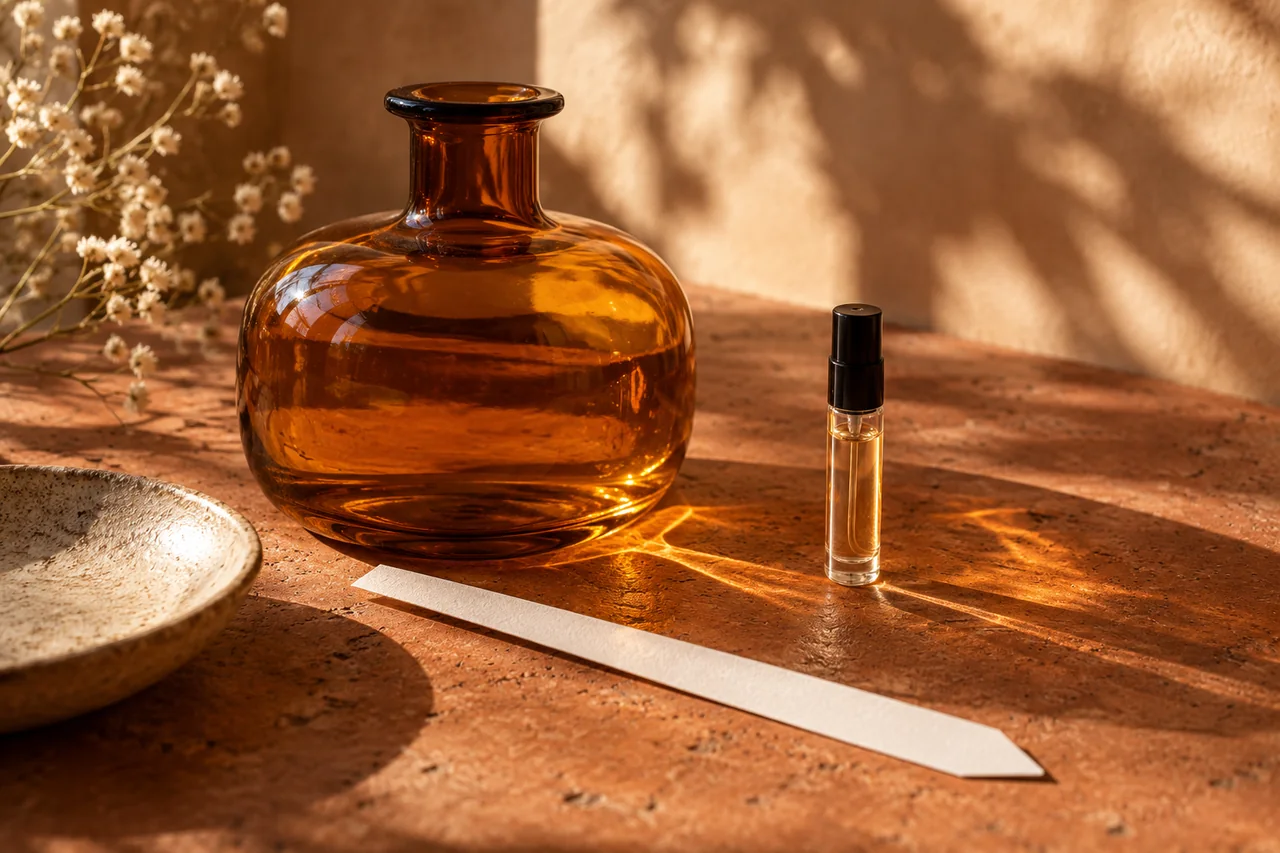
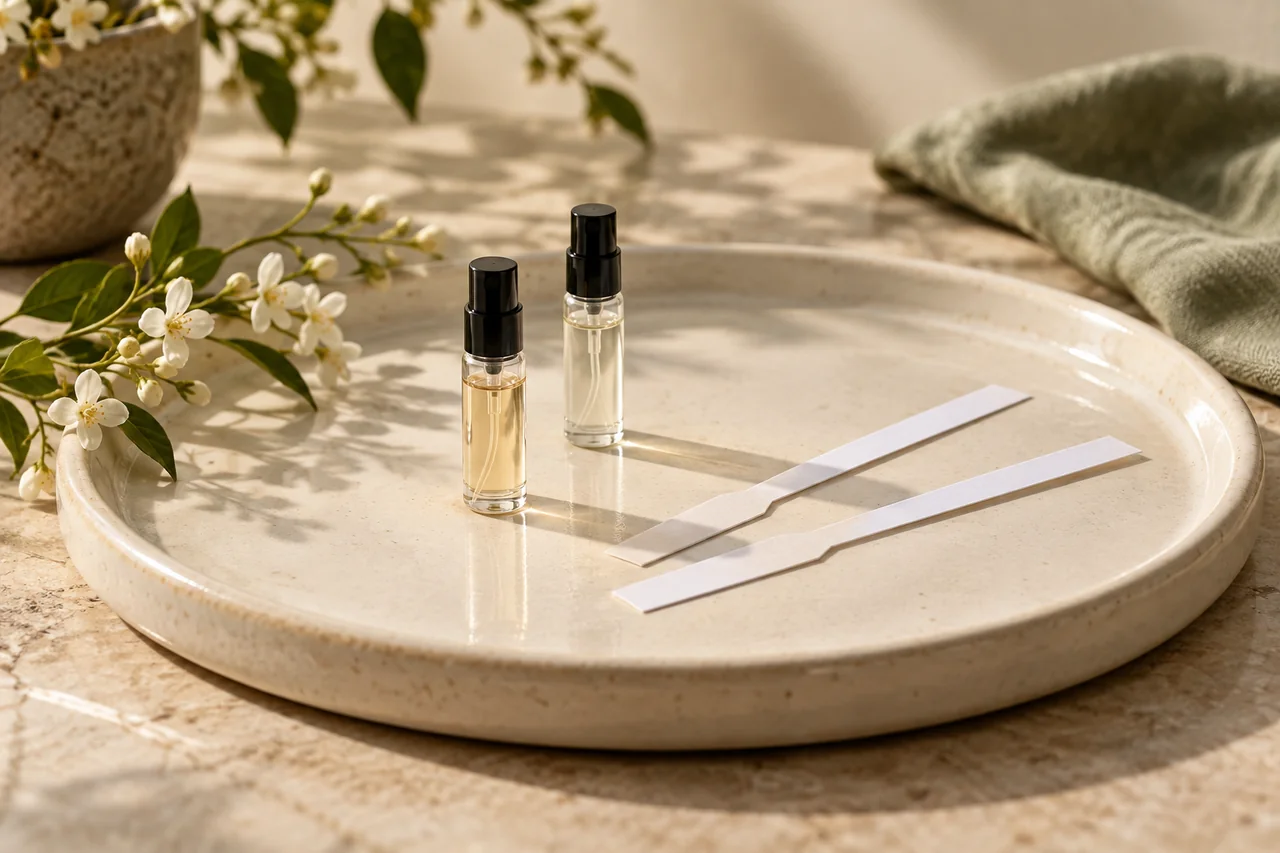
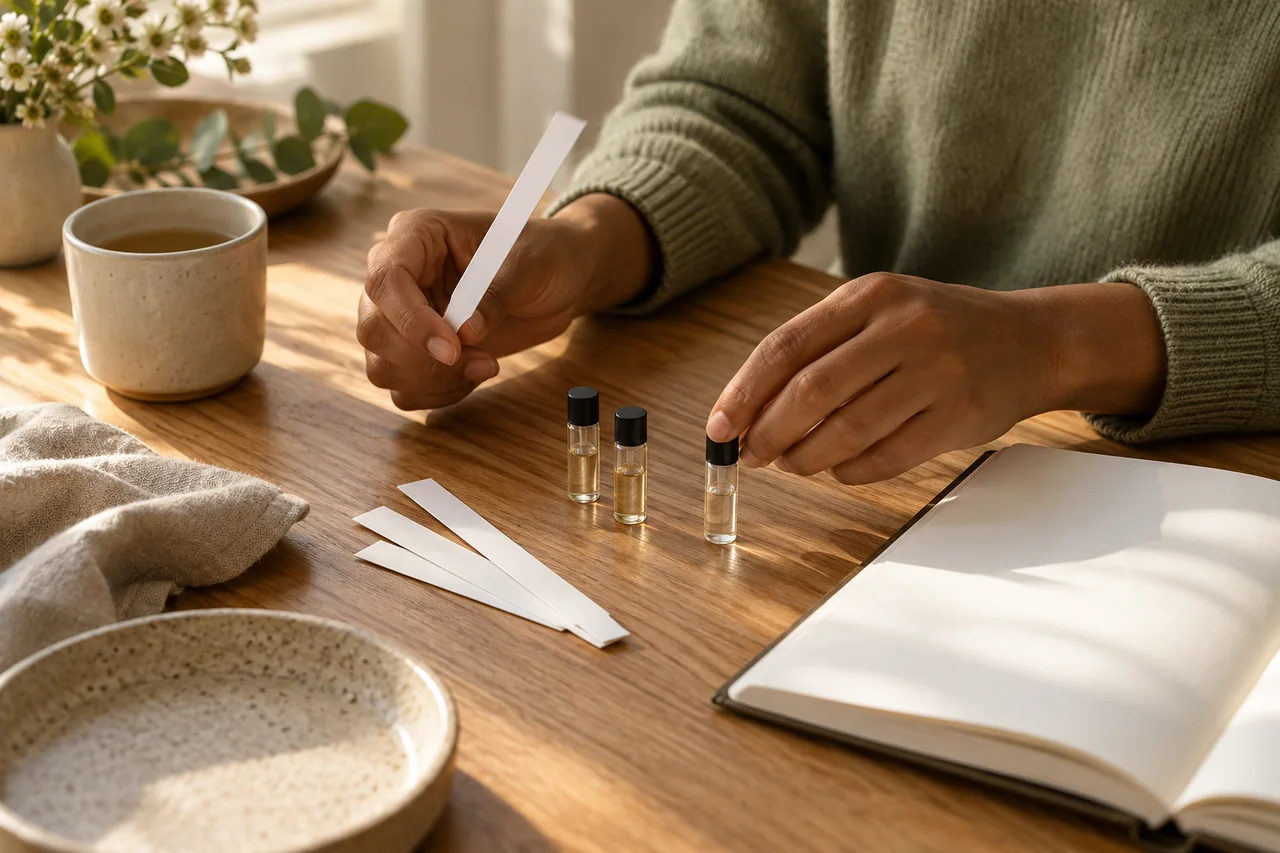
Label scent strips, narrow the choice and try one suitable favourite in daily life, with clear notes and realistic limits to personal tolerance checks.
Use paper to shortlist fragrance directions and a suitable wear trial to assess everyday use, without mistaking either for an allergy test.
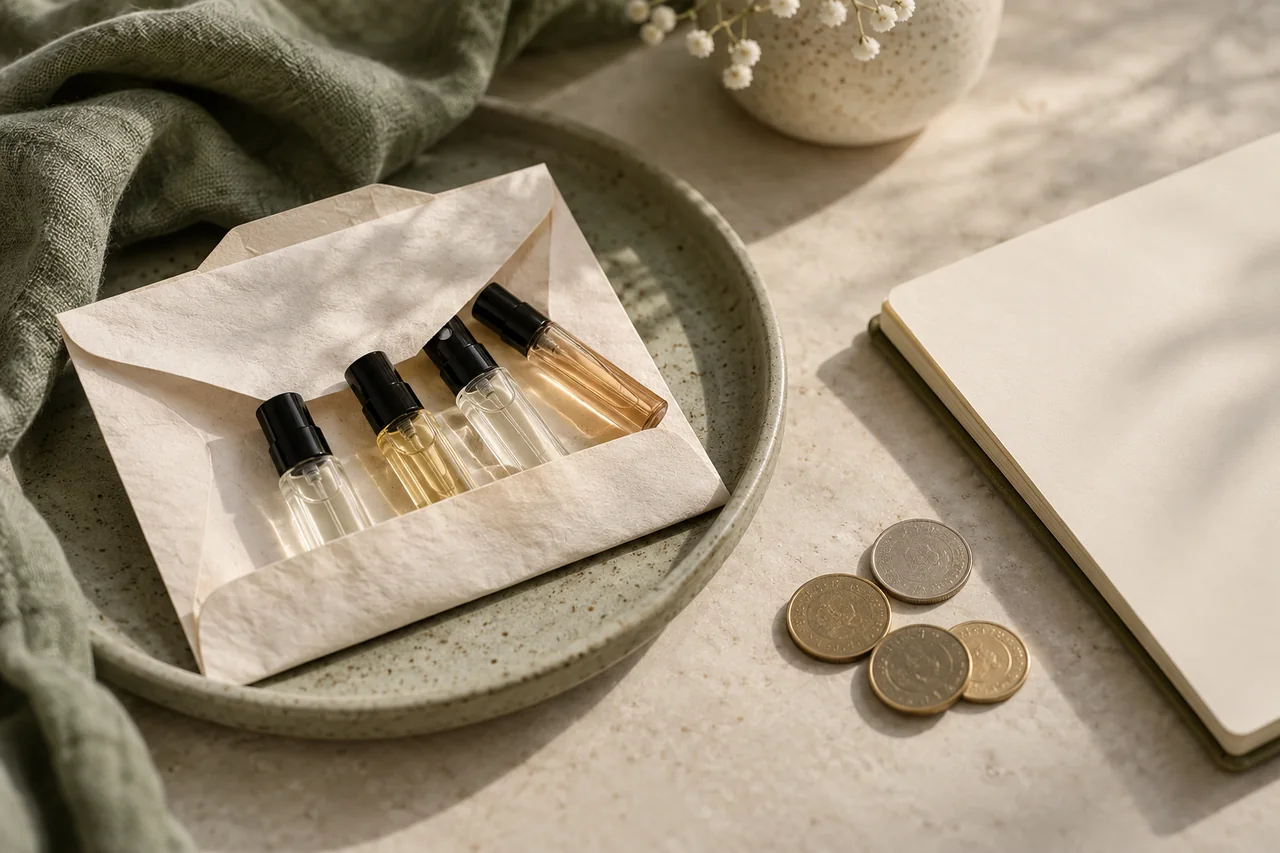
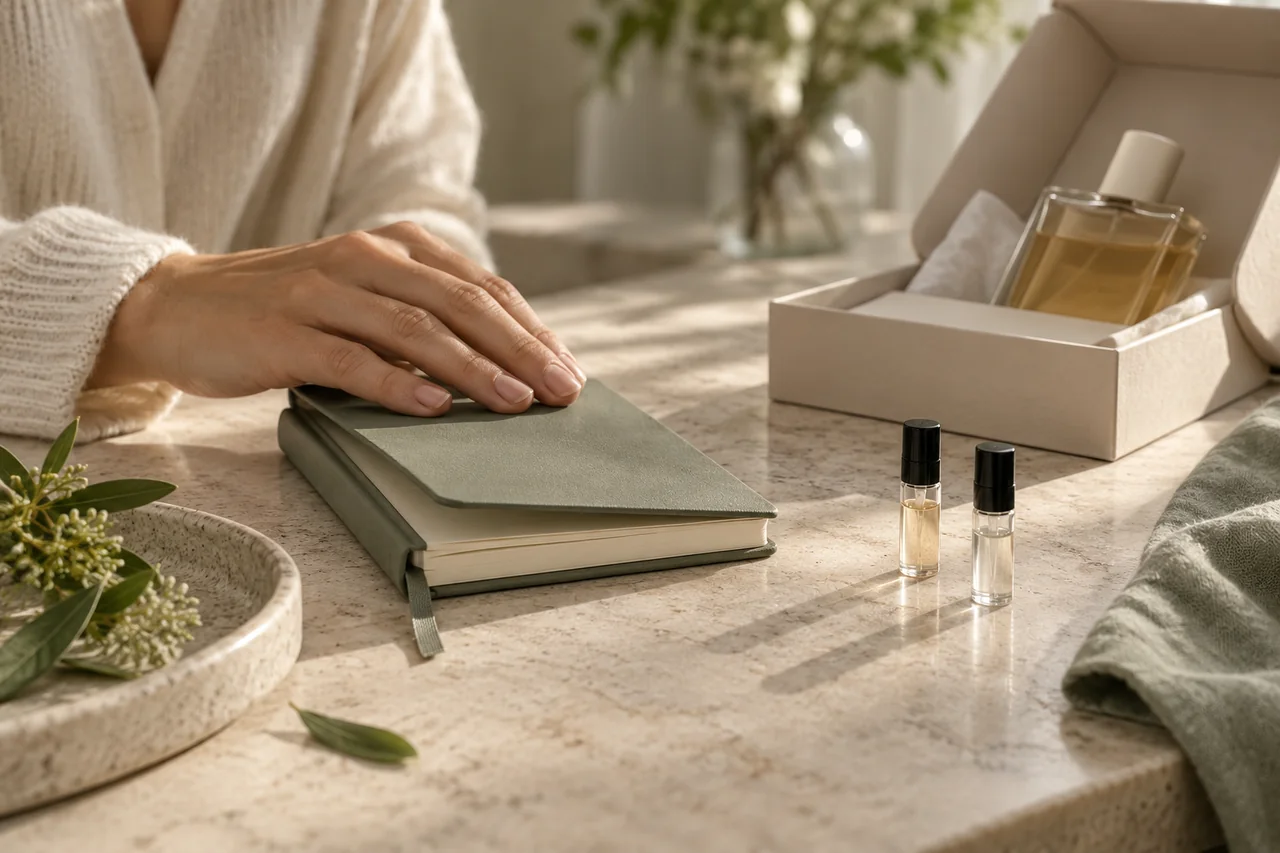
Organise exact sample names, early and later impressions, intended uses and open questions to make a useful decision without endless sample buying.
Distinguish a quieter personal impression from proof that fragrance has vanished, and use pauses, restrained dosing and appropriate medical boundaries.
Assess spontaneous presence, close-up scent and enjoyment separately, keeping wear conditions visible instead of chasing universal hour claims.
Understand scent trail and nearby presence without invented distance claims, using context, modest application and freely given feedback.
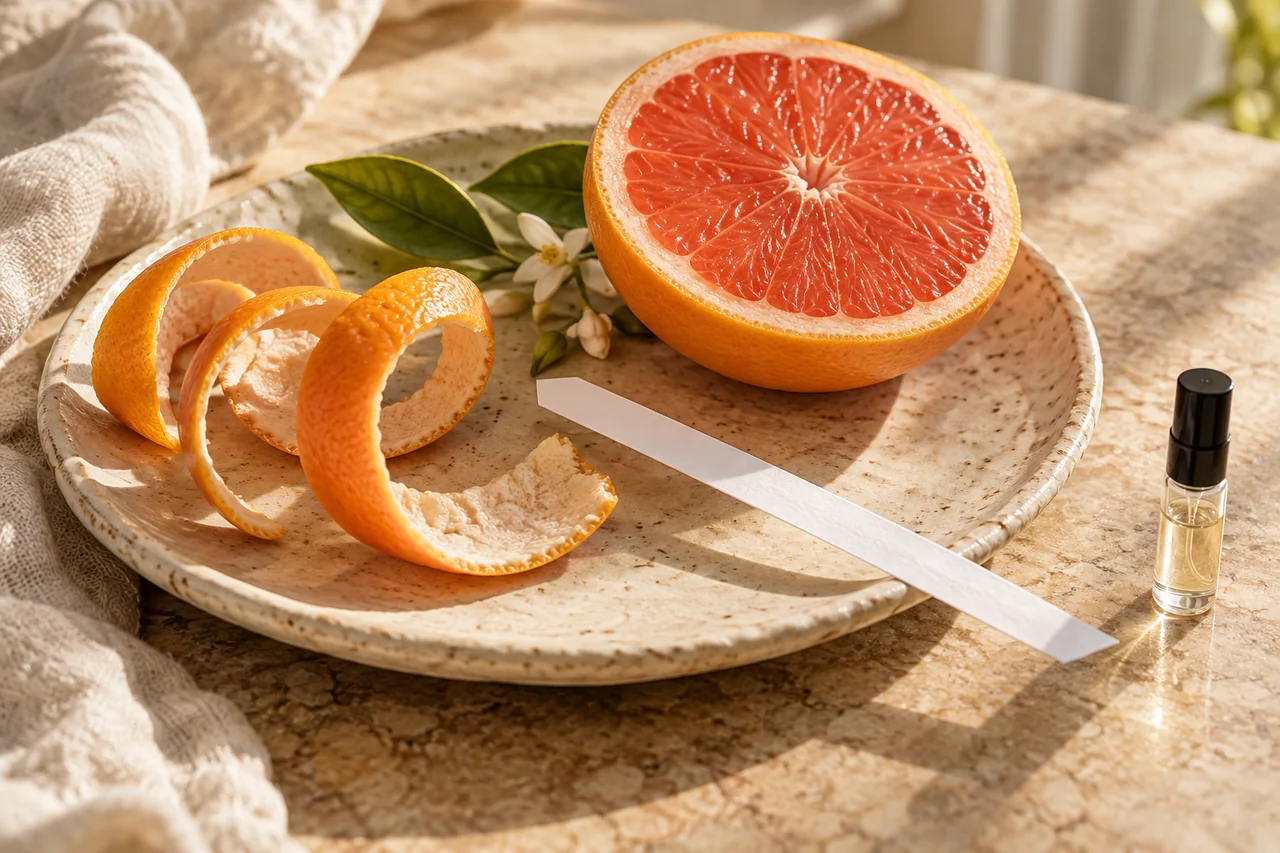
Refine a citrus scent search by comparing bitterness, sweetness, dryness and juiciness, then check whether you enjoy the later development.
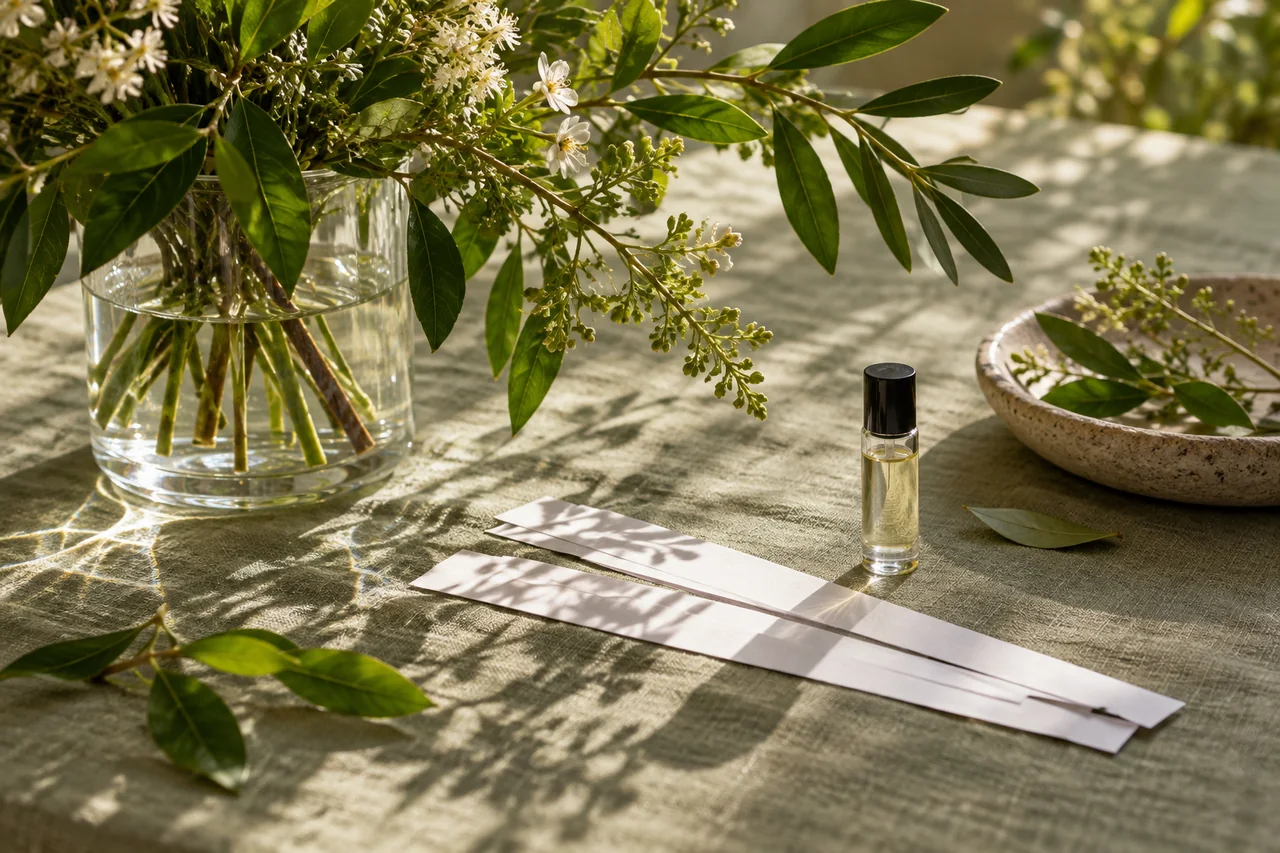
Distinguish leafy, herbal and grassy scent ideas, compare their sweetness and development, and separate green imagery from environmental claims.
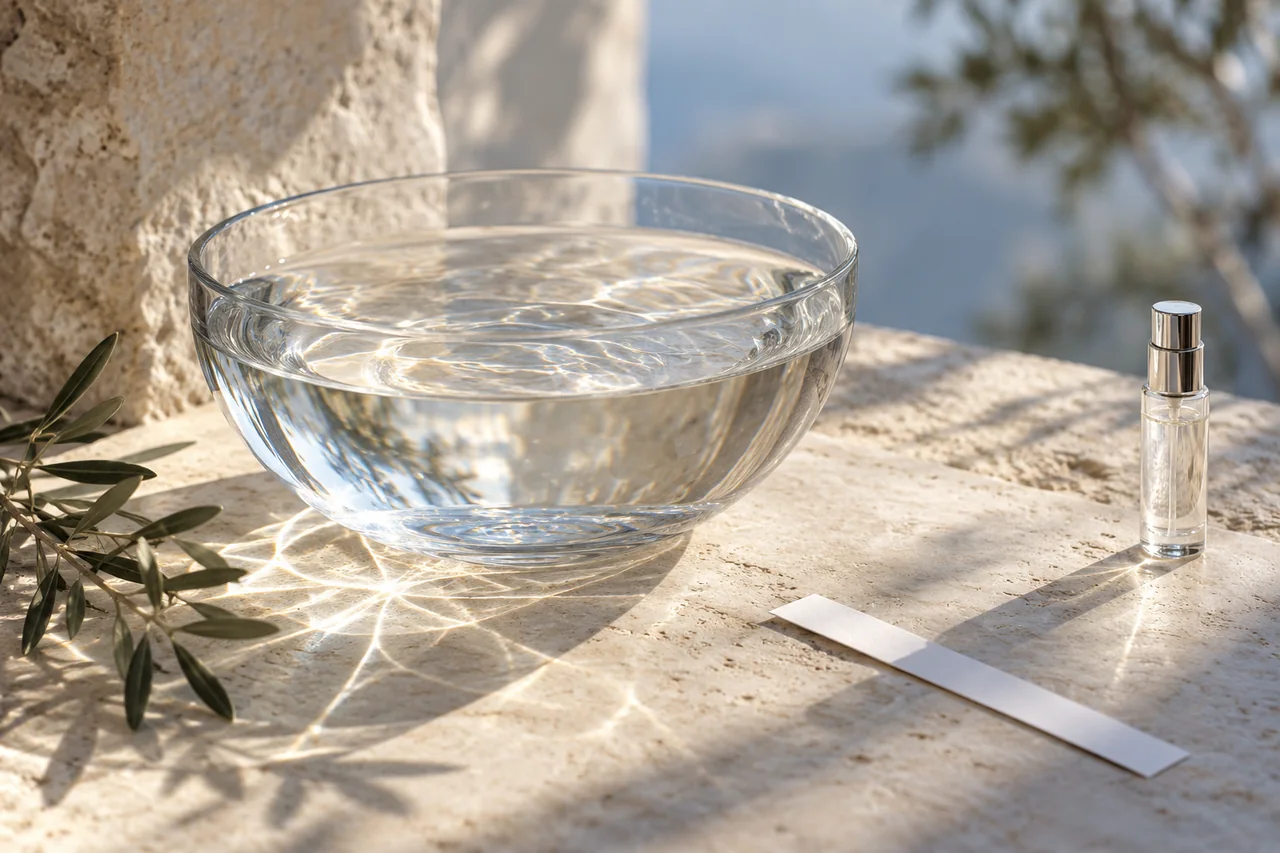
Compare airy, coastal and watery-fruity perfume ideas, keeping scent presence and actual ingredients separate from marine imagery.
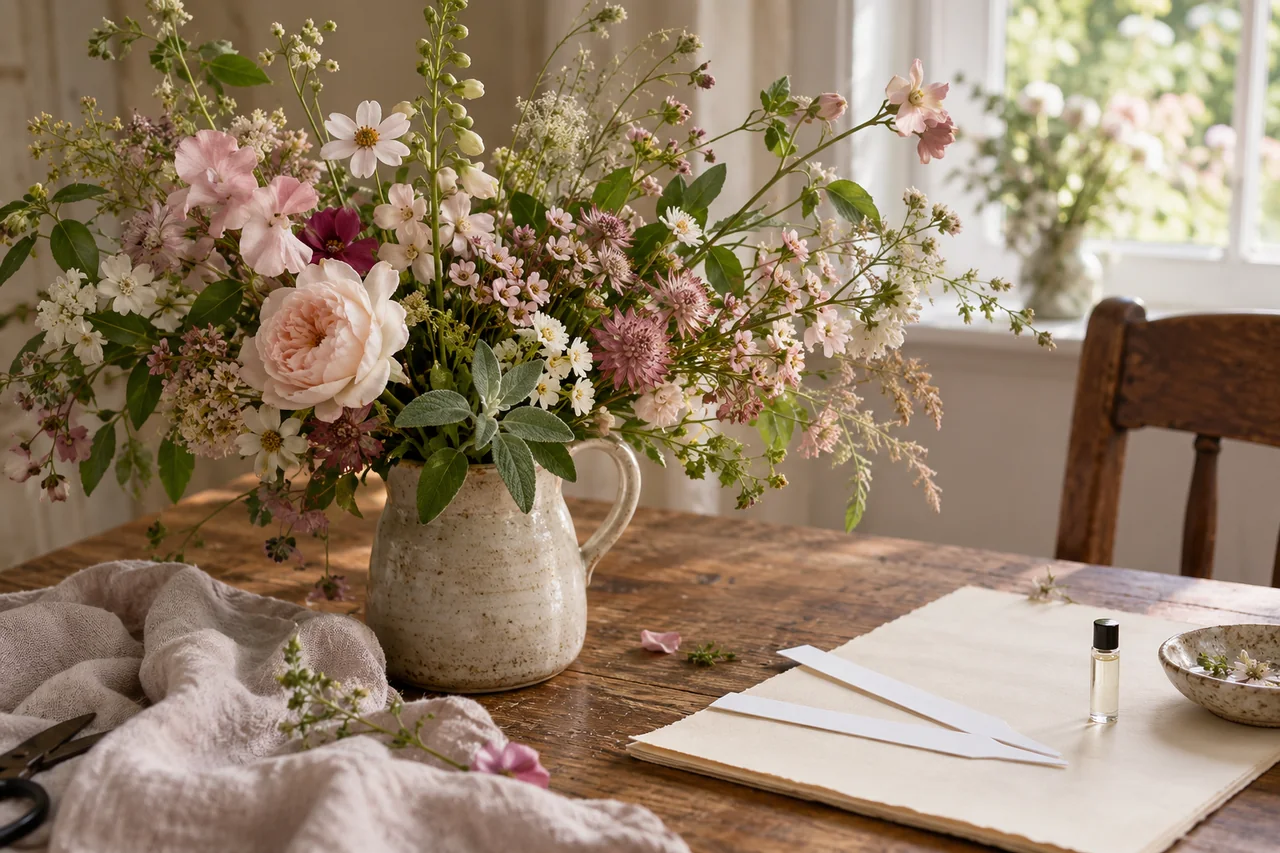
Narrow a floral scent search through flower focus, airy or dense texture and later wear, without gender rules or ingredient assumptions.
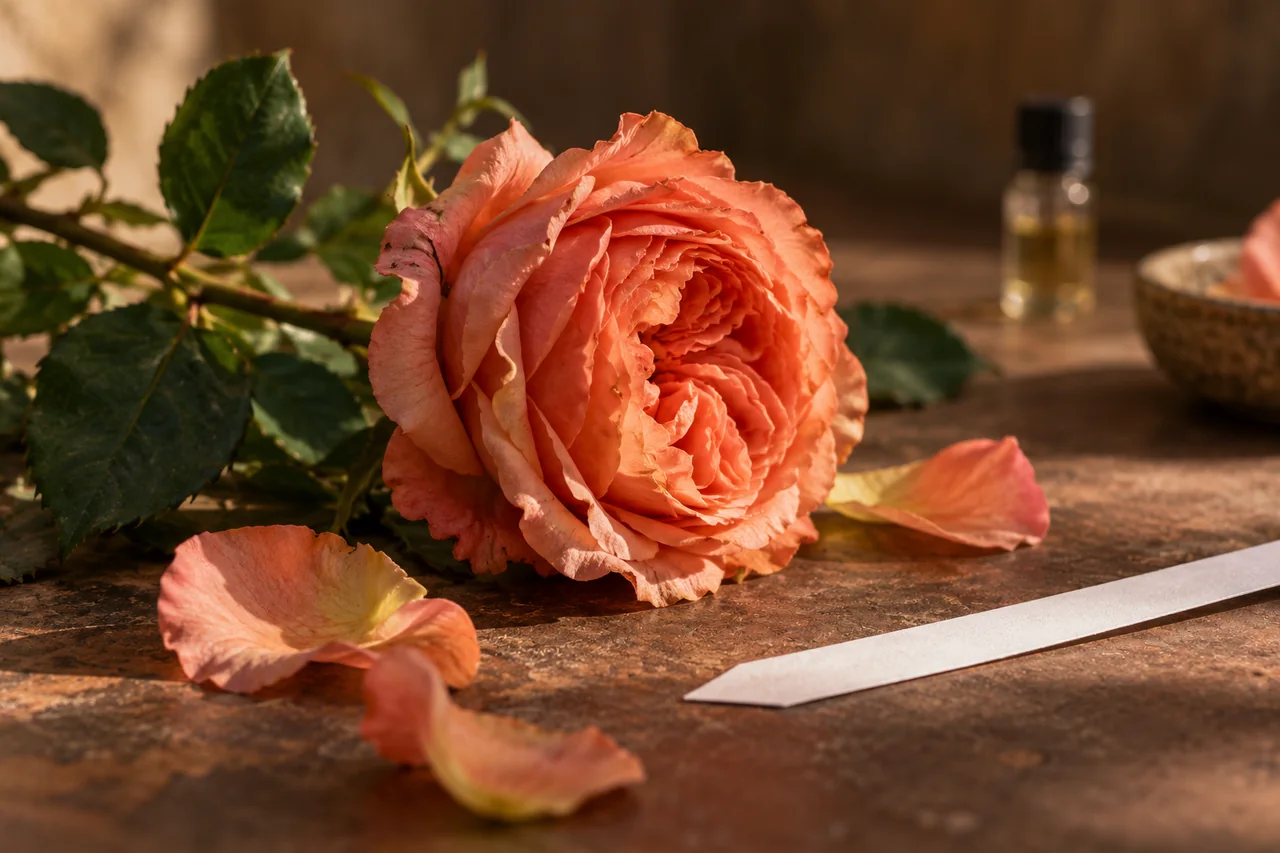
Compare rose interpretations by sweetness and surrounding notes, while separating garden imagery and natural-origin claims from actual product information.
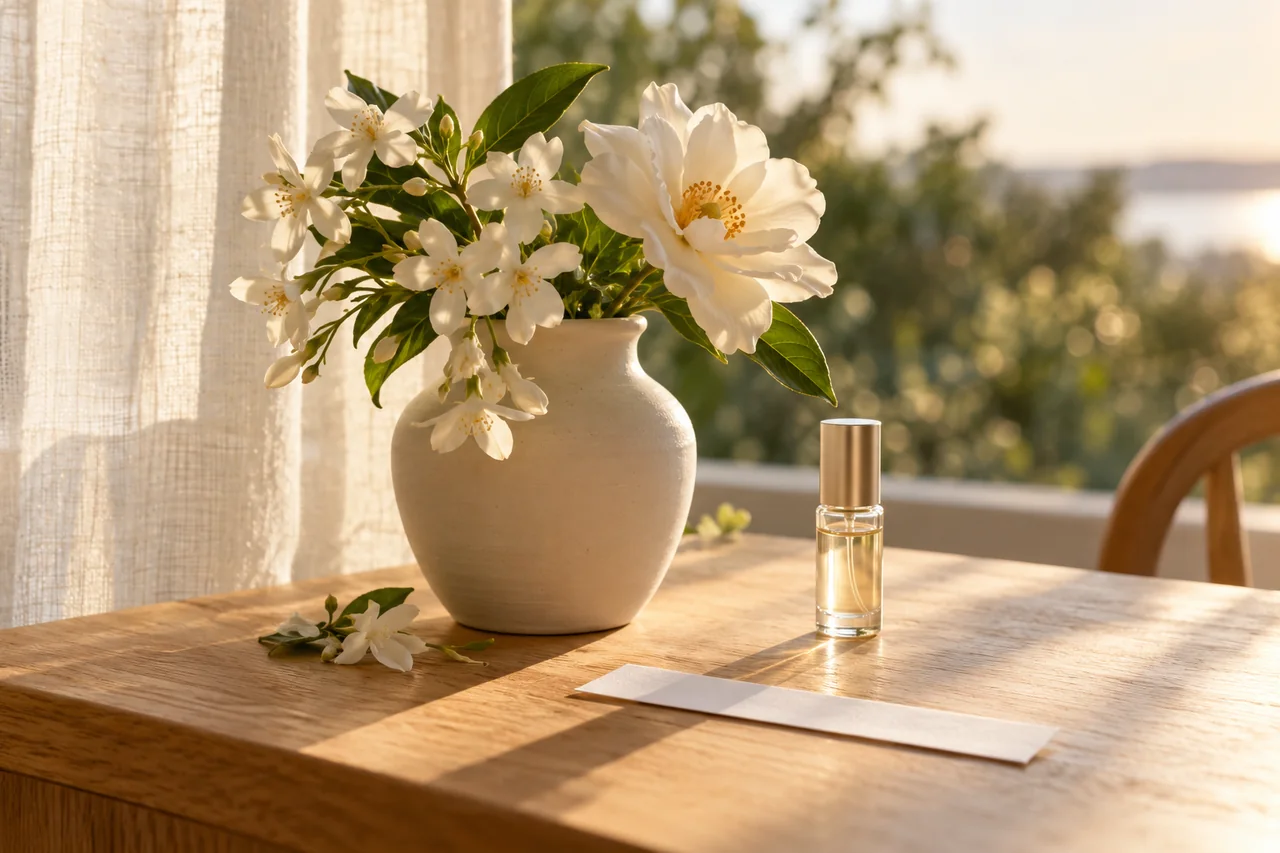
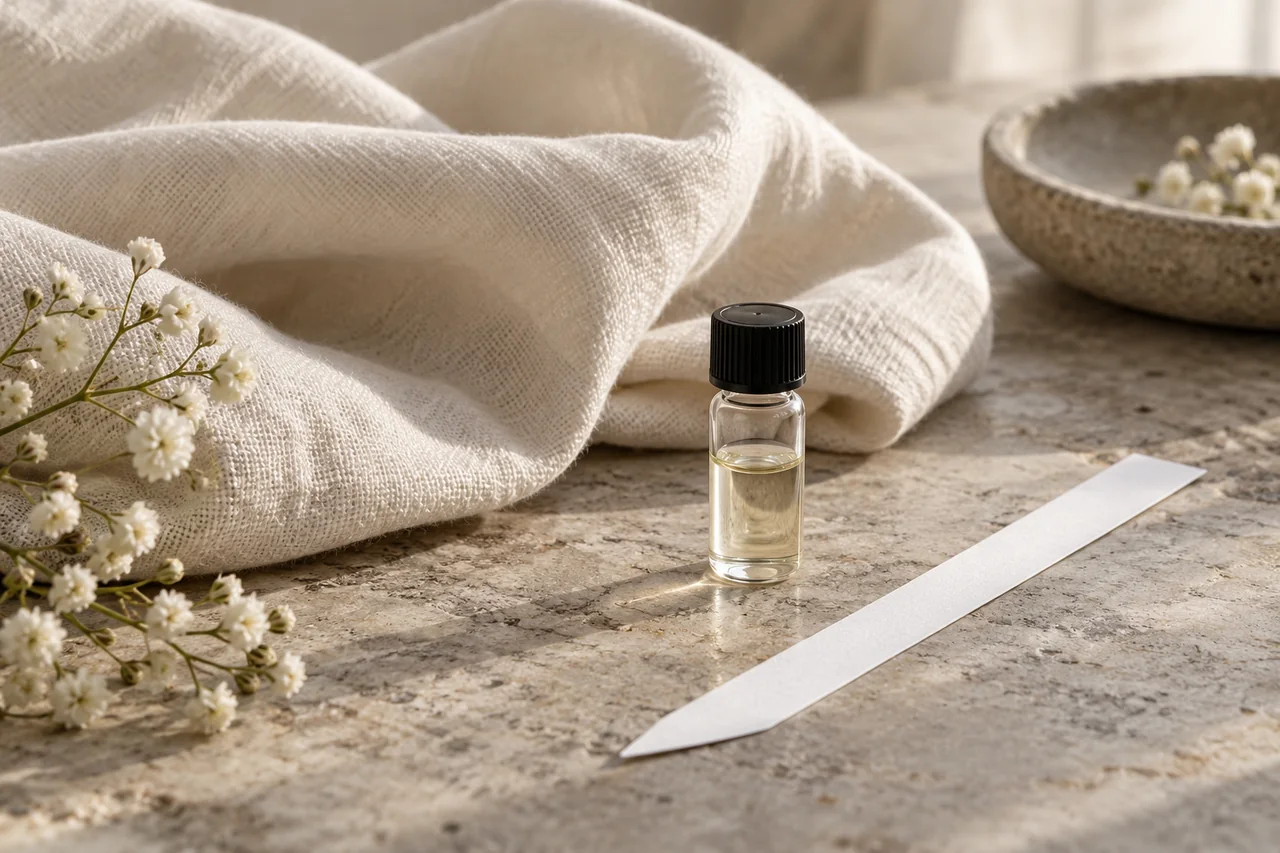
Compare white-floral perfume through brightness, sweetness and density instead of assuming pale flowers promise a delicate scent.
Separate powdery texture, sweetness, cosmetic memories and actual presence to choose a scent you enjoy wearing, rather than a label alone.
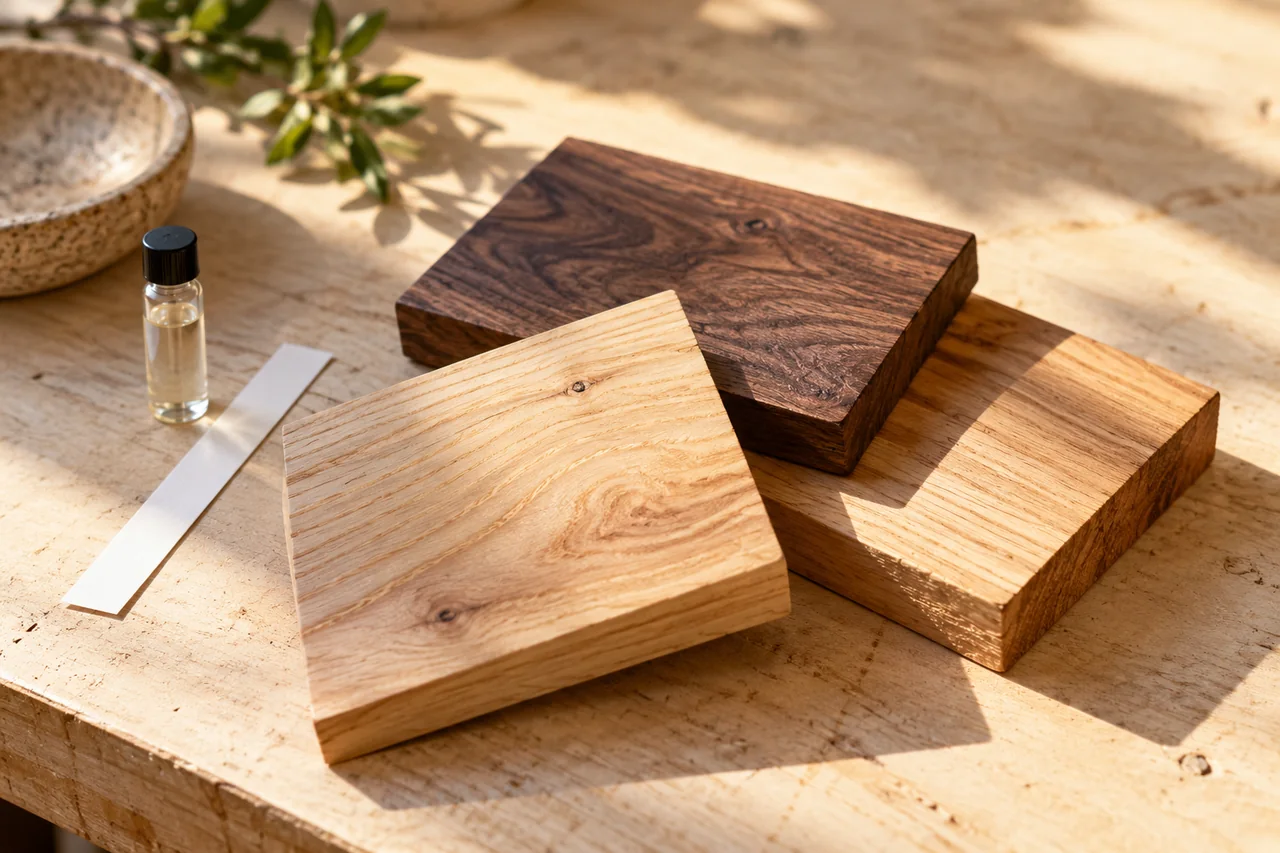
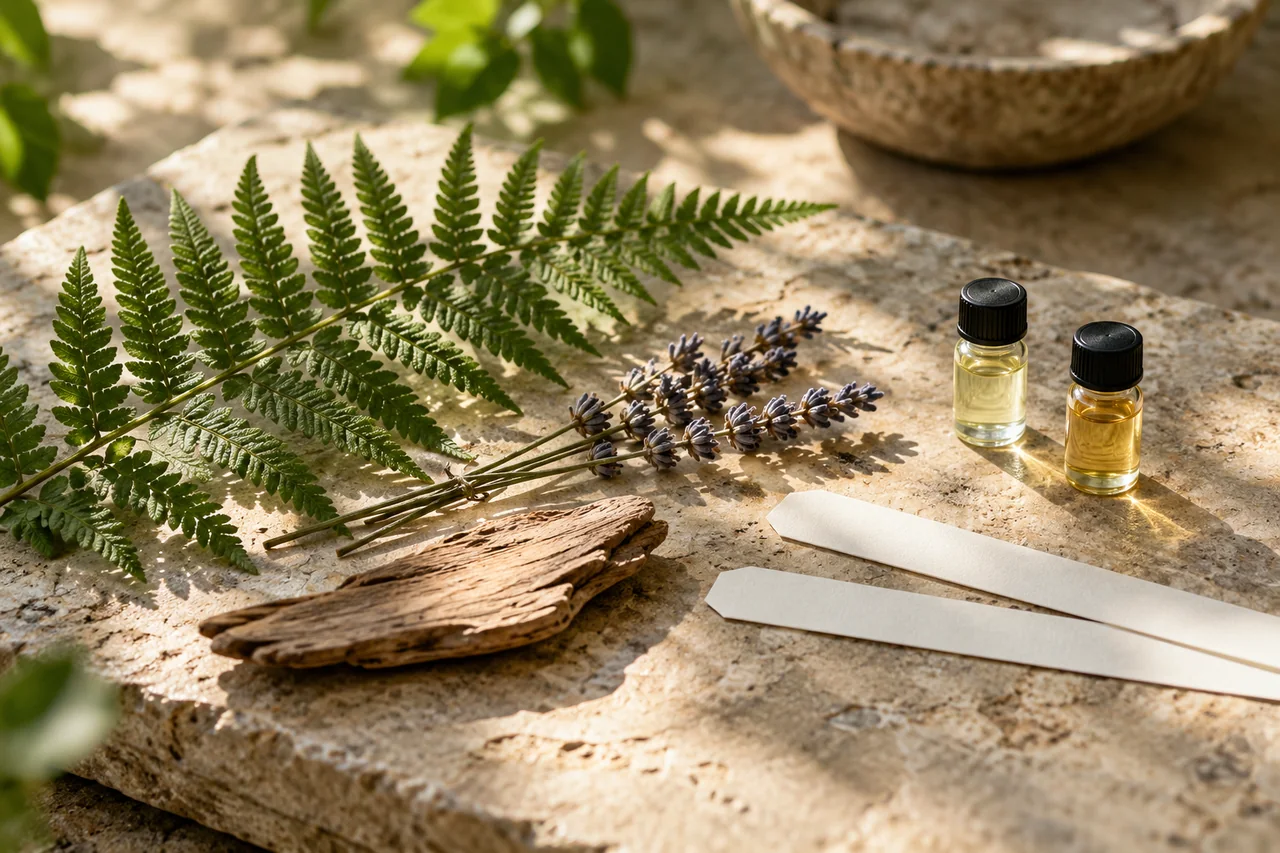
Refine a woody scent search by separating softness, sweetness and smoke, with realistic questions about raw-material stories and everyday use.
Compare amber perfume through dryness, sweetness, density and use, without treating amber, ambergris and fossil resin as interchangeable ingredients.
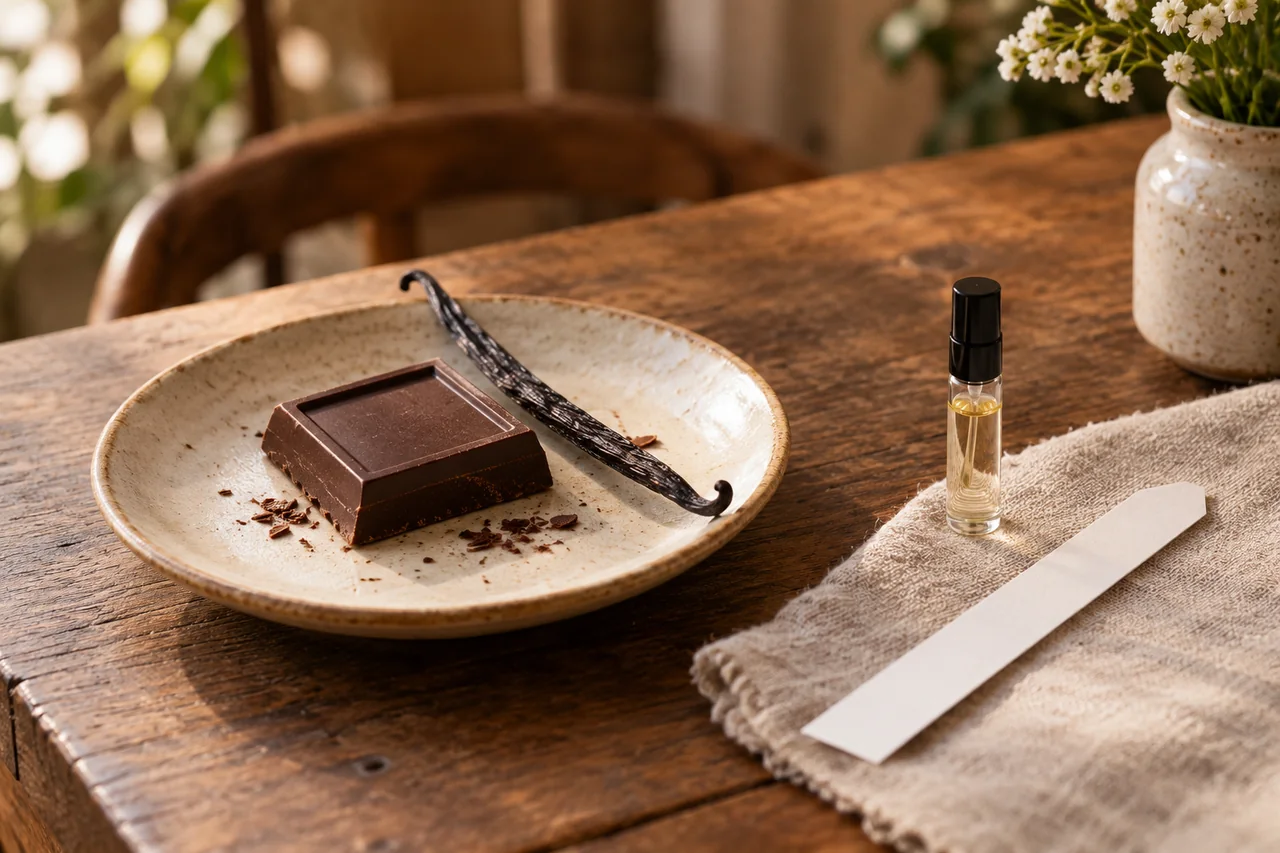
Compare dessert-like perfume through sweetness, texture and genuine wear enjoyment, keeping appetising imagery separate from ingredients and safe use.
Compare musk-centred scents without assuming one universal smell, guaranteed skin closeness or a particular ingredient origin.
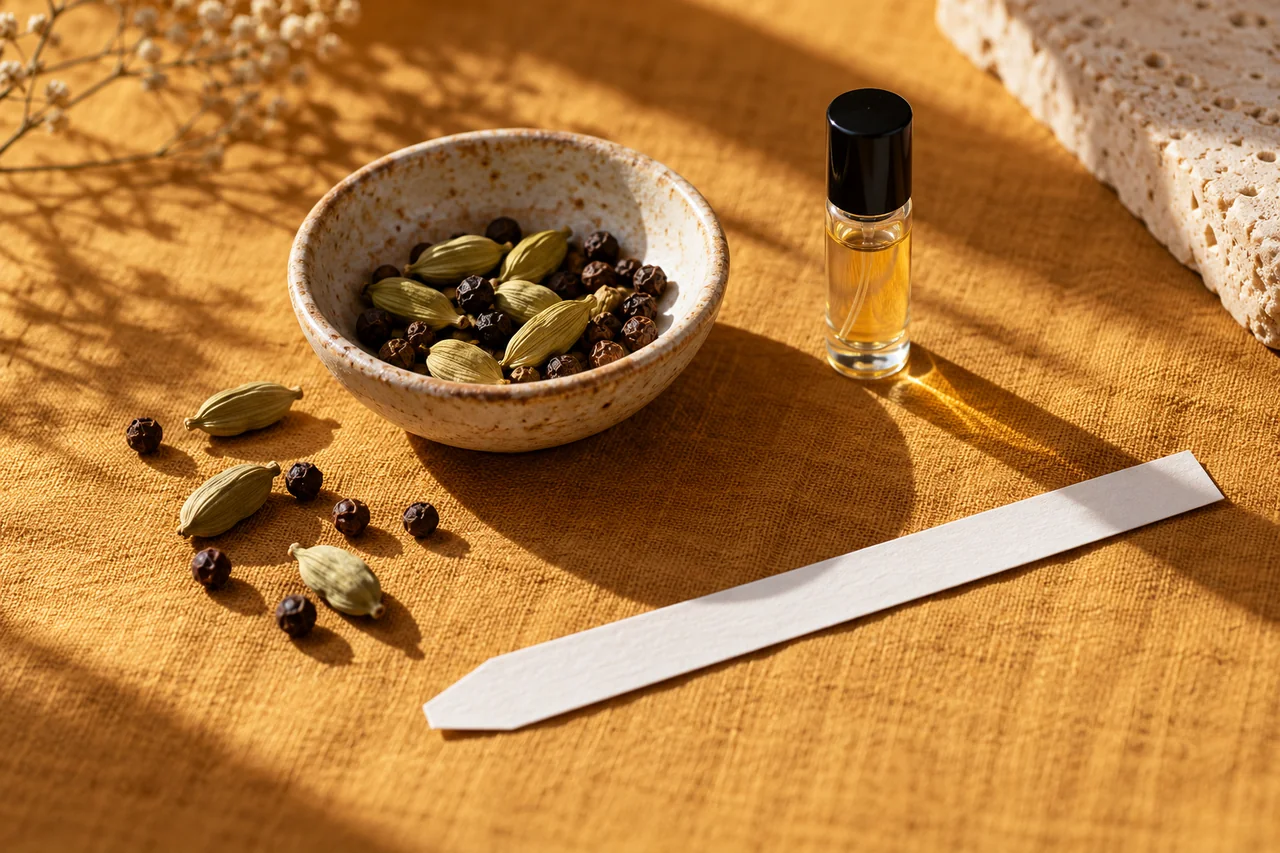
Compare dry, aromatic and warmer spice impressions, distinguishing an interesting paper sample from something you enjoy wearing over time.
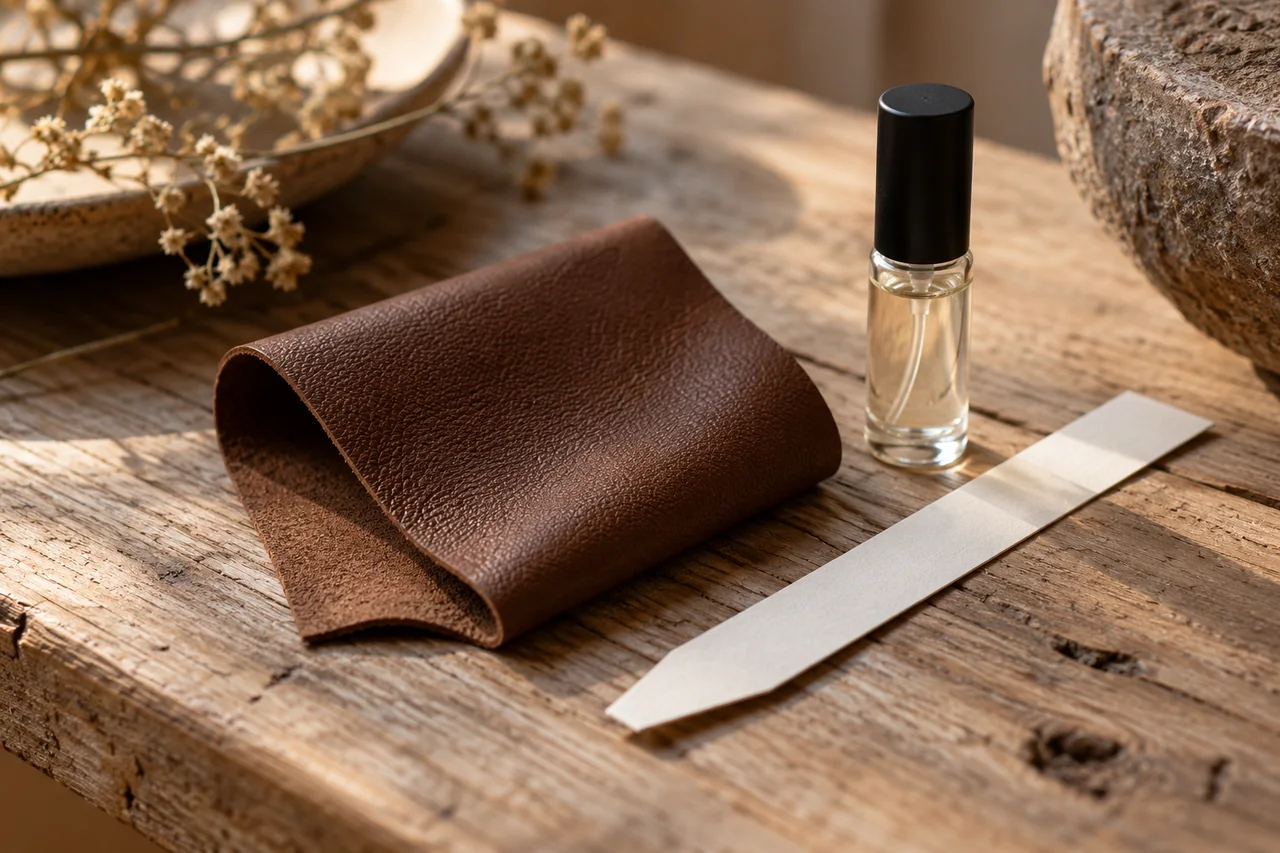
Explore leather-like scent ideas through texture, darkness and practical use, without clothing stereotypes or assumptions about animal ingredients.
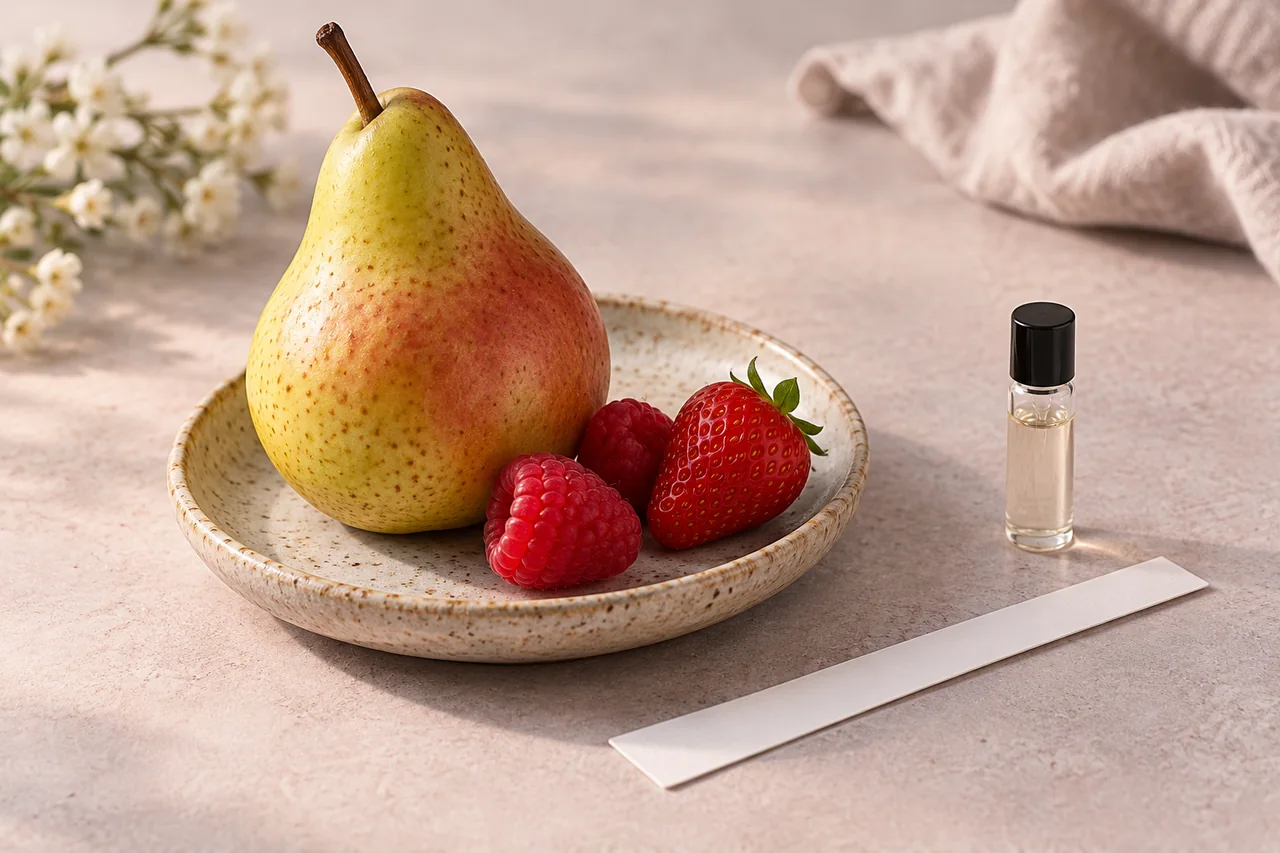
Compare fruity perfumes by juiciness, sweetness and later development, without assuming fruit pictures reveal ingredients or age suitability.
Explore two historical fragrance terms through aromatic freshness and dry contrast, using samples rather than rigid recipes or gender stereotypes.
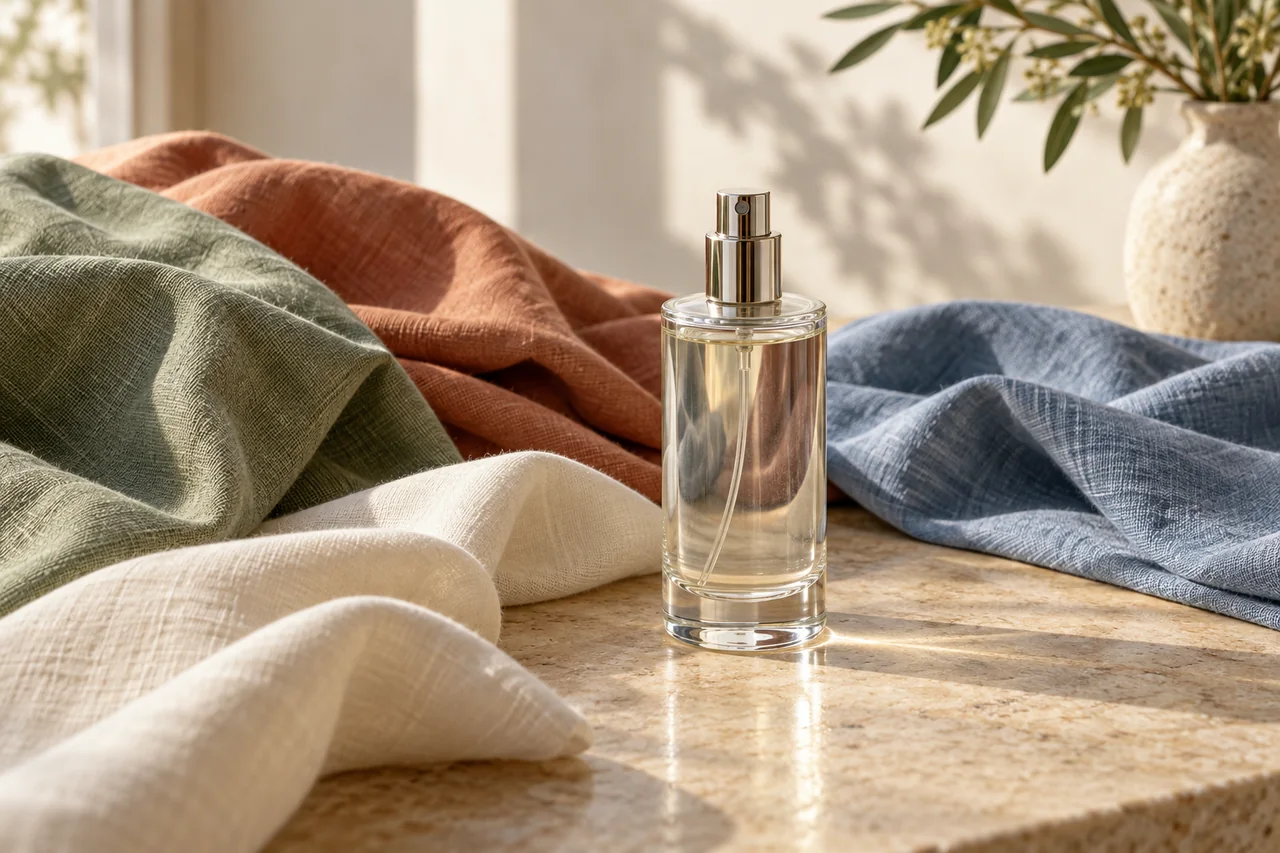
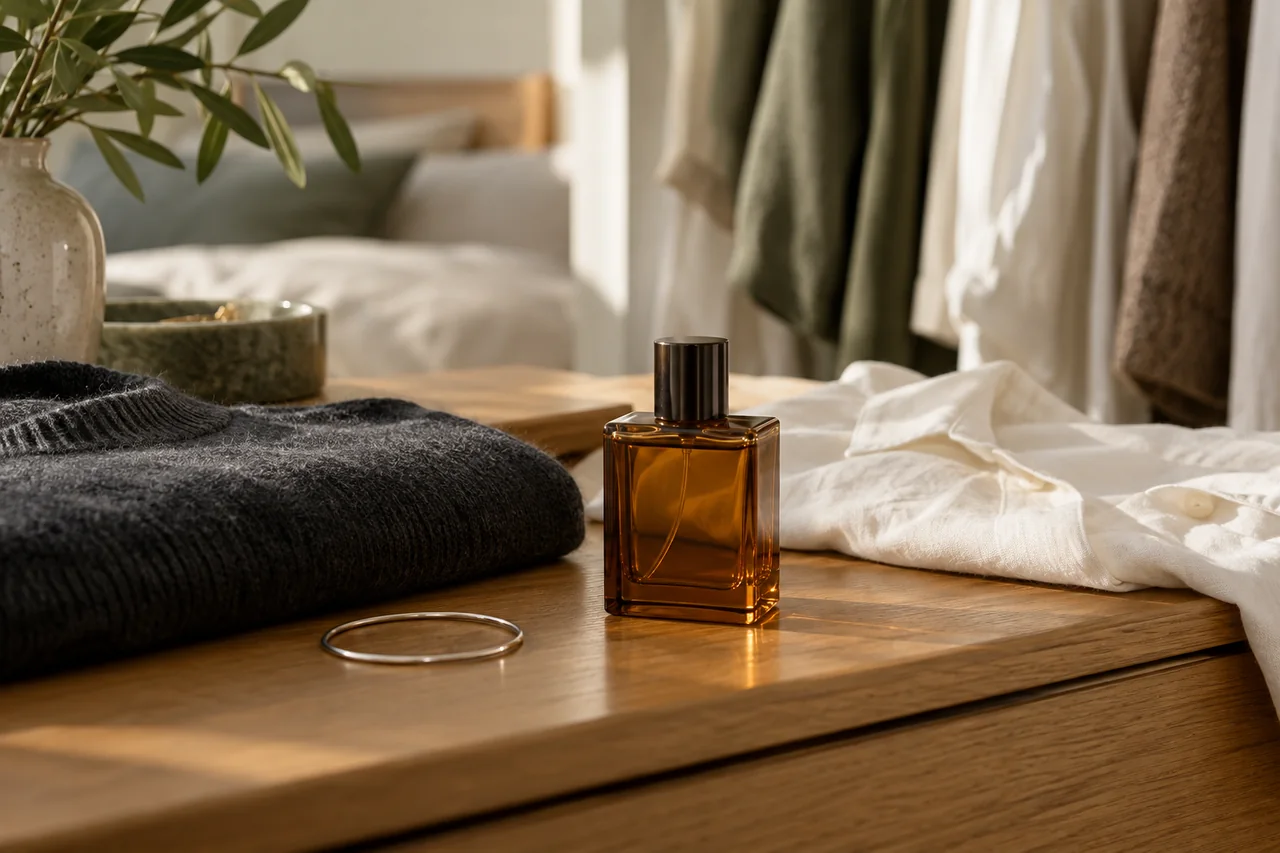
Use clothing colours as personal prompts for a fragrance search, without assuming skin, hair or a seasonal palette determines perfume preference.
Turn clothing preferences into a few practical scent questions, then compare real use, cost and enjoyment rather than a prescribed perfume persona.
Assess shared spaces, existing bottles, ordinary wear and useful packaging before choosing an everyday perfume or making a repeat purchase.
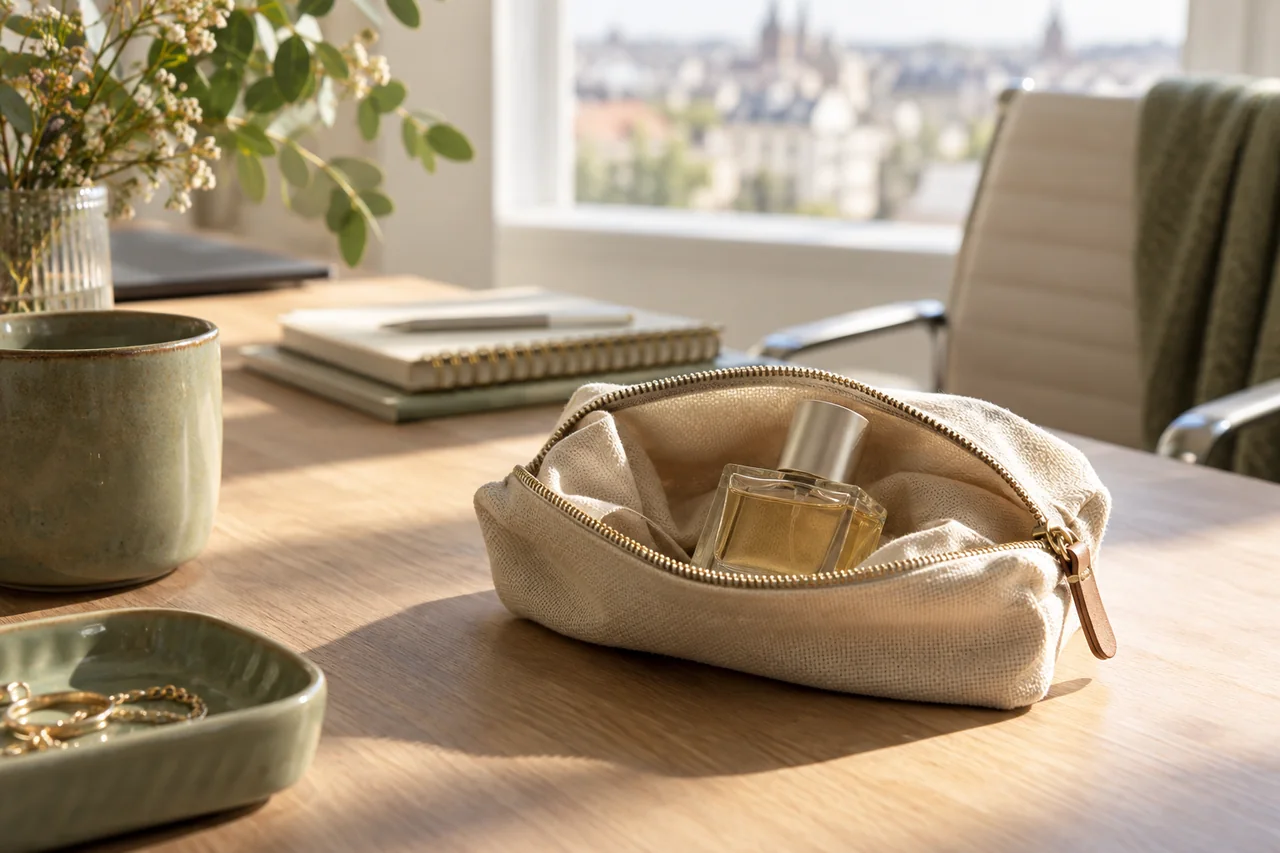
Choose practical workplace fragrance arrangements, avoid spraying in communal rooms and respond respectfully to requests without demanding medical details.
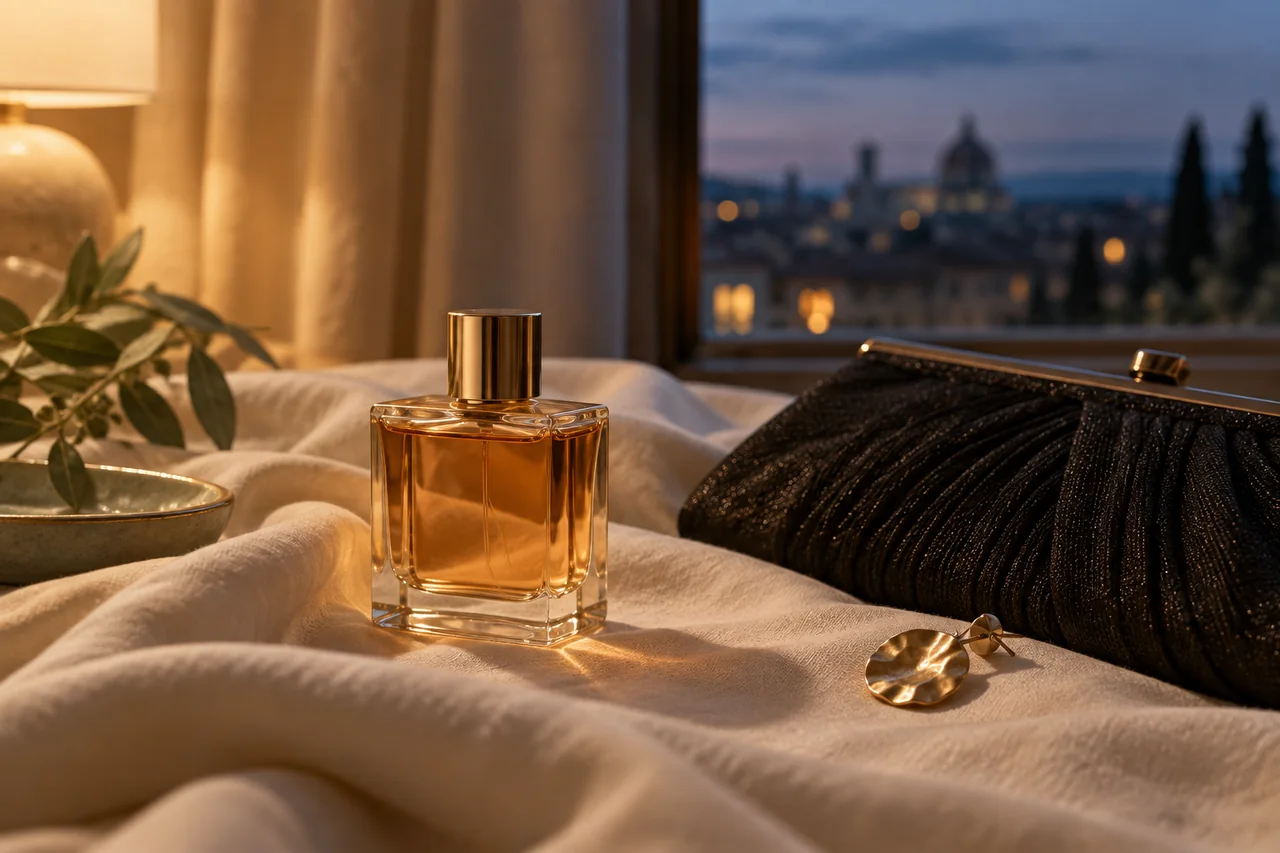
Choose perfume by the actual evening, proximity to others and familiar options, rather than assuming night-time demands stronger or costlier scent.
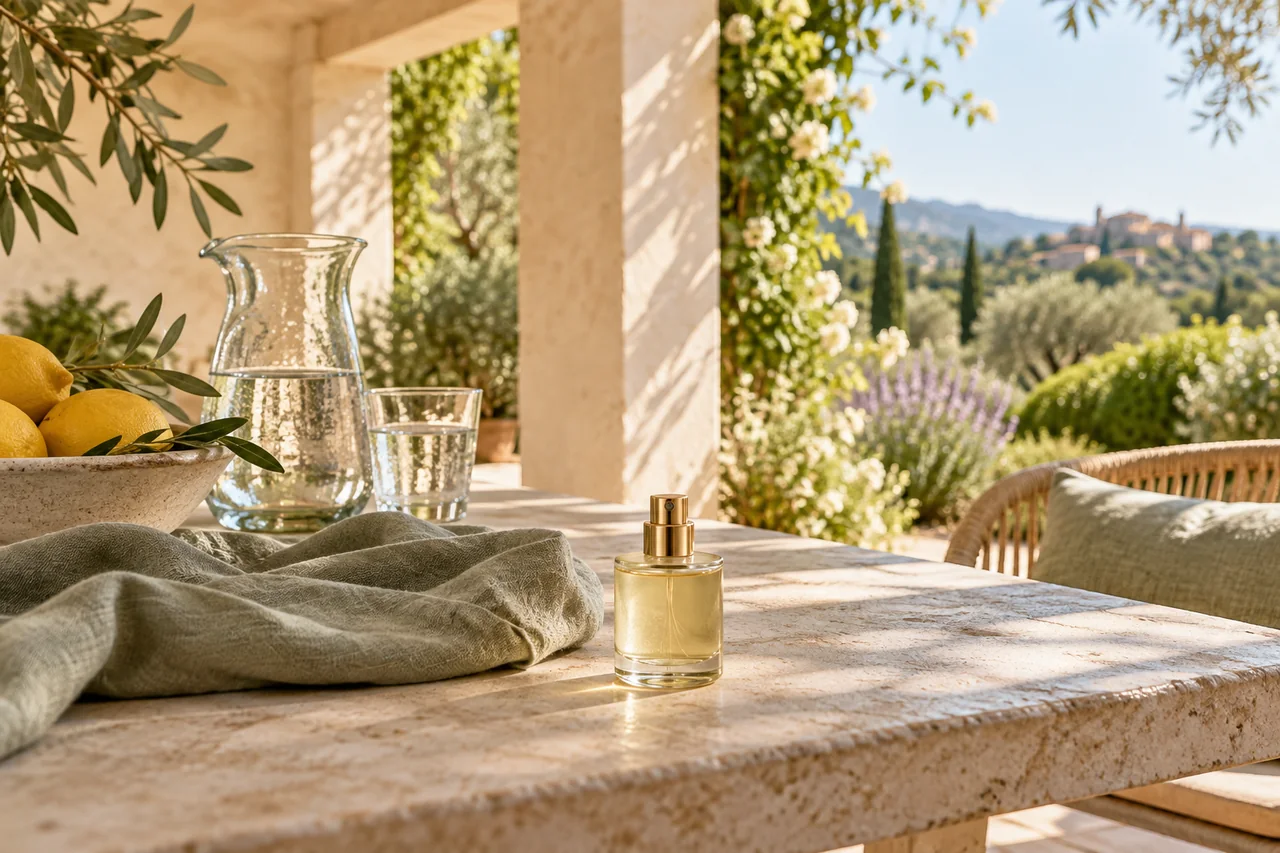
Plan fragrance around real summer settings, product warnings, storage and existing favourites, while keeping sun protection a separate decision.
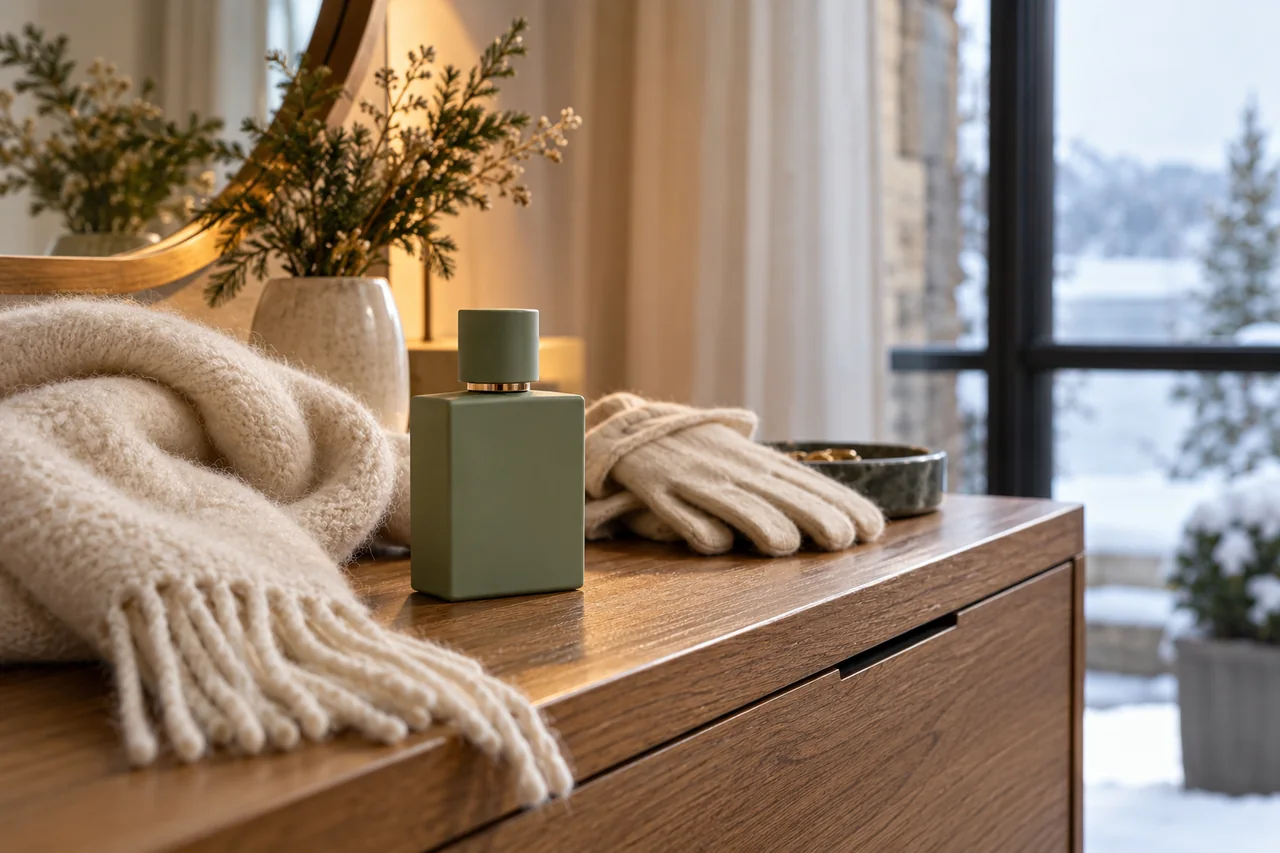
Choose winter fragrance with indoor spaces, clothing care and actual usage in mind, rather than assuming cold weather requires stronger perfume.
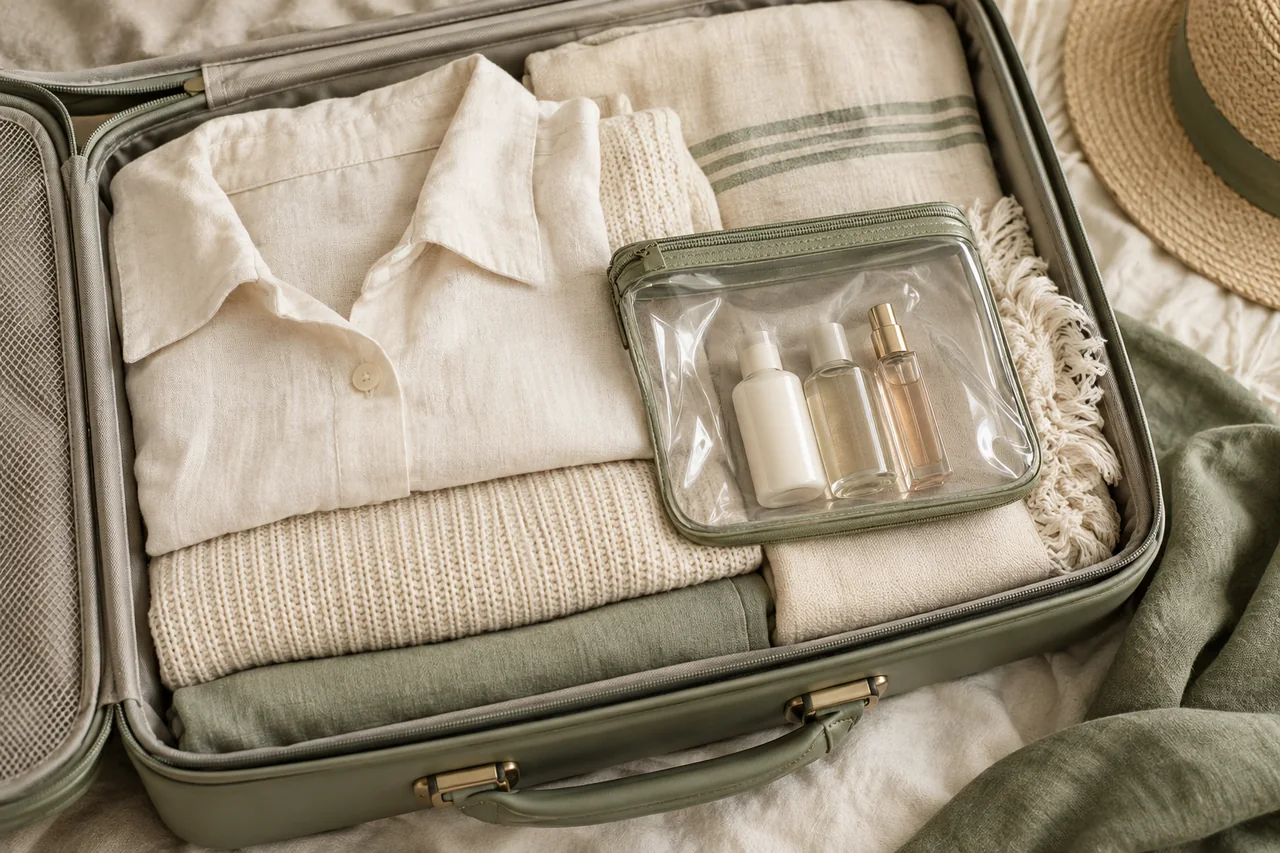
Choose a small labelled fragrance, check current airport and airline rules, and prevent leaks without treating earlier travel experience as a guarantee.
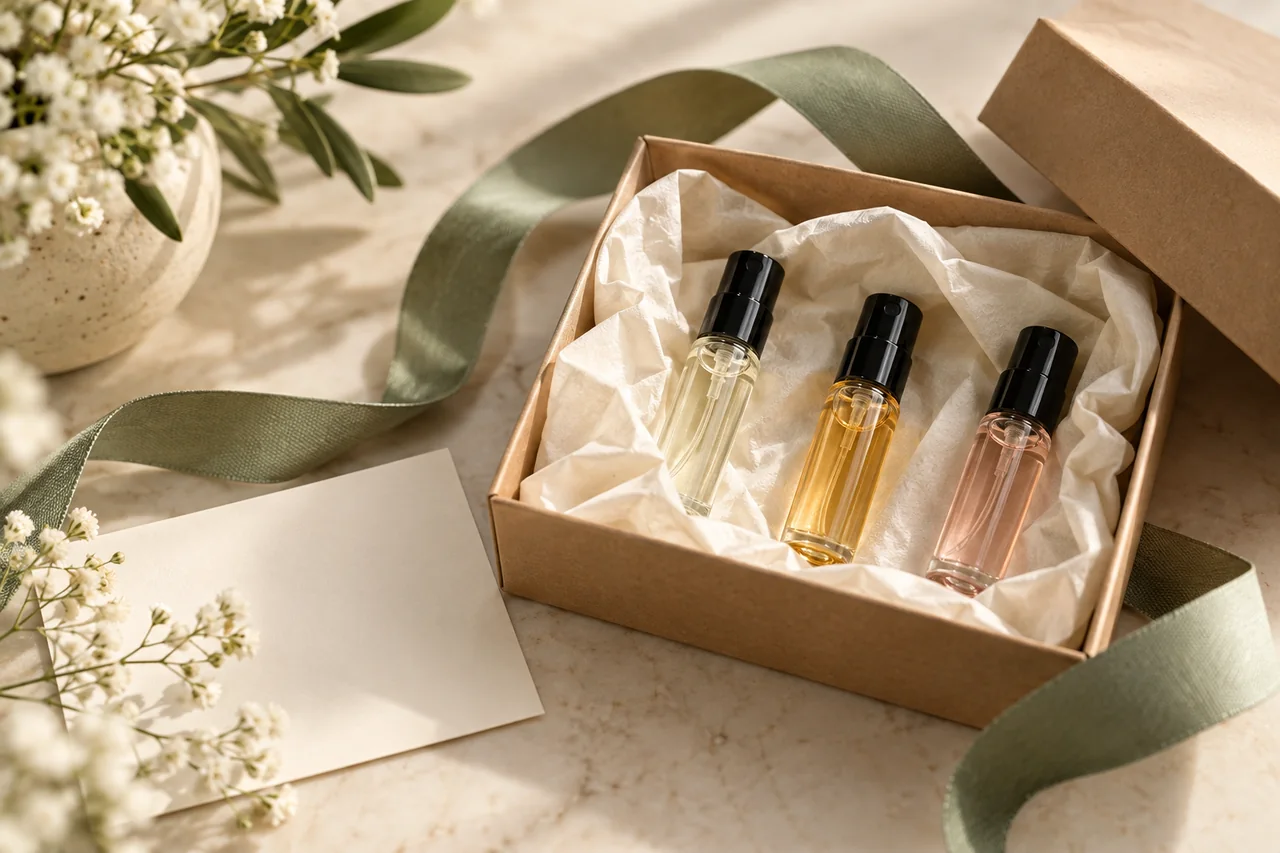
Confirm exact favourites or offer a thoughtful sample choice, with clear budgets, current return conditions and no pressure to wear unwanted fragrance.
Explore fragrances through specific scent qualities and intended use, without assuming unisex means neutral, fresh or suitable for everyone.
Choose a familiar favourite through a small sample round, clear boundaries and repeated enjoyment, without requiring uniqueness or a perfect match to your personality.
Map existing bottles to actual occasions, identify overlap and choose useful sizes without treating every fragrance family as a shopping requirement.
Explore combinations of familiar fragrances without mixing bottle contents, overriding warnings or assuming more layers improve duration or tolerance.
Choose considerate perfume application through product instructions, atomiser handling and shared surroundings rather than a universal number of sprays.
Separate product application, skin concerns and textile care before choosing where to spray; clothing is not an automatic workaround for fragrance allergy.
Review sunlight, heat, closures and product directions, then organise perfume simply without unsupported refrigeration or rescue routines.
Distinguish bottle storage from wear duration, record opening and conditions, and ask precise questions when a perfume changes instead of applying a universal expiry rule.
Match the exact bottle and refill system, preserve product information and compare real usage and total cost without assuming every refill is suitable.
Compare unit prices, delivery and likely use with transparent fictional examples, keeping total budget ahead of an attractive volume discount.
Limit total sample spending and simultaneous choices, retain clear labels and end a trial round without feeling obliged to buy a full bottle.
Distinguish a known repeat purchase from a blind buy, compare total costs and check seller, delivery and return details before opening the parcel.
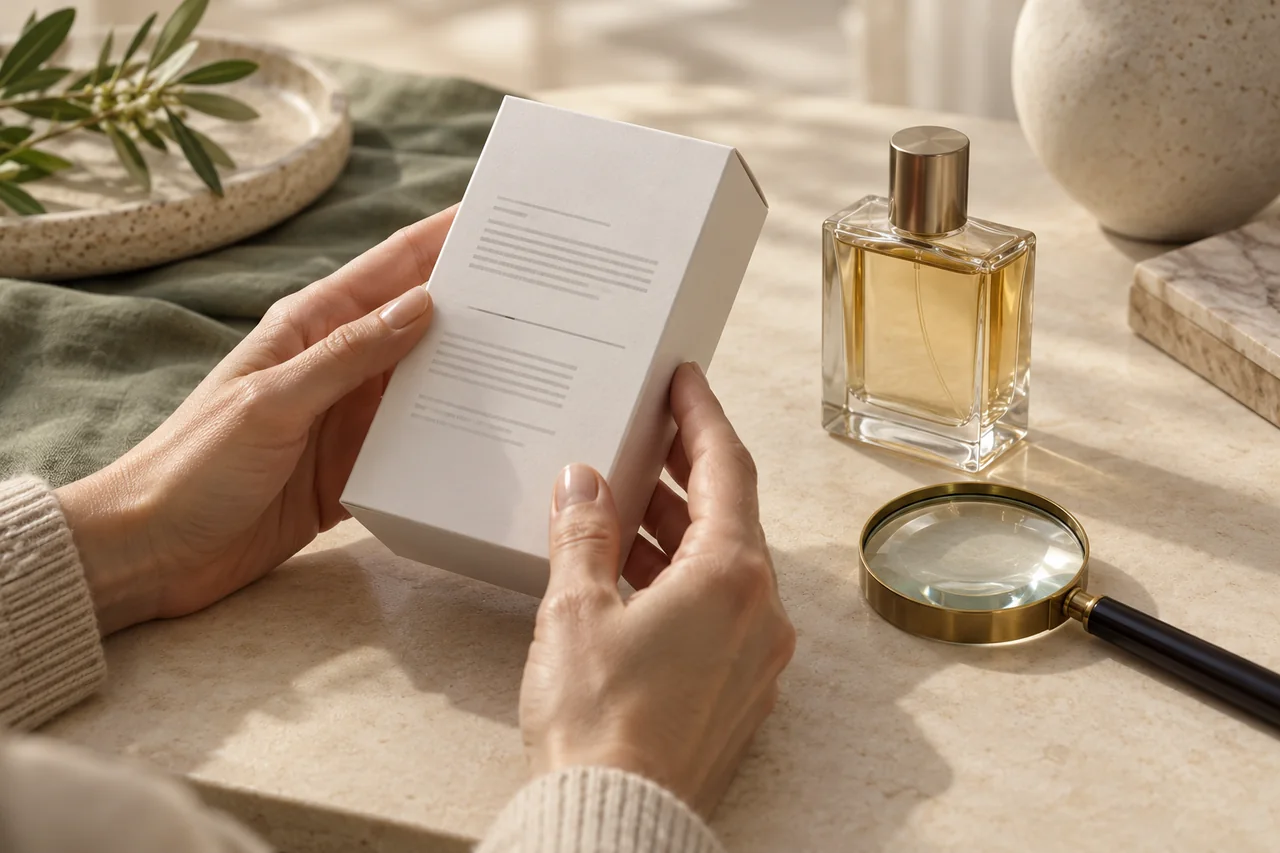
Identify the exact product, distinguish notes from INCI labelling and understand why fragrance-allergen lists may differ during the EU transition.
Organise product details and symptom observations for professional assessment without self-testing, online diagnosis or exposing private health information.
Reduce optional scent sources, distinguish preference from medically advised avoidance and select products for the care tasks you actually need.
Check repeat enjoyment, real occasions, useful quantity, total cost and urgency before a perfume offer becomes another unused bottle.