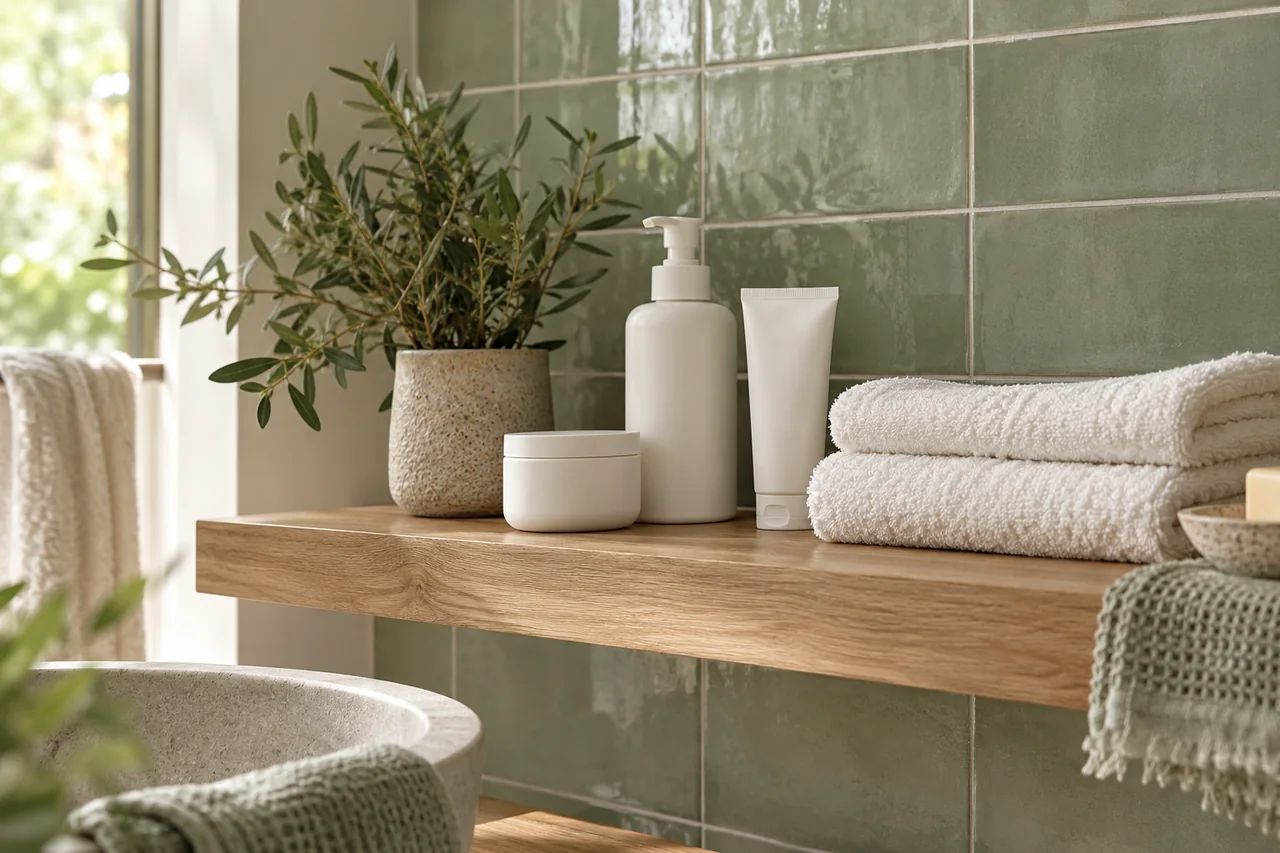
Giving up perfume requires no replacement scent. A simple routine may reflect preference, consideration or a professionally assessed sensitivity. These reasons differ: personal simplification allows different choices from medical avoidance instructions. Start with an organised review rather than a complete new shopping list.
Name the reason
Do you want fewer smells, consideration at work or avoidance of particular ingredients? With diagnosed allergy, follow professional guidance and confirmed substance names. For a simple preference, begin by dropping optional extras. Neither a body mist nor a natural oil is needed to replace perfume.
List the separate sources
Review perfume, body care, hair products, laundry additives and room fragrance by their tasks. Cleaning and caring differ from adding scent. Remove solely scent-focused products if that function is unwanted. Medical avoidance may require a more specific review of what remains suitable; it is not necessarily a gradual use-up plan.
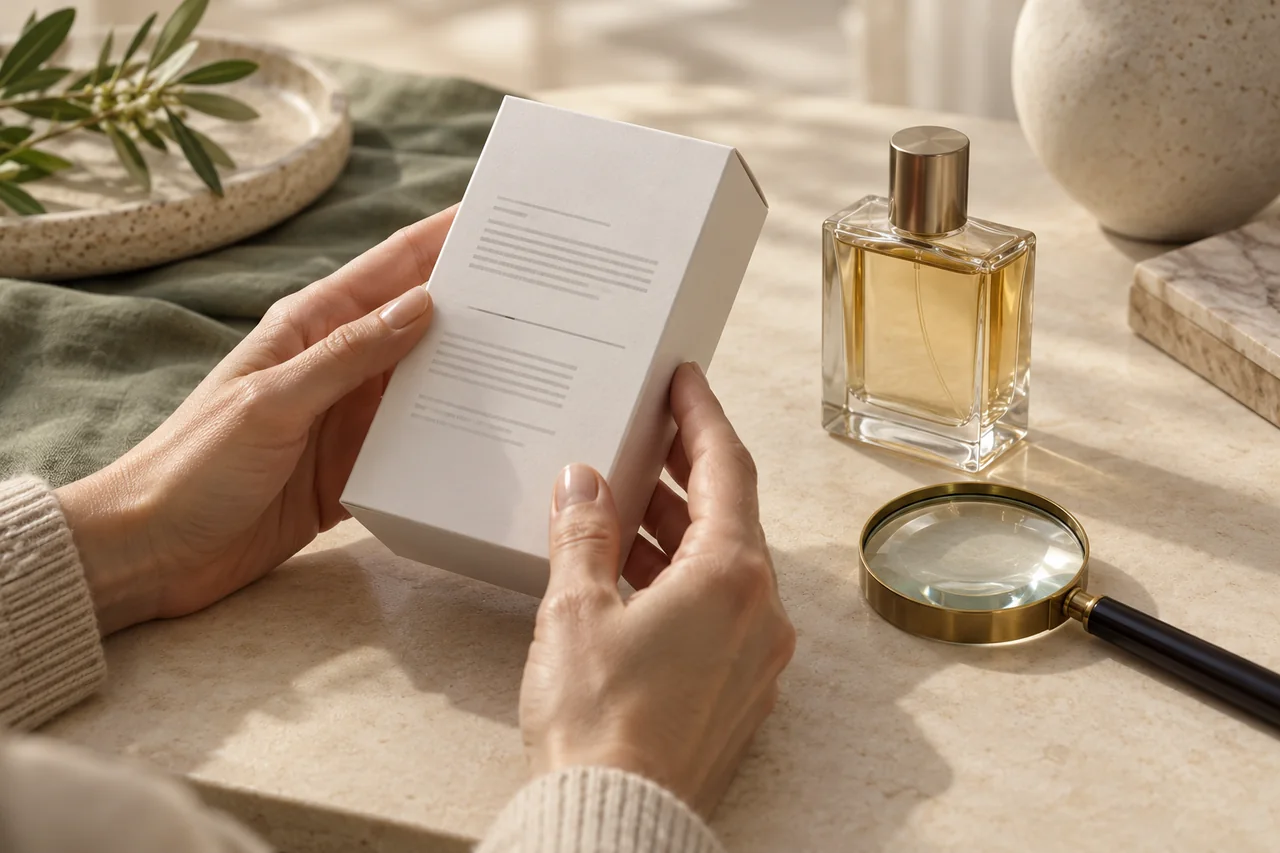
Read information as well as smelling
Ingredients may have their own odour without the product being perfume. FDA guidance notes that products labelled unscented can contain fragrance used to mask odours. A neutral smell therefore proves no absence of fragrance. Check current information and ask about specific substances, without treating an English marketing word as a personal tolerance promise.
Replace only needed functions
If a cleanser needs replacement, look for a suitable cleanser, not an extra specialist product solely because perfume is omitted. Avoid changing everything without reason. With known allergies, fragrance-free wording alone may be insufficient because other confirmed allergens can matter. Use the established criteria instead of calming packaging design.
Include shared spaces and plan purchases
Ask for actions such as no room spray in meetings or no respraying in a shared car, without judging another person’s taste or publishing a medical history. Clear agreements help recurring situations. For personal simplification, review alternatives as replacements become necessary; medical guidance takes priority where it requires prompt changes. Keep the routine proportionate to its actual purpose.
Frequently asked questions
Must fragrance-free care have no smell at all?
No. Ingredients can have an inherent odour. Product information is more useful than a sniff for identifying added fragrance.
Are essential oils fragrance-free alternatives?
No. They are scent sources and can be allergenic. Natural marketing does not make them fulfil a fragrance-free goal.
Must every household smell be avoided?
That depends on the reason. Personal preference differs from professionally recommended avoidance. Clarify the appropriate scope if symptoms or confirmed allergy are involved.
Questions and experiences
Share a question or a useful experience about this topic. Every contribution is checked before publication. Comments may be written in different languages.
Loading reader contributions…
Opening the form sets a necessary session cookie. No email address is required. Publication is subject to moderation and is not guaranteed. For deletion requests: Contact