
Different parts of the same head can wave differently. A useful routine works with that variation and earns its place through the result and the time it takes.
Record your starting point
After a normal wash, notice which sections form groups and which remain straighter. Photograph the front, sides and back once dry, and note the products and drying method used. This does not assign you a permanent hair type. It gives you something useful to compare with later. A different result on another day does not immediately mean a missing product or a failed routine.
Arrange the movement gently
After detangling, use your fingers to organise small sections. Rest the lengths loosely in your hand, lift them gently and release. Does this make the existing wave clearer, or do you prefer leaving it alone? Avoid repeatedly pulling the same strands to make everything symmetrical. A straighter front can fall differently from the back. Test any extra twisting on one small section first.
Choose hold for a specific reason
A gel or mousse may help keep arranged sections together, but the product category alone does not tell you the amount or feel of your particular formula. Read its directions and start with a small reproducible quantity. A conditioning cream and a strong-hold gel have different jobs; you do not need both just because someone else uses them. Define your aim, such as clearer groups of waves or less rearranging in the afternoon.
Compare drying separately
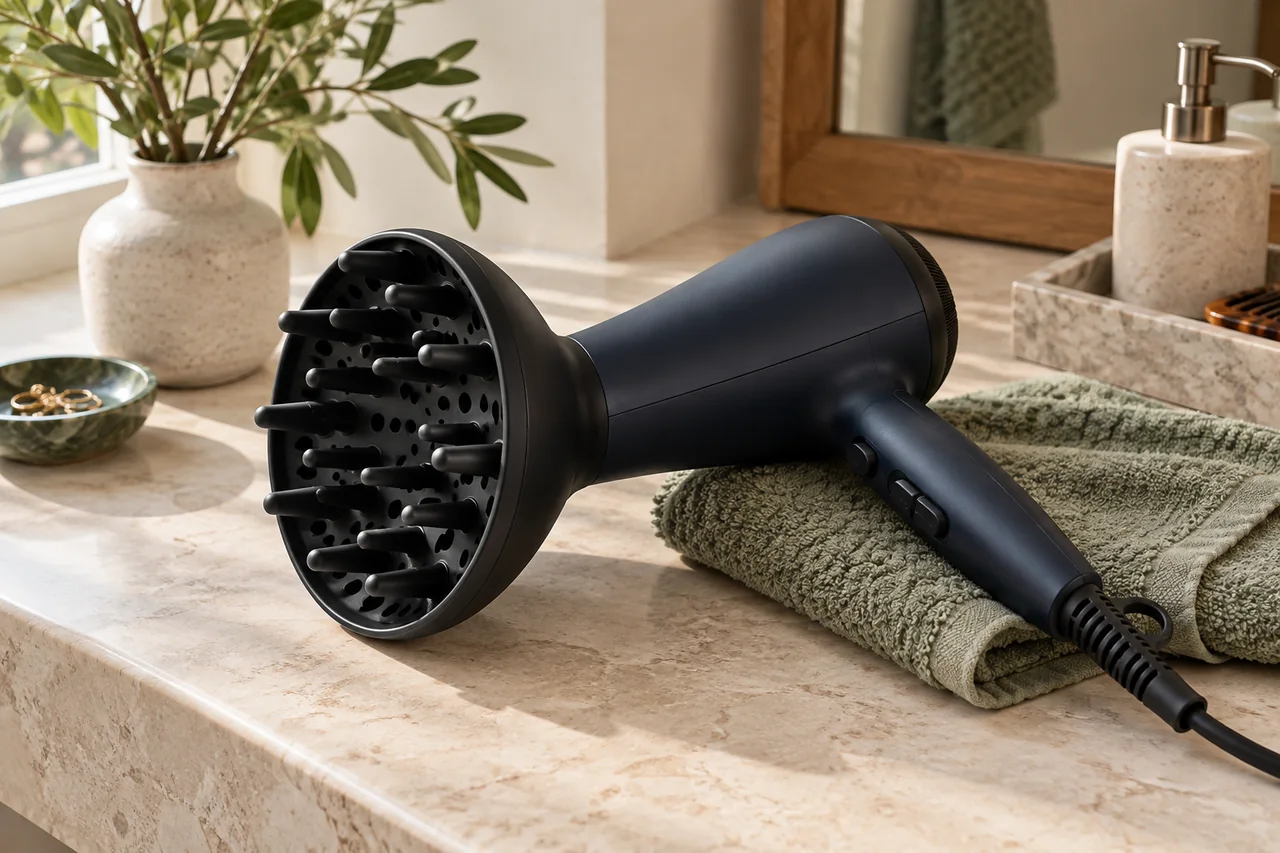
Air-dry with the hair loose, or use a diffuser according to the appliance instructions. Keep the other steps similar when comparing methods. Set the parting early if helpful, then avoid repeatedly changing the sections as they dry. No article can give a reliable drying time for your hair. Leave enough time; if the method only fits a free weekend, a quicker weekday style may be more useful.
Read the finished result
Once the hair is dry, consider shape, feel and effort. If the definition looks good but feels too firm, try less of the same holding product next time. If only the ends need attention, target that area. If extra work brings no improvement you value, return to the simpler version. For larger groups of waves, try arranging larger sections rather than automatically adding more product.
Write your own short routine
Use three normal wash days without changing how often your hair needs washing. Keep your usual routine first, change the product amount second and repeat the preferred version third. Note unusual weather or activities, but treat this as personal observation, not a scientific test. Summarise the useful steps: cleanse, detangle, add product if needed, shape, dry.
For example, if the sides wave more than the back, first arrange only the sides. On the next comparable occasion, also shape a small section at the back. Compare the dry back view. If the extra work adds little, leave it out. Mixed movement does not mean every area needs a separate product or correction.
Frequently asked questions
Do I need to follow a strict method with many rules?
No. Build a small routine from steps that work for your hair and available time, rather than copying an entire product list.
Will this turn slight waves into strong curls?
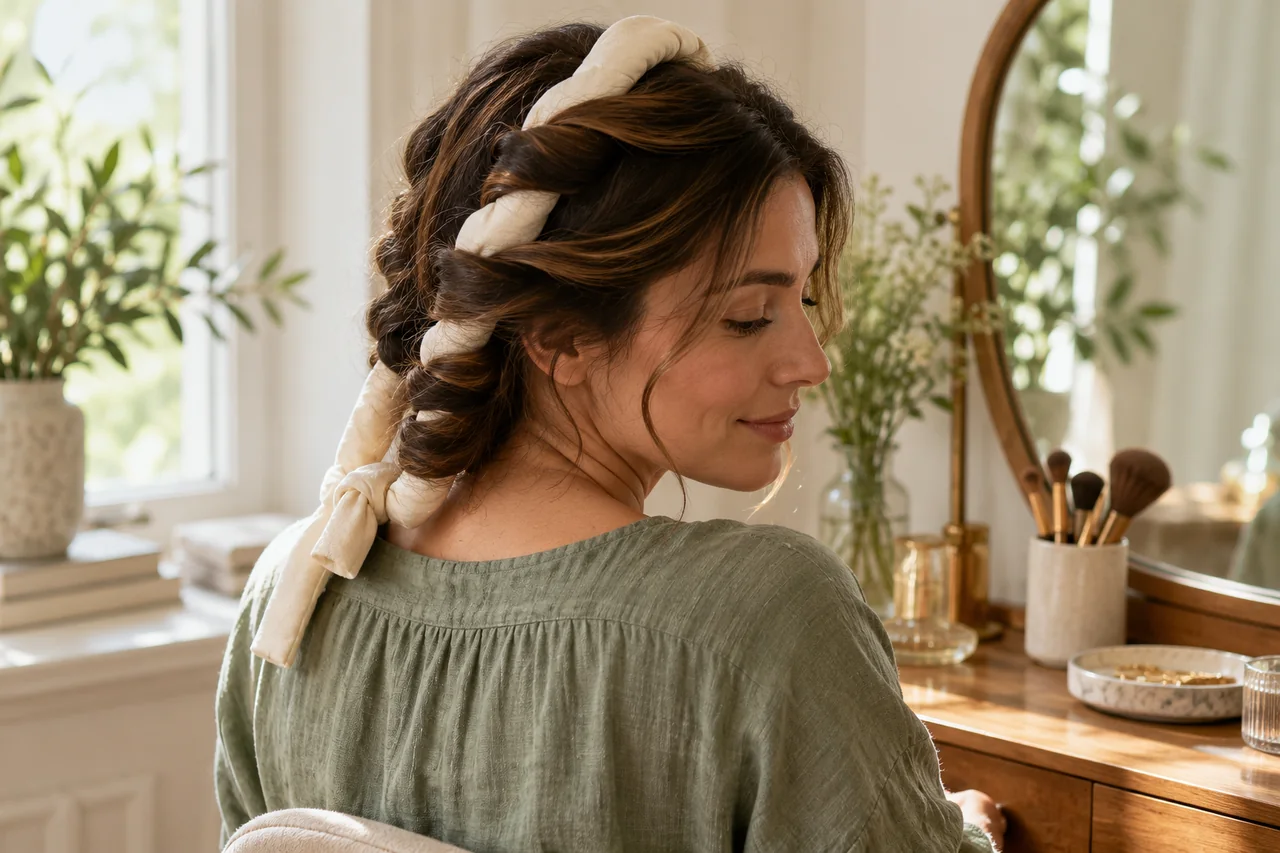
That cannot be promised. The routine helps you observe and arrange existing movement. A separate setting or wrapping method is a different styling choice.

Questions and experiences
Share a question or a useful experience about this topic. Every contribution is checked before publication. Comments may be written in different languages.
Loading reader contributions…
Opening the form sets a necessary session cookie. No email address is required. Publication is subject to moderation and is not guaranteed. For deletion requests: Contact