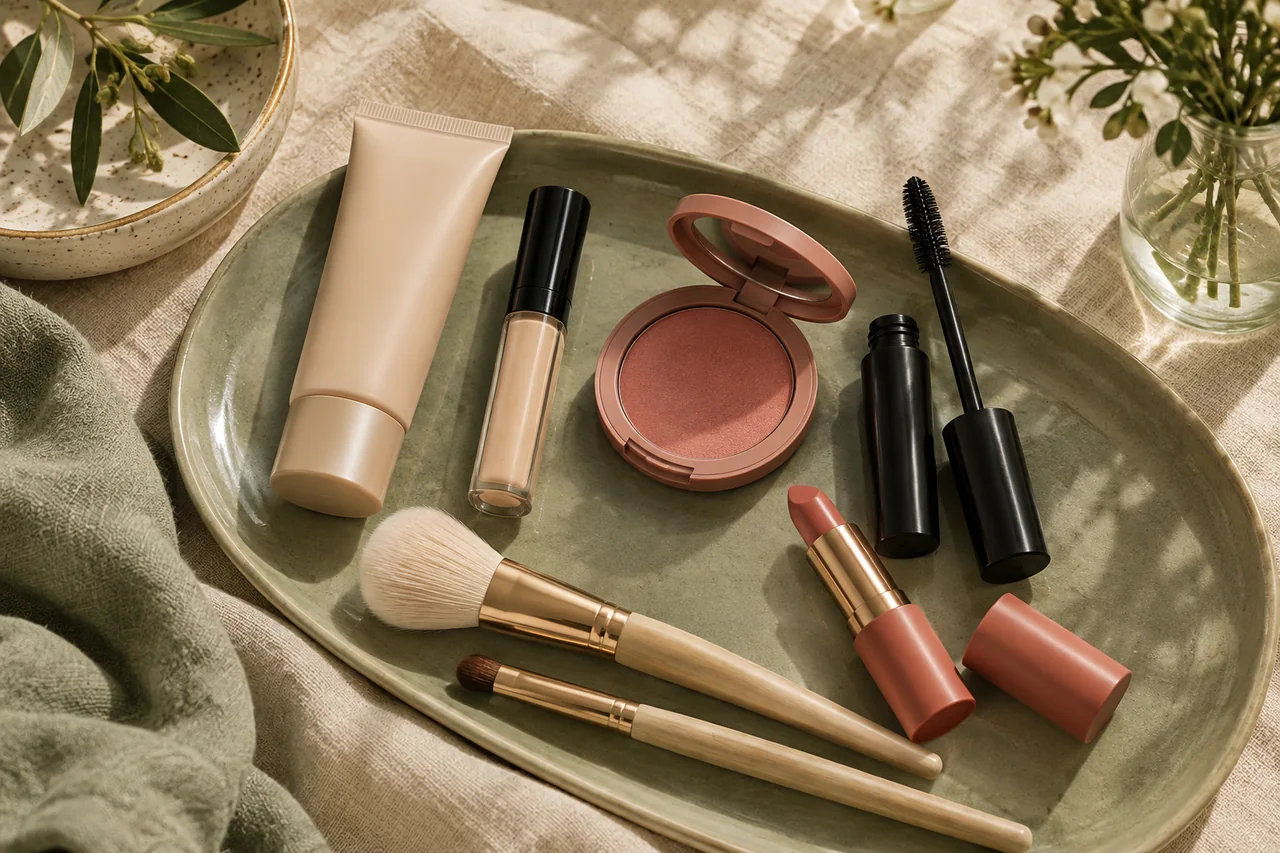
A starter kit should make one everyday look manageable, not cover every technique. Foundation, primer, bronzer and highlighter are optional. A small selection helps you learn colour, amount, application and removal before adding more.
Limit the initial aim
You might want to soften small colour differences, define lashes and add lip colour. A graphic eye look would need a different selection. Begin with two or three tasks and expand later. A look can be complete without foundation if you prefer your skin as it is.
Check existing products
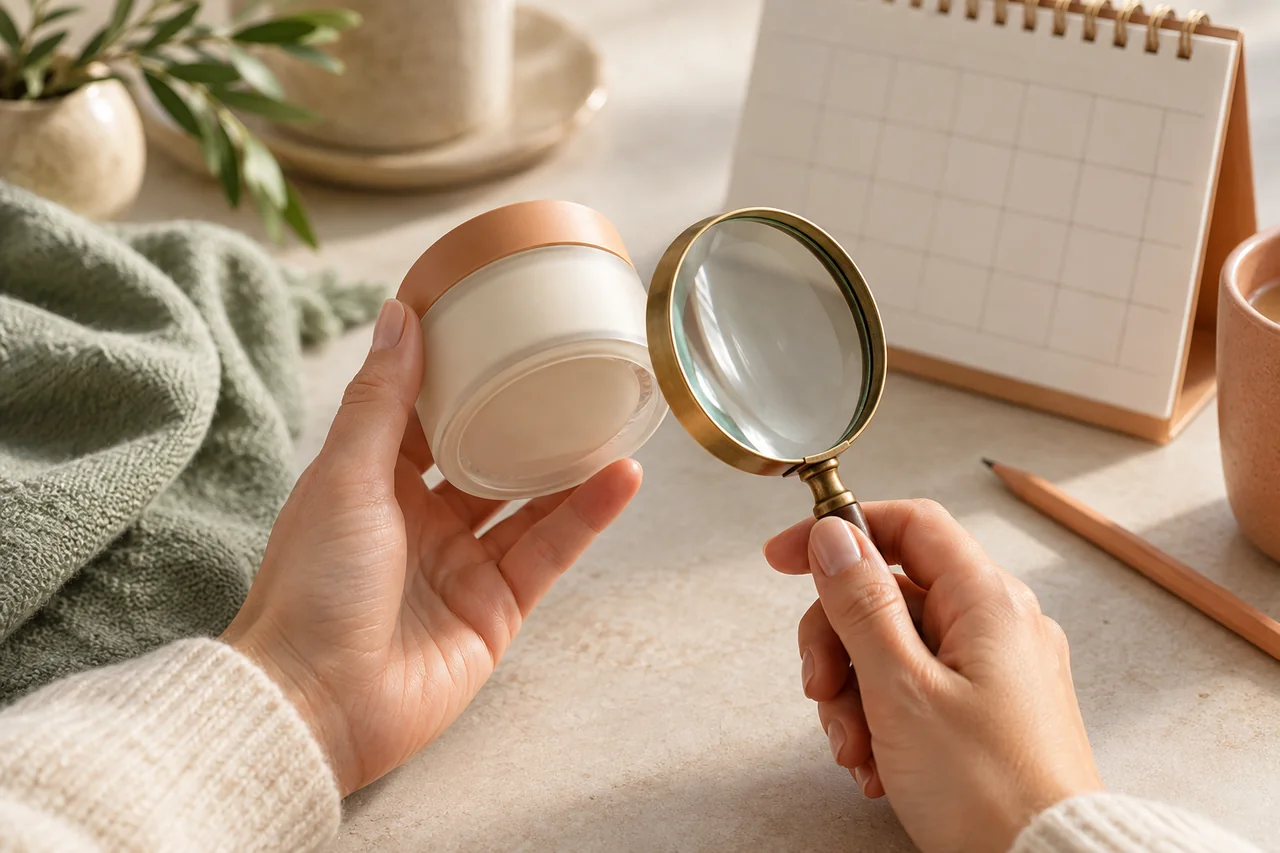
Gather what you own and inspect condition, labelling and intended use. Old uncertain leftovers are not a good basis for savings; a suitable lipstick you already use is. Identify each item’s job. Where instructions allow clean-finger application, an additional brush may be unnecessary.
Choose a small working model
For light evening, lashes and lips, consider a concealer or light base, mascara and one lip colour. Add cheek colour only if wanted. Powder needs a specific mattifying task; primer needs an observed benefit. Bronzer and highlighter can wait until you deliberately want their effects.
Budget for the whole routine
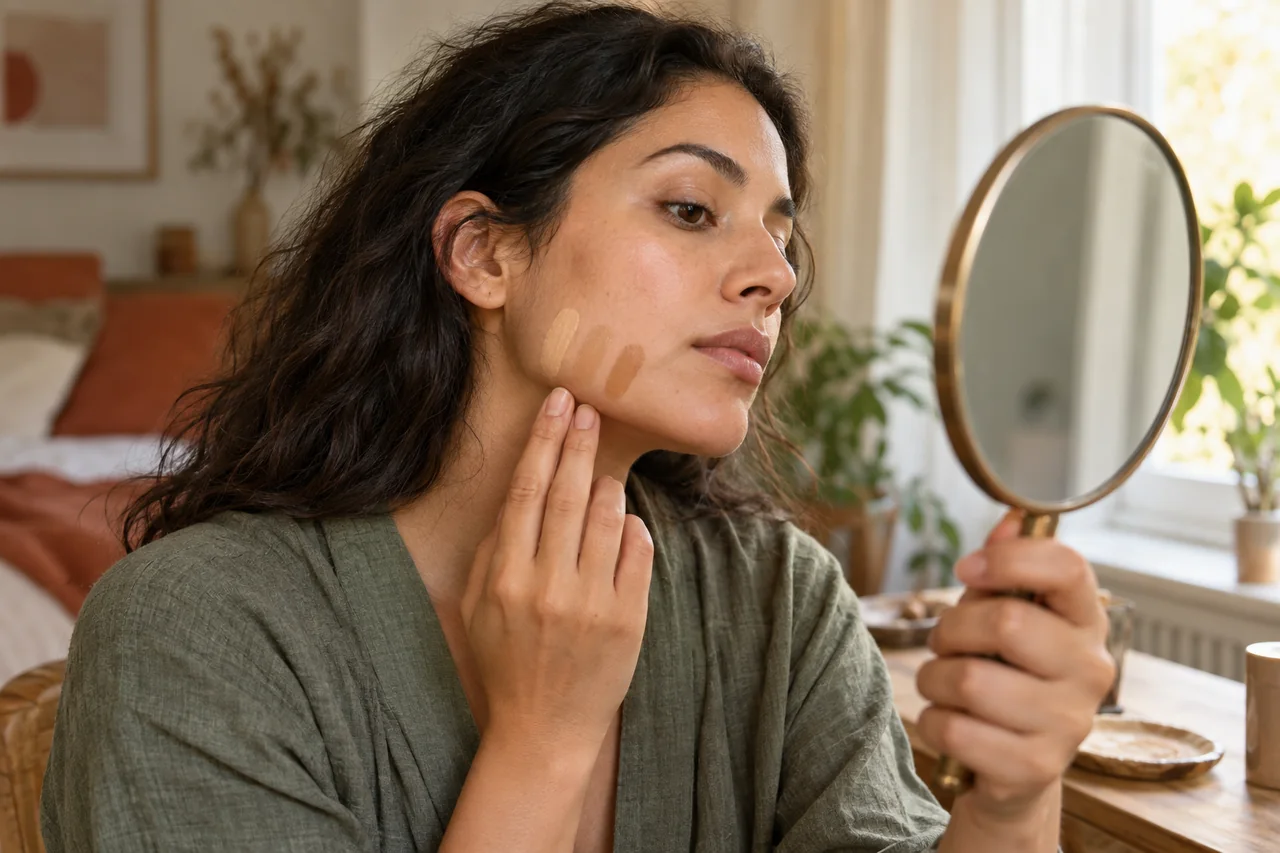
Test base shades where you will wear them in appropriate light, and lip colour in the intended amount. A multipack is poor value if most shades remain unused and open. Include a suitable remover and tool cleaning in your total budget. Fewer simultaneous changes make application problems easier to understand.
Expand from experience
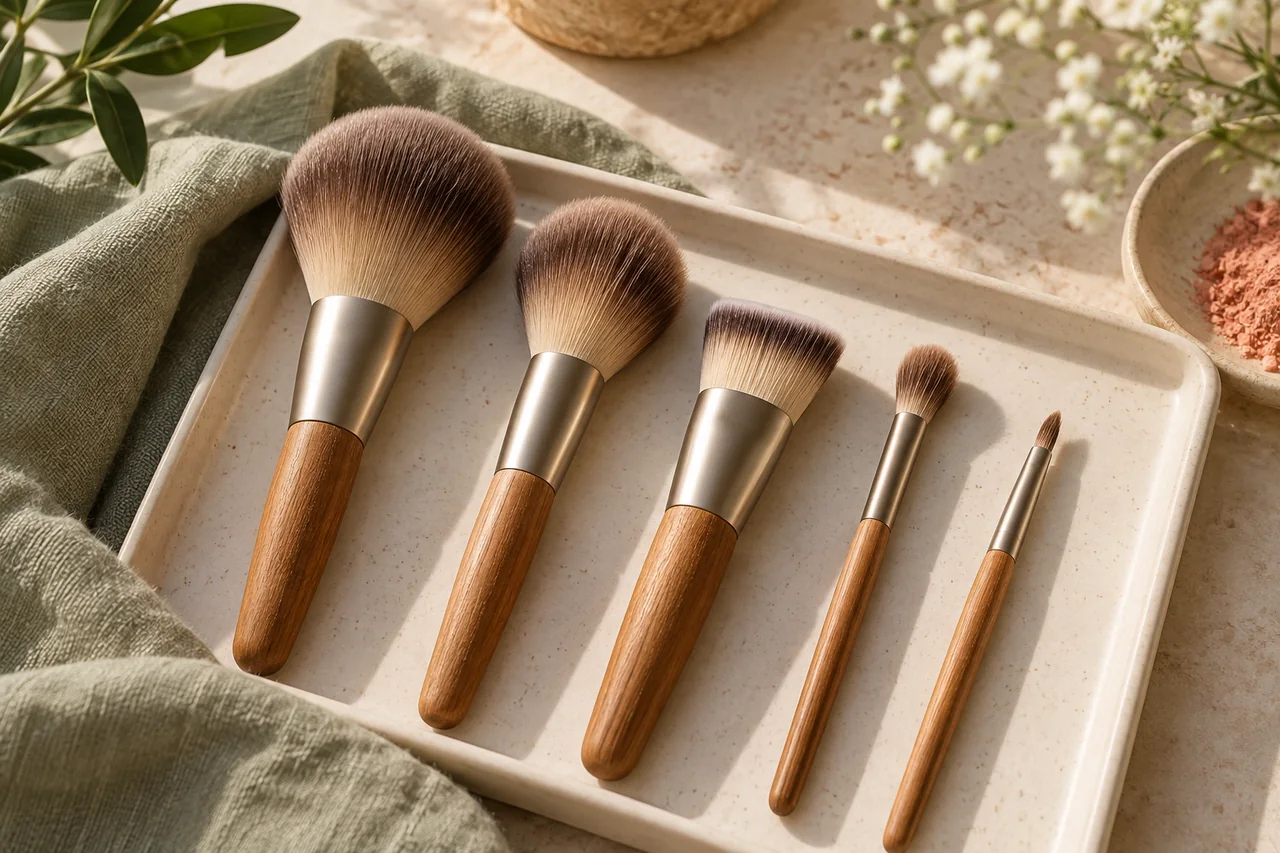
Use the simple routine for a week, learning amount and removal. If you then repeatedly want more cheek colour, add blush and an appropriate tool; leave primer out without a clear purpose. Arrange products in sequence, estimate the real time, note opening dates and separate clean tools. Check closures and portability. Add the next item for a recurring need or a genuinely desired new look.
Frequently asked questions
Is there a minimum product count?
No. One lip product may be enough for a lip accent. Your chosen tasks determine the number.
Should beginners buy cheap or expensive products?
Suitable colour, understandable instructions and a comfortable budget matter more than price. Expensive products do not remove the need to learn; inexpensive ones are not automatically unsuitable.
Questions and experiences
Share a question or a useful experience about this topic. Every contribution is checked before publication. Comments may be written in different languages.
Loading reader contributions…
Opening the form sets a necessary session cookie. No email address is required. Publication is subject to moderation and is not guaranteed. For deletion requests: Contact