
A beautiful jumper may remain unworn because its colour feels unfamiliar or lacks a useful partner. Colour analysis can organise these observations. Its most useful result is a wearable palette, not simply a seasonal label.
Begin with an everyday question
Do you want fewer unsuitable purchases, an interview outfit or more colour? These goals need different solutions. Lay out five often-worn and three rarely worn pieces. Note whether colour, fabric, fit or missing combinations explain the difference; an itchy jumper is not necessarily a colour problem.
Compare three colour properties
Warmth is only one aspect. Compare lighter and darker versions of a colour, then clear and muted versions, then warmer and cooler ones. Changing one quality at a time makes observations easier to interpret than comparing completely different fabrics and shades.
Use seasons as styling tools
Spring, summer, autumn and winter are shorthand for broad palettes. They are not medical or scientifically definitive tests, and different systems may classify one person differently. Skin depth, ancestry, eye colour and visible veins do not securely determine a season. Actual comparisons and personal preferences matter.
Look for an explainable result
Before booking, ask about lighting, real fabric comparisons and how existing clothes are included. Useful advice explains choices, alternatives, surfaces and workable combinations. It should offer more than a label and need not promise that particular colours objectively make you younger, healthier or more successful.
Build three outfits first
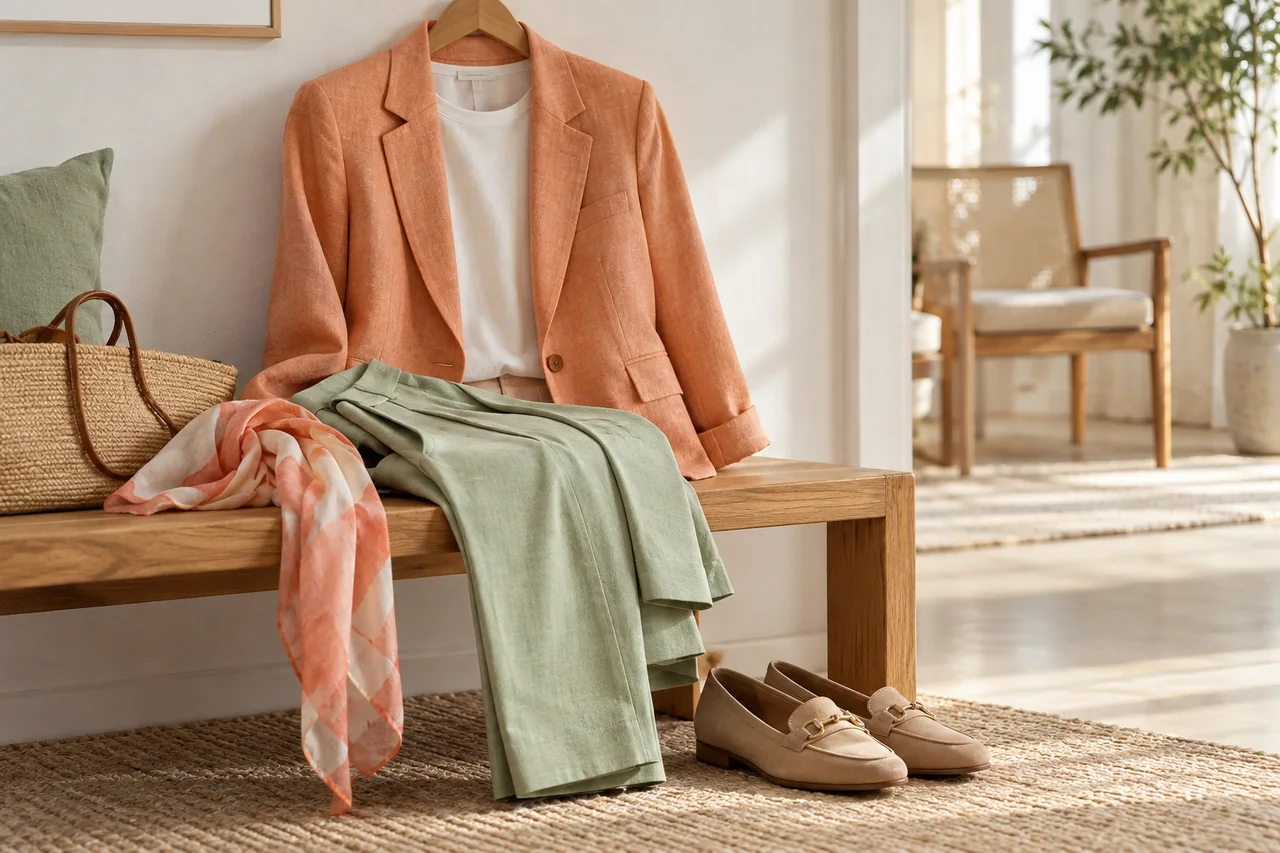
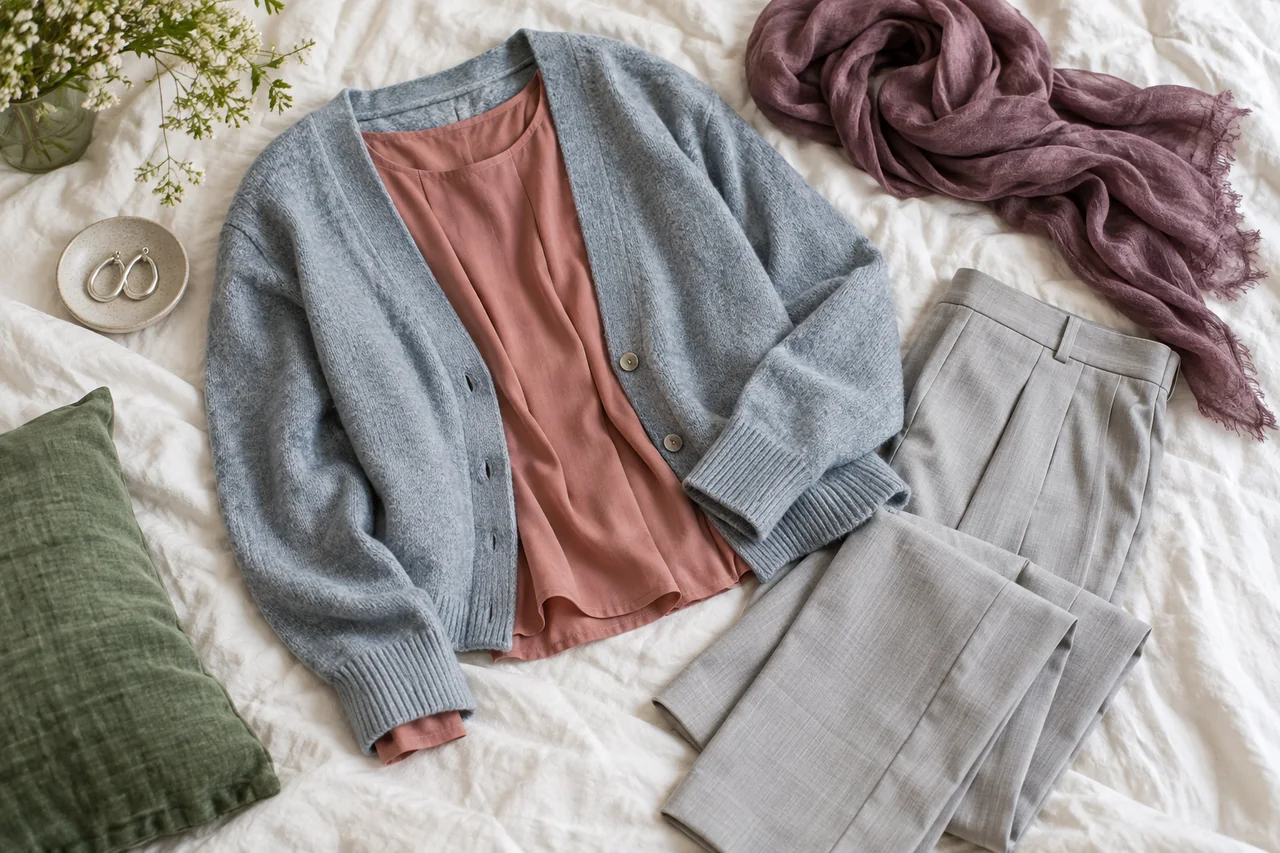
Choose one base, two main colours and one accent already in your wardrobe. Navy, grey-blue, cream and raspberry might support everyday, smarter and casual combinations. Include shoes, bag and coat. Buy only missing connections; a favourite outside the palette can remain an accent or deliberate contrast.
Frequently asked questions
Must I clear out clothes afterwards?
No. Try a different neckline, layer or accent first. Remove pieces only when you consistently dislike them or they no longer serve you.
Is advice useful without a fixed season?
Yes. Discovering preferred lightness, contrast or particular blues may be more practical than fitting every observation into a model.

Questions and experiences
Share a question or a useful experience about this topic. Every contribution is checked before publication. Comments may be written in different languages.
Loading reader contributions…
Opening the form sets a necessary session cookie. No email address is required. Publication is subject to moderation and is not guaranteed. For deletion requests: Contact