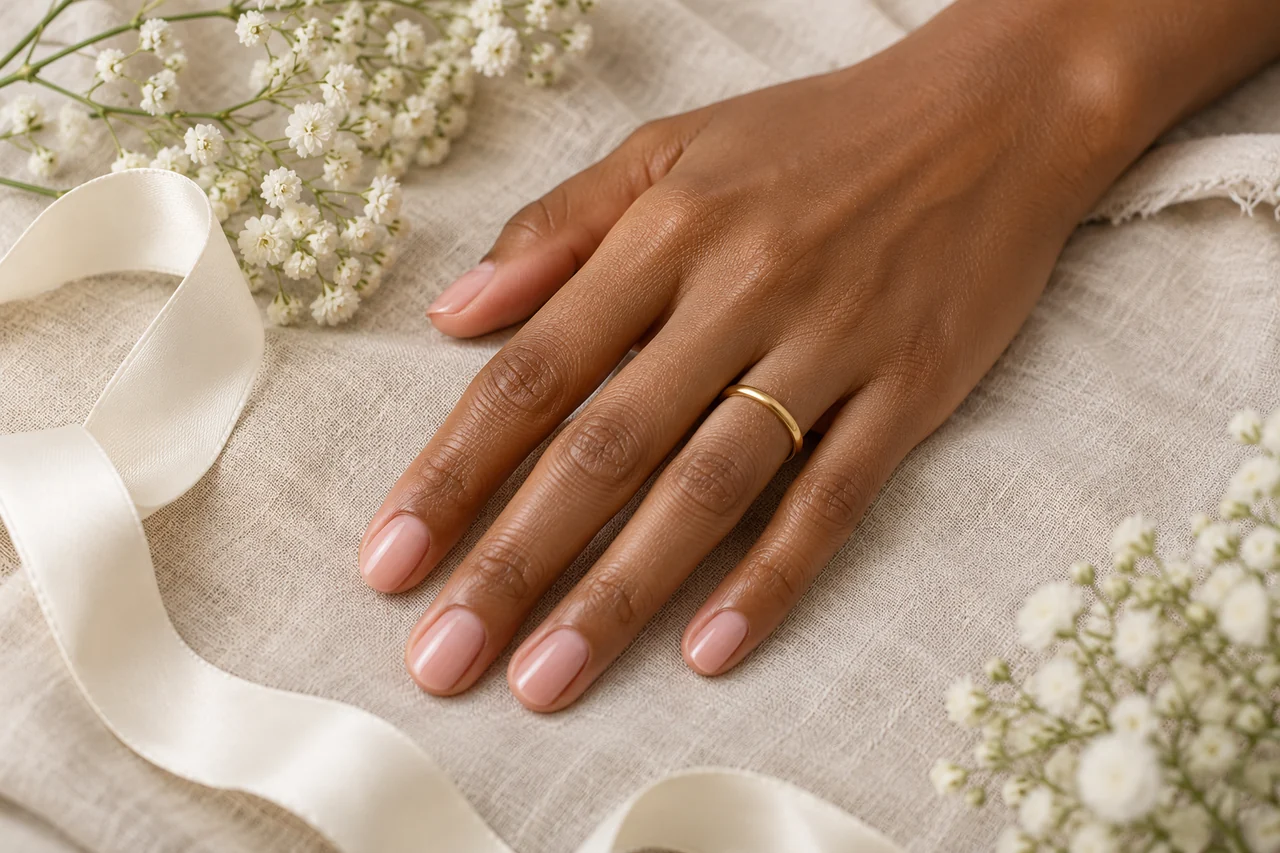
Wedding nails have no compulsory colour. Red, sheer rose, a fine tip or unpainted nails can all feel personal. This guide helps people getting married and guests plan a look without leaving major uncertainties until the final evening.
Separate your preference from expectations
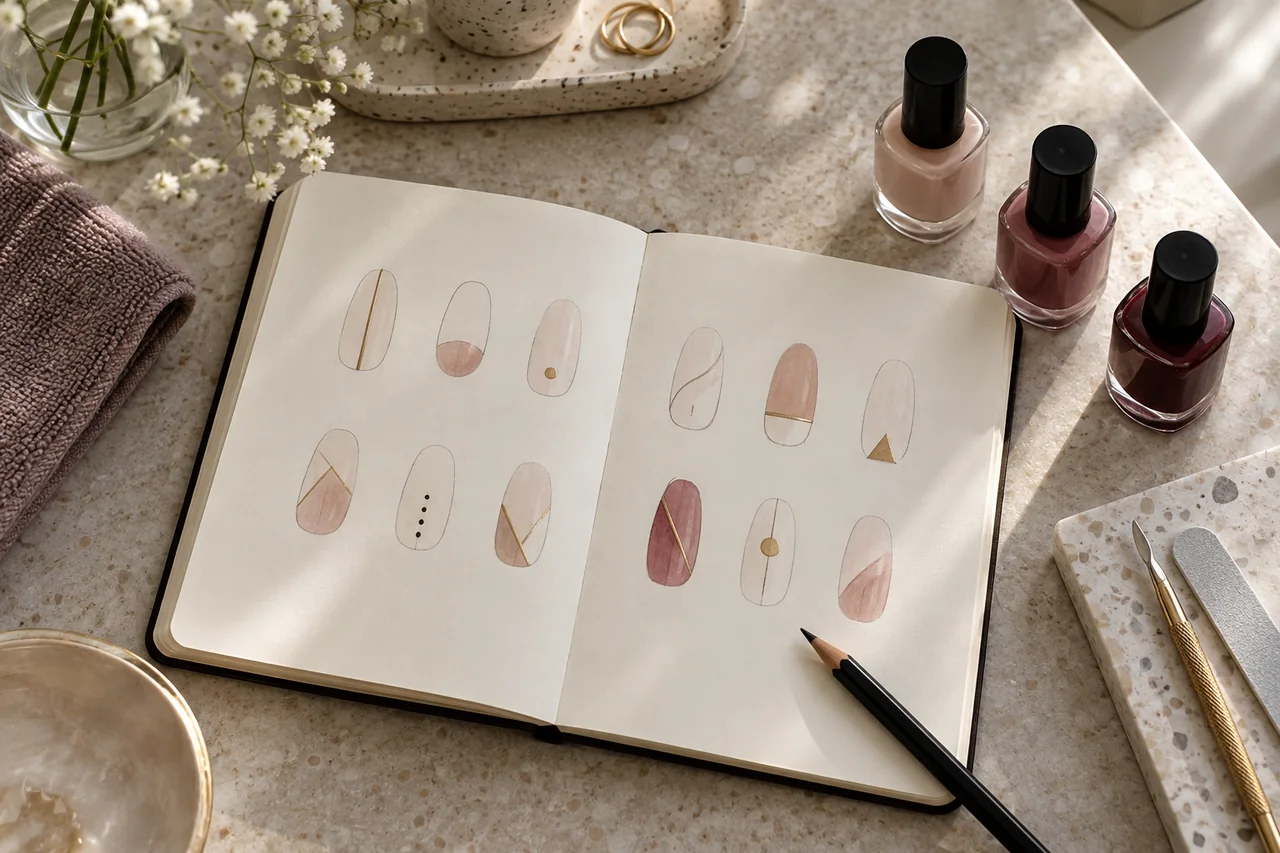
Write what you enjoy wearing and whether you want to recognise your usual style in photographs or try something new. Choose at most three directions and describe their shape, colour and opacity. Bridal nails alone is too vague, and guests need not follow a generic wedding aesthetic. Clarify any actual group agreement early rather than treating collected inspiration as a complete plan.
Compare ring and clothing together
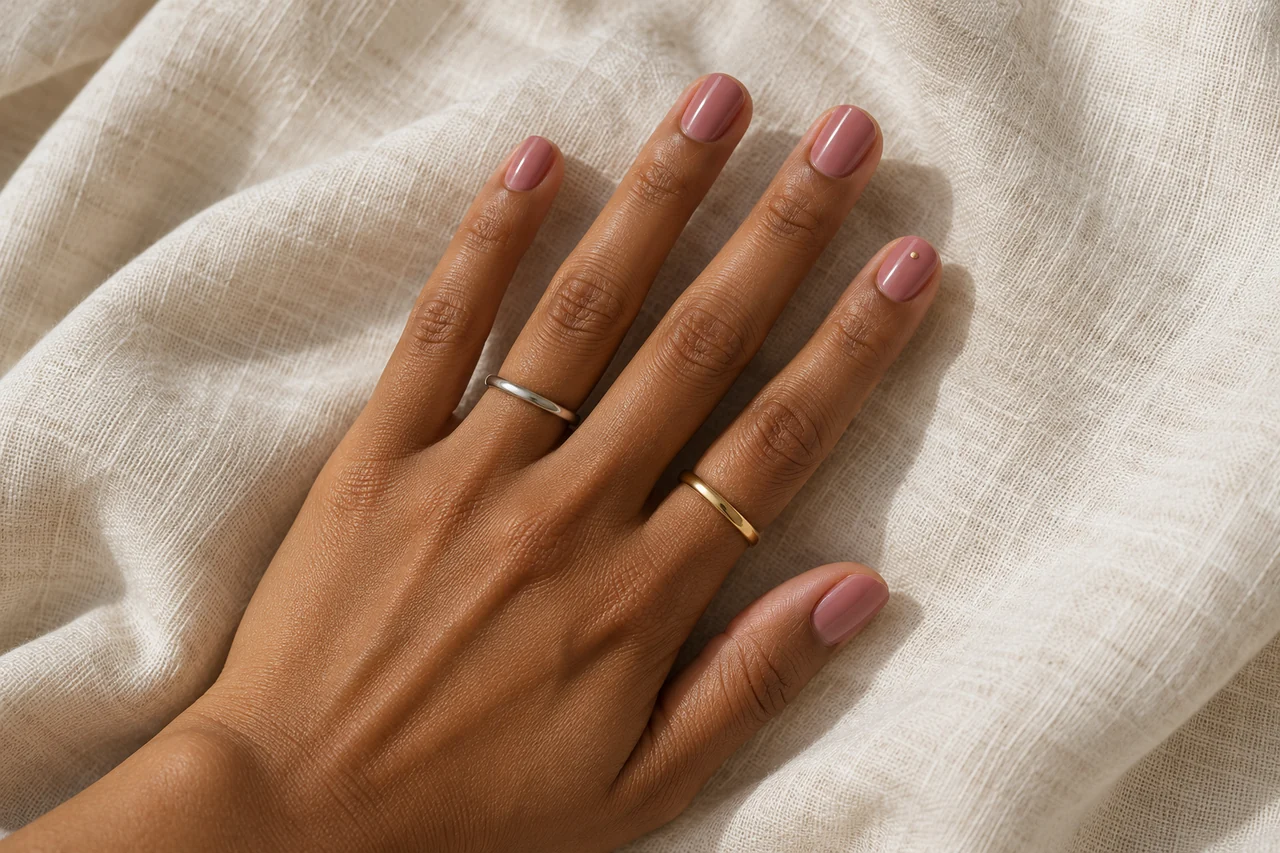
Wear the intended jewellery and compare beside a fabric piece or similar garment. Decide whether nails support the ring or provide another accent. Lace on clothing need not be copied exactly; an abstract curve, related colour or no pattern may suffice. An accent on another finger can distribute attention. White tips, rose and particular metal colours are not requirements.
Use the trial beyond the first photograph
Wear the proposed shape through ordinary tasks. Compare daylight and indoor colour, desired coverage and visibility of details from normal distance. Record concrete changes: a narrower tip, sheerer base or fewer accent nails. Schedule early enough for changes without pressure; no fixed number of days suits every process and diary.
Separate selection, trial and final application
Choose the broad direction first, assess shape and colour in the trial, then repeat the agreed result with few major new decisions at the final session. The same structure works for home polish on a smaller scale. Allow product-specific application and drying time before demanding hand tasks. Complexity is optional if it creates unnecessary pressure.
Confirm the service and document honestly
Ask what includes design, repairs and later removal, and record the agreed method and scope in writing. For group appointments, each person needs a clear request and realistic booking. Use actual quotations rather than assumed prices.
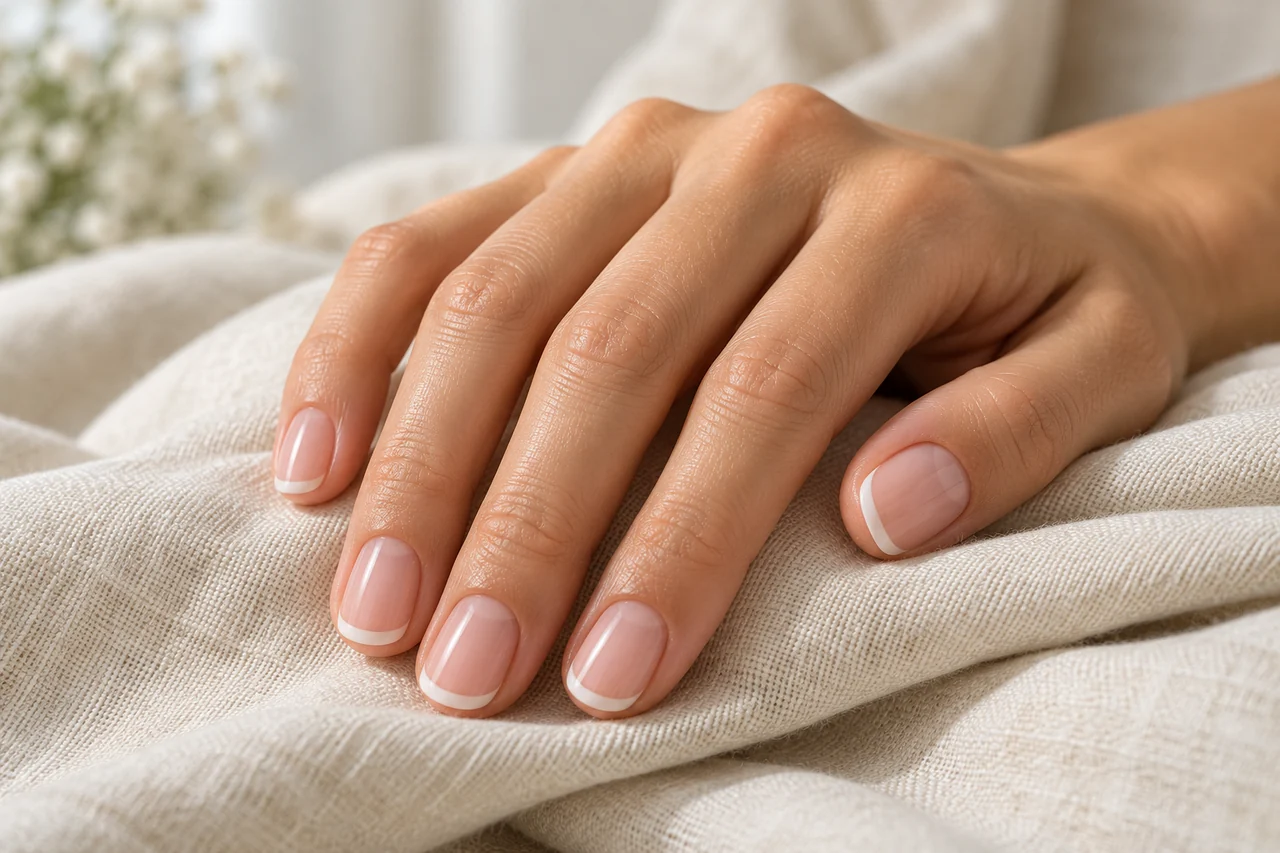
Photograph the trial as a whole hand and a detail in even light without strong colour filters. Do not let a magnified flaw outweigh ordinary viewing. Add the desired change in words. Publish only your own images or ones with necessary permission; a privately discussed reference is not automatically reusable website content.
Choose a simple backup
Plan a familiar alternative if time, budget or comfort does not suit the elaborate version: the same colour without pattern, ordinary polish or no coating. This reduces last-minute decisions without requiring a large repair kit or improvised glue tricks. The manicure should accompany a comfortable day rather than become its organising centre.
Frequently asked questions
Must wedding nails be white or rose?
No. Choose a colour you enjoy and the overall effect you want. There is no universal wedding colour requirement.
When should I arrange a trial?
Early enough to wear it in everyday life and discuss changes without immediate pressure. Timing depends on the process and available appointments.
What belongs in the brief?
Shape, length, hue, opacity, finish, accent count and details, plus the agreed product process, time, price and removal.
Questions and experiences
Share a question or a useful experience about this topic. Every contribution is checked before publication. Comments may be written in different languages.
Loading reader contributions…
Opening the form sets a necessary session cookie. No email address is required. Publication is subject to moderation and is not guaranteed. For deletion requests: Contact