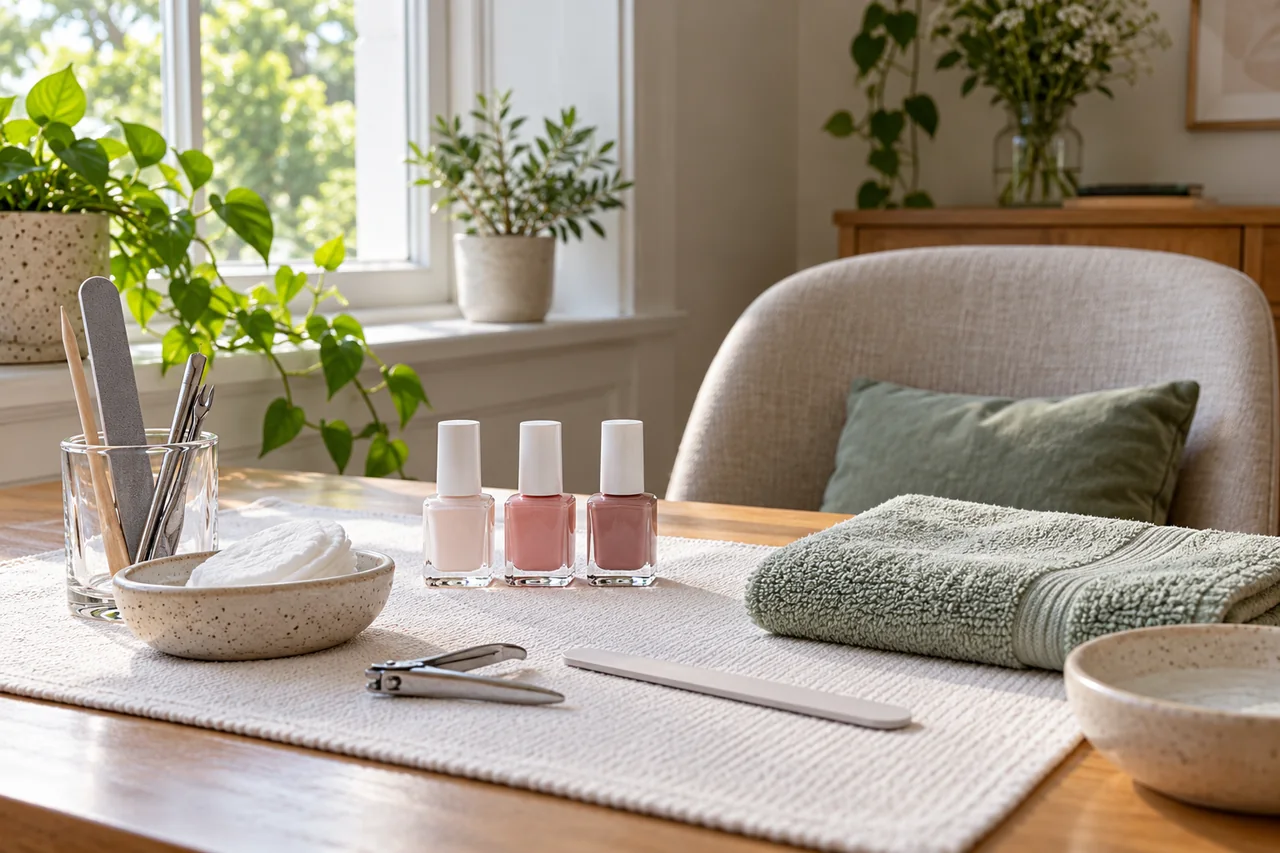
A calm manicure is easier when preparation, drying and later removal are all part of the plan. You can simplify the design without skipping required product steps.
Choose a realistic time
Pack your bag, tie shoes or change bedding before polishing if those tasks are due. Waiting time varies with product and application, so a universal ten-minute schedule is unhelpful. Read instructions and add your own buffer. A quiet evening may fit better than a short gap between appointments; the point is to anticipate interruptions, not assume every manicure takes hours.
Set everything within reach
Use a suitable mat and place bottles away from the table edge. Prepare instructions, consumables and somewhere to rest items. Check closures before starting. Keep your phone, drink and other belongings outside the work area. You need not leave several products open together. Decide when to work with your less skilful hand and sit comfortably; these details may help more than another specialist product.
Check nails and skin first
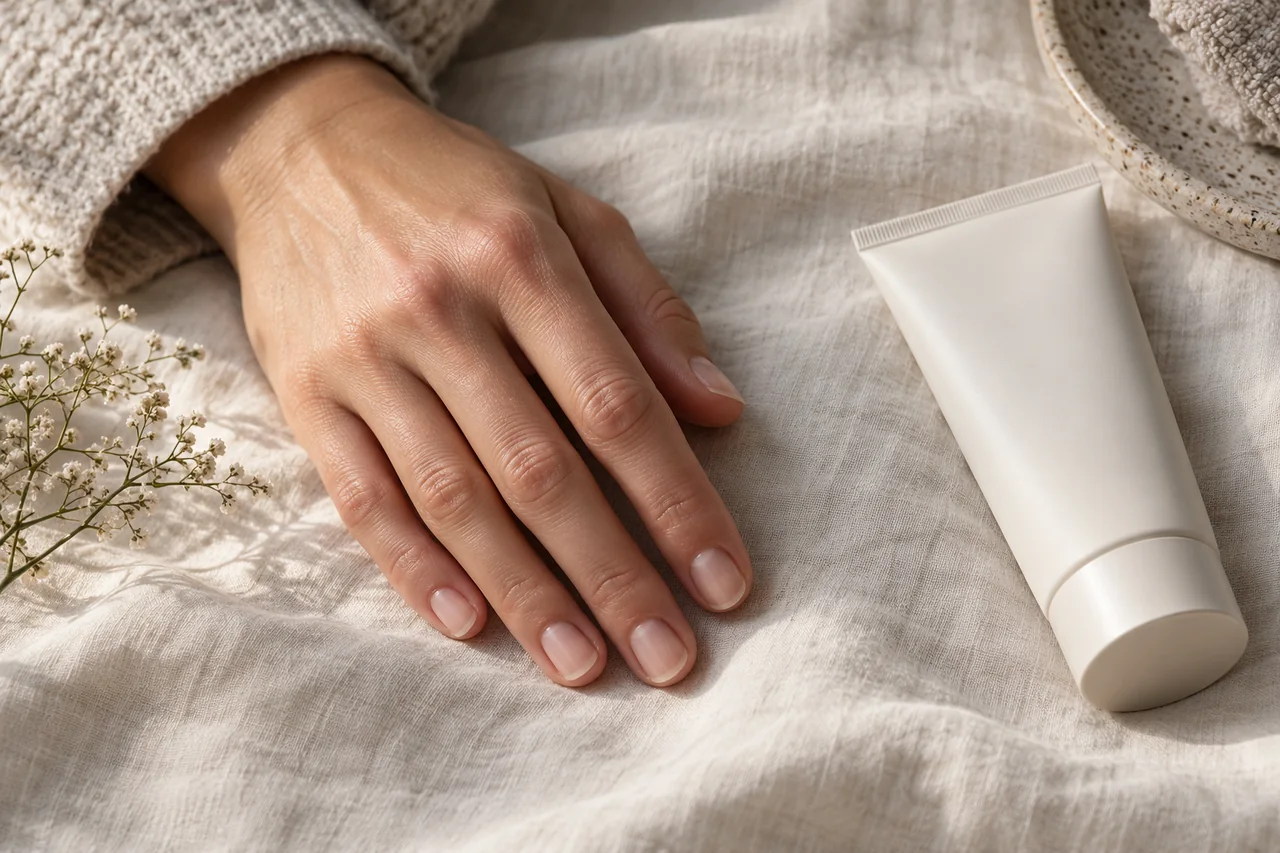
Pain, unusual changes or irritated skin are not cosmetic repair tasks. Seek appropriate assessment instead of feeling obliged to add colour today. Keep a simple manicure limited and leave the cuticles alone. The American Academy of Dermatology advises against cutting or forcefully pushing them back. A perfect close-up edge does not justify extra intervention.
Write the intended layer sequence
Record any required base, colour and top product in the order specified for your system. Follow directions on when to add another layer instead of combining conflicting tutorials. A thin first colour layer need not already match the finished promotional image. If you become rushed, simplify to a plain colour rather than adding fine details.
Keep application controlled
Do not change colour, base and pattern halfway through if you want to understand the result. Follow directions even if a video shows more material. Repeatedly working a partly drying area may make application harder. A small cosmetic flaw is not a reason to scrape skin or nail with tools. An uncomplicated design is easier to learn from than ten elaborate experiments at once.
Leave quiet time and review the process
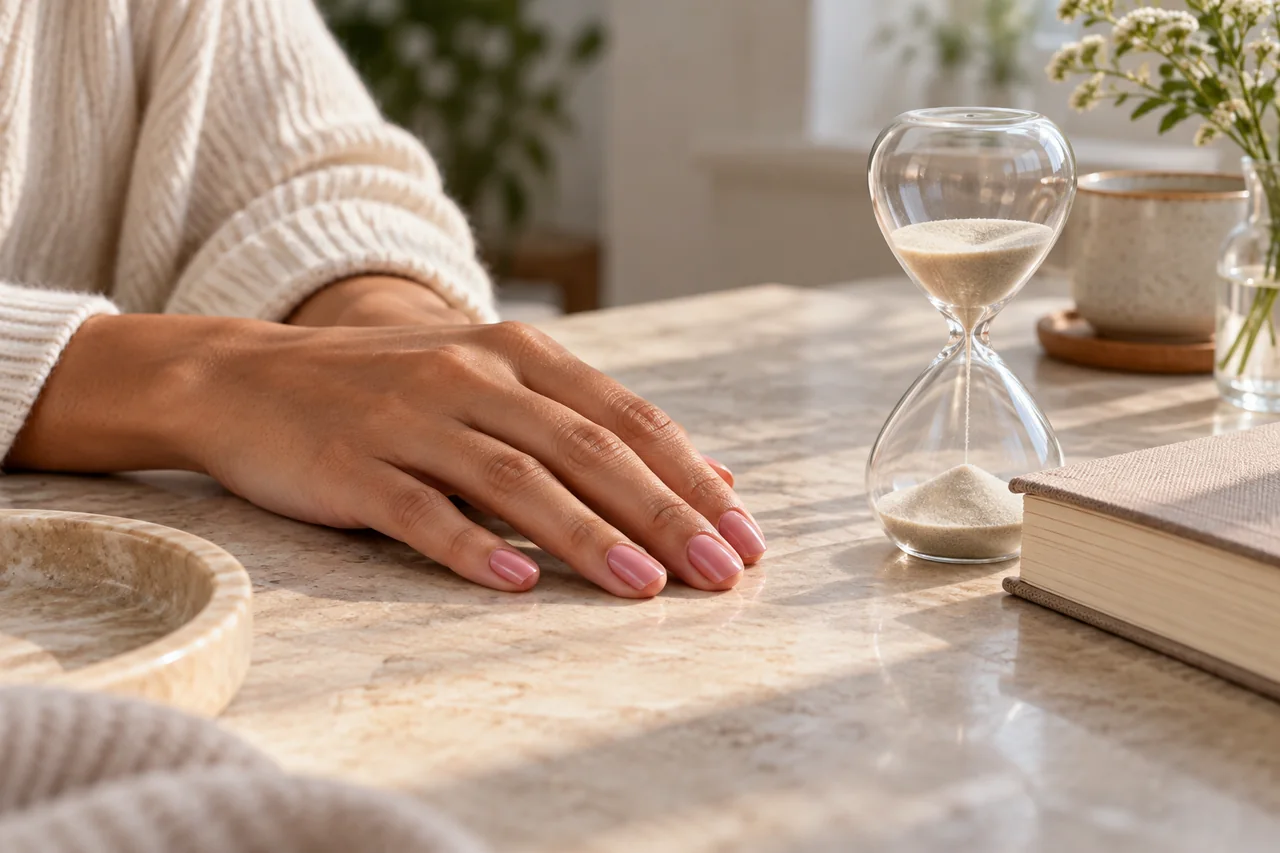
A surface can feel dry before it tolerates ordinary pressure without marks. Use product guidance and your experience; heat tricks or repeated pressing are not dependable shortcuts. Choose an activity needing little hand use. If the timing fails, start earlier or simplify next time rather than forcing drying with untested steps.
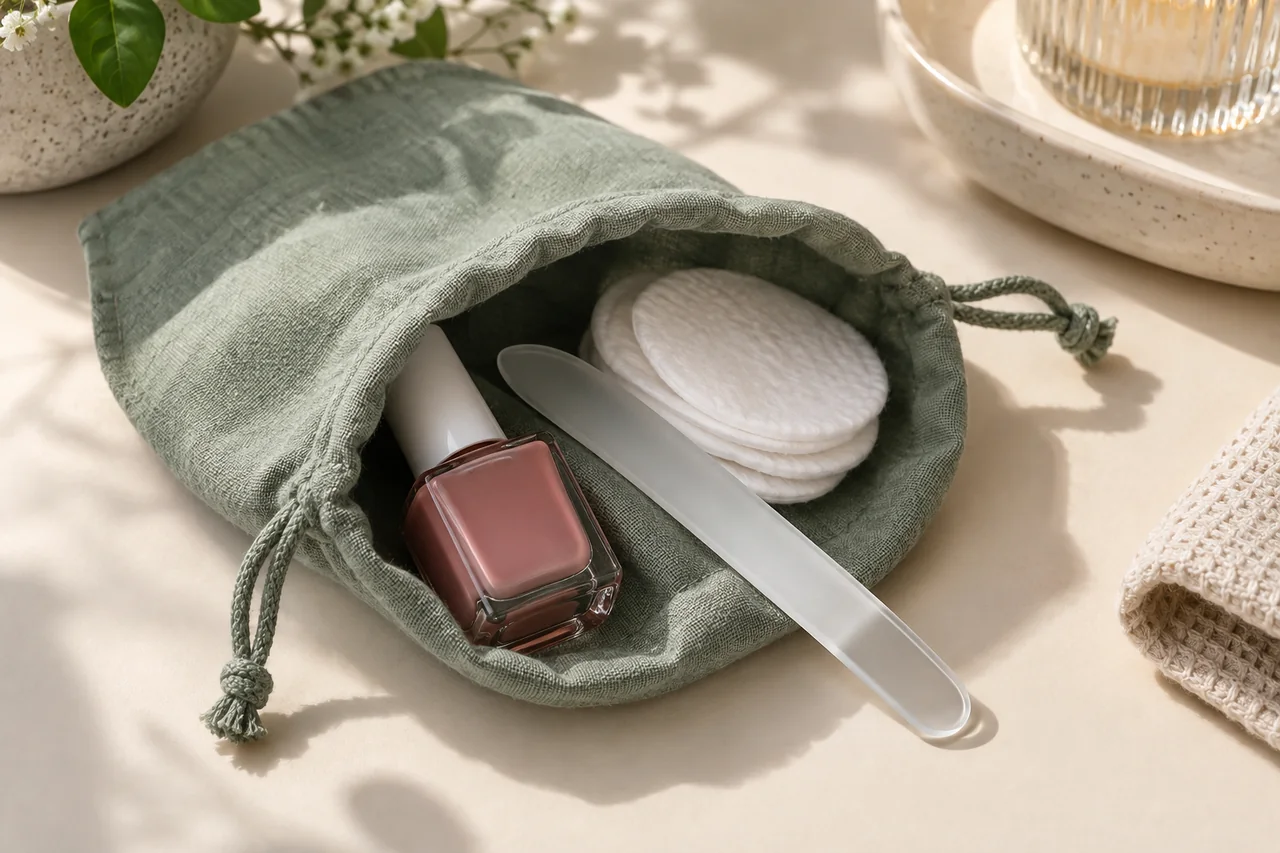
Close bottles, clear the area and note the products, order and one useful observation. Perhaps the brush carried too much polish or you mainly needed more quiet time. Have the correct remover ready. A repeatable home routine does not require constant purchases or an extra step for every trend.
Frequently asked questions
Must I work on the cuticles before every manicure?
No. It is not a required part of this simple routine. Avoid cutting or forcefully pushing them back. Symptoms need assessment rather than cosmetic removal.
What should I do if time is short?
Simplify or postpone the colour. A calm care session without polish is a complete option. Skipping required product steps is not a useful shortcut.
Questions and experiences
Share a question or a useful experience about this topic. Every contribution is checked before publication. Comments may be written in different languages.
Loading reader contributions…
Opening the form sets a necessary session cookie. No email address is required. Publication is subject to moderation and is not guaranteed. For deletion requests: Contact