Frequent urgency and unintended urine leakage can be distressing, but shame need not prevent support. Causes and treatments differ. A brief bladder diary can help explain the pattern. Avoid severely restricting fluids yourself, and take possible infection or difficulty emptying the bladder seriously.
General information, not a diagnosis or an individual treatment recommendation. Discuss persistent or concerning symptoms and treatment choices with a qualified healthcare professional.
The pattern matters
Does leakage occur with coughing, sneezing, laughing or lifting, or after sudden urgency before reaching a toilet? Some experience both. Incomplete emptying can also cause problems. Appropriate care begins by distinguishing patterns. Menopausal changes, childbirth, surgery, medicines and other conditions may contribute. Incontinence is not an inevitable proof of ageing. Conservative approaches and, where needed, other options can be assessed individually.
Keep a short bladder diary
Over several typical days, note drinks and their timing, toilet visits, urgency and leakage. Add circumstances such as coughing, travelling home or sleep. Use a practice’s supplied form if available; do not start complex measurements independently. Keep the record private and share only with people you choose. Its purpose is to identify patterns and plan care, not to populate public comments or an online test with unclear data use.
Do not simply drink less and less
Fear of toilet visits may lead to insufficient drinking, creating further problems without resolving the cause. Discuss suitable intake, especially with heart, kidney or other conditions. A rigid online fluid target cannot fit everyone. Caffeine or alcohol may worsen symptoms for some people; a limited observed change can be more useful than universal bans. If it makes no difference, the restriction need not automatically become permanent.
Choose the appropriate training
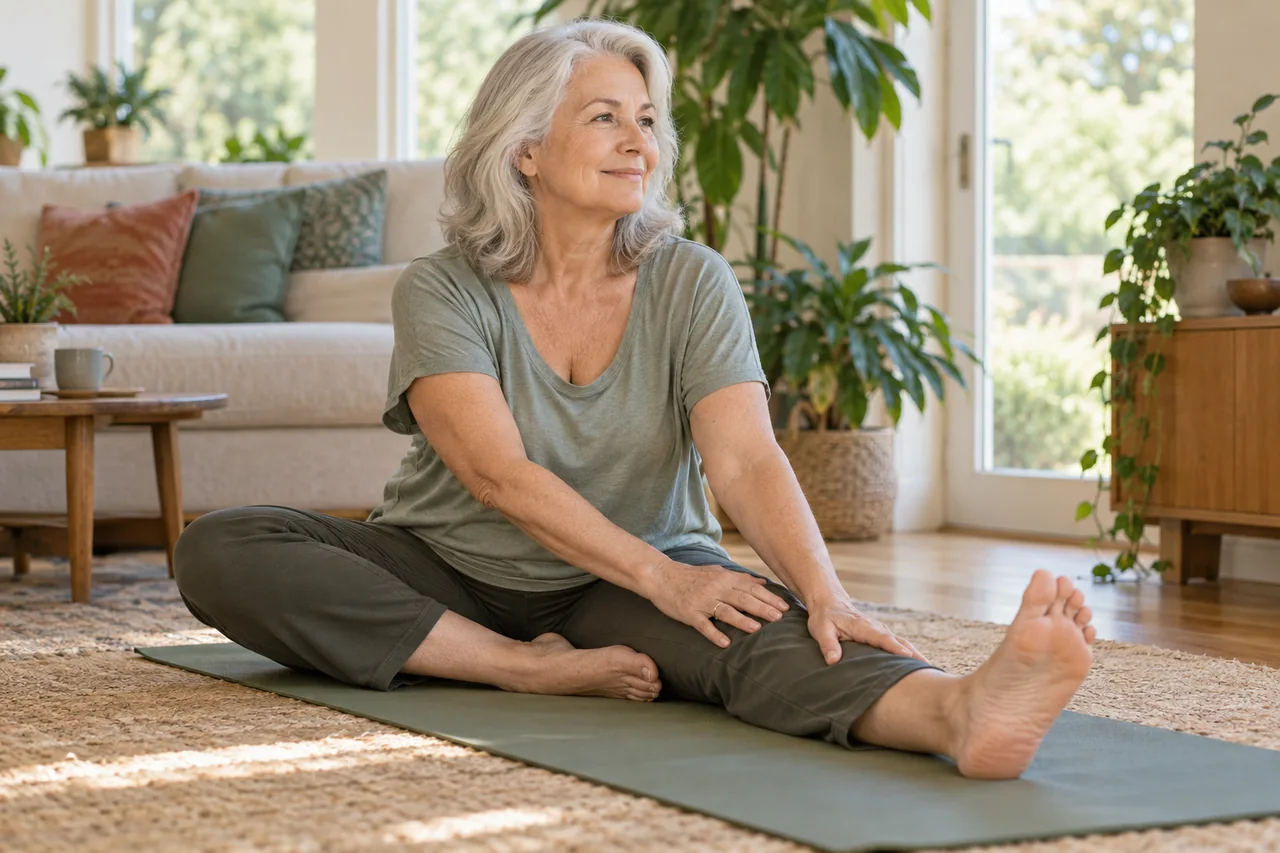
Pelvic-floor training may help particular forms of leakage; guided bladder training may help urgency. These are different approaches, so maximal contractions whenever possible are not universal advice. Ask which exercise fits and how relaxation is included. Pain or emptying problems particularly require individual assessment. Do not routinely stop and restart urine flow as training: that is not an appropriate everyday exercise.
Make daily life easier meanwhile
Suitable pads, accessible toilets or spare clothing can give confidence while support is organised. Using them does not concede that treatment is impossible. They should enable participation rather than restrict every activity. At work or while travelling, a discreet arrangement about toilet access may help. You can describe a practical need without extensive diagnostic detail. Identify whether a different break pattern, edge seat or accessible toilet would help most.
Recognise warning signs and next steps
Fever, burning, flank pain or marked illness requires assessment for infection. Visible blood in urine needs checking. Inability to urinate despite a painfully full bladder requires urgent medical help. For a routine visit, begin with pattern, duration and everyday impact. Ask about the likely problem, suitable conservative treatment and review timing. Limited benefit should lead to adjustment rather than years of silent endurance.
Frequently asked questions
Is leakage after menopause normal and untreatable?
It is common but need not simply be accepted. Assessment can identify the type and suitable treatment.
Should I stop my urine stream to exercise?
Not as a regular practice. Appropriate pelvic-floor exercises are learned outside urination, with professional guidance when uncertain.