Osteoporosis may develop unnoticed until a fracture. Bone health therefore matters after menopause, but prevention is not one test or supplement. Activity, food, individual risk and a safer environment work together. This guide turns those areas into practical next steps.
General information, not a diagnosis or an individual treatment recommendation. Discuss persistent or concerning symptoms and treatment choices with a qualified healthcare professional.
Discuss your risk
Tell the practice about fractures, substantial underweight, early menopause, relevant family history and long-term medicines. Illnesses may also affect bone. These details guide further assessment; an internet checklist is not a diagnosis. Bone-density testing answers particular questions rather than judging whether someone has aged well.
Do not dismiss new symptoms as age
Persistent new back pain or a fracture after a small fall deserves attention. Mention a noticed loss of height. These signs do not prove osteoporosis but may inform investigation. Severe acute pain after a fall or inability to bear weight needs prompt help. An online exercise programme is not the appropriate initial response.
Match movement to your starting point
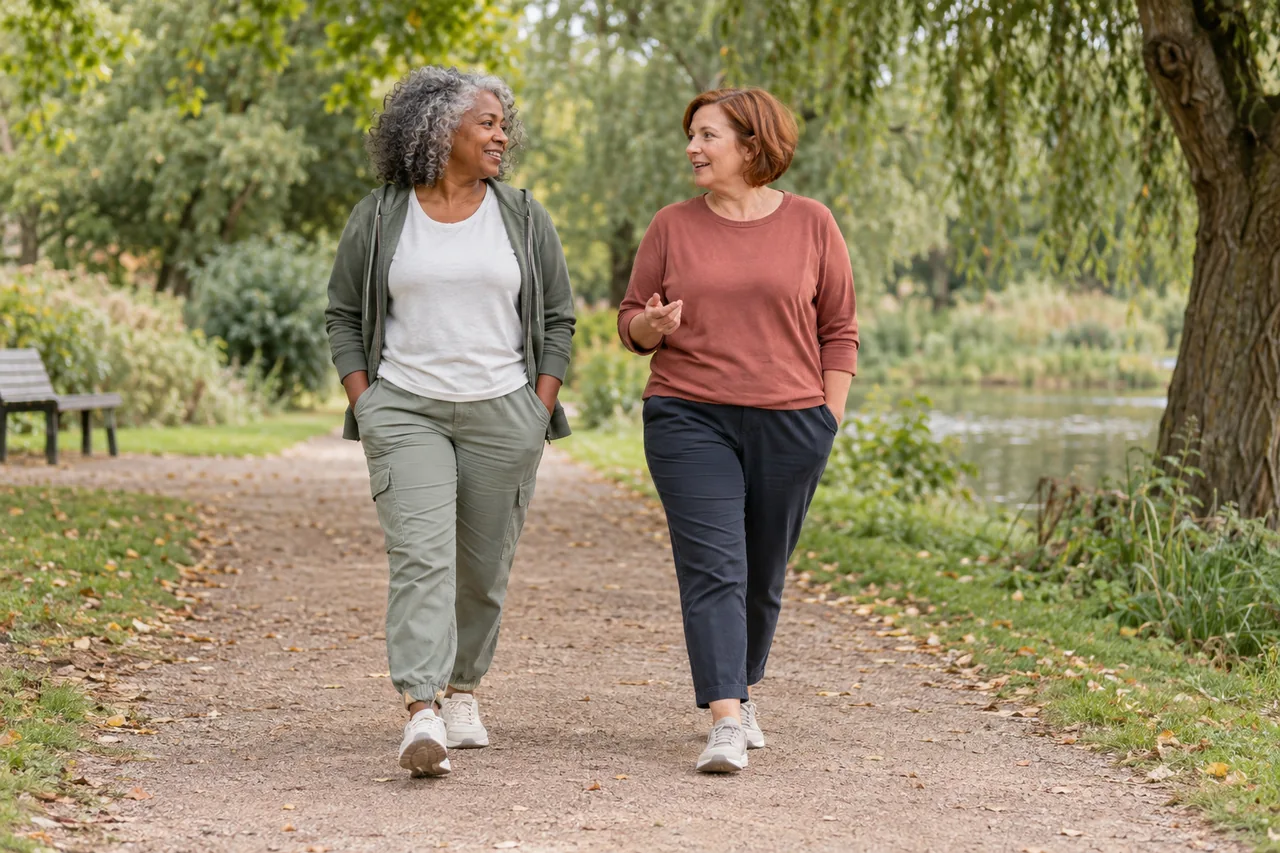
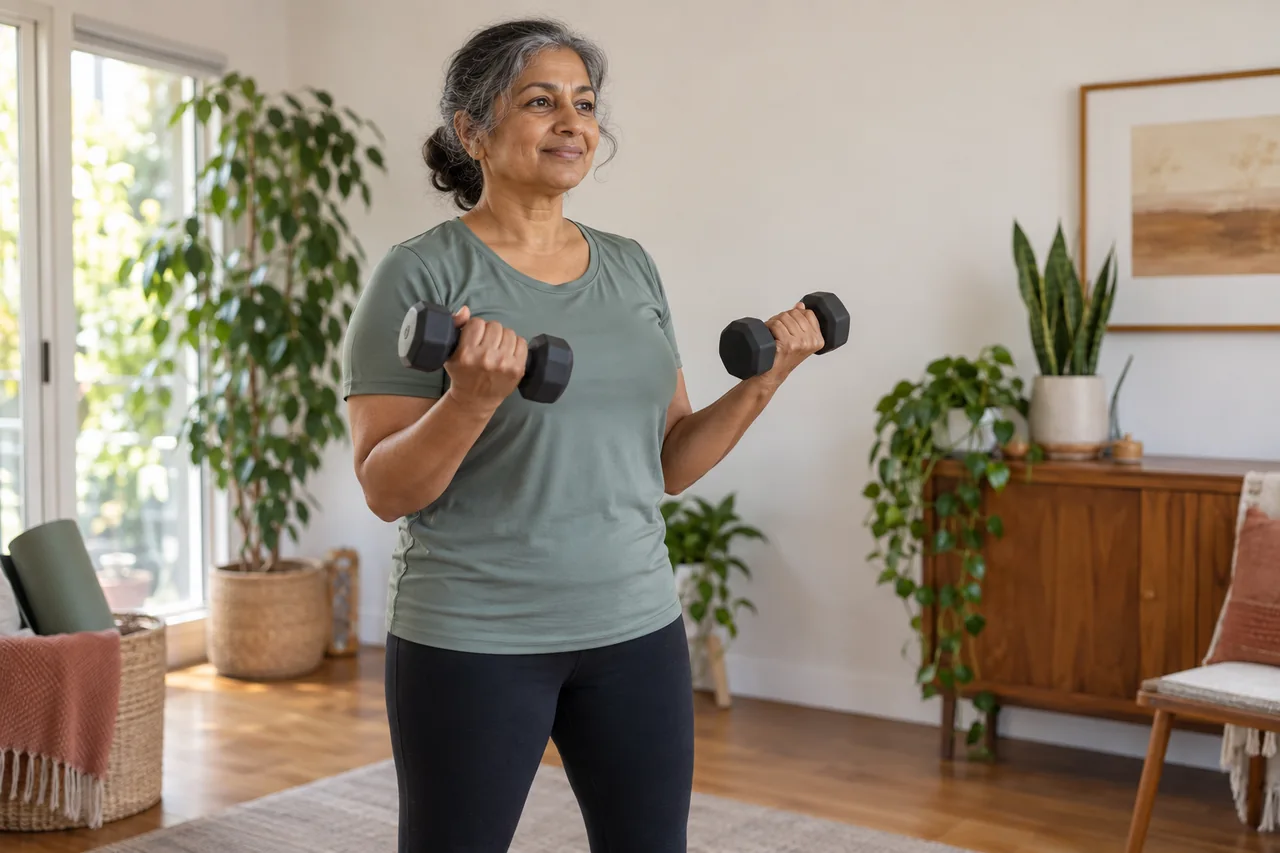
Weight-bearing activity and resistance exercises can support bone health. Safety depends on fitness, joints and fracture risk. Known osteoporosis or spinal fractures call for professional adaptation. Do not start jumping or heavy exercises unprepared because they are promoted as especially good for bones. A guided consistent routine is more useful than one unusually demanding attempt.
Practise balance safely
Balance helps reduce falls. Use safe surroundings, stable support or professional guidance where needed. Exercises should challenge without unnecessary danger. Identify difficulties with standing up, turning, stairs or uneven ground to inform physiotherapy. New unsteadiness, dizziness or weakness deserves assessment rather than attempting to overcome it through risky balancing alone.
Review your home once
Check routes, loose rug edges, dim areas and frequently used items. Are clothes on the night-time route to the bathroom, or essentials stored high up? Small changes can improve safety. Use stable footwear and review vision aids if appropriate. Preventing falls aims to support independent movement rather than keep you inactive.
Use nutrition as one component
Adequate energy, protein, calcium and appropriate vitamin D support bones. Assess supplements by need rather than advertising. Food does not replace necessary medicines for diagnosed osteoporosis. Discuss how diet and prescriptions fit together. Unintended weight loss or eating difficulty is relevant information, not something to dismiss as unavoidable ageing.
Choose a manageable next step
Select one clinical, one movement and one practical action: risk assessment, a guided strength exercise and better hallway lighting, for example. Note what you can do and where help is needed. For an existing diagnosis, ask about review. The best plan is coordinated, sustainable over months and adjustable when circumstances change, rather than the longest possible list.
Frequently asked questions
Does every woman need an immediate bone-density scan?
No. Age, history and other risks guide the decision. Ask about personal benefit. A low-trauma fracture or substantial risk can make assessment particularly important.
Can I exercise with osteoporosis?
Suitable movement is usually an important part of care. With established osteoporosis, especially after fractures, clarify appropriate exercises professionally. Avoid both unprepared high loading and withdrawing from all activity.