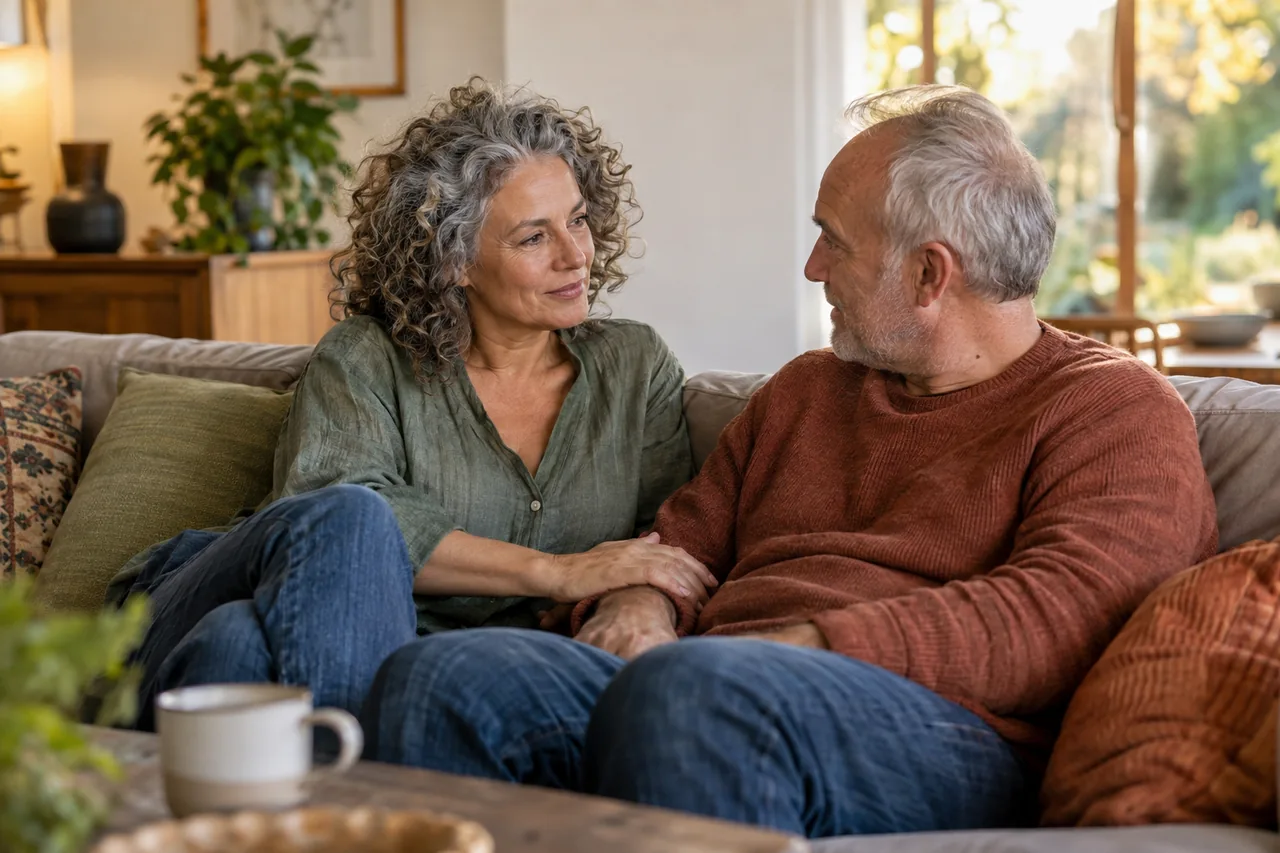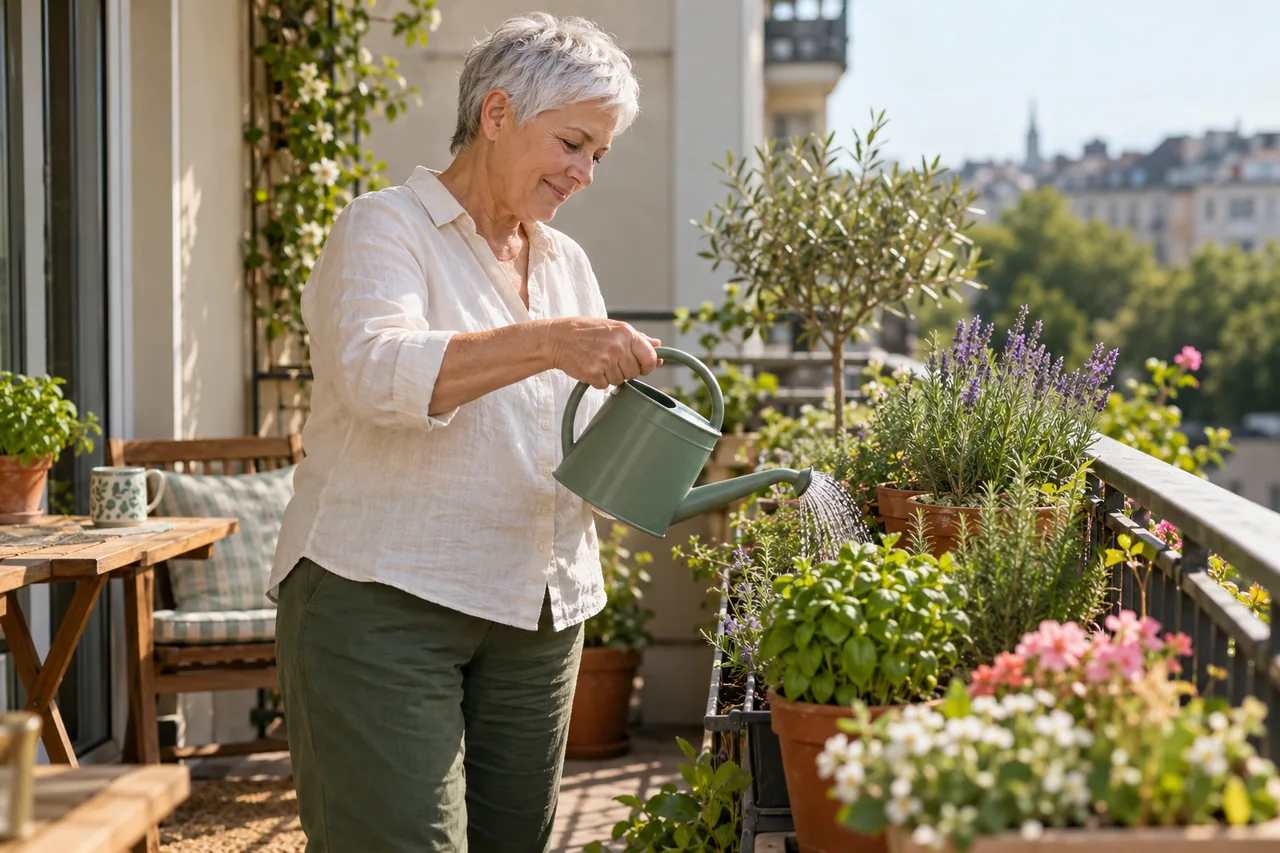
Perhaps dramatic accounts of menopause do not resemble your experience. You sleep reasonably, rarely have hot flushes and generally feel well. This is not an incomplete version of the transition. Not every woman experiences major difficulties. You can appreciate daily life while keeping a few health questions in view, without turning a natural change into constant monitoring.
General information, not a diagnosis or an individual treatment recommendation. Discuss persistent or concerning symptoms and treatment choices with a qualified healthcare professional.
Your experience needs no comparison
Friends can have very different experiences. That does not show that one is especially resilient or another is exaggerating. Ask what the other person wants from a conversation: space to talk, practical support or information? You do not need a similarly difficult story to show solidarity. You can also say you feel well. Respectful conversations allow both experiences without turning symptoms into a competition.
Treatment needs a clear goal
Without troublesome symptoms, age alone does not establish a general need for hormone products, supplements or extensive testing. Particular circumstances, such as very early menopause, require separate assessment. When offered a product, ask which concrete problem it addresses and how benefit would be recognised. General promises of energy, youth or balance are not a personal treatment indication. Keep habits that work rather than replacing them preventively with a new programme.
Discuss contraception separately from wellbeing
Having or not having hot flushes cannot reliably establish whether pregnancy remains possible. Irregular periods and hormone replacement therapy also do not replace contraceptive advice. If pregnancy could be relevant, agree a clear plan with a clinician. This includes your method, age and how the end of contraceptive need will be determined. The practical discussion does not require daily attention to hormones and can often fit into an already planned appointment.
Organise preventive care for your situation
Screening programmes vary by country, age and personal history. Note when you last received an invitation or recommendation and which questions remain. Blood pressure, smoking, bone risks or vaccination can be discussed without a blanket menopause testing package. If an investigation is offered, ask about benefits, possible disadvantages and the recommended interval. A record of the next appropriate appointment is generally less burdensome than repeatedly searching for more tests.
Maintain everyday wellbeing without perfection
Consider habits that already help: walking, eating with others, a pleasant evening routine or enjoyable movement. If needed, add one small change, such as a regular walking arrangement or an appropriate strength exercise with suitable guidance. The aim is to preserve long-term ability and wellbeing. You do not need to demonstrate physical rejuvenation or keep a perfect weekly score. Rest, pleasure and social connection deserve space even when an app cannot measure them.
Respond calmly to new concerns
Decide once whom to contact with questions, then let the subject recede into the background. If dryness, sleep problems or unusual bleeding develop, describe them clearly and seek suitable support. Bleeding after established menopause needs checking even when you otherwise feel well. Health literacy is not constant symptom hunting. It means recognising meaningful changes and knowing when observation is enough and when an appointment is useful.
Frequently asked questions
Could I still develop symptoms later?
Yes, the course can change. That does not mean you must expect deterioration or treat everything in advance. Look for focused information when an actual problem arises and retain habits that already help.
Are hormones useful for general rejuvenation?
That broad aim is not a sound basis for an individual medicine decision. Hormonal treatments are assessed for specific medical situations. Ask about a clear personal benefit and risks rather than adopting general promises of youth as a health goal.