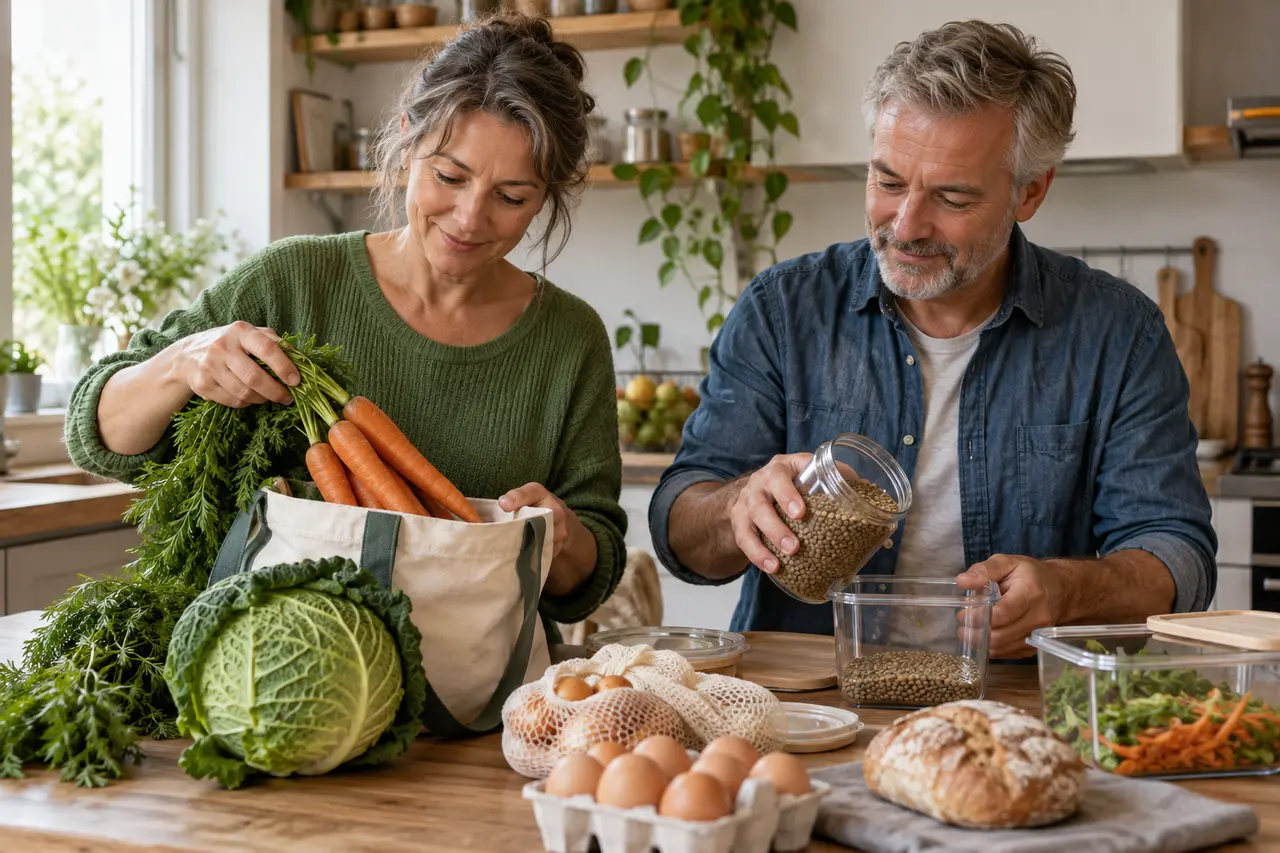
Eating less does not automatically make shopping easier or cheaper. Large packs stay open, familiar supplies no longer fit, and specialist products can suddenly seem essential. A short plan helps connect nutrition, budget and the appetite you actually have.
Start with what you already have
Check the fridge, freezer and cupboard before shopping. What is open, what needs using soon and what do you actually want to eat? Choose two or three simple meals around those foods. A potato, a tin of beans and some vegetables may already provide a starting point. A short list prevents duplicate purchases. Include an easy option for a tiring day when cooking feels difficult. You do not need a perfect week-long menu to make a useful improvement.
Compare price with usable portions
A larger pack only saves money if you can safely finish or portion it. Check the unit price and the amount likely to be eaten. Smaller packs can be more practical for occasional foods even when the price per kilogram is higher. Frozen vegetables often allow you to remove just what you need. Tinned pulses save preparation time; dried varieties may suit you if cooking and storage are manageable. Available energy and kitchen equipment are part of the decision, not signs of doing things incorrectly.
Find protein without costly specialist products
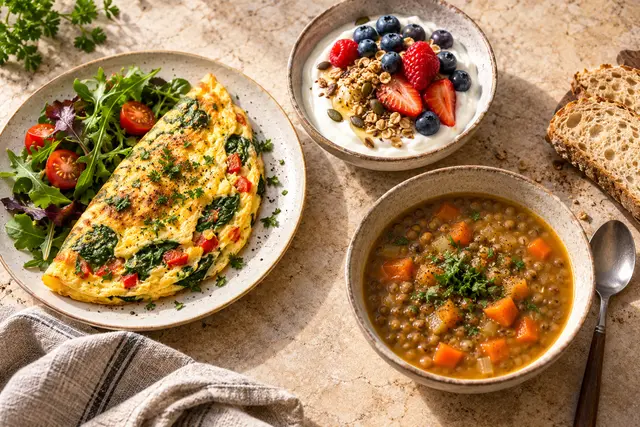
Oats, lentils, beans, eggs, plain yoghurt and tofu are possible staples, depending on your diet and local prices. A “GLP-1 friendly” label proves neither a special requirement nor added value. Compare ingredients and nutritional information before paying more for powders, bars or meal programmes. Some products may be convenient, but they are not automatically necessary. With prescribed dietary requirements, suitable nourishment comes before the cheapest offer; ask your dietitian about affordable alternatives that meet your needs.
Portion and store safely
Prepare larger dishes only when you can cool or freeze them safely. Germany’s Federal Institute for Risk Assessment advises cooling cooked food promptly and using refrigerated leftovers within two to three days. Shallow containers help food cool. Label the contents and date, and reheat only the portion required where possible. Follow product-specific instructions too. Food is not safe merely because it was expensive or smells normal. When storage has been uncertain, safety comes before avoiding waste.
Keep a fallback for difficult days
Have a few tolerated foods available that can form a small meal: soup with a protein component, bread with a filling, or yoghurt and oats. Coordinate household shopping so several people do not buy the same supplies independently. If costs lead you to miss meals regularly, raise this openly with your clinical team or dietitian. Financial pressure is a real care issue. It is not something to be ashamed of, and it does not need to be answered by buying further expensive products.
Common questions
Is fresh always better than frozen?
No. Frozen vegetables and fruit can be useful, particularly for smaller portions. Contents, storage and how you use the food matter more than the word fresh alone.
Should I buy only snacks if my portions are small?
Not necessarily. Planned small meals may make variety easier. If you mainly snack, check whether protein foods, produce and suitable accompaniments are actually represented.
Sources & further reading
- Deutsche Gesellschaft für Ernährung: Gut essen und trinken
- Nutritional priorities to support GLP-1 therapy for obesity: joint advisory
- BfR: Vorkochen für mehrere Tage
Sources checked:
Questions and experiences
Share a question or a useful experience about this topic. Every contribution is checked before publication. Comments may be written in different languages.
Loading reader contributions…
Opening the form sets a necessary session cookie. No email address is required. Publication is subject to moderation and is not guaranteed. For deletion requests: Contact