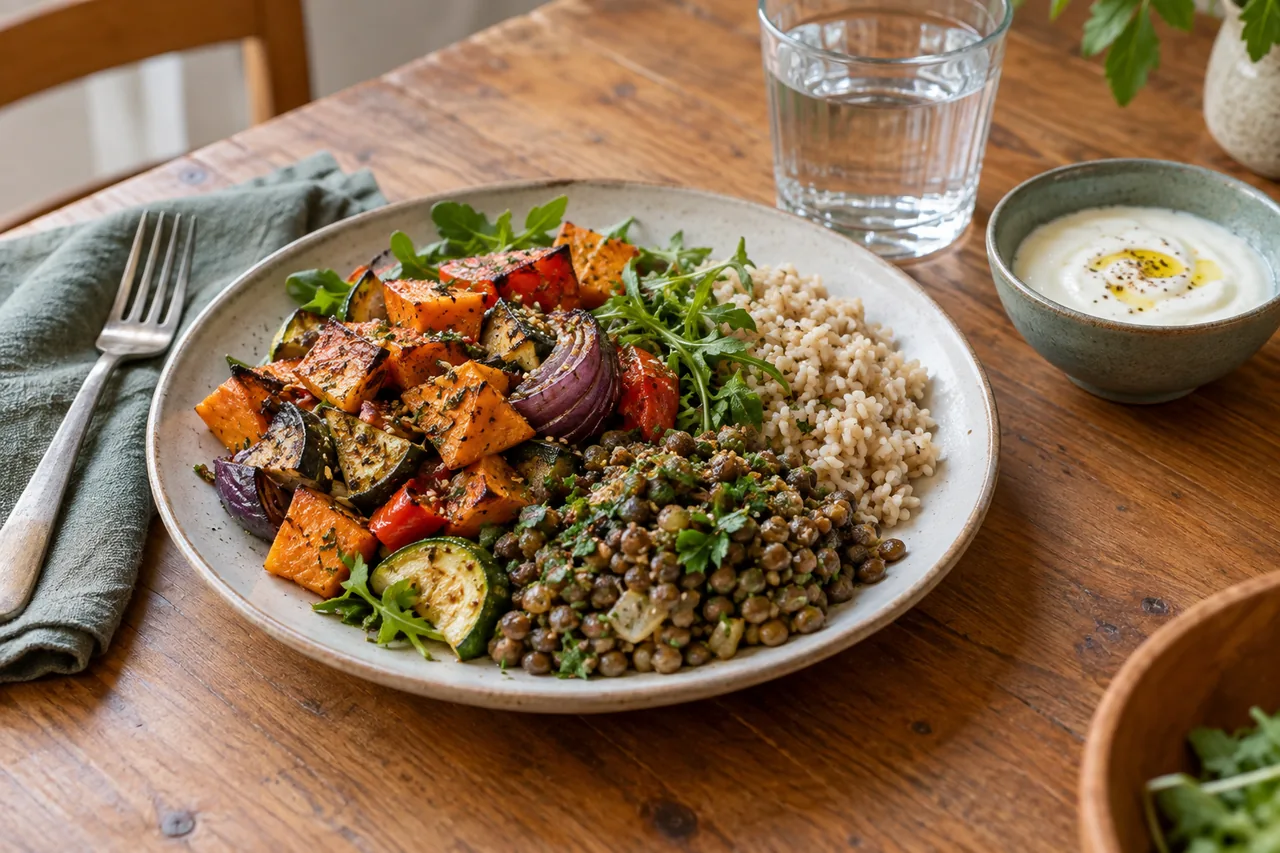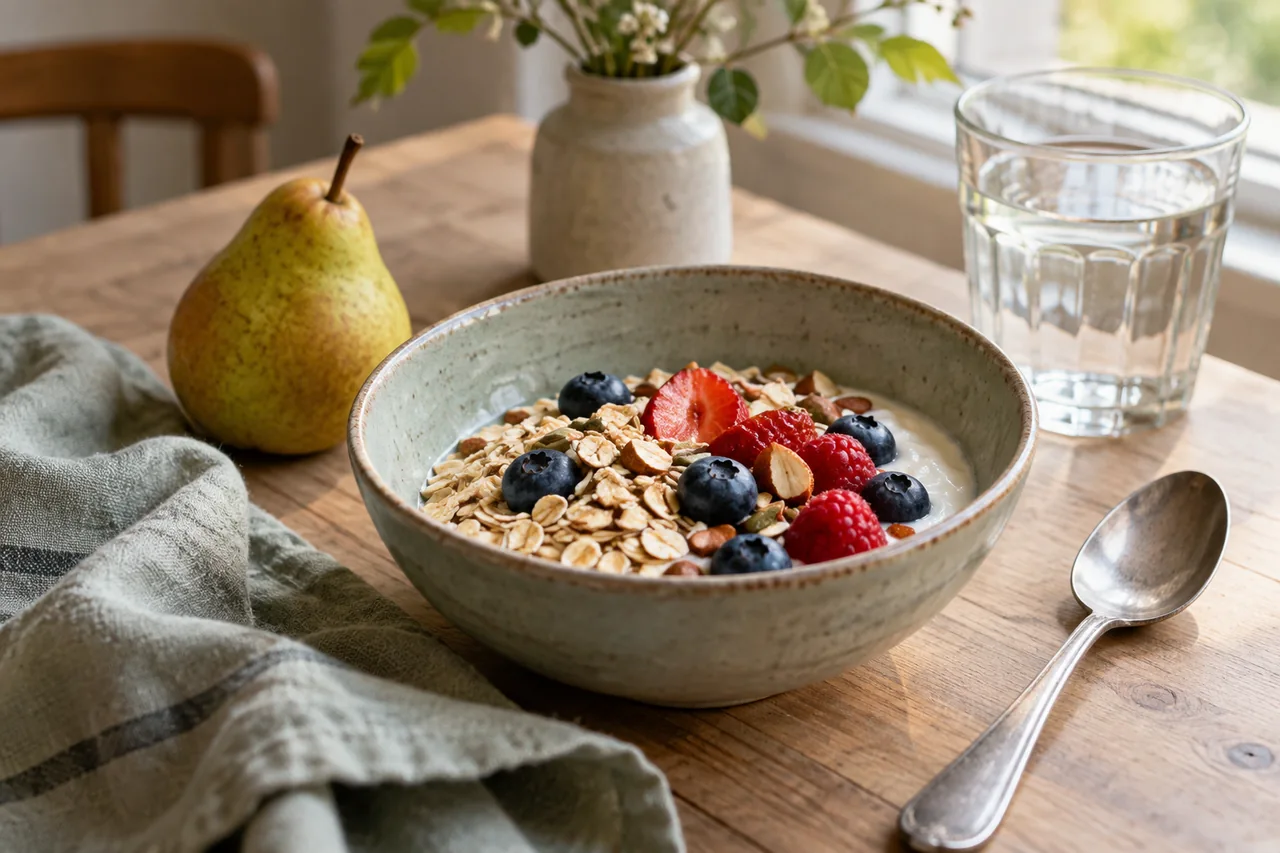
Protein is a body building block and matters for maintaining muscle. Shakes, bars and elaborate plans are not automatically necessary. Look at familiar meals: where is protein already present, and where could a suitable addition help? Particular illnesses or dietary patterns may require individual advice.
General information, not a diagnosis or an individual treatment recommendation. Discuss persistent or concerning symptoms and treatment choices with a qualified healthcare professional.
Recognise existing sources
Dairy, eggs, fish, meat and pulses can provide protein; grains and other plants contribute too. List three frequent meals and mark their sources. A gap can prompt an addition rather than complete replacement. Bread and fruit at breakfast might be joined by yoghurt, an egg or a suitable pulse spread. Choose by taste, tolerance and available time.
Use plant options
Lentils, beans, chickpeas and soy products fit familiar meals through sauces, spreads or tofu dishes. You need not calculate every meal mathematically. Variety across the day is usually more practical than searching for one perfect source. Begin with small amounts of unfamiliar pulses and observe tolerance without immediately interpreting ordinary adjustment as intolerance.
Complete the meal rather than only enriching it
A high-protein product does not automatically make a balanced meal. Vegetables, fruit, satisfying bases and fats still matter. Consider what is missing overall. A bar at the desk may seem convenient while leaving the real problem of a missed lunch break untouched. Prepared ordinary food can provide pleasure and structure. A useful addition fits the wider diet without progressively displacing other foods.
Prepare a small dependable fallback
Cook an additional portion of a familiar dish or keep an easily used source available, such as canned pulses, plain yoghurt or eggs according to your eating pattern. Observe safe storage and use-by guidance. Decide what works on a very tired evening so food need not be renegotiated daily. A modest useful supply may help more than a collection of muscle-branded products.
Connect nutrition with muscle activity
More protein alone does not provide every benefit to muscle. Appropriate physical loading also matters. Start safe strength activity matched to current ability. Pain or illness restricting movement may need physiotherapy or medical advice. Progress might mean standing from a chair or carrying objects more easily. These everyday abilities show why nutrition and activity are considered together.
Assess powders without marketing assumptions
Protein powder can be convenient in some circumstances but is not inherently necessary or superior to food. Check ingredients, tolerance, price per serving and actual need. Menopause branding does not justify any premium. Reduced appetite, unintended weight loss or clinical nutrition problems merit qualified help. Powder should neither conceal a need for assessment nor become the only dependable element of eating.
Do not adopt advertised quantities automatically
Needs vary with age, health, weight, activity and nutritional status. Very high social-media targets do not suit everyone, particularly with kidney disease or complex treatment. If a numerical goal is useful, request an explained personal target with realistic food examples. Advice should fit your circumstances rather than turn a high daily number into an achievement.
Frequently asked questions
Must every meal include a protein shake?
No. Ordinary foods can often provide suitable amounts. A shake may be convenient but is neither compulsory nor a menopause medicine. Review existing meals and the actual gap first.
Does extra protein solve every weakness?
No. New or marked weakness has several possible causes. Nutrition is one component. Seek help for substantial strength loss, unintended weight loss or sudden difficulty with usual activities.