A fictional example: a view with extra information
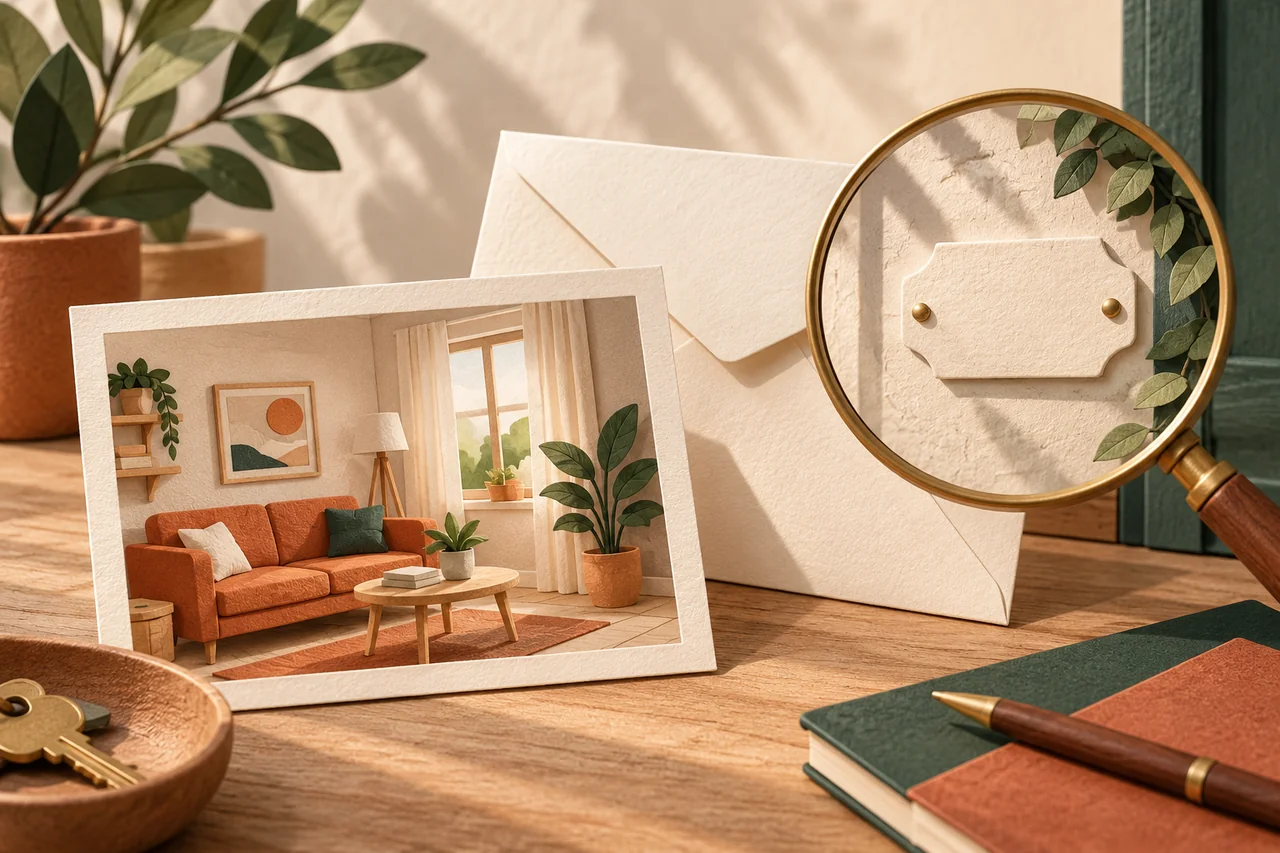
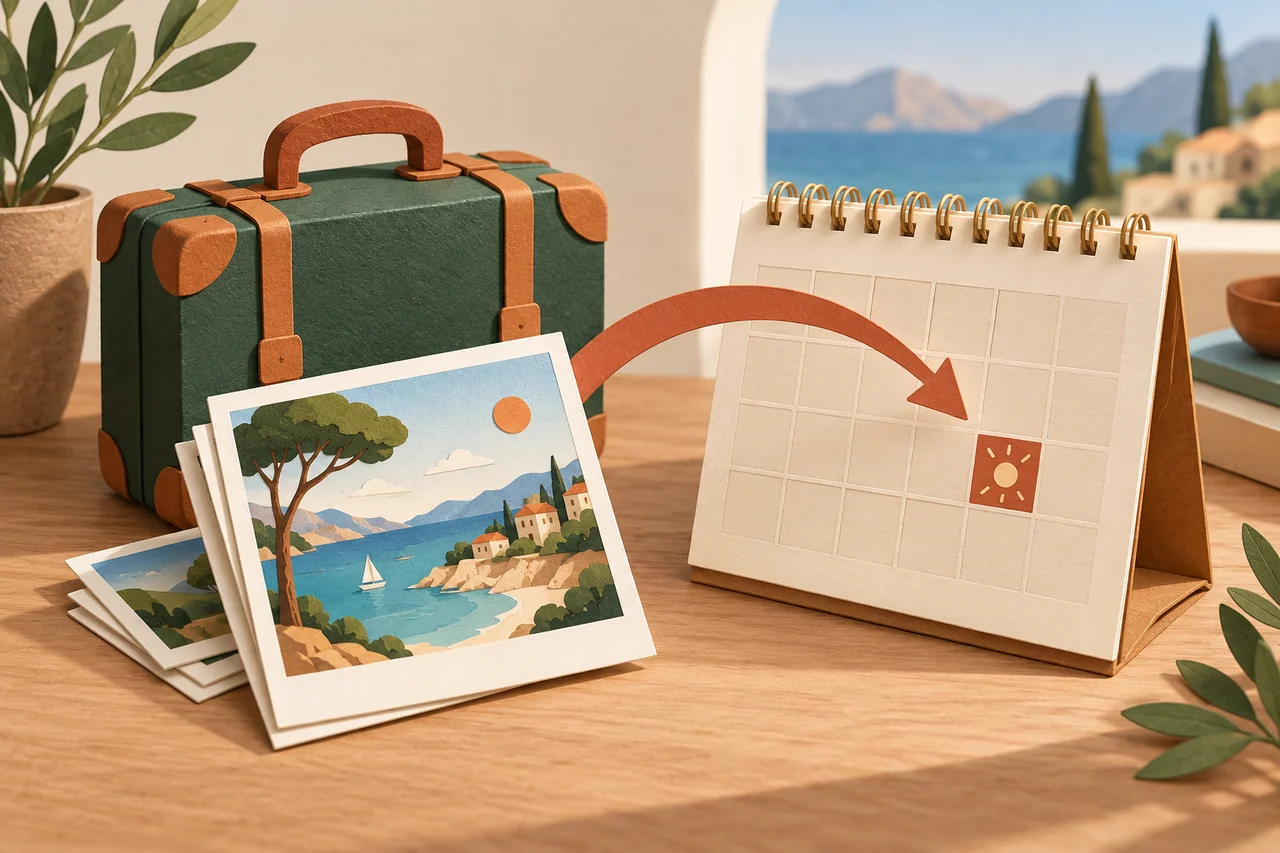
Noah photographs the view from his hotel balcony. A room card lies beside his coffee, while the draft caption names the hotel and his departure date. The scenery is unremarkable from a privacy perspective; the combination of details is unnecessarily specific. He takes another photograph without the card and saves the public post until he returns. A close contact receives any necessary practical information in a separate message.
Check four different sources of detail
Open the finished preview and examine it as someone unfamiliar with your trip. The location tag is not the only clue. A station sign, a labelled key or the caption may provide the same information. Several ordinary posts can also reveal a more precise itinerary when combined. You do not need to predict a burglary to decide that an exact location or absence period adds nothing useful to your story.
- Look for documents, signs and readable room numbers in the image.
- Review the caption for exact absence dates and home addresses.
- Check any suggested location and the selected audience before sending.
Separate a memory from a practical message
Ask who needs the information right now. Someone collecting you may need your arrival time, but your whole contact list does not need your booking reference. Keep travel arrangements separate from public memories. Discuss preferences with companions too: your photograph can disclose where they are, or that they are away from home. A private message can also be copied, so include only what the recipient actually needs.
Tickets and confirmations are documents
Boarding passes, train reservations and hotel confirmations are unsuitable decorations for a story. Names, reference numbers and machine-readable codes may carry information that is easy to overlook. A small sticker over a name does not necessarily hide everything else. Choosing a different photograph is often simpler than trying to repair this one. Keep travel documents where you can access them when needed and send them only to appropriate recipients for a clear purpose.
Posting later still requires a quick review
After returning, you can choose photographs without broadcasting your current movements. Still remove unnecessary personal details and ask identifiable companions before sharing publicly. Delayed posting does not guarantee protection from every misuse. If you have already posted sensitive documents, remove the post and ask the relevant provider whether further action is appropriate. Where there is a specific threat, obtaining local support matters more than continuing to edit photographs.
Your checklist
The checkboxes are for your own reference. No entries are sent to us. To keep a copy, print the page or save it as a PDF using your browser menu.
Common questions
Does this mean I cannot post during a trip?
No. The aim is deliberate selection, not a universal ban. Leaving out precise locations or dates may already reduce unnecessary disclosure.
Are stories automatically private?
No. Their audience depends on your settings. Content visible for a short time can still be recorded or forwarded to someone else.
Is a private profile enough?
It may limit the audience, but it does not make sensitive documents suitable photo subjects. Contacts can copy material, so travel information still needs an appropriate reason for sharing.
Sources and further information
Primary sources from public authorities, consumer organisations and providers. A source may be in another language; follow the guidance that applies to your service and where you live.
- CNIL: Départ en vacances — les erreurs à ne pas commettre sur le webSource review date:
- FTC: Heads Up — Stop. Think. Connect.Source review date: