One folder for one particular transaction
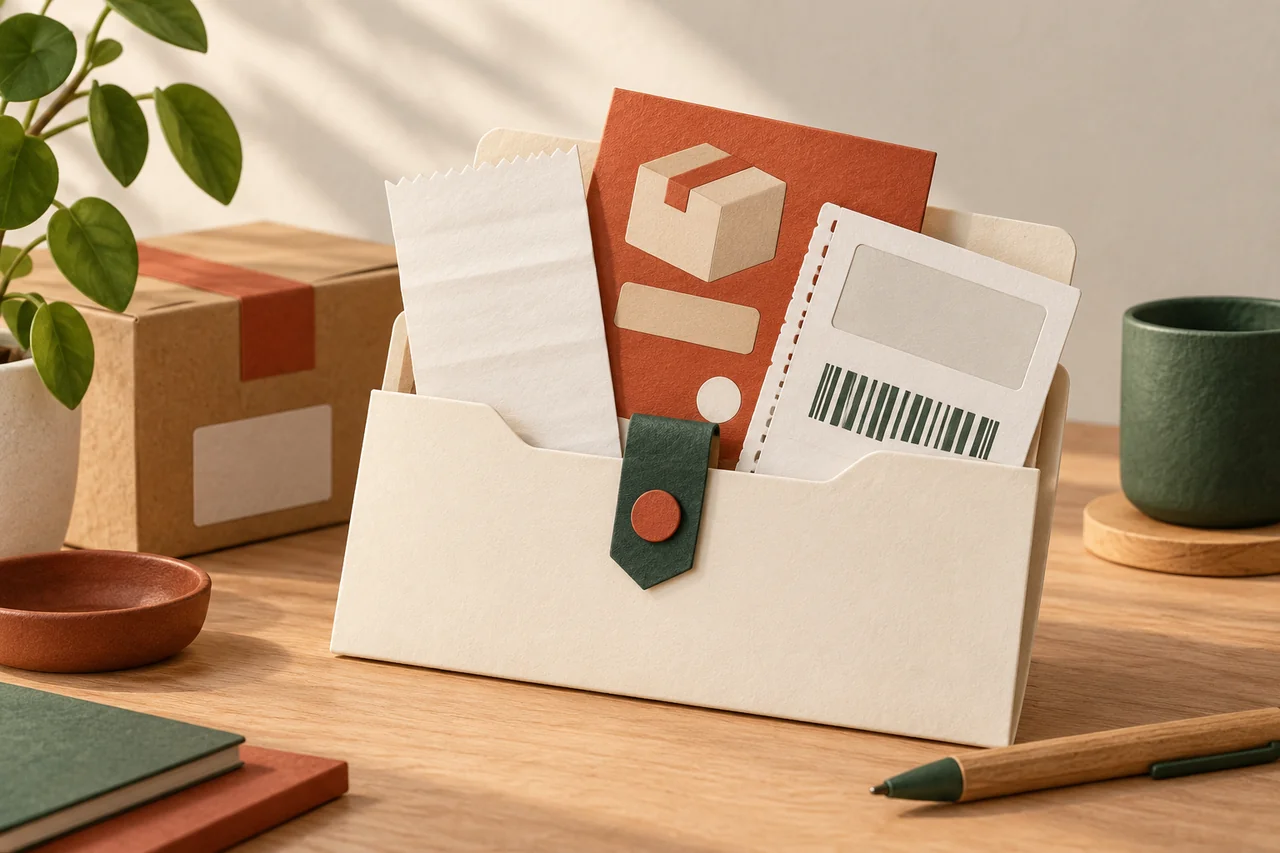
Fictional example: Sofia orders two tops and returns one. When the refund becomes unclear, she finds the order number, return receipt and shop’s response in the same folder. She can explain the sequence using three dates. She does not have to forward her whole inbox or reveal unrelated purchases. The folder does not automatically prove a legal entitlement, but it makes clear which agreement and later actions relate to the question she is asking.
Start with a recognisable name
Use a simple naming pattern, such as year and month, shop name and a short item description. A full home address or card number does not belong in a filename. Keep only documents about that order underneath it. If you prefer email folders, group the relevant messages there and store important attachments securely as well. What matters is being able to find the transaction without remembering a particular subject line and still being able to open its records.
Preserve the important information completely
Keep the order confirmation and invoice. Add relevant information about the item, price, promised delivery and returns as they appeared when you purchased. Later issues may also require messages, dispatch records or return receipts. For a telephone agreement, record the date and factual substance, clearly marking it as your own call note. Do not alter original documents to make the sequence look tidier. A properly labelled note and an unchanged record serve different purposes and can sit alongside each other.
Obtain documents safely and share selectively
Prefer documents from the genuine customer account you opened yourself, or use the confirmation you already have. An unexpected message containing a supposed invoice needs its sender and transaction checked first. Do not install a program merely to view an invoice. For a query, begin with the order number and problem; full account statements are rarely necessary. If evidence is required, use the official contact route and provide only the relevant parts in a separate copy.
Combine protection, backup and later housekeeping
Keep the folder in a protected user account and include important records in your existing backup arrangements. For cloud storage, check whether the folder has inadvertently been made public or shared with other people. Once the transaction is resolved, remove unnecessary duplicates and sensitive copies prepared for sending. How long particular records remain useful depends on matters such as the contract, possible warranty issues and your own record-keeping obligations. Legal or tax questions need the rules applicable to your circumstances.
Your checklist
The checkboxes are for your own reference. No entries are sent to us. To keep a copy, print the page or save it as a PDF using your browser menu.
Common questions
Is it enough to leave every message in my inbox?
It can work if you can reliably find the messages and retain access to the account. An organised subfolder and a backup of important records may make retrieval easier. Avoid creating unnecessary unprotected copies across many different devices.
Must I archive every product page in full?
Not necessarily. Keep information relevant to your order and possible questions, such as specific product features, prices and conditions. A huge collection is less helpful than a few complete, dated records with understandable names that you can actually find.
How long should I keep order records?
That depends on open questions, possible claims, the contract and local requirements. This general guide sets no universal retention period. Keep necessary documents organised and later review which extra copies are unnecessary. Seek suitable professional advice for specific legal or tax questions.
Sources and further information
Primary sources from public authorities, consumer organisations and providers. A source may be in another language; follow the guidance that applies to your service and where you live.
- FTC: Online Shopping – Keep RecordsSource review date:
- BACS: Erste Schritte – Datensicherung und sichere ZugängeSource review date: